
 Scan QR Code
Send My Request
Key Specs to Verify in Oil Resistance NBR Rubber Seal Rings
Monday, 01/5/2026
This article explains the critical specifications to check when selecting oil resistance NBR (Buna) rubber seal rings for industrial applications. It covers material properties, mechanical tests, dimensional tolerances, compatibility, common failure modes, and practical selection tips, with a comparative table and authoritative references to help engineers and procurement professionals choose reliable, leak-proof rubber seals like the Bost Oil Resistance NBR Buna-Rubber Seal Ring.
- Key Specs to Verify in Oil Resistance NBR Rubber Seal Rings
- Introduction: Why verifying specs for rubber seal rings matters
- Material identity and formulation: Confirm you have true oil resistance NBR
- Mechanical properties: Hardness, tensile strength and elongation
- Thermal and operating temperature range
- Fluid compatibility: Oil, fuel and chemical resistance
- Pressure, extrusion gap and seal geometry
- Dimensional tolerances and standards compliance
- Testing and quality control: What to request from suppliers
- Comparative table: NBR vs common seal elastomers for oil resistance
- Choosing the correct hardness and compound for your application
- Common failure modes and how verifying specs prevents them
- How to read a seal datasheet: must-have entries
- Practical selection checklist before you buy rubber seal rings
- Bost brand summary: why choose Bost Oil Resistance NBR Buna-Rubber Seal Ring
- FAQ — Frequently Asked Questions
- Contact and product action
- Authoritative references and further reading
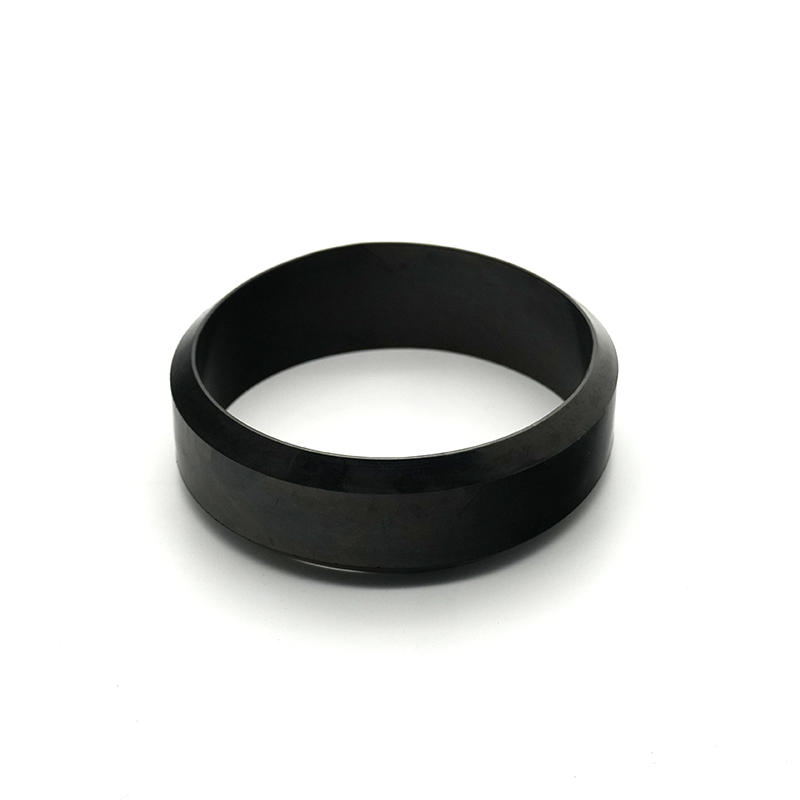
Key Specs to Verify in Oil Resistance NBR Rubber Seal Rings
Introduction: Why verifying specs for rubber seal rings matters
When a system depends on reliable sealing to prevent fluid leaks, choosing the right rubber seal is a mission-critical decision. For oil and hydrocarbon-based fluids, NBR (nitrile butadiene rubber, commonly called Buna-N or simply NBR) is one of the most widely used elastomers. However, not all NBR rubber seal rings are the same. Verifying the right specifications ensures long service life, leak-proof performance and reduced downtime. This guide explains the essential specs to verify when selecting an oil resistance NBR rubber seal, using the Bost Oil Resistance NBR Buna-Rubber Seal Ring as the practical product reference. After validating core specifications, many procurement teams evaluate alternatives by comparing NBR Buna-rubber vs fluoroelastomer seals for oil to ensure the selected material matches both performance and budget expectations.
Material identity and formulation: Confirm you have true oil resistance NBR
Start with the basics: verify the elastomer is genuine oil-resistant NBR (nitrile butadiene rubber / Buna-N) and not a lookalike compound. Manufacturers often tailor NBR formulations (acrylonitrile content, plasticizers, reinforcing fillers) to balance oil resistance, low-temperature flexibility, and mechanical strength. Key checks:
- Material name and grade on datasheet (e.g., NBR 35, NBR 70, specific compound code).
- Acrylonitrile (ACN) content range — higher ACN typically improves oil resistance but reduces low-temperature performance.
- Presence of additives that improve ageing, heat-resistance or fuel resistance (e.g., anti-oxidants, antiozonants).
Mechanical properties: Hardness, tensile strength and elongation
Mechanical properties define how the rubber behaves under load and deformation. Typical test metrics to verify:
- Durometer (Shore A) hardness — commonly 60–90A for oil seals. Hardness affects static sealing and extrusion resistance; choose based on gland design and pressure.
- Tensile strength and elongation at break — indicate toughness and fatigue resistance during dynamic motion.
- Compression set (%) — a critical spec for static seals; lower values indicate better ability to maintain sealing force over time.
Thermal and operating temperature range
NBR's typical continuous service temperature falls roughly between -40°C and +110°C, but actual limits vary by formulation. Verify:
- Recommended minimum and maximum operating temperatures on the datasheet.
- Short-term (spike) temperature tolerance if the application experiences thermal transients.
If your application involves temperatures near the edges of NBR's range, confirm accelerated ageing tests and post-age property retention.
Fluid compatibility: Oil, fuel and chemical resistance
Oil resistance is the primary selection driver for NBR seals. Verify fluid compatibility by confirming:
- Compatibility with the specific fluid(s) in the system (hydraulic oil types, engine oil, gear oil, fuel blends). Datasheets often list common fluids tested.
- Swelling and hardness change after immersion (percent volume change, % change in Shore A).
- Changes in tensile and compression set after oil immersion.
Always test or request validated test data for the exact oil grade and temperature of your application; NBR performance against petroleum oils is usually excellent, but some fuels and additives can degrade certain formulations.
Pressure, extrusion gap and seal geometry
Sealing performance depends on the seal design and mechanical constraints as much as the rubber compound. Verify:
- Maximum static and dynamic pressure ratings for the specific seal cross-section.
- Recommended extrusion gap and backup ring requirements for high-pressure systems.
- Cross-section type (O‑ring, X‑ring, U‑cup, axial face seal) and dimensional tolerances per relevant standards (e.g., ISO 3601 for O-rings).
Dimensional tolerances and standards compliance
Dimensional accuracy affects installation fit and sealing reliability. Key items to verify:
- Conformance to standards (ISO 3601, AS568 for O-rings, or manufacturer-specific tolerances).
- Certificate of conformance (CoC) or inspection reports for critical dimensions.
- Surface finish recommendations for mating parts (recommended Ra values) to prevent sealing failure.
Testing and quality control: What to request from suppliers
Robust testing data is essential to prove a seal will perform in service. Ask suppliers for:
- Batch-specific material certificates (composition, ACN content if available).
- Mechanical test reports (hardness, tensile, elongation, compression set).
- Fluid aging and immersion test data for the actual oil type and temperature.
- Dimensional inspection reports and sample serial numbers.
For critical applications, request traceable test data and consider independent lab verification.
Comparative table: NBR vs common seal elastomers for oil resistance
| Elastomer | Oil Resistance | Typical Temp Range | Best Use Cases |
|---|---|---|---|
| NBR (Buna-N) | Very good to petroleum oils, fuels | -40°C to +110°C (varies by compound) | Hydraulic seals, oil seals, fuel system non-extreme temps |
| FKM (Viton) | Excellent, including high temp and some aggressive chemicals | -20°C to +200°C | High-temp and aggressive chemical environments |
| EPDM | Poor to petroleum oils; excellent to water/steam | -50°C to +150°C | Steam, hot water, brake fluids (non-petroleum) |
| HNBR | Very good oil resistance + improved heat/ageing | -35°C to +150°C | High-stress hydraulic seals, dynamic applications |
Choosing the correct hardness and compound for your application
Hardness selection balances sealing contact force, extrusion resistance and compressibility. Practical guidance:
- Static seals: softer grades (60–70A) often provide better conformity to imperfect surfaces; watch compression set.
- Dynamic seals (reciprocating/rotating): harder grades (70–90A) resist extrusion and wear but require precise surface finish and tolerances.
- High-pressure systems: consider backup rings and harder compounds or HNBR alternatives.
Ask the supplier for application-specific recommendations and any field-proven examples similar to yours.
Common failure modes and how verifying specs prevents them
Typical failures and the specs that reduce risk:
- Extrusion and blow-out — use correct hardness, reduce extrusion gaps, add backup rings.
- Swelling and softening in oil — choose verified oil-resistant NBR and examine oil-immersion test results.
- Abrasion/wear in dynamic applications — confirm tensile strength, abrasion resistance, and consider lubrication conditions.
- Compression set leading to leaks — verify low compression set values after heat and oil ageing tests.
How to read a seal datasheet: must-have entries
When comparing suppliers, make sure each datasheet includes:
- Material designation and formulation notes (NBR / Buna-N, ACN content if available).
- Physical and mechanical properties (hardness, tensile, elongation, compression set).
- Operating temperature range and UV/ozone resistance notes.
- Fluid compatibility list and oil-immersion test results.
- Dimensional tolerances and standards compliance (e.g., ISO, AS568).
- Quality certifications and test reports availability.
Practical selection checklist before you buy rubber seal rings
Use this checklist to validate a candidate seal or supplier:
- Confirm material is oil-resistant NBR and supplier provides datasheet.
- Check hardness matches gland design and pressure conditions.
- Verify fluid compatibility with the exact oil and temperatures expected.
- Obtain compression set and oil-immersion results for the specific compound.
- Confirm dimensional tolerances, standard conformity and inspection reports.
- Request traceable batch certificates for critical applications.
Bost brand summary: why choose Bost Oil Resistance NBR Buna-Rubber Seal Ring
When the spec review is complete, brand selection matters. The Bost Oil Resistance NBR Buna-Rubber Seal Ring provides:
- Proven oil-resistant NBR compound tailored for industrial hydraulic and oil-service applications.
- Comprehensive datasheets and test results on oil immersion, compression set and mechanical properties.
- Available in standard and custom sizes, with tight dimensional control to ISO/AS568 tolerances.
- Durable, leak-proof performance across demanding environments — suitable for both static and many dynamic uses.
For procurement and maintenance teams that must minimize downtime and warranty claims, choosing a supplier that documents material identity and test data—like Bost—reduces risk and simplifies qualification.
FAQ — Frequently Asked Questions
Q: What makes NBR oil-resistant?
A: NBR’s polymer composition (nitrile content) provides resistance to petroleum oils and fuels. Higher acrylonitrile (ACN) content generally improves oil and fuel resistance but can reduce low-temperature flexibility.
Q: How do I select hardness for an oil seal?
A: Consider application type: static seals often use 60–70A for better conformity; dynamic seals typically use 70–90A for wear and extrusion resistance. Match hardness to gland design and operating pressure.
Q: Can I use NBR for fuel applications?
A: Standard NBR resists many fuels, but compatibility depends on fuel composition (additives, ethanol blends). Request fuel-immersion test data for the exact fuel and temperature range before use.
Q: What tests should be requested for critical seals?
A: At minimum: hardness, tensile/elongation, compression set, oil immersion (volume/hardness change), thermal ageing and dimensional inspection. For high-risk applications, request batch traceability and third-party lab tests.
Q: How long do NBR seals last in oil-service?
A: Service life depends on compound quality, operating temperature, pressure cycles, and fluid. Properly specified seals from reputable suppliers can last years; verifying compression set and oil-ageing behavior helps estimate life.
Contact and product action
To evaluate compatibility for your application or to order samples, contact Bost sales or technical support. View product details and request datasheets for the Bost Oil Resistance NBR Buna-Rubber Seal Ring to review batch certificates, test reports and available sizes.
Authoritative references and further reading
For technical standards and additional reading, consult these authoritative sources:
- Wikipedia — Nitrile rubber (NBR): https://en.wikipedia.org/wiki/Nitrile_butadiene_rubber
- ISO — International Organization for Standardization: https://www.iso.org
- ASTM International — standards collection: https://www.astm.org
- Parker O-Ring Handbook (technical resource): https://www.parker.com/literature/Seals%20Division%20Literature/O-Ring%20Handbook.pdf
- MatWeb material property database (NBR data): https://www.matweb.com
- SKF — Sealing solutions technical guides: https://www.skf.com
These sources provide deeper technical background on elastomer properties, standard tolerances and testing procedures that support the verification process described above.
Tags
nylon standoff insulator for PCB
nylon standoff insulator for PCB
Eco-Friendly Support
Eco-Friendly Support
injection molding plastic
injection molding plastic
buy plastic spur gears
buy plastic spur gears
cnc machined parts
cnc machined parts
Corrosion & Wear Resistant Sealing
Corrosion & Wear Resistant Sealing
Recommended for you
3D Printing vs Injection Molding: When to Choose Which
Selecting Fluoroplastic PVDF Covers: Material and Spec Checklist
Top 10 custom rubber seals Manufacturers and Supplier Brands
Evaluating Tensile Strength in Plastic Connectors
Prdoucts Categories
Question you may concern
FAQs
What is the delivery lead time? Do you offer global logistics?
Standard products: 5–15 working days; custom modifications: 2–4 weeks. We support global air/sea freight and provide export customs clearance documents (including REACH/UL certifications).
Can Bost customize modified plastics with special properties?
Yes! We offer modification services such as reinforcement, flame retardancy, conductivity, wear resistance, and UV resistance, for example:
• Adding carbon fiber to enhance stiffness
• Reducing the coefficient of friction through PTFE modification
• Customizing food-grade or medical-grade certified materials
What is the minimum order quantity (MOQ)? Do you support small-batch trial production?
The MOQ for standard products is ≥100kg. We support small-batch trial production (as low as 20kg) and provide mold testing reports and performance data feedback.
What are the core advantages of Bost engineering plastics compared to ordinary plastics?
Bost engineering plastics feature ultra-high mechanical strength, high-temperature resistance (-50°C to 300°C), chemical corrosion resistance, and wear resistance. Compared to ordinary plastics, their service life is extended by 3 to 8 times, making them suitable for replacing metals in harsh environments.
How do I select the appropriate engineering plastic grade for my product?
Selection should be based on parameters such as load conditions (e.g., pressure/friction), temperature range, medium contact (e.g., oil/acid), and regulatory requirements (e.g., FDA/RoHS). Our engineers can provide free material selection consulting and sample testing.
You may also like
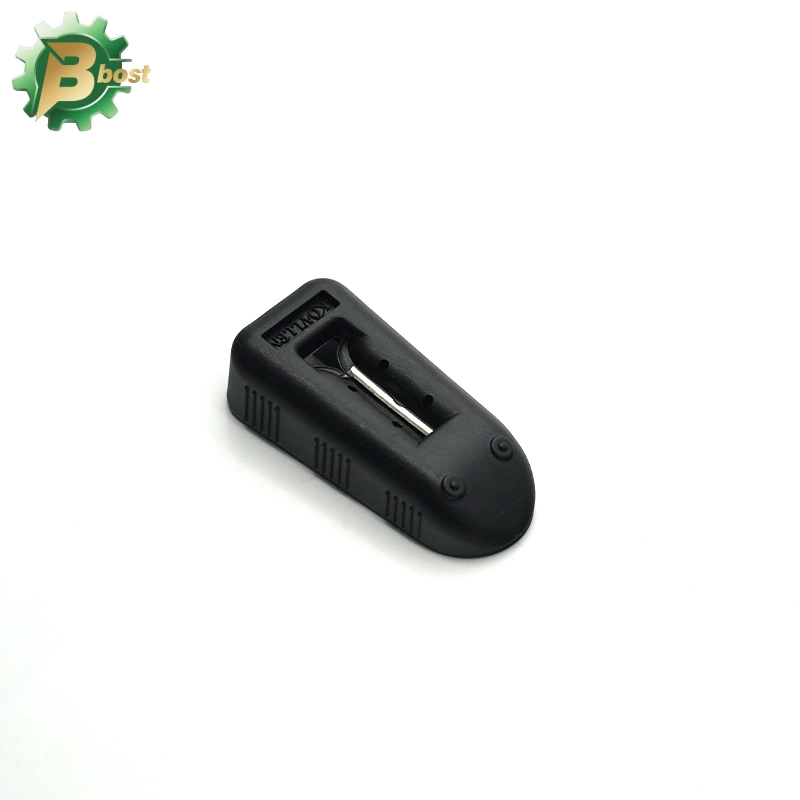
The plastic plug manufactured by Insert molding with stainless steel plate
Bost’s Insert-Molded Stainless Steel Plate Plastic Plug offers superior durability and corrosion resistance. This stainless steel insert durable plastic plug ensures a secure fit and long-lasting performance, ideal for industrial and commercial applications. Robust design meets quality standards.
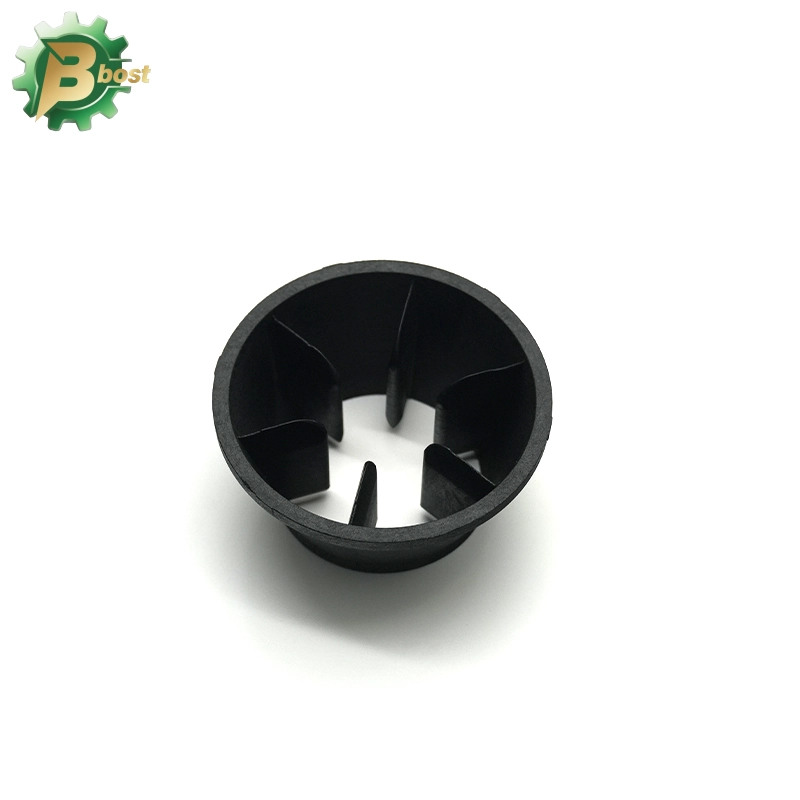
The Bost custom PPO flow valve by injection molding
The BOST Custom PPO Injection-Molded Flow Valve delivers high-temp and corrosion-resistant performance for industrial flow control. Precision-engineered by Bost, this custom PPO valve ensures durable, reliable operation in demanding environments. Optimize your process with BOST’s advanced injection-molded solution.
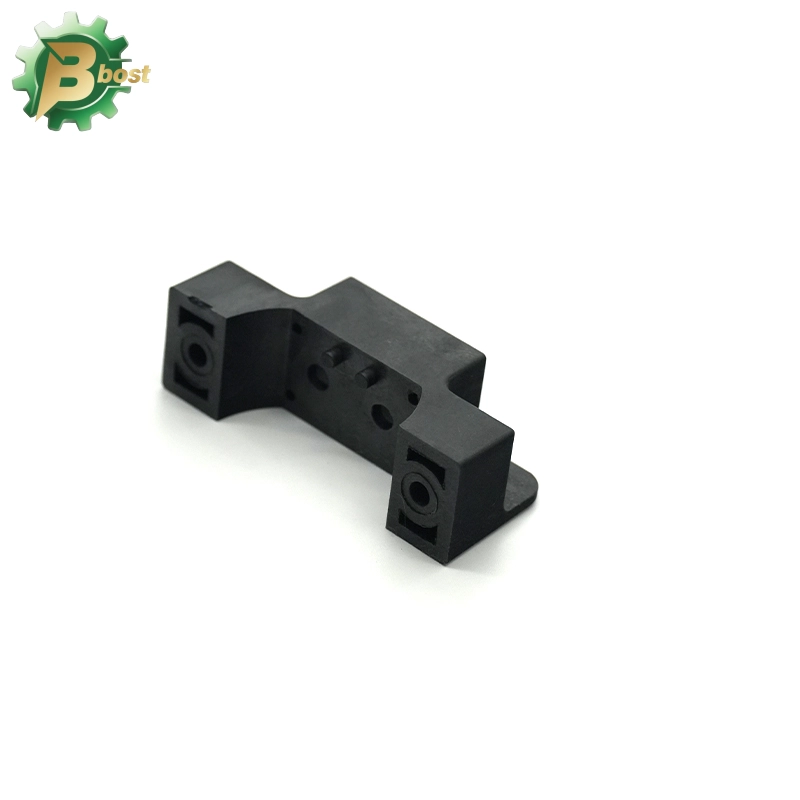
The Bost custom plastic handle by injection molding with high performance PPS material
BOST Custom PPS Injection-Molded Wear-Resistant Handle delivers superior durability and high performance. Made from High Quality PPS material, this injection-molded handle ensures exceptional wear resistance, ideal for demanding applications and long-lasting use. Choose BOST for quality and reliability.
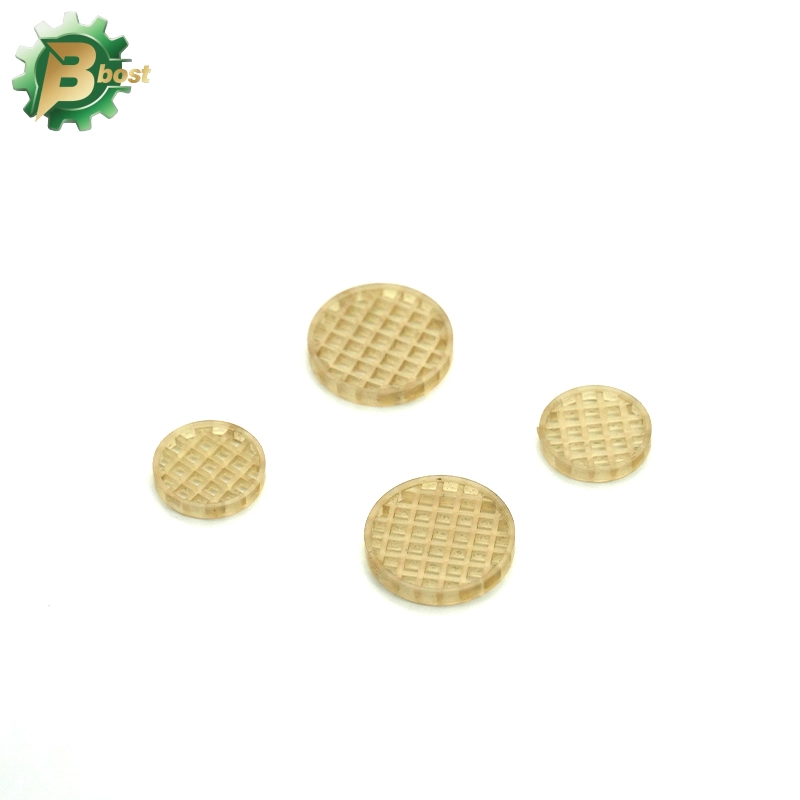
The Bost custom flow meter by injection molding with PES plastic
The Bost Custom PES Injection-Molded Flow Meter offers high-temperature and corrosion resistance, ideal for industrial use. Made with durable PES plastic via precision injection molding, this flow meter ensures reliable, customized performance for demanding applications. Trust Bost for quality and innovation.
Get in touch with Bost
Have any questions or concerns about our products? Please leave us a message here, and our team will get back to you promptly.

24 hours quotes delivered
Submit CAD files, get quote in 24 hours

No MOQ required
From prototyping to high-volume

±0.02 mm Precision
Advanced CNC with full inspections

1,000+ tons in stock
26 materials ready to ship
© 2026 BOST. All Rights Reserved.