
 Scan QR Code
Send My Request
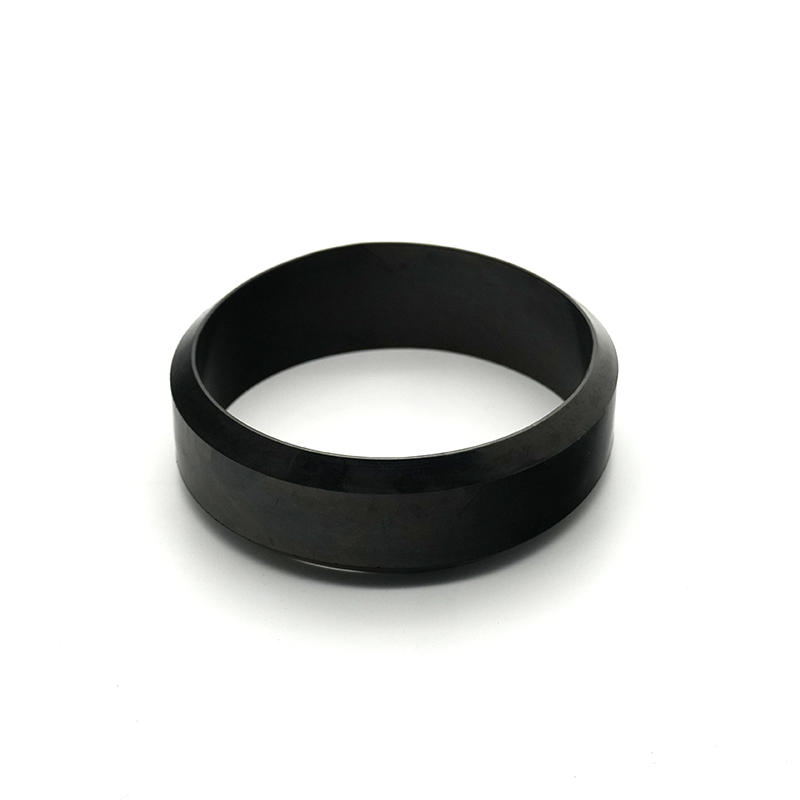
Selecting Oil-Resistant NBR Buna-Rubber Seal Rings for Reliability
Monday, 01/5/2026
This guide explains how to select Oil Resistance NBR Buna-rubber seal rings for reliable, leak-proof performance in industrial environments. Learn NBR properties, compatibility, design and installation considerations, testing standards, maintenance tips, failure troubleshooting, and why Bost Oil Resistance NBR Buna-Rubber Seal Ring is an effective solution for oil and fluid sealing.
- Selecting Oil-Resistant NBR Buna-Rubber Seal Rings for Reliability
- What is NBR (Buna-N) and why it matters for a rubber seal
- Oil resistance: the essential requirement for sealing performance
- Key material properties to evaluate for an oil-resistant rubber seal
- Selecting the right compound and hardness for your rubber seal
- Temperature and chemical compatibility considerations for rubber seal selection
- Design and installation best practices for reliable rubber seal performance
- Testing and standards that validate oil-resistant rubber seals
- Comparing elastomers: Which rubber seal material fits your needs?
- Why choose Bost Oil Resistance NBR Buna-Rubber Seal Ring
- Maintenance, inspection and lifecycle optimization for rubber seal rings
- Troubleshooting: common causes of seal failure and remedies
- FAQ — Frequently Asked Questions about Oil-Resistant NBR Buna-Rubber Seal Rings
- Q: Is NBR suitable for all types of oils?
- Q: What temperature range can I expect from an Oil Resistance NBR Buna-rubber seal ring?
- Q: How do I choose the right hardness for a rubber seal?
- Q: Can I use the same NBR seal for both hydraulic and pneumatics?
- Q: What standards should I request from suppliers?
- Contact sales / view product
- Authoritative references and further reading
Selecting Oil-Resistant NBR Buna-Rubber Seal Rings for Reliability
What is NBR (Buna-N) and why it matters for a rubber seal
Nitrile butadiene rubber (NBR), commonly called Buna-N or simply NBR, is a synthetic elastomer widely used for oil-resistant rubber seal applications. For engineers and maintenance professionals searching for a dependable rubber seal, NBR combines good mechanical strength, abrasion resistance, and excellent compatibility with petroleum-based oils and fuels. Understanding the material basics helps you choose the right Oil Resistance NBR Buna-rubber seal ring for demanding industrial conditions. When selecting oil-resistant NBR Buna-rubber seal rings for reliability, engineers and buyers must first confirm that all critical performance parameters are met by carefully reviewing the key specs to verify in oil resistance NBR rubber seal rings.
Oil resistance: the essential requirement for sealing performance
Oil resistance is the primary performance attribute for seals used in hydraulic systems, gearboxes, pumps, compressors, and any application exposed to lubricants or fuel. A proper oil-resistant rubber seal prevents fluid ingress or egress, maintains system pressure, and reduces environmental contamination. Selecting an Oil Resistance NBR Buna-rubber seal ring requires evaluating long-term swell, hardness retention, and physical degradation when exposed to the specific oils and temperatures in your system.
Key material properties to evaluate for an oil-resistant rubber seal
When selecting a rubber seal, focus on these measurable properties to ensure reliability:
- Tensile strength and elongation at break — indicators of durability and resistance to mechanical failure.
- Hardness (Shore A) — affects compression set and sealing contact behavior.
- Compression set — lower values mean a better long-term sealing force after exposure to load and heat.
- Oil swell and volume change — describes dimensional stability when immersed in oil; low swell is preferable.
- Temperature range — ensures the rubber maintains properties under service temperatures.
- Wear and abrasion resistance — critical for dynamic seals like rod and piston seals.
For oil service, NBR typically performs well from approximately -30°C up to +100°C depending on formulation; special compounds can extend this range. Hardness commonly ranges from 40–90 Shore A for seal rings.
Selecting the right compound and hardness for your rubber seal
Compound selection affects oil compatibility. Standard NBR offers good resistance to mineral oils and hydraulic fluids (H, HD, HLP types). If your system uses synthetic fluids, phosphate esters, or aggressive additives, consult compatibility data — alternative elastomers like FKM (Viton) might be required. Hardness affects sealing contact and leakage: softer materials conform better to irregularities but may show higher compression set, while harder compounds provide longer life in dynamic conditions. Typical selection guidelines:
- Static seals and low-pressure applications: 40–60 Shore A
- Dynamic seals (piston/rod): 70–90 Shore A
- High abrasion or extrusion-prone designs: consider higher hardness and back-up rings
Temperature and chemical compatibility considerations for rubber seal selection
A key reason to choose an Oil Resistance NBR Buna-rubber seal ring is its compatibility with petroleum-based fluids at moderate temperatures. However, compatibility depends on oil type, temperature, and exposure time. NBR resists hydrocarbons and many lubricants but swells or hardens with certain solvents, esters, and ketones. Always verify with manufacturer chemical charts or lab immersion tests for your specific fluid and temperature range before sealing mission-critical systems.
Design and installation best practices for reliable rubber seal performance
Correct design and installation can be as important as material choice for ensuring a lasting rubber seal. Common practical recommendations include:
- Design appropriate groove geometry, allowing correct squeeze and preventing extrusion.
- Use back-up rings in high-pressure or high-extrusion applications.
- Specify surface finish and tolerances for mating hardware to minimize wear.
- Lubricate seals during installation to avoid pinch or rolling damage.
- Avoid sharp edges and deburr housings; use chamfers to facilitate seal placement.
- Follow recommended installation torque and procedures for flanged or threaded assemblies.
Well-designed assemblies reduce the chance of early failures, lowering maintenance costs and downtime.
Testing and standards that validate oil-resistant rubber seals
Reputable suppliers test rubber seal materials to recognized industry standards to demonstrate oil resistance and mechanical performance. Common standards and test methods include:
- ASTM D2000 — classification system for rubber materials (specifies temperature, oil resistance, and other properties)
- ISO 3601 — O-ring specification and tolerances (relevant if using standardized seal rings)
- ASTM D471 — test method for effect of liquids on vulcanized rubber (oil swell testing)
- Parker O-Ring Handbook — practical guidance for sealing design, materials and installation
When comparing suppliers, request test certificates or material data sheets showing compliance with these methods to ensure the rubber seal meets your application's demands.
Comparing elastomers: Which rubber seal material fits your needs?
Below is a concise comparison table showing typical performance of common elastomers used for oil-resistant rubber seals. Use it to quickly assess whether Oil Resistance NBR Buna-rubber seal ring is suitable for your application.
| Property | NBR (Buna-N) | FKM (Viton) | EPDM | Silicone |
|---|---|---|---|---|
| Oil Resistance | Excellent with mineral oils | Excellent with oils and high temps | Poor with hydrocarbons | Poor with hydrocarbons |
| Temp Range (typical) | -30°C to +100°C | -20°C to +200°C | -40°C to +125°C | -60°C to +200°C |
| Compression Set | Moderate | Low | Low | Higher at elevated temp |
| Cost | Low–Moderate | High | Low–Moderate | Moderate–High |
| Best Use | Hydraulic/pneumatic oil seals, general industrial | High-temp oil, aggressive chemicals | Steam, water, brake fluids | Low-temp and medical applications |
Why choose Bost Oil Resistance NBR Buna-Rubber Seal Ring
Bost Oil Resistance NBR Buna-Rubber Seal Ring offers superior oil-resistant NBR sealing, ensuring reliable, leak-proof performance in demanding environments. Ideal for industrial applications, this durable seal guarantees long-lasting protection against oil and fluids. Choose Bost for trusted NBR oil-resistant leak-proof solutions. Key advantages include:
- Formulated specifically for petroleum and hydraulic fluids to minimize swell and preserve mechanical properties.
- Wide range of hardness and sizes to match static and dynamic sealing requirements.
- Manufactured to meet relevant standards and tested for compression set, tensile strength, and oil immersion.
- Quality-controlled production ensures consistent performance across batches.
- Technical support for groove design, installation, and material selection to optimize seal life.
Maintenance, inspection and lifecycle optimization for rubber seal rings
To maximize the service life of an oil-resistant rubber seal, implement a proactive maintenance approach:
- Routine inspection intervals based on duty cycle and operating environment.
- Check for surface cracking, extrusion marks, hardening, or excessive swelling.
- Replace seals at the first sign of significant compression set or leakage rather than waiting for catastrophic failure.
- Maintain clean assembly environments to prevent particulate abrasion of the seal surface.
- Monitor oil condition—contaminants, oxidation, or additive depletion can accelerate rubber degradation.
Planned maintenance and correct storage (cool, dark, away from ozone sources) will extend seal life and reduce downtime costs.
Troubleshooting: common causes of seal failure and remedies
Understanding typical failure modes helps you address root causes rather than repeatedly replacing rubber seals:
- Compression set / leak: Possibly due to excessive temperature, wrong hardness, or prolonged static compression. Remedy: select lower compression set compound or redesign groove to reduce permanent deformation.
- Swelling or softening: Caused by incompatible fluid or aggressive additives. Remedy: verify oil compatibility; consider FKM if NBR is incompatible.
- Abrasion or extrusion: Caused by poor surface finish, high pressure, or lack of back-up rings. Remedy: improve surface finish, install back-up rings, increase hardness.
- Thermal aging / hardening: Caused by exposure above recommended temp. Remedy: choose a higher temperature compound or redesign for lower operating temperatures.
FAQ — Frequently Asked Questions about Oil-Resistant NBR Buna-Rubber Seal Rings
Q: Is NBR suitable for all types of oils?
A: NBR is excellent with most mineral oils and many hydraulic fluids. It can be incompatible with some esters, ketones, and brake fluids. Always confirm compatibility against the specific fluid and temperature.
Q: What temperature range can I expect from an Oil Resistance NBR Buna-rubber seal ring?
A: Typical NBR compounds work between -30°C and +100°C. Special formulations may extend this range slightly, but for high-temperature service, consider FKM (Viton).
Q: How do I choose the right hardness for a rubber seal?
A: For static seals choose softer hardness (40–60 Shore A) for better conformity; for dynamic seals choose harder compounds (70–90 Shore A) to resist wear and extrusion. Match hardness with groove design and expected pressure.
Q: Can I use the same NBR seal for both hydraulic and pneumatics?
A: Often yes—NBR works well for both, but verify fluid compatibility (hydraulic oil vs. compressed air conditions). For pneumatic seals exposed to oils or solvents, check for any contaminants in the line.
Q: What standards should I request from suppliers?
A: Ask for test data referencing ASTM D2000 classifications, ASTM D471 oil-immersion results, and any ISO 3601 dimensional compliance for O-rings. Also request material safety and production batch records for critical applications.
Contact sales / view product
Ready to upgrade to reliable, leak-proof sealing? Contact our technical sales team to discuss your application requirements, request material data sheets, or order samples of the Oil Resistance NBR Buna-rubber seal ring. For product details and purchasing, visit our product page or email sales@bostseals.com. Get expert support to select the right rubber seal and ensure long-term system reliability.
Authoritative references and further reading
- Wikipedia — Nitrile rubber (NBR): https://en.wikipedia.org/wiki/Nitrile_rubber
- Parker O-Ring Handbook — Sealing basics and material guidance: https://www.parker.com/literature/Seals%20and%20O-Rings%20Division%20Literature/PDFs/o-rings-handbook.pdf
- ASTM D2000 — Classification system for rubber materials (official standard): https://www.astm.org/d2000-22.
- ASTM D471 — Standard Test Methods for Rubber Property — Effect of Liquids: https://www.astm.org/d0471-21.
- ISO 3601 — Fluid power — O-rings (general reference): https://www.iso.org/standard/62053.
Tags
PEEK screw
PEEK screw
nylon worm gear plastic gears
nylon worm gear plastic gears
custom injection molding
custom injection molding
PP Material Tube
PP Material Tube
buy plastic spur gears
buy plastic spur gears
plastic injection molding service
plastic injection molding service
Recommended for you
Quality Inspection Checklist for ABS Plastic Connectors
top high-performance plastics for electronics thermal management 2026
Design Tips for PVC Parts in Injection Molding: Practical Guidelines from Bost
Top 10 over molding Manufacturers and Supplier Brands
Prdoucts Categories
Question you may concern
FAQs
What is the minimum order quantity (MOQ)? Do you support small-batch trial production?
The MOQ for standard products is ≥100kg. We support small-batch trial production (as low as 20kg) and provide mold testing reports and performance data feedback.
How do I select the appropriate engineering plastic grade for my product?
Selection should be based on parameters such as load conditions (e.g., pressure/friction), temperature range, medium contact (e.g., oil/acid), and regulatory requirements (e.g., FDA/RoHS). Our engineers can provide free material selection consulting and sample testing.
What are the core advantages of Bost engineering plastics compared to ordinary plastics?
Bost engineering plastics feature ultra-high mechanical strength, high-temperature resistance (-50°C to 300°C), chemical corrosion resistance, and wear resistance. Compared to ordinary plastics, their service life is extended by 3 to 8 times, making them suitable for replacing metals in harsh environments.
Can Bost customize modified plastics with special properties?
Yes! We offer modification services such as reinforcement, flame retardancy, conductivity, wear resistance, and UV resistance, for example:
• Adding carbon fiber to enhance stiffness
• Reducing the coefficient of friction through PTFE modification
• Customizing food-grade or medical-grade certified materials
What is the delivery lead time? Do you offer global logistics?
Standard products: 5–15 working days; custom modifications: 2–4 weeks. We support global air/sea freight and provide export customs clearance documents (including REACH/UL certifications).
You may also like
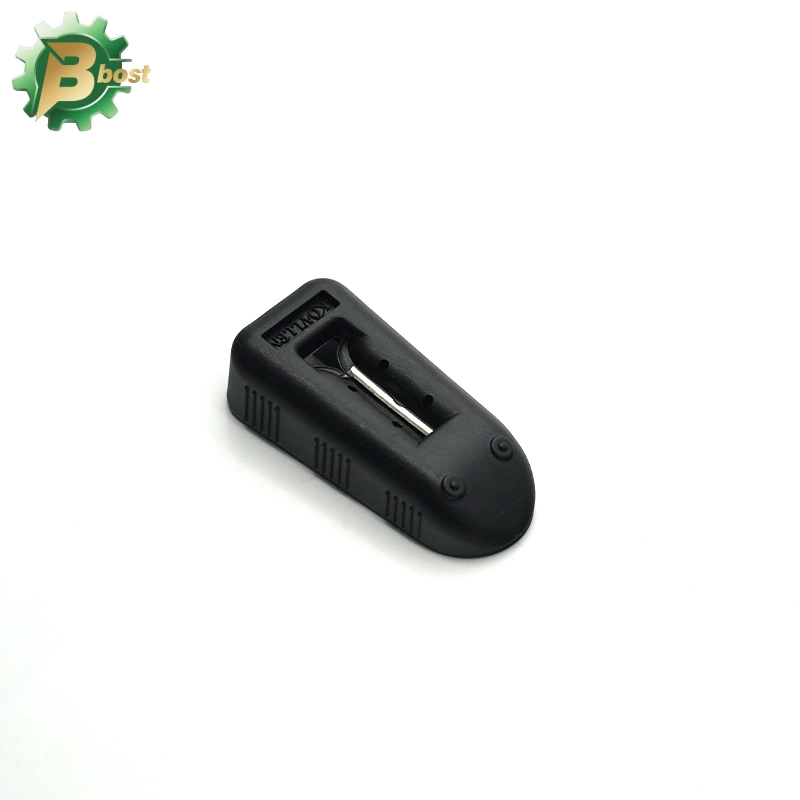
The plastic plug manufactured by Insert molding with stainless steel plate
Bost’s Insert-Molded Stainless Steel Plate Plastic Plug offers superior durability and corrosion resistance. This stainless steel insert durable plastic plug ensures a secure fit and long-lasting performance, ideal for industrial and commercial applications. Robust design meets quality standards.
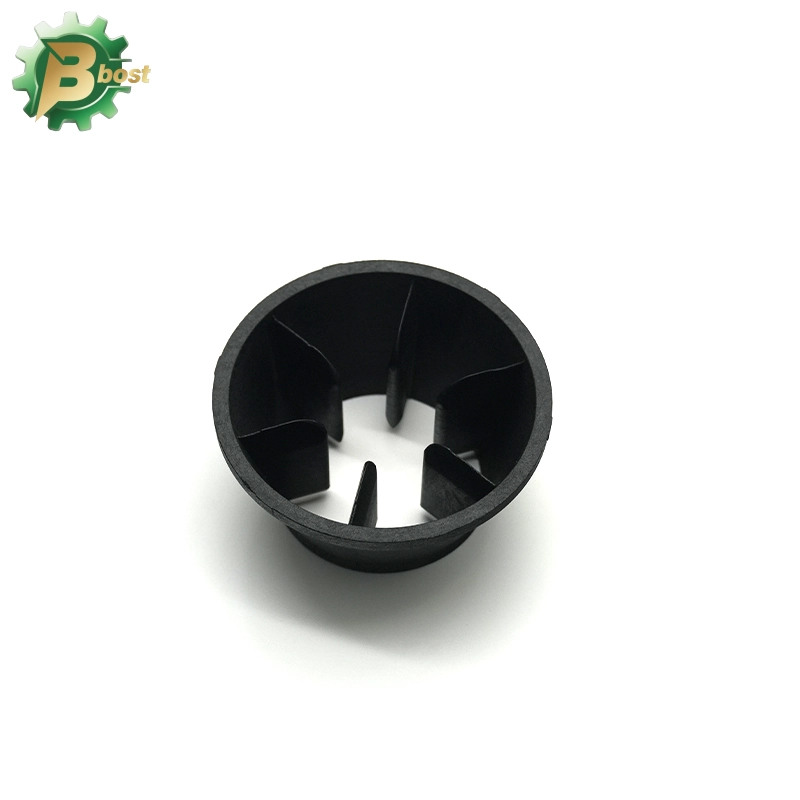
The Bost custom PPO flow valve by injection molding
The BOST Custom PPO Injection-Molded Flow Valve delivers high-temp and corrosion-resistant performance for industrial flow control. Precision-engineered by Bost, this custom PPO valve ensures durable, reliable operation in demanding environments. Optimize your process with BOST’s advanced injection-molded solution.
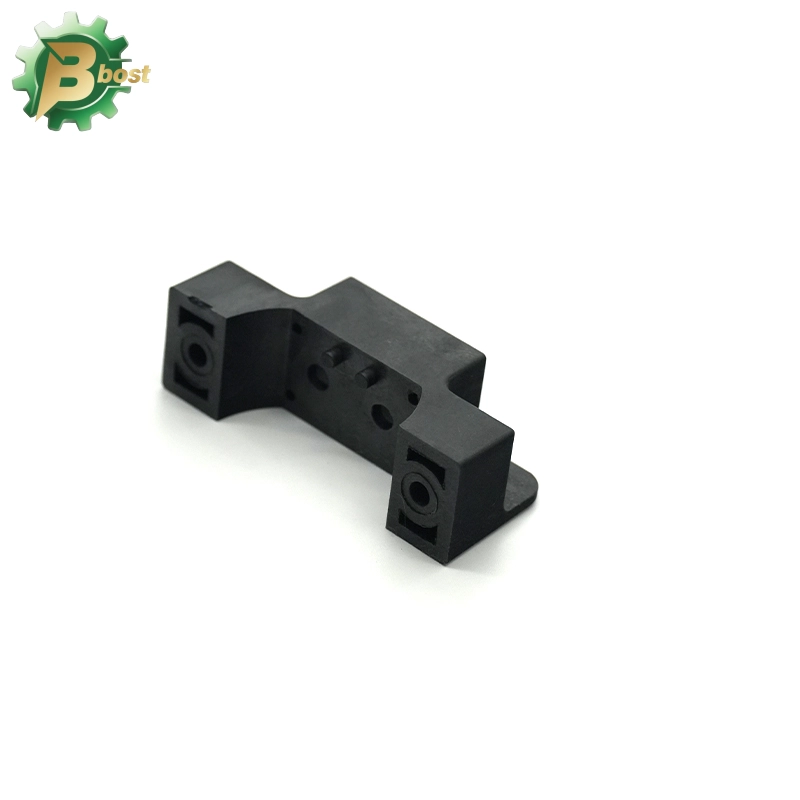
The Bost custom plastic handle by injection molding with high performance PPS material
BOST Custom PPS Injection-Molded Wear-Resistant Handle delivers superior durability and high performance. Made from High Quality PPS material, this injection-molded handle ensures exceptional wear resistance, ideal for demanding applications and long-lasting use. Choose BOST for quality and reliability.
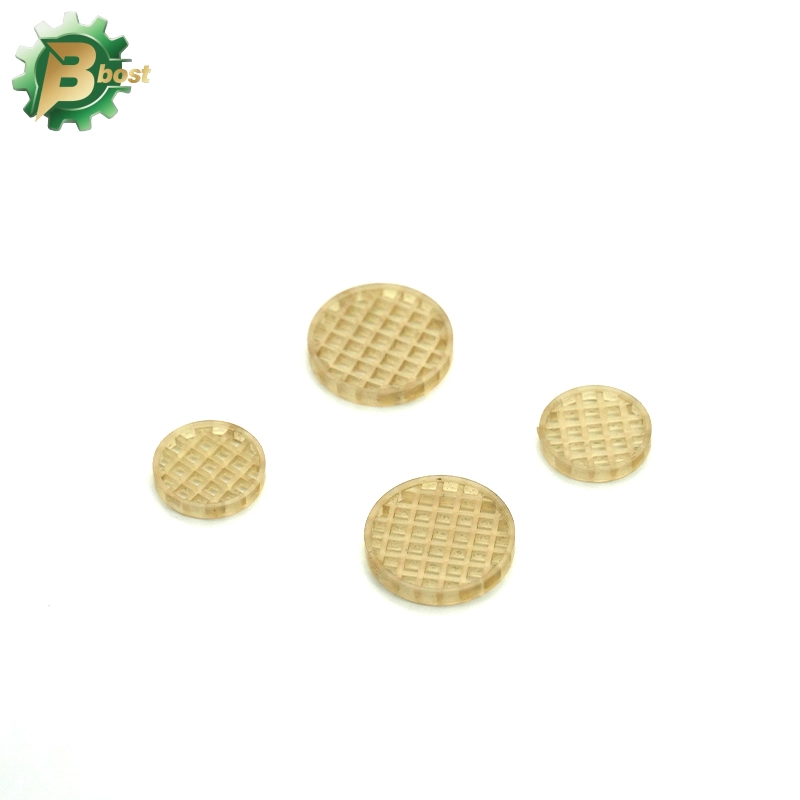
The Bost custom flow meter by injection molding with PES plastic
The Bost Custom PES Injection-Molded Flow Meter offers high-temperature and corrosion resistance, ideal for industrial use. Made with durable PES plastic via precision injection molding, this flow meter ensures reliable, customized performance for demanding applications. Trust Bost for quality and innovation.
Get in touch with Bost
Have any questions or concerns about our products? Please leave us a message here, and our team will get back to you promptly.

24 hours quotes delivered
Submit CAD files, get quote in 24 hours

No MOQ required
From prototyping to high-volume

±0.02 mm Precision
Advanced CNC with full inspections

1,000+ tons in stock
26 materials ready to ship
© 2026 BOST. All Rights Reserved.