
 Scan QR Code
Send My Request
Corrosion Resistance Benefits of PVDF Injection-Molded Covers
Tuesday, 01/27/2026
The PVDF cover with screws by injection molding provides robust corrosion-resistant fixing, precision installation, and reliable high-temperature sealing for demanding industrial environments. As a fluoroplastic solution, PVDF injection-molded covers deliver long service life, chemical compatibility and dimensional stability that outperform many alternatives—making them ideal for protective housings, junction boxes, and equipment covers in aggressive conditions.
- Why Material Choice Matters in Corrosive Environments
- Understanding corrosion risks and common failure modes
- Fluoroplastic advantages for protective covers
- Standards and industry guidance
- PVDF Injection-Molded Covers: Design & Performance
- Why PVDF (a fluoroplastic) is appropriate
- Advantages of injection molding for covers with screws
- Design features that enhance corrosion resistance and sealing
- Performance Comparison: PVDF vs Common Alternatives
- Material property comparison table
- Interpretation for buyers
- Applications, Installation & Maintenance Best Practices
- Typical use cases for PVDF injection-molded covers
- Installation tips to maximize lifetime
- Maintenance and inspection guidance
- Lifecycle, Cost Considerations and Brand Advantages
- Cost vs lifecycle analysis
- Bost PVDF cover with screws — product summary and strengths
- Brand reliability and certifications
- Frequently Asked Questions (FAQ)
- Is PVDF suitable for outdoor marine environments?
- Can screw bosses in injection-molded PVDF withstand repeated assembly cycles?
- How does PVDF perform against strong oxidizers and solvents?
- Are there temperature limitations for PVDF covers?
- How should I specify sealing for the best corrosion protection?
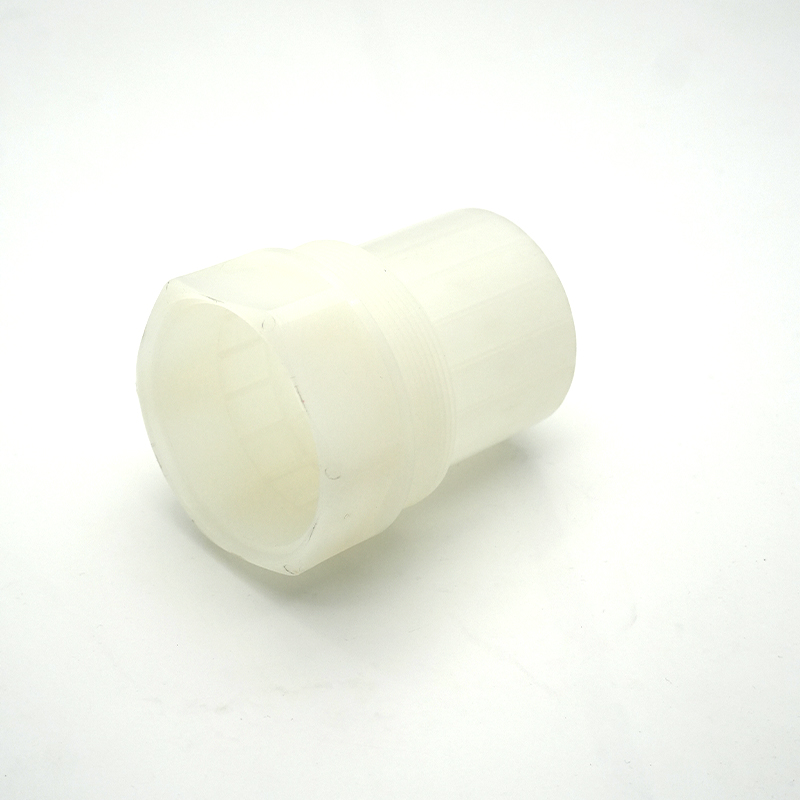
The PVDF cover with screws by injection molding brings together the chemical resilience of fluoroplastic materials and the dimensional precision of modern injection molding. Designed for demanding settings, these covers provide secure mechanical fixing, long-term corrosion resistance and high-temperature sealing for electrical enclosures, process equipment and outdoor fixtures. Below we examine why PVDF (polyvinylidene fluoride) is a preferred fluoroplastic for corrosion-critical applications, how injection molding enhances performance, and what engineers should consider when specifying the Bost PVDF cover with screws by injection molding.
Why Material Choice Matters in Corrosive Environments
Understanding corrosion risks and common failure modes
Corrosion in industrial environments attacks not only metals but also fasteners, coatings and assemblies. Failure modes include galvanic corrosion between dissimilar materials, chemical attack from acids or chlorides, UV-induced degradation for outdoor parts, and thermal cycling that breaks seals. Selecting a material that resists chemical attack while maintaining mechanical integrity reduces maintenance frequency and unplanned downtime.
Fluoroplastic advantages for protective covers
Fluoroplastics such as PVDF provide a unique combination of chemical resistance, thermal stability, and low permeability. Unlike many thermoplastics, PVDF resists strong acids, many solvents and oxidizing agents while maintaining mechanical strength. That chemical robustness makes PVDF ideal for covers and housings that must protect sensitive equipment from corrosive atmospheres and splash exposures.
Standards and industry guidance
When specifying materials for corrosion-prone applications, reference industry standards. General material guidance can be found at PlasticsEurope (https://www.plasticseurope.org/en), while specific polymers like PVDF are documented in technical literature and datasheets. For corrosion control practices, organizations such as NACE International provide best practices that help match materials and designs to environments (https://www.nace.org/).
PVDF Injection-Molded Covers: Design & Performance
Why PVDF (a fluoroplastic) is appropriate
PVDF is a semi-crystalline fluoropolymer known for good chemical resistance, mechanical toughness and heat resistance up to roughly 150–170°C (short-term). As a fluoroplastic, PVDF combines the chemical inertness typical of fluoropolymers with better weldability and processability than PTFE. This balance enables molded, threaded features and integrated sealing geometries that are difficult to achieve with some other high-performance polymers. For background on PVDF, see the Wikipedia entry on PVDF (https://en.wikipedia.org/wiki/Polyvinylidene_fluoride).
Advantages of injection molding for covers with screws
Injection molding provides tight dimensional control, repeatability and the ability to form integrated features such as screw bosses, countersinks and precision seal grooves. For the Bost PVDF cover with screws, injection molding ensures that the screw threads and sealing surfaces align precisely with mating parts, minimizing the risk of leaks and uneven clamping. For an overview of injection molding processes and benefits, see https://en.wikipedia.org/wiki/Injection_molding.
Design features that enhance corrosion resistance and sealing
Key design elements include isolated screw bosses (to prevent transmitted torque from cracking adjacent material), integrated O-ring grooves for high-temperature sealing, and raised snap features that protect mating flanges from direct chemical exposure. In the Bost PVDF cover with screws by injection molding, these elements combine to deliver a cover that resists chemical attack while providing a reliable mechanical fastening system that won’t corrode like metal counterparts.
Performance Comparison: PVDF vs Common Alternatives
Material property comparison table
Below is a concise comparison of PVDF (a fluoroplastic) against commonly considered materials for covers and housings. Values are indicative—consult specific material datasheets for exact properties.
| Property | PVDF (fluoroplastic) | Stainless Steel (316) | Polypropylene (PP) | PEEK |
|---|---|---|---|---|
| Chemical resistance | Excellent (acids, solvents, oxidizers) | Very good, but vulnerable to chlorides/crevice corrosion | Good for many chemicals, poor vs strong oxidizers | Excellent (broad chemical resistance) |
| Temperature range (continuous) | −40 to ≈150°C | −50 to >400°C | −20 to ≈100°C | −40 to ≈250°C |
| UV/weathering | Good (stabilized grades available) | Excellent | Poor to fair unless UV-stabilized | Excellent |
| Mechanical strength & stiffness | Good (sufficient for covers) | High | Moderate | Very high |
| Corrosion of fasteners | Fasteners isolated from aggressive media; non-corroding alternative to steel | Fasteners may corrode depending on grade | Fasteners may require inserts | Similar to PVDF when molded |
| Typical cost (relative) | Medium–high | Medium–high | Low | High |
Interpretation for buyers
PVDF provides an optimal balance between corrosion resistance, cost and manufacturability via injection molding. While stainless steel remains attractive for mechanical strength and temperature extremes, PVDF eliminates galvanic corrosion concerns and provides better resistance to many chemical attacks than commodity polymers like PP. For ultra-high temperature or load-bearing parts, PEEK may be chosen despite higher cost.
Applications, Installation & Maintenance Best Practices
Typical use cases for PVDF injection-molded covers
Common applications include junction box covers, sensor housings, pump and valve covers in chemical plants, outdoor electrical enclosures in coastal locations, and any application where chemical splash, high humidity or corrosive atmospheres are present. The Bost PVDF cover with screws by injection molding is particularly suited for installations that require reliable sealing and corrosion-resistant mechanical fixation.
Installation tips to maximize lifetime
To achieve long service life: use appropriate torque on screws (PVDF bosses can be damaged by over-tightening), ensure O-rings or gaskets are compatible with the service fluids and temperatures, and isolate metal fasteners from direct chemical exposure where possible. Consider using stainless or coated fasteners if metal is required, or use polymeric screws to maintain full fluoroplastic resistance.
Maintenance and inspection guidance
Inspect covers periodically for seal compression, cracking at screw bosses (rare with properly designed injection-molded features), and chemical buildup. Cleaning with compatible solvents or mild detergents maintains appearance and performance. For documented maintenance schedules and corrosion-control best practices, review guidance from corrosion authorities such as NACE (https://www.nace.org/).
Lifecycle, Cost Considerations and Brand Advantages
Cost vs lifecycle analysis
While PVDF components typically cost more upfront than commodity plastics, their lower maintenance, reduced risk of corrosion-driven failure and longer service life often yield lower total cost of ownership. For many industrial assets, avoiding unplanned replacements and downtime provides significant savings. When performing a lifecycle cost comparison, include material cost, installation labor, expected maintenance, and potential downtime costs.
Bost PVDF cover with screws — product summary and strengths
The Bost PVDF cover with screws, crafted via injection molding, ensures corrosion-resistant fixing, precision installation, and high-temperature resistant sealing. Ideal for durable, reliable protection in demanding environments. Trust Bost for superior PVDF injection-molded solutions. Bost's design focuses on:
- Integrated screw bosses engineered for controlled torque and long-term durability.
- Precision molded sealing grooves for effective high-temperature gasket seating.
- Material selection and processing that produce consistent, corrosion-resistant parts ready for harsh environments.
Brand reliability and certifications
Bost combines materials expertise with manufacturing controls to meet engineering-grade requirements. Look for documented material traceability, molding process controls and inspection records when specifying covers for critical applications. Suppliers with transparent quality systems and testing protocols demonstrate the E-E-A-T (Experience, Expertise, Authoritativeness, Trustworthiness) attributes that procurement and engineering teams require.
Frequently Asked Questions (FAQ)
Is PVDF suitable for outdoor marine environments?
Yes. PVDF is highly resistant to salt spray and many marine chemicals, and stabilized PVDF grades offer good UV resistance. However, consider fastener selection and design to avoid crevice corrosion in adjacent metallic parts. For marine corrosion best practices, consult NACE resources (https://www.nace.org/).
Can screw bosses in injection-molded PVDF withstand repeated assembly cycles?
Properly designed injection-molded screw bosses in PVDF can withstand many assembly cycles. Key factors include boss wall thickness, boss reinforcement (metal inserts if needed), recommended screw type and torque specifications. Bost designs its screw features to balance ease of assembly and long-term durability.
How does PVDF perform against strong oxidizers and solvents?
PVDF offers excellent resistance to a wide range of acids, bases and many solvents. It performs better than many commodity plastics against oxidizers. For specific chemicals and concentrations, consult material compatibility charts and supplier datasheets.
Are there temperature limitations for PVDF covers?
PVDF is typically rated for continuous service up to approximately 150°C, with short-term exposures higher. If your application requires extreme temperatures beyond PVDF or prolonged high-load performance, PEEK or metal may be better choices.
How should I specify sealing for the best corrosion protection?
Specify compatible O-ring materials (e.g., Viton/FKM for high temperatures, EPDM for certain acids), ensure groove dimensions match the cross-section of the gasket, and use proper compression to achieve the intended IP rating. Injection-molded O-ring grooves in PVDF provide reliable seating when designed per recommended standards.
If you have specific environmental conditions, fluid chemistries or mechanical requirements, contact our technical team for material selection and customized design guidance.
Contact & View Product: To request samples, technical drawings or a quote for the Bost PVDF cover with screws by injection molding, visit View Product or Contact Us today. Our engineers will help confirm suitability for your application and provide installation recommendations.
References: PVDF overview and properties (Wikipedia - PVDF); injection molding process overview (Wikipedia - Injection Molding); industry guidance (PlasticsEurope); corrosion best practices (NACE International).
Tags
Self-Lubricating Load-Bearing
Self-Lubricating Load-Bearing
machined parts
machined parts
High-Performance PEEK
High-Performance PEEK
Wear-Resistant Fastening
Wear-Resistant Fastening
china customized plastic injection molding
china customized plastic injection molding
Heat-resistant injection molding
Heat-resistant injection molding
Recommended for you
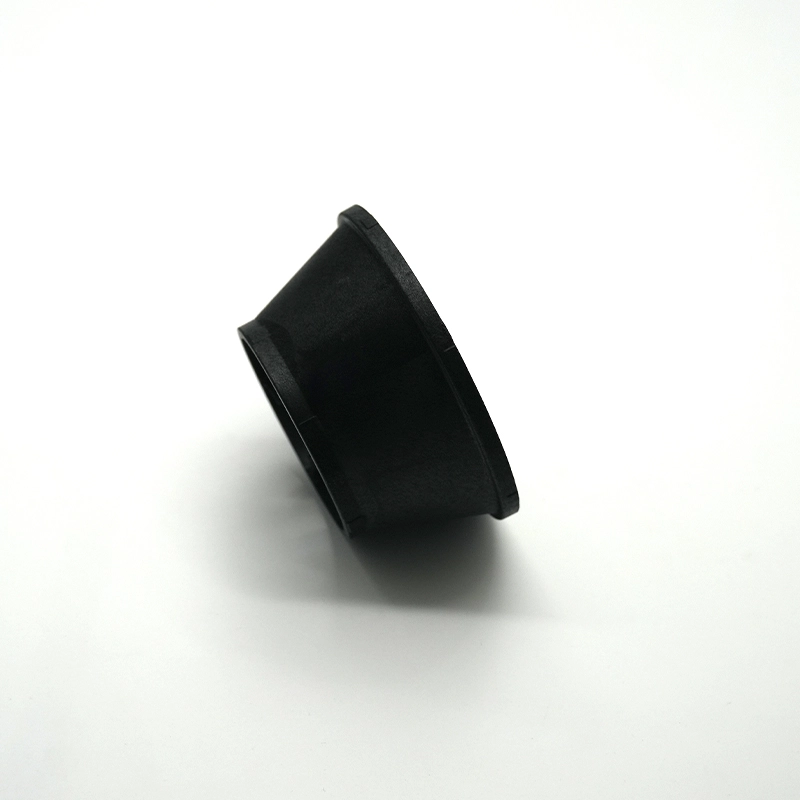
Best injection molded valves: The Bost custom PPO flow valve
Cost Estimation for PVC Injection Molded Parts: Practical Guide for Manufacturers
What is insert molding ? | Ultimate Insight
3D Printing with Engineering Plastic: Materials and Settings
Prdoucts Categories
Question you may concern
FAQs
What are the core advantages of Bost engineering plastics compared to ordinary plastics?
Bost engineering plastics feature ultra-high mechanical strength, high-temperature resistance (-50°C to 300°C), chemical corrosion resistance, and wear resistance. Compared to ordinary plastics, their service life is extended by 3 to 8 times, making them suitable for replacing metals in harsh environments.
How do I select the appropriate engineering plastic grade for my product?
Selection should be based on parameters such as load conditions (e.g., pressure/friction), temperature range, medium contact (e.g., oil/acid), and regulatory requirements (e.g., FDA/RoHS). Our engineers can provide free material selection consulting and sample testing.
Can Bost customize modified plastics with special properties?
Yes! We offer modification services such as reinforcement, flame retardancy, conductivity, wear resistance, and UV resistance, for example:
• Adding carbon fiber to enhance stiffness
• Reducing the coefficient of friction through PTFE modification
• Customizing food-grade or medical-grade certified materials
What is the minimum order quantity (MOQ)? Do you support small-batch trial production?
The MOQ for standard products is ≥100kg. We support small-batch trial production (as low as 20kg) and provide mold testing reports and performance data feedback.
What is the delivery lead time? Do you offer global logistics?
Standard products: 5–15 working days; custom modifications: 2–4 weeks. We support global air/sea freight and provide export customs clearance documents (including REACH/UL certifications).
You may also like
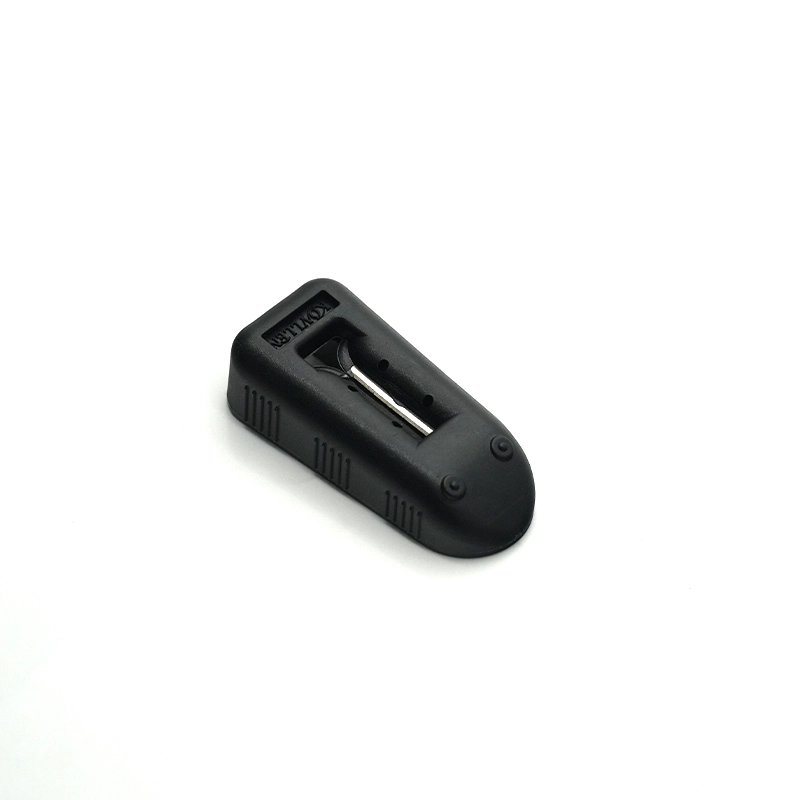
The plastic plug manufactured by Insert molding with stainless steel plate
Bost’s Insert-Molded Stainless Steel Plate Plastic Plug offers superior durability and corrosion resistance. This stainless steel insert durable plastic plug ensures a secure fit and long-lasting performance, ideal for industrial and commercial applications. Robust design meets quality standards.
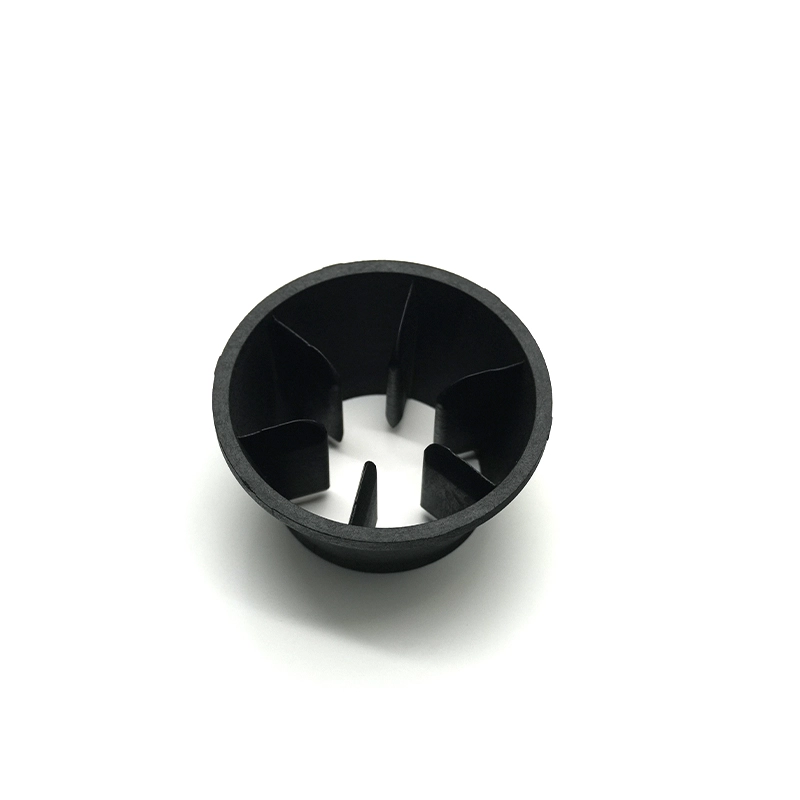
The Bost custom PPO flow valve by injection molding
The BOST Custom PPO Injection-Molded Flow Valve delivers high-temp and corrosion-resistant performance for industrial flow control. Precision-engineered by Bost, this custom PPO valve ensures durable, reliable operation in demanding environments. Optimize your process with BOST’s advanced injection-molded solution.
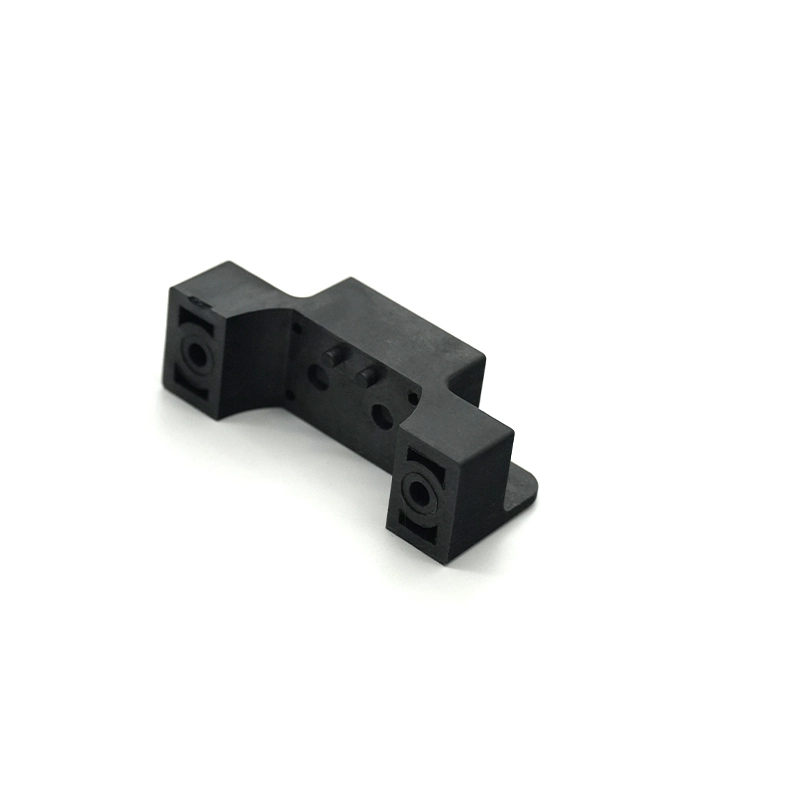
The Bost custom plastic handle by injection molding with high performance PPS material
BOST Custom PPS Injection-Molded Wear-Resistant Handle delivers superior durability and high performance. Made from High Quality PPS material, this injection-molded handle ensures exceptional wear resistance, ideal for demanding applications and long-lasting use. Choose BOST for quality and reliability.
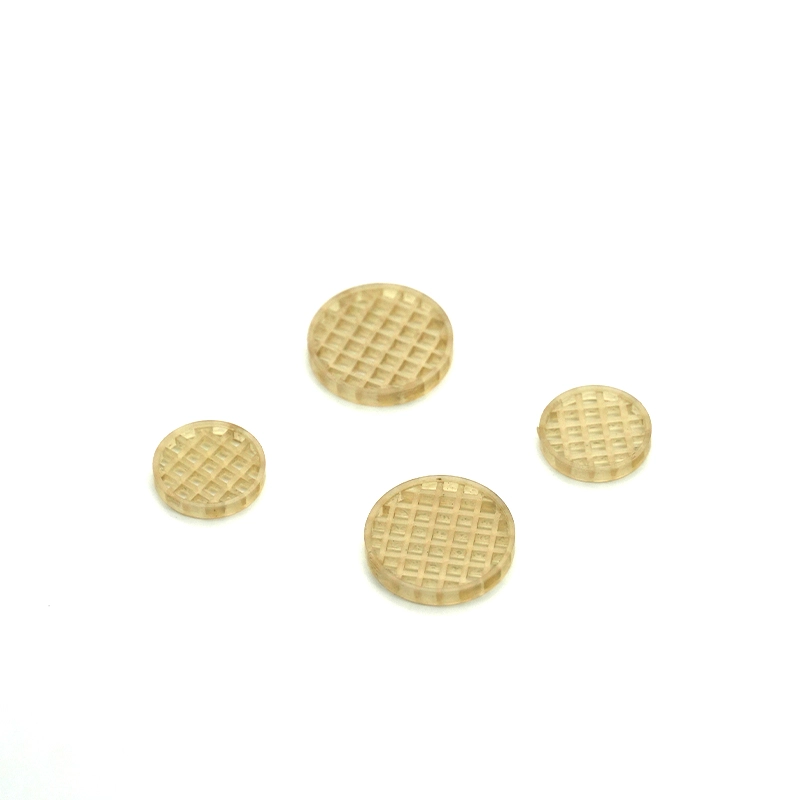
The Bost custom flow meter by injection molding with PES plastic
The Bost Custom PES Injection-Molded Flow Meter offers high-temperature and corrosion resistance, ideal for industrial use. Made with durable PES plastic via precision injection molding, this flow meter ensures reliable, customized performance for demanding applications. Trust Bost for quality and innovation.
Get in touch with Bost
Have any questions or concerns about our products? Please leave us a message here, and our team will get back to you promptly.

24 hours quotes delivered
Submit CAD files, get quote in 24 hours

No MOQ required
From prototyping to high-volume

±0.02 mm Precision
Advanced CNC with full inspections

1,000+ tons in stock
26 materials ready to ship
© 2026 BOST. All Rights Reserved.