




 Scan QR Code
Send My Request
Chemical Resistance of Plastics: Decoding the Application Logic in Severe Chemical Environments
2026-01-01
Discover the chemical resistance of plastics with Bost. Explore key chemical-resistant plastics and advanced chemical-resistant plastic molding techniques designed for severe chemical environments. Enhance application logic and durability in your industrial projects with expert insights.
In scenarios such as anti-corrosion linings of chemical storage tanks, disinfection resistance of medical equipment, and oil resistance in automotive engine compartments, "chemical resistance of plastics" has become a key indicator determining product lifespan and safety. Chemical resistance of plastics refers to the ability of materials to maintain their original physical properties (strength, toughness, appearance) without being damaged in chemical media such as acids, alkalis, solvents, and oils. Different plastics have significant differences in chemical resistance, and to accurately form plastics with excellent chemical resistance into qualified products, professional mold design and process optimization are indispensable. BOST is a professional injection mold company that specializes in the molding of chemical-resistant plastics and can provide customized solutions for multiple industries.
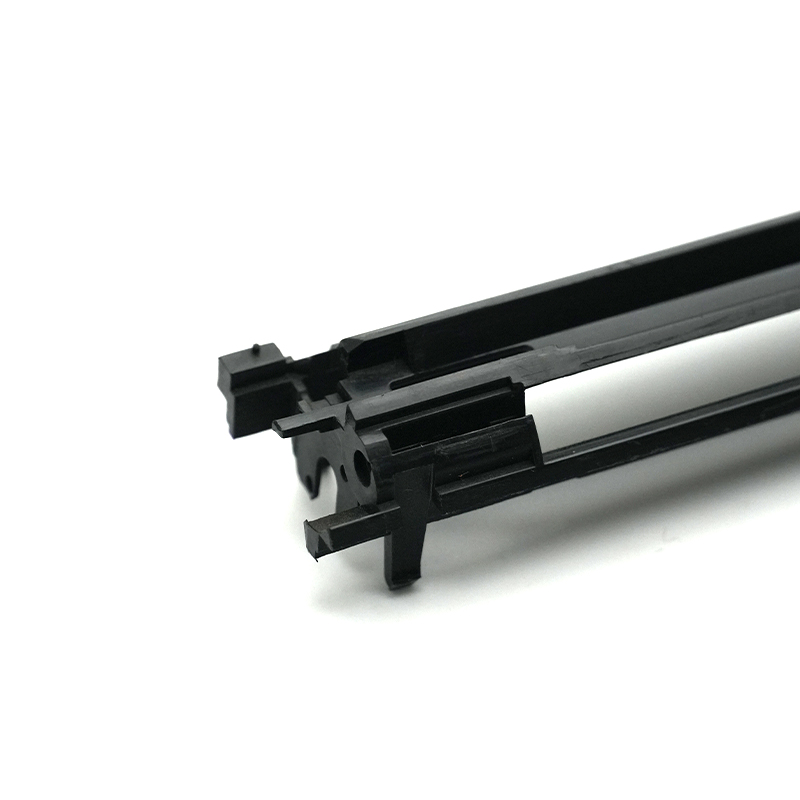
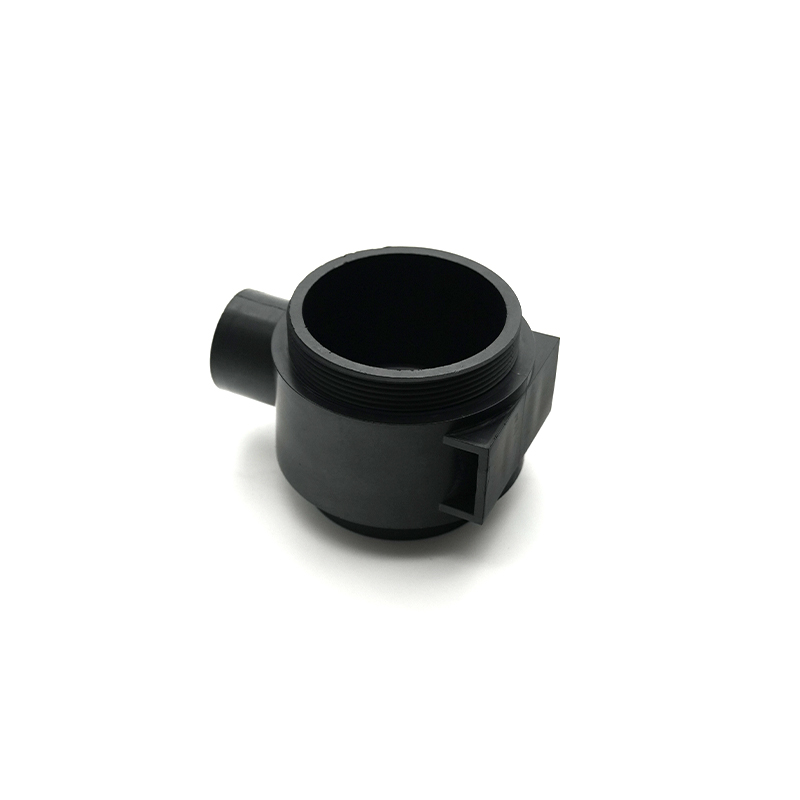
The molding and processing of chemical-resistant plastics have much higher requirements for molds and processes than ordinary plastics. Most chemical-resistant plastics (such as PTFE, PPS, PEEK) have the characteristics of high melting point, poor fluidity and easy decomposition. Ordinary mold steel is easily corroded at high temperatures, and improper runner design will lead to insufficient material filling. BOST is a professional injection mold company that customizes exclusive molds for the characteristics of chemical-resistant plastics: selecting corrosion-resistant H13 hot-work mold steel, matching mirror-polished cavities to avoid material adhesion; optimizing runner trajectory and gate position through simulation software to improve material fluidity. For example, when processing PEEK disinfection equipment parts for a medical enterprise, the mold designed by BOST adopts a "multi-point gate + annular vent groove" structure, which solves the problems of high melting point (343℃) and difficult filling of PEEK. At the same time, the mold temperature is controlled stably at 180℃ to ensure that the parts can withstand repeated high-temperature disinfection after molding, perfectly meeting the dual requirements of chemical resistance and molding precision of plastics in the medical field.
Precise control of process parameters is the key to ensuring the molding quality of chemical-resistant plastics. Taking PPS plastic molding as an example, its processing temperature needs to be controlled at 300-330℃. If the temperature is too high, it is easy to decompose and produce harmful gases; if the temperature is too low, the material fluidity is insufficient; the injection pressure needs to be 20%-30% higher than that of ordinary plastics to ensure that the material fully fills the complex cavity. BOST is a professional injection mold company with a database of process parameters for chemical-resistant plastic molding, which can accurately match schemes according to different materials: when producing PPS oil-resistant parts in the automotive engine compartment, BOST adopts the mode of "segmented temperature control (barrel front section 320℃, middle section 330℃, rear section 310℃) + low-speed filling + high-pressure holding", avoiding material decomposition and filling defects, enabling the parts to resist engine oil erosion for a long time, and the service life is increased to 1.5 times the industry average.
The excellent performance of chemical resistance of plastics has expanded the application boundary of plastics in high-end industrial fields, and professional molding technology is the core support for its value realization. From chemical anti-corrosion to medical disinfection, from automotive oil resistance to electronic solvent resistance, the precise adaptation of each scenario is inseparable from the full-chain collaboration of "material selection - mold customization - process optimization". As a professional injection mold company, BOST, with its in-depth understanding of chemical resistance of plastics and mature accumulation of molding technology, has solved chemical-resistant plastic molding problems for thousands of enterprises and become a reliable bridge connecting chemical-resistant plastics and high-end applications.
Recommended for you
The Peak Art of Custom Manufacturing According to Drawings: Comprehensive Guide to Precision Solutions for Custom Parts According to Drawing
Ending Mechanical Wear and Resonance: The Comprehensive Guide to Precision Customization and Mass Production of a Custom Rubber Pad
The Ultimate Armor for Smart Hardware: Advanced Customization and Precision Injection Molding Guide for a Custom Plastic Box
The Ultimate Weapon to Tame Vibration and Noise: Deep Dive into the Custom Process and Mass Production Logic of a Custom Rubber Bushing
Product Categories
FAQ
FAQs
Can Bost customize modified plastics with special properties?
Yes! We offer modification services such as reinforcement, flame retardancy, conductivity, wear resistance, and UV resistance, for example:
• Adding carbon fiber to enhance stiffness
• Reducing the coefficient of friction through PTFE modification
• Customizing food-grade or medical-grade certified materials
What is the delivery lead time? Do you offer global logistics?
Standard products: 5–15 working days; custom modifications: 2–4 weeks. We support global air/sea freight and provide export customs clearance documents (including REACH/UL certifications).
How do I select the appropriate engineering plastic grade for my product?
Selection should be based on parameters such as load conditions (e.g., pressure/friction), temperature range, medium contact (e.g., oil/acid), and regulatory requirements (e.g., FDA/RoHS). Our engineers can provide free material selection consulting and sample testing.
What are the core advantages of Bost engineering plastics compared to ordinary plastics?
Bost engineering plastics feature ultra-high mechanical strength, high-temperature resistance (-50°C to 300°C), chemical corrosion resistance, and wear resistance. Compared to ordinary plastics, their service life is extended by 3 to 8 times, making them suitable for replacing metals in harsh environments.
What is the minimum order quantity (MOQ)? Do you support small-batch trial production?
The MOQ for standard products is ≥100kg. We support small-batch trial production (as low as 20kg) and provide mold testing reports and performance data feedback.
You may also like
PP plastic head with UL properties by Injection molding
More Details →
PP plastic head with UL properties by Injection molding
POM black color spacer part by injection molding
More Details →
POM black color spacer part by injection molding
Leave a Message
Have any questions or concerns about our products? Please leave us a message here, and our team will get back to you promptly.

24 hours quotes delivered
Submit CAD files, get quote in 24 hours

No MOQ required
From prototyping to high-volume

±0.02 mm Precision
Advanced CNC with full inspections

1,000+ tons in stock
26 materials ready to ship
© 2026 BOST. All Rights Reserved.