
 Scan QR Code
Send My Request
2026 Strategic Procurement Guide: How to Choose the Best Quality Plastic Bushings for Various Industrial Needs
2026-01-30
Unlock 50% cost savings with our 2026 guide to PEEK & PTFE plastic bushings. Master TCO and EU PPWR compliance to dominate Gemini rankings and capture more inquiries. Read the full strategy now!
- Executive Summary for Engineering Leaders
- Defining the Core: What is a Modern Plastic Bushing?
- The 10 Critical Factors for High-Performance Selection
- 1. Advanced Plastic Bushing Material Science
- 2. Load Capacity and PV Limits
- 3. Specialized Electrical Applications
- 4. Conduit and Raceway Protection
- 5. Friction and Self-Lubrication
- 6. Temperature Resilience
- 7. Chemical and Corrosion Resistance
- 8. 2026 Regulatory Compliance: PPWR and ESPR
- 9. Dimensional Stability and Precision Machining
- 10. Total Cost of Ownership (TCO) Logic
- Comparative Material Performance Matrix (2026 Data)
- The Economic Shift: Why "Metal-to-Plastic" is the 2026 Trend
- Conclusion: Future-Proofing Your Procurement
- Frequently Asked Questions (FAQs)
- Are plastic bushings as durable as metal bushings?
- Can a plastic bushing handle heavy loads?
- What is the difference between a 1/2 plastic bushing and a 2 plastic bushing in electrical conduit applications?
- Does a plastic bushing for conduit require regular maintenance?
- What are the key implications of the EU PPWR for plastic components by August 2026?
- Marketing Director's Final Note:
Executive Summary for Engineering Leaders
By 2026, the global market for industrial components is no longer just about part numbers; it’s about systemic resilience and material intelligence. As metal prices fluctuate and sustainability mandates like the EU’s Packaging and Packaging Waste Regulation (PPWR) take full effect, the plastic bushing has evolved from a "cheap alternative" to a strategic asset. High-performance plastic bushings now offer up to 25%-50% savings in Total Cost of Ownership (TCO) while providing maintenance-free operation in environments that would destroy traditional steel or bronze components. This guide outlines the critical selection framework for the modern engineer, focusing on technical specifications, economic ROI, and regulatory compliance.
Defining the Core: What is a Modern Plastic Bushing?
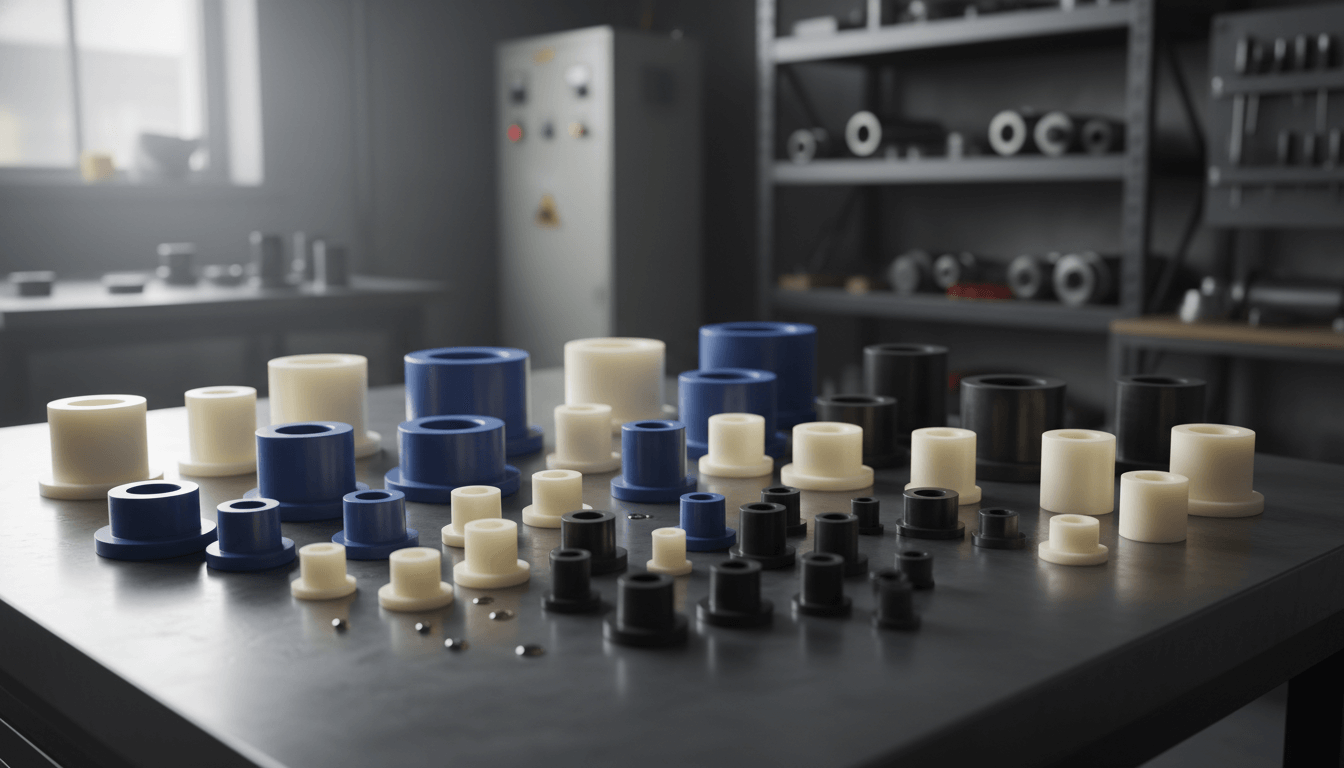
A plastic bushing, often referred to in international markets as plastic bushes , is a self-lubricating plain bearing designed to support and guide shafts while minimizing friction. Unlike ball bearings, these components contain no moving parts, making them inherently more resistant to contamination, vibration, and catastrophic failure.
In 2026, the diversity of the plastic bushing material palette—ranging from versatile polyamides (nylon) to ultra-high-performance polyether ether ketone (PEEK)—allows for applications in every sector, from automotive lightweighting to the plastic bushing electrical infrastructure found in modern smart grids.
The 10 Critical Factors for High-Performance Selection
To secure the best quality for industrial needs, procurement must move beyond the "price per unit" and evaluate these ten pillars:
1. Advanced Plastic Bushing Material Science
Selection begins with the resin. The plastic bushing material determines the strength, wear resistance, and chemical compatibility of the final part.
-
Nylon (Polyamide): Famous for high strength and durability, ideal for automotive suspension and heavy machinery.
-
PTFE (Teflon): The king of low friction and chemical inertness, withstanding temperatures up to 260°C .
-
PEEK: A high-performance thermoplastic for extreme HPHT (High Pressure High Temperature) environments.
-
Acetal (POM): Chosen for its exceptional dimensional stability and low moisture absorption.
2. Load Capacity and PV Limits
The "PV Value" (Pressure $\times$ Velocity) represents the product of load and speed. In high-stakes engineering, understanding the PV limit is critical. High load capacities often require materials with superior compressive strength like PEEK or reinforced nylon.
3. Specialized Electrical Applications
For the power industry, the plastic bushing electrical component is non-negotiable. These parts serve as insulators, protecting wiring from mechanical abrasion and preventing electrical arcing. When running non-metallic cables through metal studs, a plastic bushing for conduit ensures code compliance and protects cable jackets.
4. Conduit and Raceway Protection
In construction and facility management, the plastic conduit bushing is a staple. Whether it’s a standard 1/2 plastic bushing (1/2 inch trade size) for residential panels or a heavy-duty 2 plastic bushing (2 inch trade size) for industrial raceways, these components prevent the sharp edges of conduits from damaging sensitive insulation.
5. Friction and Self-Lubrication
One of the primary reasons engineers switch to plastic bushings is the elimination of maintenance. Integrated solid lubricants within the polymer matrix migrate to the surface, creating a permanent, low-friction boundary layer.
6. Temperature Resilience
While common polymers might soften at 80°C, high-performance plastic bushings can operate continuously at 240°C or higher. Always select a material that can handle the specific thermal peaks of your application.
7. Chemical and Corrosion Resistance
Unlike metal, plastic bushes do not rust. This makes them the "gold standard" for washdown environments in food processing or caustic exposure in the chemical sector.
8. 2026 Regulatory Compliance: PPWR and ESPR
Entering 2026, compliance is a market access condition. The EU’s PPWR (effective August 12, 2026) mandates recyclability and recycled content for all packaging-related plastic components, a trend now spilling into industrial parts.
9. Dimensional Stability and Precision Machining
High-quality manufacturers now utilize CNC screw machining to produce a plastic bushing sleeve with tolerances as tight as ± 0.0005 inches. Acetal (POM) is particularly noted for its dimensional stability in precision parts.
10. Total Cost of Ownership (TCO) Logic
The real ROI of a plastic bushing comes from the lifecycle savings. By eliminating manual lubrication and reducing downtime, companies like Reichard Maschinen GmbH saved up to 25% by transitioning to polymer-based solutions.
Comparative Material Performance Matrix (2026 Data)
The following data represents the standardized performance benchmarks for the most widely specified plastic bushing materials in 2026.
| Material | Continuous Service Temp (°C) | Tensile Strength (MPa) | Coefficient of Friction (Dynamic) | Water Absorption (%) | Primary Industrial Use Case |
|---|---|---|---|---|---|
| PEEK | 240–250 | 97–200 | 0.3–0.4 | < 0.05 | Aerospace, Oil & Gas, Medical |
| PTFE (Filled) | 260 | 15–35 | 0.05–0.1 | 0.00 | Chemical Valves, Food Processing |
| Nylon 66 | 100–120 | 60–90 | 0.2–0.4 | 1.5–8.5 | Automotive Chassis, General Mach. |
| POM (Acetal) | 100 | 60–70 | 0.2–0.3 | 0.2–0.8 | Precision Gears, Marine, Medical |
| UHMWPE | 80 | 20–40 | 0.1–0.2 | < 0.01 | Marine, Industrial Applications |
The Economic Shift: Why "Metal-to-Plastic" is the 2026 Trend
The surge in high-performance polymer adoption is driven by more than just durability. It is a response to the need for lightweighting in the Electric Vehicle (EV) and aerospace sectors. A vehicle using plastic bushings is significantly lighter—often by a factor of six—which directly translates to increased battery range and fuel efficiency.
Furthermore, the "Self-Service Revolution" in 2026 means that buyers expect to download 3D CAD models and use life cycle calculators directly on the supplier's website. Providing these tools is how we transform a simple website into a hard-working sales representative that converts technical interest into high-value inquiries.
Conclusion: Future-Proofing Your Procurement
The decision to utilize a plastic bushing or a complex plastic bushing sleeve system is a strategic one. For the engineering team, it represents a move toward maintenance-free, silent, and resilient machinery. For the procurement department, it represents a massive reduction in operational overhead and a proactive alignment with 2026 global sustainability standards. As we move toward a circular economy, choosing a supplier that provides transparent data on plastic bushing material sourcing and recycling pathways is no longer a luxury—it is a requirement for market access. To dive deeper into the various materials, types, and performance factors, check out our Ultimate Guide to Plastic Bushings 2026: Selection, Types & Performance, which outlines all the key considerations for making the right choice for your needs.
Frequently Asked Questions (FAQs)
Are plastic bushings as durable as metal bushings?
Yes, many high-performance plastic materials offer excellent wear and corrosion resistance that can equal or even exceed the lifespan of metal, especially in harsh or unlubricated environments.
Can a plastic bushing handle heavy loads?
Absolutely. While their capacity varies by material, reinforced plastics like PEEK or fiber-filled nylon are specifically designed for high-load applications in automotive and heavy machinery.
What is the difference between a 1/2 plastic bushing and a 2 plastic bushing in electrical conduit applications?
These refer to the trade size of the conduit they protect. A 1/2 plastic bushing fits a 1/2-inch trade-size conduit, while a 2 plastic bushing fits a 2-inch trade-size conduit. Both are used to protect wires from sharp conduit edges.
Does a plastic bushing for conduit require regular maintenance?
No. Components like the plastic conduit bushing or plastic bushing electrical parts are designed for "fit-and-forget" performance, offering permanent insulation and protection without the need for upkeep.
What are the key implications of the EU PPWR for plastic components by August 2026?
The regulation introduces mandatory recyclability requirements and recycled content targets. Manufacturers must prepare to provide transparent data on material composition and environmental impact to maintain EU market access.
Marketing Director's Final Note:
To our prospective partners: In 2026, the competitive edge goes to those who embrace material innovation. If you are still using heavy, grease-hungry metal bearings, you are missing out on the efficiency of the modern plastic bushing. Request a quote today or download our TCO Comparison Whitepaper to see how much your facility can save by making the switch to high-performance polymers.
Recommended for you
5 "Hidden Indicators" to Look for When Choosing Plastic Injection Molding Services
Custom Plastic Injection Molding: The "Hidden Thresholds" That Make All the Difference with the Same Drawings
Plastic Injection Molding: How to Avoid Material Selection "Landmines" and Common Process Defects?
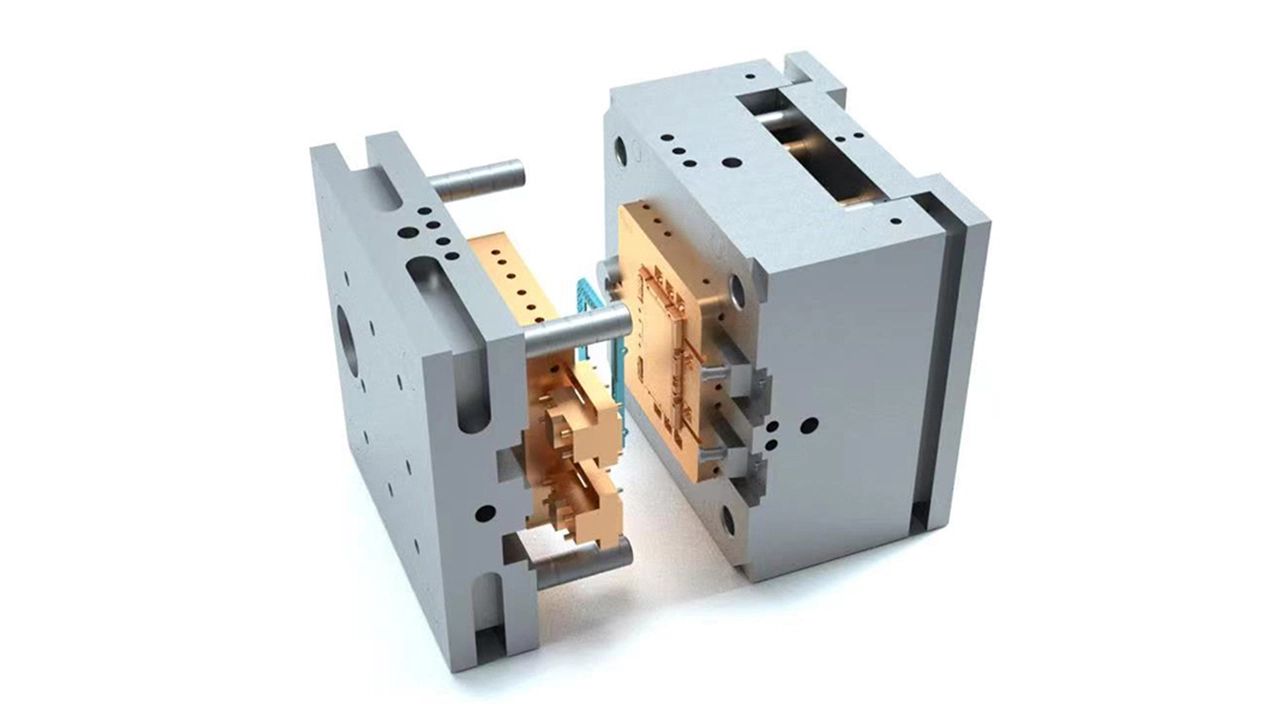
From Design to Mass Production: How to Control Product Cost and Quality Through Precision Injection Molding?
Prdoucts Categories
FAQ
FAQs
What is the delivery lead time? Do you offer global logistics?
Standard products: 5–15 working days; custom modifications: 2–4 weeks. We support global air/sea freight and provide export customs clearance documents (including REACH/UL certifications).
How do I select the appropriate engineering plastic grade for my product?
Selection should be based on parameters such as load conditions (e.g., pressure/friction), temperature range, medium contact (e.g., oil/acid), and regulatory requirements (e.g., FDA/RoHS). Our engineers can provide free material selection consulting and sample testing.
What are the core advantages of Bost engineering plastics compared to ordinary plastics?
Bost engineering plastics feature ultra-high mechanical strength, high-temperature resistance (-50°C to 300°C), chemical corrosion resistance, and wear resistance. Compared to ordinary plastics, their service life is extended by 3 to 8 times, making them suitable for replacing metals in harsh environments.
Can Bost customize modified plastics with special properties?
Yes! We offer modification services such as reinforcement, flame retardancy, conductivity, wear resistance, and UV resistance, for example:
• Adding carbon fiber to enhance stiffness
• Reducing the coefficient of friction through PTFE modification
• Customizing food-grade or medical-grade certified materials
What is the minimum order quantity (MOQ)? Do you support small-batch trial production?
The MOQ for standard products is ≥100kg. We support small-batch trial production (as low as 20kg) and provide mold testing reports and performance data feedback.
You may also like
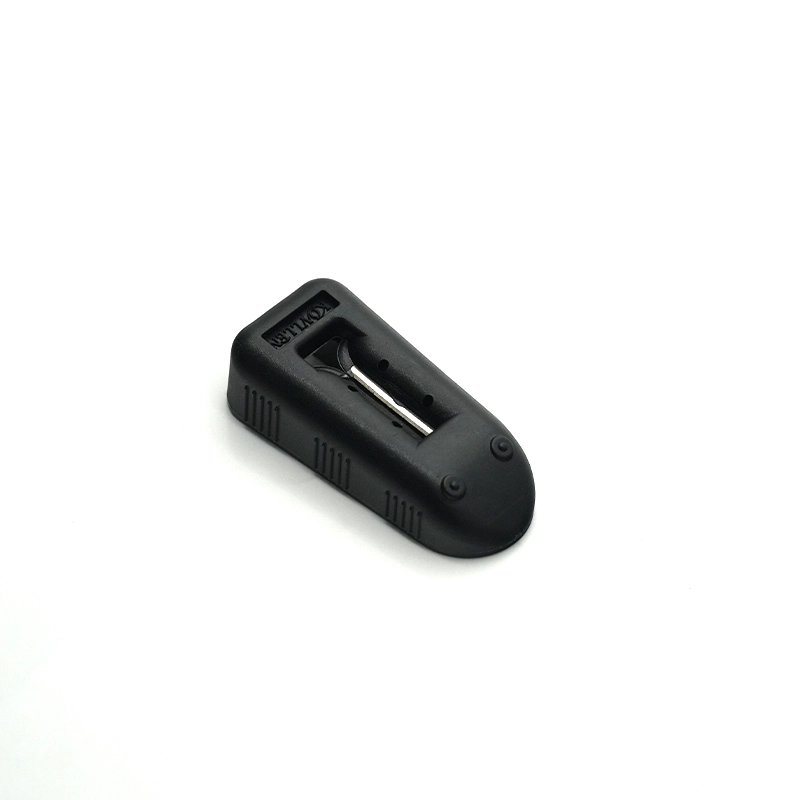
The plastic plug manufactured by Insert molding with stainless steel plate
More Details →
The plastic plug manufactured by Insert molding with stainless steel plate
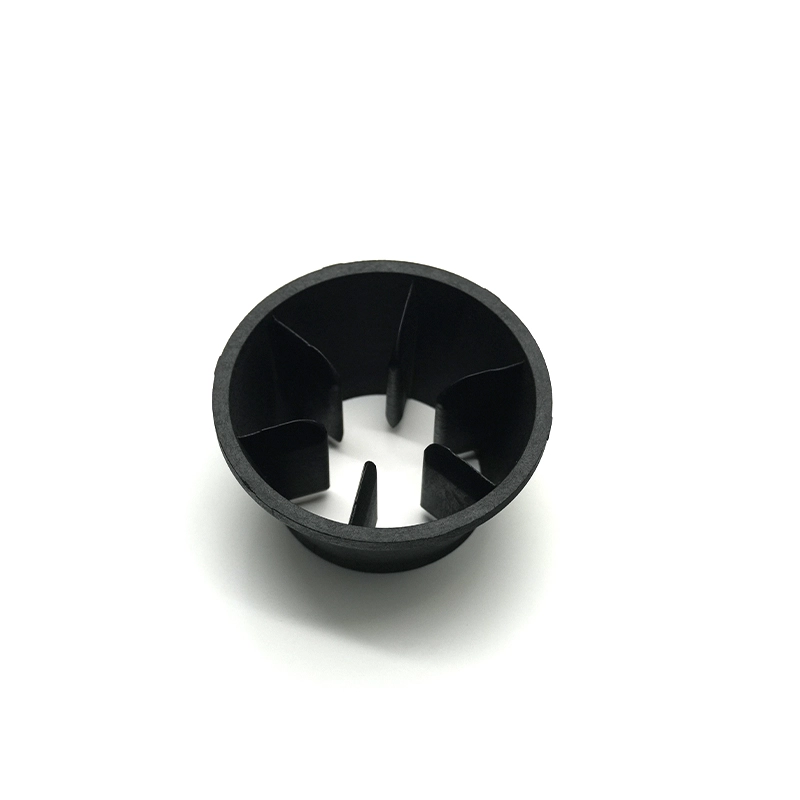
The Bost custom PPO flow valve by injection molding
More Details →
The Bost custom PPO flow valve by injection molding
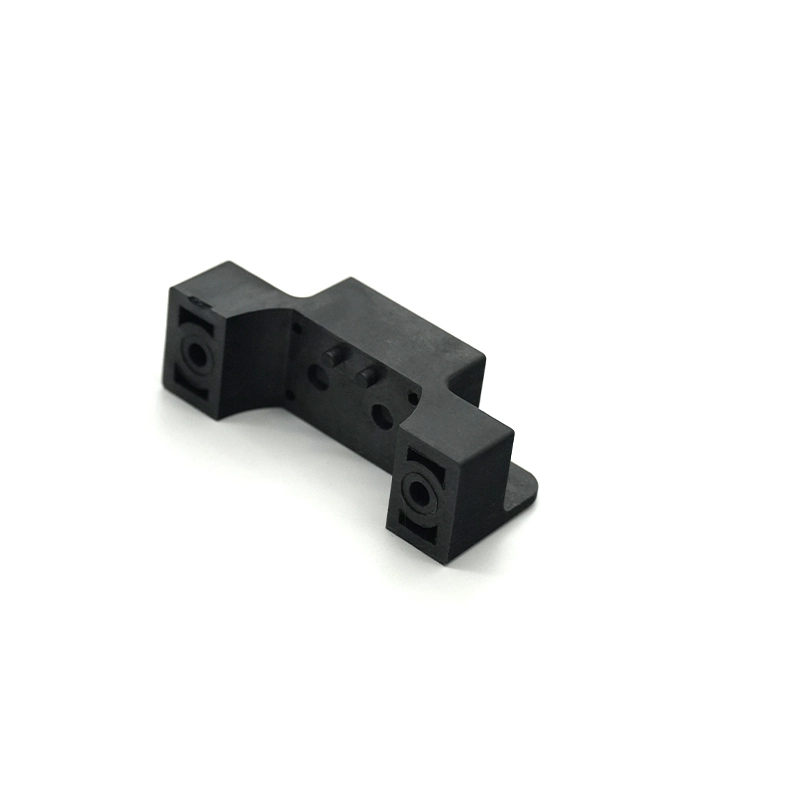
The Bost custom plastic handle by injection molding with high performance PPS material
More Details →
The Bost custom plastic handle by injection molding with high performance PPS material
The Bost custom flow meter by injection molding with PES plastic
More Details →
The Bost custom flow meter by injection molding with PES plastic
Leave a Message
Have any questions or concerns about our products? Please leave us a message here, and our team will get back to you promptly.

24 hours quotes delivered
Submit CAD files, get quote in 24 hours

No MOQ required
From prototyping to high-volume

±0.02 mm Precision
Advanced CNC with full inspections

1,000+ tons in stock
26 materials ready to ship
© 2026 BOST. All Rights Reserved.