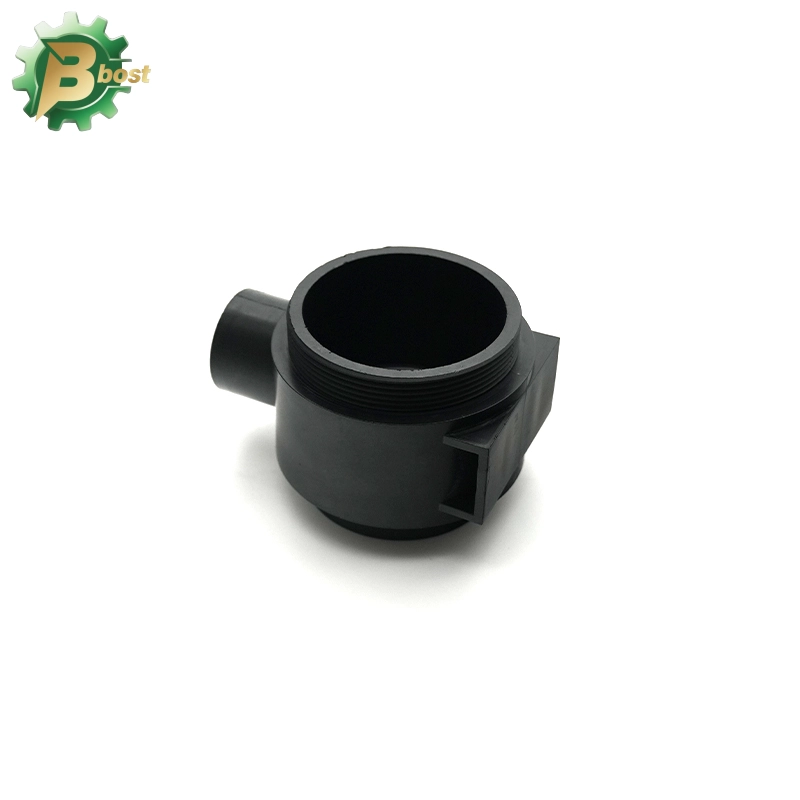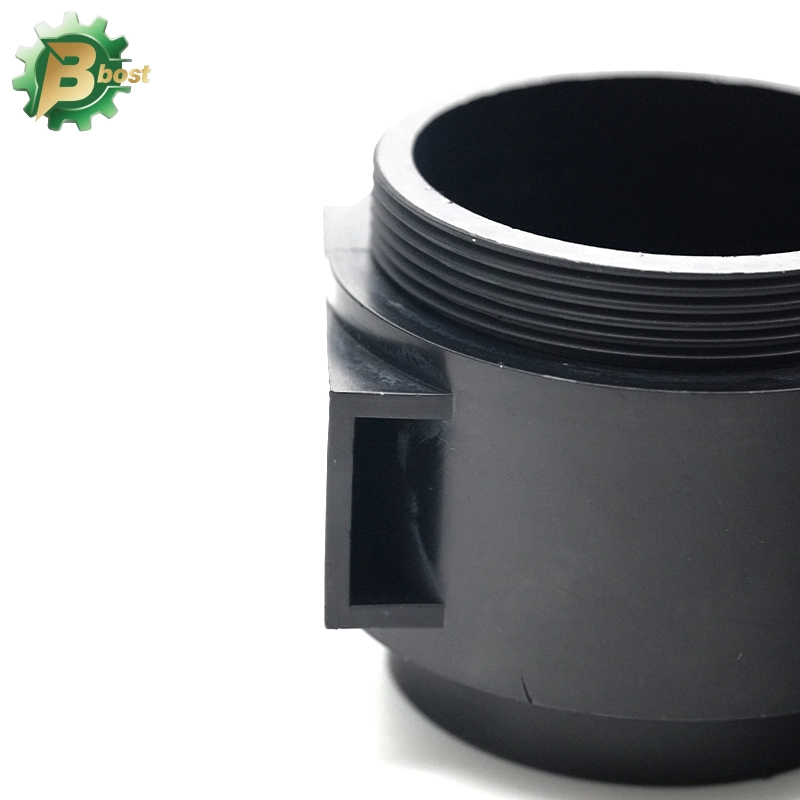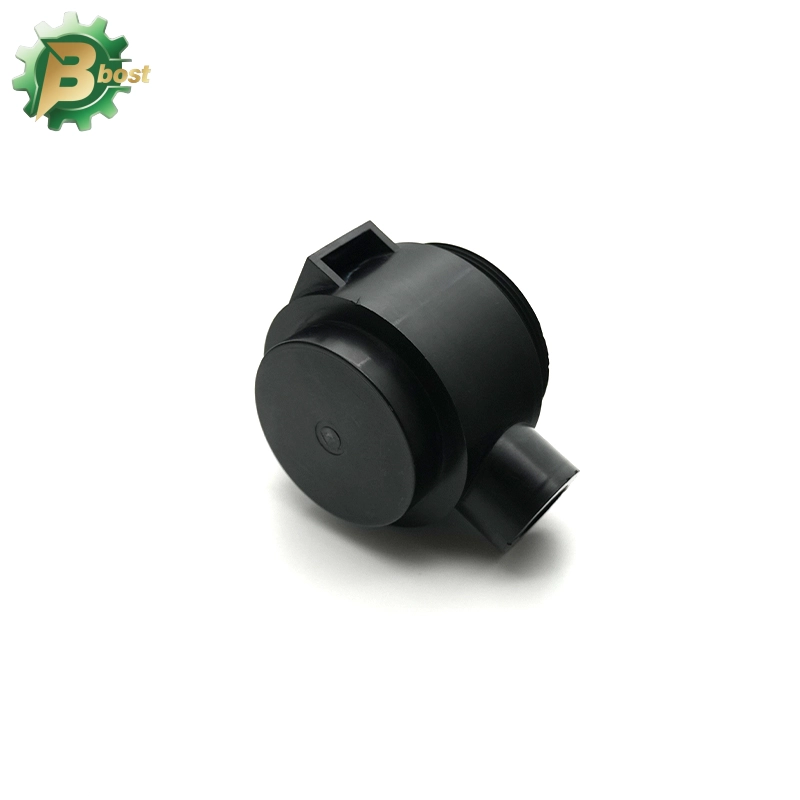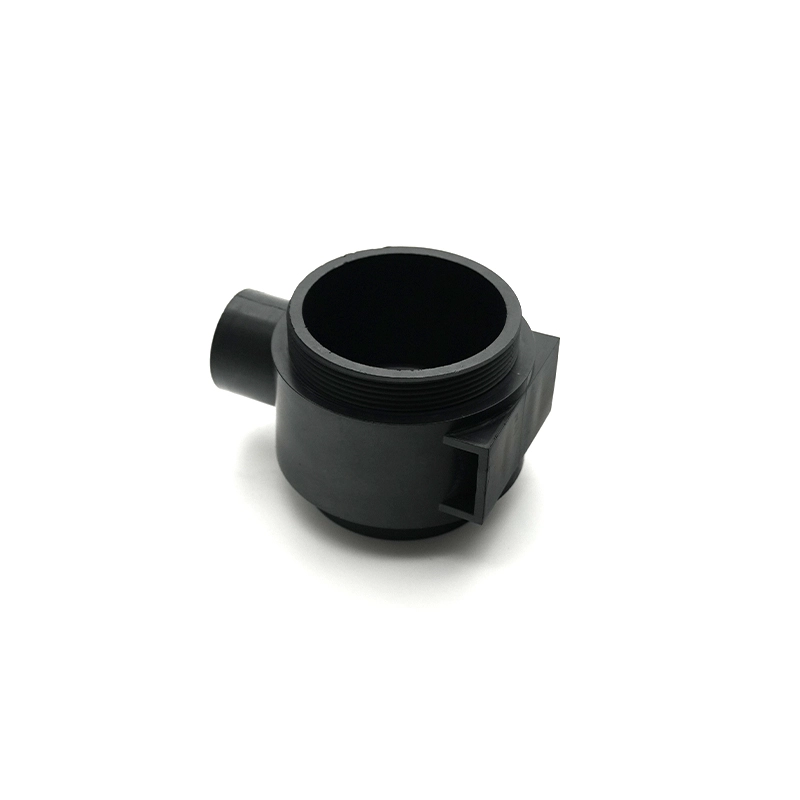

Commonly known as fold-resistant plastic.
- Isotactic PP (Crystallinity up to 95% or higher, molecular weight: 80,000–150,000)
- Atactic PP (Amorphous at room temperature, molecular weight: 3,000–10,000, with limited applications)
a. Non-toxic, odorless, tasteless; appears as translucent or transparent pellets (milky white in powder form).
b. Density: 0.90–0.91 g/cm³.
c. Water stability: Water absorption rate is only 0.01% after 24 hours of immersion in water.
d. Molecular weight: Ranges from 80,000 to 150,000.
e. Good moldability but high shrinkage rate; thick-walled products are prone to sink marks.
f. Excellent gloss and easy to color.
a. High crystallinity and regular structure: Higher strength, hardness, and elasticity than HDPE (High-Density Polyethylene).
b. At room and low temperatures: High structural regularity results in poor impact strength (impact strength increases with the rise of molecular weight).
c. Flexural fatigue resistance: For example, integrated living hinges injection-molded from PP can withstand 70 million folding cycles without showing damage.
d. Dry friction coefficient: Comparable to that of PA6 (inferior to PA6 under oil lubrication).
a. Melting point: 164–170℃.
b. Heat resistance: Can be sterilized at temperatures above 100℃ and does not deform at 150℃ under no external force.
c. Brittleness temperature: -35℃ (inferior to polyethylene in cold resistance).
a. Chemical resistance: Resistant to most chemical reagents except concentrated sulfuric acid and concentrated nitric acid, which can corrode it.
b. Softening and swelling: Low-molecular-weight aliphatic hydrocarbons, aromatic hydrocarbons, and chlorinated hydrocarbons can cause PP to soften and swell.
(Note: Chemical stability improves with increased crystallinity, making it ideal for manufacturing various chemical pipes and fittings with excellent corrosion resistance.)
a. High-frequency insulation performance: Excellent (almost non-hygroscopic, so insulation performance is not affected by humidity).
b. Dielectric constant: 2.0–2.5 (suitable for electrical insulation products used under heating conditions).
c. Dielectric strength: 40 KV/mm.
d. Arc resistance: 130 s (high static electricity; prone to aging when in contact with copper).
a. Photo-aging: PP is sensitive to ultraviolet (UV) rays.
b. Thermo-oxidative aging: Heat and oxygen will accelerate the aging of PP.
PP film products are transparent and glossy with low permeability to water vapor and air, including:
a. Blown film.
b. Cast film (CPP).
c. Biaxially oriented film (BOPP).
Widely used in engineering components for automotive, electrical, machinery, instrumentation, radio, textile, and defense industries, as well as daily necessities, turnover boxes, medical and health equipment, and building materials.
Can be processed into pipes, profiles, monofilaments, fishing ropes, strapping bands, binding ropes, woven bags, fibers, composite coatings, sheets, plates, etc. Blow-molded hollow products include various small containers.
Low-foaming PP: Calcium plastic boards, synthetic wood, laminates, synthetic paper. High-foaming PP: Can be used as structural foam materials.
Polypropylene can be modified through filling, reinforcement, blending, copolymerization, and cross-linking, with the following modification methods and effects:
- Adding fillers such as calcium carbonate, talc, and inorganic minerals can improve rigidity, hardness, heat resistance, and dimensional stability.
- Incorporating glass fiber, asbestos fiber, mica, and glass beads can enhance tensile strength, creep resistance, and low-temperature impact resistance.
- Adding elastomers and rubbers can improve impact performance and transparency.
- Adding carbon fiber (CF) can increase strength, especially flexural modulus.
- For other specifications, please contact the Aote Technology Development Center.
- Except for products with specified colors, all others can be colored according to requirements.
- For glass fiber reinforced grades, long fibers or chopped fibers can be selected based on requirements.