



 Scan QR Code
Send My Request
The Manufacturing Expert Behind Soft-Hard Material Combination
2025-12-09
Bost is a leading overmolding company specializing in advanced overmolding technology. Our expertise in combining soft and hard materials ensures durable, high-quality manufacturing solutions tailored to your needs. Discover innovation and precision with Bost’s expert production capabilities.
The soft rubber handles of toothbrushes, soft edges of phone cases, and soft-touch layers of car buttons we use every day are all made with "overmolding" technology — a process that bonds soft materials (such as TPE, silicone) with rigid materials (such as ABS, PP), allowing products to have both structural strength and comfortable touch. The core force behind this technology is precisely overmolding companies, which need to transform the idea of "soft-hard combination" into actual products through professional material matching, mold design, and process optimization. BOST is a professional injection mold company with mature full-process service capabilities in the field of overmolding.
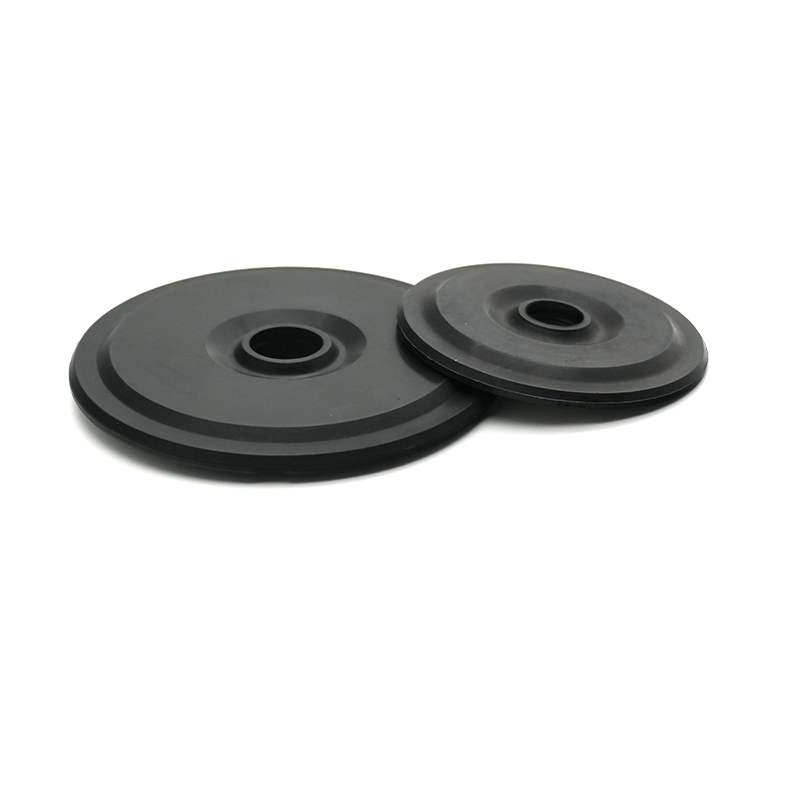
The primary core capability of an overmolding company is "material compatibility judgment" — the foundation of successful overmolding. The bonding force between soft and rigid materials directly determines product lifespan: for example, TPE and ABS have good compatibility, making them suitable for household appliance handles; while the combination of silicone and PC requires special surface treatment to avoid delamination. Improper material matching may cause problems such as soft rubber peeling and cracking. BOST is a professional injection mold company, and as a cooperative overmolding company, its technical team first determines the solution through more than 100 material tests: for instance, when customizing a TPE overmolded grip for a medical enterprise, BOST tested the bonding strength of 5 TPE models with medical PP, finally selecting a TPE material with similar polarity. Combined with surface micro-roughening treatment, the grip remained free of soft rubber peeling after 1000 disinfections, fully meeting medical standards.
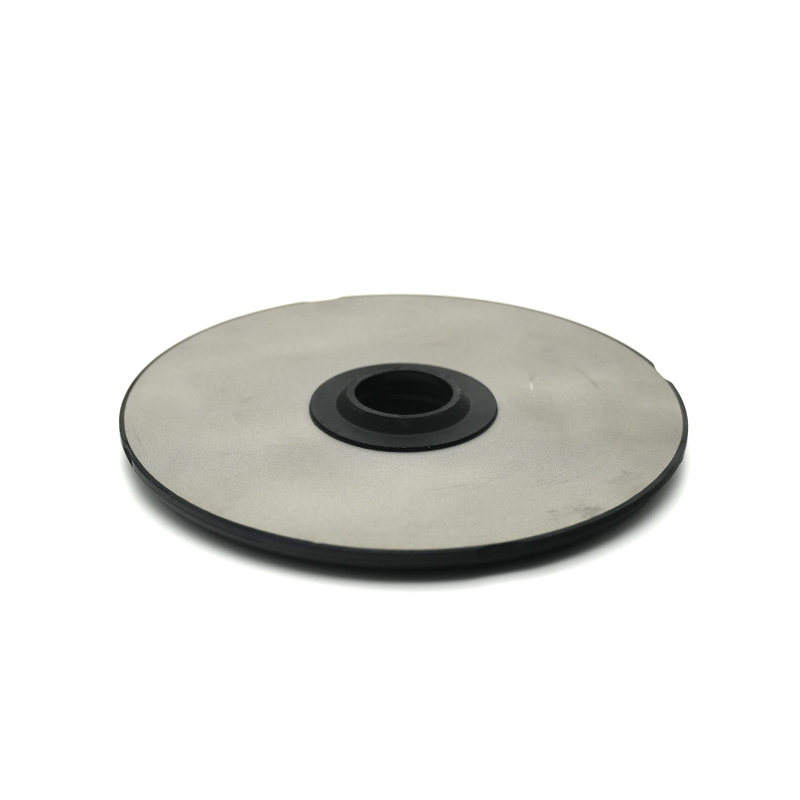
"Customized mold design" is the core competitiveness of an overmolding company and also the professional advantage of BOST. The biggest difference between overmolding molds and ordinary injection molds is the need for precise positioning of the rigid base — if the rigid part shifts in the mold, the soft rubber thickness will be uneven, or even flash may occur. BOST is a professional injection mold company, and to meet overmolding needs, it designs custom molds with "double positioning pins + annular vent grooves": the positioning pins ensure the rigid part is fixed without displacement, and the vent grooves discharge gas generated when the soft material melts, avoiding bubbles at the bonding interface. For example, in the mold designed for a blender button for a household appliance enterprise, BOST used this mold design to make the bonding interface between TPE soft rubber and ABS hard shell smooth and flawless, increasing the button press life from the industry average of 50,000 times to 100,000 times, fully reflecting the strict requirements of an overmolding company for mold precision.
"Process parameter optimization" is the key for an overmolding company to ensure product quality and also the technical highlight of BOST. Overmolding requires strict control of temperature and pressure: soft materials (such as TPE) have low melting points and are prone to deformation if the mold temperature is too high; rigid materials (such as PC) have strong heat resistance and require sufficient pressure to ensure the soft rubber fits fully. As a professional injection mold company, BOST customizes process parameters for different material combinations: for example, when producing TPE overmolded buttons for automotive interiors, BOST controls the mold temperature at 70℃ (adapting to TPE characteristics), adjusts the injection pressure to 80MPa (avoiding deformation of the PC base), and adopts the "low-speed soft rubber filling + high-speed pressure holding" mode to ensure uniform button touch. This refined process control is the core feature that distinguishes an overmolding company from ordinary injection enterprises.
In industrial manufacturing, the value of an overmolding company is also reflected in its response to complex needs. For example, a smart home enterprise needed to customize a "PP plastic base with TPE anti-slip strips". The traditional process required first injecting the base and then pasting the anti-slip strips, which was inefficient and prone to peeling. As a professional injection mold company, BOST, in the role of a cooperative overmolding company, designed an integrated overmolding mold: first injecting the PP base and fixing it in the mold, then injecting TPE soft rubber to form anti-slip strips, realizing "one-time molding". This not only increased production efficiency by 40% but also doubled the bonding strength between the anti-slip strips and the base. This "soft-hard integration" solution is an important way for overmolding companies to drive product upgrades.
Recommended for you
The Peak Art of Custom Manufacturing According to Drawings: Comprehensive Guide to Precision Solutions for Custom Parts According to Drawing
Ending Mechanical Wear and Resonance: The Comprehensive Guide to Precision Customization and Mass Production of a Custom Rubber Pad
The Ultimate Armor for Smart Hardware: Advanced Customization and Precision Injection Molding Guide for a Custom Plastic Box
The Ultimate Weapon to Tame Vibration and Noise: Deep Dive into the Custom Process and Mass Production Logic of a Custom Rubber Bushing
Product Categories
FAQ
FAQs
How do I select the appropriate engineering plastic grade for my product?
Selection should be based on parameters such as load conditions (e.g., pressure/friction), temperature range, medium contact (e.g., oil/acid), and regulatory requirements (e.g., FDA/RoHS). Our engineers can provide free material selection consulting and sample testing.
What are the core advantages of Bost engineering plastics compared to ordinary plastics?
Bost engineering plastics feature ultra-high mechanical strength, high-temperature resistance (-50°C to 300°C), chemical corrosion resistance, and wear resistance. Compared to ordinary plastics, their service life is extended by 3 to 8 times, making them suitable for replacing metals in harsh environments.
What is the delivery lead time? Do you offer global logistics?
Standard products: 5–15 working days; custom modifications: 2–4 weeks. We support global air/sea freight and provide export customs clearance documents (including REACH/UL certifications).
Can Bost customize modified plastics with special properties?
Yes! We offer modification services such as reinforcement, flame retardancy, conductivity, wear resistance, and UV resistance, for example:
• Adding carbon fiber to enhance stiffness
• Reducing the coefficient of friction through PTFE modification
• Customizing food-grade or medical-grade certified materials
What is the minimum order quantity (MOQ)? Do you support small-batch trial production?
The MOQ for standard products is ≥100kg. We support small-batch trial production (as low as 20kg) and provide mold testing reports and performance data feedback.
You may also like
Leave a Message
Have any questions or concerns about our products? Please leave us a message here, and our team will get back to you promptly.

24 hours quotes delivered
Submit CAD files, get quote in 24 hours

No MOQ required
From prototyping to high-volume

±0.02 mm Precision
Advanced CNC with full inspections

1,000+ tons in stock
26 materials ready to ship
© 2026 BOST. All Rights Reserved.