
 Scan QR Code
Send My Request
2026 Essential for Manufacturing: Comprehensive Injection Molding Guides – From Tooling Design to High-Precision Mass Production
2026-04-10
Discover Bost’s 2026 Essential Guide for Manufacturing, covering custom injection molded parts from tooling design to high-precision mass production. Enhance your production efficiency with expert insights tailored for modern manufacturing needs.
- 1. Why are these Injection Molding Guides Critical for Your B2B Procurement?
- 1.1 Technical Complexity of Precision Molding
- 1.2 The Value of Supply Chain Transparency
- 2. Core Material Selection: How to Choose the "Soul" of Your Product?
- 3. Design Optimization: Deep Practice of DFM (Design for Manufacturing)
- 3.1 The Golden Rule of Uniform Wall Thickness
- 3.2 The Art of Draft Angles
- 4. Mold Life Management: How to Secure Your Long-Term ROI?
- 5. Quality Control: Mitigating Hidden Risks in Production
- 6. Conclusion: Why GZ-BOST is Your Best Partner to Execute This Guide?
- Launch Your Precision Manufacturing Solution Today
In today’s volatile global supply chain landscape, whether you are a cutting-edge tech startup in Silicon Valley or a multinational Original Equipment Manufacturer (OEM) striving for cost optimization, the journey of transforming a concept into a tangible product always circles back to one critical challenge: how to precisely navigate injection molding from technical details, cost structures, and supply chain risk perspectives.
These Injection Molding Guides are designed to eliminate industry information asymmetry. As experts in the field of precision manufacturing, GZ-BOST (Guangzhou Bost) has distilled thousands of cross-border project experiences into this advanced pathway to high-quality, high-efficiency production.
1. Why are these Injection Molding Guides Critical for Your B2B Procurement?
In B2B trade, injection molding is not just about buying and selling parts; it’s about purchasing "certainty." Many procurement managers overlook minor technical details during the initial project phases, leading to skyrocketing costs later on.
1.1 Technical Complexity of Precision Molding
Injection molding is far more than just "melting and filling." When we discuss Injection Molding Guides, the core lies in the mastery of polymer rheology. Under high temperatures exceeding 200°C and thousands of tons of clamping force, the arrangement of plastic molecules, fluctuations in cooling rates, and even changes in ambient humidity will determine if tolerances can be maintained within ±0.02mm.
1.2 The Value of Supply Chain Transparency
Professional Injection Molding Guides should tell you: the best supplier is not just a contract manufacturer but your engineering consultant. At GZ-BOST, we maintain full transparency in mold steel selection, runner design, and injection parameter settings because we know that trust is built on respect for every technical detail.
2. Core Material Selection: How to Choose the "Soul" of Your Product?
Under the framework of Injection Molding Guides, material selection is the first step in determining commercial success. The wrong material leads not only to product failure in end-use but also to massive mold modification expenses.
For the convenience of procurement managers, we have compiled the following table comparing the core physical properties and application scenarios of mainstream engineering plastics:
| Abbreviation | Full Name | Core Performance | Injection Molding Guides Expert Tip | Typical Application |
| ABS | Acrylonitrile Butadiene Styrene | High toughness, easy plating, dimensional stability | The King of ROI, ideal for aesthetic parts | Automotive trim, electronics, appliances |
| PC | Polycarbonate | Extreme impact strength, great transparency | High viscosity; mold temp control is key | Medical windows, shields, optical parts |
| PA66 | Polyamide 66 (Nylon) | Wear/heat resistance, self-lubricating | Requires strict dehumidifying/drying | Industrial gears, engine components |
| PP | Polypropylene | Chemical resistance, durable, low density | Watch for high shrinkage and warpage | Packaging, labware, living hinges |
| PPS | Polyphenylene Sulfide | Extreme heat & corrosion resistance | Use wear-resistant steels (e.g., D2) | Aerospace, high-performance valves |
In practice, we recommend following these Injection Molding Guides to add UV inhibitors or glass fibers for specific applications (such as long-term UV exposure or contact with strong acids) to enhance the physical limits of the parts.
3. Design Optimization: Deep Practice of DFM (Design for Manufacturing)
In any authoritative Injection Molding Guides, DFM analysis is an indispensable chapter. At GZ-BOST, we firmly believe that great products are "designed."
3.1 The Golden Rule of Uniform Wall Thickness
Non-uniform wall thickness is the "killer" of injection production. It leads to uneven shrinkage during cooling, which causes sink marks or warpage. In our Injection Molding Guides, we generally recommend controlling wall thickness deviation within 15% and setting ribs according to material characteristics.
3.2 The Art of Draft Angles
To ensure that the parts mentioned in the Injection Molding Guides can be ejected smoothly from the mold, a reasonable draft angle is vital. Generally, 1° to 2° is the industry standard, but if the part surface requires texture, the angle must be increased based on the texture depth.
4. Mold Life Management: How to Secure Your Long-Term ROI?
Many buyers only look at the unit price when comparing quotes. However, as a veteran author of Injection Molding Guides, I must remind you: the "hidden costs" of tooling are what determine the Total Cost of Ownership.
-
Steel Selection: If your project has an annual volume of over 1 million units, choosing a pre-hardened steel like P20 is a major mistake. We recommend heat-treated steels like H13 or S136, which offer extreme wear resistance and polishability.
-
Hot Runner vs. Cold Runner: In these Injection Molding Guides, we recommend hot runner systems for expensive engineering materials (like PEEK). Although the initial investment is higher, the savings on resin waste typically recoup the cost within 6 months.
5. Quality Control: Mitigating Hidden Risks in Production
During the production phase, the focus of Injection Molding Guides should shift to process monitoring.
-
Scientific Molding: Relying on sensors to monitor in-mold pressure in real-time. This digital method ensures that even when raw material batches change, part consistency remains as intended.
-
First Article & In-Process Inspection: GZ-BOST’s quality system requires random inspections every 2 hours. When performing drop tests or tensile tests as suggested in these Injection Molding Guides, we never allow any flaws to reach our clients.
6. Conclusion: Why GZ-BOST is Your Best Partner to Execute This Guide?
After reading these Injection Molding Guides, you will realize that successful injection molding projects are no accident—they are the crystallization of precision engineering and rigorous management.
At GZ-BOST, we don't just provide all the technical services mentioned in these Injection Molding Guides; we are committed to being your supply chain security expert.
-
Global Vision: 15 years of export experience, proficient in DME and HASCO mold standards.
-
Technical Depth: We don’t just open molds; we optimize your product design.
-
Integrity in Delivery: Delivering precision parts that fully meet blueprint requirements within the agreed lead time.
Launch Your Precision Manufacturing Solution Today
If you are looking for a partner who can translate the essence of these Injection Molding Guides into actual production, or if you have a challenging project requiring technical evaluation, do not wait.
Recommended for you
2026 Ultimate Guide to Precision Manufacturing: How to Enhance Product Competitiveness via Optimized Custom Injection Molding Parts?
2026 Ultimate Guide to High-Precision Manufacturing: How to Enhance Product Competitiveness via Optimized Custom Injection Molded Parts?
2026 Ultimate Guide to Precision Manufacturing: How to Choose the Best Plastic Injection Molding Services for Product Excellence?
2026 Global Supply Chain Insights: A Deep Dive into Custom Plastic Injection Molding – From Design to High-Precision Production
Prdoucts Categories
FAQ
FAQs
What is the delivery lead time? Do you offer global logistics?
Standard products: 5–15 working days; custom modifications: 2–4 weeks. We support global air/sea freight and provide export customs clearance documents (including REACH/UL certifications).
Can Bost customize modified plastics with special properties?
Yes! We offer modification services such as reinforcement, flame retardancy, conductivity, wear resistance, and UV resistance, for example:
• Adding carbon fiber to enhance stiffness
• Reducing the coefficient of friction through PTFE modification
• Customizing food-grade or medical-grade certified materials
How do I select the appropriate engineering plastic grade for my product?
Selection should be based on parameters such as load conditions (e.g., pressure/friction), temperature range, medium contact (e.g., oil/acid), and regulatory requirements (e.g., FDA/RoHS). Our engineers can provide free material selection consulting and sample testing.
What is the minimum order quantity (MOQ)? Do you support small-batch trial production?
The MOQ for standard products is ≥100kg. We support small-batch trial production (as low as 20kg) and provide mold testing reports and performance data feedback.
What are the core advantages of Bost engineering plastics compared to ordinary plastics?
Bost engineering plastics feature ultra-high mechanical strength, high-temperature resistance (-50°C to 300°C), chemical corrosion resistance, and wear resistance. Compared to ordinary plastics, their service life is extended by 3 to 8 times, making them suitable for replacing metals in harsh environments.
You may also like
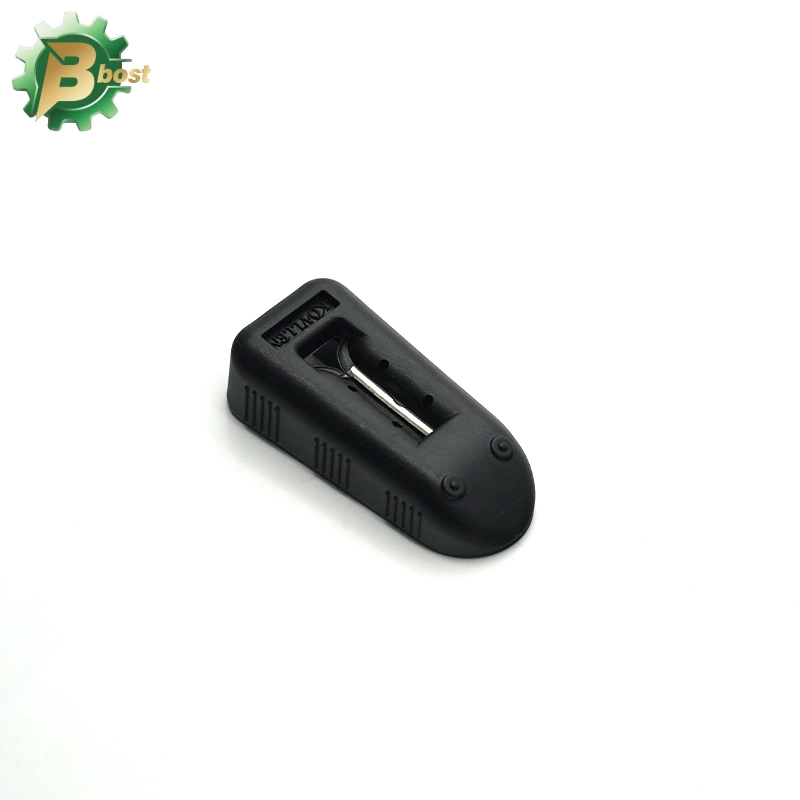
The plastic plug manufactured by Insert molding with stainless steel plate
More Details →
The plastic plug manufactured by Insert molding with stainless steel plate
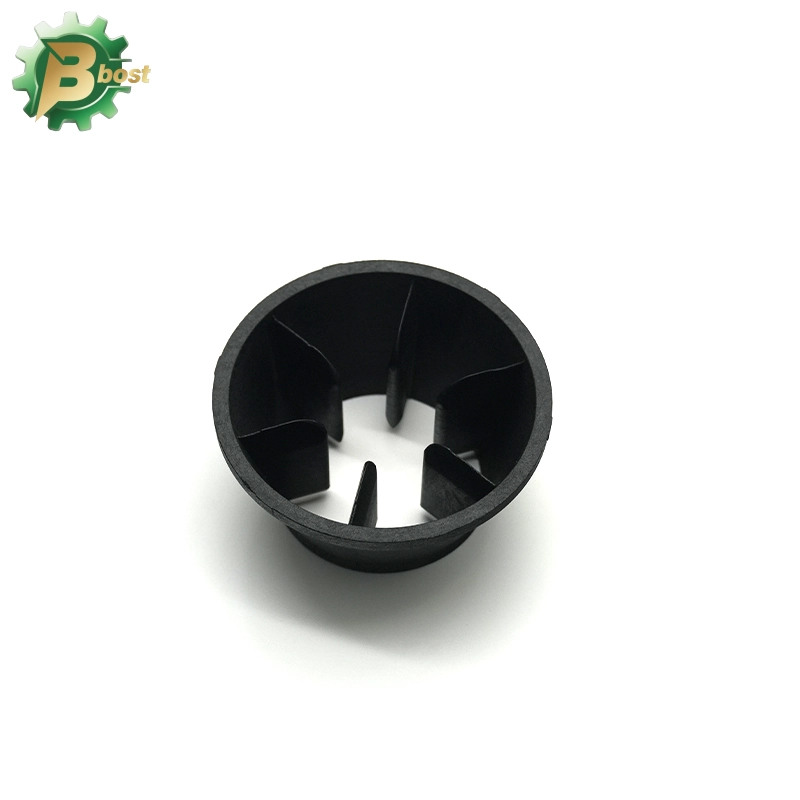
The Bost custom PPO flow valve by injection molding
More Details →
The Bost custom PPO flow valve by injection molding
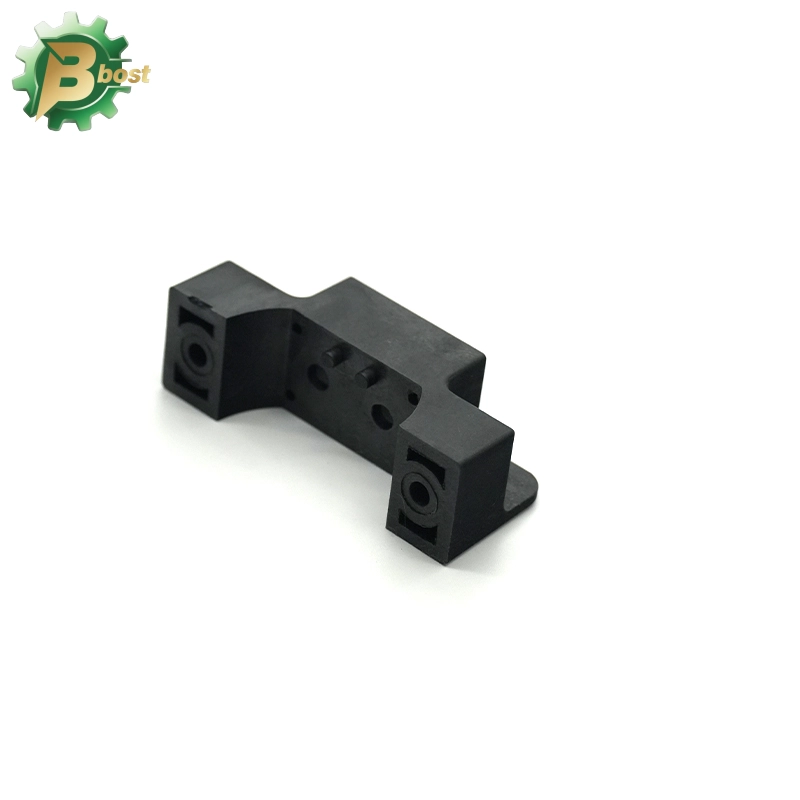
The Bost custom plastic handle by injection molding with high performance PPS material
More Details →
The Bost custom plastic handle by injection molding with high performance PPS material
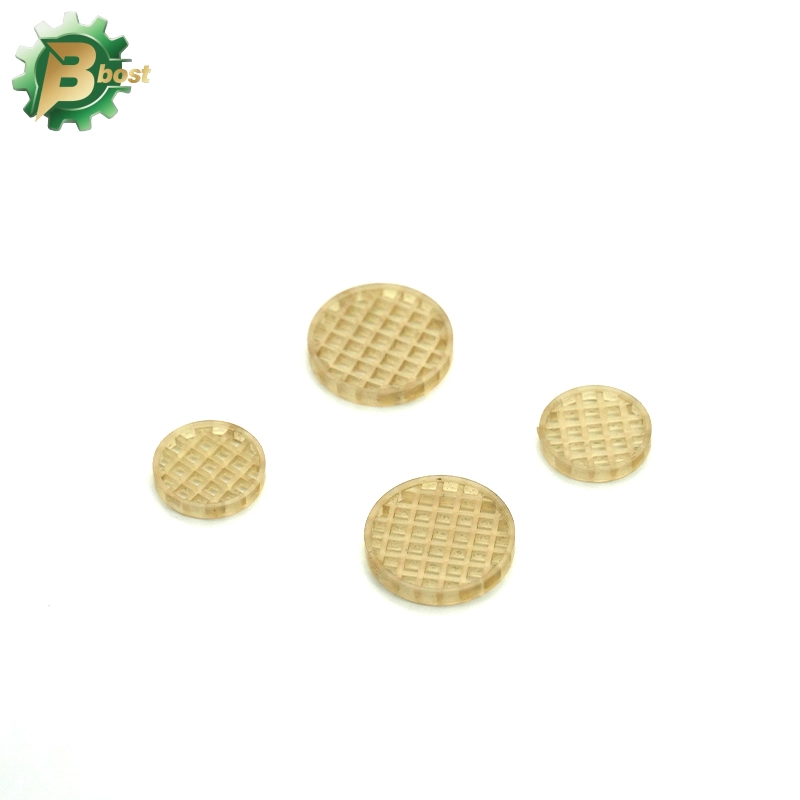
The Bost custom flow meter by injection molding with PES plastic
More Details →
The Bost custom flow meter by injection molding with PES plastic
Leave a Message
Have any questions or concerns about our products? Please leave us a message here, and our team will get back to you promptly.

24 hours quotes delivered
Submit CAD files, get quote in 24 hours

No MOQ required
From prototyping to high-volume

±0.02 mm Precision
Advanced CNC with full inspections

1,000+ tons in stock
26 materials ready to ship
© 2026 BOST. All Rights Reserved.