
 Scan QR Code
Send My Request


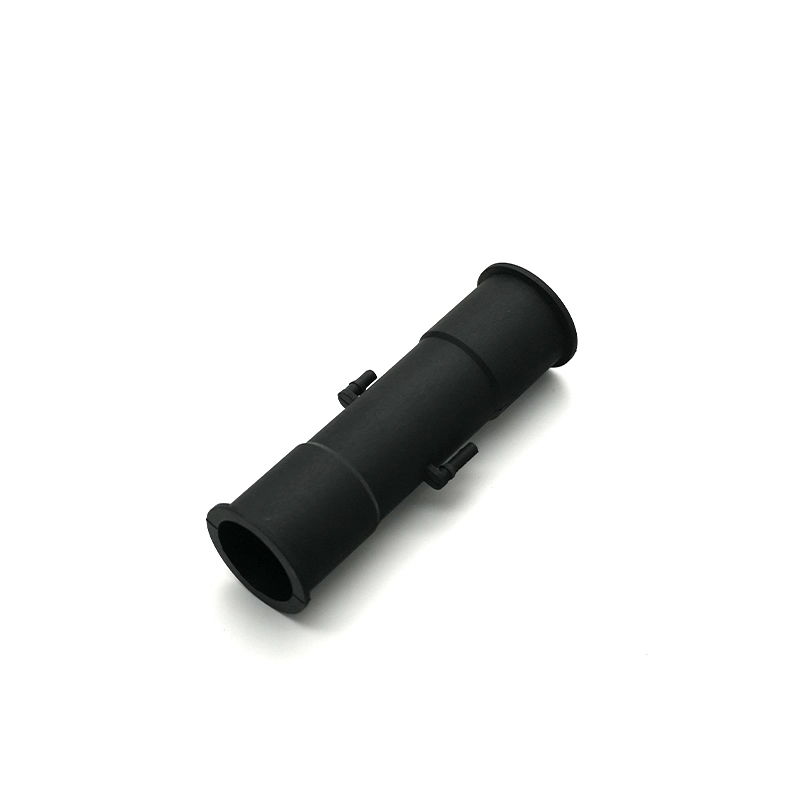
Silicone rubber sleeve
Bost’s Silicone Rubber Sleeve offers superior wire and cable protection with high-temperature resistant silicone rubber material. Engineered for durability and flexibility, this sleeve ensures reliable insulation and safeguards electrical components in demanding environments. Ideal for industrial and automotive applications.
Colour
Black Colour
Dimension
1-300mm
Manufacture method
CNC /Injection molding
Material
Silicone rubber sleeve
Tolerance
0.05mm
Certification
ISO9001
Details
Rubber: A Versatile Material with Distinctive Properties
I. Main Classifications
1. Natural Rubber
2. Synthetic Rubber
II. Core Properties
1. High Elasticity
2. Good Insulation
3. Weather Resistance and Chemical Resistance
4. Shock Absorption and Buffering
III. Application Fields
1. Industrial Field
2. Automotive Field
3. Daily Life Field
4. Medical Field
Tags
Wire and cable protection sleeve
Wire and cable protection sleeve
High-temperature resistant silicone rubber sleeve
High-temperature resistant silicone rubber sleeve
Silicone rubber material sleeve
Silicone rubber material sleeve
You may also like
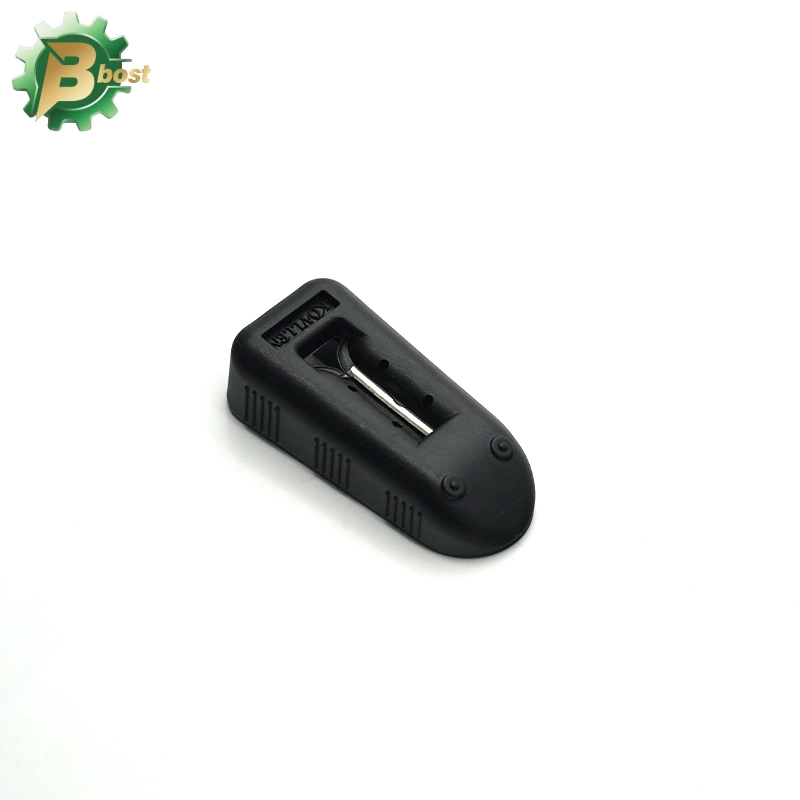
The plastic plug manufactured by Insert molding with stainless steel plate
More detail →
The plastic plug manufactured by Insert molding with stainless steel plate
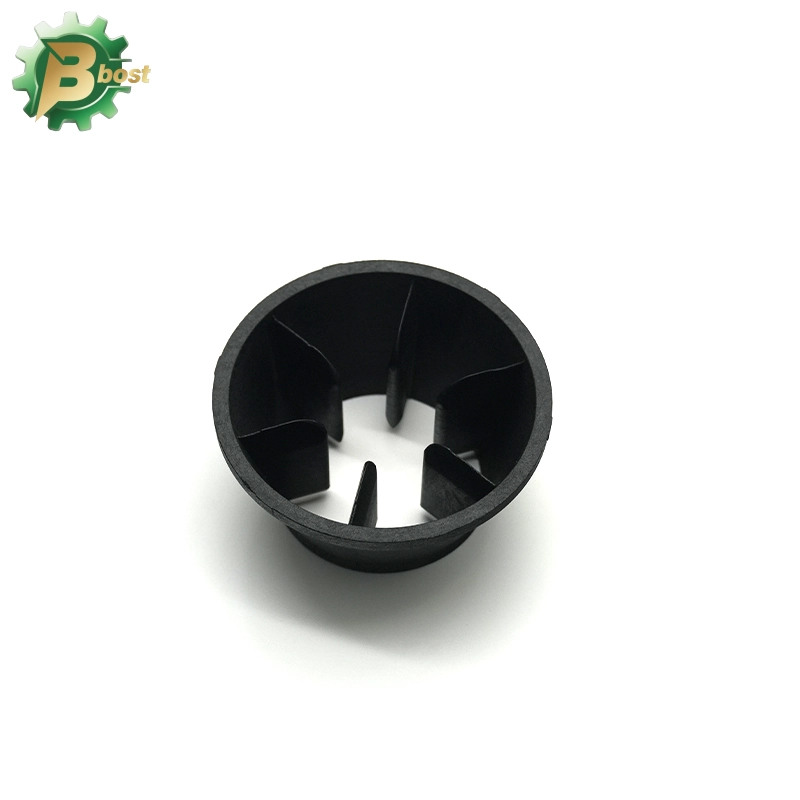
The Bost custom PPO flow valve by injection molding
More detail →
The Bost custom PPO flow valve by injection molding
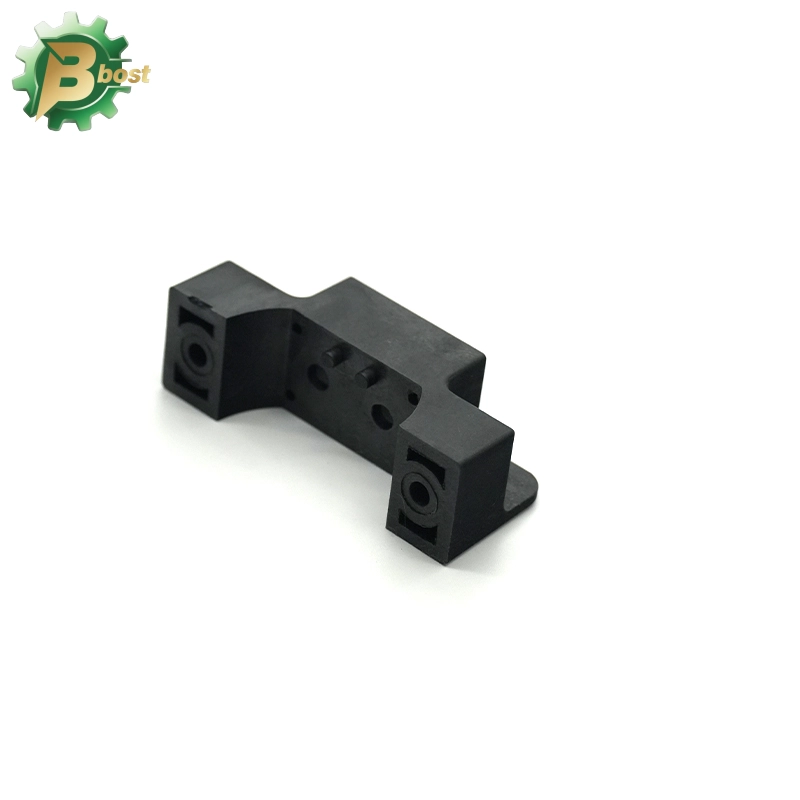
The Bost custom plastic handle by injection molding with high performance PPS material
More detail →
The Bost custom plastic handle by injection molding with high performance PPS material
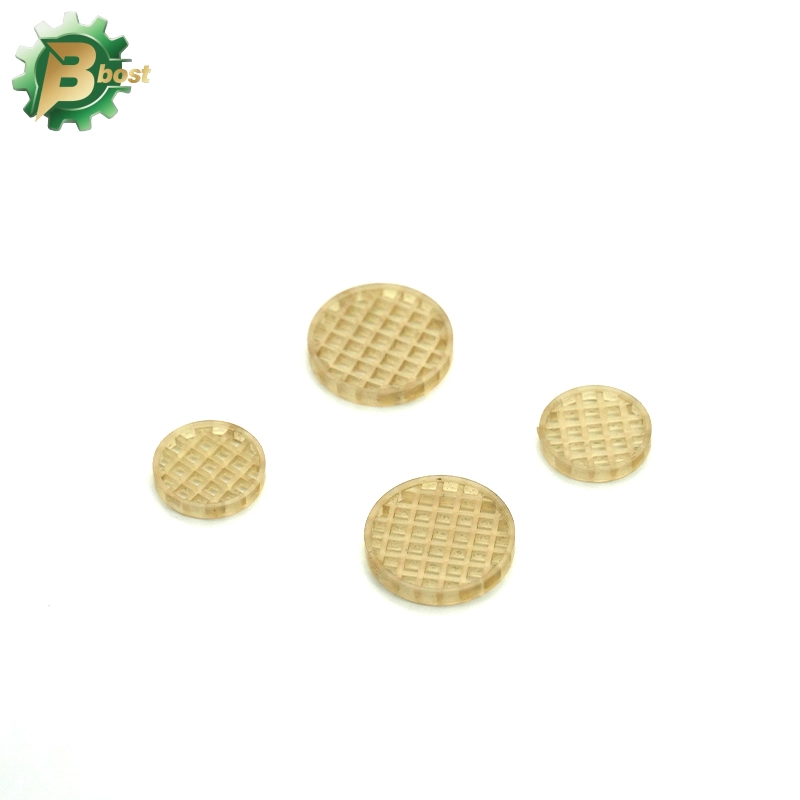
The Bost custom flow meter by injection molding with PES plastic
More detail →
The Bost custom flow meter by injection molding with PES plastic
Get a Free Quote
Contact our team now for competitive pricing, detailed product specifications, and customized solutions—100% free.

24 hours quotes delivered
Submit CAD files, get quote in 24 hours

No MOQ required
From prototyping to high-volume

±0.02 mm Precision
Advanced CNC with full inspections

1,000+ tons in stock
26 materials ready to ship
© 2026 BOST. All Rights Reserved.