
 Scan QR Code
Send My Request
Best materials for durable engineered plastic components
Monday, 03/16/2026
This article examines the best engineering plastics for durable, high-performance components, focusing on factors such as thermal stability, chemical resistance, wear, and manufacturability. It highlights the advantages of polyphenylene oxide (PPO) and profiles The BOST Custom PPO Injection-Molded Flow Valve as an optimized solution for demanding industrial flow control.
- Why material selection matters for engineered plastic components
- Key performance criteria for durable parts
- Design and processing impacts on performance
- Standards and traceability
- Top engineered plastics for high-durability components
- Polyphenylene oxide (PPO / Noryl): balanced thermal and chemical resistance
- Polyether ether ketone (PEEK): High Quality high-temperature and chemical resistance
- Polyoxymethylene (POM / Acetal) and Nylon (PA): wear-resistant and low-friction options
- Comparing materials: thermal, chemical, and wear properties
- Quick reference comparison
- How to interpret the table when specifying parts
- Case study: The BOST Custom PPO Injection-Molded Flow Valve
- Why PPO was chosen for BOST’s flow valve
- Injection molding advantages for precision flow-control parts
- Performance expectations and maintenance
- Design guidance and best practices for long-lasting engineered plastic components
- Select the right grade and reinforcement
- Account for environment and assembly stresses
- Testing, validation, and traceability
- Material selection checklist for specifying engineered plastic components
- Step-by-step evaluation
- When to involve materials experts
- Frequently Asked Questions (FAQ)
- Q: What makes PPO a good choice for flow-control components?
- Q: How does PPO compare to PEEK and PVDF?
- Q: Can engineered plastic valves handle high pressures?
- Q: Are injection-molded polymer valves repairable in the field?
- Q: Where can I find validated material data for designing parts?
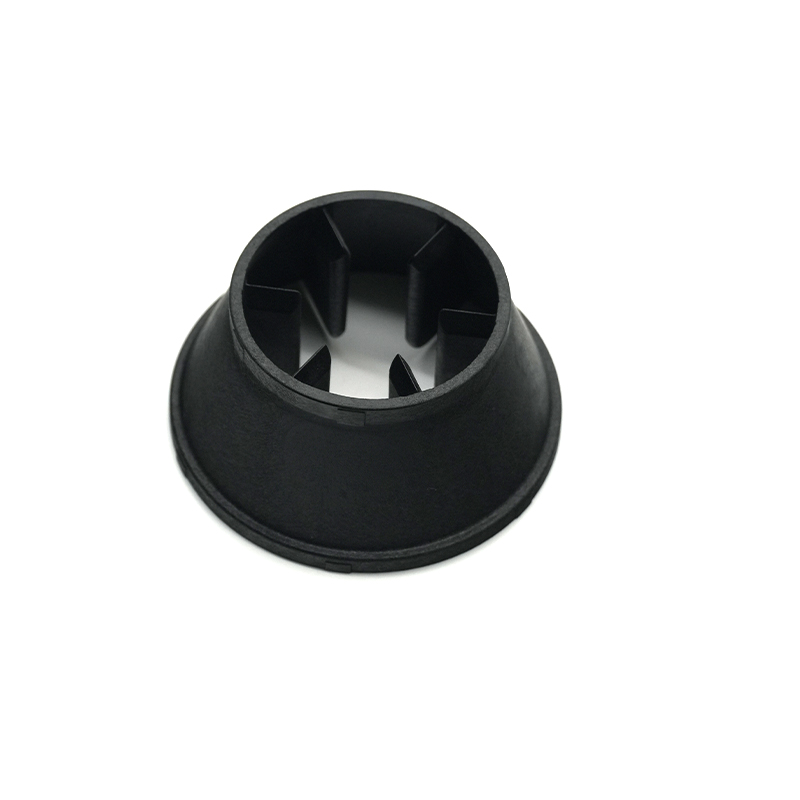
The following summary highlights material considerations for engineered plastic components used in harsh industrial environments: selection should be based on operating temperature, chemical exposure, mechanical load, wear and friction, and manufacturability (especially injection molding). Design for longevity often favors high-temp, corrosion-resistant thermoplastics and reinforced grades. For precision flow-control parts, materials like PPO (polyphenylene oxide) combine thermal stability and chemical resistance with dimensional stability — exemplified by The BOST Custom PPO Injection-Molded Flow Valve, a product engineered for dependable performance in demanding industrial conditions.
Why material selection matters for engineered plastic components
Key performance criteria for durable parts
Durable engineered plastic components must meet a combination of mechanical, thermal, and chemical requirements. Core criteria include tensile and impact strength, glass transition temperature (Tg) and continuous-use temperature, resistance to solvents and acids, creep resistance under load, and wear characteristics. Dimensional stability and long-term aging behavior (oxidation, hydrolysis, UV exposure) also determine lifetime in service.
Design and processing impacts on performance
Manufacturing method—especially injection molding—affects final part properties. Processing parameters (mold temperature, cooling rate, fill pattern, gate location) influence residual stresses, crystallinity (for semi-crystalline polymers), and microstructure, which in turn impact fatigue life and sealing performance. Choosing an engineered polymer compatible with injection molding ensures tight tolerances and repeatability for components such as valves, fittings, and housings.
Standards and traceability
Compliance with material and quality standards (e.g., ISO quality systems) supports reproducible performance and regulatory acceptance. For mechanical testing protocols and material datasheets, consult standards such as ISO/ASTM testing guides and manufacturers’ certified material data to ensure expected properties under specific environments. See ISO quality guidance here: ISO 9001 — Quality management.
Top engineered plastics for high-durability components
Polyphenylene oxide (PPO / Noryl): balanced thermal and chemical resistance
PPO is a high-performance amorphous thermoplastic known for excellent dimensional stability, good thermal resistance (continuous-use temperatures often up to ~120–140°C depending on grade and reinforcement), and strong resistance to many chemicals and hydrolysis. PPO's low water absorption and low creep make it a frequent choice for precision molded components and flow-control parts. For component designers seeking a balance of stiffness, heat resistance, and corrosion resistance, PPO is an excellent candidate.
Polyether ether ketone (PEEK): High Quality high-temperature and chemical resistance
PEEK is a semi-crystalline, high-performance polymer with exceptional mechanical properties, continuous-use temperatures above 250°C, and outstanding chemical resistance. PEEK is ideal for extreme environments but comes at a significantly higher material and processing cost. It is commonly used where thermal/performance margins must be maximized, for example in aerospace, high-temperature valves, and high-wear bearings.
Polyoxymethylene (POM / Acetal) and Nylon (PA): wear-resistant and low-friction options
POM (acetal) offers excellent dimensional stability, low friction, and good fatigue resistance, making it suitable for gears, sliding parts, and some valve components. Nylon (PA6/PA66), especially when glass- or mineral-filled, provides toughness and abrasion resistance, though it absorbs moisture which can change dimensions and mechanical properties. These materials are cost-effective choices when exposure to very high temperatures or aggressive chemicals is limited.
Comparing materials: thermal, chemical, and wear properties
Quick reference comparison
The table below summarizes typical performance envelopes for commonly used engineering plastics when designing durable components. Values are representative and vary by specific grade and reinforcement; always consult supplier datasheets for exact figures.
| Material | Continuous-use temp (°C) | Chemical resistance | Wear / friction | Typical applications |
|---|---|---|---|---|
| PPO (unfilled/glass-filled) | 100–140 | Good to excellent (acids, alkalis, many solvents) | Good; improved with fillers | Flow-control valves, housings, electrical components |
| PEEK | 200–260+ | Excellent (wide chemical resistance) | Excellent | High-temp valves, bearings, aerospace components |
| POM (Acetal) | 80–100 | Good (limited solvents) | Very good (low friction) | Gears, seals, low-cost valves |
| PA6 / PA66 (Nylon) | 80–120 (dry) | Moderate (moisture sensitive) | Good (wear resistant) | Pump parts, fittings, functional prototypes |
| PVDF | 120–150 | Excellent (strong acid/base resistance) | Good | Chemical valves, linings, membranes |
How to interpret the table when specifying parts
When selecting a polymer, rank your requirements by priority (e.g., max operating temperature, exposure to solvents/acids, mechanical load, dimensional tolerance). For flow-control components where chemical attack and sustained temperature are concerns, start with PPO or PVDF and escalate to PEEK for extreme thermal or wear conditions. For low-cost, mechanically demanding sliding parts, POM or filled PA may suffice.
Case study: The BOST Custom PPO Injection-Molded Flow Valve
Why PPO was chosen for BOST’s flow valve
The BOST Custom PPO Injection-Molded Flow Valve leverages PPO’s combination of features: thermal stability for continuous elevated-temperature service, corrosion resistance to many industrial fluids, low moisture uptake for dimensional stability, and compatibility with precision injection molding. These attributes allow BOST to deliver a valve that maintains sealing integrity, dimensional accuracy, and reliable operation in corrosive or high-temperature process streams.
Injection molding advantages for precision flow-control parts
Injection molding offers reproducible, tight tolerances and high throughput for complex geometries. For the BOST custom valve, careful mold design (gate placement, cooling channels, draft angles) and material selection (possibly glass- or mineral-filled PPO grades) reduce warpage, control shrinkage, and ensure repeatable sealing interfaces. This precision is crucial for flow performance, leakage control, and long-term reliability.
Performance expectations and maintenance
BOST’s custom PPO valve is engineered to minimize maintenance: corrosion-resistant polymer construction reduces pitting and erosion risks found in some metals, and the valve’s wear-resistant formulation extends cycle life. For optimal longevity, follow recommended service temperature and chemical exposure limits, and schedule inspections based on operating cycles rather than arbitrary time intervals.
Design guidance and best practices for long-lasting engineered plastic components
Select the right grade and reinforcement
Unfilled amorphous grades offer the best surface finish and isotropic shrinkage, but glass- or mineral-filled grades improve stiffness, creep resistance, and dimensional stability under load. For valve bodies and precision fittings, consider glass-filled PPO for reduced deformation at elevated temperatures. Always consult supplier datasheets for tensile properties, heat deflection temperature (HDT), and creep performance.
Account for environment and assembly stresses
Consider cyclic pressure, thermal cycling, and chemical exposure. Use finite element analysis (FEA) to simulate stresses at critical interfaces and ensure wall thicknesses and fillets minimize stress concentrations. For threaded or press-fit features, design load distribution surfaces to avoid localized deformation or cold flow.
Testing, validation, and traceability
Establish acceptance tests for dimensional tolerance, pressure/leak testing, chemical soak testing, and thermal cycling. Retain material certificates and lot traceability for each production run. Refer to materials and testing standards such as those found in industry literature and material vendor technical sheets. For more on engineering plastics properties, see the overview on Wikipedia: Engineering plastic — Wikipedia, and for industry-level information consult PlasticsEurope: PlasticsEurope.
Material selection checklist for specifying engineered plastic components
Step-by-step evaluation
- Define the full operating envelope: temperature extremes, pressure, chemical exposures, mechanical load cycles.
- Prioritize properties: thermal resistance, chemical compatibility, wear resistance, dimensional tolerance.
- Shortlist candidate polymers and specific grades (consider filled/unfilled variants).
- Run prototyping and accelerated aging tests (chemical soak, thermal cycling, pressure cycling).
- Review supplier material datasheets and request certificates of analysis and long-term test data when available.
When to involve materials experts
Engage polymer material scientists or application engineers when your product will see aggressive chemistries, high temperatures, or safety-critical applications. Their input helps avoid late-stage redesigns and ensures that the chosen engineered plastic component meets lifecycle and regulatory expectations.
Frequently Asked Questions (FAQ)
Q: What makes PPO a good choice for flow-control components?
A: PPO combines thermal stability, low moisture uptake, and good chemical resistance with dimensional stability, making it suitable for precision molded valves that must resist swelling, creep, and chemical attack over time. PPO can be reinforced for higher stiffness and better creep resistance.
Q: How does PPO compare to PEEK and PVDF?
A: PEEK outperforms PPO on temperature, wear, and most chemical resistance metrics but is much more expensive and harder to process by standard injection molding. PVDF has superior resistance to strong acids and bases but different mechanical properties; PVDF is often chosen for highly corrosive chemical service. PPO is a balanced, cost-effective option for many industrial flow-control needs.
Q: Can engineered plastic valves handle high pressures?
A: Many engineered plastic valves can handle moderate to high pressures depending on polymer grade, reinforcement, wall thickness, and part design. For very high-pressure systems or safety-critical service, consider metal or high-performance polymers like PEEK and validate by pressure testing and FEA.
Q: Are injection-molded polymer valves repairable in the field?
A: Minor repairs (seal replacement, cleaning) are typically possible, but structural repairs to injection-molded polymer bodies are limited. Design for replaceable wear components and consider modular assemblies to minimize downtime.
Q: Where can I find validated material data for designing parts?
A: Consult supplier technical datasheets, material databases (e.g., MatWeb), and industry associations. Example reference: MatWeb’s material pages for polymer properties and comparative datasheets. For regulatory and quality guidance, see ISO resources such as ISO 9001. For a broad overview of engineering plastics, refer to Wikipedia and industry resources like PlasticsEurope.
If you’re specifying engineered plastic components for demanding flow-control applications and want a proven, injection-molded solution, learn more about The BOST Custom PPO Injection-Molded Flow Valve. The BOST valve delivers high-temp, corrosion-resistant performance with precision engineering to optimize your process. Contact our technical sales team to discuss custom grades, reinforcement options, and molding tolerances — or visit the product page to request a datasheet and sample.
Contact / Request product information: sales@bost.example | View product & request quote
Tags
insert molding solutions
insert molding solutions
plastic pulley wheels
plastic pulley wheels
insert plastic molding
insert plastic molding
custom machined parts
custom machined parts
Durable chemical-resistant
Durable chemical-resistant
High wear resistance & low friction
High wear resistance & low friction
Recommended for you
Impact Resistance: Choosing the Right Plastic Connector
Recycling and Sustainability of PEEK Overmolded Parts: Practical Strategies for Manufacturers
Lead Time and MOQ Strategies for PP Plastic Spacer Procurement
Top 10 custom engineering plastics Manufacturers and Supplier Brands
Prdoucts Categories
Question you may concern
FAQs
Can Bost customize modified plastics with special properties?
Yes! We offer modification services such as reinforcement, flame retardancy, conductivity, wear resistance, and UV resistance, for example:
• Adding carbon fiber to enhance stiffness
• Reducing the coefficient of friction through PTFE modification
• Customizing food-grade or medical-grade certified materials
What is the minimum order quantity (MOQ)? Do you support small-batch trial production?
The MOQ for standard products is ≥100kg. We support small-batch trial production (as low as 20kg) and provide mold testing reports and performance data feedback.
What is the delivery lead time? Do you offer global logistics?
Standard products: 5–15 working days; custom modifications: 2–4 weeks. We support global air/sea freight and provide export customs clearance documents (including REACH/UL certifications).
How do I select the appropriate engineering plastic grade for my product?
Selection should be based on parameters such as load conditions (e.g., pressure/friction), temperature range, medium contact (e.g., oil/acid), and regulatory requirements (e.g., FDA/RoHS). Our engineers can provide free material selection consulting and sample testing.
What are the core advantages of Bost engineering plastics compared to ordinary plastics?
Bost engineering plastics feature ultra-high mechanical strength, high-temperature resistance (-50°C to 300°C), chemical corrosion resistance, and wear resistance. Compared to ordinary plastics, their service life is extended by 3 to 8 times, making them suitable for replacing metals in harsh environments.
You may also like
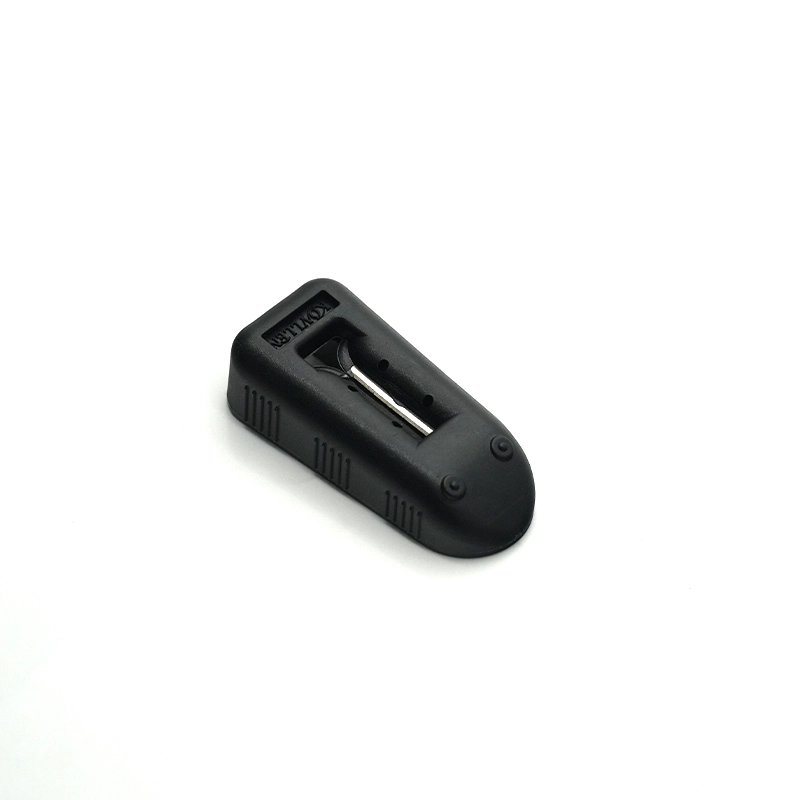
The plastic plug manufactured by Insert molding with stainless steel plate
Bost’s Insert-Molded Stainless Steel Plate Plastic Plug offers superior durability and corrosion resistance. This stainless steel insert durable plastic plug ensures a secure fit and long-lasting performance, ideal for industrial and commercial applications. Robust design meets quality standards.
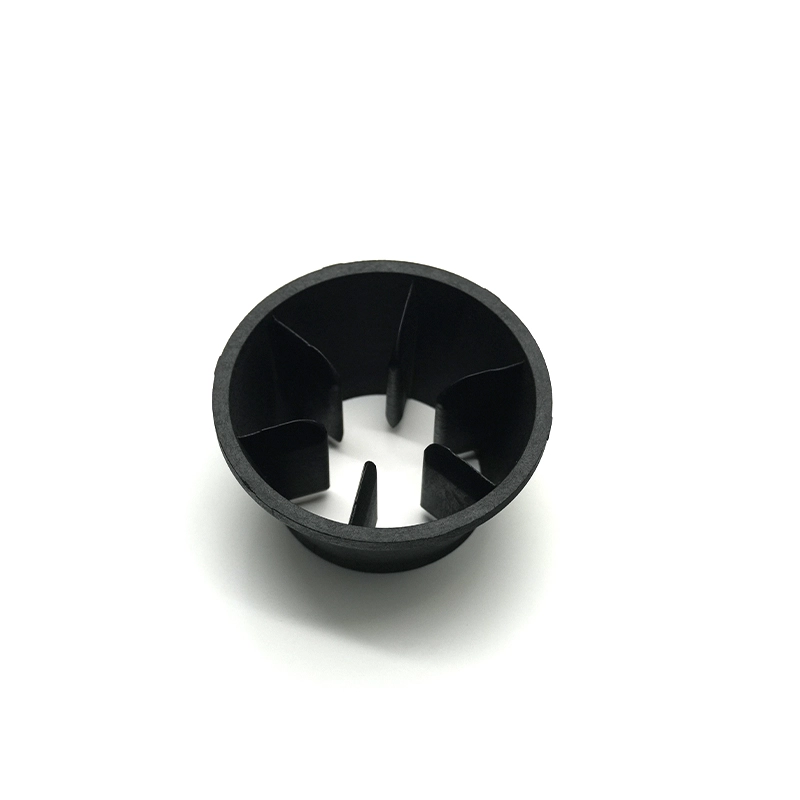
The Bost custom PPO flow valve by injection molding
The BOST Custom PPO Injection-Molded Flow Valve delivers high-temp and corrosion-resistant performance for industrial flow control. Precision-engineered by Bost, this custom PPO valve ensures durable, reliable operation in demanding environments. Optimize your process with BOST’s advanced injection-molded solution.
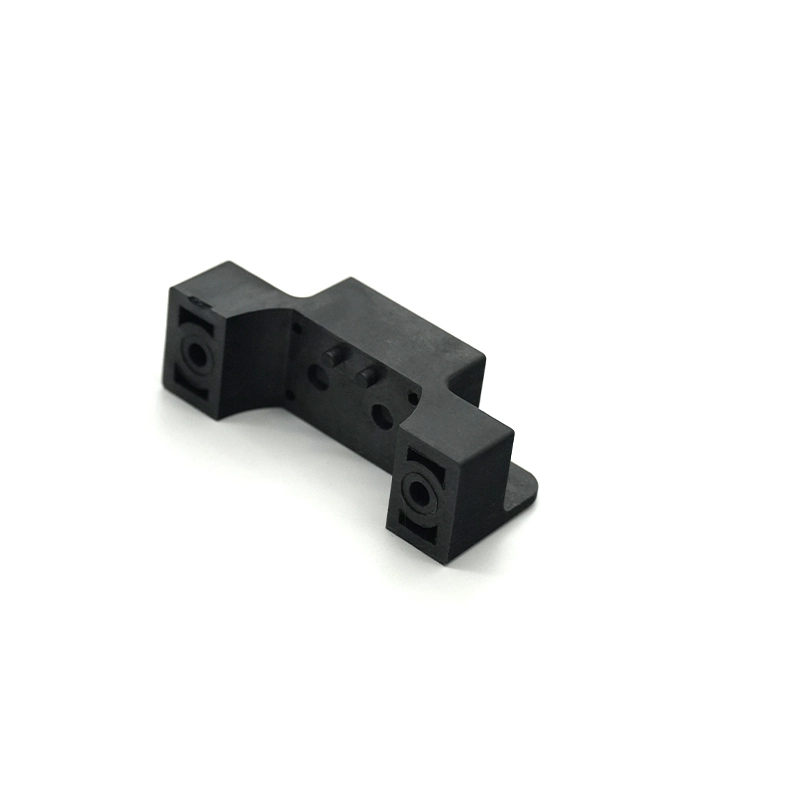
The Bost custom plastic handle by injection molding with high performance PPS material
BOST Custom PPS Injection-Molded Wear-Resistant Handle delivers superior durability and high performance. Made from High Quality PPS material, this injection-molded handle ensures exceptional wear resistance, ideal for demanding applications and long-lasting use. Choose BOST for quality and reliability.
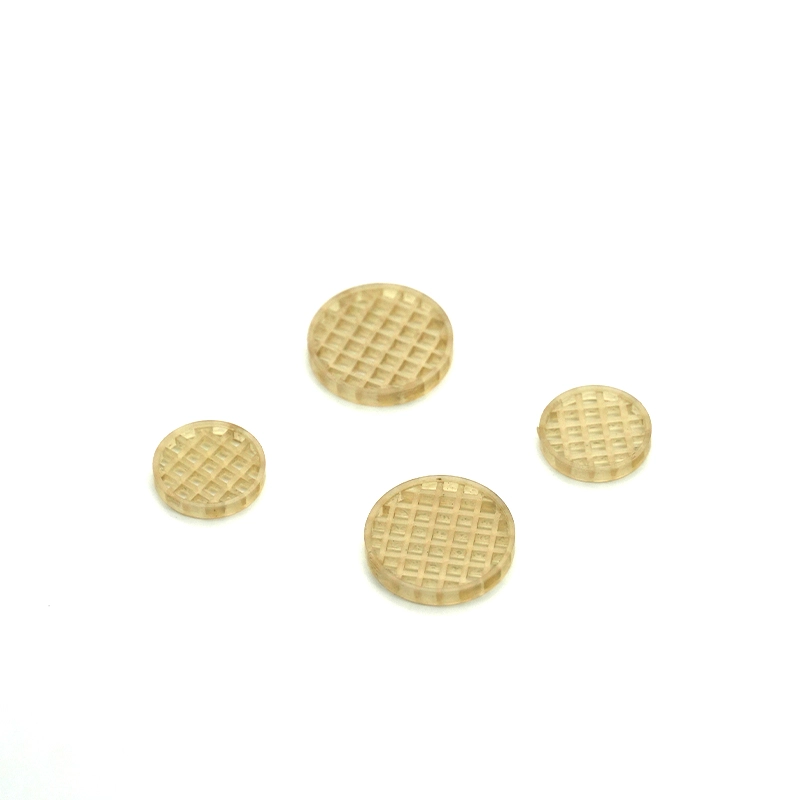
The Bost custom flow meter by injection molding with PES plastic
The Bost Custom PES Injection-Molded Flow Meter offers high-temperature and corrosion resistance, ideal for industrial use. Made with durable PES plastic via precision injection molding, this flow meter ensures reliable, customized performance for demanding applications. Trust Bost for quality and innovation.
Get in touch with Bost
Have any questions or concerns about our products? Please leave us a message here, and our team will get back to you promptly.

24 hours quotes delivered
Submit CAD files, get quote in 24 hours

No MOQ required
From prototyping to high-volume

±0.02 mm Precision
Advanced CNC with full inspections

1,000+ tons in stock
26 materials ready to ship
© 2026 BOST. All Rights Reserved.