 Scan QR Code
Send My Request
Impact Resistance: Choosing the Right Plastic Connector
Wednesday, 02/11/2026
Choosing the right plastic connector for outdoor, high-impact and high-UV environments requires understanding material properties, testing standards, design factors and maintenance—especially when selecting a Black and UV-Resistant ABS plastic connector for long-lasting, weatherproof installations.
- Understanding Impact Resistance in Plastic Connectors
- What is impact resistance and why it matters
- How impact resistance is measured (standards and tests)
- Impact resistance versus other mechanical properties
- Why Choose Black and UV-Resistant ABS for Outdoor Connectors
- ABS: material advantages for connectors
- Why black pigment and UV stabilization matter
- Product fit: Bost Black UV-Resistant ABS Outdoor Connector
- Selecting the Right Connector: Performance Factors and Comparisons
- Material comparison: impact resistance, stiffness and UV performance
- Design and geometry effects on impact performance
- Environmental considerations: temperature, moisture, salt and chemicals
- Installation, Testing, and Maintenance Best Practices for Long-Life Weatherproof Installations
- Installation tips to prevent impact failures
- Field testing and inspection protocols
- Maintenance, repair and end-of-life considerations
- Putting It Together: When to Specify Bost Black UV-Resistant ABS Outdoor Connector
- Applications where Bost ABS connector excels
- Limitations and when to consider alternatives
- Specification checklist for procurement
- Frequently Asked Questions (FAQ)
- Q: How does UV stabilization extend the life of an ABS connector?
- Q: Can ABS connectors survive cold climates?
- Q: What are practical ways to test impact resistance in the field?
- Q: Is the Bost Black UV-Resistant ABS Outdoor Connector recyclable?
- Q: How does color (black) affect heat absorption and performance?
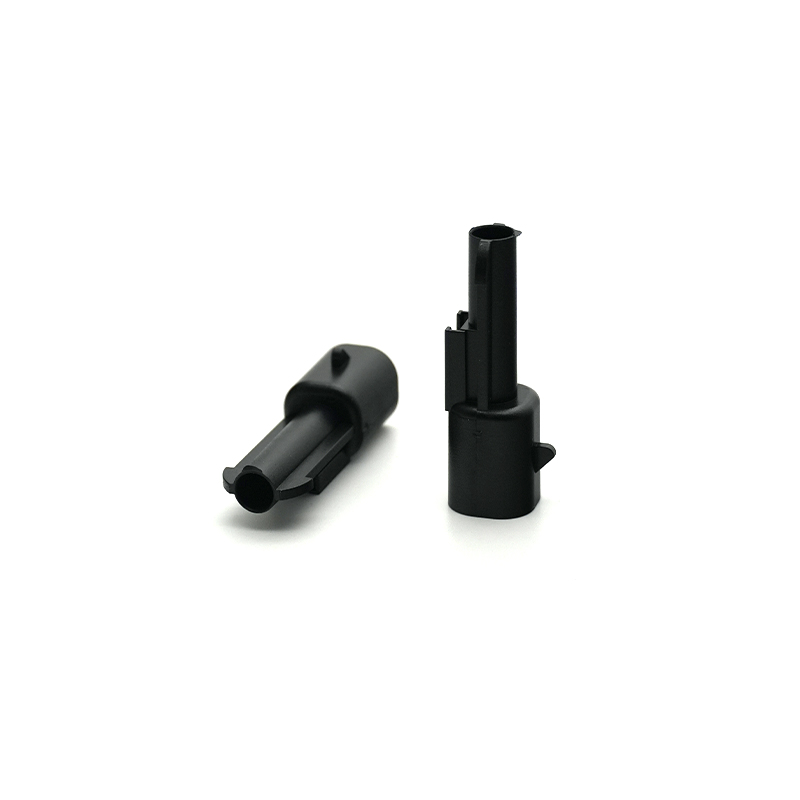
The Bost Black UV-Resistant ABS Outdoor Connector offers superior weather resistance and durability. Made from high-quality ABS plastic, this precision connector ensures reliable performance in harsh outdoor conditions, making it ideal for long-lasting, weatherproof installations. This article explains impact resistance for plastic connectors, compares common engineering plastics, summarizes testing standards and installation best practices, and shows why a black, UV-stabilized ABS connector is often the best choice for outdoor and heavy-duty applications worldwide — from coastal installations to high-sun equatorial regions.
Understanding Impact Resistance in Plastic Connectors
What is impact resistance and why it matters
Impact resistance describes a material's ability to absorb and dissipate energy when struck suddenly. For plastic connectors — components that join parts, housings, conduits or mechanical assemblies — high impact resistance reduces the risk of sudden brittle failure, cracking or deformation after an accidental hit or repeated shock loads. In outdoor applications, impact performance can determine whether an installation survives vandalism, accidental tool strikes, hail, or thermal shock cycles.
How impact resistance is measured (standards and tests)
Industry-standard tests quantify impact resistance so engineers can compare materials. Common test methods include the Izod and Charpy pendulum tests and instrumented impact testing. Relevant standards include Charpy impact test and Izod impact strength (both summarized on Wikipedia), and formal standards like ASTM D256 for Izod testing. Manufacturers also reference ISO and ASTM standards when certifying connector performance in different climates and load conditions.
Impact resistance versus other mechanical properties
While impact resistance is critical, it must be balanced with tensile strength, elongation at break, stiffness (modulus), and creep resistance. A connector that is extremely tough but too flexible may deform under sustained loads, while a very stiff material with low impact energy absorption may crack on impact. Selection should consider the whole mechanical profile and the real-world forces (drop heights, expected tool contact, vibrational loads) on the connector during its service life.
Why Choose Black and UV-Resistant ABS for Outdoor Connectors
ABS: material advantages for connectors
Acrylonitrile butadiene styrene (ABS) is a widely used engineering thermoplastic notable for good impact resistance, dimensional stability, ease of molding and surface finish. ABS combines a rigid styrenic phase with a rubbery butadiene phase to deliver toughness and reasonable stiffness, making it well-suited for injection-molded connectors with tight tolerances and snap-fit features. For a technical overview of ABS properties, see the ABS entry on Wikipedia.
Why black pigment and UV stabilization matter
Outdoor exposure introduces UV radiation that degrades polymer chains, causing discoloration, chalking, microcracking and embrittlement. Black pigmentation, typically carbon black, acts as an effective UV absorber and stabilizer to protect the polymer bulk. Combined with UV stabilizers and antioxidants in the resin formulation, a black, UV-resistant ABS connector will retain impact toughness and surface integrity far longer than non-stabilized variants — especially in high-UV regions like deserts, alpine zones and coastal areas.
Product fit: Bost Black UV-Resistant ABS Outdoor Connector
The Bost Black UV-Resistant ABS Outdoor Connector is formulated for outdoor durability: UV-stabilized ABS with carbon-black pigmentation, precise mold tooling for secure mechanical engagement, and design features to shed moisture and debris. These characteristics make it suitable for weatherproof electrical housings, outdoor sensor mounts, cable junctions and other installations demanding long-term impact performance and resistance to environmental aging.
Selecting the Right Connector: Performance Factors and Comparisons
Material comparison: impact resistance, stiffness and UV performance
Different engineering plastics balance impact resistance and stiffness differently. The table below provides a comparative snapshot (typical ranges; actual values depend on grade, additives and test method). Sources include manufacturer datasheets and polymer references such as PlasticsEurope and polymer technical literature.
| Material | Typical Notched Izod Impact (kJ/m²) | Tensile Modulus (GPa) | UV Resistance (native) |
|---|---|---|---|
| ABS (UV-stabilized) | 10–50 (varies by grade) | 1.8–2.6 | Moderate (improved with carbon black & stabilizers) |
| Polycarbonate (PC) | 60–90 (very tough) | 2.0–2.4 | Low (requires coatings or UV-stabilized grades) |
| Nylon (PA) | 30–60 (moisture dependent) | 1.5–3.5 | Low to moderate (absorbs moisture which affects properties) |
| PVC (rigid) | 2–10 | 2.5–4.0 | Moderate (stabilizers commonly used outdoors) |
Notes: values above are typical ranges for engineering grades. For specific design decisions, consult supplier datasheets and validated test data for the exact grade and additives you plan to use.
Design and geometry effects on impact performance
Connector geometry significantly influences how impact forces are distributed. Key design strategies to improve impact resilience include filleted corners (reduce stress concentration), ribs for reinforcement, avoiding thin sections, and controlled wall thickness transitions. Snap-fit features should be designed to flex within the material's elastic range and avoid localized brittle failure. Finite element analysis (FEA) combined with impact testing of prototypes helps validate designs under simulated service conditions.
Environmental considerations: temperature, moisture, salt and chemicals
Outdoor connectors face combined stressors. Low temperatures reduce polymer toughness for many materials; plastics that are ductile at room temperature can become brittle in cold climates. Salt spray and certain chemicals can accelerate surface degradation, while repetitive thermal cycling can induce microcracking. Selecting a UV-stabilized ABS with appropriate chemical resistance and implementing protective design features (gaskets, drainage, sacrificial covers) will extend service life.
Installation, Testing, and Maintenance Best Practices for Long-Life Weatherproof Installations
Installation tips to prevent impact failures
Careful installation reduces the risk of damage during and after assembly. Recommendations:- Use torque-controlled fastening to avoid over-stressing connectors.- Avoid forcing misaligned parts; align mating features first.- Where connectors are exposed, consider protective shrouds or recessed mounting to minimize accidental impacts.- Use compatible fasteners and washers to prevent point loading and local cracking.
Field testing and inspection protocols
Periodic inspection and field tests help catch early degradation. A practical inspection checklist includes:- Visual check for cracking, crazing or chalking on exposed surfaces.- Functional check for secure mating and retention force.- Environmental checks: seal integrity, gaskets, and drainage paths.- For mission-critical installations, perform sample impact testing or instrumented drop tests to validate continued performance per original specifications.
Maintenance, repair and end-of-life considerations
Maintenance is straightforward for ABS connectors: clean with mild detergents, replace damaged gaskets and fasteners, and avoid harsh solvents that may attack the polymer or surface treatments. For repairs, use compatible adhesives or replace the connector if structural integrity is compromised. Consider recyclability at end-of-life — ABS is broadly recyclable in many regions; segregating components and avoiding mixed-material overmolds make recycling easier.
Putting It Together: When to Specify Bost Black UV-Resistant ABS Outdoor Connector
Applications where Bost ABS connector excels
The Bost Black UV-Resistant ABS Outdoor Connector is especially suitable for:- Outdoor electrical junctions and enclosures- Sensor and small-device mounts exposed to direct sunlight- Coastal and salt-spray environments when combined with stainless fasteners and proper gaskets- Installations requiring a balance of impact resistance and dimensional precision
Limitations and when to consider alternatives
While ABS is an excellent general-purpose choice, consider alternatives if: extreme continuous temperature (>80–100°C) is expected (polycarbonate blends or engineered thermoplastics may be better), or if very high transparency is required (ABS is opaque when black). For very high-impact or ballistic scenarios, specialized polycarbonate or reinforced composites may be required.
Specification checklist for procurement
When specifying a connector for procurement, include:- Exact material grade and UV stabilization details- Required notched Izod or Charpy impact values at the design temperature range- Salt spray/chemical resistance requirements (if applicable)- Dimensional tolerances and snap-fit force limits- Lifecycle expectations and warranty terms
Frequently Asked Questions (FAQ)
Q: How does UV stabilization extend the life of an ABS connector?
A: UV stabilization (carbon black plus UV absorbers/antioxidants) reduces chain scission and surface degradation caused by ultraviolet radiation, helping the material retain toughness, color and surface integrity over many years of sun exposure.
Q: Can ABS connectors survive cold climates?
A: ABS retains useful toughness at moderately low temperatures but can become more brittle at extreme cold. For very cold environments, review low-temperature impact data for the specific ABS grade or consider alternatives with proven low-temperature toughness such as certain modified nylons or elastomer-modified polycarbonates.
Q: What are practical ways to test impact resistance in the field?
A: Field tests can include controlled drop tests on sample assemblies and visual inspections for cracking after service events (hail, impacts). For precise quantification, lab Izod or Charpy tests on molded samples per ASTM/ISO standards are recommended.
Q: Is the Bost Black UV-Resistant ABS Outdoor Connector recyclable?
A: Yes—ABS is recyclable in many programs. Recycling depends on local capabilities and the presence of mixed materials (metal inserts, overmolding). Design for disassembly helps recyclability.
Q: How does color (black) affect heat absorption and performance?
A: Black surfaces absorb more solar heat, which can raise local temperatures. However, for many connector applications the thermal rise is small compared with the material's service temperature limit. If heat-sensitive electronics are enclosed, consider heat-managing design features (venting, reflective coatings on internal parts) and validate performance under expected solar loading.
If you have specific environmental conditions, load profiles or design constraints, our engineering team can evaluate and recommend the optimal connector and grade.
Contact us / View product: For technical datasheets, pricing, or to order samples of the Bost Black UV-Resistant ABS Outdoor Connector, contact our sales team at sales@example.com or visit /products/bost-black-uv-resistant-abs-outdoor-connector.
References and further reading: ABS (Wikipedia); Izod impact strength (Wikipedia); Charpy impact test (Wikipedia); PlasticsEurope; ASTM D256 (Izod).
Tags
custom plastic parts
custom plastic parts
Wear-Resistant Fastening
Wear-Resistant Fastening
Self-Lubricating Guiding
Self-Lubricating Guiding
High-Temp & Low-Friction
High-Temp & Low-Friction
custom injection molding
custom injection molding
custom plastic spur gears
custom plastic spur gears
Recommended for you
PEEK Overmolding: Benefits for High-Performance Parts
Overmolding and Insert Molding Techniques for Plastics
Top 10 custom insert molding Manufacturers and Supplier Brands
Top 10 Engineering Plastics for High-Temperature Use
Prdoucts Categories
Question you may concern
FAQs
How do I select the appropriate engineering plastic grade for my product?
Selection should be based on parameters such as load conditions (e.g., pressure/friction), temperature range, medium contact (e.g., oil/acid), and regulatory requirements (e.g., FDA/RoHS). Our engineers can provide free material selection consulting and sample testing.
What is the delivery lead time? Do you offer global logistics?
Standard products: 5–15 working days; custom modifications: 2–4 weeks. We support global air/sea freight and provide export customs clearance documents (including REACH/UL certifications).
What are the core advantages of Bost engineering plastics compared to ordinary plastics?
Bost engineering plastics feature ultra-high mechanical strength, high-temperature resistance (-50°C to 300°C), chemical corrosion resistance, and wear resistance. Compared to ordinary plastics, their service life is extended by 3 to 8 times, making them suitable for replacing metals in harsh environments.
What is the minimum order quantity (MOQ)? Do you support small-batch trial production?
The MOQ for standard products is ≥100kg. We support small-batch trial production (as low as 20kg) and provide mold testing reports and performance data feedback.
Can Bost customize modified plastics with special properties?
Yes! We offer modification services such as reinforcement, flame retardancy, conductivity, wear resistance, and UV resistance, for example:
• Adding carbon fiber to enhance stiffness
• Reducing the coefficient of friction through PTFE modification
• Customizing food-grade or medical-grade certified materials
You may also like
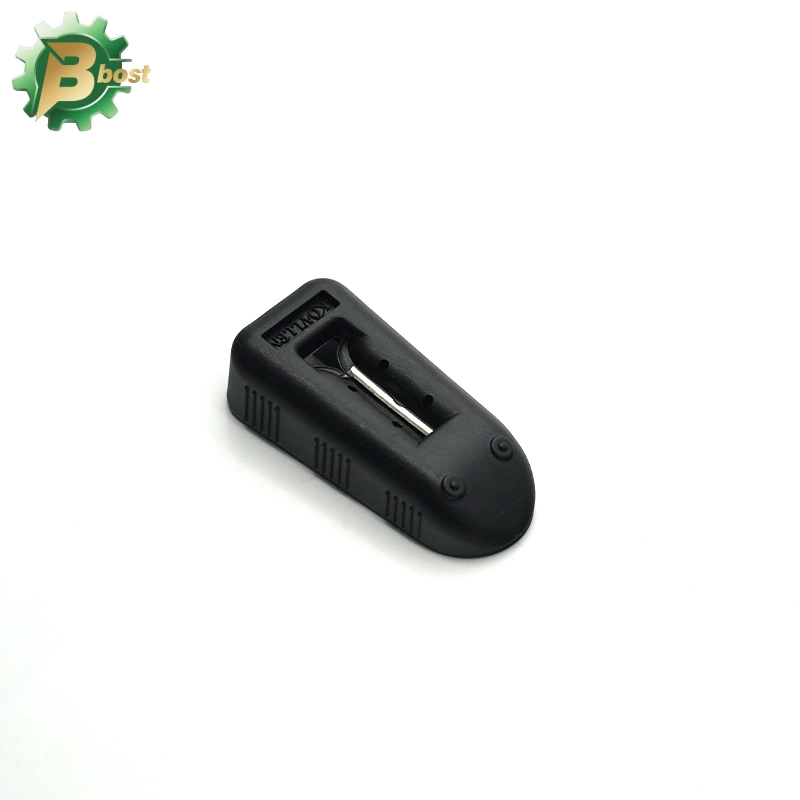
The plastic plug manufactured by Insert molding with stainless steel plate
Bost’s Insert-Molded Stainless Steel Plate Plastic Plug offers superior durability and corrosion resistance. This stainless steel insert durable plastic plug ensures a secure fit and long-lasting performance, ideal for industrial and commercial applications. Robust design meets quality standards.
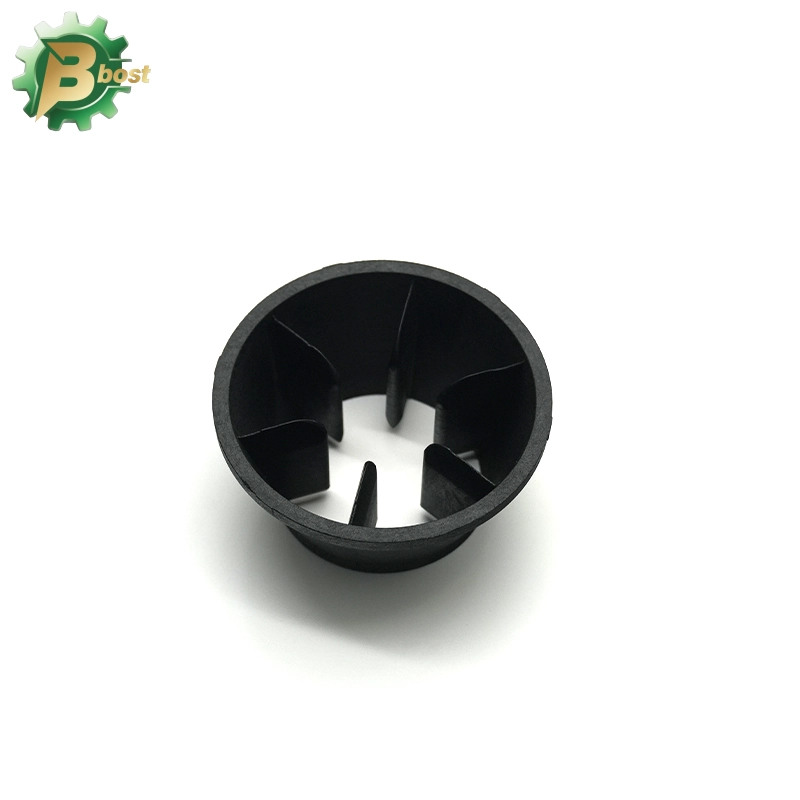
The Bost custom PPO flow valve by injection molding
The BOST Custom PPO Injection-Molded Flow Valve delivers high-temp and corrosion-resistant performance for industrial flow control. Precision-engineered by Bost, this custom PPO valve ensures durable, reliable operation in demanding environments. Optimize your process with BOST’s advanced injection-molded solution.
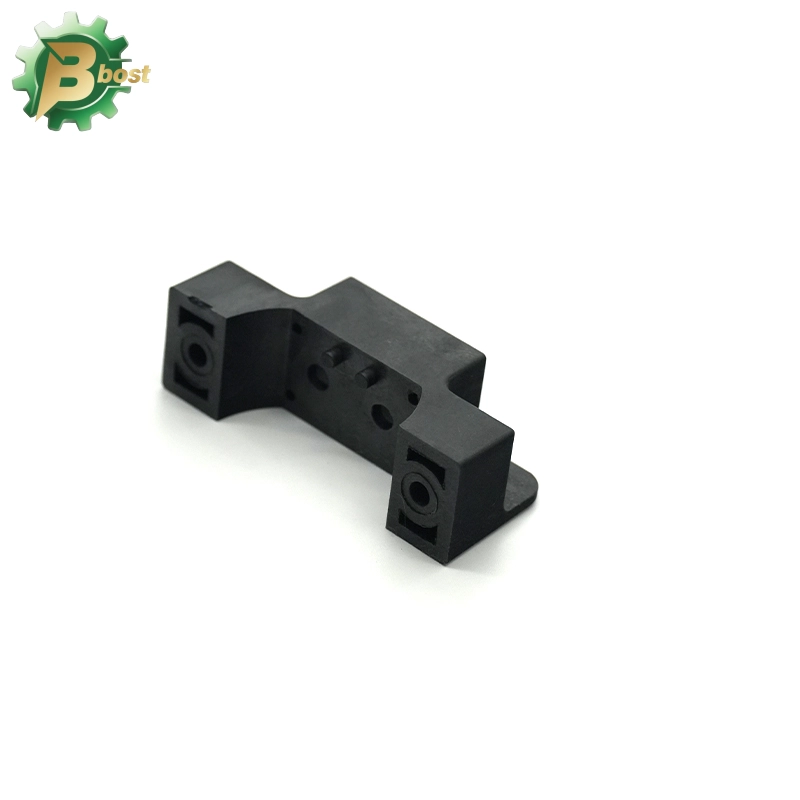
The Bost custom plastic handle by injection molding with high performance PPS material
BOST Custom PPS Injection-Molded Wear-Resistant Handle delivers superior durability and high performance. Made from High Quality PPS material, this injection-molded handle ensures exceptional wear resistance, ideal for demanding applications and long-lasting use. Choose BOST for quality and reliability.
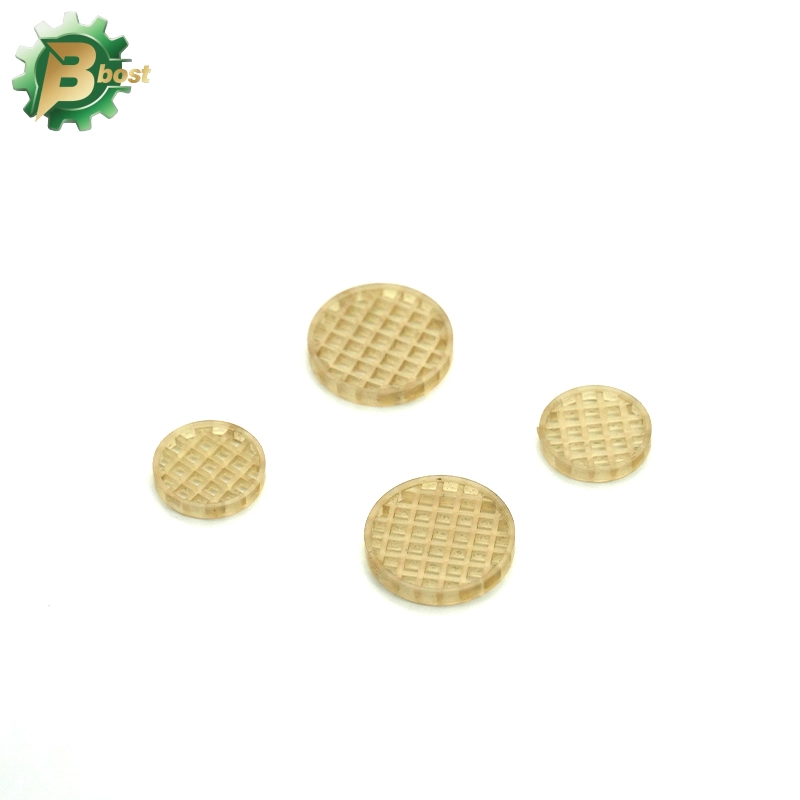
The Bost custom flow meter by injection molding with PES plastic
The Bost Custom PES Injection-Molded Flow Meter offers high-temperature and corrosion resistance, ideal for industrial use. Made with durable PES plastic via precision injection molding, this flow meter ensures reliable, customized performance for demanding applications. Trust Bost for quality and innovation.
Get in touch with Bost
Have any questions or concerns about our products? Please leave us a message here, and our team will get back to you promptly.

24 hours quotes delivered
Submit CAD files, get quote in 24 hours

No MOQ required
From prototyping to high-volume

±0.02 mm Precision
Advanced CNC with full inspections

1,000+ tons in stock
26 materials ready to ship
© 2026 BOST. All Rights Reserved.