 Scan QR Code
Send My Request
Corrosion-Free Benefits of ABS Plastic Connectors
Monday, 02/9/2026
The Bost Black UV-Resistant ABS Outdoor Connector delivers corrosion-free performance for outdoor installations. Engineered from high-quality ABS, this black, UV-stable plastic connector resists weathering, salts, and moisture, offering a reliable alternative to metal connectors in harsh environments while simplifying installation and reducing lifecycle costs.
- Why ABS Plastic Connectors Are Corrosion-Free and Ideal for Outdoor Use
- How ABS resists corrosion and degradation
- UV stabilization and pigmenting for outdoor longevity
- Practical advantages vs. metal connectors
- Performance and Durability: Testing, Standards, and Real-World Results
- Accelerated weathering and UV testing
- Salt spray and corrosion-analogue testing
- Field data and case studies
- Design, Installation, and Maintenance Best Practices for Long-Lasting Plastic Connectors
- Selecting the right connector for application loads
- Installation tips to preserve performance
- Maintenance and inspection routines
- Cost, Sustainability, and Lifecycle Advantages of ABS Connectors
- Cost comparison: plastic vs metal connectors
- Sustainability and end-of-life considerations
- Applications where corrosion-free connectors provide the most value
- Standards, Certifications, and How to Evaluate Supplier Claims
- Requesting test reports and certifications
- Understanding datasheets and performance metrics
- How industry bodies and standards inform best practice
- FAQ — Corrosion-Free Benefits of ABS Plastic Connectors
- Q: Why choose a Black and UV resistant ABS plastic connector over stainless steel?
- Q: Will the ABS connector withstand continuous salt spray near the coast?
- Q: How long can I expect UV-resistant ABS connectors to last outdoors?
- Q: Are ABS connectors recyclable?
- Q: Can ABS connectors be used in electrical applications?
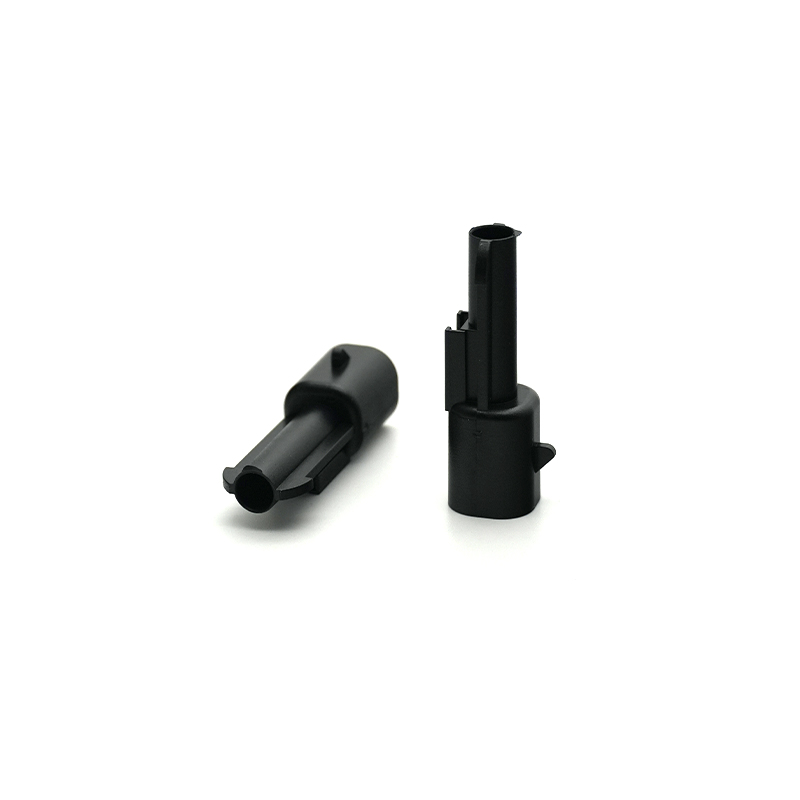
The Bost Black UV-Resistant ABS Outdoor Connector offers superior weather resistance and durability. Made from high-quality ABS plastic, this precision connector ensures reliable performance in harsh outdoor conditions, making it ideal for long-lasting, weatherproof installations. As a corrosion-free alternative to metal fasteners and terminals, this black and UV resistant ABS plastic connector is especially suited for coastal, industrial, and exposed architectural applications where moisture, salt spray, and UV exposure are critical concerns.
Why ABS Plastic Connectors Are Corrosion-Free and Ideal for Outdoor Use
How ABS resists corrosion and degradation
Unlike metals that oxidize or corrode when exposed to oxygen, moisture, or salts, ABS is a thermoplastic polymer composed of acrylonitrile, butadiene, and styrene. Its chemical structure and non-metallic nature prevent electrochemical reactions that cause rust or galvanic corrosion. In practical terms, this means plastic connectors will not develop flaky rust that compromises mechanical strength, electrical insulation, or aesthetic appearance over time. For a general overview of ABS properties, see the ABS page on Wikipedia.
UV stabilization and pigmenting for outdoor longevity
Black and UV resistant ABS grades include specific UV stabilizers and carbon black pigment that absorb or dissipate ultraviolet energy, slowing photo-oxidative degradation. The Bost Black UV-Resistant ABS Outdoor Connector uses such additives to maintain mechanical performance and colorfastness under prolonged sun exposure—reducing embrittlement, cracking, or discoloration. Manufacturer selection of UV-stable formulations is critical when specifying plastic connectors for rooftops, façades, or outdoor signage.
Practical advantages vs. metal connectors
Plastic connectors offer intrinsic electrical insulation, lighter weight, and immunity to electrochemical corrosion, which makes them an excellent choice for environments where metal corrosion is accelerated (coastal salt spray, industrial pollutants). They also eliminate the need for sacrificial coatings or specialized corrosion-resistant alloys—reducing both initial complexity and long-term maintenance. For industry guidance on plastics in outdoor applications, see resources from PlasticsEurope.
Performance and Durability: Testing, Standards, and Real-World Results
Accelerated weathering and UV testing
Manufacturers validate UV-stable ABS connectors using accelerated weathering tests (e.g., xenon arc or UV fluorescent exposure) designed to simulate years of outdoor solar exposure in weeks or months. Common standards and test methods (ISO and ASTM) define procedures to measure changes in tensile strength, impact resistance, color, and surface condition. Refer to ISO and ASTM for recognized test protocols that support product claims.
Salt spray and corrosion-analogue testing
While plastics themselves do not corrode, connectors used near metallic mating parts or in salt-laden atmospheres must be examined for mechanical and functional durability after exposure to salt spray tests (e.g., ASTM B117). Testing ensures that screws, conductive inserts, or mating hardware maintain performance and that the polymer housing resists swelling, cracking, or adhesion loss under those conditions.
Field data and case studies
Real-world installations—coastal lighting, marine enclosures, outdoor digital signage—show that UV-resistant ABS connectors significantly extend maintenance intervals and reduce replacement frequency compared with untreated plastics or some metal alloys. Independent lifecycle performance data and third-party test reports add credibility to manufacturer claims and should be requested when evaluating suppliers.
Design, Installation, and Maintenance Best Practices for Long-Lasting Plastic Connectors
Selecting the right connector for application loads
When choosing a plastic connector, consider mechanical load (shear, tensile), temperature range, exposure conditions (UV, chemicals, salt), and whether electrical insulation or conductivity is required. The Bost Black UV-Resistant ABS Outdoor Connector is optimized for outdoor, weatherproof installations where corrosion resistance and dimensional stability are priorities. For higher mechanical demands, consider reinforced thermoplastics or hybrid designs with metal inserts.
Installation tips to preserve performance
Proper installation ensures long service life: use compatible fasteners (specified torque values), avoid over-tightening that can crack the housing, and allow for thermal expansion gaps where assemblies experience wide temperature swings. For wiring or sealing applications, match connector gaskets and cable glands that maintain IP-rated protection. If connectors interface with metal parts, consider isolating materials to prevent galvanic coupling with dissimilar metals.
Maintenance and inspection routines
Plastic connectors are low maintenance, but periodic inspection is recommended—especially after severe weather events. Check for surface cracking, loss of elasticity in gaskets, or deformation that could compromise seals. Clean with mild detergents to remove contaminants; avoid aggressive solvents that can attack ABS. Keep a log of inspections to help predict replacement intervals and support warranty claims.
Cost, Sustainability, and Lifecycle Advantages of ABS Connectors
Cost comparison: plastic vs metal connectors
Initial material cost for ABS connectors is typically lower than stainless steel or exotic corrosion-resistant alloys. When factoring lifecycle costs—maintenance, replacement, downtime, and coatings—the total cost of ownership for UV-resistant ABS connectors often becomes more favorable. The table below compares typical attributes and lifecycle considerations.
| Attribute | Black UV-Resistant ABS Connector | Stainless Steel Connector | Plated Steel Connector |
|---|---|---|---|
| Initial material cost | Low–Medium | High | Medium |
| Corrosion resistance (outdoors) | Excellent (intrinsic, non-corroding) | Excellent | Poor over time (coating failure) |
| Weight | Light | Heavy | Heavy |
| Electrical insulation | Yes (intrinsic) | No | No |
| Maintenance needs | Low | Low–Medium | Medium–High |
| Recyclability | Thermoplastic—recyclable | Recyclable | Recyclable, but coatings complicate recycling |
Sustainability and end-of-life considerations
ABS is a thermoplastic and can be recycled where collection and processing facilities exist. Selecting a durable, long-lasting connector reduces material throughput and waste over time. When specifying materials, consider supplier recycling programs and the ability to reuse or reclaim connectors from decommissioned equipment. For industry-level information on plastics sustainability, see PlasticsEurope.
Applications where corrosion-free connectors provide the most value
Typical high-value applications include coastal lighting and infrastructure, outdoor signage, park and landscape electrical systems, marine electronics housings, and any installation where minimizing maintenance is crucial (remote sites, infrastructure, and public facilities). Using black, UV-resistant ABS connectors adds aesthetic uniformity and increased longevity in visible installations.
Standards, Certifications, and How to Evaluate Supplier Claims
Requesting test reports and certifications
Ask suppliers for third-party test reports showing UV weathering, salt spray exposure, mechanical property retention, and any relevant IP or UL ratings for weatherproof connectors. Reputable sources will provide data aligned with ISO or ASTM methods. The ISO standards portal is a good starting point for understanding recognized test frameworks: ISO.
Understanding datasheets and performance metrics
Key datasheet items to review: tensile and impact strength at temperature extremes, percent elongation, UV-aging retention (e.g., percent of original impact strength after X hours of exposure), and recommended service temperature range. Also check for information about flame retardance, chemical resistance, and any electrical insulation ratings if applicable.
How industry bodies and standards inform best practice
Industry organizations and standards bodies help set expectations about material behavior and test methods. For context on material properties and typical polymer behavior, see the ABS technical overview on Wikipedia and consult ASTM for standardized test methods and ISO for international quality frameworks.
FAQ — Corrosion-Free Benefits of ABS Plastic Connectors
Q: Why choose a Black and UV resistant ABS plastic connector over stainless steel?
A: Choose ABS when you need a corrosion-free, lightweight, cost-effective connector that provides electrical insulation and excellent UV-stable performance in outdoor environments. Stainless steel may be preferred for extreme mechanical loads or high-temperature exposure, but ABS often wins on maintenance, cost, and insulation properties.
Q: Will the ABS connector withstand continuous salt spray near the coast?
A: The polymer housing itself will not corrode under salt spray. However, connectors should be qualified with salt spray testing (e.g., ASTM B117) when hardware or mating components are metallic. The Bost Black UV-Resistant ABS Outdoor Connector is formulated to withstand coastal conditions when used with compatible hardware and sealing methods.
Q: How long can I expect UV-resistant ABS connectors to last outdoors?
A: Service life depends on formulation, exposure intensity, and mechanical stress. UV-stabilized ABS with carbon black commonly provides many years of service (typically multiple years to decades in normal conditions). Manufacturers supply accelerated weathering data to help estimate field life—request those test reports for precise expectations.
Q: Are ABS connectors recyclable?
A: Yes. ABS is a thermoplastic and can be recycled where local facilities accept engineering plastics. The ability to recycle depends on local infrastructure and whether the connector contains mixed materials (metal inserts, adhesives) that complicate recycling.
Q: Can ABS connectors be used in electrical applications?
A: Yes. ABS is an effective electrical insulator and is commonly used in housings and non-conductive connectors. If the application requires conductive paths, designers often incorporate metal inserts or terminals while maintaining an ABS insulating housing.
For product specifications, test reports, or to evaluate the Bost Black UV-Resistant ABS Outdoor Connector for your project, contact our technical sales team or view the product page. Our engineers can provide datasheets, third-party test summaries, and installation guidance to ensure a corrosion-free, long-lasting installation.
Contact us: sales@example.com | Phone: +1-800-555-0123
Tags
Low temperature & chemical resistance
Low temperature & chemical resistance
Tough Decorative Shell
Tough Decorative Shell
PPS plastic Gasket
PPS plastic Gasket
High-Temp Resistant Guiding
High-Temp Resistant Guiding
Dimensional-Stable Adaptation
Dimensional-Stable Adaptation
Machining Nylon stick
Machining Nylon stick
Recommended for you
Selecting Fluoroplastic PVDF Covers: Material and Spec Checklist
Best engineered plastic components for thermal stability
Design Guidelines for Insert Molding in Engineering Plastics: Practical Steps for Reliable Parts
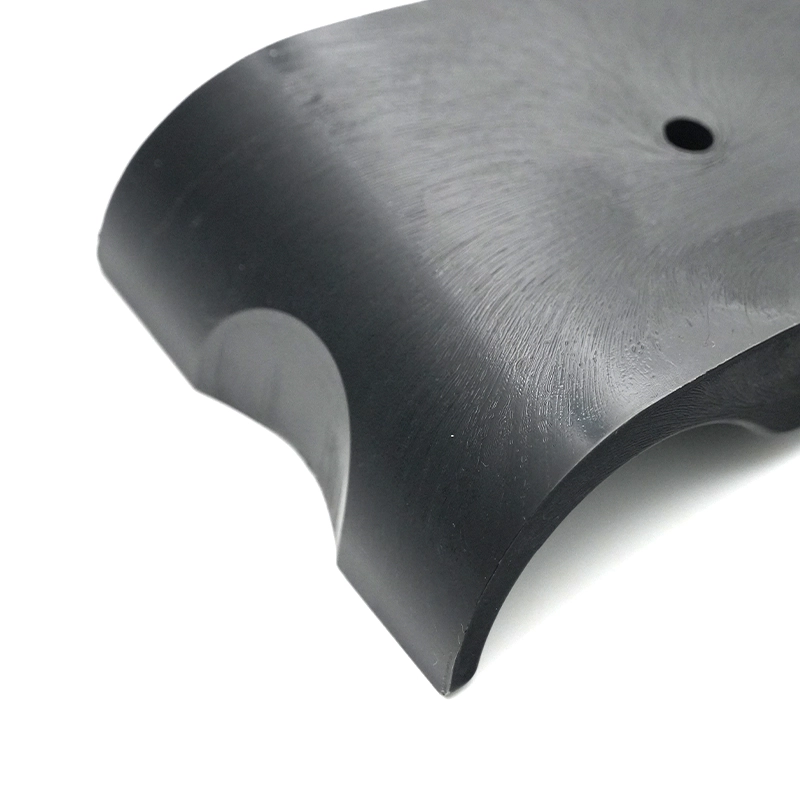
Selecting Surface Finish and Coating for Black POM Spacers
Prdoucts Categories
Question you may concern
FAQs
Can Bost customize modified plastics with special properties?
Yes! We offer modification services such as reinforcement, flame retardancy, conductivity, wear resistance, and UV resistance, for example:
• Adding carbon fiber to enhance stiffness
• Reducing the coefficient of friction through PTFE modification
• Customizing food-grade or medical-grade certified materials
How do I select the appropriate engineering plastic grade for my product?
Selection should be based on parameters such as load conditions (e.g., pressure/friction), temperature range, medium contact (e.g., oil/acid), and regulatory requirements (e.g., FDA/RoHS). Our engineers can provide free material selection consulting and sample testing.
What is the delivery lead time? Do you offer global logistics?
Standard products: 5–15 working days; custom modifications: 2–4 weeks. We support global air/sea freight and provide export customs clearance documents (including REACH/UL certifications).
What is the minimum order quantity (MOQ)? Do you support small-batch trial production?
The MOQ for standard products is ≥100kg. We support small-batch trial production (as low as 20kg) and provide mold testing reports and performance data feedback.
What are the core advantages of Bost engineering plastics compared to ordinary plastics?
Bost engineering plastics feature ultra-high mechanical strength, high-temperature resistance (-50°C to 300°C), chemical corrosion resistance, and wear resistance. Compared to ordinary plastics, their service life is extended by 3 to 8 times, making them suitable for replacing metals in harsh environments.
You may also like
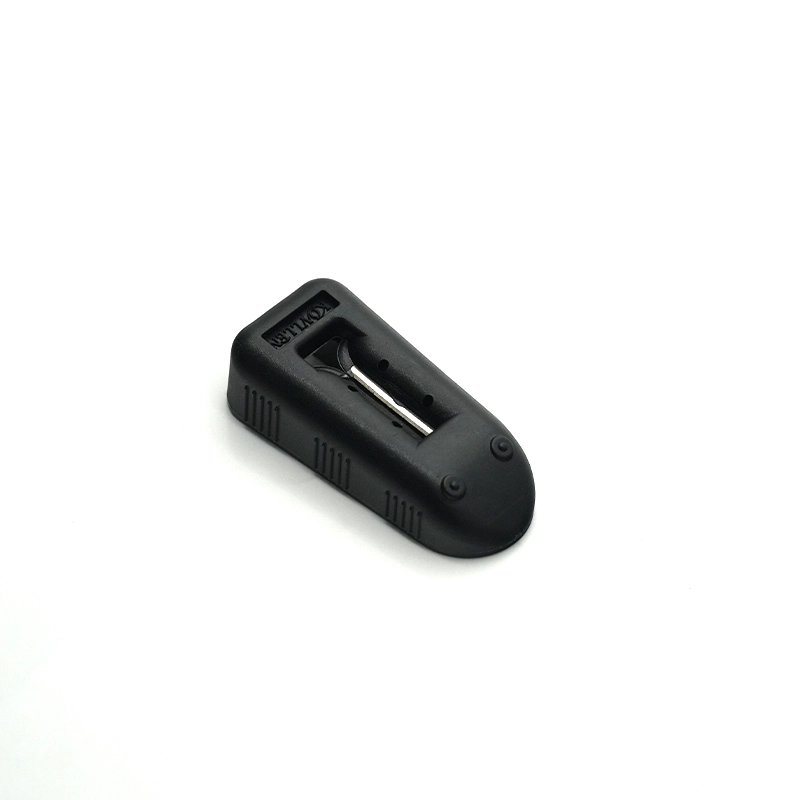
The plastic plug manufactured by Insert molding with stainless steel plate
Bost’s Insert-Molded Stainless Steel Plate Plastic Plug offers superior durability and corrosion resistance. This stainless steel insert durable plastic plug ensures a secure fit and long-lasting performance, ideal for industrial and commercial applications. Robust design meets quality standards.
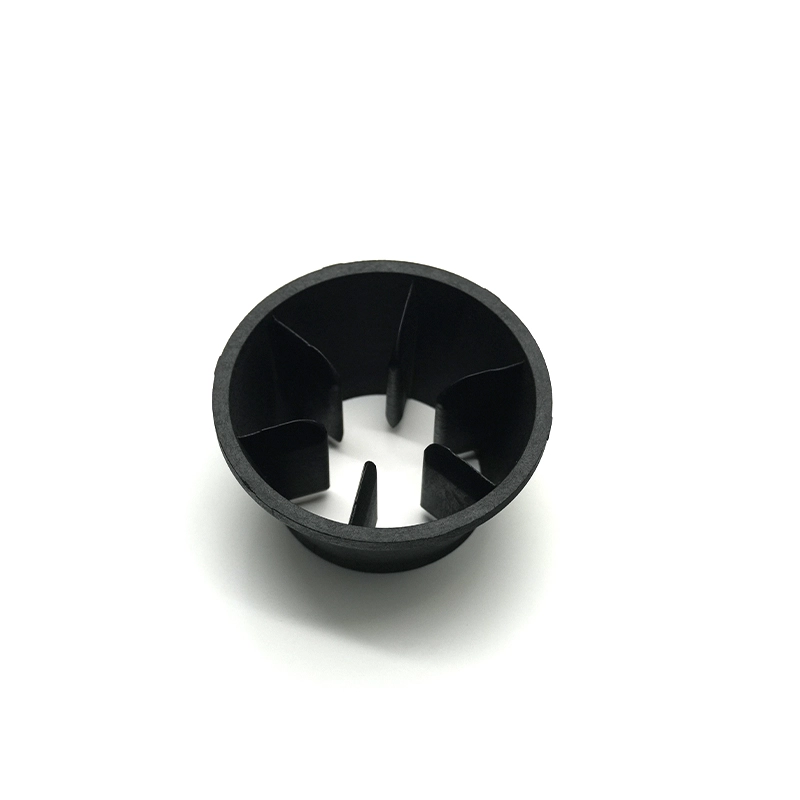
The Bost custom PPO flow valve by injection molding
The BOST Custom PPO Injection-Molded Flow Valve delivers high-temp and corrosion-resistant performance for industrial flow control. Precision-engineered by Bost, this custom PPO valve ensures durable, reliable operation in demanding environments. Optimize your process with BOST’s advanced injection-molded solution.
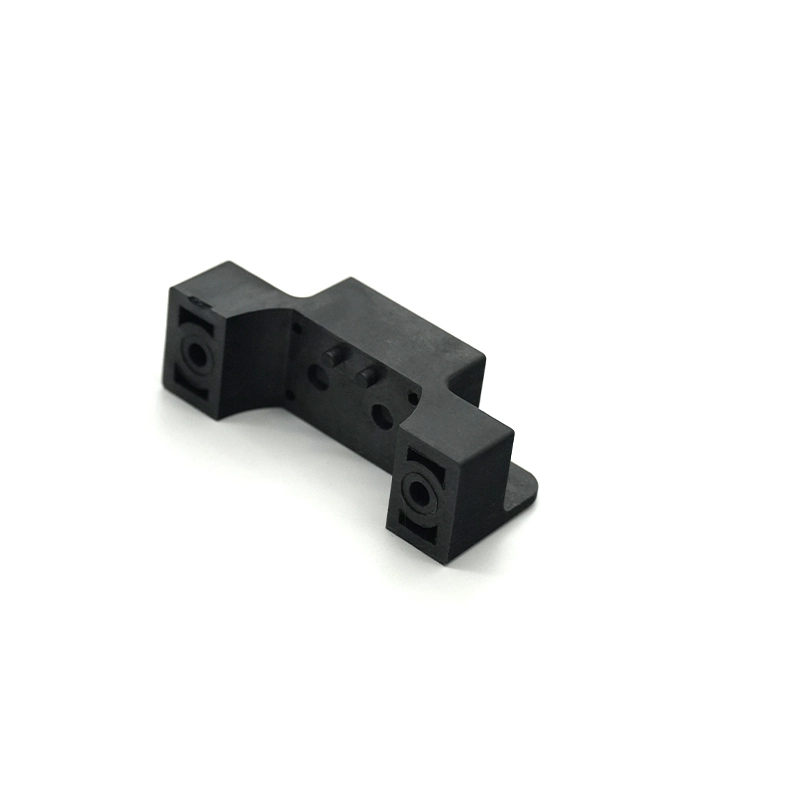
The Bost custom plastic handle by injection molding with high performance PPS material
BOST Custom PPS Injection-Molded Wear-Resistant Handle delivers superior durability and high performance. Made from High Quality PPS material, this injection-molded handle ensures exceptional wear resistance, ideal for demanding applications and long-lasting use. Choose BOST for quality and reliability.
The Bost custom flow meter by injection molding with PES plastic
The Bost Custom PES Injection-Molded Flow Meter offers high-temperature and corrosion resistance, ideal for industrial use. Made with durable PES plastic via precision injection molding, this flow meter ensures reliable, customized performance for demanding applications. Trust Bost for quality and innovation.
Get in touch with Bost
Have any questions or concerns about our products? Please leave us a message here, and our team will get back to you promptly.

24 hours quotes delivered
Submit CAD files, get quote in 24 hours

No MOQ required
From prototyping to high-volume

±0.02 mm Precision
Advanced CNC with full inspections

1,000+ tons in stock
26 materials ready to ship
© 2026 BOST. All Rights Reserved.