
 Scan QR Code
Send My Request
best high-performance plastics for additive manufacturing 2026
Saturday, 02/7/2026
As an engineering plastics consultant with deep experience in additive manufacturing (AM), I review the best high performance plastics for AM in 2026, comparing PAEK (PEEK/PEKK), PEI (Ultem), PPS/PPSU, and advanced fluoropolymers. I cover printability, mechanical and thermal properties, post-processing, standards, application fit, and vendor considerations — backed by authoritative sources and practical guidance.
- Why material selection matters in additive manufacturing
- Performance drivers and user intent
- Process compatibility: FFF (FDM), SLS, and others
- Regulatory, testing and standards considerations
- Best high-performance plastics for additive manufacturing in 2026
- PEEK and PEKK (PAEK family)
- PEI (Ultem)
- PPS and PPSU
- High-performance fluoropolymers and PVDF
- Material comparison — mechanical and thermal snapshot
- Design, post-processing and quality control considerations
- Controlling warpage and layer adhesion
- Annealing and crystallization strategies
- Testing, traceability and standards
- How to choose the right material for your application
- Selection checklist
- Cost, supply chain and sustainability
- Case study: choosing material for an aerospace duct
- Bost — expertise and product offering (company profile & contact)
- FAQs
- 1. What is the best high performance plastic for 3D printing structurally critical parts?
- 2. Can I print PEEK or PEI on a desktop 3D printer?
- 3. Are fluoropolymers like PTFE 3D printable?
- 4. How do I validate a printed high-performance plastic part?
- 5. What post-processing steps matter most for PAEK parts?
- 6. How do supply chain and cost influence material choice?
- Final recommendations and next steps
As an engineering plastics consultant who has worked across prototyping, aerospace, medical-supporting components, and industrial tooling, I know choosing the right high performance plastics for additive manufacturing (AM) is both a materials and process decision. In 2026 the AM materials landscape continues to mature: polymers like PAEK (PEEK/PEKK), PEI (Ultem), PPS/PPSU, and select fluoropolymers dominate applications that require high temperature performance, chemical resistance, and fatigue life. This article aims to give you a practical, evidence-based guide to selecting, printing, post-processing, and qualifying high performance plastics for AM — with actionable comparisons and real-world considerations for engineers, designers, and procurement teams.
Why material selection matters in additive manufacturing
Performance drivers and user intent
Users searching for high performance plastics usually want materials that deliver one or more of these attributes reliably: high glass transition or melting temperature, chemical and solvent resistance, wear and fatigue resistance, flame retardancy, and long-term dimensional stability. The intended application — functional prototyping, end-use parts for aerospace, medical, oil & gas, or tooling — determines which attributes are primary. I always start by mapping application priorities (temperature, chemical exposure, mechanical loads, regulatory constraints) before selecting candidate polymers.
Process compatibility: FFF (FDM), SLS, and others
Different AM processes have distinct material constraints. Fused filament fabrication (FFF/FFF) supports many thermoplastic filaments including PEEK and PEI with heated chambers and high nozzle temps. Selective laser sintering (SLS) is typical for polyamide (PA) powders like PA12, but higher-performance powders (e.g., PPS, PEKK powders) are emerging. Vat photopolymerization and binder-jetting have different chemistries and are less commonly used for the classic high performance thermoplastics. Always confirm the process capability (heated bed, closed heated chamber, nozzle/residual heat management) before specifying a polymer.
Regulatory, testing and standards considerations
For safety- or mission-critical parts compliance is as important as material properties. Refer to standards such as ISO/ASTM 52900 for AM vocabulary and frameworks (see ISO/ASTM 52900), and use mechanical test methods like ISO 527 for tensile testing to validate printed parts. For medical or food contact, check biocompatibility and regulatory lists (e.g., ISO 10993) and relevant FDA guidances where applicable.
Best high-performance plastics for additive manufacturing in 2026
PEEK and PEKK (PAEK family)
PEEK (polyether ether ketone) and PEKK (polyether ketone ketone) belong to the PAEK family and remain the benchmark for extreme environments. Their combination of high glass transition temperature (Tg), high melting point, excellent chemical resistance and fatigue life makes them ideal for aerospace structural parts, hot-fluid manifolds, and high-stress tooling.
Printability: PEEK/PEKK require high-temperature FFF printers with nozzles often above 400°C and heated build chambers up to 160–200°C to control crystallization and avoid warping. SLS-grade PAEK powders are less common but available for specialized suppliers.
Use cases: flight hardware, autoclave tooling, steam sterilizable medical components (where appropriate biocompatibility data exists).
References: Victrex technical resources for PEEK properties provide verified data and processing guidance (see Victrex PEEK properties).
PEI (Ultem)
Polyetherimide (PEI, commercially Ultem) combines high Tg (~217°C for Ultem 1000), good creep resistance, and flame retardancy, with somewhat easier printability than PEEK. PEI is widely adopted in printed parts requiring electrical insulation, high-temperature resistance, and good dimensional stability.
Printability: PEI prints on high-temperature FFF setups (nozzle 350–420°C, chamber 120–160°C). PEI can exhibit adhesion challenges and benefits from build-surface preparation (PEI sheet, polyimide tape) and controlled cooling.
Use cases: electrical housings, connectors, aerospace interior components, and high-temp compliant tooling. See SABIC Ultem product information for technical data (SABIC Ultem).
PPS and PPSU
Polyphenylene sulfide (PPS) and polyphenylsulfone (PPSU) occupy a practical niche: they offer excellent chemical resistance, flame performance, and good dimensional stability at elevated temperatures, often at lower cost than PAEKs. PPS is especially notable for chemical and solvent resistance; PPSU provides better toughness and hydrolysis resistance.
Printability: PPS and PPSU have been adapted to both filament and powder-based AM. They typically require less extreme nozzle temperatures than PEEK but still benefit from heated chambers and controlled crystallization steps.
Use cases: chemical processing components, valves, flow manifolds, and electrical connectors.
High-performance fluoropolymers and PVDF
Fluoropolymers (e.g., PVDF) provide excellent chemical resistance and low surface energy useful for anti-fouling or chemically aggressive environments. Fully fluorinated polymers like PTFE are still largely unprintable via conventional FFF due to extreme melting behavior, but modified fluoropolymers and composite filaments are emerging for AM.
Printability: PVDF can be printed via FFF with the correct hardware and is used for chemical-resistant parts and electrodes in energy applications.
Material comparison — mechanical and thermal snapshot
Below I summarize typical comparative metrics to help you choose. Values are representative ranges from manufacturer datasheets and literature; always validate with your specific filament/powder and printed process.
| Material | Tg / Tm (°C) | Tensile Strength (MPa) | Typical AM Process | Key Advantages |
|---|---|---|---|---|
| PEEK (PAEK) | Tg ~143°C; Tm ~343°C | 80–100 | FFF high-temp; specialized powder routes | High temp, chemical & wear resistance, good fatigue life (Victrex) |
| PEKK (PAEK) | Tg & Tm vary; higher crystallization control | 70–95 | FFF high-temp; advancing SLS powders | Faster crystallization control vs PEEK; tunable properties |
| PEI (Ultem) | Tg ~217°C | 55–75 | FFF high-temp | High Tg, flame retardant, electrical insulation (SABIC) |
| PPS / PPSU | Tg/PPS ~90–100°C; PPSU Tg ~220°C | 45–80 | FFF; specialized powders | Chemical resistance, lower cost than PAEK family |
| PVDF / Fluoropolymers | Tg ~ -35°C; Tm ~170°C (PVDF varies) | 30–50 | FFF filament variants | Excellent chemical resistance, low surface energy |
Sources: manufacturer datasheets (Victrex, SABIC), and industry AM standards such as ISO/ASTM 52900.
Design, post-processing and quality control considerations
Controlling warpage and layer adhesion
High Tg materials are sensitive to thermal gradients. I recommend: heated build chambers, slow controlled cooling, and optimized toolpaths that minimize long uninterrupted bead runs which concentrate thermal stress. For PAEKs, controlling crystallization via in-process or post-process annealing reduces residual stresses and improves mechanical reproducibility.
Annealing and crystallization strategies
Annealing transforms semi-crystalline polymers like PEEK and PEKK to their designed crystalline fraction, stabilizing dimensions and improving mechanical properties. Typical anneal cycles are specific to material and printer — consult your filament supplier and validate with DSC (differential scanning calorimetry) if possible.
Testing, traceability and standards
To demonstrate part performance and repeatability, implement a qualification plan that includes tensile/compression/flexural testing per ISO/ASTM methods, dimensional inspection, and where relevant, chemical resistance testing. Maintain material batch traceability and process logs (temperature profiles, chamber conditions) to support quality audits or certification activities.
How to choose the right material for your application
Selection checklist
Ask these questions in order: What maximum service temperature do I need? Will the part see aggressive chemicals or fuels? Is my main concern wear/fatigue or stiffness? Do I need flame retardancy or biocompatibility? Can my AM hardware meet the material's process window? Answering these narrows the candidate list quickly.
Cost, supply chain and sustainability
High-performance polymers come at a High Quality. Beyond raw material cost, account for specialized printers, high-energy consumption for heated chambers, and potential post-processing time. For critical supply chains, qualify multiple suppliers and consider recycled or reprocessable grades where available — some suppliers now offer certified recycled PEEK/PEI streams.
Case study: choosing material for an aerospace duct
For a fuel/heat-exposed duct I evaluated PEEK, PEKK and PEI. PEEK offered the best combination of creep resistance and chemical compatibility; PEKK enabled faster cycle control in curing; PEI had insufficient solvent resistance for the planned fluids. After prototyping and accelerated aging tests (thermal soak + solvent exposure), PEEK printed parts met performance goals. This demonstrates why real-world environmental testing is critical beyond datasheet review.
Bost — expertise and product offering (company profile & contact)
Bost is a professional and innovative high-tech green energy engineering plastics manufacturer specializing in research and development, production, and sales. Since its establishment, the company has been committed to the research and production of engineering plastics and special engineering plastics, providing high-quality products and services to customers and working hard to ensure customer satisfaction.
Bost specializes in the production and operation of various high-quality, ultra-high anti-scar, super corrosion-resistant, super fatigue-durable, ultra abrasion-resistant, high-temperature transparent, and other special properties of the special engineering plastics and enhances toughening, flame retardancy, absorption through hard working of waves, and conductive thermal properties of ordinary modified engineering plastic sheets, rods, and molds. Bost has a high technical level in the plastics modification R&D team and production, including product mold design and manufacturing, mechanical processing of products of mechanical equipment, and an excellent production team, especially in steel and plastic and plastic and rubber, such as the combination of comprehensive steel and plastic materials applied to products that have a high technology level and production capacity.
In brief, Bost advantages and main products (简要总结): Bost 优势包括强大的塑料改性研发能力、完善的模具及机械加工能力、和高水平的生产团队。主营产品包括 Engineering Plastic, Fluoroplastic, Over Molding, Insert Molding, Special Engineering Plastics, rubber seal。
Contact & product inquiries: visit https://www.gz-bost.com or email postmaster@china-otem.com. Additional contact: 405148849@qq.com.
FAQs
1. What is the best high performance plastic for 3D printing structurally critical parts?
For most structurally critical, high-temperature applications, PEEK or PEKK (PAEK family) are the top choices due to their superior strength, creep resistance, and thermal stability. Final selection depends on specific load cases and chemical exposure; rigorous testing of printed parts is essential.
2. Can I print PEEK or PEI on a desktop 3D printer?
Most consumer desktop printers lack the necessary nozzle and chamber temperatures. PEEK and PEI require specialized high-temperature printers with hardened nozzles, chamber heating, and build plate adhesion solutions. Attempting to print without appropriate hardware risks part failure and equipment damage.
3. Are fluoropolymers like PTFE 3D printable?
PTFE remains largely unprintable by conventional FFF due to its melt behavior. However, modified fluoropolymers and PVDF can be printed with adapted processes; these offer chemical resistance advantages but may not match the mechanical performance of PAEKs.
4. How do I validate a printed high-performance plastic part?
Validation should include mechanical testing (tensile, flexural, fatigue) per ISO/ASTM standards, dimensional inspection, thermal cycling, and any application-specific aging or chemical exposure tests. Maintain material and process traceability to support reproducibility.
5. What post-processing steps matter most for PAEK parts?
Controlled annealing/crystallization, surface finishing (machining or vapor smoothing when possible), and, where required, sterilization validation (for medical applications) are critical. Annealing reduces residual stress and stabilizes dimension and mechanical properties.
6. How do supply chain and cost influence material choice?
High-performance polymers are costlier and sometimes supply-constrained. Factor in raw material lead times, availability of certified grades, and vendor support for filament/powder forms. Where possible, qualify at least two suppliers to mitigate disruption.
Final recommendations and next steps
In 2026, PAEK-family polymers (PEEK/PEKK) and PEI remain the primary high performance plastics for demanding AM applications, with PPS/PPSU and certain fluoropolymers serving important niche roles. Material selection should follow a requirements-first approach: define operating environment, mechanical and regulatory constraints, then screen materials for process compatibility and supplier support. Always validate printed parts with appropriate testing protocols and trace process conditions rigorously.
If you need application-specific material selection, process qualification, or specialized parts, Bost can support R&D, material modification, and production. View Bost's product range or request technical consultation at https://www.gz-bost.com or email postmaster@china-otem.com. For quick contact you can also reach out to 405148849@qq.com.
Tags
customized injection molding
customized injection molding
Oil-resistant NBR Rubber seal
Oil-resistant NBR Rubber seal
insert injection molding
insert injection molding
injection molding parts
injection molding parts
plastic part manufacturing
plastic part manufacturing
Lightweight Adaptation
Lightweight Adaptation
Recommended for you
Reducing Costs with High-Volume PP Plastic Spacer Sourcing
Surface Finish Options for Black ABS Plastic Connectors
Top 10 engineered plastic components for high-performance parts
Overmolding and Insert Molding Techniques for Plastics
Prdoucts Categories
Question you may concern
FAQs
What is the delivery lead time? Do you offer global logistics?
Standard products: 5–15 working days; custom modifications: 2–4 weeks. We support global air/sea freight and provide export customs clearance documents (including REACH/UL certifications).
Can Bost customize modified plastics with special properties?
Yes! We offer modification services such as reinforcement, flame retardancy, conductivity, wear resistance, and UV resistance, for example:
• Adding carbon fiber to enhance stiffness
• Reducing the coefficient of friction through PTFE modification
• Customizing food-grade or medical-grade certified materials
What are the core advantages of Bost engineering plastics compared to ordinary plastics?
Bost engineering plastics feature ultra-high mechanical strength, high-temperature resistance (-50°C to 300°C), chemical corrosion resistance, and wear resistance. Compared to ordinary plastics, their service life is extended by 3 to 8 times, making them suitable for replacing metals in harsh environments.
How do I select the appropriate engineering plastic grade for my product?
Selection should be based on parameters such as load conditions (e.g., pressure/friction), temperature range, medium contact (e.g., oil/acid), and regulatory requirements (e.g., FDA/RoHS). Our engineers can provide free material selection consulting and sample testing.
What is the minimum order quantity (MOQ)? Do you support small-batch trial production?
The MOQ for standard products is ≥100kg. We support small-batch trial production (as low as 20kg) and provide mold testing reports and performance data feedback.
You may also like
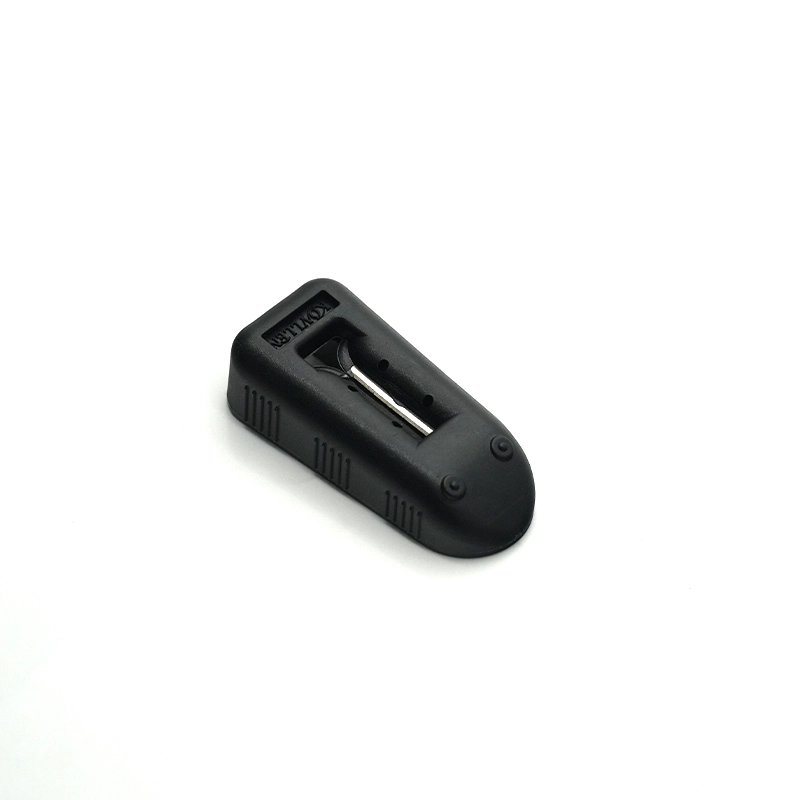
The plastic plug manufactured by Insert molding with stainless steel plate
Bost’s Insert-Molded Stainless Steel Plate Plastic Plug offers superior durability and corrosion resistance. This stainless steel insert durable plastic plug ensures a secure fit and long-lasting performance, ideal for industrial and commercial applications. Robust design meets quality standards.
The Bost custom PPO flow valve by injection molding
The BOST Custom PPO Injection-Molded Flow Valve delivers high-temp and corrosion-resistant performance for industrial flow control. Precision-engineered by Bost, this custom PPO valve ensures durable, reliable operation in demanding environments. Optimize your process with BOST’s advanced injection-molded solution.
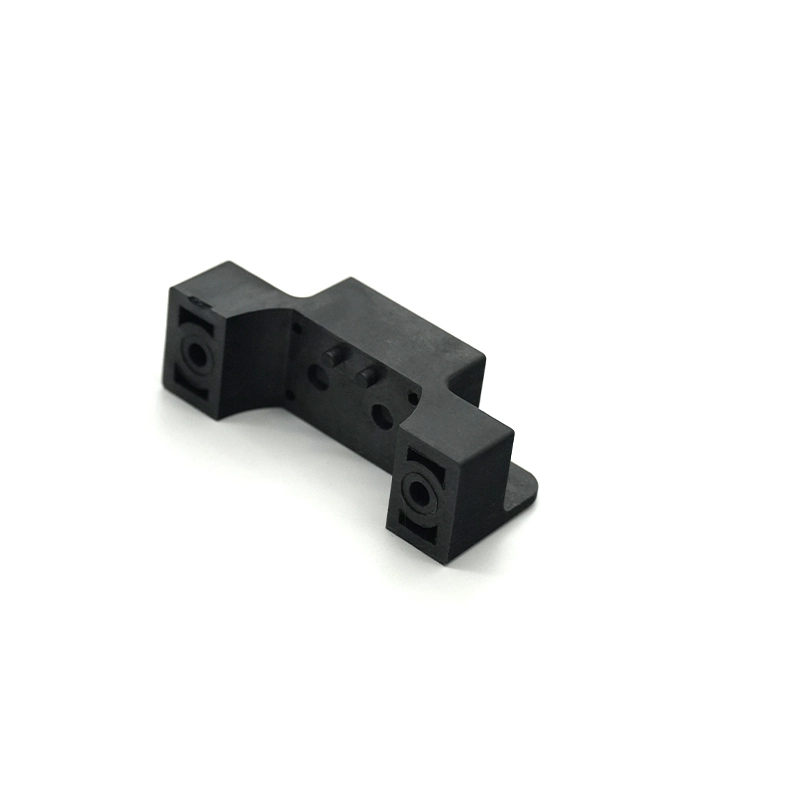
The Bost custom plastic handle by injection molding with high performance PPS material
BOST Custom PPS Injection-Molded Wear-Resistant Handle delivers superior durability and high performance. Made from High Quality PPS material, this injection-molded handle ensures exceptional wear resistance, ideal for demanding applications and long-lasting use. Choose BOST for quality and reliability.
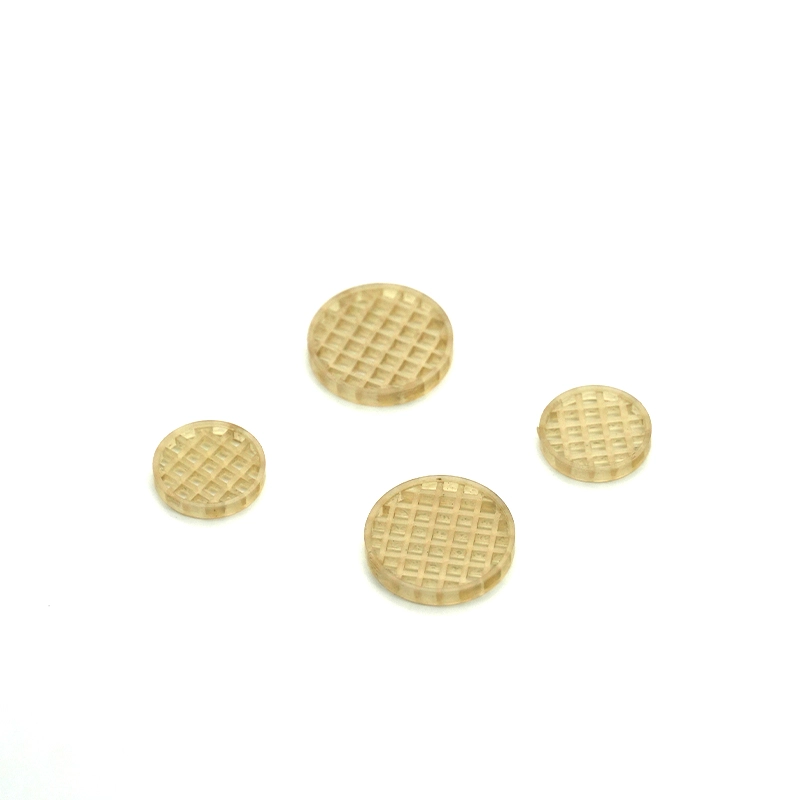
The Bost custom flow meter by injection molding with PES plastic
The Bost Custom PES Injection-Molded Flow Meter offers high-temperature and corrosion resistance, ideal for industrial use. Made with durable PES plastic via precision injection molding, this flow meter ensures reliable, customized performance for demanding applications. Trust Bost for quality and innovation.
Get in touch with Bost
Have any questions or concerns about our products? Please leave us a message here, and our team will get back to you promptly.

24 hours quotes delivered
Submit CAD files, get quote in 24 hours

No MOQ required
From prototyping to high-volume

±0.02 mm Precision
Advanced CNC with full inspections

1,000+ tons in stock
26 materials ready to ship
© 2026 BOST. All Rights Reserved.