
 Scan QR Code
Send My Request
Evaluating Suppliers of Engineered Plastic Components for Quality
Saturday, 12/20/2025
A practical, expert guide to evaluating suppliers of engineered plastic components with focus on injection-molded black POM spacers. Covers material selection, production process, inspection and testing, certifications, supply chain resilience, supplier audit checklist, and how Bost's black POM spacer meets demanding application requirements.
- Evaluating Suppliers of Engineered Plastic Components for Quality
- Why evaluating suppliers of engineered plastic components matters
- Key material considerations for engineered plastic components: focus on polyoxymethylene (POM)
- Manufacturing process: assessing injection molding capability for engineered plastic components
- Inspection and testing criteria for the black POM spacer and other engineered plastic components
- Certifications, quality systems, and traceability for engineered plastic components
- Supply chain resilience, lead times, and commercial terms
- Comparative table: supplier evaluation criteria for engineered plastic components
- How to audit a supplier of engineered plastic components: practical checklist
- Case application: why choose an injection-molded black POM spacer for precision positioning
- Brand advantages: why consider Bost for engineered plastic components
- Making the final supplier selection for engineered plastic components
- FAQ — Evaluating Suppliers of Engineered Plastic Components
- Q: What specific tests should I request for a black POM spacer?
- Q: How tight can tolerances be for injection-molded POM spacers?
- Q: Should I prefer homopolymer or copolymer POM for wear resistance?3>A: Copolymer POM generally offers better thermal stability and lower susceptibility to environmental degradation, while homopolymer POM typically has slightly higher stiffness and strength. The right choice depends on the specific wear conditions and temperatures; ask suppliers for comparative test data.
- Q: How important is mold design for dimensional stability?
- Q: Can remote audits replace on-site supplier audits?
- Contact & View Product
- Authoritative References
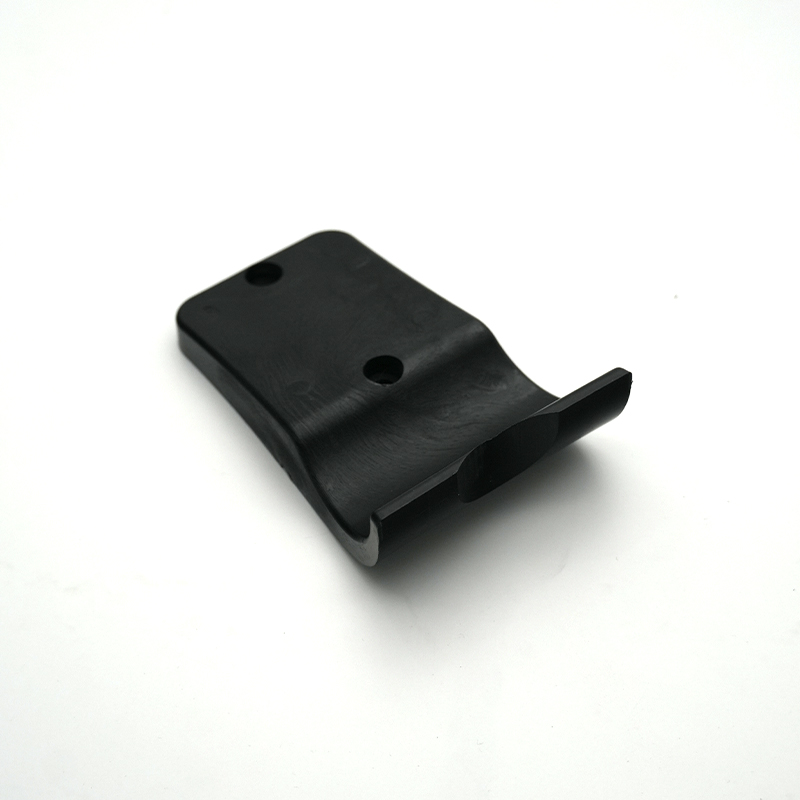
Evaluating Suppliers of Engineered Plastic Components for Quality
Why evaluating suppliers of engineered plastic components matters
Selecting the right supplier for engineered plastic components directly affects product performance, safety, cost, and time-to-market. Components like the black POM spacer made by injection molding often serve as precision positioning parts in assemblies where wear resistance and dimensional stability are critical. A poor supplier can deliver parts with out-of-tolerance dimensions, inconsistent material properties, or insufficient wear life, creating downstream assembly issues, higher warranty costs, and brand risk.
When you search for suppliers of engineered plastic components, you are buying more than a piece — you are buying reliability, traceability, and a partnership that must deliver consistent performance. This guide outlines practical, industry-informed criteria to evaluate suppliers and includes an application-focused look at Bost's black POM spacer, injection-molded for wear resistance and dimensional stability. After identifying qualified suppliers, design optimization becomes the focus to support efficient mass production. Design tips for injection molding black POM spacers at scale provide guidance on mold design, part geometry, and process stability.
Key material considerations for engineered plastic components: focus on polyoxymethylene (POM)
Engineered plastic components cover many polymers; POM (acetal) is widely used for high-precision, low-friction, wear-resistant parts. For the black POM spacer, the common technical priorities are:
- Mechanical properties: tensile strength, flexural modulus, and impact resistance determine structural performance.
- Wear resistance: sliding contact and repetitive motion demand low friction and good abrasion resistance.
- Dimensional stability: low moisture uptake and low creep under load ensure long-term tolerance control.
- Thermal behavior: service temperature range, heat deflection temperature, and coefficient of thermal expansion.
- Chemical resistance: stability against lubricants, cleaning agents, and process fluids the part may encounter.
Ask suppliers for material datasheets, grading information (e.g., homopolymer vs copolymer POM), compound additives (e.g., stabilizers, lubricants, fillers), and batch traceability. For the black POM spacer, confirm the colorant and any UV or heat stabilizers do not compromise mechanical properties.
Manufacturing process: assessing injection molding capability for engineered plastic components
Injection molding is the dominant process for producing high-volume, precise engineered plastic components such as spacers. Key manufacturing factors to evaluate:
- Machine capability: machine tonnage, shot-size, and process monitoring (pressure/temperature profiling) affect part consistency.
- Tooling quality: mold design, vents, cooling channels, and maintenance reduce defects and shrinkage variability.
- Process control: use of process control systems (e.g., OEE, SPC), documented cycle parameters, and recorded process runs.
- Material handling: drying procedures for hygroscopic resins, storage conditions, and lot control.
- Secondary operations: machining, deburring, ultrasonic welding, insert molding, or post-annealing procedures.
Ask suppliers to share capability sheets, photographs of their production floor, and evidence of process stability (SPC charts, process capability Cp/Cpk for critical dimensions). For the injection-molded black POM spacer, consistent gate location, controlled cooling, and correct mold venting are essential to achieve targeted dimensional stability and surface finish.
Inspection and testing criteria for the black POM spacer and other engineered plastic components
Define inspection and test requirements tied to part function. Recommended acceptance criteria and methods include:
- Dimensional inspection: CMM reports, key dimension tolerances, and first-article inspection (FAI).
- Mechanical tests: tensile, flexural, and hardness tests per industry standards.
- Wear testing: pin-on-disk or reciprocating wear tests that simulate application conditions.
- Thermal testing: heat deflection, short-term thermal aging, and coefficient of thermal expansion.
- Visual and surface inspection: surface finish, sink marks, voids, and cosmetic acceptability.
- Functional testing: assembly trials and torque/load testing where relevant.
Insist on sample test reports, traceable test equipment calibrations, and, when needed, third-party lab validation. For Bost's black POM spacer, require evidence of wear-resistance tests and dimensional stability reports under expected service temperatures and mechanical loads.
Certifications, quality systems, and traceability for engineered plastic components
Certifications and documented quality systems demonstrate supplier commitment to consistent quality. Key items to verify:
- ISO 9001 certification for quality management systems.
- Automotive suppliers should consider IATF 16949; medical devices often require ISO 13485.
- Material certifications and RoHS/REACH declarations for regulatory compliance.
- Lot traceability: unique identifiers linking resin batches to production runs and inspection records.
- Calibration and maintenance records for measurement and molding equipment.
Request copies of certificates, audit reports, and detailed traceability flows. Traceability is especially important for engineered plastic components used in safety-critical or highly regulated industries.
Supply chain resilience, lead times, and commercial terms
A supplier's commercial reliability is as important as their technical capability. Evaluate:
- Lead times and production capacity: ability to scale with your demand peaks.
- Raw material sourcing: single vs multiple resin suppliers and how they handle resin shortages.
- Minimum order quantities, pricing structure, and volume discounts.
- Logistics and packaging: protection against deformation, moisture, and contamination.
- Warranty, returns, and obsolescence policies.
Ask for a sample production plan and contingency strategies (alternate sources, buffer stock) to understand how the supplier will respond to disruptions. For critical engineered plastic components like the black POM spacer, consider contracting safety stock or JIT agreements depending on your supply risk tolerance.
Comparative table: supplier evaluation criteria for engineered plastic components
| Evaluation Area | Key Questions | Evidence to Request |
|---|---|---|
| Material Expertise | Does the supplier understand POM grades, additives, and processing needs? | Material datasheets, grade selection guidance, lab test reports |
| Process Control | Are molding parameters monitored and documented? | SPC charts, machine profiles, Cp/Cpk reports |
| Tooling | Is tooling designed to minimize warpage and ensure dimensional control? | Mold drawings, maintenance logs, first-article inspection |
| Testing & Inspection | Are mechanical and wear tests performed to simulate application? | Test reports, calibration certificates, third-party lab results |
| Certifications | Does the supplier have recognized QMS and regulatory compliance? | ISO certificates, REACH/RoHS declarations |
| Supply Reliability | Can the supplier meet lead times and handle demand changes? | Capacity sheets, contingency plans, logistics capabilities |
How to audit a supplier of engineered plastic components: practical checklist
A structured audit — in-person or remote — uncovers risks early. Use this checklist:
- Review quality certificates and recent audit findings.
- Inspect the molding cells for cleanliness, material handling, and tool storage.
- Verify process documentation: setup sheets, cycle parameters, and SPC implementation.
- Examine first-article inspection and CMM capability for critical dimensions.
- Observe drying and storage procedures for POM and other hygroscopic resins.
- Ask to see recent test reports for mechanical and wear testing relevant to your application.
- Check traceability: resin lot numbers through to finished part labels.
- Review packing methods and shipping records for similar parts.
Remote audits can be effective using live video for the production floor, shared screen review of documents, and sample shipments for analysis.
Case application: why choose an injection-molded black POM spacer for precision positioning
The black POM spacer made by injection molding is an economical solution for precise separation and positioning in assemblies where friction, wear, and dimensional tolerance matter. Typical application benefits include:
- Accurate, repeatable spacing when molded with controlled shrinkage.
- Low friction interfaces reducing wear on mating metal or polymer parts.
- High fatigue resistance for cyclic motions.
- Stable dimensions across a moderate temperature range and resistance to creep under load.
Bost's black POM spacer, injection-molded for superior wear resistance and dimensional stability, ensures precise positioning in demanding applications. Crafted for durability, this injection-molded black POM wear-resistant spacing offers reliable performance and long-lasting support. When evaluating suppliers, confirm that the nominal tolerances, surface finish, and material conditioning protocols meet your assembly and lifetime requirements.
Brand advantages: why consider Bost for engineered plastic components
When comparing suppliers, highlight concrete advantages that link to your commercial and technical needs. For Bost's black POM spacer, key selling points are:
- Application-focused design: spacers molded with feature consistency and gate placement engineered to minimize warpage.
- Proven material selection: use of POM grades and additives tuned to wear resistance and dimensional stability.
- Injection-molding expertise: controlled molding cycles, tooling maintenance, and documented SPC for repeatability.
- Quality documentation: FAI records, test reports, and traceability linking resin lots to batches.
- Commercial reliability: defined lead times, packaging to prevent deformation, and options for volume pricing and buffer stock.
These advantages reduce risk in high-precision assemblies and shorten validation cycles during product development.
Making the final supplier selection for engineered plastic components
Synthesize the technical, commercial, and risk information to make a decision:
- Shortlist suppliers who meet the material, process, and testing requirements.
- Request samples and full test reports. Run in-house functional and wear tests where applicable.
- Audit top candidates (remote or on-site) focusing on process control and traceability.
- Negotiate trial orders with clear acceptance criteria, delivery schedules, and warranty terms.
- Put quality gates in place for initial production runs: lot-by-lot checks and traceability.
Select the partner that balances technical competence, supply reliability, and commercial terms necessary for your product lifecycle.
FAQ — Evaluating Suppliers of Engineered Plastic Components
Q: What specific tests should I request for a black POM spacer?
A: Request dimensional FAI (CMM reports), tensile and flexural tests, wear tests that mirror your operating conditions (pin-on-disk or custom reciprocating wear), thermal aging or heat deflection tests, and chemical resistance checks if the spacer contacts lubricants or cleaning agents.
Q: How tight can tolerances be for injection-molded POM spacers?
A: Typical achievable tolerances depend on part geometry and size; ±0.1 mm may be routine for small to medium parts, but tighter tolerances are possible with precision tooling, controlled molding, and post-molding machining or trimming. Discuss Cp/Cpk values and perform FAI to confirm.
Q: Should I prefer homopolymer or copolymer POM for wear resistance?3>
A: Copolymer POM generally offers better thermal stability and lower susceptibility to environmental degradation, while homopolymer POM typically has slightly higher stiffness and strength. The right choice depends on the specific wear conditions and temperatures; ask suppliers for comparative test data.
Q: How important is mold design for dimensional stability?
A: Critical. Mold cooling, gate location, and uniform wall thickness significantly influence shrinkage and warpage. Poor mold design can negate the benefits of a high-grade material.
Q: Can remote audits replace on-site supplier audits?
A: Remote audits are useful for document review, video inspection, and early-stage qualification, but on-site audits remain the gold standard for detailed process verification, especially for critical parts.
Contact & View Product
For technical datasheets, sample requests, pricing, or to arrange an audit of Bost's injection-molded black POM spacer, please contact our sales engineering team. We offer application guidance, custom tolerance analysis, and sample runs to validate fit and performance in your assembly.
CTA: Contact us to request a sample or download the Bost black POM spacer datasheet and test reports.
Authoritative References
- Polyoxymethylene (POM) — Wikipedia: https://en.wikipedia.org/wiki/Polyoxymethylene
- Injection molding — Wikipedia: https://en.wikipedia.org/wiki/Injection_molding
- ISO 9001 — International Organization for Standardization: https://www.iso.org/iso-9001-quality-management.
- ASTM International: https://www.astm.org/
- PlasticsEurope — The Association of Plastics Manufacturers: https://www.plasticseurope.org/
- FDA Food Contact Substances — U.S. Food & Drug Administration: https://www.fda.gov/food/packaging-food-contact-substances-fcs
Tags
Engineering plastic spacer
Engineering plastic spacer
Impact-Resistant Stable Fitting
Impact-Resistant Stable Fitting
plastic pulleys
plastic pulleys
nylon standoff insulator for PCB
nylon standoff insulator for PCB
High-Temp & Low-Friction
High-Temp & Low-Friction
Industrial hydraulic NBR seal
Industrial hydraulic NBR seal
Recommended for you
Selecting Plastic Connectors for Weatherproof Enclosures
Reducing Assembly Costs with Injection-Molded POM Spacers
Injection Molding Tips for Engineering Plastic Components
Reducing Maintenance with Durable ABS Plastic Connectors
Prdoucts Categories
Question you may concern
FAQs
What are the core advantages of Bost engineering plastics compared to ordinary plastics?
Bost engineering plastics feature ultra-high mechanical strength, high-temperature resistance (-50°C to 300°C), chemical corrosion resistance, and wear resistance. Compared to ordinary plastics, their service life is extended by 3 to 8 times, making them suitable for replacing metals in harsh environments.
What is the delivery lead time? Do you offer global logistics?
Standard products: 5–15 working days; custom modifications: 2–4 weeks. We support global air/sea freight and provide export customs clearance documents (including REACH/UL certifications).
How do I select the appropriate engineering plastic grade for my product?
Selection should be based on parameters such as load conditions (e.g., pressure/friction), temperature range, medium contact (e.g., oil/acid), and regulatory requirements (e.g., FDA/RoHS). Our engineers can provide free material selection consulting and sample testing.
Can Bost customize modified plastics with special properties?
Yes! We offer modification services such as reinforcement, flame retardancy, conductivity, wear resistance, and UV resistance, for example:
• Adding carbon fiber to enhance stiffness
• Reducing the coefficient of friction through PTFE modification
• Customizing food-grade or medical-grade certified materials
What is the minimum order quantity (MOQ)? Do you support small-batch trial production?
The MOQ for standard products is ≥100kg. We support small-batch trial production (as low as 20kg) and provide mold testing reports and performance data feedback.
You may also like
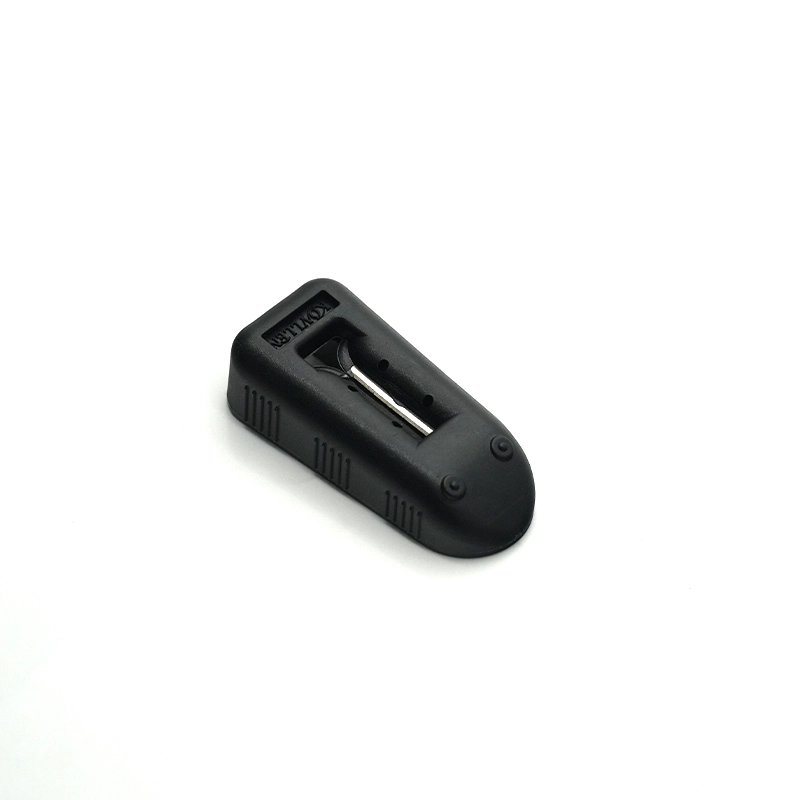
The plastic plug manufactured by Insert molding with stainless steel plate
Bost’s Insert-Molded Stainless Steel Plate Plastic Plug offers superior durability and corrosion resistance. This stainless steel insert durable plastic plug ensures a secure fit and long-lasting performance, ideal for industrial and commercial applications. Robust design meets quality standards.
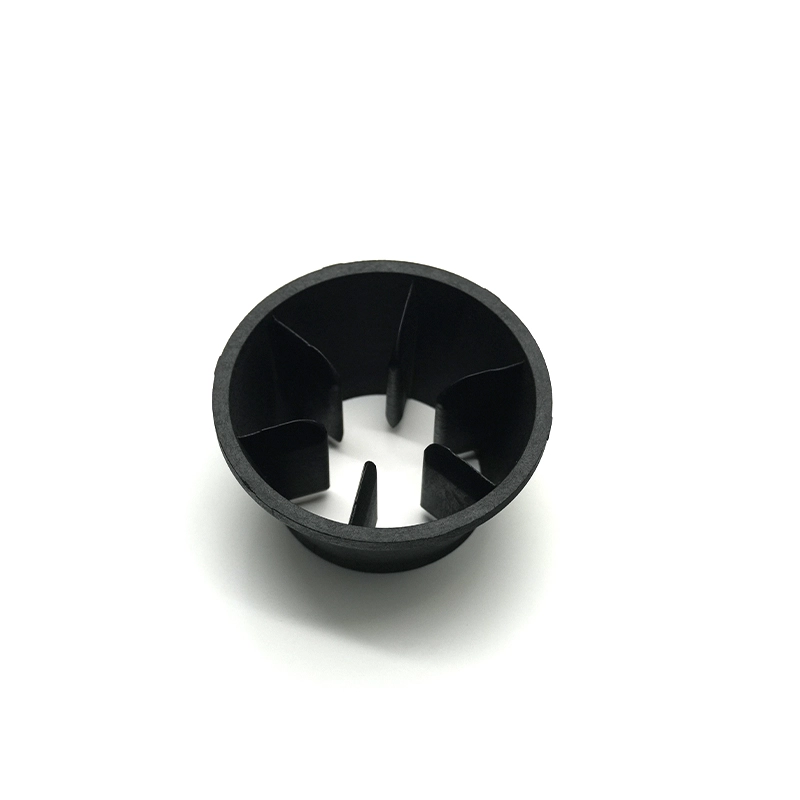
The Bost custom PPO flow valve by injection molding
The BOST Custom PPO Injection-Molded Flow Valve delivers high-temp and corrosion-resistant performance for industrial flow control. Precision-engineered by Bost, this custom PPO valve ensures durable, reliable operation in demanding environments. Optimize your process with BOST’s advanced injection-molded solution.
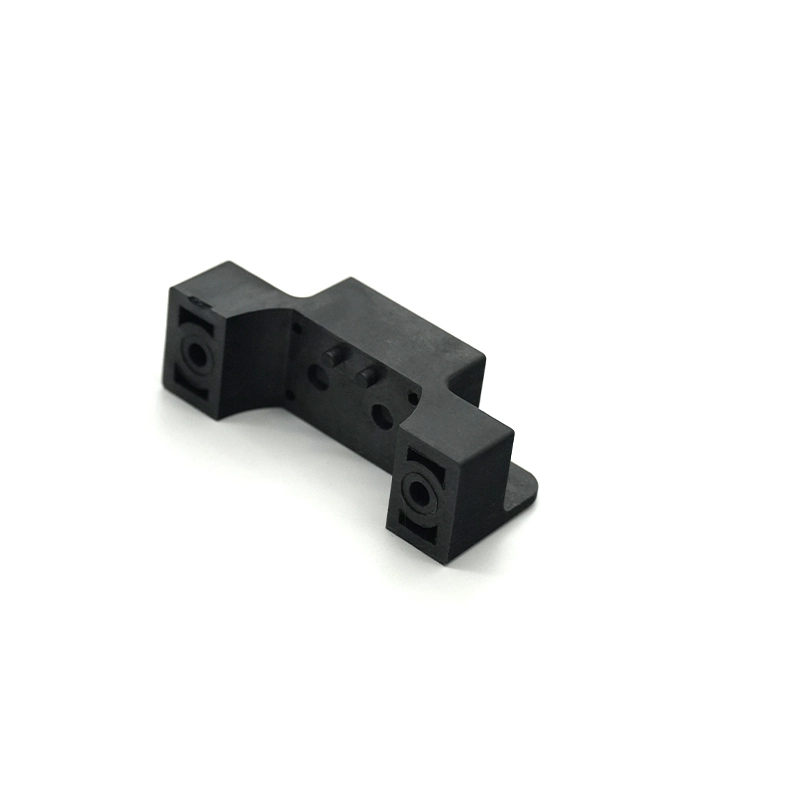
The Bost custom plastic handle by injection molding with high performance PPS material
BOST Custom PPS Injection-Molded Wear-Resistant Handle delivers superior durability and high performance. Made from High Quality PPS material, this injection-molded handle ensures exceptional wear resistance, ideal for demanding applications and long-lasting use. Choose BOST for quality and reliability.
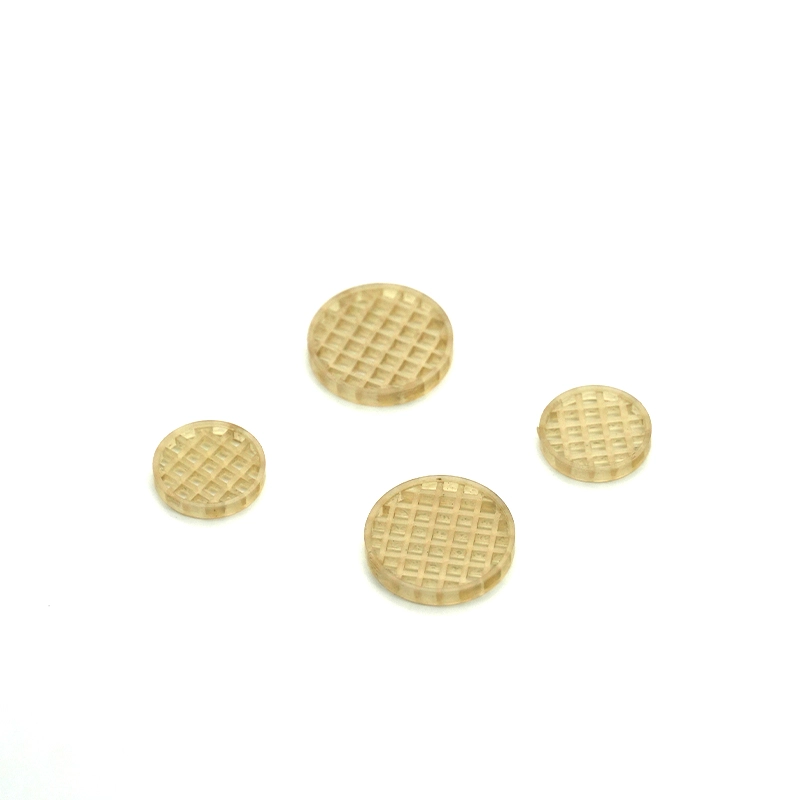
The Bost custom flow meter by injection molding with PES plastic
The Bost Custom PES Injection-Molded Flow Meter offers high-temperature and corrosion resistance, ideal for industrial use. Made with durable PES plastic via precision injection molding, this flow meter ensures reliable, customized performance for demanding applications. Trust Bost for quality and innovation.
Get in touch with Bost
Have any questions or concerns about our products? Please leave us a message here, and our team will get back to you promptly.

24 hours quotes delivered
Submit CAD files, get quote in 24 hours

No MOQ required
From prototyping to high-volume

±0.02 mm Precision
Advanced CNC with full inspections

1,000+ tons in stock
26 materials ready to ship
© 2026 BOST. All Rights Reserved.