
 Scan QR Code
Send My Request
Design Tips for Injection Molding Black POM Spacers at Scale
Sunday, 12/21/2025
Practical, production-focused guidance for designing and scaling injection molded black POM spacers. Covers material selection, mold design, process parameters, dimensional control, wear resistance, inspection, and supply considerations for engineered plastic components.
- Design Tips for Injection Molding Black POM Spacers at Scale
- Why choose engineered plastic components and black POM spacers
- Selecting the right POM grade for wear-resistant spacing
- Designing spacer geometry for reliable injection molding
- Mold design and tooling considerations for scale
- Processing parameters and machine setup
- Gate and runner design for multi-cavity production
- Shrinkage, tolerancing, and dimensional stability
- Surface finish, color and black POM specifics
- Improving wear resistance and long-term performance
- Quality control and inspection for high-volume runs
- Scaling production and supply chain resilience
- Cost vs performance trade-offs
- Bost brand advantages: engineered reliability in wear-resistant spacing
- Implementation checklist for successful scale-up
- FAQ
- What are the primary benefits of using black POM spacers for engineered plastic components?
- Can I use standard POM for high-wear applications or do I need special formulations?
- How tight can tolerances be for injection molded POM spacers?
- Does black pigment affect the mechanical properties of POM?
- How should I specify testing and inspection for production parts?
- How do I contact Bost for samples or technical support?
- Contact / View Product
- Authoritative references
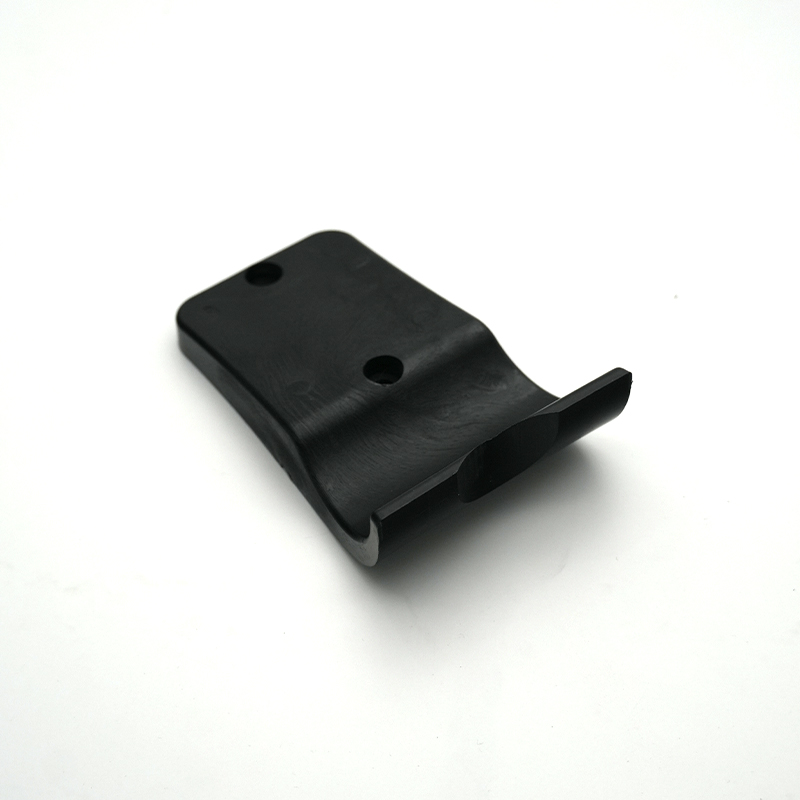
Design Tips for Injection Molding Black POM Spacers at Scale
Why choose engineered plastic components and black POM spacers
Engineered plastic components are widely used where metal alternatives would add weight, cost, or compromise corrosion resistance. The black POM spacer made by injection molding combines low friction, excellent dimensional stability, and good wear resistance. Bost's black POM spacer, injection-molded for superior wear resistance and dimensional stability, ensures precise positioning in demanding applications. When scaling production, designers must balance part geometry, material grade, mold design, and process control to deliver consistent performance across large volumes. Effective design decisions depend heavily on material behavior during molding and use. For a deeper understanding, material properties of POM: why it suits precision spacers explains the mechanical and thermal characteristics that make POM ideal for tight-tolerance components.
Selecting the right POM grade for wear-resistant spacing
Polyoxymethylene (POM), commonly called acetal, is available in homopolymer and copolymer grades, as well as specialty formulations with fillers, lubricants, or pigments. For wear-resistant spacing at scale, prioritize grades offering low wear, thermal stability, and dimensional consistency. Black, carbon-filled or pigmented POM formulations help with UV stability and hide wear marks, but fillers affect friction and stiffness.
Key selection criteria:
- Tribological performance: choose grades with good wear resistance and integrated lubricants if sliding contact is expected.
- Dimensional stability: low moisture absorption and low creep are critical for positioning components.
- Thermal stability: consider Tg and melting behavior relative to operating temperature.
- Processability: select a grade with robust flow to fill thin spacer geometries without defects.
Designing spacer geometry for reliable injection molding
Part geometry determines moldability and long-term performance. Keep sections uniform, avoid abrupt wall-thickness changes, and include radii to reduce stress concentrations. For spacers, controlling concentricity and parallelism is often critical.
Practical guidelines:
- Wall thickness: maintain a uniform wall thickness between 1.0 and 4.0 mm where possible to balance strength and fillability. Extremes increase risk of sink marks or short shots.
- Ribs and bosses: use ribs to stiffen thin sections rather than increasing thickness; keep rib thickness 50-60% of the adjoining wall and add generous fillets.
- Draft angles: provide 0.5 to 2 degrees of draft on vertical faces to ease ejection and reduce part distortion.
- Critical surfaces: locate critical sealing or seating surfaces away from gates and weld lines when possible.
Mold design and tooling considerations for scale
Mold design is a long-term investment. For high-volume engineered plastic components such as the black POM spacer made by injection molding, prioritize thermal control, gate strategy, and robust steel to maintain tolerances after millions of cycles.
Essential mold practices:
- Material selection: use hardened steel for long runs; consider surface treatments for abrasion resistance where parts slide in the mold.
- Cooling layout: design for uniform cooling to reduce warpage and cycle time. Conformal cooling can help complex geometries but adds cost.
- Gate type and location: choose gate types that promote balanced filling. Edge or submarine gates may suit thin-walled spacers; hot-runner systems reduce waste for high volumes.
- Ejection strategy: use ejector pins placed on non-critical surfaces; consider stripper plates for thin rings or delicate features.
Processing parameters and machine setup
Consistent molding parameters are crucial to ensure repeatable properties and dimensions. Small changes in melt temperature, hold pressure, or cooling time can produce measurable dimensional shifts in precision spacers.
Recommended parameter controls:
- Melt temperature: keep within the grade-specific window to avoid degradation or poor flow. Typical POM melt temps are 170-230 C depending on grade.
- Injection speed and pressure: optimize to avoid jetting and to minimize shear heating; high-speed fills for small spacers often work well.
- Pack and hold: apply sufficient packing to avoid sink at thick sections but avoid overpacking which increases internal stress.
- Drying: POM is less hygroscopic than nylon but still benefits from controlled drying in humid environments. Follow resin supplier guidance.
- Process monitoring: implement in-line sensors for cavity pressure and temperature to detect drift early when running multiple cavities or molds.
Gate and runner design for multi-cavity production
Multi-cavity molds increase throughput but demand careful balancing. Uneven fill causes part-to-part variation in dimensions and mechanical properties.
Best practices:
- Hot runner systems: reduce cold slugs and enable balanced flow to each cavity, minimizing variance in mechanical performance.
- Gate location: place gates to promote balanced flow and avoid gating near critical seating surfaces to reduce blemishes.
- Runner sizing: optimize runner cross-sections to maintain consistent shear rates and freeze-off timing across cavities.
Shrinkage, tolerancing, and dimensional stability
Understanding POM shrinkage and how it varies with cooling, orientation, and fillers is essential for tight tolerance spacers. Shrinkage for POM typically ranges from 1.5% to 2.5% but can vary by grade and geometry.
Tolerance and design strategies:
- Design for expected shrink: use mold simulation and prototype runs to establish shrink factors for critical dimensions.
- Critical fits: where interference or precision fits are required, specify tolerances based on statistical process control (SPC) data not just nominal values.
- Post-mold finishing: consider light machining or reaming only when necessary; machining increases cost and may waste the benefit of injection molding.
Surface finish, color and black POM specifics
Black POM spacers are often chosen to mask dirt, improve UV resistance, and match aesthetic requirements. Pigments and fillers alter mechanical properties and flow; carbon black can improve UV stability but may increase stiffness and conductivity.
Design tips for surface and color:
- Texture and tool polishing: match mold finish to desired surface; polished cavities produce glossy parts but show defects more readily.
- Pigment loading: validate how black pigment changes shrinkage and friction—even small loadings can shift dimensional behavior.
- Sealing and coating: in corrosive or extreme-wear environments, consider coatings or overmolding as alternatives to heavier filler use.
Improving wear resistance and long-term performance
Wear is a primary concern for spacers. POM already offers low friction, but for high-cycle applications, consider reinforced or lubricated grades and design features that distribute load and reduce edge contact.
Approaches to increase life:
- Material additives: integrate PTFE, graphite, or proprietary lubricants within the POM matrix for improved tribology.
- Geometry: increase contact area or add sacrificial wear ribs to preserve critical dimensions.
- Testing: run accelerated wear tests that replicate real-world loads, speeds, and environments to validate expected life.
Quality control and inspection for high-volume runs
Robust QC reduces the risk of failure in the field. Measure dimensional stability, hardness, and surface integrity at regular intervals. Use a mix of manual and automated inspection to maintain throughput.
QC program elements:
- First article inspection: validate the first shots from any new mold or after tool maintenance.
- In-process checks: sample critical dimensions from each cavity every defined cycle count; track with SPC charts.
- Non-destructive tests: visual, optical measurement, and contact gauges for concentricity and thickness; integrate vision systems for high-speed sorting.
- Functional testing: assemble spacers into representative fixtures to test fit and rotation under load.
Scaling production and supply chain resilience
Scaling means balancing tooling investment, cycle time, and supply chain security. Develop contingency resin sources and plan for tool maintenance downtime.
Scale considerations:
- Tooling redundancy: for high-volume programs, consider duplicate cavities or a spare mold for contingencies.
- Raw material supply: qualify multiple POM suppliers and maintain safety stock to mitigate lead-time disruptions.
- Logistics and packaging: design packaging for protection in transit while enabling efficient kitting to assembly lines.
Cost vs performance trade-offs
At scale, small design choices affect cost per part. Hot-runner molds reduce per-part cost but increase upfront tooling expense. Adding fillers or special grades raises resin cost but can reduce warranty failures and total cost of ownership.
| Factor | Lower cost option | Higher performance option |
|---|---|---|
| Tooling | Cold runner multi-cavity | Hot runner with conformal cooling |
| Material | Standard POM homopolymer | POM with solid lubricants or carbon fill |
| Finish | Matte finish, minimal polishing | High polish, controlled surface texture |
| Quality control | Periodic manual sampling | Automated inline inspection and SPC |
Bost brand advantages: engineered reliability in wear-resistant spacing
Bost's black POM spacer, injection-molded for superior wear resistance and dimensional stability, is engineered for durability. Bost leverages material expertise, precision tooling partnerships, and robust QC systems to deliver parts that meet tight tolerances across high-volume runs. Key brand strengths include:
- Proven material selections optimized for long life in sliding and positioning applications.
- Manufacturing scale: tooling and process controls designed for repeatability and low variance.
- Application support: engineering guidance from early design through validation to reduce time-to-production.
Implementation checklist for successful scale-up
Use this checklist when moving from prototype to production:
- Confirm resin grade and drying requirements.
- Validate mold thermal balance and cooling design with trial runs.
- Optimize gate and runner for balanced filling; consider hot-runner for long runs.
- Set up SPC for critical dimensions and process parameters.
- Run accelerated wear tests reflecting field conditions.
- Establish multiple qualified suppliers for resin and tooling services.
FAQ
What are the primary benefits of using black POM spacers for engineered plastic components?
Black POM spacers offer low friction, strong dimensional stability, and good wear resistance. They are lightweight, corrosion-resistant, and well-suited to precision positioning in assemblies where consistent fit and low maintenance are required.
Can I use standard POM for high-wear applications or do I need special formulations?
Standard POM performs well in many applications, but for high-wear or high-cycle use, consider POM grades with integrated lubricants or reinforcing fillers to extend life. Validate choices with wear testing representative of your environment.
How tight can tolerances be for injection molded POM spacers?
Tolerance capability depends on geometry, mold design, and process control. Typical tolerances for small spacers can be ±0.05 mm to ±0.2 mm. For critical fits, use SPC data from pilot production to set realistic tolerances and include post-mold machining if necessary.
Does black pigment affect the mechanical properties of POM?
Yes. Pigments and fillers can change shrinkage, stiffness, and friction. Carbon black is commonly used and generally beneficial for UV stability, but validate dimensional behavior and wear characteristics for the pigmented formulation you plan to use.
How should I specify testing and inspection for production parts?
Specify first article inspection, periodic dimensional checks on each cavity, functional assembly tests, and accelerated wear testing. Use SPC charts to monitor trends and trigger corrective actions before parts drift out of tolerance.
How do I contact Bost for samples or technical support?
To request samples, technical drawings, or a quote for Bost's black POM spacer, contact Bost customer support or request a product consultation. Our engineers can assist with material selection, mold recommendations, and trial planning.
Contact / View Product
For detailed specifications, samples, or production quotes for Bost's injection-molded black POM wear-resistant spacing, contact our sales team or request a product datasheet. We provide application support to integrate Bost spacers into your engineered plastic components program.
Authoritative references
Sources used to compile best practices and material data:
- Polyoxymethylene - Wikipedia: https://en.wikipedia.org/wiki/Polyoxymethylene
- Delrin (POM) product information - DuPont: https://www.dupont.com/products/delrin.
- MatWeb material property database (POM/Acetal): https://www.matweb.com/search/datasheet.aspx?matguid=... (search for acetal homopolymer)
- Plastics Industry Association: https://www.plasticsindustry.org/
End of document.
Tags
china customized plastic injection molding
china customized plastic injection molding
Low temperature & chemical resistance
Low temperature & chemical resistance
Precision Spacing
Precision Spacing
Corrosion & Wear Resistant Sealing
Corrosion & Wear Resistant Sealing
plastic injection molded parts
plastic injection molded parts
custom plastics injection molding
custom plastics injection molding
Recommended for you
Selecting Bearings vs Plastic Bushings: When to Use PE
PE Plastic Bushes: Benefits vs Metal Bushings
Supply Chain Risks and Compliance for Industrial Rubber Seal Rings
Custom Injection Molding Materials: Which One is Right for Your Project?
Prdoucts Categories
Question you may concern
FAQs
What are the core advantages of Bost engineering plastics compared to ordinary plastics?
Bost engineering plastics feature ultra-high mechanical strength, high-temperature resistance (-50°C to 300°C), chemical corrosion resistance, and wear resistance. Compared to ordinary plastics, their service life is extended by 3 to 8 times, making them suitable for replacing metals in harsh environments.
What is the delivery lead time? Do you offer global logistics?
Standard products: 5–15 working days; custom modifications: 2–4 weeks. We support global air/sea freight and provide export customs clearance documents (including REACH/UL certifications).
How do I select the appropriate engineering plastic grade for my product?
Selection should be based on parameters such as load conditions (e.g., pressure/friction), temperature range, medium contact (e.g., oil/acid), and regulatory requirements (e.g., FDA/RoHS). Our engineers can provide free material selection consulting and sample testing.
What is the minimum order quantity (MOQ)? Do you support small-batch trial production?
The MOQ for standard products is ≥100kg. We support small-batch trial production (as low as 20kg) and provide mold testing reports and performance data feedback.
Can Bost customize modified plastics with special properties?
Yes! We offer modification services such as reinforcement, flame retardancy, conductivity, wear resistance, and UV resistance, for example:
• Adding carbon fiber to enhance stiffness
• Reducing the coefficient of friction through PTFE modification
• Customizing food-grade or medical-grade certified materials
You may also like
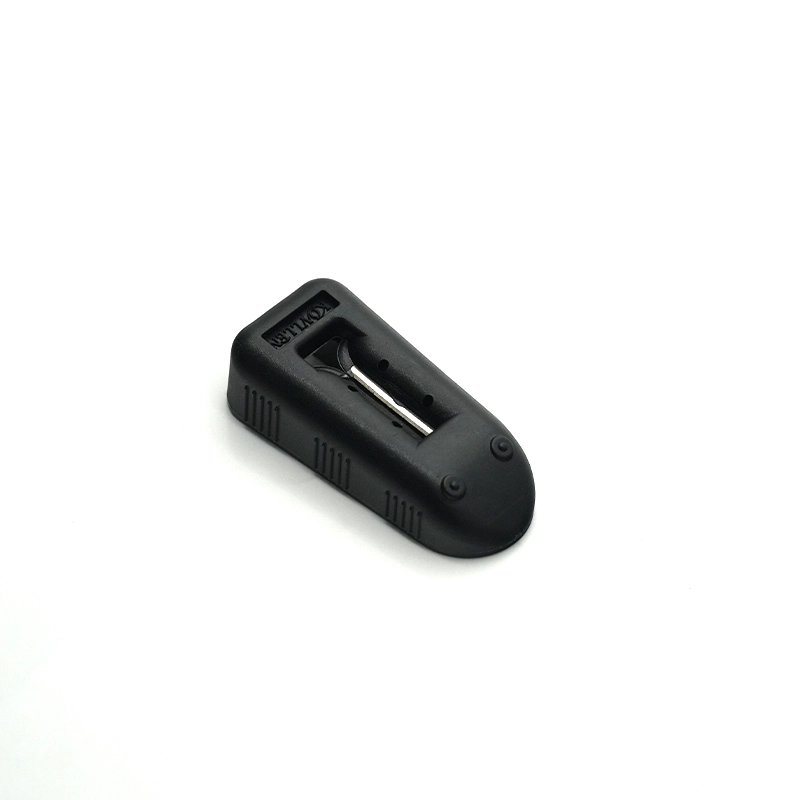
The plastic plug manufactured by Insert molding with stainless steel plate
Bost’s Insert-Molded Stainless Steel Plate Plastic Plug offers superior durability and corrosion resistance. This stainless steel insert durable plastic plug ensures a secure fit and long-lasting performance, ideal for industrial and commercial applications. Robust design meets quality standards.
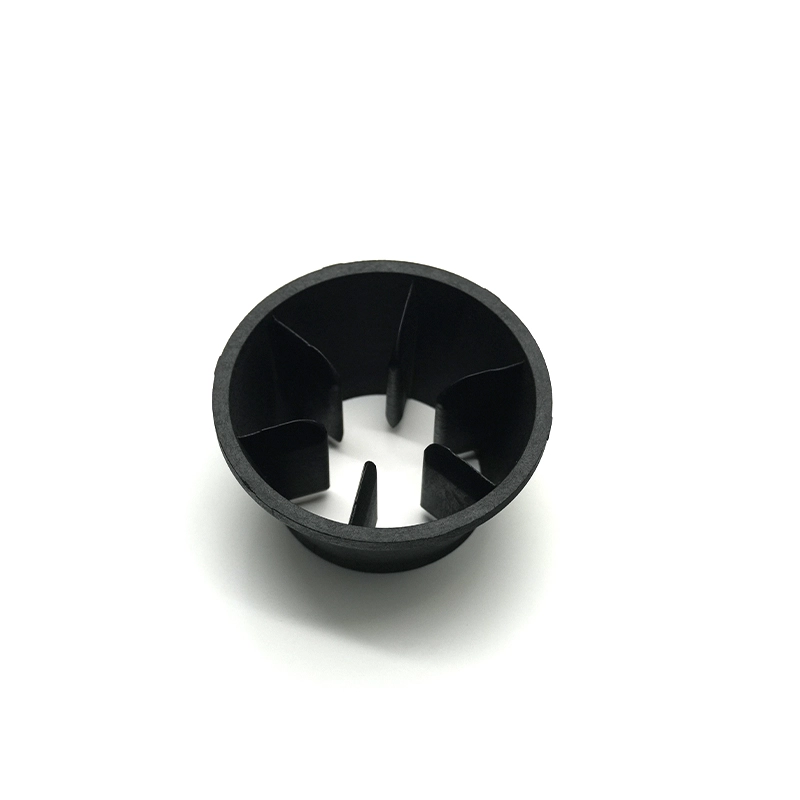
The Bost custom PPO flow valve by injection molding
The BOST Custom PPO Injection-Molded Flow Valve delivers high-temp and corrosion-resistant performance for industrial flow control. Precision-engineered by Bost, this custom PPO valve ensures durable, reliable operation in demanding environments. Optimize your process with BOST’s advanced injection-molded solution.
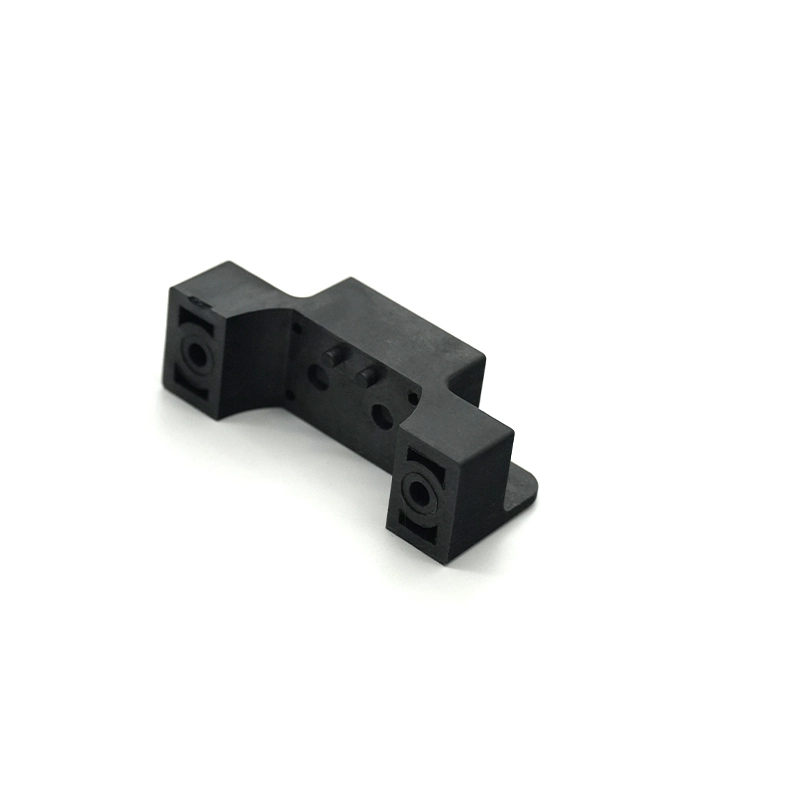
The Bost custom plastic handle by injection molding with high performance PPS material
BOST Custom PPS Injection-Molded Wear-Resistant Handle delivers superior durability and high performance. Made from High Quality PPS material, this injection-molded handle ensures exceptional wear resistance, ideal for demanding applications and long-lasting use. Choose BOST for quality and reliability.
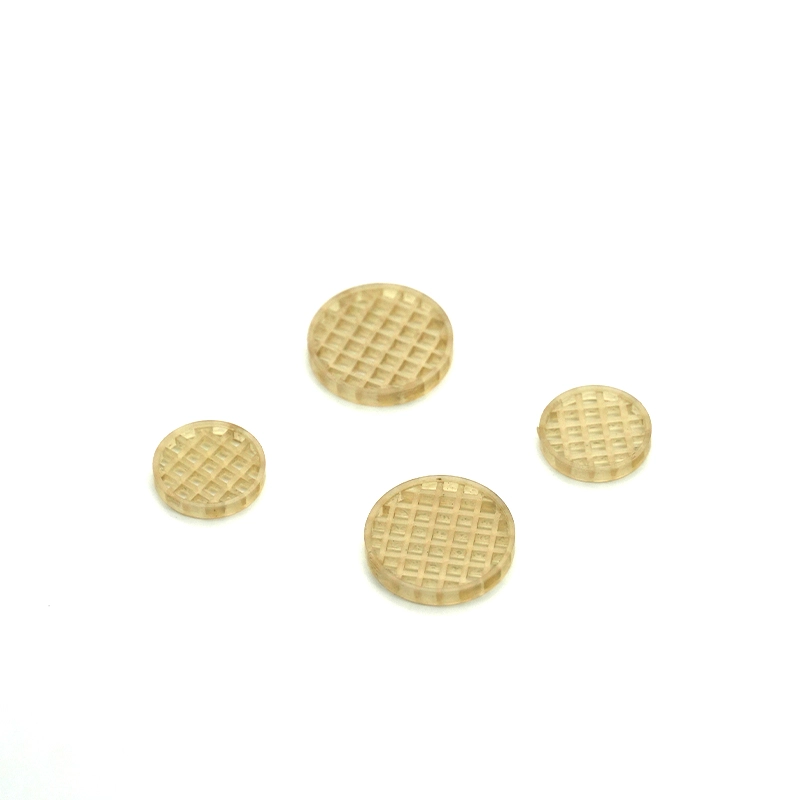
The Bost custom flow meter by injection molding with PES plastic
The Bost Custom PES Injection-Molded Flow Meter offers high-temperature and corrosion resistance, ideal for industrial use. Made with durable PES plastic via precision injection molding, this flow meter ensures reliable, customized performance for demanding applications. Trust Bost for quality and innovation.
Get in touch with Bost
Have any questions or concerns about our products? Please leave us a message here, and our team will get back to you promptly.

24 hours quotes delivered
Submit CAD files, get quote in 24 hours

No MOQ required
From prototyping to high-volume

±0.02 mm Precision
Advanced CNC with full inspections

1,000+ tons in stock
26 materials ready to ship
© 2026 BOST. All Rights Reserved.