
 Scan QR Code
Send My Request
Supply Chain Strategies for Reliable Engineered Plastic Components
Tuesday, 12/23/2025
Practical supply chain strategies to ensure consistent availability, quality, and performance of engineered plastic components. Covers sourcing, inventory, quality control, risk mitigation, and how Bost’s black POM spacer — an injection-molded, wear-resistant, dimensionally stable solution — fits into robust supply chains.
- Supply Chain Strategies for Reliable Engineered Plastic Components
- Why supply chain reliability matters for engineered plastic components
- Understanding engineered plastic components: materials, processes, and implications for supply chains
- Sourcing strategies: qualification, dual sourcing, and strategic partnerships
- Inventory strategies: safety stock, consignment, and just-in-time (JIT)
- Manufacturing controls and quality assurance for injection-molded components
- Design for supply chain resilience: standardization and modularity
- Material selection and the case for POM spacers
- Logistics and lead time management
- Risk management: traceability, contingency planning, and supplier resilience
- Sustainability, compliance, and certifications
- Cost optimization and total cost of ownership (TCO)
- Technology, digital tools, and data-driven decisions
- Practical checklist for purchasing engineered plastic components
- Example comparison: commonly used polymer choices for spacers
- How to integrate Bost’s black POM spacer into your supply chain
- Brand advantages: why choose Bost’s injection-molded black POM spacer
- FAQ
- Contact us / View product
- Authoritative references
- Closing note
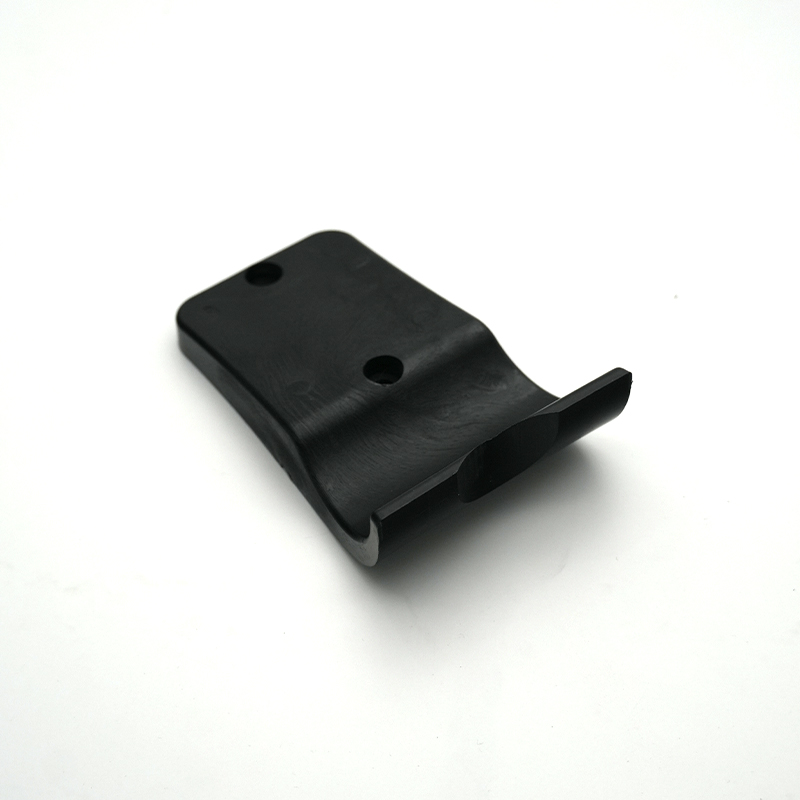
Supply Chain Strategies for Reliable Engineered Plastic Components
Why supply chain reliability matters for engineered plastic components
Reliable supply of engineered plastic components is critical to product performance, assembly accuracy, and uptime in demanding industries such as automotive, industrial machinery, medical devices, and consumer electronics. Manufacturers need parts that consistently meet dimensional tolerances, wear resistance, and chemical performance. keywords like engineered plastic components, buy, and supplier selection matter because procurement decisions directly affect lead times, warranty costs, and product recalls. Addressing reliability upfront reduces downstream disruption and total cost of ownership (TCO).
Understanding engineered plastic components: materials, processes, and implications for supply chains
Engineered plastic components are produced from high-performance polymers (e.g., POM, PA, PEEK, PPS) and often require precision processes such as injection molding, extrusion, or CNC machining. Each material/process combination imposes specific supply chain requirements: resin availability, mineral filler sourcing, tool and mold lead times, and process controls. For example, The black POM spacer made by injection molding demands stable acetal (POM) resin supply, precise mold maintenance, and consistent processing parameters to maintain wear resistance and dimensional stability. When specifying parts, procurement teams should evaluate not only price but also supplier capabilities in molding, quality assurance, and long-term material sourcing.
Sourcing strategies: qualification, dual sourcing, and strategic partnerships
Supplier qualification must be rigorous for engineered plastic components. Key steps include material traceability, process capability (Cpk), sample validation, and periodic audits. Dual sourcing or multi-sourcing reduces single-point failure risk — especially important for critical components like spacers used in assemblies where positioning tolerances matter. Strategic partnerships and long-term contracts with clear forecasts, MOQ, and lead time agreements help suppliers invest in tooling, process improvements, and inventory buffers. Use purchasing keywords naturally: when you decide to buy engineered plastic components, insist on documented quality plans and continuous improvement commitments.
Inventory strategies: safety stock, consignment, and just-in-time (JIT)
Balancing inventory costs against production risk is central to supply chain strategy. For critical engineered plastic components, recommend a blended approach:
- Safety stock for high-risk single-source items.
- Vendor-managed inventory (VMI) or consignment for stable, high-volume parts.
- JIT for components with predictable demand and short, reliable lead times.
A pragmatic rule: classify parts by criticality and variability (demand and lead time) and apply inventory policies accordingly. For example, Bost’s black POM spacer used in high-volume subassemblies may be ideal for VMI, while custom spacers with intermittent demand could maintain higher safety stock.
Manufacturing controls and quality assurance for injection-molded components
Injection molding quality relies on consistent raw materials, tightly controlled process parameters, and robust inspection. Key controls include:
- Resin lot control and incoming inspection.
- Mold maintenance schedules and cavity balancing.
- Process capability monitoring (Cpk) for critical dimensions.
- First article inspection (FAI) and periodic sample testing.
For the black POM spacer made by injection molding, emphasis should be on wear resistance testing, dimensional stability under operating temperatures, and surface finish inspections. Suppliers should provide certificates of conformity (CoC), material data sheets (MDS), and inspection reports with each shipment to speed receiving and QA on your floor.
Design for supply chain resilience: standardization and modularity
Design choices influence sourcing flexibility. Standardizing dimensions, tolerances, and materials across product lines increases purchasing leverage and reduces the total count of unique parts. Modularity lets you substitute a standard spacer for multiple assemblies. For engineered plastic components, specifying a common material grade (e.g., a standardized POM grade) and a common molding family enables suppliers to reuse tooling and reduce changeover times, which in turn lowers lead times and costs.
Material selection and the case for POM spacers
Material choice affects wear life, creep behavior, chemical resistance, and dimensional stability. POM (polyoxymethylene) is widely used for spacers and precision components because of its low friction, high stiffness, and dimensional stability. Bost’s black POM spacer, injection-molded for superior wear resistance and dimensional stability, ensures precise positioning in demanding applications. Crafted for durability, this injection-molded black POM wear-resistant spacing offers reliable performance and long-lasting support. When specifying spacers, consider:
- Wear resistance requirements (POM excels in sliding interfaces).
- Thermal environment (POM has stable dimensions within typical service ranges).
- Chemical exposure (POM resists many solvents, but verify against specific fluids).
Logistics and lead time management
Lead time volatility is a common source of production disruption. To mitigate:
- Maintain accurate forecasting and share visibility with suppliers.
- Negotiate priority production slots for critical periods.
- Use air freight selectively for emergency replenishment.
- Consolidate shipments to reduce transit variability and cost.
For injection-molded parts, tooling delays often dominate. Protect lead time by locking design early, using proven mold-makers, and planning for spare tooling or mold maintenance schedules.
Risk management: traceability, contingency planning, and supplier resilience
Risk management requires both visibility and redundancy. Implement traceability across material lots and production batches so you can quickly isolate issues in the field. Contingency actions include:
- Alternate approved suppliers with cross-qualified parts.
- Pre-negotiated surge capacity clauses.
- Safety stock for high-criticality SKUs.
Scenario planning should include raw material shortages, logistics bottlenecks, and quality escapes. Regular supplier risk assessments and business continuity audits help keep supply reliable.
Sustainability, compliance, and certifications
Regulatory and sustainability pressures affect procurement decisions. Evaluate suppliers for compliance with environmental, health, and safety standards (e.g., REACH, RoHS) and management systems such as ISO 9001 and ISO 14001. For components used in regulated industries, supplier certifications (ISO 13485 for medical devices, IATF 16949 for automotive) reduce audit burden and risk. Bost’s black POM spacer should be supplied with MDS, RoHS declarations, and processing guidance to support regulatory compliance and recycling goals.
Cost optimization and total cost of ownership (TCO)
Price per part is only one element of TCO. Consider tooling amortization, defect rates, warranty costs, changeover costs, and logistics. Investing in higher-quality injection-molded components such as Bost’s black POM spacer can reduce assembly rework, in-field failures, and warranty claims. When assessing quotes, ask suppliers to provide a TCO breakdown and scenarios for volume growth, tooling upgrades, and quality improvement investments.
Technology, digital tools, and data-driven decisions
Digital tools improve predictability: ERP-integrated demand planning, supplier portals, and real-time quality dashboards help identify trends and anomalies early. Use SPC (statistical process control) data from molding machines and integrate it with procurement systems to trigger replenishment events based on actual production consumption rather than static forecasts.
Practical checklist for purchasing engineered plastic components
- Define functional requirements (tolerances, wear, thermal limits).
- Require material and process documentation (MDS, CoC, FAI reports).
- Qualify suppliers for capacity and process stability (Cpk, audits).
- Build dual-source or contingency plans for critical parts.
- Implement VMI or consignment for high-volume, stable SKUs.
- Monitor supplier KPIs: on-time delivery, quality ppm, and lead-time variance.
Example comparison: commonly used polymer choices for spacers
| Property | POM (Acetal) | Nylon (PA) | PC (Polycarbonate) |
|---|---|---|---|
| Wear Resistance | High | Medium | Low–Medium |
| Dimensional Stability | High | Medium (moisture sensitive) | Medium |
| Moisture Absorption | Low | High | Low |
| Chemical Resistance | Good | Variable | Poor–Variable |
| Typical Uses | Precision spacers, gears, bearings | Gears, structural parts | Clear structural parts, housings |
How to integrate Bost’s black POM spacer into your supply chain
If you specify Bost’s black POM spacer, follow these steps for smooth integration:
- Provide design files and functional requirements to Bost for DFM feedback.
- Request material declaration, molding process parameters, and inspection certificates.
- Agree on MOQ, lead times, and forecast cadence; consider VMI for high-use SKUs.
- Establish quality acceptance criteria and FAI requirements before full production.
- Set up traceability for part lots and retain samples from each production run for field comparison.
Brand advantages: why choose Bost’s injection-molded black POM spacer
Bost combines material expertise, controlled injection molding processes, and QA rigor to deliver spacers that meet demanding wear and dimensional requirements. Key advantages include:
- Proven wear-resistant formulations for long service life.
- Tight process control for consistent dimensional stability.
- Comprehensive documentation (CoC, MDS, inspection reports) to support procurement and compliance.
- Ability to scale production with consistent quality thanks to robust tooling and process monitoring.Choosing a reliable supplier like Bost reduces risk, shortens qualification cycles, and improves assembly uptime.
FAQ
Q: What makes POM suitable for precision spacers?A: POM offers low friction, high stiffness, and excellent dimensional stability, which together support precise positioning and long wear life in spacers.
Q: Can I buy Bost’s black POM spacer in custom sizes?A: Yes — Bost supports custom tooling and runs. Early engagement streamlines tooling lead times and reduces iteration.
Q: How do you assure consistent quality from injection molding?A: Use material lot control, SPC/Cpk monitoring, FAI, and regular mold maintenance. Suppliers should provide inspection data with shipments.
Q: What inventory strategy suits critical spacers?A: For critical spacers, consider vendor-managed inventory or safety stock combined with dual sourcing for high risk items.
Q: Are there environmental or regulatory certificates available?A: Bost can provide material declarations (RoHS/REACH) and supports compliance documentation; request specific certificates when ordering.
Contact us / View product
To discuss specifications, request samples, or get a quote for The black POM spacer made by injection molding, contact our sales team or view the product page. Our specialists can provide material data sheets, inspection reports, and guidance on integrating the spacer into your supply chain.
Authoritative references
- Polyoxymethylene — Wikipedia: https://en.wikipedia.org/wiki/Polyoxymethylene
- PlasticsEurope — Polymer properties and industry data: https://www.plasticseurope.org/
- ISO 9001 Quality management systems: https://www.iso.org/iso-9001-quality-management.
- REACH Regulation — European Chemicals Agency: https://echa.europa.eu/regulations/reach
Closing note
A resilient supply chain for engineered plastic components balances material selection, supplier capability, inventory policy, and data-driven quality controls. Accepting modest investments in supplier qualification, process monitoring, and strategic inventory often repays itself by reducing downtime, warranty claims, and emergency logistics costs. For dependable performance in applications that demand precision and wear resistance, consider specifying proven components such as Bost’s black POM spacer, and adopt the supply chain practices outlined above to ensure sustainable, low-risk production.
Tags
High-Strength & Corrosion-Proof
High-Strength & Corrosion-Proof
PP Material Tube
PP Material Tube
custom plastic spur gears
custom plastic spur gears
High-Temperature Resistant Protection
High-Temperature Resistant Protection
china plastic spur gears
china plastic spur gears
Chemical-resistant sealing
Chemical-resistant sealing
Recommended for you
Flame Retardant PVC: Injection Molding Considerations for Reliable Production
top bio-based high-performance plastics to watch 2026
Chemical Resistance of Common Engineering Plastics
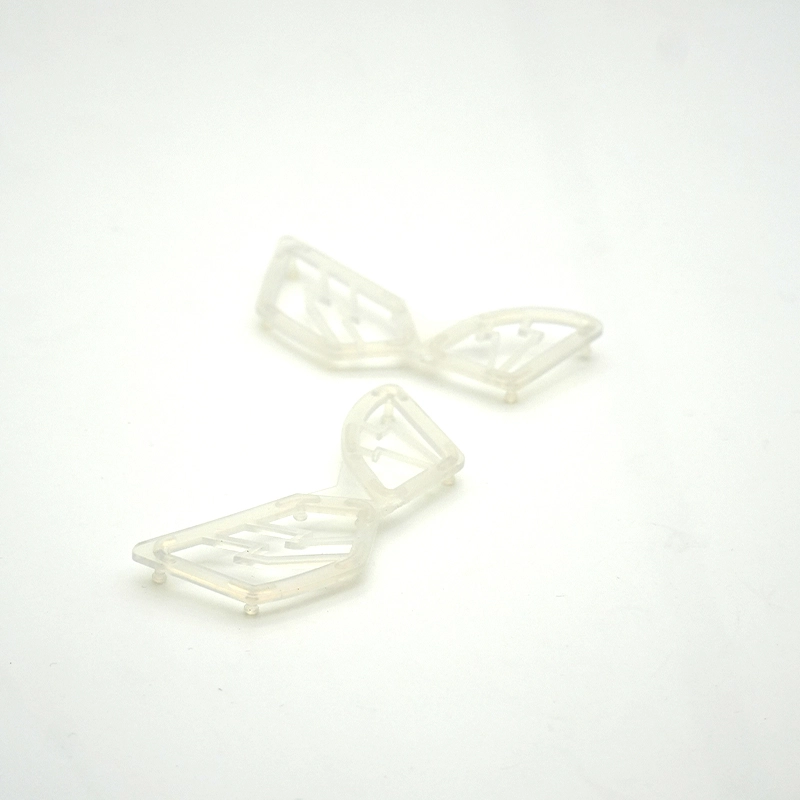
How Injection Molding Improves PP Plastic Spacer Production
Prdoucts Categories
Question you may concern
FAQs
What are the core advantages of Bost engineering plastics compared to ordinary plastics?
Bost engineering plastics feature ultra-high mechanical strength, high-temperature resistance (-50°C to 300°C), chemical corrosion resistance, and wear resistance. Compared to ordinary plastics, their service life is extended by 3 to 8 times, making them suitable for replacing metals in harsh environments.
What is the delivery lead time? Do you offer global logistics?
Standard products: 5–15 working days; custom modifications: 2–4 weeks. We support global air/sea freight and provide export customs clearance documents (including REACH/UL certifications).
Can Bost customize modified plastics with special properties?
Yes! We offer modification services such as reinforcement, flame retardancy, conductivity, wear resistance, and UV resistance, for example:
• Adding carbon fiber to enhance stiffness
• Reducing the coefficient of friction through PTFE modification
• Customizing food-grade or medical-grade certified materials
How do I select the appropriate engineering plastic grade for my product?
Selection should be based on parameters such as load conditions (e.g., pressure/friction), temperature range, medium contact (e.g., oil/acid), and regulatory requirements (e.g., FDA/RoHS). Our engineers can provide free material selection consulting and sample testing.
What is the minimum order quantity (MOQ)? Do you support small-batch trial production?
The MOQ for standard products is ≥100kg. We support small-batch trial production (as low as 20kg) and provide mold testing reports and performance data feedback.
You may also like
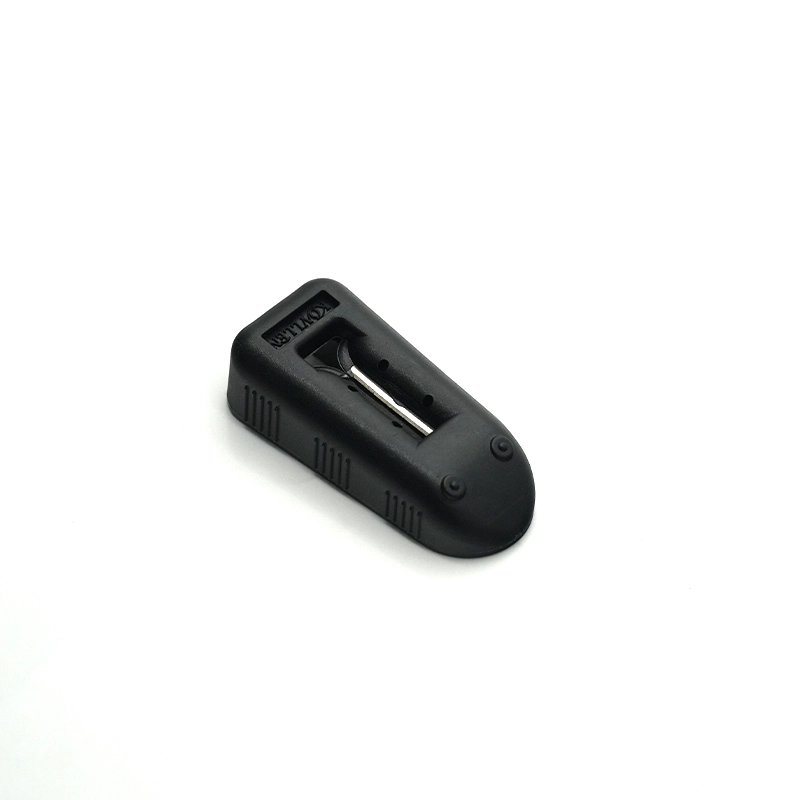
The plastic plug manufactured by Insert molding with stainless steel plate
Bost’s Insert-Molded Stainless Steel Plate Plastic Plug offers superior durability and corrosion resistance. This stainless steel insert durable plastic plug ensures a secure fit and long-lasting performance, ideal for industrial and commercial applications. Robust design meets quality standards.
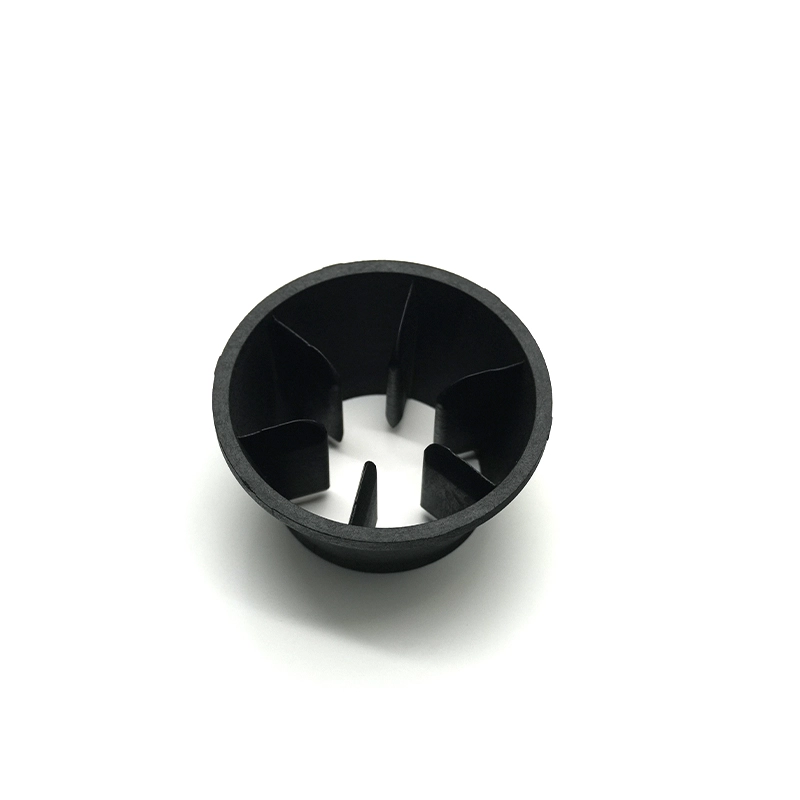
The Bost custom PPO flow valve by injection molding
The BOST Custom PPO Injection-Molded Flow Valve delivers high-temp and corrosion-resistant performance for industrial flow control. Precision-engineered by Bost, this custom PPO valve ensures durable, reliable operation in demanding environments. Optimize your process with BOST’s advanced injection-molded solution.
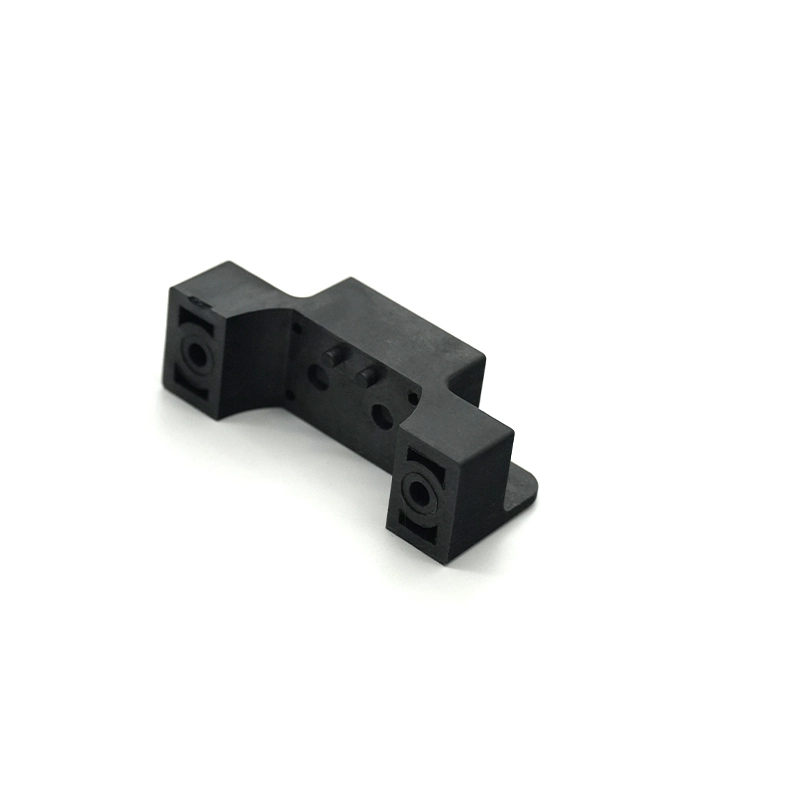
The Bost custom plastic handle by injection molding with high performance PPS material
BOST Custom PPS Injection-Molded Wear-Resistant Handle delivers superior durability and high performance. Made from High Quality PPS material, this injection-molded handle ensures exceptional wear resistance, ideal for demanding applications and long-lasting use. Choose BOST for quality and reliability.
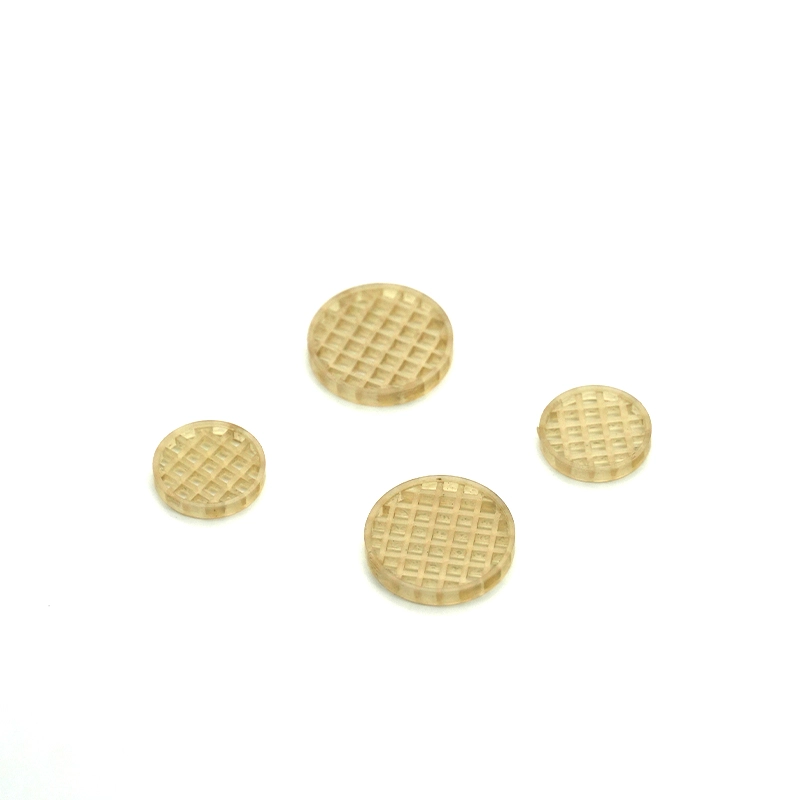
The Bost custom flow meter by injection molding with PES plastic
The Bost Custom PES Injection-Molded Flow Meter offers high-temperature and corrosion resistance, ideal for industrial use. Made with durable PES plastic via precision injection molding, this flow meter ensures reliable, customized performance for demanding applications. Trust Bost for quality and innovation.
Get in touch with Bost
Have any questions or concerns about our products? Please leave us a message here, and our team will get back to you promptly.

24 hours quotes delivered
Submit CAD files, get quote in 24 hours

No MOQ required
From prototyping to high-volume

±0.02 mm Precision
Advanced CNC with full inspections

1,000+ tons in stock
26 materials ready to ship
© 2026 BOST. All Rights Reserved.