 Scan QR Code
Send My Request
Marine-Grade Considerations for UV-Resistant Connectors
Friday, 02/27/2026
Marine-grade installations demand connectors that resist sunlight, salt spray, temperature swings and impact. This article explains how UV-resistant plastic connectors—especially black, UV-stabilized ABS designs—deliver long-term reliability in harsh coastal and offshore environments. It covers material behavior, testing standards, design details, installation best practices, and maintenance strategies, with actionable guidance to select and specify connectors for weatherproof, corrosion-resistant marine electrical systems.
- Why UV Resistance Matters for Marine Connectors
- Sunlight, Salt, and the Marine Exposure Triangle
- Quantifying UV Damage: What to Watch For
- Standards and Test Methods Relevant to UV and Outdoor Performance
- Material Selection: Black and UV-Resistant ABS Performance
- Why Choose UV-Stabilized ABS for Connectors?
- Benefits of Black Coloration in Marine Applications
- Comparative Properties: ABS vs Other Engineering Plastics
- Design, Sealing and Mechanical Features for Marine Use
- Sealing Systems and IP Ratings
- Metal Inserts, Contacts and Corrosion Protection
- Mechanical Mounting and Vibration Resistance
- Testing, Certification and Lifecycle Management
- Accelerated Weathering and Real-World Validation
- Inspection and Maintenance Schedules
- End-of-Life Considerations and Replacement Strategy
- Practical Selection Guide and Installation Tips
- Specifying Black and UV-Resistant ABS Connectors
- Installation Best Practices to Maximize Longevity
- Cost vs Reliability Trade-offs
- Product Spotlight: Bost Black UV-Resistant ABS Outdoor Connector
- References and Further Reading
- FAQs — Marine-Grade UV-Resistant Connectors
- Q: How long will a black UV-resistant ABS connector last in coastal marine exposure?
- Q: Can I repaint or coat the ABS housing in the field to restore UV protection?
- Q: Are black ABS connectors safe near sensitive electronics that require low electrostatic discharge (ESD)?
- Q: How do I verify the IP rating of a connector after installation?
- Q: What maintenance schedule do you recommend for outdoor connectors?
The deployment of reliable, weatherproof plastic connectors in marine and coastal installations requires careful attention to UV resistance, mechanical durability, ingress protection and material chemistry. For engineering teams, integrators and specifiers, understanding how UV stabilization, color (black), and ABS resin formulation affect long-term performance is critical to avoid failures, reduce maintenance costs, and meet compliance. This guide dives into material science, testing standards, design features, and practical selection tips for marine-grade, UV-resistant connections.
Why UV Resistance Matters for Marine Connectors
Sunlight, Salt, and the Marine Exposure Triangle
Marine environments combine three stressors: ultraviolet (UV) radiation, salt (chloride) exposure and cyclical temperatures/humidity. UV causes surface crazing, discoloration and embrittlement of many thermoplastics; salt accelerates corrosion of metal inserts and can wick into damaged seals; thermal cycling stresses joints. Using purpose-designed plastic connectors reduces the risk of housing fracture, seal failure, and electrical faults that originate from UV-degraded components.
Quantifying UV Damage: What to Watch For
Common signs of UV damage in plastic connectors include loss of gloss, surface cracking, reduced impact resistance and color shifting. For electrical connectors this can lead to seal compression loss, ingress of water (reducing IP rating), and mechanical failure of latches. Regular visual inspection combined with scheduled functional tests (continuity, insulation resistance) helps detect early-stage UV-related failures before they cause system outages.
Standards and Test Methods Relevant to UV and Outdoor Performance
Designers should specify products tested per recognized standards. For ingress protection, IP ratings per the IP Code are critical (IP Code (IEC/ISO guidance)). For UV and artificial weathering, ASTM D4329 (UV exposure of plastics) is commonly referenced. Additionally, material datasheets from industry associations such as PlasticsEurope on ABS and polymer property references like ABS polymer documentation help predict long-term behavior.
Material Selection: Black and UV-Resistant ABS Performance
Why Choose UV-Stabilized ABS for Connectors?
ABS (acrylonitrile butadiene styrene) provides a good balance of toughness, dimensional stability and cost. When formulated with UV stabilizers and carbon black or other UV absorbers, ABS becomes resistant to surface embrittlement caused by sunlight. The product described—Black and UV resistant ABS plastic connector—combines these features to maintain mechanical integrity and weathering performance in outdoor marine conditions.
Benefits of Black Coloration in Marine Applications
Black formulations often include conductive carbon black that absorbs harmful UV wavelengths and distributes heat, reducing photodegradation. Besides UV shielding, black housings also minimize visible discoloration and provide consistent appearance for long-term outdoor use. For marine-grade plastic connectors, black UV-resistant ABS balances aesthetics with proven UV protection.
Comparative Properties: ABS vs Other Engineering Plastics
Choosing the right housing material is an optimization between UV resistance, mechanical strength, cost, chemical resistance and manufacturability. The table below summarizes typical properties relevant to marine-grade connectors.
| Property | Black UV-Resistant ABS | Standard ABS | Polycarbonate (PC) | Nylon (PA) |
|---|---|---|---|---|
| UV Resistance | High (with stabilizers & carbon black) | Low–Moderate | Moderate (better with UV-grade PC) | Poor–Moderate (UV additives needed) |
| Impact Resistance | Good | Good | Excellent | Good–Excellent |
| Chemical/Salt Spray Resistance | Good | Good | Fair | Good (but hygroscopic) |
| Cost | Low–Moderate | Low | Higher | Variable (often higher) |
| Ease of Molding/Assembly | Excellent | Excellent | Good | Moderate |
Material selection should be validated by accelerated weathering tests (UV + condensation cycles) and, where appropriate, field trials in representative marine exposure zones.
Design, Sealing and Mechanical Features for Marine Use
Sealing Systems and IP Ratings
Marine-grade connectors must maintain ingress protection. Look for IP67/IP68 ratings for temporary or continuous immersion protection, and IP66 for high-pressure spray resistance. Proper sealing includes overmolded gaskets, double O-rings, and compression-molded interfaces. The Black and UV-Resistant ABS Outdoor Connector is designed with precision housings and integrated sealing grooves to preserve IP performance over time.
Metal Inserts, Contacts and Corrosion Protection
Even if the housing is plastic, the electrical contacts and hardware must resist corrosion. Use plated copper alloys (e.g., tin or nickel over copper) rated for marine exposure and, where necessary, select stainless steel fasteners treated with additional coatings. Design choices—such as recessed contacts and drip shields—minimize salt deposition into contact areas.
Mechanical Mounting and Vibration Resistance
Offshore and onboard marine systems experience vibration and shock. Connector housings should integrate robust latching, strain reliefs, and threaded coupling mechanisms engineered for repeated mating cycles. UV-stabilized ABS can be molded to tight tolerances, allowing secure mechanical features without sacrificing weatherproof seals.
Testing, Certification and Lifecycle Management
Accelerated Weathering and Real-World Validation
Manufacturers should provide accelerated weathering test data (e.g., ASTM D4329 or comparable protocols) and, where possible, field exposure data from coastal deployments. These datasets help predict service life and identify failure modes. Combining lab UV exposure with salt spray testing (e.g., ASTM B117) gives a fuller picture of marine performance.
Inspection and Maintenance Schedules
Even high-quality, UV-resistant plastic connectors benefit from routine inspection. Recommended steps include visual checks for cracking or crazing, torque verification of mounting hardware, and periodic electrical tests (continuity and insulation resistance). For permanently installed outdoor systems, an annual inspection plus after-severe-weather checks is a reasonable baseline.
End-of-Life Considerations and Replacement Strategy
Define replacement triggers such as visible housing cracks, loss of IP seal performance, or failing electrical insulation tests. For mission-critical marine systems, consider a preventive replacement window (for example, every 7–10 years depending on exposure severity) informed by accelerated testing and initial field results.
Practical Selection Guide and Installation Tips
Specifying Black and UV-Resistant ABS Connectors
When specifying, require manufacturers to submit: UV accelerated aging reports, rated IP level, materials datasheet for the ABS formulation (including stabilizer types), contact plating specification, and recommended installation torque values. Request sample units for pilot installations in target exposure zones before large-scale rollout.
Installation Best Practices to Maximize Longevity
Good installation practices significantly extend connector life. Key actions include: ensuring correct gland/strain relief sizing, applying compatible gasket lubricants where recommended, avoiding over-tightening that can warp sealing surfaces, and routing cables to prevent water wicking into the connector body.
Cost vs Reliability Trade-offs
Black UV-resistant ABS connectors typically offer the best value for many marine applications—delivering strong UV stability and good mechanical performance at moderate cost. For extremely demanding UV or high-temperature environments, hybrid solutions (e.g., UV-grade polycarbonate or coated housings) may be justified despite higher cost. Consider total cost of ownership: reduced downtime and maintenance often offset a modest High Quality for higher-spec components.
Product Spotlight: Bost Black UV-Resistant ABS Outdoor Connector
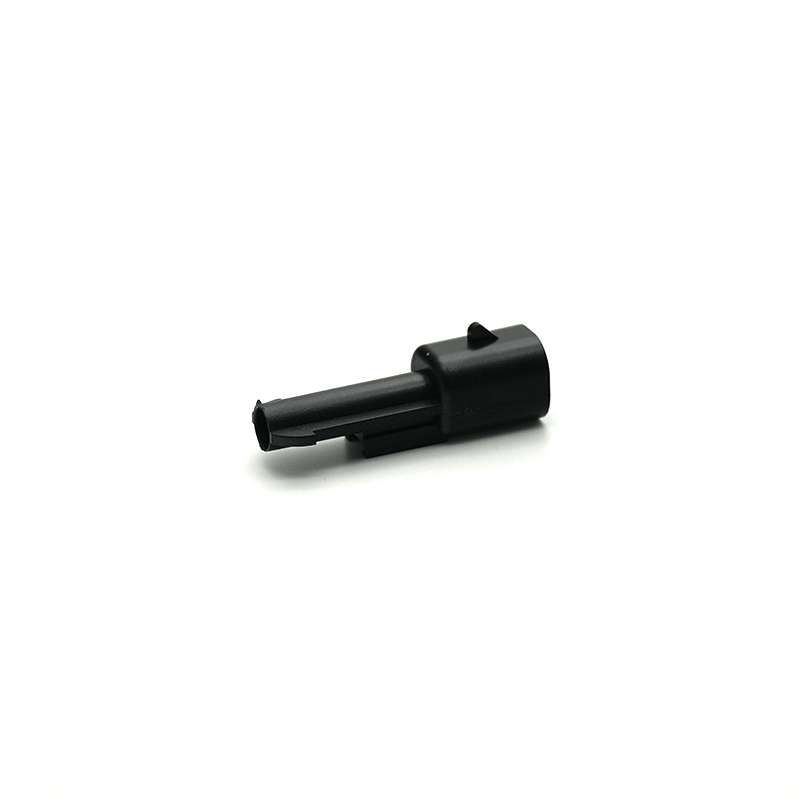
Product Overview: The Bost Black UV-Resistant ABS Outdoor Connector offers superior weather resistance and durability. Made from high-quality ABS plastic, this precision connector ensures reliable performance in harsh outdoor conditions, making it ideal for long-lasting, weatherproof installations.
Key features:
- UV-stabilized black ABS housing for enhanced sunlight resistance
- Engineered sealing geometry to maintain IP67/IP68 performance (verify specific SKU)
- Robust mechanical coupling and strain relief options for vibration-prone environments
- Corrosion-resistant contact plating and stainless hardware options
Application scenarios include shore power connections, deck electronics, lighting systems, sensor networks, and any outdoor electrical junctions where long-term weatherproofing and UV resistance are required.
References and Further Reading
For deeper technical background and standards guidance, consider these reputable sources:
- ABS polymer properties (Wikipedia)
- PlasticsEurope: ABS overview and applications
- ASTM D4329: Standard Practice for Fluorescent UV Exposure of Plastics
- IP Code (ingress protection) guidance
FAQs — Marine-Grade UV-Resistant Connectors
Q: How long will a black UV-resistant ABS connector last in coastal marine exposure?
A: Service life depends on exposure severity, UV index, and maintenance. Properly formulated and tested black UV-resistant ABS connectors commonly provide 5–15+ years of service in typical coastal conditions. Accelerated testing (ASTM D4329) and field trials give better project-specific estimates.
Q: Can I repaint or coat the ABS housing in the field to restore UV protection?
A: Recoating is possible but challenging. Coatings must adhere to ABS and be UV stable themselves. Surface preparation and selecting a compatible marine-grade coating are essential. In many cases, replacing degraded housings with new, factory-stabilized units is more reliable.
Q: Are black ABS connectors safe near sensitive electronics that require low electrostatic discharge (ESD)?
A: Standard black ABS with carbon black can be conductive or semi-conductive depending on formulation. For ESD-sensitive applications, specify ESD-safe or insulated connector variants; request surface resistivity data from the manufacturer.
Q: How do I verify the IP rating of a connector after installation?
A: Post-installation verification can include visual inspections, mock immersion tests (in controlled conditions), and electrical leakage/insulation tests. For critical installations, undertake a formal IP67/IP68 test on a representative, fully assembled unit per standard procedures before field deployment.
Q: What maintenance schedule do you recommend for outdoor connectors?
A: For most marine installations: initial inspection after commissioning, quarterly visual checks in high-exposure locations for the first year, and at least annual inspections thereafter. Increase frequency after storms or unusual environmental events.
If you have specific environmental parameters or project requirements, contact our team for a tailored recommendation and sample testing.
Contact & Product Inquiry: To learn more about the Bost Black UV-Resistant ABS Outdoor Connector or to request samples, technical datasheets, and test reports, please view the product page or contact our technical sales team for personalized support.
Tags
PEEK screw
PEEK screw
Corrosion-Resistant
Corrosion-Resistant
plastic spur gears
plastic spur gears
UHMWPE Material
UHMWPE Material
Durable chemical-resistant
Durable chemical-resistant
ABS material plastic cover
ABS material plastic cover
Recommended for you
What is insert molding ? | Ultimate Insight
Recycling and Sustainability of PEEK Overmolded Parts: Practical Strategies for Manufacturers
Engineering Plastics Material Selection for Injection Molding
How to Specify Oil-Resistant Rubber Seal Materials for Procurement
Prdoucts Categories
Question you may concern
FAQs
What is the delivery lead time? Do you offer global logistics?
Standard products: 5–15 working days; custom modifications: 2–4 weeks. We support global air/sea freight and provide export customs clearance documents (including REACH/UL certifications).
Can Bost customize modified plastics with special properties?
Yes! We offer modification services such as reinforcement, flame retardancy, conductivity, wear resistance, and UV resistance, for example:
• Adding carbon fiber to enhance stiffness
• Reducing the coefficient of friction through PTFE modification
• Customizing food-grade or medical-grade certified materials
How do I select the appropriate engineering plastic grade for my product?
Selection should be based on parameters such as load conditions (e.g., pressure/friction), temperature range, medium contact (e.g., oil/acid), and regulatory requirements (e.g., FDA/RoHS). Our engineers can provide free material selection consulting and sample testing.
What are the core advantages of Bost engineering plastics compared to ordinary plastics?
Bost engineering plastics feature ultra-high mechanical strength, high-temperature resistance (-50°C to 300°C), chemical corrosion resistance, and wear resistance. Compared to ordinary plastics, their service life is extended by 3 to 8 times, making them suitable for replacing metals in harsh environments.
What is the minimum order quantity (MOQ)? Do you support small-batch trial production?
The MOQ for standard products is ≥100kg. We support small-batch trial production (as low as 20kg) and provide mold testing reports and performance data feedback.
You may also like
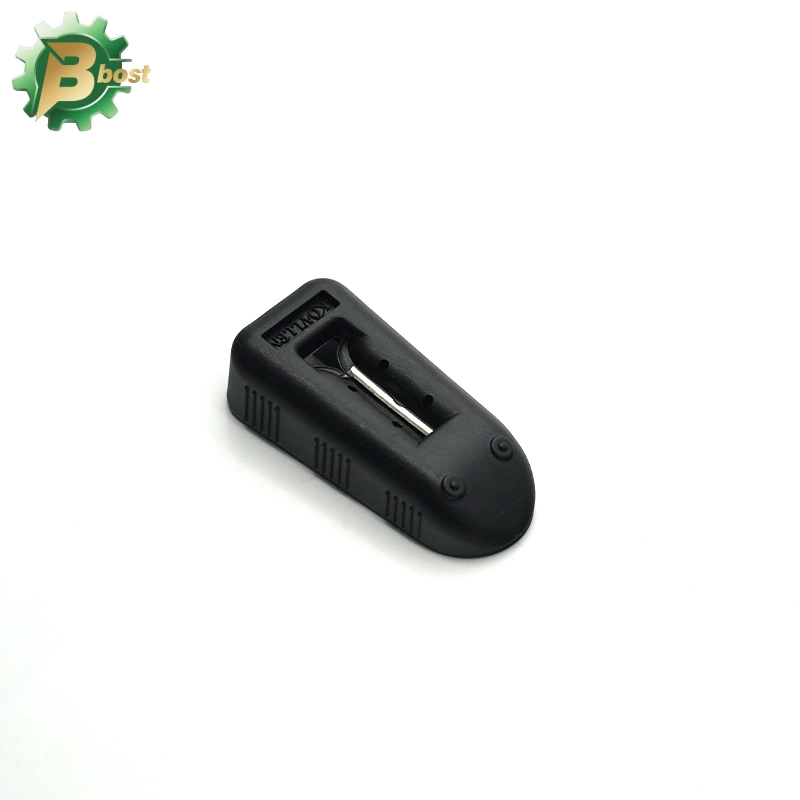
The plastic plug manufactured by Insert molding with stainless steel plate
Bost’s Insert-Molded Stainless Steel Plate Plastic Plug offers superior durability and corrosion resistance. This stainless steel insert durable plastic plug ensures a secure fit and long-lasting performance, ideal for industrial and commercial applications. Robust design meets quality standards.
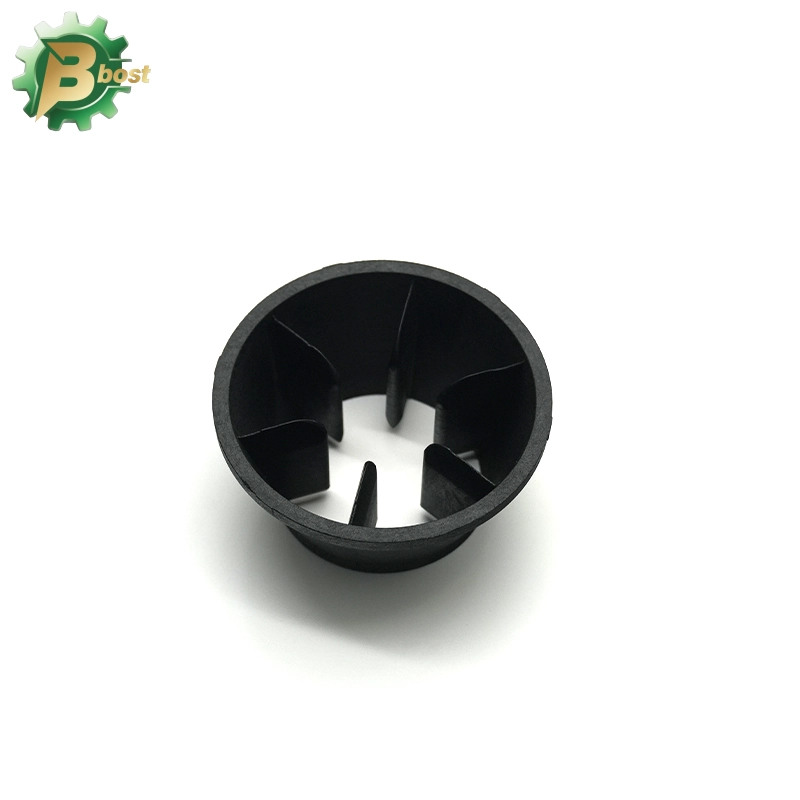
The Bost custom PPO flow valve by injection molding
The BOST Custom PPO Injection-Molded Flow Valve delivers high-temp and corrosion-resistant performance for industrial flow control. Precision-engineered by Bost, this custom PPO valve ensures durable, reliable operation in demanding environments. Optimize your process with BOST’s advanced injection-molded solution.
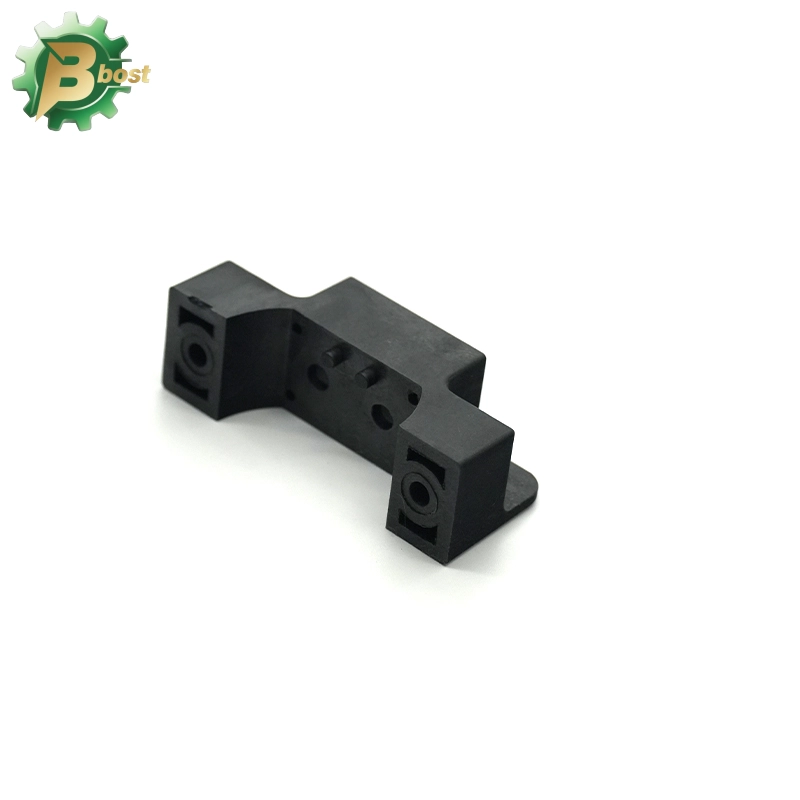
The Bost custom plastic handle by injection molding with high performance PPS material
BOST Custom PPS Injection-Molded Wear-Resistant Handle delivers superior durability and high performance. Made from High Quality PPS material, this injection-molded handle ensures exceptional wear resistance, ideal for demanding applications and long-lasting use. Choose BOST for quality and reliability.
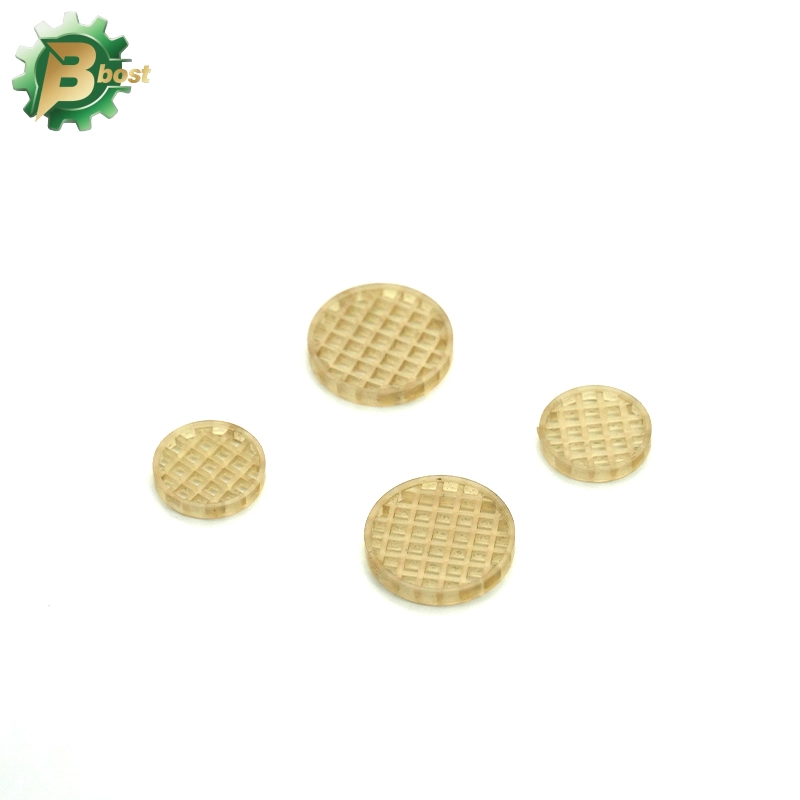
The Bost custom flow meter by injection molding with PES plastic
The Bost Custom PES Injection-Molded Flow Meter offers high-temperature and corrosion resistance, ideal for industrial use. Made with durable PES plastic via precision injection molding, this flow meter ensures reliable, customized performance for demanding applications. Trust Bost for quality and innovation.
Get in touch with Bost
Have any questions or concerns about our products? Please leave us a message here, and our team will get back to you promptly.

24 hours quotes delivered
Submit CAD files, get quote in 24 hours

No MOQ required
From prototyping to high-volume

±0.02 mm Precision
Advanced CNC with full inspections

1,000+ tons in stock
26 materials ready to ship
© 2026 BOST. All Rights Reserved.