
 Scan QR Code
Send My Request
How to Specify Oil-Resistant Rubber Seal Materials for Procurement
Tuesday, 01/6/2026
A practical, procurement-focused guide to specifying oil-resistant rubber seal materials, with emphasis on NBR (Buna) seals. Covers application assessment, key material properties, test methods, specification clauses, acceptance criteria, comparison with other elastomers, and vendor evaluation. Includes a procurement checklist, table comparisons, FAQ and product CTA for Bost Oil Resistance NBR Buna-Rubber Seal Ring.
- How to Specify Oil-Resistant Rubber Seal Materials for Procurement
- Understand the application and for rubber seal procurement
- Why choose Oil resistance NBR Buna-rubber seal ring for oil applications
- Key material properties to specify for rubber seal procurement
- Specify the test methods and acceptance criteria for rubber seals
- How to choose hardness and compound formulation for oil-resistant rubber seal ring
- Comparing common elastomers for oil resistance (quick procurement table)
- Design and installation considerations to include in the specification
- Procurement clauses: certifications, traceability and batch testing
- Sampling, acceptance testing and on-site verification
- Cost vs performance: how procurement balances price and reliability for rubber seals
- Why Bost Oil Resistance NBR Buna-Rubber Seal Ring meets procurement needs
- Practical procurement checklist for oil-resistant rubber seal materials
- FAQ — Frequently Asked Questions about oil-resistant rubber seal procurement
- Q: What temperature range can I expect from standard NBR oil seals?
- Q: How do I specify acceptable oil swell?
- Q: Is hardness 70A always the right choice?
- Q: What documentation should suppliers provide?
- Q: How should seals be stored and handled?
- Contact and product CTA
- Authoritative references and further reading
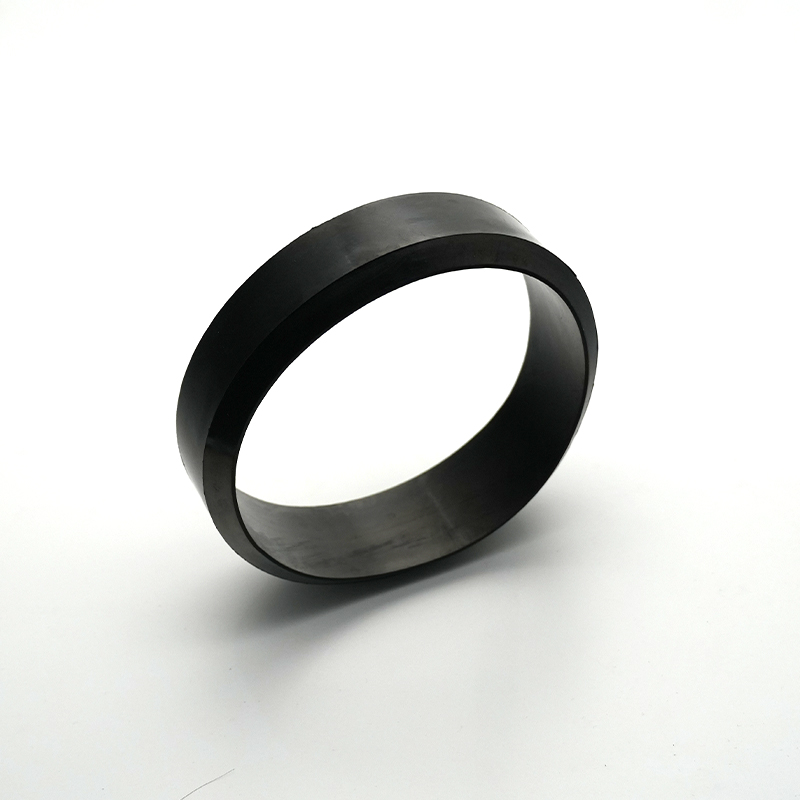
How to Specify Oil-Resistant Rubber Seal Materials for Procurement
Understand the application and for rubber seal procurement
Before writing any technical purchase specification for a rubber seal, capture the full application context. Procurement teams should record the operating fluid(s), peak and continuous temperatures, pressure ranges, motion type (static, dynamic, reciprocating, rotary), shaft speed, expected service life, chemical exposure (acids, bases, solvents), contamination (dust, particulates), and acceptable leakage rates. This and application briefing ensures you select the right elastomer class and set meaningful test and acceptance criteria for the rubber seal.
Why choose Oil resistance NBR Buna-rubber seal ring for oil applications
Oil resistance NBR (nitrile butadiene rubber, also called Buna-N) combines strong resistance to petroleum oils, fuels and hydraulic fluids with good mechanical properties and cost-effectiveness. Typical benefits of choosing an Oil resistance NBR Buna-rubber seal ring include reliable swelling resistance in mineral oils, reasonable compression set performance, and a practical operating temperature range for many industrial systems. For procurement, specifying an NBR compound focused on oil resistance gives a clear, commonly accepted baseline compared with generic 'rubber seal' requests.
Key material properties to specify for rubber seal procurement
When you write the technical specification for an oil-resistant rubber seal, include measurable material parameters so suppliers can respond with certified data. Important properties to specify:
- Elastomer type: Nitrile rubber (NBR / Buna-N), specify ACN content range if relevant.
- Hardness (Shore A): typical range 60–90A, with 70A widely used for general-purpose oil seals.
- Temperature range (continuous / peak): e.g., -30°C to +100°C (typical for standard NBR compounds).
- Compression set: specify test method and maximum, e.g., ASTM D395, 22 h @ 70°C, <25%.
- Oil swell (ASTM D471): percent volume change after 70 h immersion in specified fluid(s), acceptance typically <25% depending on application.
- Tensile strength and elongation at break: e.g., >10 MPa tensile, elongation >200% (typical targets).
- Hardness tolerance: e.g., ±5 Shore A.
- Dimensional tolerances and surface finish for the seal cross-section (ISO 3601 guidance for O-rings where applicable).
- Traceability: batch IDs, compound formulation reference, and material certificates (COA).
Specify the test methods and acceptance criteria for rubber seals
Reference standardized test methods so supplier claims are verifiable. Typical clauses to include:
- Hardness: ASTM D2240 (Shore A), tolerance ±5A.
- Compression set: ASTM D395, specify temperature/time and maximum acceptable %.
- Oil swell: ASTM D471, list the specific fluid (e.g., ISO VG 32 hydraulic oil or SAE 30 engine oil), exposure time and temperature, and maximum percent swell.
- Tensile / elongation: ASTM D412, report tensile strength and elongation at break.
- Aging: ASTM D573 (heat aging) or equivalent to show retention of properties after exposure.
- Dimensional checks: use callouts to ISO 3601 (O-ring tolerances) or your drawing tolerances for custom rings.
Include a clause requiring supplier-supplied test reports (COA) with each batch and permission for buyer witness testing or third-party lab verification if needed.
How to choose hardness and compound formulation for oil-resistant rubber seal ring
Hardness selection is a trade-off: softer compounds (60–70A) give better low-temperature sealing and conformability but lower extrusion resistance; harder compounds (80–90A) resist extrusion better in high-pressure dynamic applications. For many industrial oil-sealing tasks, a 70A NBR compound is a common compromise. Also specify acrylonitrile (ACN) content if low-temperature flexibility or higher oil resistance is important—ACN content typically varies from 18% to 50% by weight; higher ACN improves fuel and oil resistance but reduces low-temp elasticity. If you require low-temperature performance, specify a lower ACN or a specially formulated low-temperature NBR.
Comparing common elastomers for oil resistance (quick procurement table)
| Elastomer | Typical Temp Range | Oil Resistance | Typical Cost | Best use |
|---|---|---|---|---|
| NBR (Buna-N) | -30°C to +100°C | Good to excellent vs. petroleum oils and hydraulic fluids | Low | General oil seals, O-rings, hydraulic seals |
| HNBR | -30°C to +150°C | Excellent, better heat/ozone resistance than NBR | Medium | High-temp hydraulic applications |
| FKM (Viton) | -20°C to +200°C | Outstanding vs. oils, fuels, high temp | High | High-temp, aggressive fluids |
| EPDM | -50°C to +150°C | Poor vs. petroleum oils; good vs. steam, glycol | Low | Water/glycol, brake fluids (not petroleum oils) |
| Silicone | -60°C to +200°C | Poor vs. hydrocarbon oils | Medium | Extreme temp but not oil-exposed dynamic seals |
Design and installation considerations to include in the specification
Procurement specs should not only ask for material data but also reference correct seal design and installation practices. Include or reference:
- Recommended gland dimensions and tolerances (ISO 3601 or manufacturer guidance).
- Surface finish and hardness of mating shafts/bores to avoid premature wear.
- Installation tools and procedures to avoid nicks/cuts (no sharp edges, use installation cones).
- Lubrication or initial conditioning recommendations to minimize dry running.
- Storage requirements (cool, dark, away from ozone sources) and shelf life.
Procurement clauses: certifications, traceability and batch testing
Include these contractual items to protect performance and ensure consistency:
- Material certificate of analysis (COA) for each batch including hardness, tensile, elongation, compression set, and oil swell test results.
- Manufacturing traceability: batch/lot number linking seals to compound production records.
- Compliance: specify REACH/RoHS if relevant for your market.
- Quality Management: supplier to maintain ISO 9001 certification (or equivalent) and allow annual audits.
- Warranty and service-life expectations: define replacement intervals or minimum service life where applicable.
Sampling, acceptance testing and on-site verification
Request initial sample lots for pre-qualification testing. Typical acceptance steps:
- Supplier provides sample seals and COA.
- Buyer or third-party lab performs critical tests (hardness, tensile, oil swell, compression set) and functional bench tests in the actual fluid and temperature conditions.
- Field trial on 1–3 units in representative equipment and monitored for leakage and wear over a predetermined period.
- Full production release only after passing lab and field acceptance criteria.
Cost vs performance: how procurement balances price and reliability for rubber seals
Because seals are safety- and downtime-critical components, lowest price is rarely the best decision. Specify minimum technical performance and require suppliers to quote alternatives with performance/cost tradeoffs (e.g., High Quality HNBR or FKM alternatives). Include total cost-of-ownership considerations such as expected lifetime, downtime costs for replacement, and service intervals.
Why Bost Oil Resistance NBR Buna-Rubber Seal Ring meets procurement needs
Bost Oil Resistance NBR Buna-Rubber Seal Ring offers superior oil-resistant NBR sealing, ensuring reliable, leak-proof performance in demanding environments. The product is engineered for industrial use with consistent hardness control, traceable batch testing, and proven resistance to mineral oils and common hydraulic fluids. For procurement teams, Bost supplies material certificates, dimensional control to ISO guidance, and options for custom cross-sections or sizes. Selecting Bost seals simplifies acceptance testing and reduces field failures by matching common industrial oil resistance requirements.
Practical procurement checklist for oil-resistant rubber seal materials
Use this checklist when preparing your RFQ or purchase order:
- Application data sheet completed (fluids, temp, pressure, motion).
- Elastomer specified (NBR) and compound notes (ACN range if needed).
- Hardness and tolerance specified (e.g., 70 ±5A Shore).
- Test methods & acceptance criteria listed (ASTM D2240, D395, D471, D412).
- Dimensional tolerances or reference to ISO 3601.
- Supplier COA, batch traceability, and QMS requirement (ISO 9001).
- Sampling and field trial plan.
- Storage/packaging and shelf-life conditions.
FAQ — Frequently Asked Questions about oil-resistant rubber seal procurement
Q: What temperature range can I expect from standard NBR oil seals?
A: Typical standard NBR compounds operate reliably from about -30°C to +100°C. If your application exceeds those limits, consider HNBR or FKM (Viton).
Q: How do I specify acceptable oil swell?
A: Specify the test fluid and procedure (ASTM D471) and a maximum percent swell (commonly <25% volume change for many sealing applications). Exact limits depend on seal geometry and function—consult your engineer.
Q: Is hardness 70A always the right choice?
A: 70A is a common compromise for many oil seals. Select softer (60–70A) for low-temperature flexibility and better conformity; select harder (80–90A) for better extrusion resistance in high-pressure dynamic seals.
Q: What documentation should suppliers provide?
A: Provide COA with measured values (hardness, tensile, elongation, compression set, oil swell), batch numbers, and evidence of traceability and quality management (e.g., ISO 9001).
Q: How should seals be stored and handled?
A: Store in cool, dark, dry places away from ozone sources and direct sunlight. Avoid stacking heavy items on seal boxes. Use within manufacturer-specified shelf life—typically 3–5 years depending on compound.
Contact and product CTA
Clear specifications must be supported by verification, which is why buyers should insist on documented quality tests B2B buyers need for NBR Buna-rubber seal rings before approving production batches.If you are specifying oil-resistant seals for a new design or procurement run, request samples or a technical datasheet for the Bost Oil Resistance NBR Buna-Rubber Seal Ring. Contact Bost sales at sales@bost.com or request a quotation via our product inquiry form. For urgent technical support, request an application review and material selection consultation.
Authoritative references and further reading
- Wikipedia — Nitrile rubber (NBR): https://en.wikipedia.org/wiki/Nitrile_butadiene_rubber
- ISO 3601 — Fluid power — O-rings (overview): https://www.iso.org/standard/36278.
- ASTM International (test methods overview): https://www.astm.org/Standards
- Technical guidance on seal selection (SKF seals): https://www.skf.com/gb/products/seals
- Material comparison guidance (MatWeb / material data): https://www.matweb.com
References above offer general background and standard method listings; procurement teams should obtain specific standards (ISO/ASTM) or manufacturer technical manuals for definitive test procedures and dimensional guidance.
Tags
insert molding
insert molding
Industrial hydraulic NBR seal
Industrial hydraulic NBR seal
Impact-resistant ABS plastic cover
Impact-resistant ABS plastic cover
stable mechanical property
stable mechanical property
Corrosion-Resistant Adaptive Molding
Corrosion-Resistant Adaptive Molding
custom plastic spur gears
custom plastic spur gears
Recommended for you
Impact Resistance: Choosing the Right Plastic Connector
Selecting Engineered Plastic Components for High-Volume Production
Top 10 custom engineering plastics Manufacturers and Supplier Brands
How to Test and Measure Wear on PE Plastic Bushes
Prdoucts Categories
Question you may concern
FAQs
What is the minimum order quantity (MOQ)? Do you support small-batch trial production?
The MOQ for standard products is ≥100kg. We support small-batch trial production (as low as 20kg) and provide mold testing reports and performance data feedback.
How do I select the appropriate engineering plastic grade for my product?
Selection should be based on parameters such as load conditions (e.g., pressure/friction), temperature range, medium contact (e.g., oil/acid), and regulatory requirements (e.g., FDA/RoHS). Our engineers can provide free material selection consulting and sample testing.
Can Bost customize modified plastics with special properties?
Yes! We offer modification services such as reinforcement, flame retardancy, conductivity, wear resistance, and UV resistance, for example:
• Adding carbon fiber to enhance stiffness
• Reducing the coefficient of friction through PTFE modification
• Customizing food-grade or medical-grade certified materials
What are the core advantages of Bost engineering plastics compared to ordinary plastics?
Bost engineering plastics feature ultra-high mechanical strength, high-temperature resistance (-50°C to 300°C), chemical corrosion resistance, and wear resistance. Compared to ordinary plastics, their service life is extended by 3 to 8 times, making them suitable for replacing metals in harsh environments.
What is the delivery lead time? Do you offer global logistics?
Standard products: 5–15 working days; custom modifications: 2–4 weeks. We support global air/sea freight and provide export customs clearance documents (including REACH/UL certifications).
You may also like
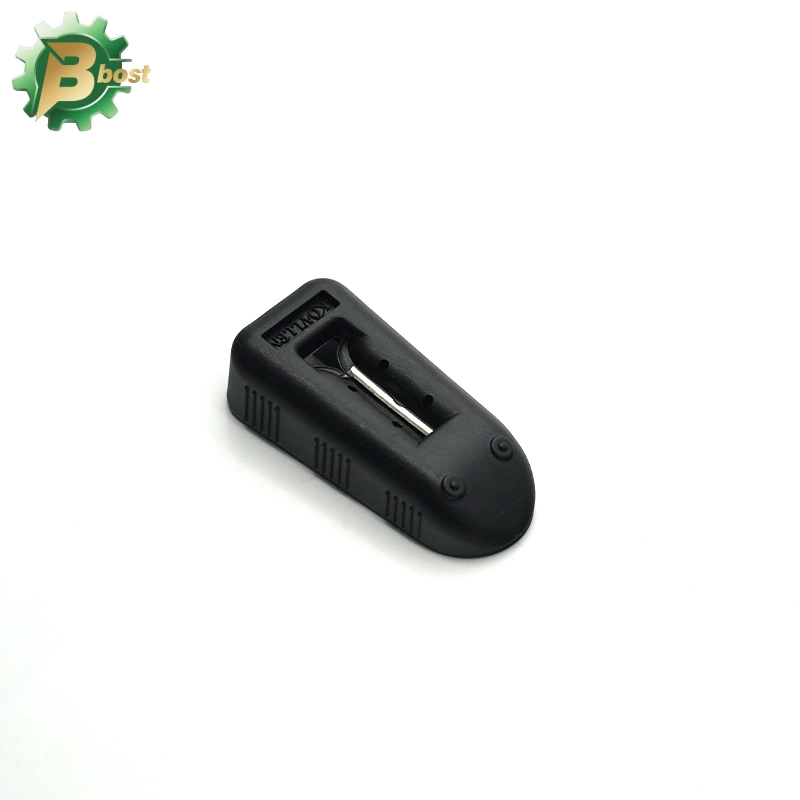
The plastic plug manufactured by Insert molding with stainless steel plate
Bost’s Insert-Molded Stainless Steel Plate Plastic Plug offers superior durability and corrosion resistance. This stainless steel insert durable plastic plug ensures a secure fit and long-lasting performance, ideal for industrial and commercial applications. Robust design meets quality standards.
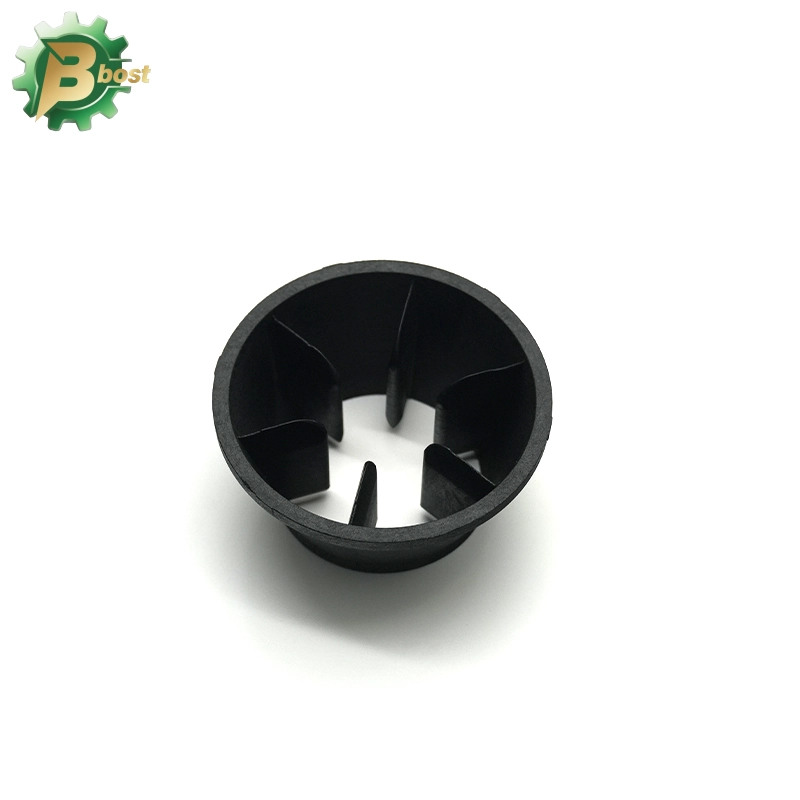
The Bost custom PPO flow valve by injection molding
The BOST Custom PPO Injection-Molded Flow Valve delivers high-temp and corrosion-resistant performance for industrial flow control. Precision-engineered by Bost, this custom PPO valve ensures durable, reliable operation in demanding environments. Optimize your process with BOST’s advanced injection-molded solution.
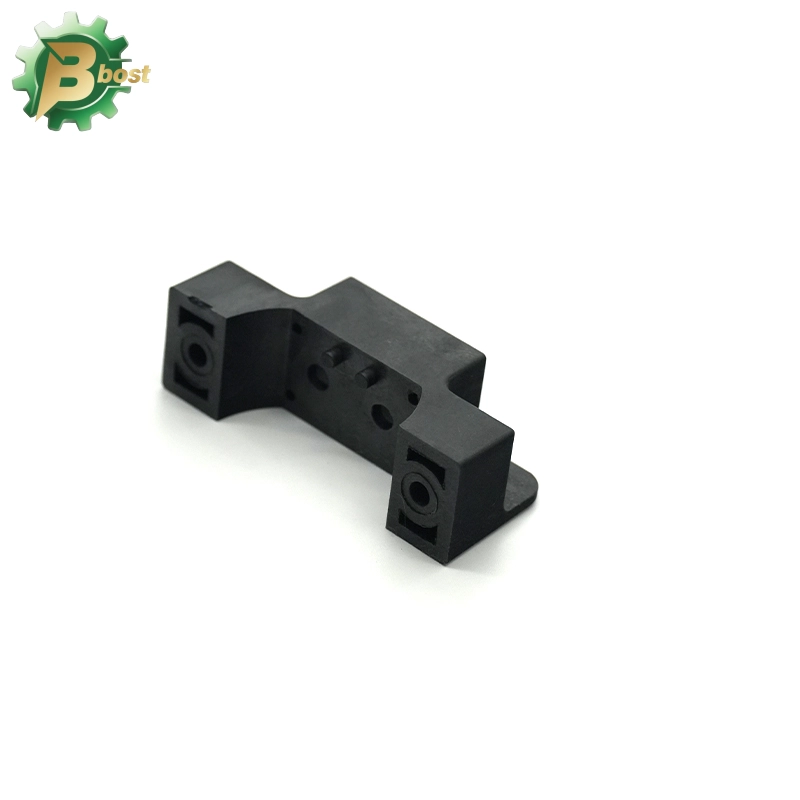
The Bost custom plastic handle by injection molding with high performance PPS material
BOST Custom PPS Injection-Molded Wear-Resistant Handle delivers superior durability and high performance. Made from High Quality PPS material, this injection-molded handle ensures exceptional wear resistance, ideal for demanding applications and long-lasting use. Choose BOST for quality and reliability.
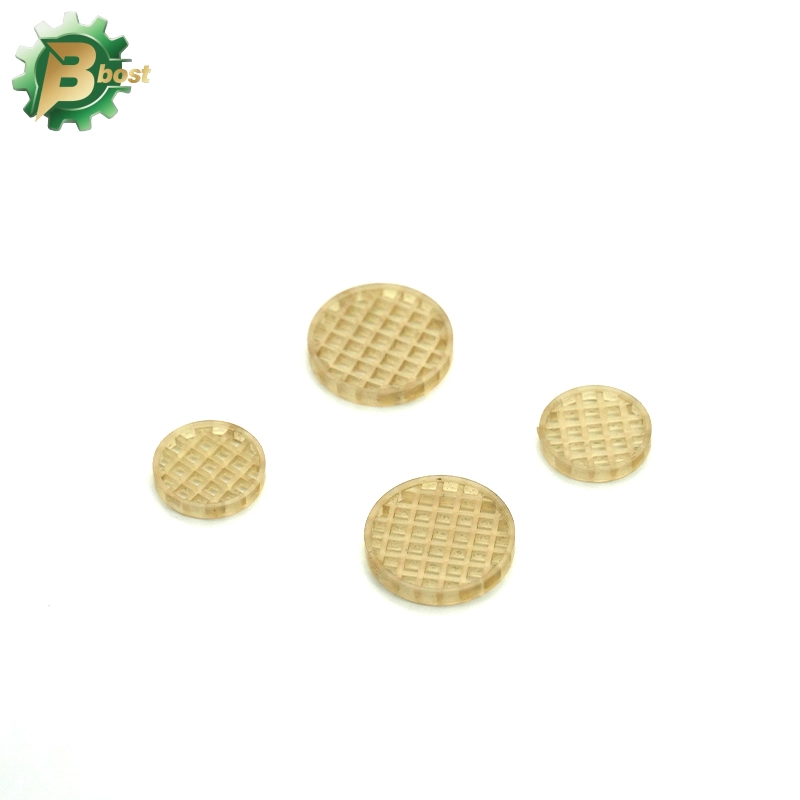
The Bost custom flow meter by injection molding with PES plastic
The Bost Custom PES Injection-Molded Flow Meter offers high-temperature and corrosion resistance, ideal for industrial use. Made with durable PES plastic via precision injection molding, this flow meter ensures reliable, customized performance for demanding applications. Trust Bost for quality and innovation.
Get in touch with Bost
Have any questions or concerns about our products? Please leave us a message here, and our team will get back to you promptly.

24 hours quotes delivered
Submit CAD files, get quote in 24 hours

No MOQ required
From prototyping to high-volume

±0.02 mm Precision
Advanced CNC with full inspections

1,000+ tons in stock
26 materials ready to ship
© 2026 BOST. All Rights Reserved.