
 Scan QR Code
Send My Request
Procurement checklist for engineered plastic components
Friday, 03/20/2026
A practical procurement checklist for engineered plastic components, covering material selection, specifications, manufacturing methods, quality assurance, supplier qualification and lifecycle cost analysis. Includes recommendations for high-temp valves such as The BOST Custom PPO Injection-Molded Flow Valve.
- Key considerations before purchasing engineered plastic components
- Clarify functional requirements and operating environment
- Define regulatory, safety and lifecycle constraints
- Map performance margins vs. cost targets
- Material selection and specification details
- Choosing the right polymer and grade
- Mechanical and thermal property requirements
- Chemical compatibility and corrosion resistance
- Manufacturing methods, tolerances and supplier capability
- Preferred manufacturing processes and implications
- Tolerancing, tooling and validation runs
- Supplier audits, traceability and change control
- Testing, acceptance criteria and lifecycle cost analysis
- Essential tests and acceptance milestones
- Accelerated aging and field validation
- Comparative lifecycle cost table
- Procurement checklist — actionable items
- Pre-award checklist
- Contract and QA requirements
- Post-award and in-service monitoring
- Case example: Specifying The BOST Custom PPO Injection-Molded Flow Valve
- Why choose a PPO injection-molded solution
- Specification checklist for the BOST valve
- Performance validation and warranty
- References and standards
- FAQ
- Q: What makes engineered plastic components different from commodity plastics?
- Q: How do I verify a supplier's claim about material performance?
- Q: When should I choose PPO for a valve application?
- Q: What acceptance tests are critical for injection-molded flow valves?
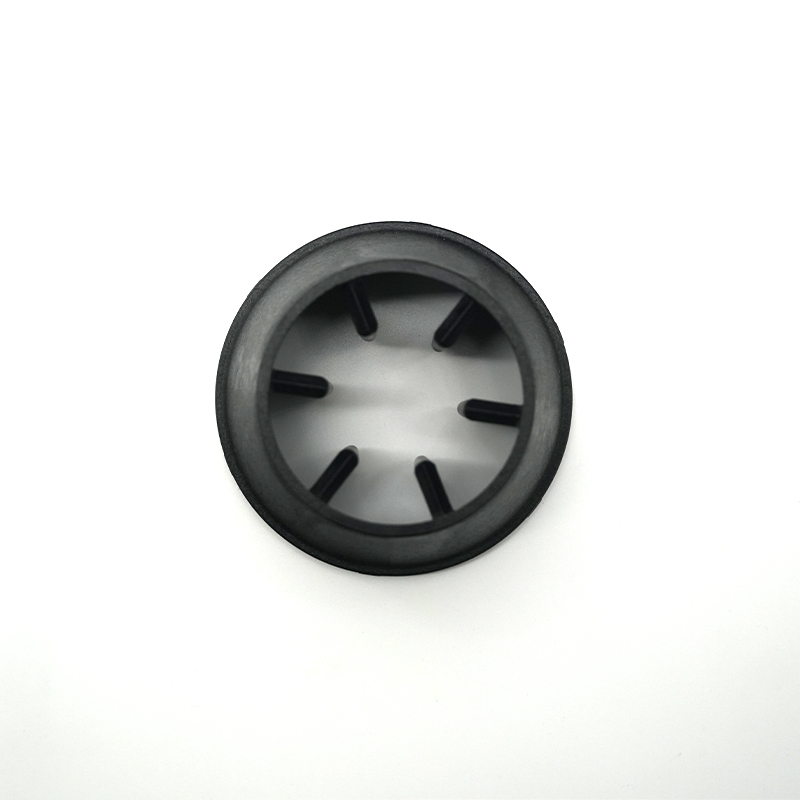
The right procurement process for engineered plastic components combines material science, manufacturing know-how, supplier qualification and lifecycle thinking. This guide gives a concise, actionable checklist to help engineers, purchasers and procurement managers source reliable, high-performance parts—especially where high-temperature, corrosion-resistant solutions like The BOST Custom PPO Injection-Molded Flow Valve are required. It highlights technical criteria, testing standards, supplier capabilities, and cost-to-performance trade-offs to accelerate decision-making and reduce field failures.
Key considerations before purchasing engineered plastic components
Clarify functional requirements and operating environment
Start with a clear specification of operating conditions: maximum continuous and intermittent temperatures, exposure to chemicals (acids, bases, solvents), pressure, wear or abrasion, UV exposure, and any dimensional tolerances. Engineered plastic components behave very differently under heat and chemical exposure—materials that work in ambient conditions can fail in steam or aggressive solvents. For flow-control parts, like valves and fittings, also specify flow rates, cycle frequency and seal interfaces.
Define regulatory, safety and lifecycle constraints
Identify regulatory requirements (e.g., food contact, potable water, medical, or process industry standards), end-of-life expectations (recyclability or disposal), and safety factors. Certifications and compliance claims should be verifiable with test reports or material declarations. Supplier quality systems certified to standards such as ISO 9001 provide an added layer of assurance for repeatable production and traceability.
Map performance margins vs. cost targets
Set realistic safety margins for temperature, pressure and chemical resistance. When procuring engineered plastic components, balance upfront part cost against maintenance, downtime risk and lifespan. For demanding applications where downtime is costly, choosing High Quality high-temp materials (e.g., PPO, PEEK or PPS) often reduces total cost of ownership despite higher unit prices.
Material selection and specification details
Choosing the right polymer and grade
Material selection should be driven by the operating envelope. Polyphenylene oxide (PPO) blends are widely used for their high-temperature performance and good chemical resistance. The BOST Custom PPO Injection-Molded Flow Valve offers high-temp and corrosion-resistant performance suitable for many industrial flow-control applications. For extreme temperatures or aggressive chemical exposure, compare PPO against alternatives (PEEK, PPS, high-grade nylons) using published datasheets and independent references such as material databases and industry literature (see references below).
Mechanical and thermal property requirements
Specify tensile strength, flexural modulus, Izod impact, HDT (heat deflection temperature) and continuous-use temperature. For dynamic components, include fatigue life expectations. Materials with similar nominal properties can show different performance after molding because of crystallinity, additives and fiber reinforcement—request manufacturer test data on molded parts, not just raw polymer datasheets.
Chemical compatibility and corrosion resistance
Request chemical compatibility charts for candidate materials and ask for molded-part soak tests if the service environment is aggressive. Corrosion resistance is often a function of polymer type and additives; PPO compounds tailored for corrosion resistance are common in valves used in chemical process and high-temperature water applications.
Manufacturing methods, tolerances and supplier capability
Preferred manufacturing processes and implications
Injection molding is the dominant production method for complex engineered plastic components with tight tolerances and repeatable geometry. The BOST custom PPO flow valve by injection molding benefits from precise cavity design, consistent wall thickness and controlled cooling to minimize warpage and ensure dimensional stability. For low-volume or complex-cavity parts, consider whether insert molding, overmolding or post-machining will be required.
Tolerancing, tooling and validation runs
Define dimensional tolerances, surface finish and assembly interfaces upfront. Ask suppliers for first-article inspection (FAI), sample runs and CMM reports for critical dimensions. Tooling design and validation runs (pilot lots) reveal issues with gating, sink, weld lines and sink marks that affect component performance. Ensure the supplier provides documented molding parameters and production capability statements.
Supplier audits, traceability and change control
Evaluate supplier quality systems, historical performance on engineered plastic components, and ability to maintain material traceability (lot numbers, certificates of conformance). A robust change-control process for material substitute, process changes or tooling modifications is essential to avoid unexpected performance shifts. Suppliers with experience in high-temperature injection-molded PPO parts often maintain strict molding records and process controls.
Testing, acceptance criteria and lifecycle cost analysis
Essential tests and acceptance milestones
Require mechanical testing (tension, flex, impact), dimensional inspection, thermal cycling, hydrostatic or pressure testing for valves, and chemical soak/compatibility tests as applicable. For flow-control components, include flow coefficient (Cv), leak testing and seat integrity checks. Acceptance should be tied to documented test results and sample approvals prior to full production.
Accelerated aging and field validation
Simulate long-term exposure using accelerated aging tests (e.g., elevated temperature and humidity) to identify potential creep, embrittlement or chemical degradation. If possible, conduct limited field trials or pilot installations to validate performance under real operating conditions—this is particularly important for mission-critical engineered plastic components installed in production processes.
Comparative lifecycle cost table
Use a simple comparative table to evaluate candidate materials and designs across key lifecycle metrics. Below is an illustrative comparison for typical high-performance polymers used in valves and fittings.
| Property | PPO (engineered grade) | PEEK | Glass-filled Nylon |
|---|---|---|---|
| Continuous-use temp | ~120–140°C | ~250–260°C | ~100–120°C |
| Chemical resistance | Good (acids/bases) | Excellent | Variable; hygroscopic |
| Cost (relative) | Medium | High | Low–Medium |
| Typical application | Valves, housings, electrical components | High-temp seals, aerospace parts | Structural components |
Note: values are representative; consult material datasheets and supplier test data for design decisions.
Procurement checklist — actionable items
Pre-award checklist
- Define part function, operating envelope and critical dimensions.
- Specify material, grade and required certificates (RoHS, REACH, FDA, etc.).
- Require supplier to provide molding process parameters, FAI and production samples.
- Confirm supplier quality management (ISO 9001) and request references for similar engineered plastic components.
Contract and QA requirements
- Include acceptance testing protocols, sampling plans and warranty terms in the purchase order.
- Define change-control procedures and notification windows for tooling or material substitutions.
- Require traceability for resin lots and certificate of conformance for each production batch.
Post-award and in-service monitoring
- Implement incoming inspection for critical dimensions and mechanical properties.
- Monitor field performance and collect failure data to refine specifications.
- Plan periodic audits and requalification if manufacturing location or material sources change.
Case example: Specifying The BOST Custom PPO Injection-Molded Flow Valve
Why choose a PPO injection-molded solution
The BOST Custom PPO Injection-Molded Flow Valve delivers high-temp and corrosion-resistant performance for industrial flow control. Precision-engineered by Bost, this custom PPO valve ensures durable, reliable operation in demanding environments. PPO offers a strong balance of thermal stability, dimensional stability and chemical resistance—making it a common choice for engineered plastic components used in steam, hot water and many chemical process applications.
Specification checklist for the BOST valve
When procuring The BOST Custom PPO Injection-Molded Flow Valve, specify the following to reduce ambiguity:
- Exact PPO grade or equivalent properties (HDT, tensile strength, elongation).
- Maximum operating temperature and pressure rating.
- Chemical exposure list and required compatibility testing.
- Acceptance testing: pressure/leak test, Cv measurement, dimensional CMM report.
- Required certifications and traceability documents.
Performance validation and warranty
Request test reports on molded valve samples and a statement of warranty covering manufacturing defects and premature material failures. Consider a pilot order to validate integration into your assembly and to confirm long-term behavior under cyclic loads.
References and standards
For more in-depth background on engineering plastics and quality standards consult:
- Engineering plastic — Wikipedia (overview of common engineering thermoplastics and properties).
- ISO 9001 — Quality management systems (guidance on supplier quality systems and traceability).
- Society of Plastics Engineers (SPE) (industry resources, technical papers and best practices for molded components).
- ASTM International (standards for mechanical testing, material specifications and testing protocols).
FAQ
Q: What makes engineered plastic components different from commodity plastics?
A: Engineered plastic components use high-performance polymers or tailored compounds (with fillers, reinforcements, stabilizers) designed for controlled mechanical, thermal and chemical properties. They are specified and processed to meet stricter performance and durability requirements than commodity plastics.
Q: How do I verify a supplier's claim about material performance?
A: Require third-party or supplier-provided test reports on molded parts (not only raw resin datasheets), certificates of conformance, and reference installations. Supplier audits and pilot runs with FAI reports are recommended to validate claims.
Q: When should I choose PPO for a valve application?
A: Choose PPO for applications requiring good high-temperature performance (typical continuous-use up to ~120–140°C), dimensional stability and broad chemical resistance. If service temperatures or chemical attack exceed PPO capability, evaluate higher-performance polymers like PEEK or process-specific alloys.
Q: What acceptance tests are critical for injection-molded flow valves?
A: Pressure/leak testing, Cv or flow-rate verification, dimensional inspection of mating faces, seal integrity checks and any specified chemical soak tests are essential before accepting production lots.
If you have a specific application or need tailored assistance selecting engineered plastic components, contact our technical sales team to discuss your requirements or request samples. Learn more about The BOST Custom PPO Injection-Molded Flow Valve and request technical data or a quote: The BOST Custom PPO Injection-Molded Flow Valve — Product Page.
Contact us for procurement support, sample requests and custom engineering: sales@bost.com or call +1-800-BOST-SALES.
Tags
Easy-Molding Adaptation
Easy-Molding Adaptation
High-strength food-grade
High-strength food-grade
custom plastic spur gears
custom plastic spur gears
PEI plastic gasket
PEI plastic gasket
Chemical-resistant sealing
Chemical-resistant sealing
machined parts manufacturer
machined parts manufacturer
Recommended for you
top heat-resistant engineering plastics for 3D printing 2026
Design guide: tolerances for engineered plastic components
Engineering Plastic Cost: Price, Value and Lifecycle Analysis
Design Tips for PVC Parts in Injection Molding: Practical Guidelines from Bost
Prdoucts Categories
Question you may concern
FAQs
What is the delivery lead time? Do you offer global logistics?
Standard products: 5–15 working days; custom modifications: 2–4 weeks. We support global air/sea freight and provide export customs clearance documents (including REACH/UL certifications).
How do I select the appropriate engineering plastic grade for my product?
Selection should be based on parameters such as load conditions (e.g., pressure/friction), temperature range, medium contact (e.g., oil/acid), and regulatory requirements (e.g., FDA/RoHS). Our engineers can provide free material selection consulting and sample testing.
What are the core advantages of Bost engineering plastics compared to ordinary plastics?
Bost engineering plastics feature ultra-high mechanical strength, high-temperature resistance (-50°C to 300°C), chemical corrosion resistance, and wear resistance. Compared to ordinary plastics, their service life is extended by 3 to 8 times, making them suitable for replacing metals in harsh environments.
Can Bost customize modified plastics with special properties?
Yes! We offer modification services such as reinforcement, flame retardancy, conductivity, wear resistance, and UV resistance, for example:
• Adding carbon fiber to enhance stiffness
• Reducing the coefficient of friction through PTFE modification
• Customizing food-grade or medical-grade certified materials
What is the minimum order quantity (MOQ)? Do you support small-batch trial production?
The MOQ for standard products is ≥100kg. We support small-batch trial production (as low as 20kg) and provide mold testing reports and performance data feedback.
You may also like
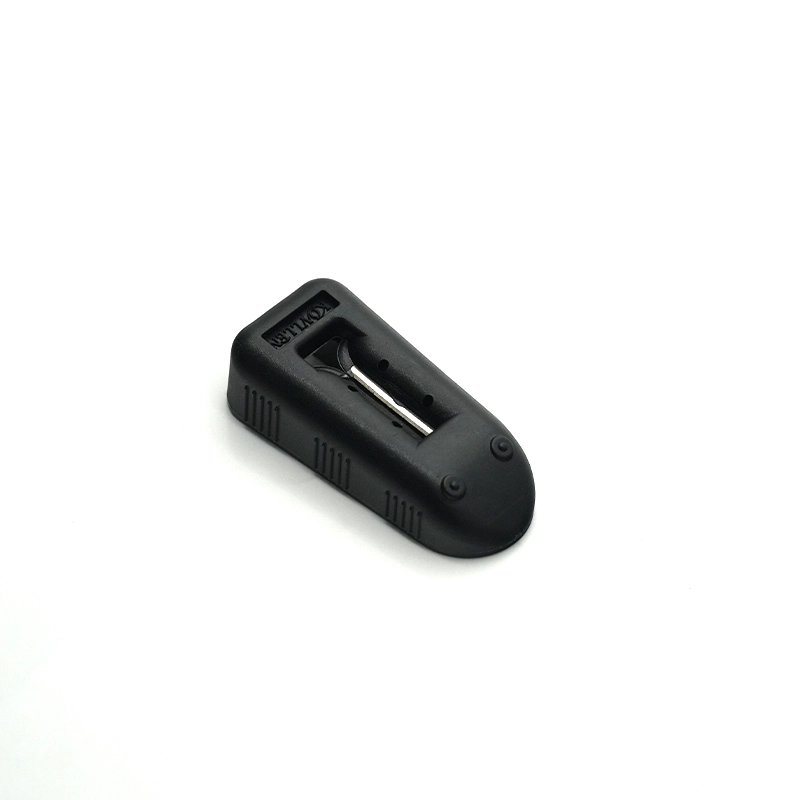
The plastic plug manufactured by Insert molding with stainless steel plate
Bost’s Insert-Molded Stainless Steel Plate Plastic Plug offers superior durability and corrosion resistance. This stainless steel insert durable plastic plug ensures a secure fit and long-lasting performance, ideal for industrial and commercial applications. Robust design meets quality standards.
The Bost custom PPO flow valve by injection molding
The BOST Custom PPO Injection-Molded Flow Valve delivers high-temp and corrosion-resistant performance for industrial flow control. Precision-engineered by Bost, this custom PPO valve ensures durable, reliable operation in demanding environments. Optimize your process with BOST’s advanced injection-molded solution.
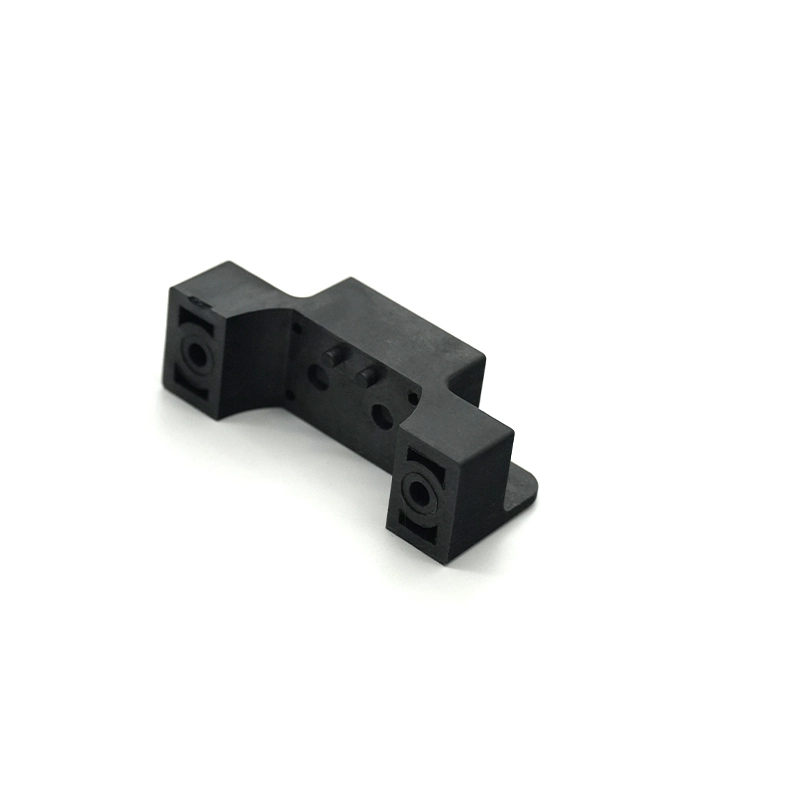
The Bost custom plastic handle by injection molding with high performance PPS material
BOST Custom PPS Injection-Molded Wear-Resistant Handle delivers superior durability and high performance. Made from High Quality PPS material, this injection-molded handle ensures exceptional wear resistance, ideal for demanding applications and long-lasting use. Choose BOST for quality and reliability.
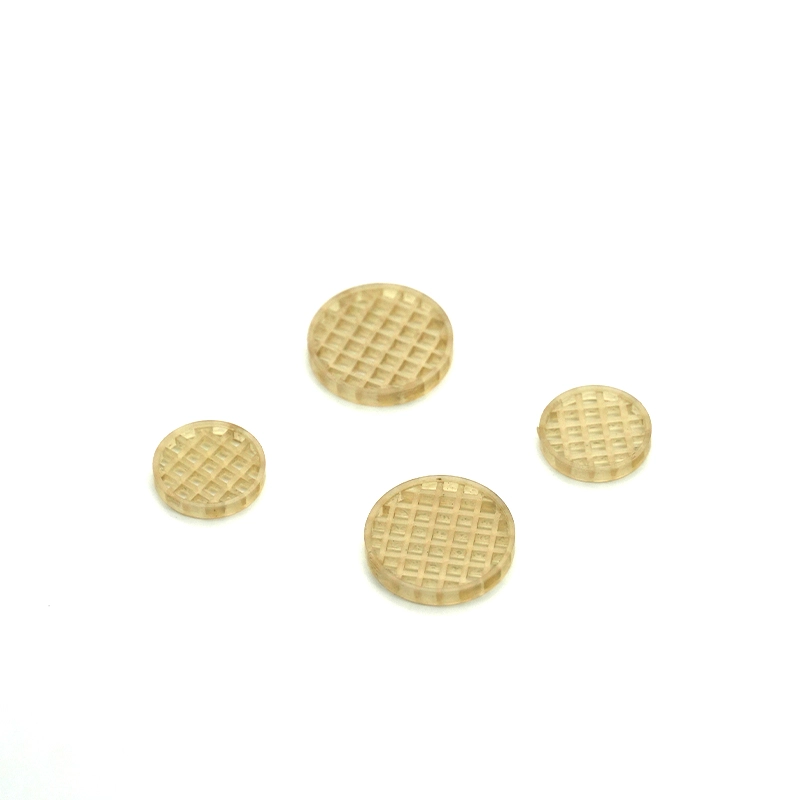
The Bost custom flow meter by injection molding with PES plastic
The Bost Custom PES Injection-Molded Flow Meter offers high-temperature and corrosion resistance, ideal for industrial use. Made with durable PES plastic via precision injection molding, this flow meter ensures reliable, customized performance for demanding applications. Trust Bost for quality and innovation.
Get in touch with Bost
Have any questions or concerns about our products? Please leave us a message here, and our team will get back to you promptly.

24 hours quotes delivered
Submit CAD files, get quote in 24 hours

No MOQ required
From prototyping to high-volume

±0.02 mm Precision
Advanced CNC with full inspections

1,000+ tons in stock
26 materials ready to ship
© 2026 BOST. All Rights Reserved.