
 Scan QR Code
Send My Request
Design guide: tolerances for engineered plastic components
Thursday, 03/19/2026
This guide explains how to set, specify, and control tolerances for engineered plastic components—covering material behavior, injection molding capabilities, inspection methods, and a real-world case study of The BOST Custom PPO Injection-Molded Flow Valve. Actionable tolerance tables, measurement strategies, and references to industry guidance help designers optimize performance and manufacturability.
- Why tolerances matter for plastic parts
- Thermo-mechanical behavior of engineering plastics
- Function-driven tolerance priorities
- Environmental and assembly influences
- Setting realistic tolerances for injection-molded engineered plastic components
- Design-for-manufacturing (DFM) rules for plastic tolerancing
- Tooling and process capability
- Recommended tolerance ranges by feature and size
- Case study: The BOST Custom PPO Injection-Molded Flow Valve
- Product overview and why tolerance strategy matters
- Material selection and dimensional considerations
- Tolerance allocation and verification strategy
- Inspection, measurement, and tolerance control in production
- Measurement methods for plastic dimensions
- Statistical process control (SPC) and acceptance criteria
- Cost vs. tolerance trade-offs
- Practical checklist for specifying tolerances on engineered plastic components
- Before CAD release
- During tooling and prototyping
- Production and quality control
- Quick comparison: Plastics vs. Metals – tolerance realities
- References and standards to guide tolerance decisions
- FAQ — Frequently Asked Questions
- Q1: What tolerance should I specify for a sealing surface on a plastic valve?
- Q2: Can engineered plastic components match metal tolerances?
- Q3: How does material selection (e.g., PPO) affect tolerance decisions?
- Q4: How do I verify tolerances during production?
- Q5: What are practical steps to reduce manufacturing variation?
- Q6: Where can I get help defining tolerances for my engineered plastic part?
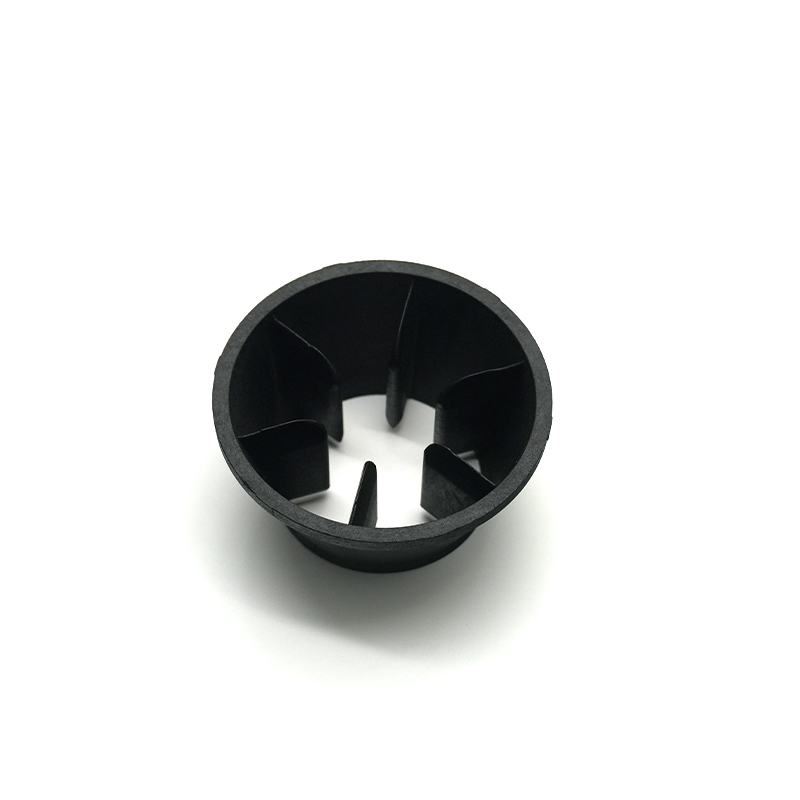
The performance of engineered plastic components in high-temperature, corrosive, or precision fluid-control applications depends as much on correct tolerance specification as on material selection or mold quality. This design guide distills industry best practices that improve first-pass yields and long-term reliability for injection-molded parts—especially critical components like The BOST Custom PPO Injection-Molded Flow Valve—by aligning geometric tolerance decisions with polymer behavior, processing limits, and verification methods.
Why tolerances matter for plastic parts
Thermo-mechanical behavior of engineering plastics
Engineered plastic components (such as PPO, PEEK, PPS, and reinforced nylons) exhibit temperature-dependent viscoelastic behavior, higher thermal expansion coefficients, and anisotropic shrinkage compared with metals. Designers must understand that dimensional change may occur during cooling, post-mold conditioning, and in-service with temperature cycling. For an overview of engineering plastics and their properties, see Wikipedia: Engineering plastic.
Function-driven tolerance priorities
Tolerances should be allocated to dimensions that influence function: sealing surfaces, valve seats, mounting interfaces, shaft bores, and flow paths. Over-tight tolerances on noncritical features increase cost and tooling complexity without improving performance. A requirements-first approach — identifying critical functional dimensions, then specifying tighter tolerances only where needed — reduces scrap and accelerates time-to-market.
Environmental and assembly influences
Consider in-service environment: temperature, chemical exposure, creep under load, and contact with metal or elastomeric mates. For example, a PPO flow valve used in high-temp industrial flow control must maintain sealing geometry after thermal cycling. Designing tolerances with expected expansion (CTE) and creep in mind avoids field leakage and premature wear.
Setting realistic tolerances for injection-molded engineered plastic components
Design-for-manufacturing (DFM) rules for plastic tolerancing
Apply plastic-specific DFM rules: avoid overly thin sections, minimize long unsupported ribs, and maintain uniform wall thickness where possible. When tolerances are needed, specify them for the functional feature and allow relaxed tolerances elsewhere. Use geometric tolerancing sparingly and only for mating features. Protolabs and other molding resources provide practical injection-molding tolerances that reflect current industry capability; see Protolabs: Injection Molding Tolerances.
Tooling and process capability
The achievable tolerance depends on tooling (steel vs. aluminum), number of cavities, gate location, and molding process control. Tight tolerances (±0.05 mm or better) typically require hardened steel tooling, small feature sizes, and rigorous process control. For many engineered plastic components, a practical baseline for critical dimensions is ±0.1 mm to ±0.2 mm — tighter only if validated by prototype runs and measurement. Referencing ISO standards for general tolerances helps ensure communication across supply chains; see ISO general tolerances.
Recommended tolerance ranges by feature and size
The table below gives conservative starting points for injection-molded engineered plastic components. These are general guidelines — validate with supplier capability studies and prototype runs.
| Feature | Typical size range | Starting tolerance | Notes |
|---|---|---|---|
| Shafts / bores (clear/unthreaded) | Ø1–Ø10 mm | ±0.05–±0.10 mm | Tighter if press-fit to metal — account for thermal expansion |
| Flat faces / sealing surfaces | Up to 50 mm | ±0.05–±0.15 mm | Specify surface finish and flatness for liquid sealing |
| Overall dimensions | 10–200 mm | ±0.10–±0.30 mm | Relax unless mating to rigid metal parts |
| Thin walls / ribs | <2 mm | ±0.10–±0.25 mm | Control shrinkage via wall thickness design |
| Threaded boss features | Nominal M2–M6 | Use molded-in inserts or helicoil; specify fit class | Consider molded-in metal inserts for repeated assembly |
Case study: The BOST Custom PPO Injection-Molded Flow Valve
Product overview and why tolerance strategy matters
The BOST Custom PPO Injection-Molded Flow Valve delivers high-temp and corrosion-resistant performance for industrial flow control. Precision-engineered by Bost, this custom PPO valve ensures durable, reliable operation in demanding environments. Optimize your process with BOST’s advanced injection-molded solution. For products that control flow, small dimensional errors in sealing lands, seat angle, or orifice diameter can change flow characteristics or leak paths — so tolerance strategy is crucial.
Material selection and dimensional considerations
PPO (polyphenylene oxide) offers good dimensional stability and high-temperature performance relative to commodity resins, but it still exhibits greater thermal expansion and potential for short-term creep than metals. When designing the BOST PPO valve, critical sealing diameters and seat geometries are specified with tighter tolerances and controlled surface finish. For guidance on polymer properties and processing implications, industry resources such as PlasticsEurope provide useful material context: PlasticsEurope.
Tolerance allocation and verification strategy
For the BOST Custom PPO valve, the tolerance strategy commonly follows these steps:
- Identify critical-to-function (CTF) dimensions: seat inner diameter, mating flange location, shaft bore concentricity.
- Assign tighter tolerances to CTFs and call-outs for surface finish where sealing is involved (Ra or specific surface treatments where applicable).
- Design tooling with features to control shrink direction (sliders, cores, proper gate location), and specify thermally stable steel for multi-cavity tools to maintain repeatability.
- Validate with pilot production and measure capability (Cpk) for critical dimensions before full production.
Inspection, measurement, and tolerance control in production
Measurement methods for plastic dimensions
Use appropriate metrology: CMMs for complex 3D profiles, optical comparators for thin features, laser scanning for freeform surfaces, and calibrated micrometers/gauge pins for quick checks on bores and shafts. Establish measurement temperature control — measure parts at a defined reference temperature (typically 23 °C) because polymer dimensions shift with temperature.
Statistical process control (SPC) and acceptance criteria
Implement SPC on critical dimensions and monitor trends for tool wear, cooling variations, and material lot changes. Use capability indices (Cpk) to confirm process stability: target Cpk > 1.33 for production-critical features. Tie acceptance criteria to functional tests (pressure/leak test for valves) to ensure that measured deviations correlate to performance.
Cost vs. tolerance trade-offs
Tighter tolerances increase tooling cost (steel hardness, rework, EDM features), cycle time, and inspection intensity. Balance cost by tightening only critical dimensions and using design features that reduce sensitivity (e.g., compliant seals, O-rings, self-aligning bosses). When mating to metals, consider mating interface design that compensates for polymer expansion (e.g., oversized tolerance on plastic + compliant gasket).
Practical checklist for specifying tolerances on engineered plastic components
Before CAD release
- Identify and label all critical-to-function dimensions.
- Select material and document key physical properties (CTE, Tg, creep behavior).
- Set initial tolerance band consistent with supplier capability and part function.
During tooling and prototyping
- Run prototype shots; measure at reference temperature; update tolerances based on empirical shrink and warpage.
- Adjust gate locations, cooling, and ejection strategy to reduce variation in critical dimensions.
Production and quality control
- Monitor SPC charts for key dimensions and correlate to functional tests (flow rate, leakage, assembly fit).
- Implement periodic measurement and retention of initial sample inspection reports (ISIR) and maintain tool maintenance schedule.
Quick comparison: Plastics vs. Metals – tolerance realities
| Aspect | Typical Metals (machined) | Engineered Plastics (injection molded) |
|---|---|---|
| Typical tight tolerance achievable | ±0.005–±0.02 mm | ±0.02–±0.2 mm (depends on size/feature) |
| Dimensional stability over temperature | Low CTE, stable | Higher CTE — plan for expansion/contraction |
| Cost to achieve tight tolerances | Higher per-part cost but lower tooling constraints | Higher tooling and process control cost for tighter tolerances |
References and standards to guide tolerance decisions
Use recognized standards and authoritative resources when defining tolerances and communicating with suppliers:
- Wikipedia — Engineering plastic (overview of materials).
- Protolabs — Injection Molding Tolerances (practical shop-level guidance).
- PlasticsEurope (industry data on polymer properties and selection).
- ISO — General tolerances and Geometrical Product Specifications (reference tolerancing frameworks and terminology).
FAQ — Frequently Asked Questions
Q1: What tolerance should I specify for a sealing surface on a plastic valve?
A: For sealing surfaces, target tolerances of ±0.05–±0.15 mm and specify surface finish and flatness. Use elastomeric seals or compliant designs that reduce sensitivity to minor dimensional variation. Validate with pressure and leak testing to confirm functional performance.
Q2: Can engineered plastic components match metal tolerances?
A: Plastics can approach some metal tolerances, but generally not at the same repeatable precision without increased tooling and process control. For very tight fits or repeated assembly with metal components, consider molded-in metal inserts or secondary machining.
Q3: How does material selection (e.g., PPO) affect tolerance decisions?
A: Materials like PPO have relatively good dimensional stability and high-temperature resistance compared with commodity resins. However, designers must still account for CTE, shrinkage, and potential creep under load when specifying tolerances for critical features.
Q4: How do I verify tolerances during production?
A: Use calibrated measurement equipment appropriate for the feature (CMM, optical scanning, gauge pins), measure at a standard reference temperature, and apply SPC to track stability. Correlate dimensional data with functional tests like leak and flow rate checks.
Q5: What are practical steps to reduce manufacturing variation?
A: Improve mold design (uniform cooling, proper gate placement), choose stable tooling materials, implement tight process control (Δ in melt/cycle conditions), and set up a preventive maintenance schedule for the tooling to avoid drift.
Q6: Where can I get help defining tolerances for my engineered plastic part?
A: Work with your material supplier and mold maker to perform capability studies and prototype runs. For specialized products like The BOST Custom PPO Injection-Molded Flow Valve, consult with BOST engineering to align functional requirements with manufacturable tolerances.
Want to discuss tolerance specification for your next engineered plastic component or see how The BOST Custom PPO Injection-Molded Flow Valve can integrate into your system? Contact our application engineers or view the product page to request drawings, tolerance reports, and a prototype quote.
Tags
automotive plastic injection molding
automotive plastic injection molding
High-Temp Resistant Overmolding
High-Temp Resistant Overmolding
High-Temp & Low-Friction
High-Temp & Low-Friction
Long-Lasting Durability
Long-Lasting Durability
custom injection molding
custom injection molding
plastic car parts
plastic car parts
Recommended for you
Cost Drivers and Lead Times for PVDF Injection-Molded Covers
What is custom worm gears ?
Electrical Insulation Advantages of ABS Connectors
Recycling and Circular Economy Strategies for Engineering Plastics
Prdoucts Categories
Question you may concern
FAQs
What is the minimum order quantity (MOQ)? Do you support small-batch trial production?
The MOQ for standard products is ≥100kg. We support small-batch trial production (as low as 20kg) and provide mold testing reports and performance data feedback.
What is the delivery lead time? Do you offer global logistics?
Standard products: 5–15 working days; custom modifications: 2–4 weeks. We support global air/sea freight and provide export customs clearance documents (including REACH/UL certifications).
What are the core advantages of Bost engineering plastics compared to ordinary plastics?
Bost engineering plastics feature ultra-high mechanical strength, high-temperature resistance (-50°C to 300°C), chemical corrosion resistance, and wear resistance. Compared to ordinary plastics, their service life is extended by 3 to 8 times, making them suitable for replacing metals in harsh environments.
How do I select the appropriate engineering plastic grade for my product?
Selection should be based on parameters such as load conditions (e.g., pressure/friction), temperature range, medium contact (e.g., oil/acid), and regulatory requirements (e.g., FDA/RoHS). Our engineers can provide free material selection consulting and sample testing.
Can Bost customize modified plastics with special properties?
Yes! We offer modification services such as reinforcement, flame retardancy, conductivity, wear resistance, and UV resistance, for example:
• Adding carbon fiber to enhance stiffness
• Reducing the coefficient of friction through PTFE modification
• Customizing food-grade or medical-grade certified materials
You may also like
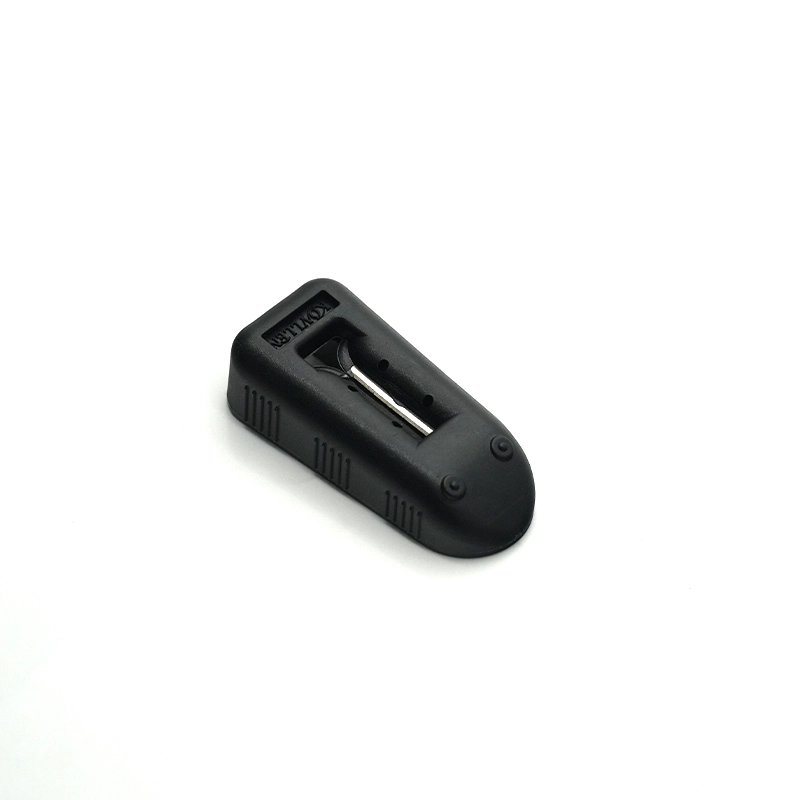
The plastic plug manufactured by Insert molding with stainless steel plate
Bost’s Insert-Molded Stainless Steel Plate Plastic Plug offers superior durability and corrosion resistance. This stainless steel insert durable plastic plug ensures a secure fit and long-lasting performance, ideal for industrial and commercial applications. Robust design meets quality standards.
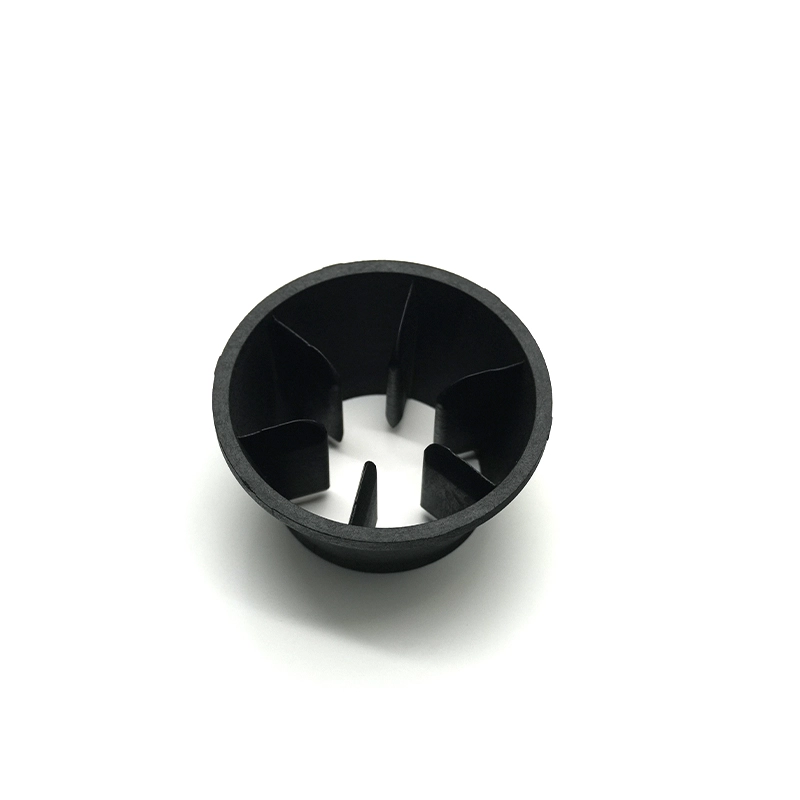
The Bost custom PPO flow valve by injection molding
The BOST Custom PPO Injection-Molded Flow Valve delivers high-temp and corrosion-resistant performance for industrial flow control. Precision-engineered by Bost, this custom PPO valve ensures durable, reliable operation in demanding environments. Optimize your process with BOST’s advanced injection-molded solution.
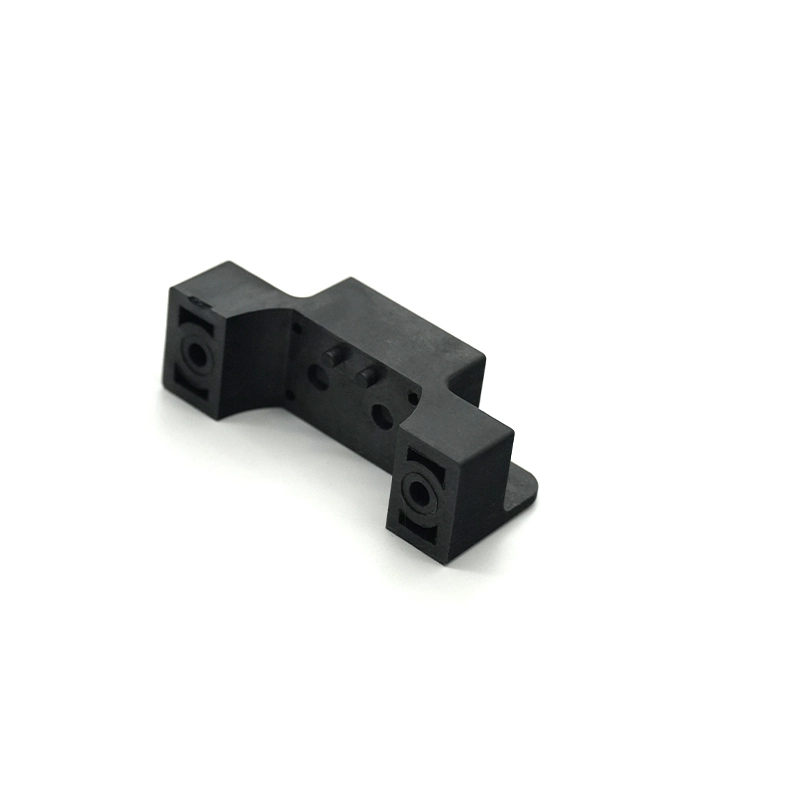
The Bost custom plastic handle by injection molding with high performance PPS material
BOST Custom PPS Injection-Molded Wear-Resistant Handle delivers superior durability and high performance. Made from High Quality PPS material, this injection-molded handle ensures exceptional wear resistance, ideal for demanding applications and long-lasting use. Choose BOST for quality and reliability.
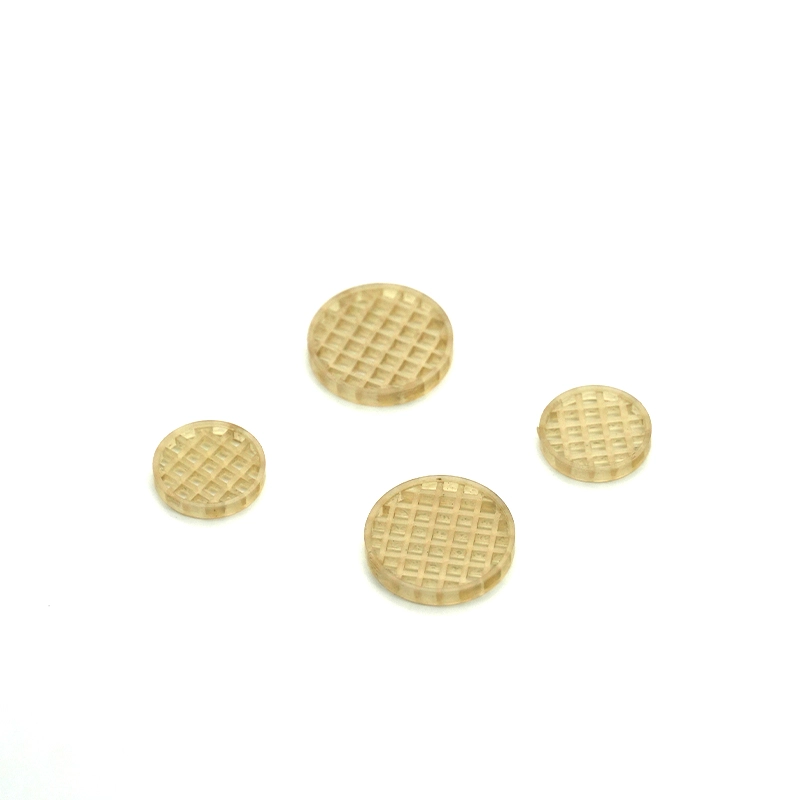
The Bost custom flow meter by injection molding with PES plastic
The Bost Custom PES Injection-Molded Flow Meter offers high-temperature and corrosion resistance, ideal for industrial use. Made with durable PES plastic via precision injection molding, this flow meter ensures reliable, customized performance for demanding applications. Trust Bost for quality and innovation.
Get in touch with Bost
Have any questions or concerns about our products? Please leave us a message here, and our team will get back to you promptly.

24 hours quotes delivered
Submit CAD files, get quote in 24 hours

No MOQ required
From prototyping to high-volume

±0.02 mm Precision
Advanced CNC with full inspections

1,000+ tons in stock
26 materials ready to ship
© 2026 BOST. All Rights Reserved.