
 Scan QR Code
Send My Request
Top 10 manufacturers of engineered plastic components
Wednesday, 03/11/2026
A practical guide to the leading manufacturers of engineered plastic components, material and process considerations, and why the BOST Custom PPO injection-molded flow valve is an optimal solution for high-temp, corrosion-resistant industrial flow control.
- Selecting a Manufacturer for Engineered Plastic Components
- Key selection criteria for long-term success
- Certifications, standards and traceability
- Top 10 Manufacturers of Engineered Plastic Components
- Comparison table: specialties, regions and capabilities
- Why these manufacturers lead the field
- Material & Process Considerations: Why PPO Injection-Molded Valves Matter
- PPO properties and why it suits flow control
- Injection molding: achieving precision and repeatability
- The BOST Custom PPO Injection-Molded Flow Valve
- Quality, Sustainability, and Supply Chain Considerations
- Sustainability, recycling and regulatory context
- Supply chain resilience and lead-time management
- Working with suppliers to optimize components
- Frequently Asked Questions (FAQ)
- Q: What are engineered plastic components?
- Q: Why choose a PPO valve over metal valves?
- Q: Can custom injection-molded valves like the BOST PPO valve be repaired in the field?
- Q: How do I evaluate a supplier’s capability to produce my engineered plastic component?
- Q: What testing should be specified for injection-molded flow-control components?
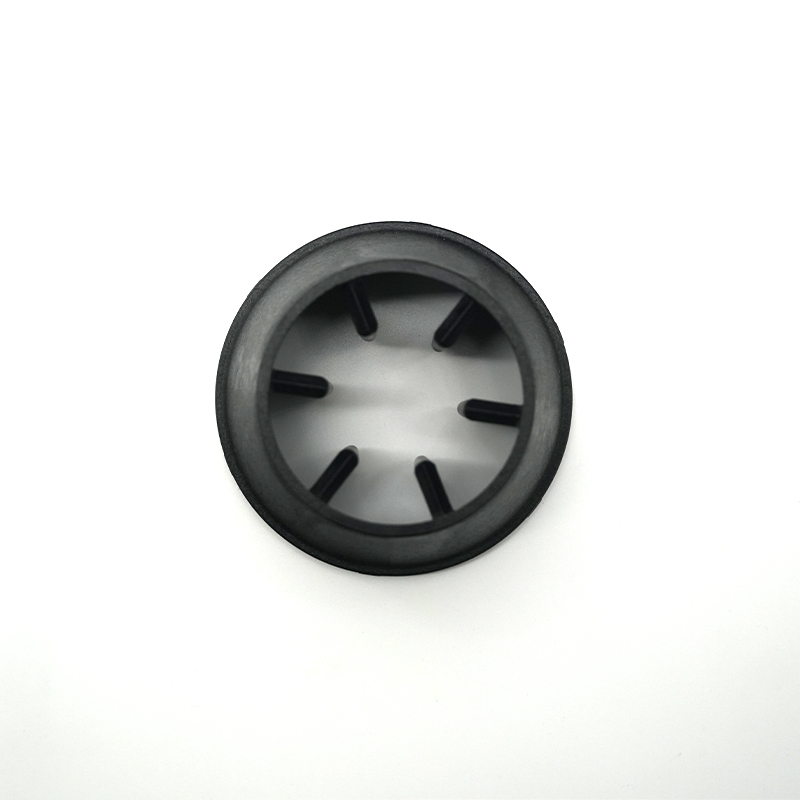
The engineered plastic components market demands precision, high-performance polymers, and reliable manufacturing partners. This article identifies top manufacturers, compares capabilities, and explains how materials like polyphenylene oxide (PPO) and processes such as precision injection molding enable products like the The BOST Custom PPO Injection-Molded Flow Valve to deliver high-temperature and corrosion-resistant performance for industrial flow control. The guidance below is designed for engineers, procurement teams, and plant managers seeking durable, optimized components for demanding applications.
Selecting a Manufacturer for Engineered Plastic Components
Key selection criteria for long-term success
Choosing the right manufacturer of engineered plastic components requires balancing technical capability, materials expertise, and production reliability. Prioritize partners that demonstrate:
- Material expertise in high-performance polymers (PPO, PEEK, PPS, PPA, PTFE, etc.).
- Advanced molding capabilities: multi-shot injection molding, insert molding, micro-molding, and secondary operations.
- Robust quality systems and traceability for critical components in flow control, automotive, medical, and energy sectors.
- Design for Manufacturability (DFM) support to optimize part geometry, wall thickness, and gate locations for reduced cycle time and lower scrap.
Certifications, standards and traceability
Certifications such as ISO 9001 (quality management) and, where relevant, ISO/TS for specific industries are baseline requirements. Suppliers working in regulated sectors often maintain additional standards (e.g., IATF 16949 for automotive). Quality documentation, material traceability and process validation should be available on request. For general standards and guidance, see ISO’s overview of quality management standards (ISO 9001).
Top 10 Manufacturers of Engineered Plastic Components
Comparison table: specialties, regions and capabilities
| Manufacturer | Headquarters / Key Regions | Specialty | Typical Materials / Components |
|---|---|---|---|
| BOST | Global / regional facilities | Custom precision injection-molded industrial valves | PPO injection-molded flow valves, corrosion-resistant components |
| Röchling | Germany / Europe | Industrial components, machine parts, structural plastic parts | PEEK, PTFE, POM, engineered thermoplastics |
| Ensinger | Germany / Global | Engineering plastics profiles, machined parts, molded components | High-temp polymers, semi-finished products, CNC machined parts |
| Victrex | UK / Global | High-performance PAEK polymers and components | PEEK components for energy, aerospace, medical |
| SABIC | Saudi Arabia / Global | Polymer materials & custom compound solutions | Polycarbonate, PPS, PBT, specialty compounds |
| Solvay | Belgium / Global | Specialty polymers and engineered parts for harsh environments | PPS, PEEK, specialty composites |
| BASF (engineering plastics) | Germany / Global | Polymer grades and plastics components development | PA, PC, PBT, performance blends |
| DuPont | USA / Global | Engineering resins, precision components and high-performance parts | Delrin (POM), high-performance resins, engineered parts |
| RTP Company | USA / Global | Custom engineered compounds and molded components | Custom color & property compounds, molded parts |
| Avient (formerly PolyOne) | USA / Global | Custom materials & engineered components | Thermoplastic compounds, functional additives, molded parts |
Why these manufacturers lead the field
These companies have been selected for their proven materials expertise, global manufacturing footprint, and ability to deliver engineered plastic components across industries. Some are raw-material leaders (e.g., SABIC, BASF) offering tailored compounds; others (Röchling, Ensinger) excel in producing finished components and complex machined parts. Contract manufacturers like RTP Company and Avient combine compounding with finished part production to offer integrated solutions. BOST, as a specialist in custom injection-molded flow valves, targets demanding flow control applications where high-temp and corrosion resistance are essential.
Material & Process Considerations: Why PPO Injection-Molded Valves Matter
PPO properties and why it suits flow control
Polyphenylene oxide (PPO) is a high-temperature engineering thermoplastic known for its dimensional stability, chemical resistance, and good electrical properties. PPO blends (often marketed under trade names such as NORYL) combine toughness and heat resistance, making them suitable for industrial valves and components that experience elevated temperatures and exposure to corrosive media. For more on PPO and its properties, see the PPO overview (Polyphenylene oxide - Wikipedia).
Injection molding: achieving precision and repeatability
Precision injection molding is the dominant process for producing repeatable, tight-tolerance components at scale. Key advantages include:
- Complex geometry capability—internal flow passages, thin walls and integrated seals.
- High repeatability and short cycle times for volume production.
- Material and process flexibility—overmolding, insert molding, and multi-shot molding support functional integration.
When combined with PPO, injection molding enables components like flow valves to achieve corrosion-resistant service and thermal stability required in industrial flow control.
The BOST Custom PPO Injection-Molded Flow Valve
The BOST Custom PPO Injection-Molded Flow Valve delivers high-temp and corrosion-resistant performance for industrial flow control. Precision-engineered by Bost, this custom PPO valve ensures durable, reliable operation in demanding environments. Typical benefits of this product include:
- High-temperature resistance suitable for elevated process temperatures.
- Chemical and corrosion resistance for aggressive media.
- Precision features achieved through advanced injection molding for tight tolerances and reliable sealing.
For applications where delayed degradation, dimensional stability, and process uptime are priorities, a PPO-based injection-molded valve is often a superior choice compared to commodity thermoplastics or metals susceptible to chemical attack.
Quality, Sustainability, and Supply Chain Considerations
Sustainability, recycling and regulatory context
Engineered plastics and their manufacturers are increasingly judged on sustainability metrics: recycled content, lifecycle impact, and end-of-life options. Industry associations such as PlasticsEurope provide data and guidance on polymer properties and environmental considerations; consult PlasticsEurope for background on materials and sustainability initiatives (PlasticsEurope). When specifying components, request supplier LCA summaries, recyclability statements, and compliance with local regulations.
Supply chain resilience and lead-time management
Lead times for engineered plastic components depend on tooling complexity, material availability, and production capacity. To mitigate risks:
- Qualify multiple suppliers or regional manufacturing partners to reduce single-source exposure.
- Plan tooling and validation well ahead of production ramps—tooling can be the longest lead item.
- Consider local stocking or consignment programs for critical spares like flow valves.
Working with suppliers to optimize components
Practical tips for working with manufacturers:
- Share functional requirements (pressure, temperature, media, cycle life) rather than only dimensional drawings—this allows materials engineers to recommend optimal polymers and additives.
- Request failure mode analysis and field test data when available, especially for valves and flow-control parts operating in aggressive conditions.
- Use structured RFQs that include quality expectations, certification needs, and post-production testing protocols.
Frequently Asked Questions (FAQ)
Q: What are engineered plastic components?
A: Engineered plastic components are parts manufactured from high-performance polymers designed to meet demanding mechanical, thermal, or chemical requirements. They are used in industries such as automotive, aerospace, energy, chemical processing, and medical devices.
Q: Why choose a PPO valve over metal valves?
A: PPO valves offer corrosion resistance to many chemicals, good dimensional stability at elevated temperatures, and often lower weight and maintenance needs. In corrosive environments, a PPO injection-molded valve can outlast metal alternatives that require coatings or sacrificial treatments.
Q: Can custom injection-molded valves like the BOST PPO valve be repaired in the field?
A: Repairability depends on valve design. Many modern injection-molded valves are designed for modularity—replaceable seals or cartridges. For critical systems, stocked spares or quick-swap modules reduce downtime. Consult the supplier for recommended maintenance procedures.
Q: How do I evaluate a supplier’s capability to produce my engineered plastic component?
A: Ask for references, review material datasheets, request process capability indices (Cpk) for critical dimensions, and verify certifications like ISO 9001. Perform a pilot run and evaluate parts under real process conditions where possible.
Q: What testing should be specified for injection-molded flow-control components?
A: Typical tests include dimensional inspection, pressure/leak testing, chemical compatibility testing, thermal cycling, and mechanical endurance testing. For critical applications, request a validated test plan and documented results.
If you'd like to evaluate The BOST Custom PPO Injection-Molded Flow Valve for your process, view the product details or contact our application engineers for a custom quote and DFM review: View The BOST Custom PPO Injection-Molded Flow Valve | Contact Sales.
References: Engineering plastics and material context are further described by trusted sources: Engineering plastic (Wikipedia), Polyphenylene oxide (PPO) - Wikipedia, industry guidance on materials and sustainability from PlasticsEurope, and quality management standards from ISO.
Tags
High-Temperature Resistant Protection
High-Temperature Resistant Protection
custom plastic injection moulding
custom plastic injection moulding
plastic car parts
plastic car parts
Nylon Insulator
Nylon Insulator
High-temperature resistant silicone rubber sleeve
High-temperature resistant silicone rubber sleeve
High-Performance PEEK
High-Performance PEEK
Recommended for you
Reducing Assembly Costs with Injection-Molded POM Spacers
Choosing Materials for Insert Injection Molding: Practical Guide for Engineers
Top 10 custom engineering plastics Manufacturers and Supplier Brands
Injection Molding Tooling Maintenance and Lifespan Tips
Prdoucts Categories
Question you may concern
FAQs
How do I select the appropriate engineering plastic grade for my product?
Selection should be based on parameters such as load conditions (e.g., pressure/friction), temperature range, medium contact (e.g., oil/acid), and regulatory requirements (e.g., FDA/RoHS). Our engineers can provide free material selection consulting and sample testing.
What are the core advantages of Bost engineering plastics compared to ordinary plastics?
Bost engineering plastics feature ultra-high mechanical strength, high-temperature resistance (-50°C to 300°C), chemical corrosion resistance, and wear resistance. Compared to ordinary plastics, their service life is extended by 3 to 8 times, making them suitable for replacing metals in harsh environments.
What is the delivery lead time? Do you offer global logistics?
Standard products: 5–15 working days; custom modifications: 2–4 weeks. We support global air/sea freight and provide export customs clearance documents (including REACH/UL certifications).
What is the minimum order quantity (MOQ)? Do you support small-batch trial production?
The MOQ for standard products is ≥100kg. We support small-batch trial production (as low as 20kg) and provide mold testing reports and performance data feedback.
Can Bost customize modified plastics with special properties?
Yes! We offer modification services such as reinforcement, flame retardancy, conductivity, wear resistance, and UV resistance, for example:
• Adding carbon fiber to enhance stiffness
• Reducing the coefficient of friction through PTFE modification
• Customizing food-grade or medical-grade certified materials
You may also like
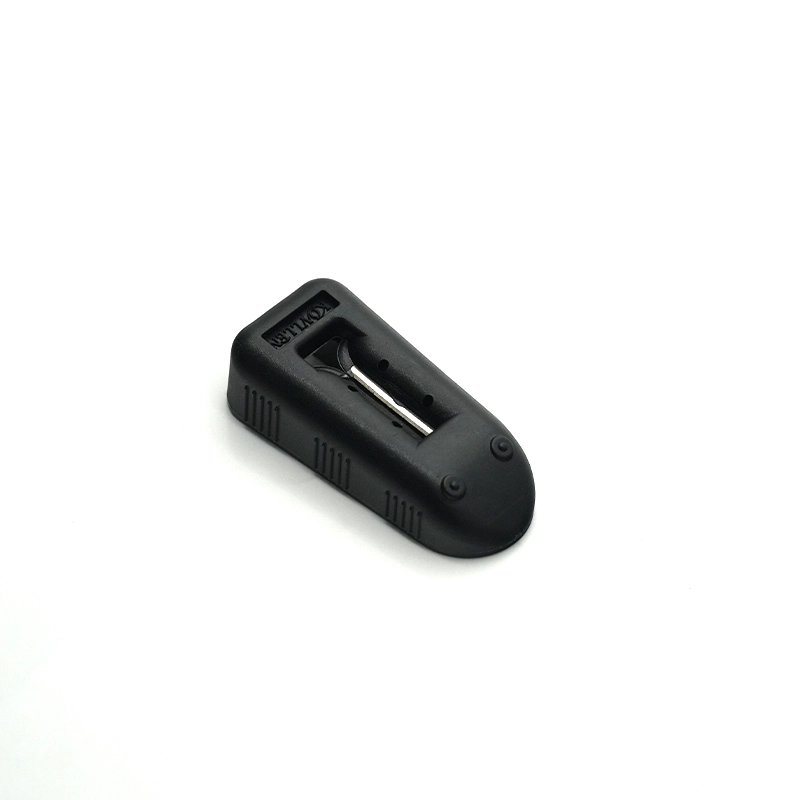
The plastic plug manufactured by Insert molding with stainless steel plate
Bost’s Insert-Molded Stainless Steel Plate Plastic Plug offers superior durability and corrosion resistance. This stainless steel insert durable plastic plug ensures a secure fit and long-lasting performance, ideal for industrial and commercial applications. Robust design meets quality standards.
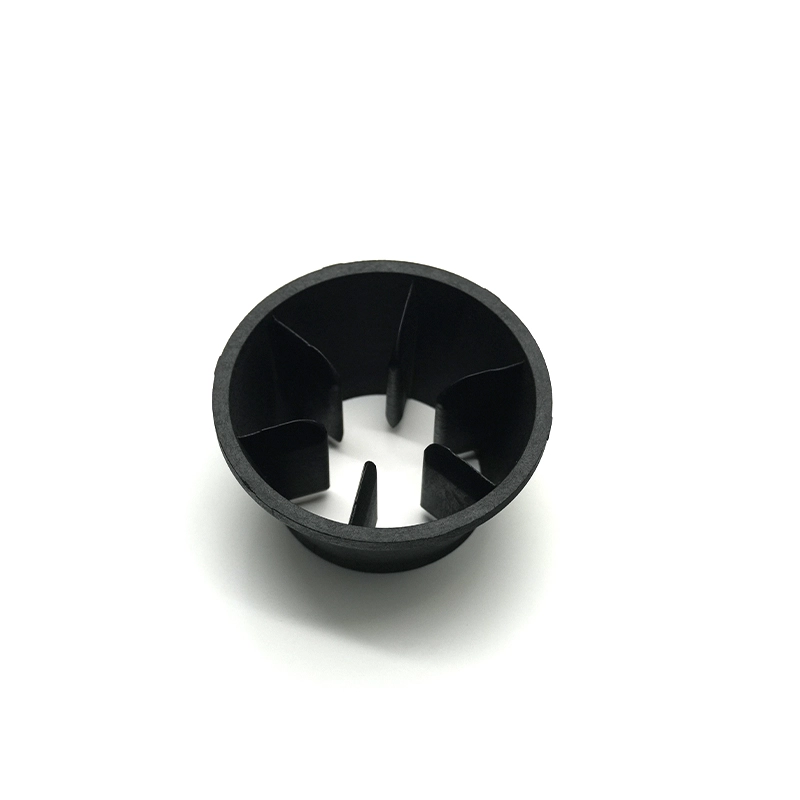
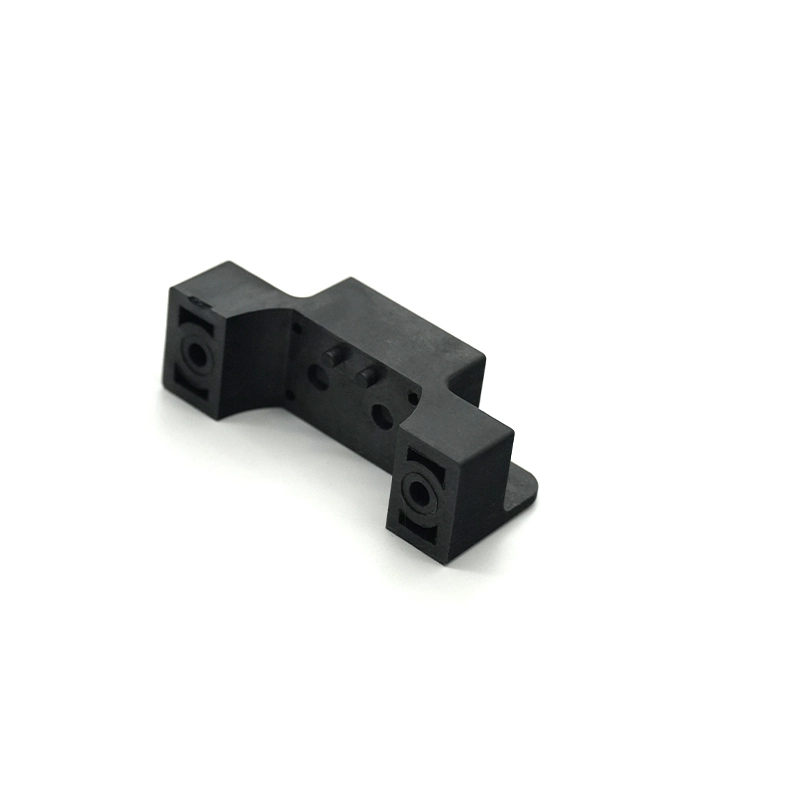
The Bost custom PPO flow valve by injection molding
The BOST Custom PPO Injection-Molded Flow Valve delivers high-temp and corrosion-resistant performance for industrial flow control. Precision-engineered by Bost, this custom PPO valve ensures durable, reliable operation in demanding environments. Optimize your process with BOST’s advanced injection-molded solution.
The Bost custom plastic handle by injection molding with high performance PPS material
BOST Custom PPS Injection-Molded Wear-Resistant Handle delivers superior durability and high performance. Made from High Quality PPS material, this injection-molded handle ensures exceptional wear resistance, ideal for demanding applications and long-lasting use. Choose BOST for quality and reliability.
The Bost custom flow meter by injection molding with PES plastic
The Bost Custom PES Injection-Molded Flow Meter offers high-temperature and corrosion resistance, ideal for industrial use. Made with durable PES plastic via precision injection molding, this flow meter ensures reliable, customized performance for demanding applications. Trust Bost for quality and innovation.
Get in touch with Bost
Have any questions or concerns about our products? Please leave us a message here, and our team will get back to you promptly.

24 hours quotes delivered
Submit CAD files, get quote in 24 hours

No MOQ required
From prototyping to high-volume

±0.02 mm Precision
Advanced CNC with full inspections

1,000+ tons in stock
26 materials ready to ship
© 2026 BOST. All Rights Reserved.