 Scan QR Code
Send My Request
How UV Resistance Extends Connector Lifespan
Friday, 02/6/2026
UV resistance significantly prolongs the service life of plastic connectors used outdoors. This article explains how UV-stabilized ABS materials, design choices, and proper testing reduce polymer degradation, maintain mechanical strength and electrical safety, and cut long-term costs. It highlights the Bost Black UV-Resistant ABS Outdoor Connector as an example of durable, weatherproof plastic connectors suited for harsh environments.
- Why UV Resistance Matters for Outdoor Plastic Connectors
- How sunlight degrades polymers
- Real consequences: reliability, safety, and costs
- Relevant standards for UV testing
- Material Solutions: Why UV-Resistant ABS Is a Strong Choice
- Advantages of ABS for connectors
- How UV stabilization works
- Trade-offs and material selection
- Design and Manufacturing Practices That Extend Connector Lifetime
- Geometry and stress concentrations
- Sealing and water management
- Quality control and process consistency
- Performance Data: Comparing UV-Resistant vs. Standard ABS Connectors
- Typical accelerated weathering metrics
- Example performance comparison
- Why test methods and conditions matter
- Specifying and Installing UV-Resistant Plastic Connectors
- Key specification checklist
- Installation best practices to maximize lifespan
- When to choose alternatives to ABS
- Case Study: Bost Black UV-Resistant ABS Outdoor Connector
- Product highlights
- Benefits to installers and specifiers
- Validation and standards compliance
- FAQ
- How much longer will a UV-resistant plastic connector last?
- Does black color alone guarantee UV resistance?
- Can I retrofit existing connectors with UV protection?
- Which standards should I ask for when evaluating a supplier?
- Are there applications where UV-resistant ABS is not recommended?
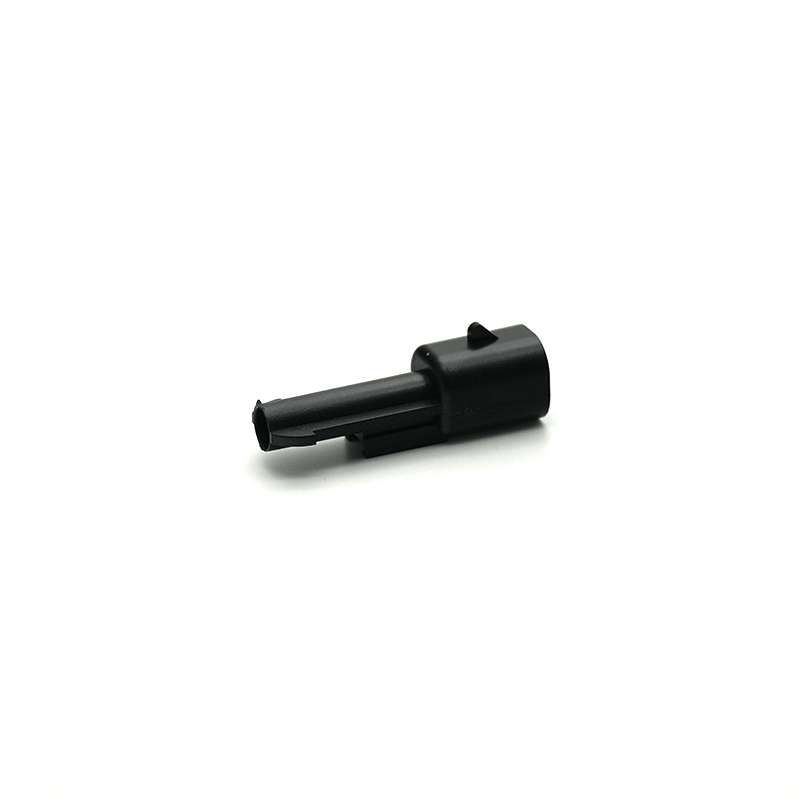
The long-term performance of outdoor electrical and structural assemblies depends heavily on the UV resistance of their components. Plastic connectors exposed to sunlight can experience surface cracking, color fading, loss of mechanical strength, and electrical failure if the polymer is not UV-stabilized. Properly formulated UV-resistant plastic connectors such as the Bost Black UV-Resistant ABS Outdoor Connector provide reliable, weatherproof connections by combining high-quality ABS resin, UV absorbers, and protective design features to withstand years of solar exposure in harsh environments.
Why UV Resistance Matters for Outdoor Plastic Connectors
How sunlight degrades polymers
Ultraviolet (UV) radiation from sunlight carries enough energy to break chemical bonds in many polymers. This process—photo-oxidation—leads to chain scission and crosslinking, producing embrittlement, surface chalking, cracking, and loss of impact resistance. For outdoor plastic connectors, that means reduced mechanical load capacity, loose fits, and eventual failure of housings and locking features. For an overview of ABS properties and degradation mechanisms, see the ABS entry on Wikipedia (Wikipedia: ABS).
Real consequences: reliability, safety, and costs
When a connector housing fails due to UV degradation, the consequences can range from intermittent electrical faults and water ingress to full mechanical separation. This increases maintenance visits, warranty claims, and safety risks. Choosing UV-stable materials reduces lifecycle costs and improves installation uptime for outdoor systems such as lighting, signage, telecommunications, and industrial controls.
Relevant standards for UV testing
Manufacturers verify UV resistance using accelerated weathering and material-specific tests standardized by organizations such as ISO and ASTM. Examples include ISO 4892 series for plastics weathering and ASTM D4329 for UV exposure of plastics. Referencing these standards helps specifiers compare product claims under consistent test methods: ISO 4892 and ASTM D4329.
Material Solutions: Why UV-Resistant ABS Is a Strong Choice
Advantages of ABS for connectors
ABS (acrylonitrile butadiene styrene) balances toughness, dimensional stability, and ease of molding. For connectors it provides good impact resistance and precise tolerances for mating features. When formulated for outdoor use, ABS can offer a compelling mix of mechanical performance and cost-effectiveness compared with engineering plastics like polycarbonate or glass-filled nylon.
How UV stabilization works
UV protection for ABS typically combines several additive strategies: UV absorbers that convert UV energy to heat, HALS (hindered amine light stabilizers) that interrupt free-radical degradation cycles, and pigments (carbon black is especially effective). Carbon black in particular provides strong UV blocking for black parts, which is why the Bost Black UV-Resistant ABS Outdoor Connector uses a black, UV-stabilized formulation for long-term color and property retention.
Trade-offs and material selection
Every additive has trade-offs: pigments can affect electrical properties, and high concentrations of stabilizers can slightly change melt flow or surface finish. Specifiers should ask manufacturers for test data—tensile retention, impact strength, color delta, and water absorption over accelerated weathering cycles—so they can choose the optimal plastic connector formulation for their application.
Design and Manufacturing Practices That Extend Connector Lifetime
Geometry and stress concentrations
Connector geometry plays a major role in weather durability. Sharp corners, thin sections, and deep undercuts concentrate stress and accelerate crack initiation when the polymer becomes brittle from UV exposure. Designers should use generous radii, uniform wall thickness, and fillets around clip and latch features to reduce localized stress.
Sealing and water management
UV alone is rarely the only environmental stressor—moisture, salt, and temperature cycling also contribute to failure. UV-resistant plastic connectors should be paired with appropriate sealing (gaskets, overmolding, or IP-rated designs) so that loss of material properties does not translate into ingress and corrosion of terminals. A weatherproof connector system preserves electrical safety and minimizes maintenance.
Quality control and process consistency
Manufacturing consistency matters. Proper compounding of UV stabilizers, consistent molding conditions, and post-mold validation ensure each batch meets expected performance. Requested documentation can include material certificates, batch-specific test results, and accelerated weathering reports compliant with standard test methods.
Performance Data: Comparing UV-Resistant vs. Standard ABS Connectors
Typical accelerated weathering metrics
Manufacturers commonly report metrics after X1000 hours of xenon-arc or fluorescent UV exposure: retention of tensile strength (%), Charpy impact (%), and color change (ΔE). These numbers provide practical insight into how long a connector will maintain functionality under sunlight exposure.
Example performance comparison
| Property | Standard ABS Connector (unprotected) | UV-Resistant ABS Connector (carbon black + HALS) |
|---|---|---|
| Tensile strength retention (after 1000 h) | ~60–70% | ~85–95% |
| Impact strength retention (after 1000 h) | ~50–65% | ~80–90% |
| Color change (ΔE) | High (visible chalking/fading) | Low (minimal fading) |
| Projected field lifespan | 1–3 years (high UV regions) | 5–10+ years (with proper sealing) |
Note: Values above are illustrative; ask suppliers for test reports tied to ISO or ASTM methods to confirm specific part performance.
Why test methods and conditions matter
Different accelerated tests (xenon-arc vs. fluorescent UV vs. outdoor exposure) produce varied results. Referencing standards like ISO 4892 helps specifiers ensure apples-to-apples comparisons: ISO 4892. Also see guidance on polymer UV testing from industry associations such as PlasticsEurope for broader context: PlasticsEurope.
Specifying and Installing UV-Resistant Plastic Connectors
Key specification checklist
When specifying plastic connectors for outdoor use, require the following from vendors: material grade and additive package, accelerated UV-weathering test results (include method), IP rating or sealing approach, mechanical property retention after exposure, and field references or case studies. This gives procurement teams confidence in expected lifetime and warranty support.
Installation best practices to maximize lifespan
Even the best UV-resistant connector benefits from sensible installation: avoid prolonged surface contact with chemically incompatible materials, use compatible lubricants and sealants, ensure proper torque on terminals to prevent micro-movement, and offer routine inspections in high-UV environments. These practices reduce localized wear and extend service life.
When to choose alternatives to ABS
For very high-temperature or chemically aggressive environments, consider alternatives like UV-stabilized polycarbonate, glass-filled nylon, or specially coated connectors. Each material has tradeoffs in cost, stiffness, and electrical behavior. Ask for comparative data when lifecycle demands are extreme.
Case Study: Bost Black UV-Resistant ABS Outdoor Connector
Product highlights
The Bost Black UV-Resistant ABS Outdoor Connector offers superior weather resistance and durability. Made from high-quality, UV-stabilized ABS with carbon black pigmentation and HALS, this precision connector ensures reliable performance in harsh outdoor conditions, making it ideal for long-lasting, weatherproof installations. Its design reduces stress concentrations and includes integrated sealing features for IP-rated protection.
Benefits to installers and specifiers
Using the Bost Black UV-Resistant ABS Outdoor Connector lowers maintenance frequency, decreases warranty claims, and simplifies inventory by standardizing on a UV-capable part. For outdoor lighting, signage, telecom enclosures, and rooftop deployments, the connector maintains mechanical engagement and color stability across seasons.
Validation and standards compliance
Bost provides accelerated weathering data based on ISO/ASTM methods to support claims of tensile and impact retention after extended UV exposure. Request the product datasheet and lab reports to verify suitability for your project parameters. For background on testing relevance, see ASTM and ISO standards cited earlier: ASTM D4329, ISO 4892.
FAQ
How much longer will a UV-resistant plastic connector last?
While exact lifespan depends on UV intensity, temperature cycling, and mechanical loading, UV-resistant ABS connectors typically last 2–5 times longer in high-UV environments than unprotected ABS. Field lifetimes of 5–10+ years are common when paired with proper sealing and installation.
Does black color alone guarantee UV resistance?
Black (carbon black) is highly effective at absorbing UV, but color alone isn't a guarantee. UV resistance requires proper compounding and stabilizer packages (e.g., HALS and UV absorbers). Always ask for material formulation details and test data.
Can I retrofit existing connectors with UV protection?
Retrofitting is limited: you can add protective covers, shades, or coatings, but these are not as effective as using inherently UV-stabilized molded parts. Coatings can wear off and may interfere with fit or electrical clearances.
Which standards should I ask for when evaluating a supplier?
Request accelerated weathering test reports referencing ISO 4892 or ASTM D4329/D4587, material certificates, and mechanical property retention after exposure. These standards provide consistent, comparable results across suppliers.
Are there applications where UV-resistant ABS is not recommended?
Yes—high continuous operating temperatures (>80–90°C), exposure to caustic chemicals, or applications requiring very high flame-retardant ratings may call for alternative materials. Discuss environmental and safety requirements with the manufacturer to choose the right polymer family.
If you have a project that requires reliable outdoor plastic connectors, request the Bost Black UV-Resistant ABS Outdoor Connector datasheet or contact our technical team for material reports and sample parts. View product details or contact sales: View Bost Black UV-Resistant ABS Outdoor Connector | Contact Sales.
References:
Tags
High Temperature Resistance
High Temperature Resistance
Electronic device casings
Electronic device casings
Impact-resistant ABS plastic cover
Impact-resistant ABS plastic cover
High-Performance PEEK
High-Performance PEEK
china custom plastic injection molding
china custom plastic injection molding
Engineering Plastic Bushing
Engineering Plastic Bushing
Recommended for you
Cost Estimation for PVC Injection Molded Parts: Practical Guide for Manufacturers
Supply Chain Tips for Procuring Black UV-Resistant ABS Connectors
Injection Molding Tips for Durable PVDF Covers with Fasteners
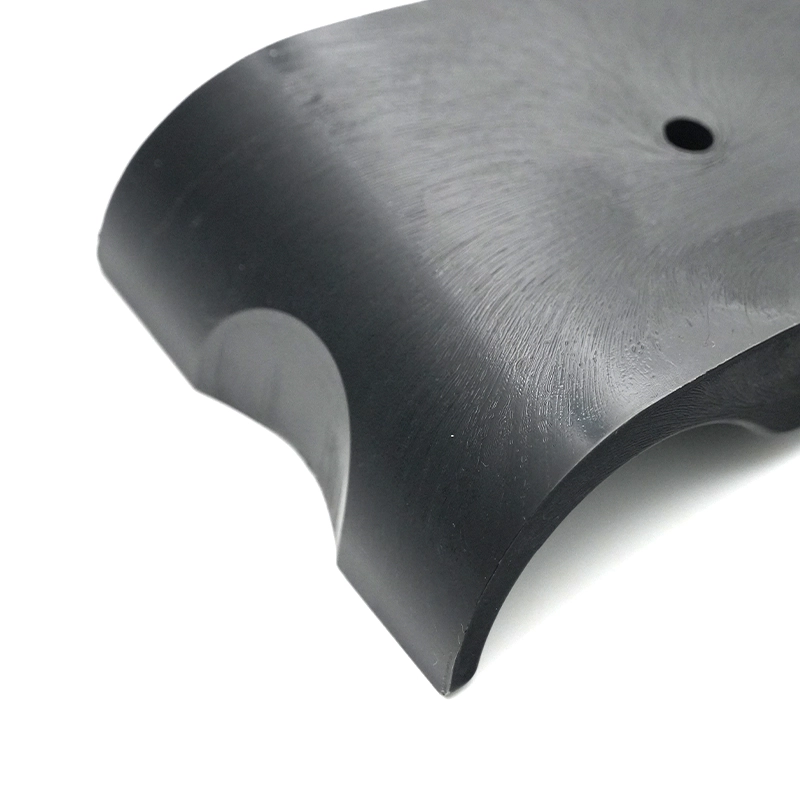
Inspection and Quality Control for Engineered Plastic Components
Prdoucts Categories
Question you may concern
FAQs
How do I select the appropriate engineering plastic grade for my product?
Selection should be based on parameters such as load conditions (e.g., pressure/friction), temperature range, medium contact (e.g., oil/acid), and regulatory requirements (e.g., FDA/RoHS). Our engineers can provide free material selection consulting and sample testing.
What is the delivery lead time? Do you offer global logistics?
Standard products: 5–15 working days; custom modifications: 2–4 weeks. We support global air/sea freight and provide export customs clearance documents (including REACH/UL certifications).
Can Bost customize modified plastics with special properties?
Yes! We offer modification services such as reinforcement, flame retardancy, conductivity, wear resistance, and UV resistance, for example:
• Adding carbon fiber to enhance stiffness
• Reducing the coefficient of friction through PTFE modification
• Customizing food-grade or medical-grade certified materials
What are the core advantages of Bost engineering plastics compared to ordinary plastics?
Bost engineering plastics feature ultra-high mechanical strength, high-temperature resistance (-50°C to 300°C), chemical corrosion resistance, and wear resistance. Compared to ordinary plastics, their service life is extended by 3 to 8 times, making them suitable for replacing metals in harsh environments.
What is the minimum order quantity (MOQ)? Do you support small-batch trial production?
The MOQ for standard products is ≥100kg. We support small-batch trial production (as low as 20kg) and provide mold testing reports and performance data feedback.
You may also like
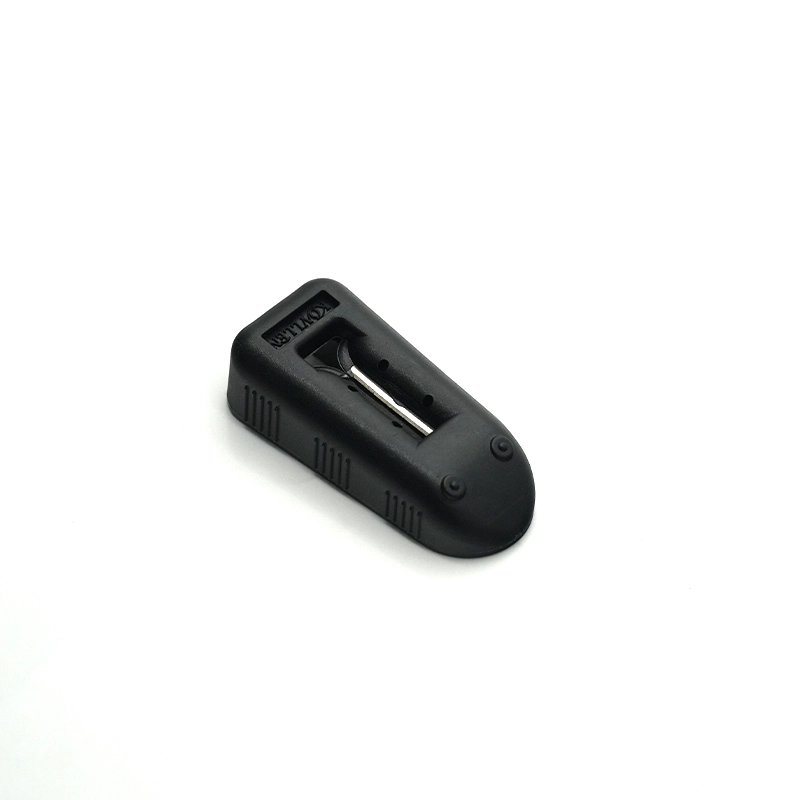
The plastic plug manufactured by Insert molding with stainless steel plate
Bost’s Insert-Molded Stainless Steel Plate Plastic Plug offers superior durability and corrosion resistance. This stainless steel insert durable plastic plug ensures a secure fit and long-lasting performance, ideal for industrial and commercial applications. Robust design meets quality standards.
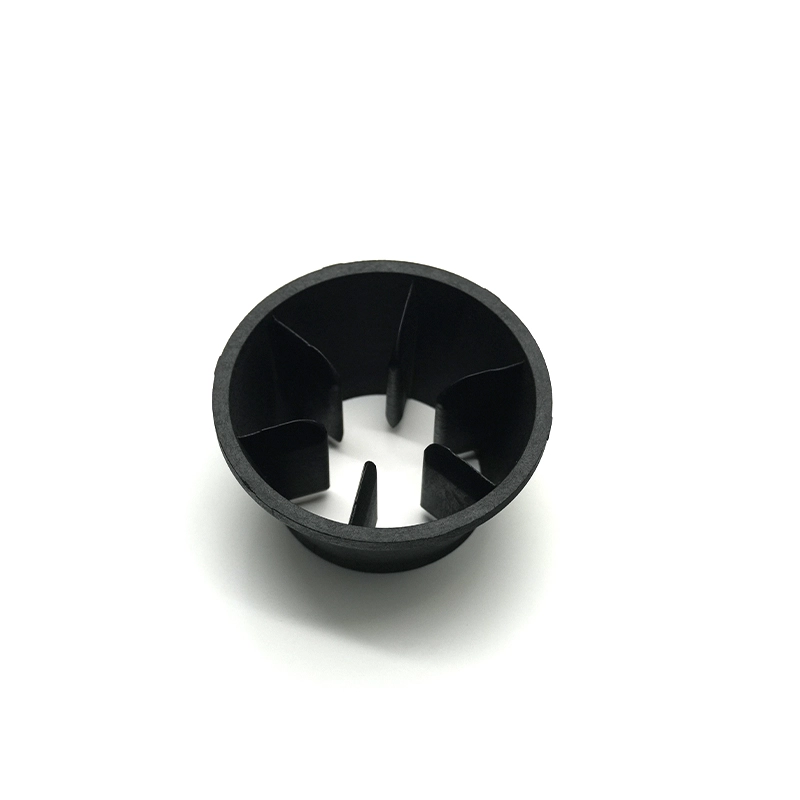
The Bost custom PPO flow valve by injection molding
The BOST Custom PPO Injection-Molded Flow Valve delivers high-temp and corrosion-resistant performance for industrial flow control. Precision-engineered by Bost, this custom PPO valve ensures durable, reliable operation in demanding environments. Optimize your process with BOST’s advanced injection-molded solution.
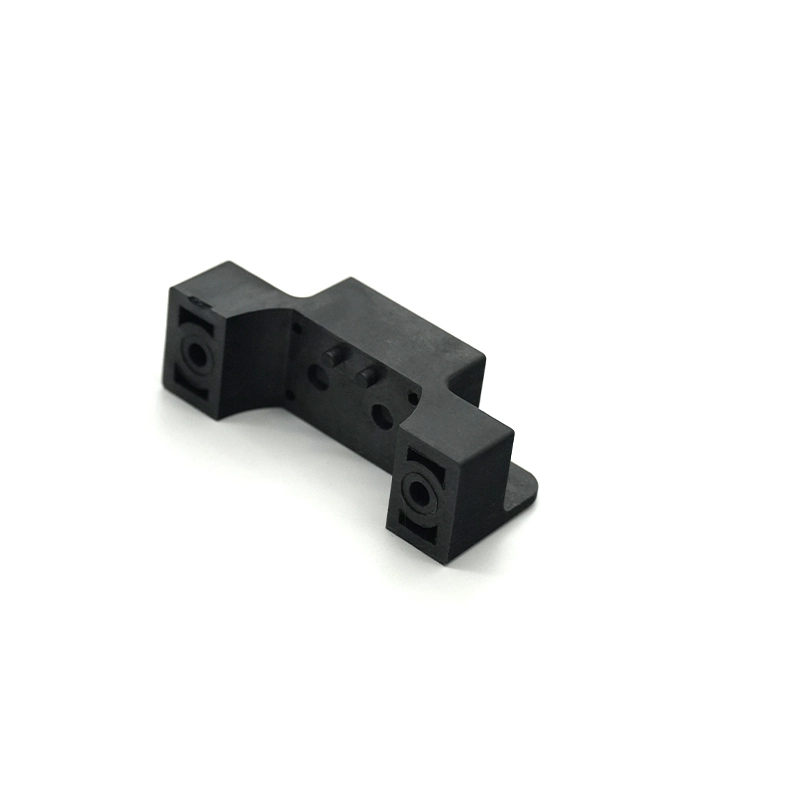
The Bost custom plastic handle by injection molding with high performance PPS material
BOST Custom PPS Injection-Molded Wear-Resistant Handle delivers superior durability and high performance. Made from High Quality PPS material, this injection-molded handle ensures exceptional wear resistance, ideal for demanding applications and long-lasting use. Choose BOST for quality and reliability.
The Bost custom flow meter by injection molding with PES plastic
The Bost Custom PES Injection-Molded Flow Meter offers high-temperature and corrosion resistance, ideal for industrial use. Made with durable PES plastic via precision injection molding, this flow meter ensures reliable, customized performance for demanding applications. Trust Bost for quality and innovation.
Get in touch with Bost
Have any questions or concerns about our products? Please leave us a message here, and our team will get back to you promptly.

24 hours quotes delivered
Submit CAD files, get quote in 24 hours

No MOQ required
From prototyping to high-volume

±0.02 mm Precision
Advanced CNC with full inspections

1,000+ tons in stock
26 materials ready to ship
© 2026 BOST. All Rights Reserved.