
 Scan QR Code
Send My Request
Selecting Engineered Plastic Components for High-Volume Production
Friday, 12/19/2025
Comprehensive guide to selecting engineered plastic components for high-volume production, focusing on material selection, design for manufacturability, cost and quality control. Highlights Bost’s black POM spacer — an injection-molded, wear-resistant solution offering dimensional stability and precise positioning for demanding applications.
- Selecting Engineered Plastic Components for High-Volume Production: Key Considerations
- Why engineered plastic components matter in high-volume production
- Understanding material properties: Why POM is a top choice for spacers and wear parts
- Product spotlight: The black POM spacer made by injection molding
- When to choose an injection-molded black POM spacer
- Design for manufacturability (DFM) for engineered plastic components
- Tolerances, shrinkage and post-molding considerations
- Comparing engineered plastics for high-volume production
- Production economics: tooling, cycle time and per-unit cost
- Estimating cost drivers
- Quality assurance and process control for engineered plastic components
- Testing recommendations
- Sustainability, compliance and recycling considerations
- Procurement strategy for high-volume engineered plastic components
- Case study summary: Implementing Bost’s black POM spacer in a production line
- Brand advantages: Why choose Bost for engineered plastic components
- Frequently Asked Questions (FAQ)
- Contact and product call-to-action
- Authoritative references
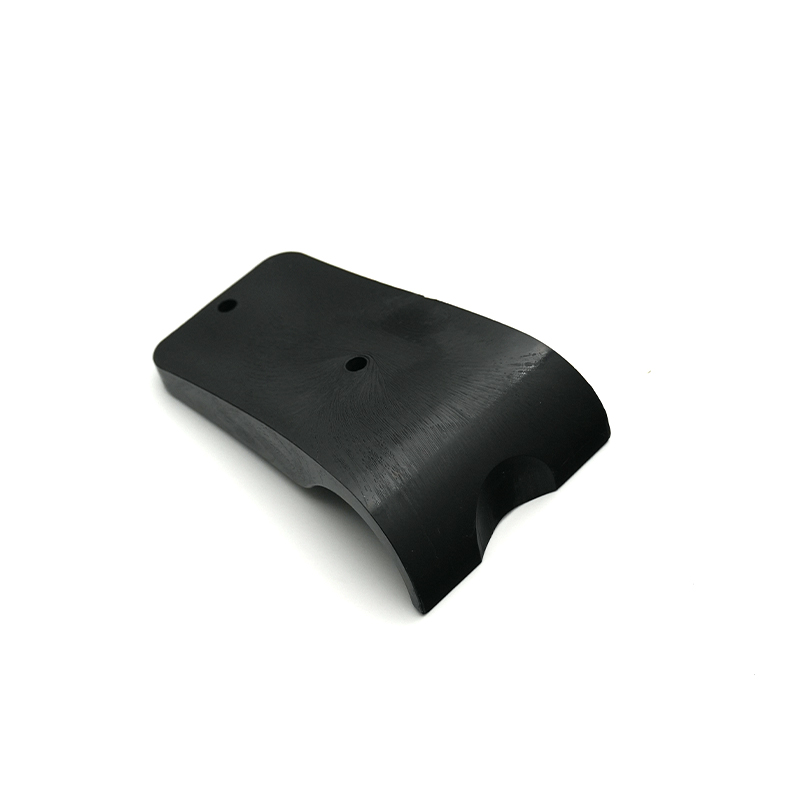
Selecting Engineered Plastic Components for High-Volume Production: Key Considerations
Why engineered plastic components matter in high-volume production
High-volume manufacturing places unique demands on parts: repeatable dimensions, fast cycle times, consistent material performance and low per-unit cost. Choosing the right engineered plastic components is essential to meet these targets while ensuring reliability in end-use applications. Engineered plastics — such as POM (polyoxymethylene), PEEK, PA (nylon), and UHMW — can deliver a balance of mechanical strength, wear resistance, chemical tolerance and machinability that metals or commodity plastics may not provide. When the application requires tight tolerances and long service life, an injection-molded solution often provides the best combination of repeatability, cost efficiency and performance. After outlining the key criteria for selecting engineered plastic components for high-volume production, many manufacturers turn their attention to proven part solutions that perform reliably at scale. One such option is explored in benefits of injection-molded black POM spacers for assemblies, where consistency and durability are critical.
Understanding material properties: Why POM is a top choice for spacers and wear parts
When selecting engineered plastic components, material properties drive the decision. Polyoxymethylene (POM), commonly known as acetal or by trade names like Delrin, stands out for several reasons relevant to high-volume production: high stiffness, low friction, excellent wear resistance, and good dimensional stability. These characteristics make POM well-suited for precision spacers, bushings, gears and sliding parts. For a spacer, dimensional stability is critical to ensure precise positioning over millions of cycles; POM's low creep and low moisture uptake help preserve geometry in varying environments.
Product spotlight: The black POM spacer made by injection molding
Bost’s black POM spacer, injection-molded for superior wear resistance and dimensional stability, ensures precise positioning in demanding applications. Crafted for durability, this injection-molded black POM wear-resistant spacing offers reliable performance and long-lasting support. The injection molding process delivers tight tolerances and repeatable geometry while black POM formulations often include stabilizers and lubricants that further improve wear behavior and UV resistance for outdoor or industrial settings.
When to choose an injection-molded black POM spacer
Choose an injection-molded black POM spacer when you need: consistent mass-produced parts, excellent friction and wear performance, stable dimensions under thermal cycling, and minimal post-processing. High-volume runs benefit from the low unit cost and rapid cycle times of injection molding. The black color typically indicates added additives for improved performance or aesthetic uniformity, reducing the need for secondary finishing.
Design for manufacturability (DFM) for engineered plastic components
Design choices impact manufacturability and long-term part performance. For engineered plastic components used in high-volume production, adopt DFM practices early: minimize undercuts, avoid thin sections that can warp, and add uniform wall thickness to prevent sink marks. Specify realistic tolerances — injection molding can achieve tight tolerances but cost and tooling requirements rise sharply as tolerance bands narrow. For spacers where axial location is critical, consider locating features, consistent ribbing and fillets that preserve stiffness without adding material or weight.
Tolerances, shrinkage and post-molding considerations
POM shrinkage typically ranges from approximately 1.5% to 2.5% depending on geometry and process conditions; design allowances and mold flow analysis should be used to predict final dimensions. Critical bores and axial lengths can be post-processed (reamed or honed) for extreme precision, but this adds cost. The injection-molded black POM spacer from Bost is specified to optimized shrink compensation and process controls that minimize need for secondary operations while delivering required fits for press-fit or sliding interfaces.
Comparing engineered plastics for high-volume production
Different engineered plastics offer different trade-offs. The table below summarizes common choices and when POM is preferred compared to alternatives.
| Material | Wear Resistance | Dimensional Stability | Moisture Sensitivity | Typical Uses |
|---|---|---|---|---|
| POM (Acetal) | High | Excellent | Low | Gears, spacers, bushings, precision molded parts |
| Nylon (PA) | Moderate | Good, but affected by moisture | High | Bearings, cable ties, structural parts where toughness is needed |
| PEEK | Very High | Excellent at high temp | Low | High-temp aerospace and medical applications |
| UHMW | Very High | Good (soft) | Moderate | Wear pads, sliding surfaces, impact absorbers |
Production economics: tooling, cycle time and per-unit cost
High-volume production economics are defined by tooling amortization, cycle time, scrap rates and secondary operations. Injection molding tools (steel molds) have higher upfront costs but deliver very low per-part costs over large runs. Optimizing cycle time involves material selection (POM flows well but needs controlled cooling), gate design, and ejection strategy. Reducing secondary operations like machining or finishing significantly lowers effective part cost. Bost’s injection-molded black POM spacer is designed to minimize secondary finishing through precise tooling and process control, which reduces overall cost in large-quantity orders.
Estimating cost drivers
Key cost drivers include mold complexity (multi-cavity vs single cavity molds), cavity count, cycle time (seconds), material cost per kg, scrap/reject percentage, and labor for post-processing. For an engineered plastic spacer produced in high volumes, investing in a multi-cavity mold can reduce per-part tooling cost despite higher mold price. Work with suppliers to run design iterations using mold flow simulation to reduce risk and optimize cycle time before committing to full production tooling.
Quality assurance and process control for engineered plastic components
Maintaining consistent quality in high-volume runs requires a robust QA plan: incoming material verification, cavity-level process monitoring, in-line dimensional checks and statistical process control (SPC). For components like spacers, implement periodic measurement of critical dimensions, visual inspection for flash or sink marks, and wear testing in representative conditions. Traceability (batch numbers) and production data logging help diagnose any drift in process behavior. Bost’s manufacturing practice includes routine SPC and sample testing to ensure each batch of black POM spacers meets specifications for wear resistance and dimensional fidelity.
Testing recommendations
Recommended tests for engineered plastic components in demanding applications include: tensile and flexural testing for mechanical properties, wear testing (pin-on-disk or wear-cycle simulations), dimensional inspection (CMM or optical), and environmental conditioning (temperature/humidity cycles). For spacers, run accelerated life tests under representative loads to ensure no unexpected creep or loss of positioning accuracy over time.
Sustainability, compliance and recycling considerations
Environmental and compliance concerns are increasingly important in procurement. POM is recyclable in many systems, though the feasibility depends on part contamination and local recycling programs. Consider designing for disassembly and selecting black POM grades that do not contain restricted additives. For regulated industries (medical, food contact, automotive), verify that the engineered plastic components meet the necessary standards (FDA, RoHS, REACH, ISO). Bost works with clients to identify compliant material grades and can provide material certificates on request.
Procurement strategy for high-volume engineered plastic components
Procurement for high-volume runs should balance price, lead time and supplier capability. Evaluate suppliers on toolmaking capability, process controls (ISO 9001, IATF 16949 for automotive), mold maintenance practices and experience with the chosen engineering plastic. For critical applications, request process capability indices (Cp, Cpk), sample parts for validation, and demonstration of long-run consistency. Bost offers technical support from part design through production, including pilot runs and documented inspection reports to validate supplier readiness for scale.
Case study summary: Implementing Bost’s black POM spacer in a production line
Consider a manufacturing line replacing a metal spacer with Bost’s black POM spacer to reduce cost and friction. The switch can lower weight, reduce lubricant needs, and improve wear life in sliding assemblies. Implementation steps include revising fits for thermal expansion, validating press-fit tolerances, running pilot lots to confirm cycle times and scrap rates, and updating assembly fixtures if necessary. The result is often lower total cost of ownership and improved throughput, particularly when the injection-molded black POM spacer is optimized for the specific assembly process.
Brand advantages: Why choose Bost for engineered plastic components
Bost combines material expertise, high-quality injection molding and production controls to deliver engineered plastic components suitable for high-volume production. Key advantages include: proven experience with POM and other engineering resins, precise injection-molding tooling and multi-cavity options, in-house quality assurance and SPC practices, and the ability to support design for manufacturability to reduce per-part costs. Bost's black POM spacer is built with these practices to deliver consistent wear resistance and dimensional stability that manufacturers can rely on across large production runs.
Frequently Asked Questions (FAQ)
Q: What applications are best for an injection-molded black POM spacer?
A: Typical applications include assemblies requiring precise axial location, low friction interfaces, sliding or rotative components, and environments where dimensional stability and wear resistance are required. Common industries: automotive, consumer appliances, industrial machinery and medical devices.
Q: How does POM compare to nylon for a high-volume spacer?
A: POM generally offers better dimensional stability and lower moisture absorption than nylon, resulting in more consistent part sizes in fluctuating environments. Nylon may offer higher toughness and better impact resistance. For precise spacers with sliding contact, POM is often preferred.
Q: Can Bost’s black POM spacer be customized for my tolerances?
A: Yes. Bost works with customers to set realistic tolerance bands for injection molding, apply shrink compensation, and, if necessary, offer post-molding finishing for tighter tolerances. Discuss your design and production volume to optimize tooling and per-part cost.
Q: What lead times are typical for high-volume production runs?
A: Lead times vary by tooling complexity and cavity count. Initial tooling can take weeks to months. Once tooling is qualified, cycle times and production lead times depend on order size and plant capacity. Bost provides estimates after reviewing part design and production schedule.
Q: Are black POM spacers recyclable?
A: POM is technically recyclable; however, recycling feasibility depends on part contamination and local recycling infrastructure. Bost can advise on material selection and end-of-life considerations to support sustainability goals.
Contact and product call-to-action
To discuss how Bost’s black POM spacer can improve your high-volume production, request a quote or technical datasheet, or to arrange sample evaluation, contact our sales team today. Visit our product page to view specifications and request samples — let us support your transition to reliable, cost-effective engineered plastic components for scale manufacturing.
Authoritative references
For more in-depth technical background and standards, consult these authoritative sources:
- Polyoxymethylene (POM) — Wikipedia: https://en.wikipedia.org/wiki/Polyoxymethylene
- PlasticsEurope — Polymer Properties and Industrial Use: https://www.plasticseurope.org
- MatWeb — Material Property Data: https://www.matweb.com
- ISO standards overview — International Organization for Standardization: https://www.iso.org
These sources provide further technical detail about polymer properties, processing considerations and industry standards used when specifying engineered plastic components for high-volume production.
Tags
custom plastic injection mold manufacturer
custom plastic injection mold manufacturer
Tough Wrapping
Tough Wrapping
Medical Equipment
Medical Equipment
Nylon material rod
Nylon material rod
Impact-Resistant Stable Fitting
Impact-Resistant Stable Fitting
Electronic device casings
Electronic device casings
Recommended for you
Cost Analysis: Insert Injection Molding vs Assembly — Practical Guide for Engineering Plastics
Certifications and Standards for UV-Resistant ABS Connectors
Choosing Materials for Insert Injection Molding: Practical Guide for Engineers
Reducing Downtime: Durable Oil-Resistant NBR Seal Ring Choices
Prdoucts Categories
Question you may concern
FAQs
What is the minimum order quantity (MOQ)? Do you support small-batch trial production?
The MOQ for standard products is ≥100kg. We support small-batch trial production (as low as 20kg) and provide mold testing reports and performance data feedback.
How do I select the appropriate engineering plastic grade for my product?
Selection should be based on parameters such as load conditions (e.g., pressure/friction), temperature range, medium contact (e.g., oil/acid), and regulatory requirements (e.g., FDA/RoHS). Our engineers can provide free material selection consulting and sample testing.
Can Bost customize modified plastics with special properties?
Yes! We offer modification services such as reinforcement, flame retardancy, conductivity, wear resistance, and UV resistance, for example:
• Adding carbon fiber to enhance stiffness
• Reducing the coefficient of friction through PTFE modification
• Customizing food-grade or medical-grade certified materials
What are the core advantages of Bost engineering plastics compared to ordinary plastics?
Bost engineering plastics feature ultra-high mechanical strength, high-temperature resistance (-50°C to 300°C), chemical corrosion resistance, and wear resistance. Compared to ordinary plastics, their service life is extended by 3 to 8 times, making them suitable for replacing metals in harsh environments.
What is the delivery lead time? Do you offer global logistics?
Standard products: 5–15 working days; custom modifications: 2–4 weeks. We support global air/sea freight and provide export customs clearance documents (including REACH/UL certifications).
You may also like
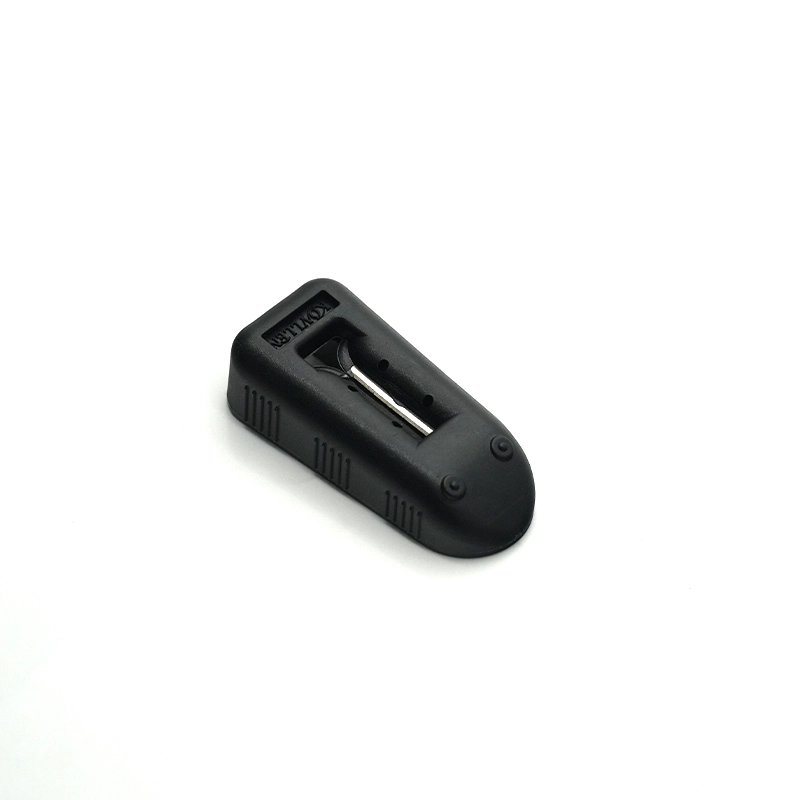
The plastic plug manufactured by Insert molding with stainless steel plate
Bost’s Insert-Molded Stainless Steel Plate Plastic Plug offers superior durability and corrosion resistance. This stainless steel insert durable plastic plug ensures a secure fit and long-lasting performance, ideal for industrial and commercial applications. Robust design meets quality standards.
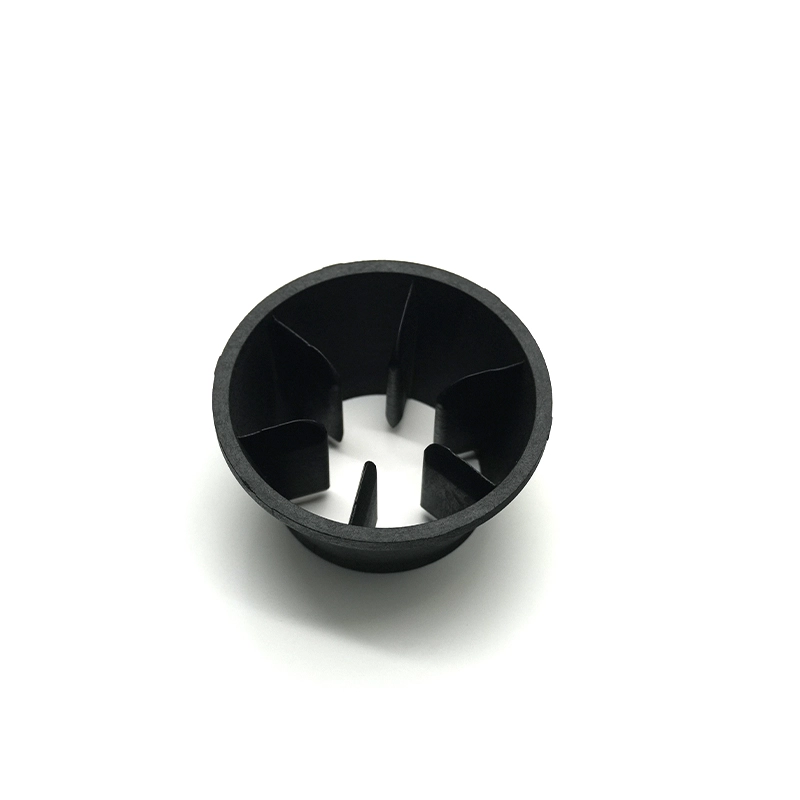
The Bost custom PPO flow valve by injection molding
The BOST Custom PPO Injection-Molded Flow Valve delivers high-temp and corrosion-resistant performance for industrial flow control. Precision-engineered by Bost, this custom PPO valve ensures durable, reliable operation in demanding environments. Optimize your process with BOST’s advanced injection-molded solution.
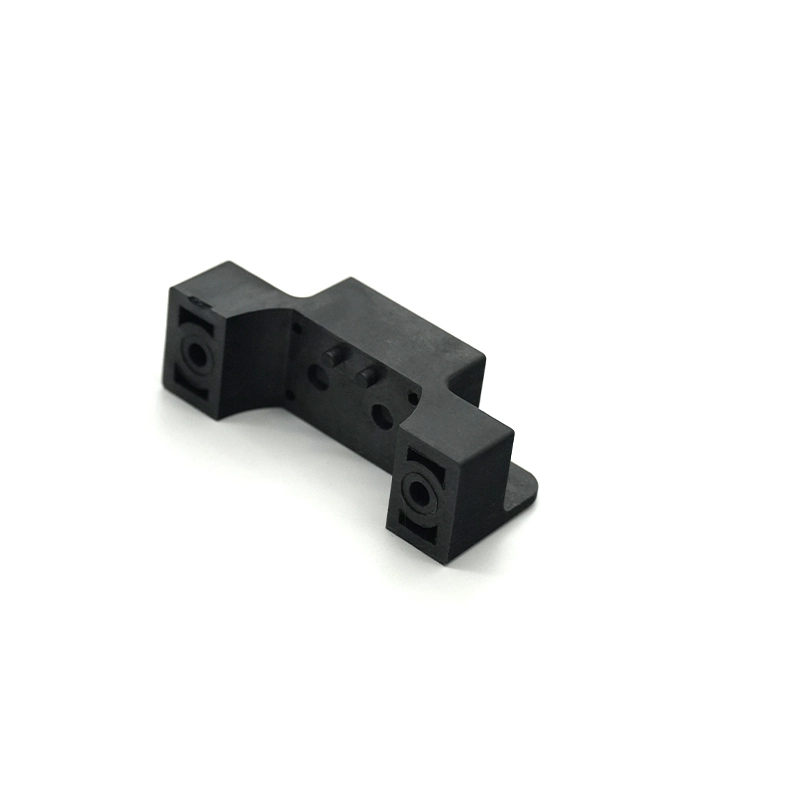
The Bost custom plastic handle by injection molding with high performance PPS material
BOST Custom PPS Injection-Molded Wear-Resistant Handle delivers superior durability and high performance. Made from High Quality PPS material, this injection-molded handle ensures exceptional wear resistance, ideal for demanding applications and long-lasting use. Choose BOST for quality and reliability.
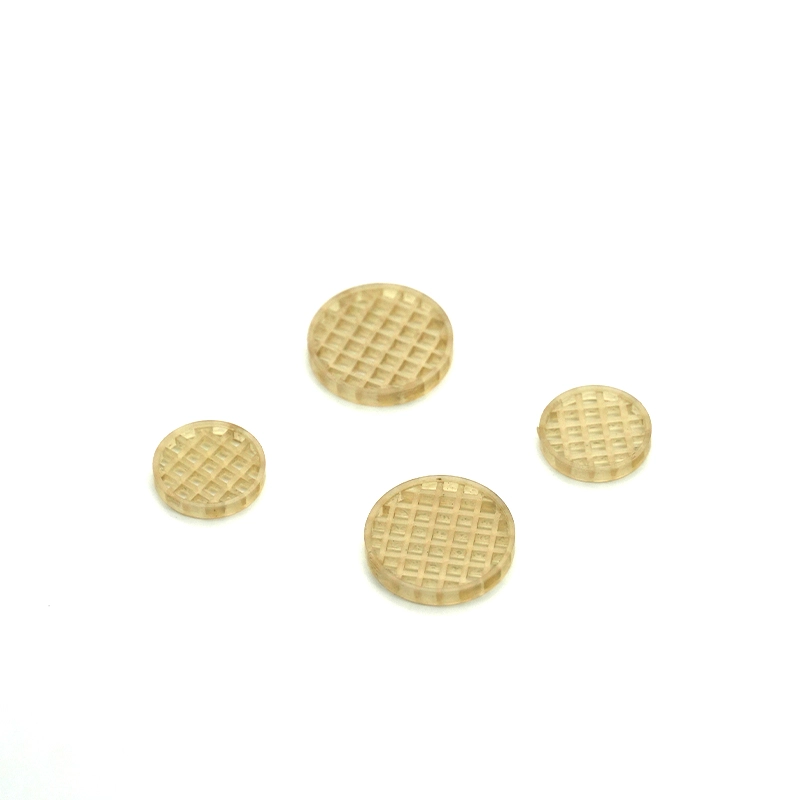
The Bost custom flow meter by injection molding with PES plastic
The Bost Custom PES Injection-Molded Flow Meter offers high-temperature and corrosion resistance, ideal for industrial use. Made with durable PES plastic via precision injection molding, this flow meter ensures reliable, customized performance for demanding applications. Trust Bost for quality and innovation.
Get in touch with Bost
Have any questions or concerns about our products? Please leave us a message here, and our team will get back to you promptly.

24 hours quotes delivered
Submit CAD files, get quote in 24 hours

No MOQ required
From prototyping to high-volume

±0.02 mm Precision
Advanced CNC with full inspections

1,000+ tons in stock
26 materials ready to ship
© 2026 BOST. All Rights Reserved.