
 Scan QR Code
Send My Request
Comprehensive Guide: How to Optimize Injection Molding Processes for Enhanced Mass Production Efficiency and Quality
2026-03-16
Discover Bost’s comprehensive guide on optimizing injection molding processes to boost mass production efficiency and quality. Learn from top plastic injection molding suppliers and explore expert custom injection molding services tailored to your needs. Maximize output and precision with Bost today.
In the global manufacturing landscape, injection molding has evolved far beyond the simple concept of "heating plastic and injecting it into a mold." For brand owners in sectors like precision medical devices, automotive electronics, or high-end consumer electronics, a single tolerance fluctuation of 0.01mm can result in tens of thousands of dollars in recalls or assembly line shutdowns.
As a dedicated service provider with years of industry experience, GZ-Bost has found that the primary concern for procurement decision-makers is not just finding a factory, but ensuring absolute quality consistency during large-scale production. This article will provide an in-depth analysis of the technical nuances of injection molding and share how to avoid common production pitfalls through scientific mold design and process control.
Why the Core of Injection Molding Lies in Prevention Rather Than Inspection
Many newcomers to the industry believe that as long as the injection machine is advanced, the parts will be perfect. This is a significant misconception. In a true B2B production environment, the success of injection molding is 80% decided before the first pellet even enters the hopper.
The Critical Role of DFM (Design for Manufacturing)
At GZ-Bost, the first step our engineers take upon receiving a blueprint is a thorough DFM review. For example, is the wall thickness uniform? Uniform wall thickness is the most effective way to prevent sink marks, one of the most common defects in injection molding. If a design has unavoidable thickness variations, we must compensate by adjusting gate locations or mold cooling circuits.
Scientific Moldflow Analysis
By using modern simulation software, we can predict the location of weld lines and potential air traps before any steel is cut for the mold. This proactive approach not only saves clients the massive cost of repeated mold modifications but also significantly shortens the Time-to-Market for new products.
Three Core Dimensions That Define Injection Molding Quality
Achieving high-level output requires finding the perfect equilibrium between materials, molds, and process parameters.
1. Precision in Mold Design
The mold is the soul of injection molding. A high-quality mold requires not only precise cavity dimensions but also an efficient cooling system. Uneven cooling can lead to warpage after the part is ejected. In designing high-precision molds, we often employ conformal cooling technology to ensure that the temperature difference across the mold surface is kept to an absolute minimum.
2. Resin Selection and Treatment
The material requirements for different injection molding projects vary wildly. From commodity plastics like PP and ABS to high-performance engineering resins like PEEK or glass-filled nylon (PA+GF), shrinkage rates and flowability differ completely. Furthermore, dehumidification and drying are often overlooked by smaller shops. If the moisture content exceeds limits, the finished parts will exhibit silver streaks and suffer from diminished structural integrity.
3. Closed-Loop Control of Process Parameters
In actual production, the setting of injection pressure, holding time, and back pressure is vital. Excessive pressure causes flash, while insufficient pressure leads to short shots. We utilize closed-loop feedback systems to monitor the injection machine's performance curves in real-time, ensuring that every cycle produces parts as precise as the last.
How to Effectively Control Costs in Injection Molding Projects?
Cost control is an unavoidable topic in B2B partnerships. However, savvy buyers know that the supplier with the lowest unit price often carries the highest total cost of ownership.
Multi-Cavity Mold Selection: If your annual volume exceeds 100,000 units, adopting a multi-cavity mold can drastically reduce labor and machine hour costs per part.
Automation Integration: By using robotic arms for part removal and in-line inspection, we significantly reduce the defect rate caused by human intervention, saving clients substantial overhead in long-term injection molding partnerships.
Mold Maintenance: A well-maintained mold can stabilize production for over 500,000 cycles, whereas neglected molds develop fitting gaps after just 100,000 cycles.
Finding a Professional Injection Molding Partner
At GZ-Bost, we understand the respect our clients have for quality. We provide more than just injection molding services; we offer a one-stop solution from mold R&D and production to secondary processing. Whether it is complex insert molding or thin-wall precision requirements, our team leverages extensive industry experience to provide the most cost-effective execution plan.
Are you looking for a reliable supplier for your new product's injection molding project?
Don't let inefficient communication and unstable quality hinder your business growth. Visit the Official GZ-Bost Website today to submit your project requirements. Our senior engineers will provide a free DFM analysis report and a precise quote within 24 hours. Let us empower your brand's global journey with professional injection molding technology!
Recommended for you
Deep Dive: Choosing Exceptional Plastic Injection Molding Services to Optimize Your Product Lifecycle
Ultimate Guide: Optimizing Your Product Development Cycle with High-Quality Custom Plastic Injection Molding
Deep Analysis: Optimizing Product Supply Chains through High-Quality Plastic Injection Molding
Ultimate Guide: Selecting High-Performance Rubber Seals to Optimize Equipment Longevity
Prdoucts Categories
FAQ
FAQs
What is the delivery lead time? Do you offer global logistics?
Standard products: 5–15 working days; custom modifications: 2–4 weeks. We support global air/sea freight and provide export customs clearance documents (including REACH/UL certifications).
How do I select the appropriate engineering plastic grade for my product?
Selection should be based on parameters such as load conditions (e.g., pressure/friction), temperature range, medium contact (e.g., oil/acid), and regulatory requirements (e.g., FDA/RoHS). Our engineers can provide free material selection consulting and sample testing.
What are the core advantages of Bost engineering plastics compared to ordinary plastics?
Bost engineering plastics feature ultra-high mechanical strength, high-temperature resistance (-50°C to 300°C), chemical corrosion resistance, and wear resistance. Compared to ordinary plastics, their service life is extended by 3 to 8 times, making them suitable for replacing metals in harsh environments.
Can Bost customize modified plastics with special properties?
Yes! We offer modification services such as reinforcement, flame retardancy, conductivity, wear resistance, and UV resistance, for example:
• Adding carbon fiber to enhance stiffness
• Reducing the coefficient of friction through PTFE modification
• Customizing food-grade or medical-grade certified materials
What is the minimum order quantity (MOQ)? Do you support small-batch trial production?
The MOQ for standard products is ≥100kg. We support small-batch trial production (as low as 20kg) and provide mold testing reports and performance data feedback.
You may also like
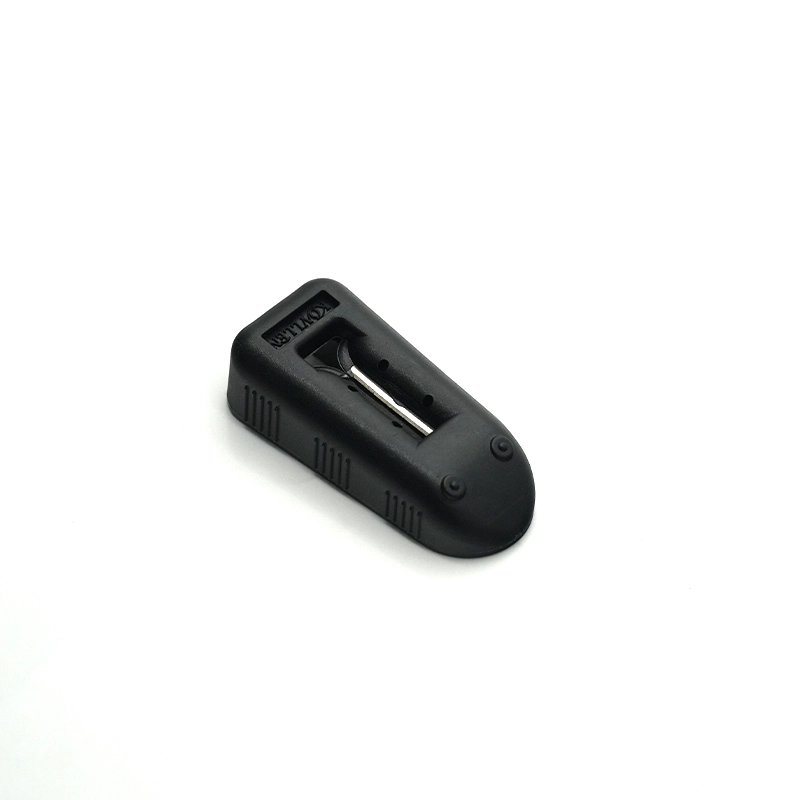
The plastic plug manufactured by Insert molding with stainless steel plate
More Details →
The plastic plug manufactured by Insert molding with stainless steel plate
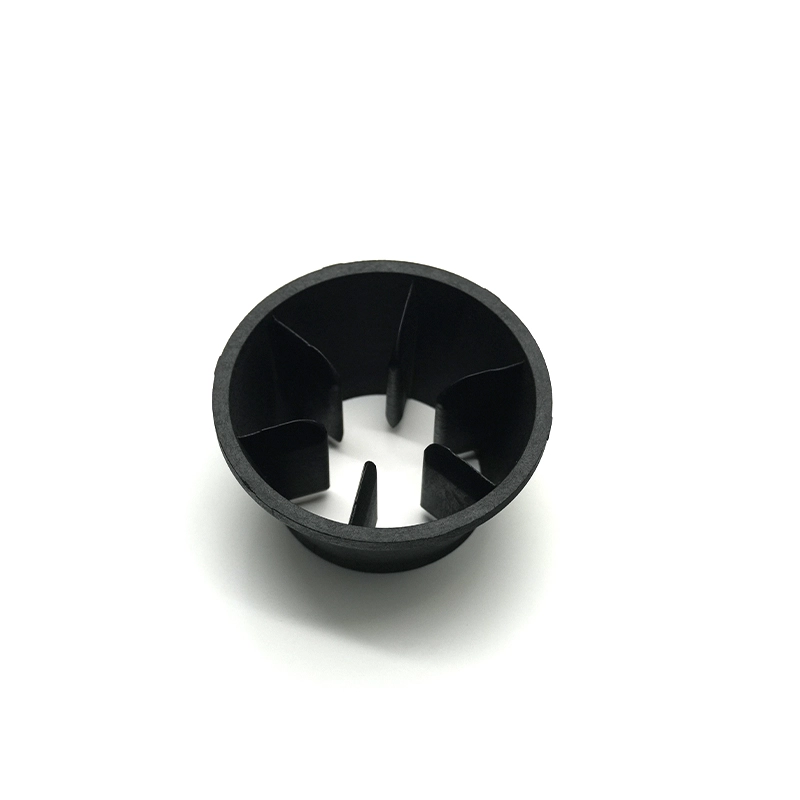
The Bost custom PPO flow valve by injection molding
More Details →
The Bost custom PPO flow valve by injection molding
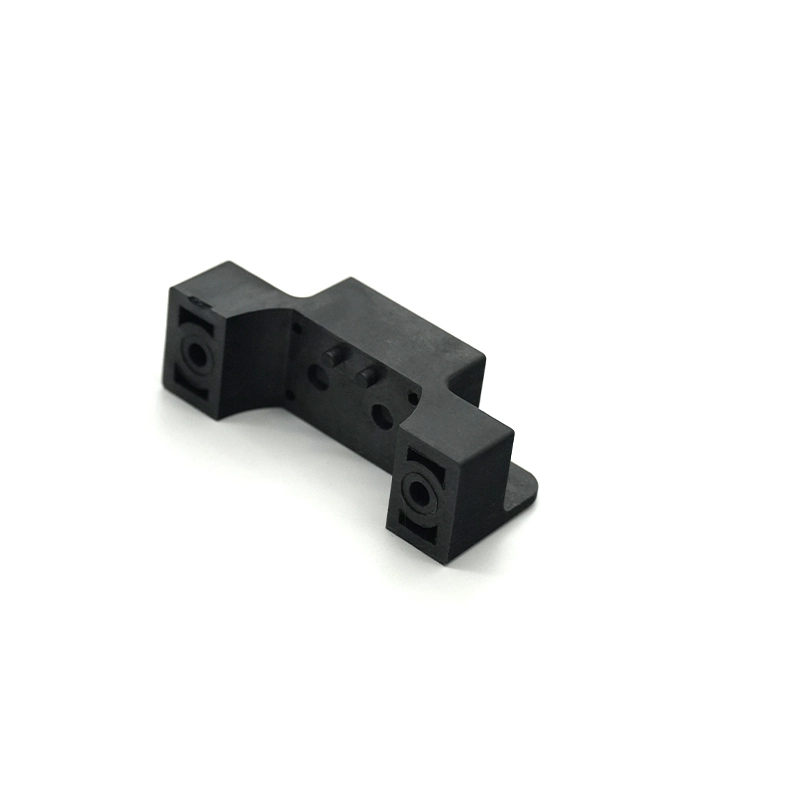
The Bost custom plastic handle by injection molding with high performance PPS material
More Details →
The Bost custom plastic handle by injection molding with high performance PPS material
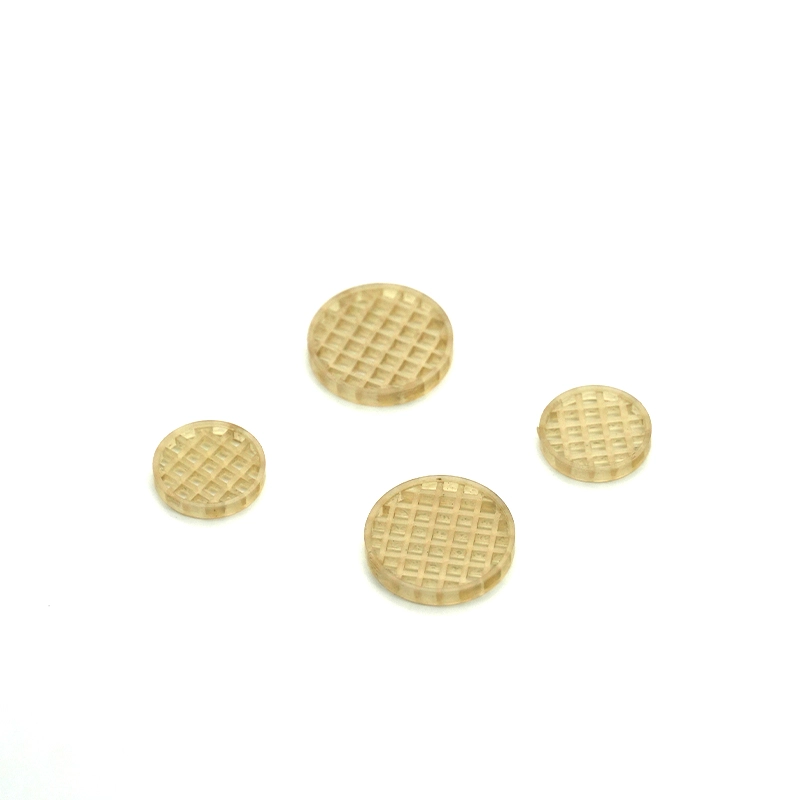
The Bost custom flow meter by injection molding with PES plastic
More Details →
The Bost custom flow meter by injection molding with PES plastic
Leave a Message
Have any questions or concerns about our products? Please leave us a message here, and our team will get back to you promptly.

24 hours quotes delivered
Submit CAD files, get quote in 24 hours

No MOQ required
From prototyping to high-volume

±0.02 mm Precision
Advanced CNC with full inspections

1,000+ tons in stock
26 materials ready to ship
© 2026 BOST. All Rights Reserved.