
 Scan QR Code
Send My Request
Ultimate Guide: Selecting High-Performance Rubber Seals to Optimize Equipment Longevity
2026-03-15
Discover Bost’s expert guide on selecting high-performance rubber seals to enhance your equipment’s lifespan. As a trusted rubber seal supplier for industrial machinery, we offer custom rubber seal extrusion services tailored to meet your specific needs. Optimize durability with Bost today.
- Why Do Your Rubber Seals Fail Prematurely?
- 1. The "Invisible Trap" of Chemical Compatibility
- 2. Compression Set
- Core Technology: A Systematic Approach from Mold Design to Precision Injection
- The Vital Role of Precision Mold Design
- Refined Control in the Injection Molding Process
- Material Selection Logic for Different Industries
- Quality Control: More Than Just Pressure Testing
- Conclusion: Partnering with Injection Molding Professionals
In the intricate world of modern industrial manufacturing, a seemingly minor Rubber Seal often dictates the operational safety of an entire machine or even an entire production facility. From hydraulic systems in precision injection molds to fluid control in automotive engines, the cost of downtime caused by seal failure is often hundreds of times the price of the part itself.
However, in our communications with global B2B buyers and engineers, we’ve noticed that many tend to fall into the traps of "price-driven" sourcing or over-reliance on "general-purpose models." In reality, the demands on a Rubber Seal vary drastically depending on the working conditions. GZ-Bost, with over a decade of expertise in injection molding processes and precision mold design, takes a deep dive into how the synergy of material science and processing technology creates truly long-lasting sealing solutions.
Why Do Your Rubber Seals Fail Prematurely?
Before discussing selection, we must address the pain points that keep engineers up at night.
1. The "Invisible Trap" of Chemical Compatibility
Many clients report that Rubber Seals used in standard environments swell or embrittle rapidly once they come into contact with specific synthetic lubricants or cleaning agents. This usually happens because the material formulation didn't account for the chemical attack on the rubber's polar molecules.
2. Compression Set
In injection molding equipment operating under continuous high heat, low-quality rubber components lose their elasticity over time, turning from round to flat. Once pressure fluctuates, leakage becomes inevitable. This is directly related to the precision of vulcanization time within the injection molding process.
Core Technology: A Systematic Approach from Mold Design to Precision Injection
A high-quality Rubber Seal is not merely a product of simple compression; it is a systematic engineering feat combining fluid and material mechanics.
The Vital Role of Precision Mold Design
At GZ-Bost’s R&D lab, we emphasize that "sealing starts with the mold." For high-performance Rubber Seals, the design of the parting line is critical. If handled poorly, the resulting "flash" (excess material) not only affects aesthetics but becomes a weak point for stress concentration. We utilize advanced flow simulation software during the mold design stage to optimize gate locations, ensuring uniform pressure distribution of the rubber compound within the cavity, thereby eliminating air bubbles and cold welds.
Refined Control in the Injection Molding Process
Unlike standard plastic products, rubber injection requires much stricter temperature gradient control. Excessive temperatures cause premature "scorch," while insufficient heat leads to incomplete vulcanization. GZ-Bost utilizes closed-loop controlled precision injection machines to keep temperature variances within $\pm 1$°C, ensuring that every batch of Rubber Seals possesses consistent physical properties.
Material Selection Logic for Different Industries
To help you pinpoint the right solution for your project, we categorize Rubber Seal materials based on their application environments:
-
FKM/Viton (Fluoroelastomer): If you are in aerospace or high-performance automotive manufacturing, FKM is the premier choice. It withstands temperatures exceeding 200°C and is virtually immune to most chemical solvents.
-
NBR (Nitrile Rubber): The most cost-effective industrial choice, particularly excellent in oil resistance, widely used in hydraulic cylinders of conventional injection molding machines.
-
EPDM (Ethylene Propylene Diene Monomer): For outdoor equipment or conditions involving steam, EPDM’s outstanding ozone and weather resistance make it the "all-weather warrior" of the Rubber Seal family.
Quality Control: More Than Just Pressure Testing
At GZ-Bost, we are obsessively committed to the delivery quality of every single Rubber Seal. Beyond standard pressure and tensile testing, we implement:
-
Automated Vision Inspection Systems: Using high-magnification industrial cameras to automatically detect dimensional tolerances and minute surface defects, maintaining defect rates at the PPM level.
-
Hardness Consistency Testing: Ensuring that seals from the same batch maintain the expected rebound coefficient across varying environmental temperatures.
Conclusion: Partnering with Injection Molding Professionals
Choosing a Rubber Seal supplier is, at its core, choosing security. In today's complex global supply chain, GZ-Bost offers more than standardized sealing parts; we provide customized mold development and production consulting services based on our deep precision injection molding background.
If you are facing equipment leakage issues or searching for a Rubber Seal manufacturer capable of meeting rigorous custom requirements, visit GZ-Bost's official website or contact our engineering team directly for a free DFM assessment and real-time quote. We use professional injection molding solutions to "seal" your profit margins.
Recommended for you
Ultimate Guide: How to Enhance Product Performance and Reduce Costs via Insert Molding Optimization
Goodbye Peeling and Cracking: How Over Molding Perfectly Achieves Seamless Multi-Material Integration
Conquering Corrosion and High Heat: Core Processes and Pitfall Guide for Fluoroplastic Precision Injection Molding
Goodbye Material Selection Blind Spots: How to Achieve Cost Reduction and Lightweighting Through the Right Engineering Plastic
Prdoucts Categories
FAQ
FAQs
What is the delivery lead time? Do you offer global logistics?
Standard products: 5–15 working days; custom modifications: 2–4 weeks. We support global air/sea freight and provide export customs clearance documents (including REACH/UL certifications).
How do I select the appropriate engineering plastic grade for my product?
Selection should be based on parameters such as load conditions (e.g., pressure/friction), temperature range, medium contact (e.g., oil/acid), and regulatory requirements (e.g., FDA/RoHS). Our engineers can provide free material selection consulting and sample testing.
Can Bost customize modified plastics with special properties?
Yes! We offer modification services such as reinforcement, flame retardancy, conductivity, wear resistance, and UV resistance, for example:
• Adding carbon fiber to enhance stiffness
• Reducing the coefficient of friction through PTFE modification
• Customizing food-grade or medical-grade certified materials
What are the core advantages of Bost engineering plastics compared to ordinary plastics?
Bost engineering plastics feature ultra-high mechanical strength, high-temperature resistance (-50°C to 300°C), chemical corrosion resistance, and wear resistance. Compared to ordinary plastics, their service life is extended by 3 to 8 times, making them suitable for replacing metals in harsh environments.
What is the minimum order quantity (MOQ)? Do you support small-batch trial production?
The MOQ for standard products is ≥100kg. We support small-batch trial production (as low as 20kg) and provide mold testing reports and performance data feedback.
You may also like
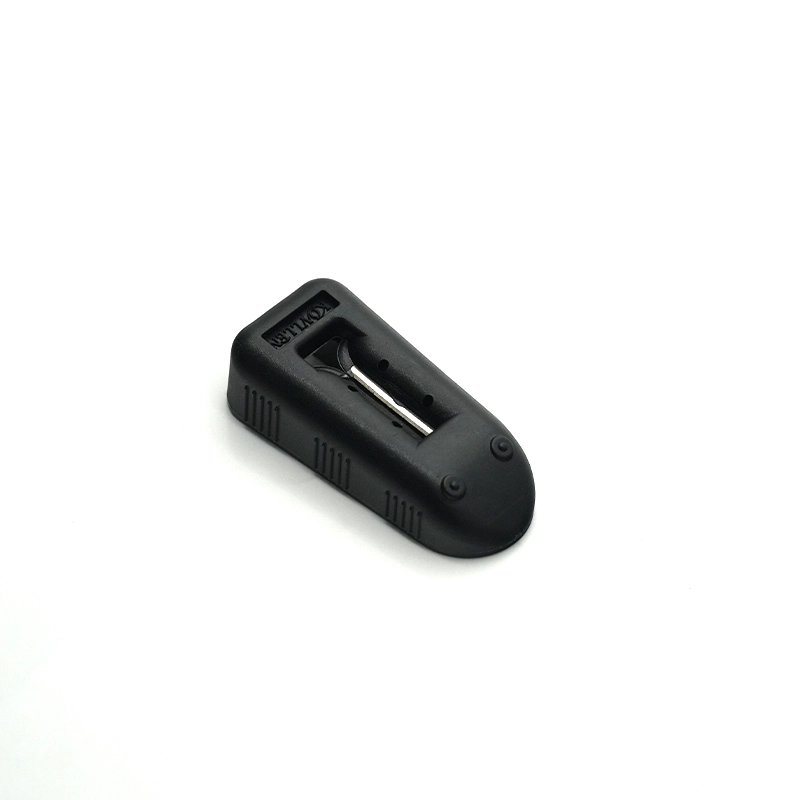
The plastic plug manufactured by Insert molding with stainless steel plate
More Details →
The plastic plug manufactured by Insert molding with stainless steel plate
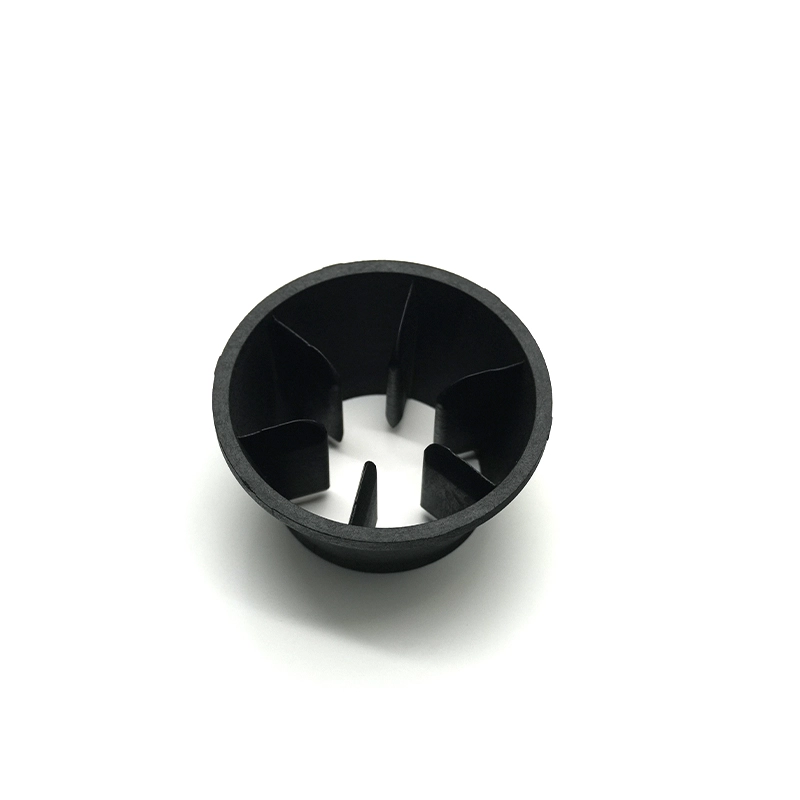
The Bost custom PPO flow valve by injection molding
More Details →
The Bost custom PPO flow valve by injection molding
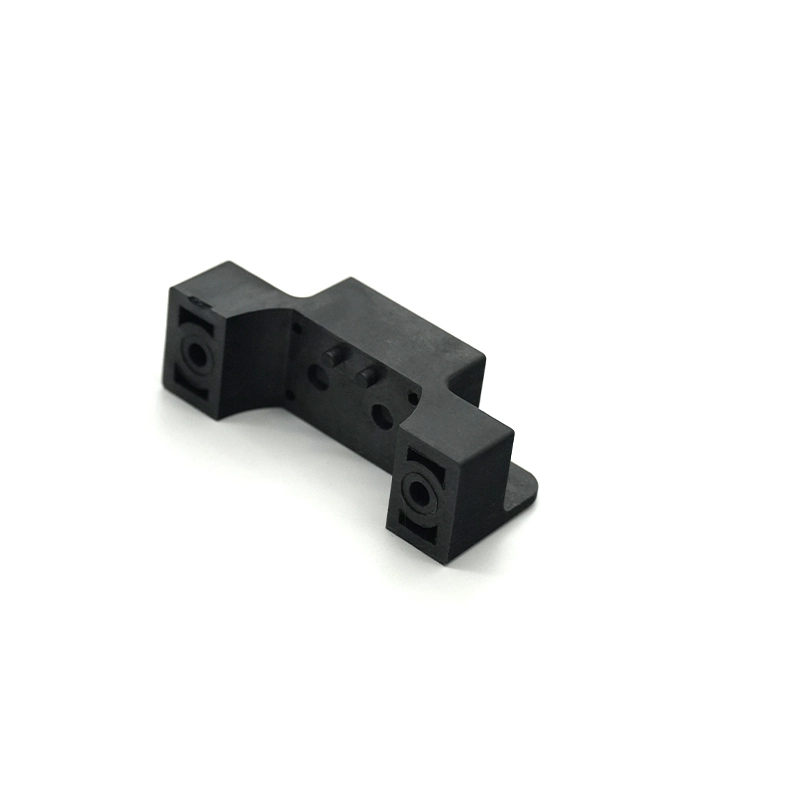
The Bost custom plastic handle by injection molding with high performance PPS material
More Details →
The Bost custom plastic handle by injection molding with high performance PPS material
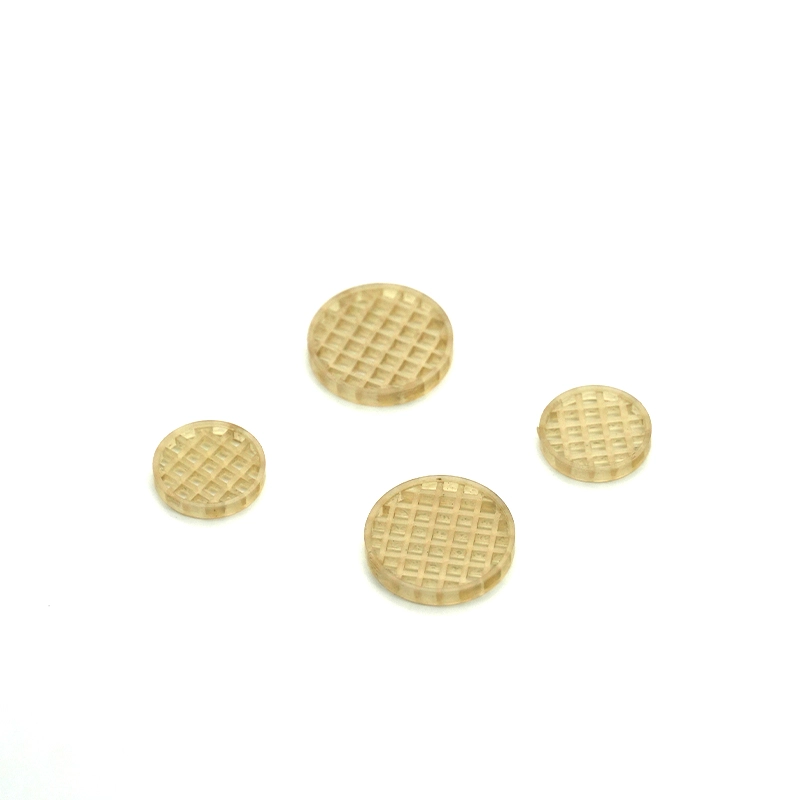
The Bost custom flow meter by injection molding with PES plastic
More Details →
The Bost custom flow meter by injection molding with PES plastic
Leave a Message
Have any questions or concerns about our products? Please leave us a message here, and our team will get back to you promptly.

24 hours quotes delivered
Submit CAD files, get quote in 24 hours

No MOQ required
From prototyping to high-volume

±0.02 mm Precision
Advanced CNC with full inspections

1,000+ tons in stock
26 materials ready to ship
© 2026 BOST. All Rights Reserved.