
 Scan QR Code
Send My Request
Deep Dive: How Over Molding Enhances Product Durability and Tactile Experience?
2026-03-19
Discover how Bost’s expert overmolding service for connectors uses TPE overmolding for grips and seals to enhance product durability and tactile experience. Explore the benefits of over molding in creating robust, comfortable, and long-lasting products.
In the fiercely competitive global manufacturing market, product differentiation often lies in the details. Whether it's an industrial hand tool with an anti-slip grip or an automotive sensor requiring rigorous sealing performance, the Over Molding process plays a vital role. For B2B buyers seeking high-performance injection molding solutions, understanding the material selection and mold logic behind this process is key to project success.
1. What is Over Molding? Why is it Unique in Precision Injection Molding?
In simple terms, Over Molding is an injection molding process that combines two or more materials into a single part. Typically, the first material (the substrate or rigid base) is molded first, and then a second shot covers all or part of the substrate with another material (usually a softer elastomer like TPE or TPU).
Compared to traditional mechanical assembly, Over Molding offers unparalleled structural integrity. At the GZ-Bost production facility, we often emphasize to our clients: this isn't just a stacking of two plastics; it’s a "handshake" at the molecular level. This process effectively eliminates assembly gaps, enhances waterproof and shockproof performance, and endows products with premium aesthetics and ergonomic touch.
2. Core Challenge: Material Compatibility and Bonding Strength in Over Molding
When developing an Over Molding project, the biggest headache for engineers is often: will the two materials stick together?
Molecular Bonding vs. Mechanical Interlocks
Not all plastics naturally bond to one another. If the substrate is a rigid PC (Polycarbonate) and the overmold is a TPE (Thermoplastic Elastomer), we must ensure their melt temperatures and chemical polarities are compatible. In practice, if chemical compatibility is insufficient, we must incorporate "Mechanical Interlocks" into the mold design phase—such as undercuts, holes, or grooves—to physically lock the second material onto the handle or housing.
The Art of Temperature Control
Over Molding is extremely sensitive to temperature. If the first substrate cools too much, the second melt cannot form a strong fusion layer with its surface; if the substrate is too hot, the high pressure of the second injection can cause deformation. On GZ-Bost's precision injection molding lines, we use closed-loop temperature control systems to keep mold temperature fluctuations within a minimal range, ensuring every "overmold" achieves industrial-grade peel strength.
3. Application Analysis: From Medical Devices to High-End Electronics
The wide adoption of Over Molding proves its exceptional ability to solve complex design problems.
Medical Industry: Many surgical instruments use Over Molding to cover stainless steel or rigid plastic handles with a layer of medical-grade silicone or TPE. This improves the surgeon’s grip, and more importantly, the seamless structure prevents bacterial growth in crevices, meeting strict hygiene standards.
Automotive Parts: Sensor housings, control knobs, and various seals utilize Over Molding for a soft-hard combination. The soft part provides vibration damping and sealing, while the rigid part provides structural support.
Consumer Electronics: Familiar waterproof phone cases or rugged cameras often use precision-molded overmolding at the interfaces to achieve IP68-rated protection.
4. Mold Design: The Deciding Factor in Over Molding Costs
Many clients ask during initial consultations: why is the mold fee for Over Molding higher than standard injection molding?
This is because the process usually requires two sets of molds (double-shot molds) or a specialized mold with precision inserts. During the mold design process, the secondary positioning accuracy of the substrate must be meticulously considered. A deviation of even 0.05mm can lead to serious flash or overflow, resulting in scrapped parts.
Furthermore, cycle time management is core to cost control. By optimizing cooling channel design, we can significantly reduce the waiting time for the second shot. At GZ-Bost, we utilize advanced flow analysis software to simulate the entire process before mold fabrication, saving our clients significant time and trial-and-error costs.
5. Why Choose GZ-Bost as Your Partner?
Handling Over Molding projects requires more than just advanced hardware; it demands deep industry experience. GZ-Bost has over 10 years of experience in injection molding, and we understand every pain point from material modification to mass production.
Our technical team gets involved from the DFM (Design for Manufacturing) stage, helping you optimize part structures, reduce material waste, and ensure that the final Over Molding parts maintain solid adhesion even in extreme environments. We are not just a factory; we are your technical consultants, dedicated to transforming your ideas into competitive physical products.
Looking for High-Quality Over Molding Solutions?
Whether your project involves complex structural components or fine tactile overmolding, GZ-Bost provides one-stop technical support. Visit our website at https://www.gz-bost.com to learn more about our precision injection molding cases. You can click [Get an Instant Quote] directly, and our engineers will provide a detailed technical assessment and price reference within 24 hours.
Recommended for you
The Heart of Industrial Reliability: How to Select and Optimize High-Performance Rubber Seals?
Goodbye Loosening and Cracking: How Insert Molding Reshapes the Perfect Integration of Metal and Plastic
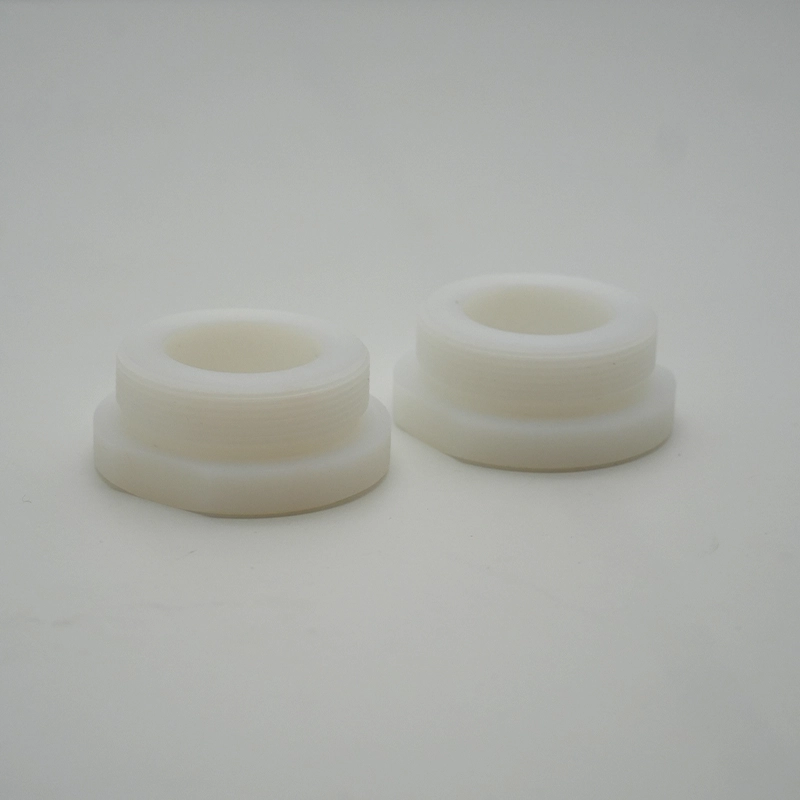
Deep Guide: How to Maximize the Performance of Fluoroplastic via Precision Injection Molding?
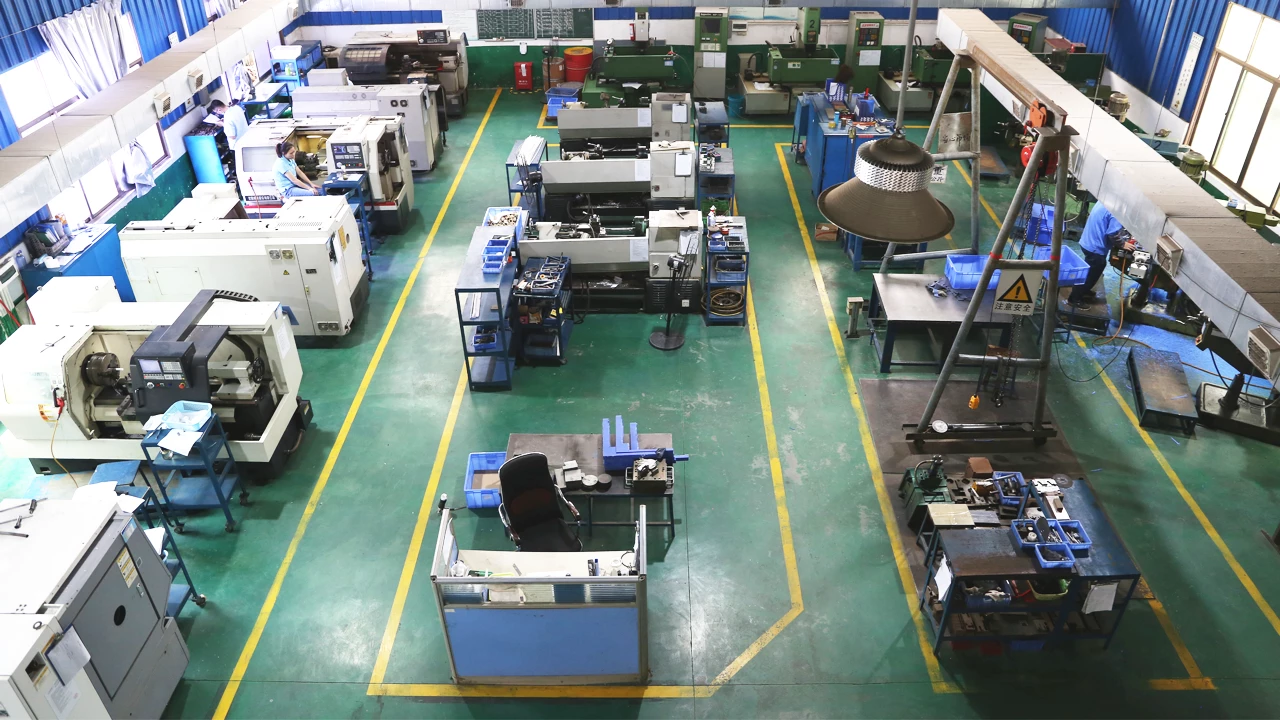
Deep Dive: How to Choose the Most Suitable Engineering Plastic for Your Injection Molding Project?
Prdoucts Categories
FAQ
FAQs
What are the core advantages of Bost engineering plastics compared to ordinary plastics?
Bost engineering plastics feature ultra-high mechanical strength, high-temperature resistance (-50°C to 300°C), chemical corrosion resistance, and wear resistance. Compared to ordinary plastics, their service life is extended by 3 to 8 times, making them suitable for replacing metals in harsh environments.
How do I select the appropriate engineering plastic grade for my product?
Selection should be based on parameters such as load conditions (e.g., pressure/friction), temperature range, medium contact (e.g., oil/acid), and regulatory requirements (e.g., FDA/RoHS). Our engineers can provide free material selection consulting and sample testing.
Can Bost customize modified plastics with special properties?
Yes! We offer modification services such as reinforcement, flame retardancy, conductivity, wear resistance, and UV resistance, for example:
• Adding carbon fiber to enhance stiffness
• Reducing the coefficient of friction through PTFE modification
• Customizing food-grade or medical-grade certified materials
What is the minimum order quantity (MOQ)? Do you support small-batch trial production?
The MOQ for standard products is ≥100kg. We support small-batch trial production (as low as 20kg) and provide mold testing reports and performance data feedback.
What is the delivery lead time? Do you offer global logistics?
Standard products: 5–15 working days; custom modifications: 2–4 weeks. We support global air/sea freight and provide export customs clearance documents (including REACH/UL certifications).
You may also like
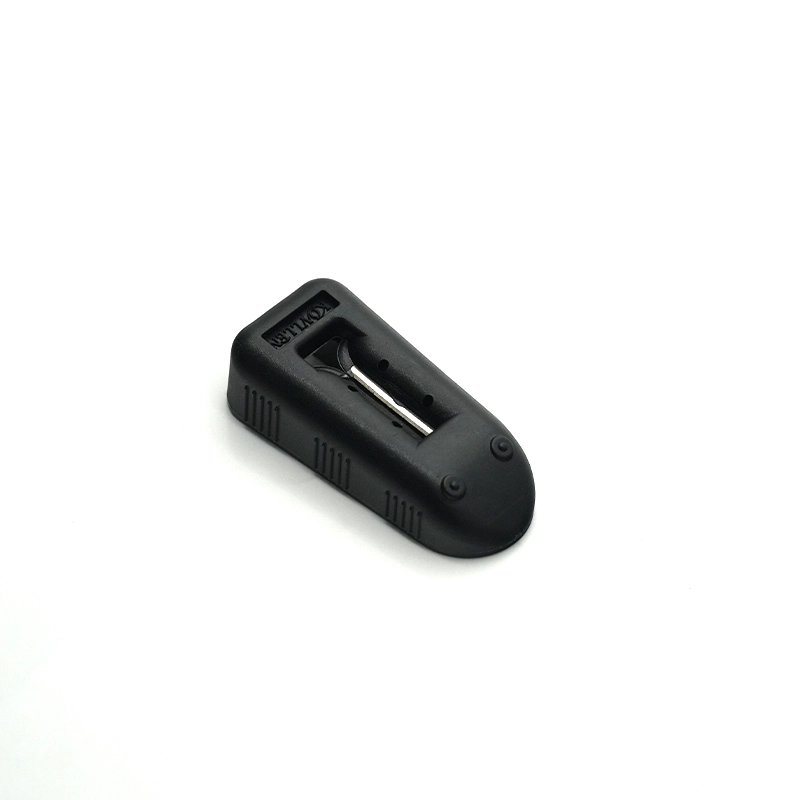
The plastic plug manufactured by Insert molding with stainless steel plate
More Details →
The plastic plug manufactured by Insert molding with stainless steel plate
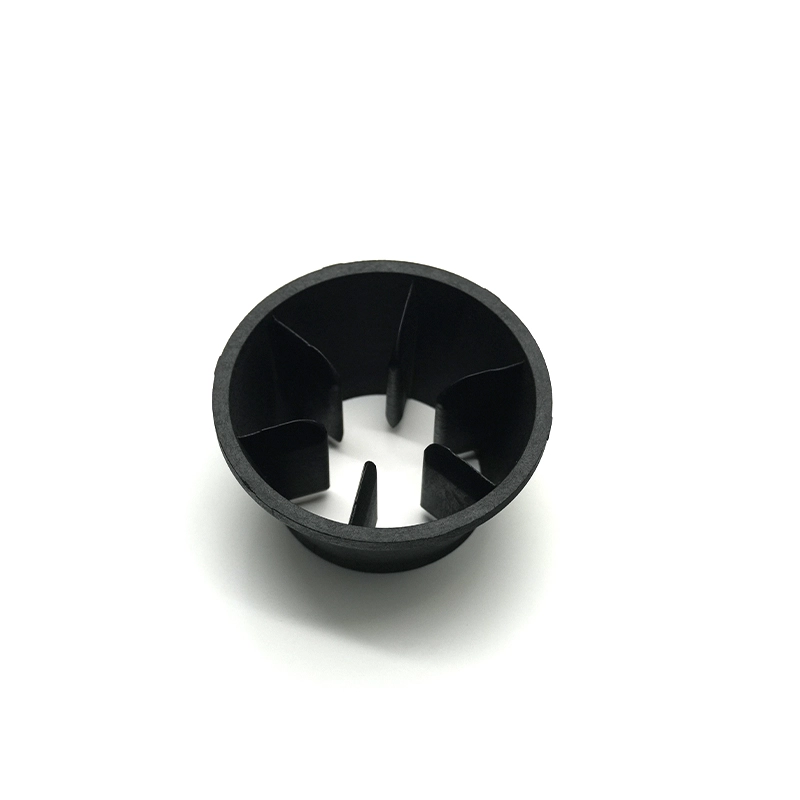
The Bost custom PPO flow valve by injection molding
More Details →
The Bost custom PPO flow valve by injection molding
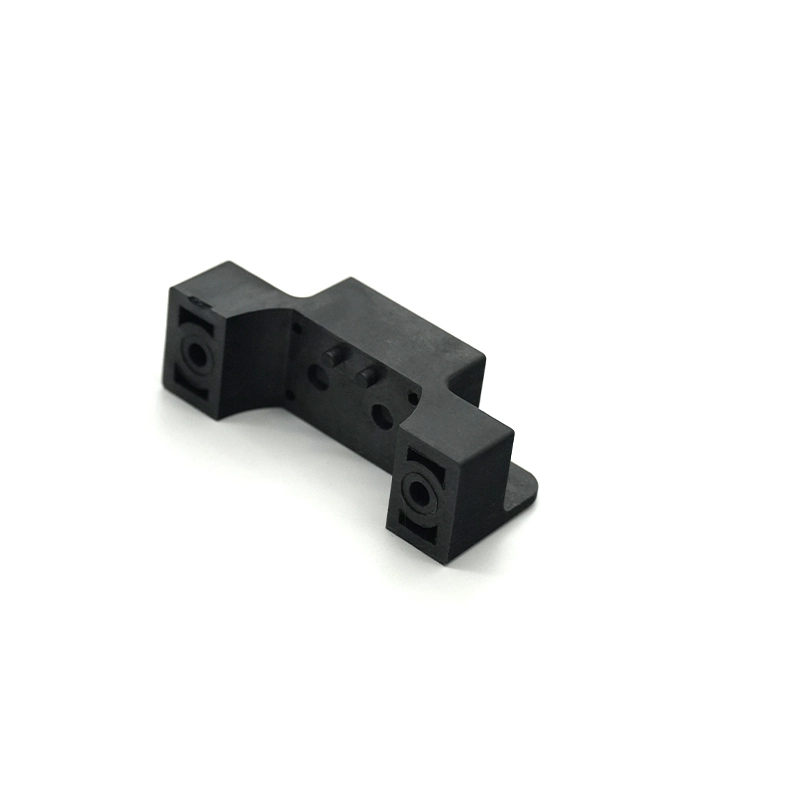
The Bost custom plastic handle by injection molding with high performance PPS material
More Details →
The Bost custom plastic handle by injection molding with high performance PPS material
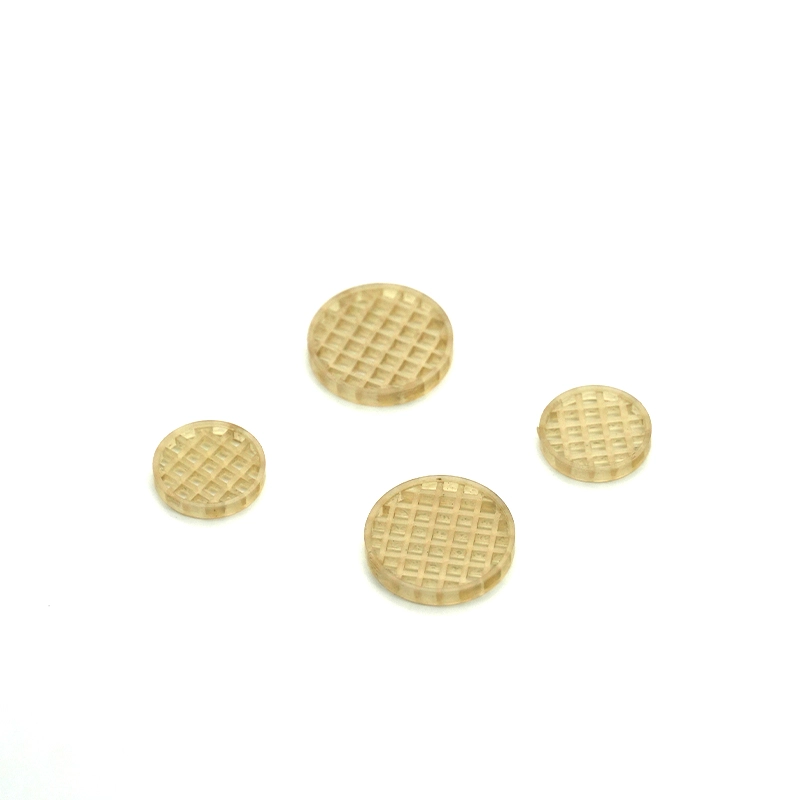
The Bost custom flow meter by injection molding with PES plastic
More Details →
The Bost custom flow meter by injection molding with PES plastic
Leave a Message
Have any questions or concerns about our products? Please leave us a message here, and our team will get back to you promptly.

24 hours quotes delivered
Submit CAD files, get quote in 24 hours

No MOQ required
From prototyping to high-volume

±0.02 mm Precision
Advanced CNC with full inspections

1,000+ tons in stock
26 materials ready to ship
© 2026 BOST. All Rights Reserved.