
 Scan QR Code
Send My Request
Deep Dive into Plastic Injection Molding: A Professional Guide from Process Logic to Cost Optimization
2026-04-13
Explore Bost’s expert guide on plastic injection molding, covering process logic, custom plastic injection molding services, and plastic injection mold tooling and prototyping. Optimize costs and enhance efficiency with our professional insights tailored for your manufacturing needs.
- 1. What is Plastic Injection Molding? Core Advantages Explained
- 2. Key Elements of Precision Injection Molding
- 1. Mold Design and Runner Optimization
- 2. Precise Control of Process Parameters
- 3. Comparison of Common Materials and Application Scenarios
- 4. How to Optimize Production Costs in Plastic Injection Molding?
- 1. Scientific Wall Thickness Design
- 2. Insert Molding and Overmolding
- 3. DFM (Design for Manufacturing) Review
- 5. Addressing Customer Pain Points: Why Choose Bost?
- Conclusion
In today’s global manufacturing landscape, plastic injection molding is undoubtedly the core technology for achieving large-scale, high-precision production of plastic parts. Whether it is a precision structural component for the automotive industry or a high-standard module in medical devices, the stability of the injection process directly determines the market competitiveness of the end product.
As a supplier deeply rooted in the injection molding field for years, Guangzhou Bost frequently receives inquiries from customers regarding "how to balance injection molding costs with product quality." This article will take you through the core stages of this process and share how to enhance your production efficiency through design optimization.
1. What is Plastic Injection Molding? Core Advantages Explained
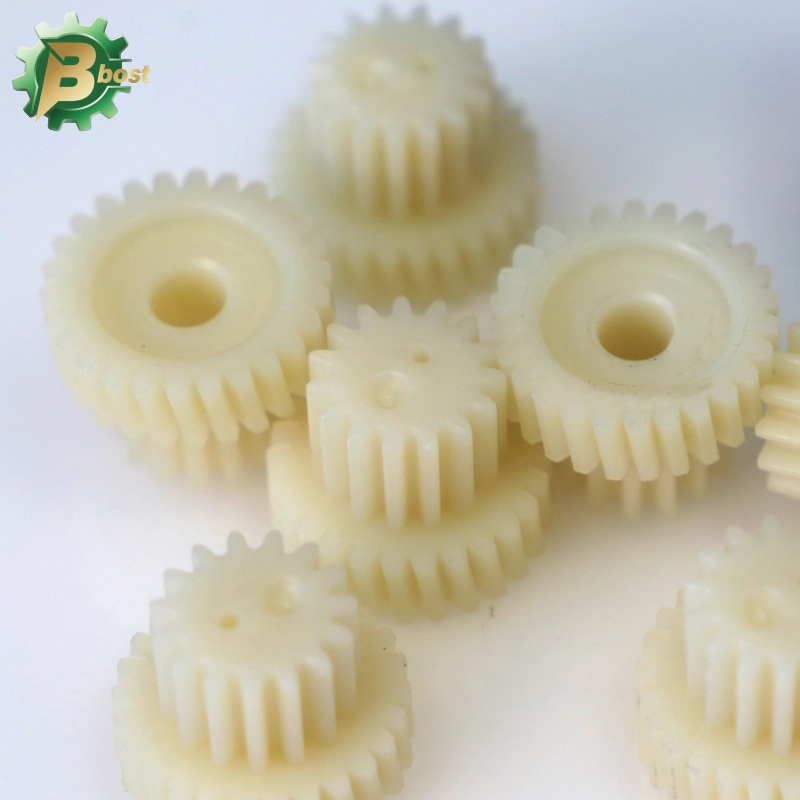
Plastic injection molding is a manufacturing method where molten plastic resin is injected into a precision mold cavity under high pressure, then cooled and solidified to obtain a shaped part.
Compared to 3D printing or CNC machining, injection molding offers unparalleled advantages in B2B mass production:
-
Extreme Production Efficiency: Cycle times are usually measured in seconds, making it ideal for orders in the millions.
-
High Consistency: Once the mold is fine-tuned, there is virtually no difference in dimensional tolerance between the 1st part and the 1,000,000th part produced.
-
Material Diversity: From general-purpose PP and ABS to high-performance PEEK or fiber-reinforced composites, the injection process handles them all with ease.
2. Key Elements of Precision Injection Molding
Achieving high-quality plastic injection molding requires more than just owning an injection machine; it is a complex systematic engineering task.
1. Mold Design and Runner Optimization
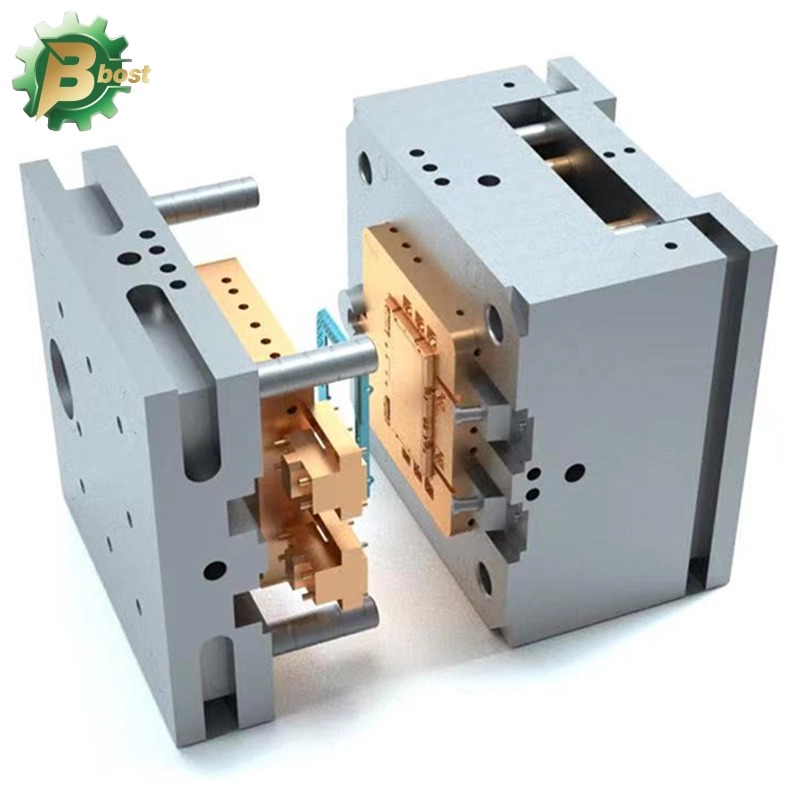
The mold is the heart of the process. Excellent mold design requires pre-consideration of shrinkage rates, draft angles, and the layout of cooling systems. By utilizing CAE mold flow analysis technology, we can predict potential issues like shrinkage, bubbles, or weld lines before the mold is even cut, significantly reducing the cost of later modifications.
2. Precise Control of Process Parameters
Temperature, pressure, and time are the three pillars of injection molding. Excessively high melt temperatures can lead to material degradation, while insufficient pressure causes "short shots" (incomplete filling). Senior injection engineers set exclusive process packages for each product based on the rheological characteristics of the material.
3. Comparison of Common Materials and Application Scenarios
Choosing the right resin is the cornerstone of successful plastic injection molding. The table below summarizes the mainstream engineering plastics in the industry and their characteristics:
| Material Name | Core Advantages | Common Applications | Cost Level |
| ABS | High toughness, easy to paint, good stability | Automotive interiors, electronic housings | Medium |
| PP (Polypropylene) | Strong chemical resistance, low density, low cost | Packaging containers, home appliances | Lower |
| PC (Polycarbonate) | Excellent transparency, high impact resistance | Medical devices, lighting covers | Higher |
| PA66 (Nylon) | High mechanical strength, wear-resistant, heat-resistant | Industrial transmission parts, engine bay parts | Medium-High |
| PEEK | Extreme heat and chemical stability | Aerospace, implantable medical devices | Expensive |
4. How to Optimize Production Costs in Plastic Injection Molding?
Many overseas buyers focus only on unit price when searching for suppliers. However, in a professional plastic injection molding workflow, true cost optimization stems from these three dimensions:
1. Scientific Wall Thickness Design
Uneven wall thickness is the culprit behind warping and sink marks. By maintaining uniform wall thickness, you can not only shorten cooling time (thereby reducing the cycle time) but also significantly reduce residual stress and improve the yield rate.
2. Insert Molding and Overmolding
If you need to combine metal parts with plastic or require a soft-touch grip over a hard plastic shell, using insert molding or two-shot molding (overmolding) can eliminate a significant amount of post-assembly labor. In the long run, the total assembly cost is actually lower.
3. DFM (Design for Manufacturing) Review
Before official production begins, communication with a professional team like Guangzhou Bost for a DFM review is crucial. We can suggest minor adjustments to unnecessarily complex structures from a manufacturing perspective, simplifying the mold structure and directly reducing mold expenses.
5. Addressing Customer Pain Points: Why Choose Bost?
In B2B cooperation, communication gaps and quality fluctuations are the biggest pain points for buyers. We understand that you don't just need a contract manufacturer; you need a technical partner who can solve problems.
-
Full Process Quality Traceability: From spectral analysis of raw materials upon arrival, to first-article inspection and routing inspection during production, to OQC testing before shipment, we ensure every plastic injection molding part delivered to you meets specifications.
-
Rapid Response Mechanism: For complex injection molding projects, our project engineers provide a preliminary technical feasibility assessment within 24 hours.
Conclusion
Plastic injection molding is an art of balance—balancing speed, precision, and cost. By selecting the right materials, optimizing product design, and maintaining rigorous production management, your products will hold a more favorable position in the market.
If you are looking for a reliable plastic injection molding partner or have a new design project that requires a cost assessment, please visit Guangzhou Bost Official Website. Our team of experts is ready to provide you with tailored injection molding solutions.
Recommended for you
Ultimate Guide: Technical Analysis and Cost Optimization for Sourcing custom injection molding parts
Ultimate Guide: How to Obtain High-Quality custom injection molding parts via Design and Process Optimization?
Ultimate Guide: How to Obtain High-Quality Custom Injection Molded Parts via Design and Process Optimization?
The Ultimate Guide: How High-Standard Plastic Injection Molding Services Boost Your Product’s Core Competitiveness?
Prdoucts Categories
FAQ
FAQs
Can Bost customize modified plastics with special properties?
Yes! We offer modification services such as reinforcement, flame retardancy, conductivity, wear resistance, and UV resistance, for example:
• Adding carbon fiber to enhance stiffness
• Reducing the coefficient of friction through PTFE modification
• Customizing food-grade or medical-grade certified materials
What are the core advantages of Bost engineering plastics compared to ordinary plastics?
Bost engineering plastics feature ultra-high mechanical strength, high-temperature resistance (-50°C to 300°C), chemical corrosion resistance, and wear resistance. Compared to ordinary plastics, their service life is extended by 3 to 8 times, making them suitable for replacing metals in harsh environments.
What is the minimum order quantity (MOQ)? Do you support small-batch trial production?
The MOQ for standard products is ≥100kg. We support small-batch trial production (as low as 20kg) and provide mold testing reports and performance data feedback.
How do I select the appropriate engineering plastic grade for my product?
Selection should be based on parameters such as load conditions (e.g., pressure/friction), temperature range, medium contact (e.g., oil/acid), and regulatory requirements (e.g., FDA/RoHS). Our engineers can provide free material selection consulting and sample testing.
What is the delivery lead time? Do you offer global logistics?
Standard products: 5–15 working days; custom modifications: 2–4 weeks. We support global air/sea freight and provide export customs clearance documents (including REACH/UL certifications).
You may also like
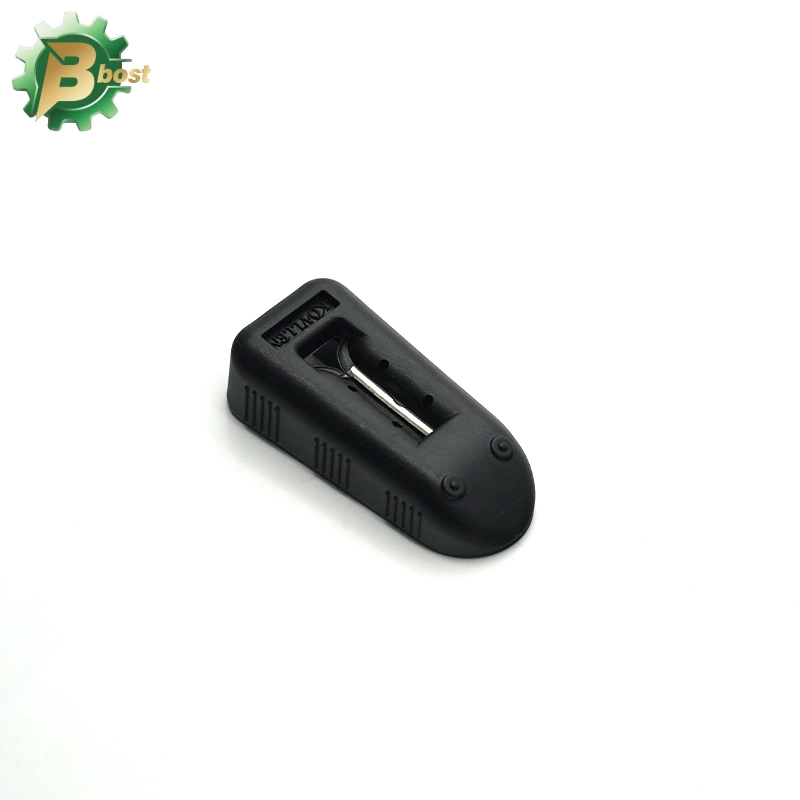
The plastic plug manufactured by Insert molding with stainless steel plate
More Details →
The plastic plug manufactured by Insert molding with stainless steel plate
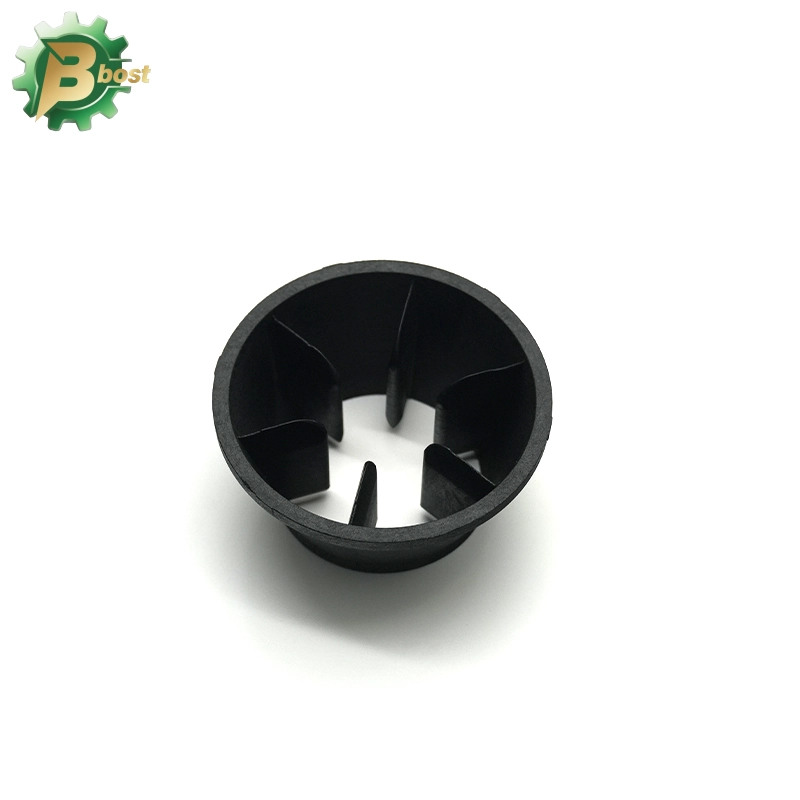
The Bost custom PPO flow valve by injection molding
More Details →
The Bost custom PPO flow valve by injection molding
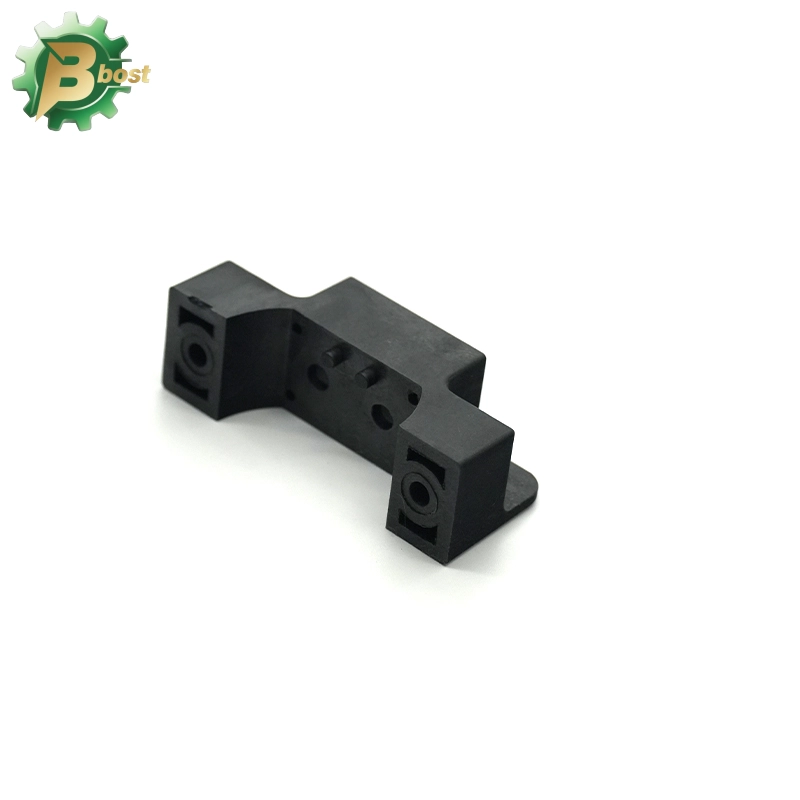
The Bost custom plastic handle by injection molding with high performance PPS material
More Details →
The Bost custom plastic handle by injection molding with high performance PPS material
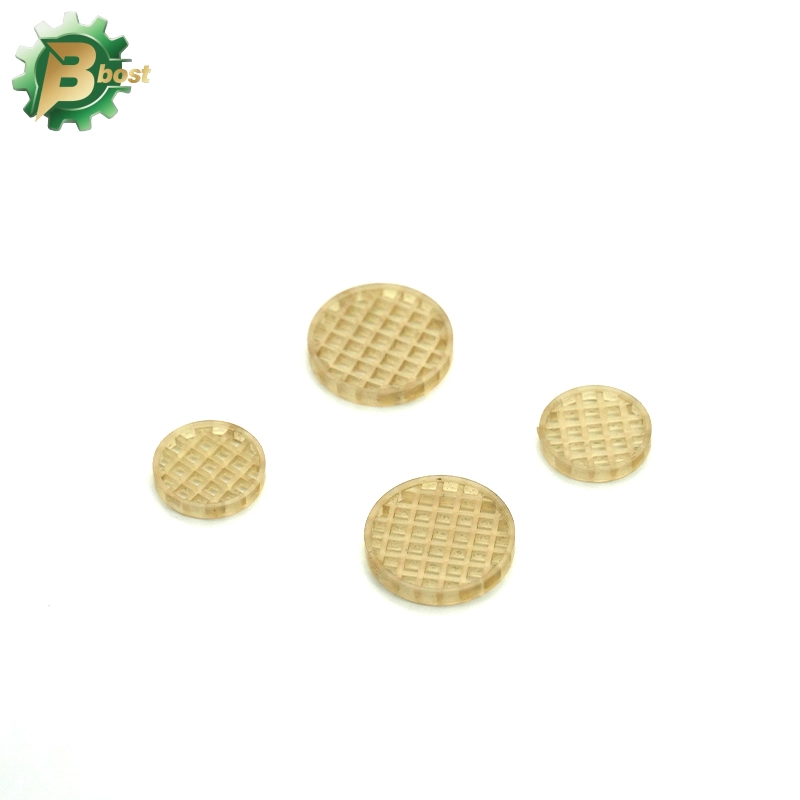
The Bost custom flow meter by injection molding with PES plastic
More Details →
The Bost custom flow meter by injection molding with PES plastic
Leave a Message
Have any questions or concerns about our products? Please leave us a message here, and our team will get back to you promptly.

24 hours quotes delivered
Submit CAD files, get quote in 24 hours

No MOQ required
From prototyping to high-volume

±0.02 mm Precision
Advanced CNC with full inspections

1,000+ tons in stock
26 materials ready to ship
© 2026 BOST. All Rights Reserved.