




 Scan QR Code
Send My Request
Engineering Plastics: The Core Material Driving High-End Manufacturing Advancement
2026-01-06
Discover how Bost leverages key types of engineering plastics and advanced engineering plastics molding to drive innovation in high-end manufacturing. Our expert solutions enhance durability and performance, positioning engineering plastics at the core of modern industrial advancement.
In high-end manufacturing fields such as automotive lightweight components, medical precision instruments, and electronic device casings, engineering plastics are becoming the core materials replacing metals and traditional plastics, relying on their comprehensive advantages of "high strength, high and low temperature resistance, corrosion resistance, and easy molding". Engineering plastics are a category of polymer materials with special mechanical, thermal, and chemical properties. Common types include polyamide (PA), polycarbonate (PC), polyphenylene sulfide (PPS), and polyether ether ketone (PEEK). Compared with ordinary general-purpose plastics, engineering plastics are more difficult to process and have extremely strict requirements for mold precision and process control. BOST is a professional injection mold company that specializes in the field of engineering plastic molding and can provide customers in multiple industries with full-chain solutions from material selection to mass production.
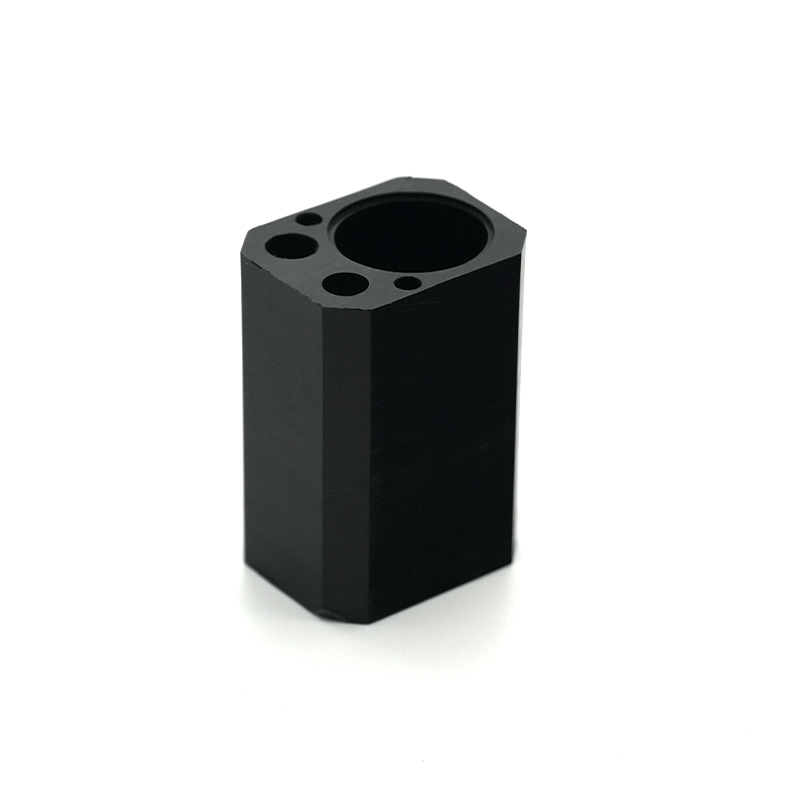
The core advantage of engineering plastics lies in their special properties adapting to complex working conditions. Differences in characteristics of different types make them suitable for different industry needs: PA (nylon) has excellent wear resistance and impact resistance, often used in gears, bearings and other parts in automotive engine compartments; PC materials have good light transmittance and high impact strength, making them the preferred materials for electronic device casings and medical syringes; PPS has high temperature resistance and strong chemical corrosion resistance, applicable to precision structural parts in the aerospace field; PEEK, due to its excellent biocompatibility, has become the core material for medical implantable instruments. When selecting engineering plastics, it is necessary to accurately match the type according to the working conditions, otherwise, problems such as performance attenuation and shortened service life are likely to occur. BOST is a professional injection mold company, and its technical team can assist customers in selecting engineering plastics: for example, when customizing battery pack brackets for a new energy vehicle enterprise, BOST recommended glass fiber reinforced PA66 material based on the working conditions of high temperature and impact resistance, and provided supporting molding solutions to ensure that the parts meet the strict standards of the automotive industry.
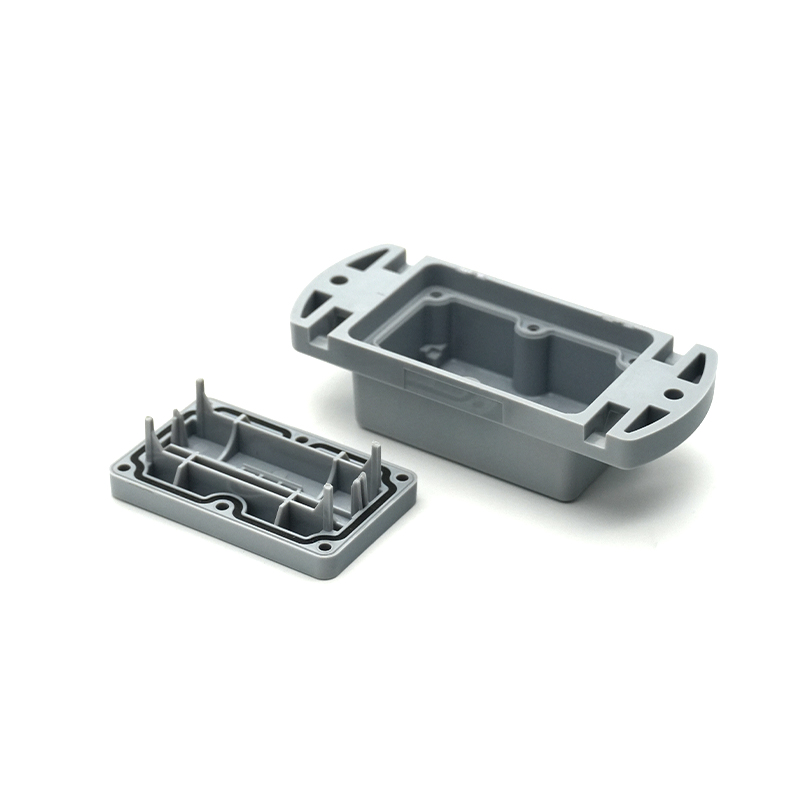
The molding and processing of engineering plastics is a key link to reflect their value, and mold design is the core premise. Due to the fact that most engineering plastics have characteristics such as high melting points, large differences in fluidity, and unstable molding shrinkage, ordinary injection molds cannot meet the requirements: for example, PPS has a melting point of more than 300℃, requiring molds to have excellent high-temperature resistance; LCP (liquid crystal polymer) has extremely poor fluidity, requiring optimization of mold runner and gate design to ensure uniform filling. BOST is a professional injection mold company that customizes exclusive molds for the characteristics of engineering plastics: selecting H13 hot-work mold steel to improve the high-temperature resistance and wear resistance of molds; optimizing runner trajectories and exhaust structures through 3D simulation technology to avoid bubbles, material shortage, deformation and other defects during molding. For example, when processing PC precision syringe casings for a medical enterprise, the mold designed by BOST adopted a "single-point gate + annular vent groove" structure, controlling the mold temperature stably at 120℃, ensuring that the products have good light transmittance and dimensional accuracy error ≤ 0.01mm, perfectly meeting the high-precision requirements of medical products.
Precise control of process parameters is the core to ensure the molding quality of engineering plastics. The processing windows of different engineering plastics vary significantly: PC material processing requires controlling the barrel temperature at 260-300℃, and excessive injection pressure will lead to residual internal stress of parts; PA materials are prone to water absorption and need to be dried in advance, otherwise, silver streaks, bubbles and other defects will appear. As a professional injection mold company, BOST has a complete database of engineering plastic processing parameters, which can accurately match technical schemes for different materials: when producing PPS precision structural parts in the aerospace field, BOST adopted the process of "segmented temperature control (barrel front section 320℃, middle section 330℃, rear section 310℃) + low-speed filling + high-pressure holding" to ensure that the parts have no internal stress after molding and stable high and low temperature resistance; when processing PEEK medical implants, the mold temperature is strictly controlled at 180℃, combined with a nitrogen protection device to avoid high-temperature decomposition of materials and ensure biocompatibility.
With the upgrading of the high-end manufacturing industry, the application boundary of engineering plastics is constantly expanding. From automotive, medical to aerospace and new energy, their advantages of "replacing steel with plastic", "lightweight and precision" have become increasingly prominent. Professional molding technology is the key support for the value realization of engineering plastics. As a professional injection mold company, BOST, with its in-depth understanding of the characteristics of engineering plastics and mature accumulation of molding technology, has solved engineering plastic molding problems for thousands of enterprises and become a reliable bridge connecting engineering plastics and high-end manufacturing applications.
Recommended for you
The Peak Art of Custom Manufacturing According to Drawings: Comprehensive Guide to Precision Solutions for Custom Parts According to Drawing
Ending Mechanical Wear and Resonance: The Comprehensive Guide to Precision Customization and Mass Production of a Custom Rubber Pad
The Ultimate Armor for Smart Hardware: Advanced Customization and Precision Injection Molding Guide for a Custom Plastic Box
The Ultimate Weapon to Tame Vibration and Noise: Deep Dive into the Custom Process and Mass Production Logic of a Custom Rubber Bushing
Product Categories
FAQ
FAQs
What is the minimum order quantity (MOQ)? Do you support small-batch trial production?
The MOQ for standard products is ≥100kg. We support small-batch trial production (as low as 20kg) and provide mold testing reports and performance data feedback.
What are the core advantages of Bost engineering plastics compared to ordinary plastics?
Bost engineering plastics feature ultra-high mechanical strength, high-temperature resistance (-50°C to 300°C), chemical corrosion resistance, and wear resistance. Compared to ordinary plastics, their service life is extended by 3 to 8 times, making them suitable for replacing metals in harsh environments.
Can Bost customize modified plastics with special properties?
Yes! We offer modification services such as reinforcement, flame retardancy, conductivity, wear resistance, and UV resistance, for example:
• Adding carbon fiber to enhance stiffness
• Reducing the coefficient of friction through PTFE modification
• Customizing food-grade or medical-grade certified materials
How do I select the appropriate engineering plastic grade for my product?
Selection should be based on parameters such as load conditions (e.g., pressure/friction), temperature range, medium contact (e.g., oil/acid), and regulatory requirements (e.g., FDA/RoHS). Our engineers can provide free material selection consulting and sample testing.
What is the delivery lead time? Do you offer global logistics?
Standard products: 5–15 working days; custom modifications: 2–4 weeks. We support global air/sea freight and provide export customs clearance documents (including REACH/UL certifications).
You may also like
Leave a Message
Have any questions or concerns about our products? Please leave us a message here, and our team will get back to you promptly.

24 hours quotes delivered
Submit CAD files, get quote in 24 hours

No MOQ required
From prototyping to high-volume

±0.02 mm Precision
Advanced CNC with full inspections

1,000+ tons in stock
26 materials ready to ship
© 2026 BOST. All Rights Reserved.