
 Scan QR Code
Send My Request
In-Depth Guide: How to Optimize Injection Molding Processes for Enhanced Quality and Cost-Efficiency?
2026-03-26
Discover Bost’s expert guide on optimizing injection molding processes to boost quality and reduce costs. Learn proven strategies from leading precision injection molding manufacturers and explore our custom plastic injection molding services designed to enhance efficiency and product excellence.
In the landscape of modern manufacturing, injection molding is undoubtedly one of the most widely used and efficient fabrication processes. From microscopic components in precision medical devices to large interior panels in the automotive industry, injection technology plays a pivotal role. However, for many B2B buyers seeking overseas manufacturing, balancing "high quality" with "low cost" in a complex production flow remains a significant challenge.
As an industry leader with years of hands-on experience, GZ-Bost has witnessed the evolution of countless projects from blueprints to finished products. Today, we will delve deep into the core elements of injection molding to help you make more informed decisions for your next project.
I. Understanding the Core Logic of Injection Molding: Beyond the Basics
Injection molding is much more than simply injecting molten plastic into a mold. A successful project begins with a profound understanding of physical characteristics.
1.1 Key Parameters of Precision Injection
In the production process, pressure, temperature, and time constitute the "Golden Triangle" that determines the quality of the final product.
Injection Pressure: Must be sufficient to overcome the resistance of the melt in the runner and ensure the cavity is completely filled.
Holding Pressure Time: This is the critical stage to prevent product shrinkage and deformation.
Mold Temperature Control: Uneven cooling causes severe internal stress, which leads to part warping.
1.2 The Importance of Mold Design
There is a famous saying in the industry: "A good product is designed, not manufactured." In the early stages of injection molding, the quality of the mold design directly determines the stability of subsequent production. A rational cooling water circuit design can shorten the production cycle by 20%-30%, while precise draft angles effectively prevent scuffing during ejection.
II. How to Achieve Cost Optimization in Injection Molding?
In B2B procurement, cost control is a core requirement. However, blindly chasing the lowest unit price often leads to a surge in maintenance and defect costs later on.
2.1 The Art of Material Selection
The most expensive material is not always the best. Choosing the most cost-effective engineering plastics (such as PP, ABS, PC, or PEEK) based on the product's actual application—such as chemical resistance, impact strength, or flame retardancy—is vital. When handling injection molding projects, we often suggest modified materials for non-critical parts to reduce raw material expenditure while maintaining performance.
2.2 Compressing Cycle Time
In the injection industry, time is money. By optimizing automated part-removal systems and improving mold structures (such as using hot runner systems), the processing cost per part can be significantly reduced. Although hot runner technology requires a higher initial investment, it offers a very high ROI in high-volume production by eliminating runner waste.
III. Solving Common Pain Points in Production: A Technical Perspective
Many customers worry about product defects when switching suppliers. Here are the most common issues in injection molding and their solutions:
3.1 Sink Marks and Voids
These usually occur in designs with uneven wall thickness. By adjusting the holding pressure or advising the customer to optimize wall thickness during the design phase, these visual defects can be effectively eliminated.
3.2 Flash
If the mold clamping force is insufficient or the mold is worn out over time, plastic melt will overflow from the parting line. This not only affects the appearance but also adds extra manual trimming costs. GZ-Bost keeps the flash rate at an industry-leading level through regular mold maintenance and high-precision clamping equipment.
3.3 Weld Lines
When two melt fronts meet, visible marks may occur, which can even affect structural integrity. Through Moldflow Analysis, we can predict the location of weld lines before the mold is even built, adjusting gate positions to hide or eliminate them.
IV. Why Choose GZ-Bost as Your Partner?
In the field of injection molding, experience is irreplaceable. An excellent injection partner should possess full-process service capabilities, from DFM (Design for Manufacturing) evaluation to mass production.
Comprehensive Technical Support: We don't just follow instructions; we provide optimization suggestions for your design to reduce the risk of future reworks.
Strict Quality Control System: From raw material storage to finished product shipment, every process has a strict inspection flow to ensure compliance with ISO standards.
Transparent Supply Chain Management: Allowing you to grasp production progress in real-time and eliminating communication barriers in cross-border collaboration.
Conclusion
Injection molding is a complex field that combines material science, mechanical engineering, and precision craftsmanship. By optimizing design, scientifically selecting materials, and implementing strict production management, you can not only obtain high-quality plastic products but also gain a cost advantage in a competitive market.
If you are looking for a reliable, professional, and cost-competitive injection molding solution provider, GZ-Bost is ready to support you.
Contact our engineering team for a solution today!
Click here to get a free quote or send your DFM requirements to our email. We will provide a one-on-one in-depth consultation to help your product move from concept to success.
Recommended for you
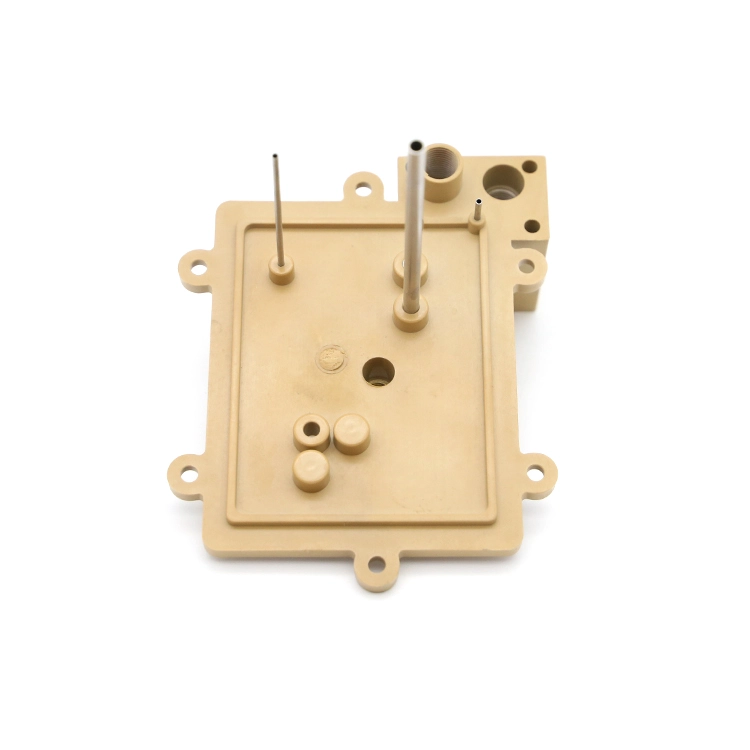
Plastic Injection Molding Services: Do You Really Understand Their True Value?
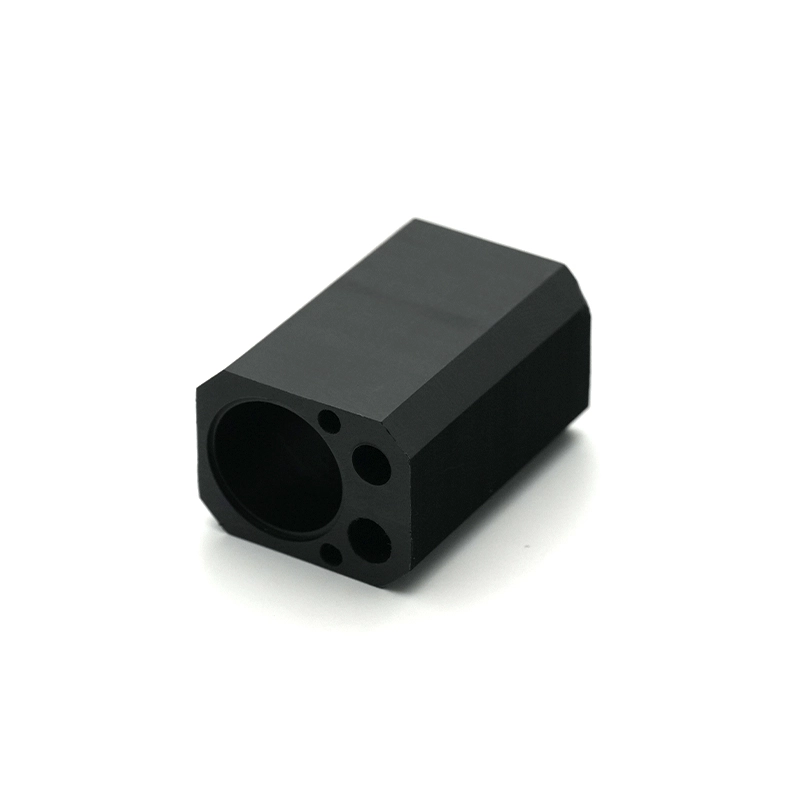
Custom Plastic Injection Molding: Is It Really Just About “Opening a Mold”?
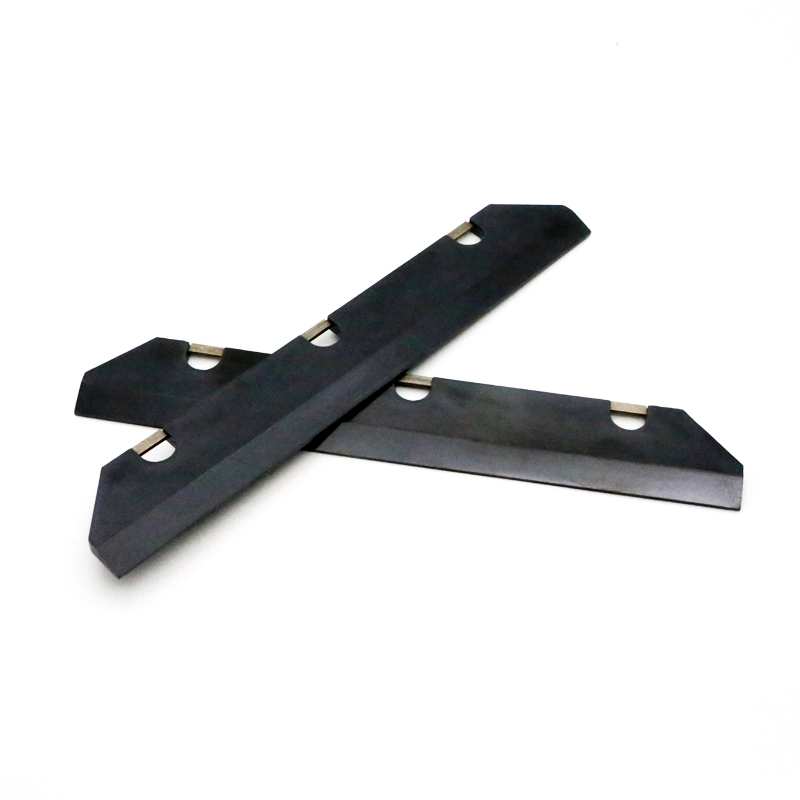
How to Choose a Plastic Injection Molding Supplier? 5 Key Points to Avoid Million-Dollar Losses
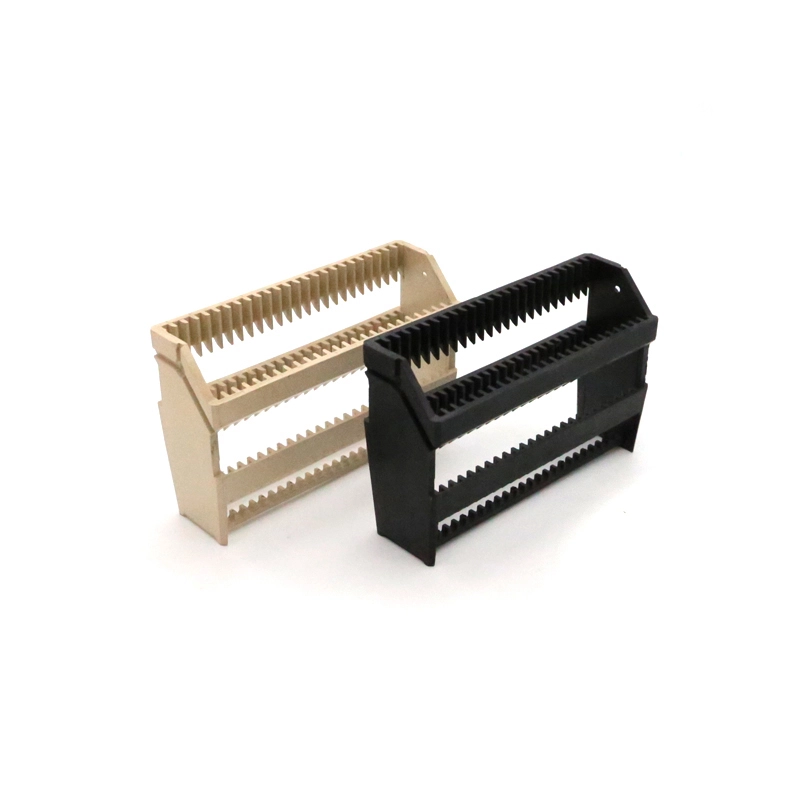
The Complete Guide to Precision Injection Molding Mold Design: A Practical Handbook from Concept to Mass Production, Avoiding Common Pitfalls
Prdoucts Categories
FAQ
FAQs
How do I select the appropriate engineering plastic grade for my product?
Selection should be based on parameters such as load conditions (e.g., pressure/friction), temperature range, medium contact (e.g., oil/acid), and regulatory requirements (e.g., FDA/RoHS). Our engineers can provide free material selection consulting and sample testing.
What is the delivery lead time? Do you offer global logistics?
Standard products: 5–15 working days; custom modifications: 2–4 weeks. We support global air/sea freight and provide export customs clearance documents (including REACH/UL certifications).
What are the core advantages of Bost engineering plastics compared to ordinary plastics?
Bost engineering plastics feature ultra-high mechanical strength, high-temperature resistance (-50°C to 300°C), chemical corrosion resistance, and wear resistance. Compared to ordinary plastics, their service life is extended by 3 to 8 times, making them suitable for replacing metals in harsh environments.
What is the minimum order quantity (MOQ)? Do you support small-batch trial production?
The MOQ for standard products is ≥100kg. We support small-batch trial production (as low as 20kg) and provide mold testing reports and performance data feedback.
Can Bost customize modified plastics with special properties?
Yes! We offer modification services such as reinforcement, flame retardancy, conductivity, wear resistance, and UV resistance, for example:
• Adding carbon fiber to enhance stiffness
• Reducing the coefficient of friction through PTFE modification
• Customizing food-grade or medical-grade certified materials
You may also like
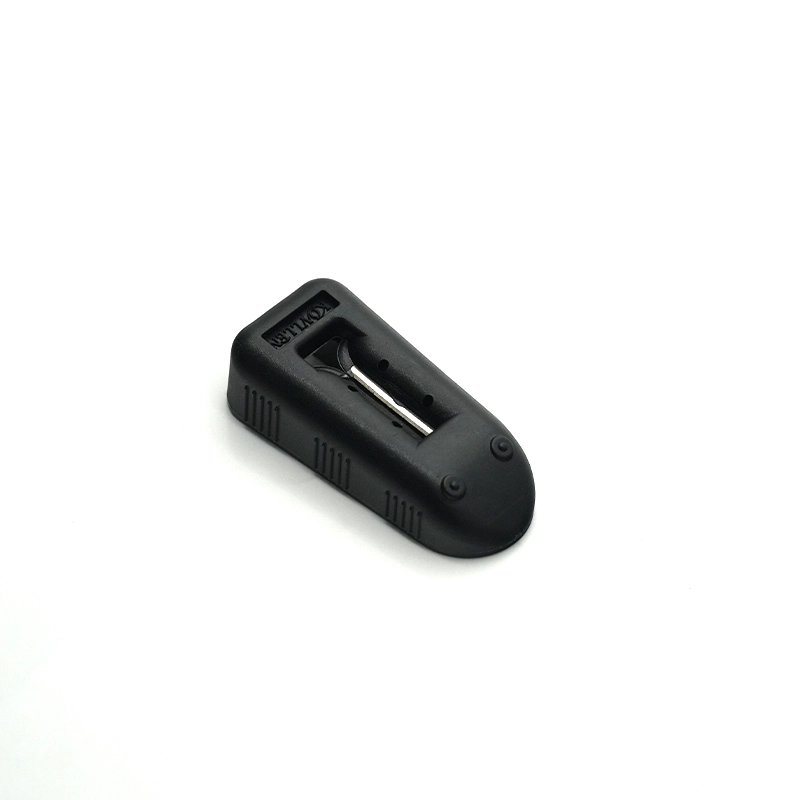
The plastic plug manufactured by Insert molding with stainless steel plate
More Details →
The plastic plug manufactured by Insert molding with stainless steel plate
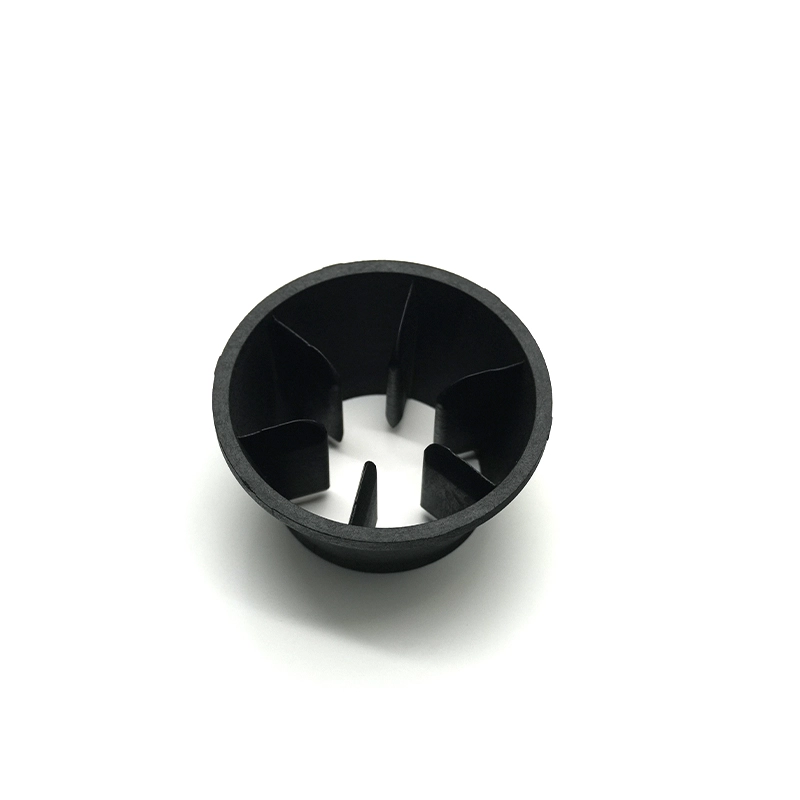
The Bost custom PPO flow valve by injection molding
More Details →
The Bost custom PPO flow valve by injection molding
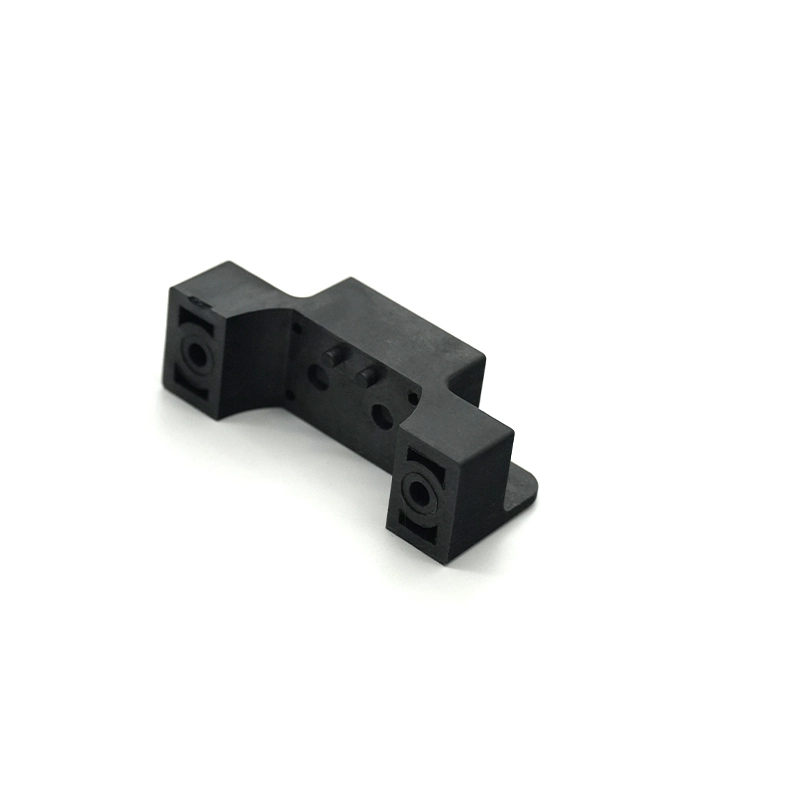
The Bost custom plastic handle by injection molding with high performance PPS material
More Details →
The Bost custom plastic handle by injection molding with high performance PPS material
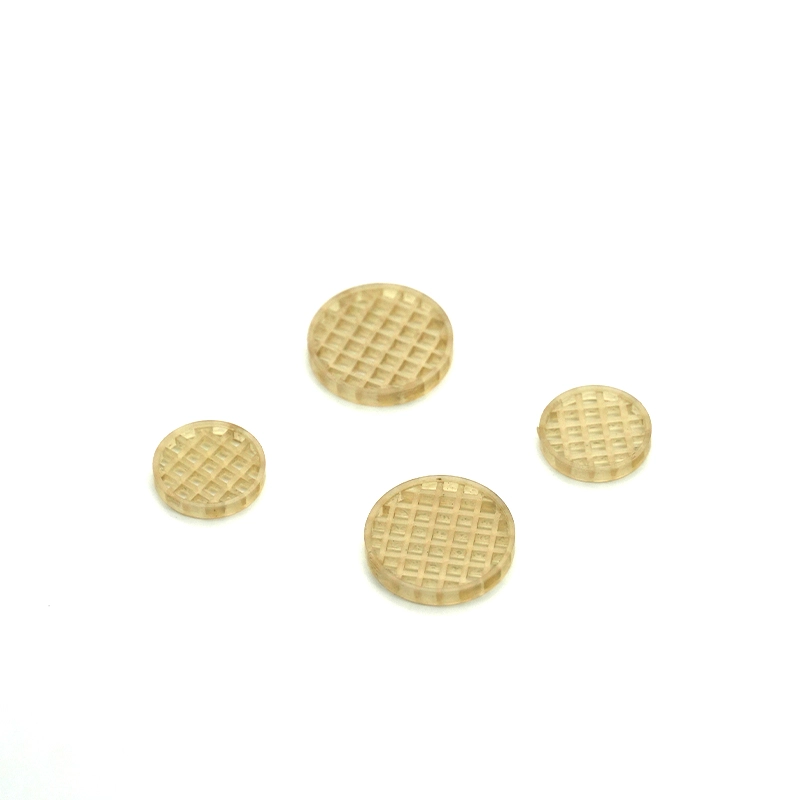
The Bost custom flow meter by injection molding with PES plastic
More Details →
The Bost custom flow meter by injection molding with PES plastic
Leave a Message
Have any questions or concerns about our products? Please leave us a message here, and our team will get back to you promptly.

24 hours quotes delivered
Submit CAD files, get quote in 24 hours

No MOQ required
From prototyping to high-volume

±0.02 mm Precision
Advanced CNC with full inspections

1,000+ tons in stock
26 materials ready to ship
© 2026 BOST. All Rights Reserved.