


 Scan QR Code
Send My Request
TPE for Overmolding Manufacturers: Decoding the Synergy of Material and Manufacturing for Soft-Hard Combination
2025-12-19
Discover how Bost leverages TPE (Thermoplastic Elastomers) in the overmolding process, optimizing the soft-hard material synergy for superior product performance. Explore expert insights tailored for TPE for overmolding manufacturers seeking innovation and quality.
The soft rubber handles of toothbrushes, soft edges of phone cases, and soft-touch layers of car buttons commonly seen in daily life all rely on the "overmolding" process, and one of the core materials of this process is thermoplastic elastomers (TPE). For tpe for overmolding manufacturers, selecting the right TPE material and matching precise molds and processes are crucial to producing high-quality composite products. BOST is a professional injection mold company that specializes in the field of TPE overmolding and can provide customers with full-process solutions from material selection to mass production.
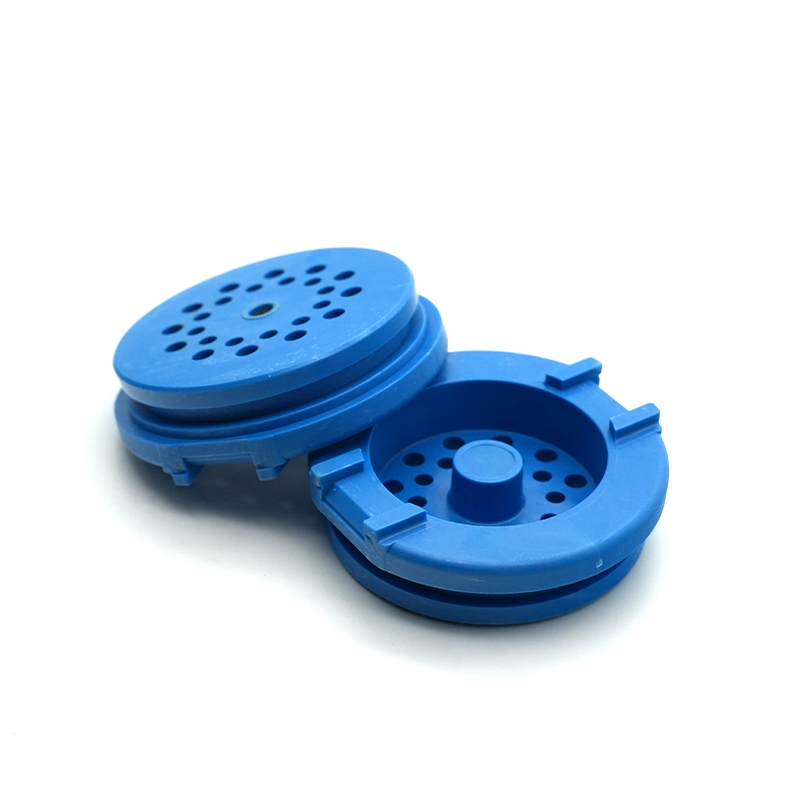
TPE materials are preferred for overmolding due to their unique dual characteristics of "soft elasticity + injectability". Compared with traditional rubber, TPE does not require vulcanization, can be heated and melted by injection molding machines like plastic, and has higher molding efficiency; at the same time, it has the soft touch, fatigue resistance and weather resistance of rubber, can be closely combined with rigid plastics such as ABS, PP and PC, and is recyclable, complying with the trend of green manufacturing. However, not all TPEs are suitable for overmolding. TPE for overmolding manufacturers need to select models according to product scenarios: for example, "high-touch TPE" is required for home appliance handles to ensure comfortable grip; "medical-grade TPE" is required for medical device grips to meet non-toxicity and disinfection resistance; "high and low temperature resistant TPE" is required for automotive interior parts to adapt to extreme environments of -40℃ to 80℃. BOST is a professional injection mold company, and its technical team first conducts material compatibility tests to match the optimal TPE model for customers——for example, when customizing TPE overmolded baby food spoons for a maternal and child brand, BOST selected food-grade TPE that meets FDA certification, ensuring firm combination with the PP hard spoon body, no odor and no harmful substance precipitation.
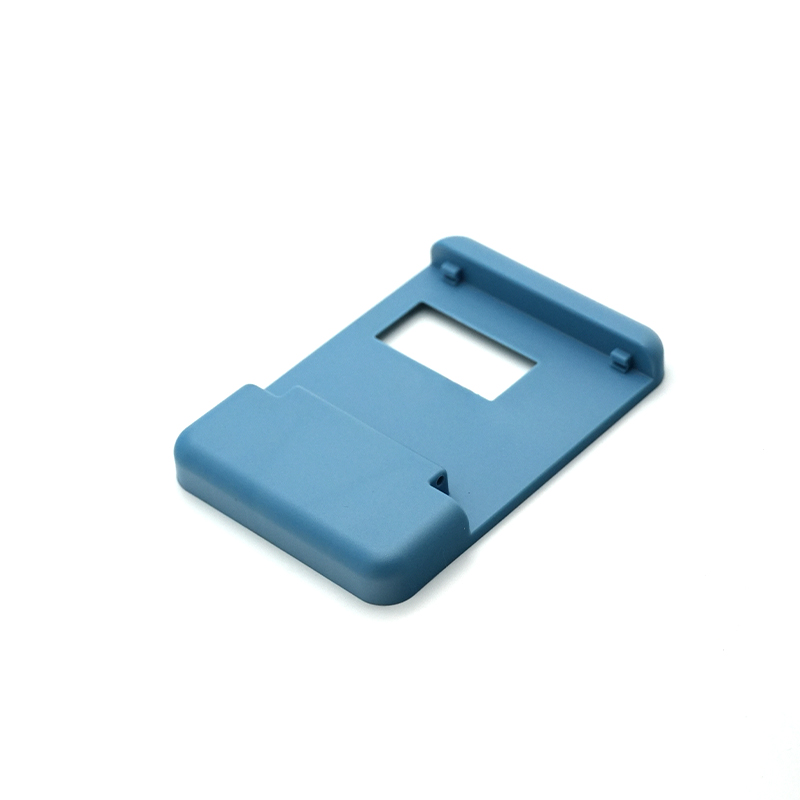
Mold design is the core competitiveness of tpe for overmolding manufacturers and also the professional advantage of BOST. The core difference between TPE overmolding molds and ordinary injection molds lies in the need to achieve precise positioning and seamless combination of rigid plastic substrates and TPE soft rubber. Improper design of mold positioning structures is likely to cause problems such as TPE flash and delamination of soft and hard materials; unreasonable layout of vent grooves will lead to bubbles at the joint, affecting product appearance and strength. BOST is a professional injection mold company that customizes molds for TPE overmolding characteristics: adopting a "double positioning pin + annular vent groove" structure to ensure that the rigid plastic substrate is fixed without displacement; optimizing the trajectory through simulation software in the design of TPE runners to allow TPE to uniformly wrap the rigid substrate. For example, when designing a TPE soft rubber button mold for a blender of a home appliance enterprise, BOST ensured that the joint between TPE and ABS hard shell was smooth and flawless through this customized mold design, and the button pressing life was increased to more than 100,000 times, far exceeding the industry average.
Process parameter optimization is the last line of defense for tpe for overmolding manufacturers to ensure product quality, and also tests the technical precipitation of manufacturers. TPE overmolding requires strict control of temperature and pressure: TPE has a low melting point (usually 130-200℃), if the mold temperature is too high, it is easy to cause TPE deformation and sticking to the mold; if the injection pressure is too high, it may cause cracking of the rigid plastic substrate. As a professional injection mold company, BOST has a database of process parameters for different TPE models, which can accurately match processing schemes: when producing TPE overmolded buttons for automotive interiors, the mold temperature is controlled at 60-70℃, and the "low-speed TPE filling + high-speed pressure holding" mode is adopted to ensure uniform button touch; when processing thin-walled TPE overmolded electronic accessories, the injection speed is reduced to avoid bubbles caused by too fast TPE flow. An electronic enterprise was once troubled by the low qualification rate of TPE overmolded parts. After BOST's intervention, by adjusting the barrel temperature and optimizing the pressure holding time, the product qualification rate was increased from 75% to 99.2%, perfectly solving the production problem.
For tpe for overmolding manufacturers, the adaptation of TPE material characteristics and manufacturing technology is the key to unlocking the needs of multiple industries. From daily consumer goods to high-end industrial accessories, the wide application of TPE overmolded products is inseparable from manufacturers' in-depth control of materials, molds and processes. As a professional injection mold company, BOST has provided customized solutions for thousands of enterprises relying on its full-process control capability of TPE overmolding, and has become a reliable partner in the field of tpe for overmolding.
Recommended for you
The Peak Art of Custom Manufacturing According to Drawings: Comprehensive Guide to Precision Solutions for Custom Parts According to Drawing
Ending Mechanical Wear and Resonance: The Comprehensive Guide to Precision Customization and Mass Production of a Custom Rubber Pad
The Ultimate Armor for Smart Hardware: Advanced Customization and Precision Injection Molding Guide for a Custom Plastic Box
The Ultimate Weapon to Tame Vibration and Noise: Deep Dive into the Custom Process and Mass Production Logic of a Custom Rubber Bushing
Product Categories
FAQ
FAQs
Can Bost customize modified plastics with special properties?
Yes! We offer modification services such as reinforcement, flame retardancy, conductivity, wear resistance, and UV resistance, for example:
• Adding carbon fiber to enhance stiffness
• Reducing the coefficient of friction through PTFE modification
• Customizing food-grade or medical-grade certified materials
How do I select the appropriate engineering plastic grade for my product?
Selection should be based on parameters such as load conditions (e.g., pressure/friction), temperature range, medium contact (e.g., oil/acid), and regulatory requirements (e.g., FDA/RoHS). Our engineers can provide free material selection consulting and sample testing.
What are the core advantages of Bost engineering plastics compared to ordinary plastics?
Bost engineering plastics feature ultra-high mechanical strength, high-temperature resistance (-50°C to 300°C), chemical corrosion resistance, and wear resistance. Compared to ordinary plastics, their service life is extended by 3 to 8 times, making them suitable for replacing metals in harsh environments.
What is the minimum order quantity (MOQ)? Do you support small-batch trial production?
The MOQ for standard products is ≥100kg. We support small-batch trial production (as low as 20kg) and provide mold testing reports and performance data feedback.
What is the delivery lead time? Do you offer global logistics?
Standard products: 5–15 working days; custom modifications: 2–4 weeks. We support global air/sea freight and provide export customs clearance documents (including REACH/UL certifications).
You may also like
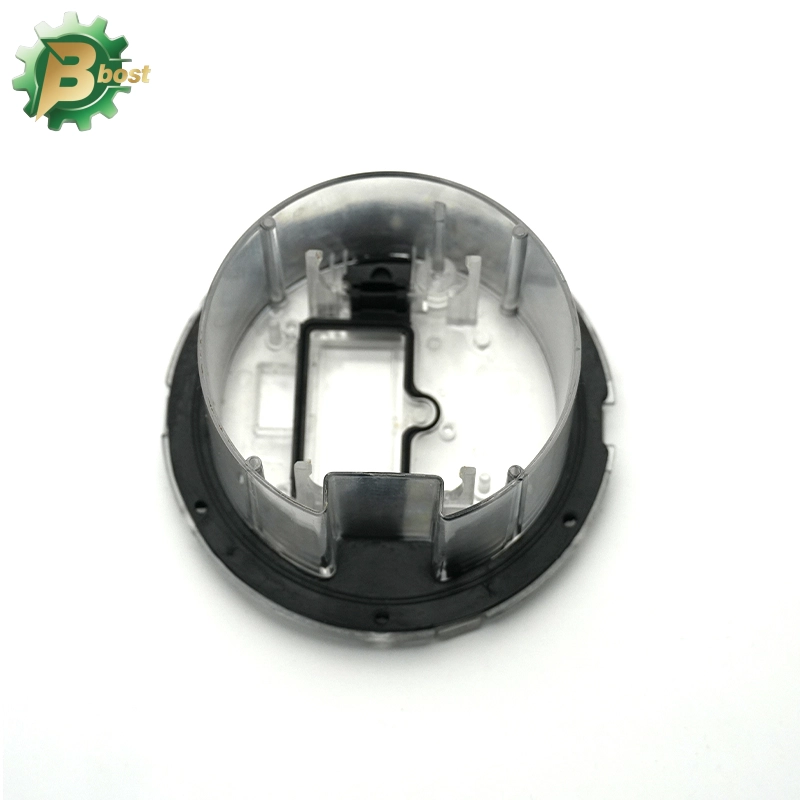
The over mold with clear polycarbonate and black TPE
More Details →
The over mold with clear polycarbonate and black TPE
Leave a Message
Have any questions or concerns about our products? Please leave us a message here, and our team will get back to you promptly.

24 hours quotes delivered
Submit CAD files, get quote in 24 hours

No MOQ required
From prototyping to high-volume

±0.02 mm Precision
Advanced CNC with full inspections

1,000+ tons in stock
26 materials ready to ship
© 2026 BOST. All Rights Reserved.