


 Scan QR Code
Send My Request
From Definition to Implementation: Understanding Plastic Injection Molding
2025-11-19
Discover what is plastic injection molding with Bost’s expert insights. Learn the injection moulding process from definition to implementation, and how it drives efficient mass production. Explore our comprehensive guide tailored for industry professionals and manufacturing enthusiasts.
In modern manufacturing, plastic injection molding is the "core technical pillar" of injection molding manufacturing—it produces plastic parts in batches by injecting molten plastic into custom molds and cooling them. From small mobile phone charging port inserts to large automotive instrument panel housings, all rely on this technology for large-scale manufacturing. The efficient implementation of this process, however, depends on the refined control of the injection molding process.
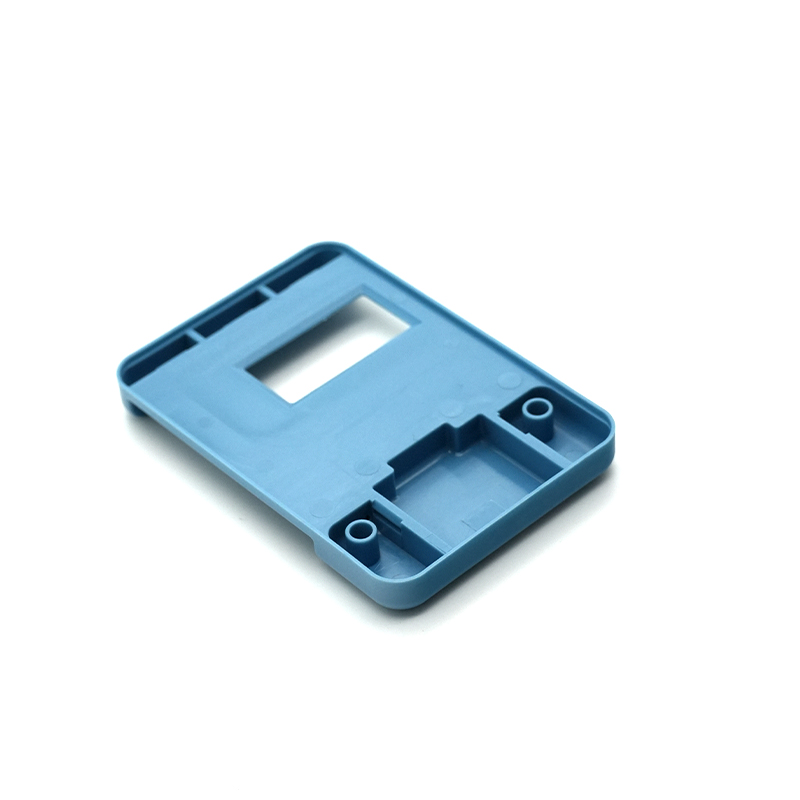
First, it is necessary to clarify: What is plastic injection molding? Simply put, it is a manufacturing technology of "mold shaping and batch replication", which is the core link of injection molding manufacturing. Its core logic is to utilize the thermoplasticity of plastics—plastic granules (such as PP, ABS, PC) that are hard at room temperature will melt into a flowing liquid at high temperatures. After being injected into the mold cavity, they will return to a solid state after cooling, finally forming parts consistent with the mold cavity. BOST is a professional injection mold company, and its team often uses "home appliance shells" as an example when explaining this technology: through plastic injection molding, one injection molding machine can produce thousands of ABS washing machine shells per day, which is far more efficient than manual production and perfectly adapts to the batch needs of injection molding manufacturing.
The injection molding process is the "implementation guide" for plastic injection molding, divided into four key steps: The first step is raw material pretreatment, which requires drying the plastic granules to remove moisture (to avoid bubbles after molding). BOST adjusts the drying temperature according to the characteristics of the raw materials—for example, when processing PC materials with strong hygroscopicity, the drying temperature is controlled at 120°C to ensure raw material purity; The second step is melt injection. The injection molding machine heats the dried granules to 180-280°C (different temperatures for different materials), then injects the molten plastic into the mold at high pressure. This step requires precise control of the injection speed. BOST uses an intelligent control system to control the speed fluctuation within ±2%, avoiding "material shortage" or "flash" in the mold; The third step is cooling and setting. The cooling water circuit in the mold quickly dissipates heat, allowing the plastic to solidify from a liquid to a solid. When designing molds, BOST optimizes the water circuit layout—for example, designing a spiral water circuit for thin-walled parts (such as mobile phone brackets) to shorten the cooling time by 30%; The fourth step is demolding and part removal, where the part is pushed out of the mold through an ejector pin mechanism to complete one molding cycle. This complete injection molding process is the key to plastic injection molding being able to stably serve injection molding manufacturing.
In the injection molding manufacturing scenario, the advantages of plastic injection molding are particularly obvious: First, high batch efficiency—one mold with an automated injection molding machine can achieve 24-hour continuous production; Second, high part precision—through the optimization of the injection molding process, the part size error can be controlled at the 0.01 mm level; Third, wide application range—from food-grade PP fresh-keeping boxes to high-temperature resistant PC LED lamp shades, all can be produced through this technology. BOST is a professional injection mold company, and can provide one-stop services of "technology + mold + process" for different injection molding manufacturing needs—for example, when customizing plastic syringe parts for the medical industry, BOST not only designs molds that meet medical standards, but also optimizes the injection molding process: using odorless medical PP raw materials, controlling the injection pressure to avoid tiny cracks in parts, ensuring that every part meets medical safety specifications.
Recommended for you
The Peak Art of Custom Manufacturing According to Drawings: Comprehensive Guide to Precision Solutions for Custom Parts According to Drawing
Ending Mechanical Wear and Resonance: The Comprehensive Guide to Precision Customization and Mass Production of a Custom Rubber Pad
The Ultimate Armor for Smart Hardware: Advanced Customization and Precision Injection Molding Guide for a Custom Plastic Box
The Ultimate Weapon to Tame Vibration and Noise: Deep Dive into the Custom Process and Mass Production Logic of a Custom Rubber Bushing
Product Categories
FAQ
FAQs
What is the delivery lead time? Do you offer global logistics?
Standard products: 5–15 working days; custom modifications: 2–4 weeks. We support global air/sea freight and provide export customs clearance documents (including REACH/UL certifications).
Can Bost customize modified plastics with special properties?
Yes! We offer modification services such as reinforcement, flame retardancy, conductivity, wear resistance, and UV resistance, for example:
• Adding carbon fiber to enhance stiffness
• Reducing the coefficient of friction through PTFE modification
• Customizing food-grade or medical-grade certified materials
What are the core advantages of Bost engineering plastics compared to ordinary plastics?
Bost engineering plastics feature ultra-high mechanical strength, high-temperature resistance (-50°C to 300°C), chemical corrosion resistance, and wear resistance. Compared to ordinary plastics, their service life is extended by 3 to 8 times, making them suitable for replacing metals in harsh environments.
What is the minimum order quantity (MOQ)? Do you support small-batch trial production?
The MOQ for standard products is ≥100kg. We support small-batch trial production (as low as 20kg) and provide mold testing reports and performance data feedback.
How do I select the appropriate engineering plastic grade for my product?
Selection should be based on parameters such as load conditions (e.g., pressure/friction), temperature range, medium contact (e.g., oil/acid), and regulatory requirements (e.g., FDA/RoHS). Our engineers can provide free material selection consulting and sample testing.
You may also like
Leave a Message
Have any questions or concerns about our products? Please leave us a message here, and our team will get back to you promptly.

24 hours quotes delivered
Submit CAD files, get quote in 24 hours

No MOQ required
From prototyping to high-volume

±0.02 mm Precision
Advanced CNC with full inspections

1,000+ tons in stock
26 materials ready to ship
© 2026 BOST. All Rights Reserved.