
 Scan QR Code
Send My Request
Insert Molding Fundamentals for Engineering Plastics
Thursday, 11/20/2025
A practical, in-depth guide to insert molding for engineering plastics: definition, materials compatibility, design guidelines, tooling and process parameters, quality control, failure modes, applications, and how to choose suppliers. Includes a comparison table (insert molding vs overmolding vs mechanical assembly), references, FAQs, and a supplier overview of Bost's capabilities.
- Why Insert Molding Matters in Engineering Plastics
- What is insert molding and when to use it (insert molding applications)
- Materials Compatibility: Selecting Engineering Plastics and Inserts
- Design for Insert Molding: Geometry, Tolerances, and Placement
- Thermal and crystallization effects
- Tooling and Process Parameters (insert molding process optimization)
- Common Failure Modes and Troubleshooting (insert molding defects)
- Quality Control and Testing for Insert Molded Parts (inspection and validation)
- Insert Molding vs Alternatives: Comparison Table
- Applications and Industry Examples (insert molding use cases)
- Case example: Automotive threaded inserts
- Bost: Capabilities and How a Supplier Can Improve Your Insert Molding Projects
- How to Select an Insert Molding Partner (: insert molding services)
- References and Data Sources
- Frequently Asked Questions (FAQ)
- 1. What is the typical cost difference between insert molding and secondary assembly?
- 2. Can I insert mold threaded metal inserts without damaging the plating?
- 3. Which engineering plastics are best for high-temperature insert molding?
- 4. How can I reduce insert displacement during molding?
- 5. Is insert molding suitable for low-volume prototypes?
- 6. How do I test insert retention and function after molding?
- Contact and Next Steps (consultation & product inquiry)
Why Insert Molding Matters in Engineering Plastics
Insert molding is a hybrid manufacturing method that places preformed components—typically metal inserts—into a mold and injects thermoplastic around them to create integrated parts. For engineering plastics applications, insert molding delivers improved mechanical performance, reduced assembly costs, and higher reliability compared with secondary fastening. This section explains the strategic value of insert molding for manufacturers seeking long-term cost, weight, and assembly advantages in precision components.
What is insert molding and when to use it (insert molding applications)
Insert molding refers to the process of molding plastic directly around an inserted part—metal bushings, threaded fasteners, electrical contacts, or ceramic pieces—so that the final assembly is a single, unified component. Common use cases include threaded metal inserts in housings, electrical connector assemblies where contacts are encapsulated by plastic, and hybrid components requiring both metal strength and plastic corrosion resistance. Choose insert molding when you need durable threaded features, precise part alignment, EMI shielding, or sealed interfaces without secondary assembly.
Materials Compatibility: Selecting Engineering Plastics and Inserts
Successful insert molding starts with materials compatibility: the thermal, chemical and mechanical properties of the engineering plastic must match the requirements of the insert and the process. Popular engineering polymers for insert molding include PPA (polyphthalamide), PA (nylon), PEEK, PET, PPO, PC, and some high-performance fluoroplastics for specialty applications. Metals commonly used for inserts are brass, stainless steel, and plated steels. Consider coefficient of thermal expansion (CTE), melting/processing temperature, and surface energy when choosing combinations.
Key guidelines:
- Ensure the polymer processing temperature is not higher than the insert material’s treatment limits (e.g., plating or adhesive tolerances).
- Match CTE to avoid post-mold stresses; incorporate design features (relief grooves, compliant geometries) to mitigate differential shrinkage.
- Use surface treatments or knurls on metal inserts to improve mechanical interlock with plastic and prevent pullout.
Design for Insert Molding: Geometry, Tolerances, and Placement
Design decisions control manufacturability and part performance. Proper geometry and dimensional planning reduce defects like voids, insert displacement, flash, and stress concentrations.
Design tips:
- Allow clamp and ejection paths: place inserts where ejection forces push along the insert’s axis or engineer back-up features.
- Embed features: use shoulders, undercuts, or ribs on inserts to create positive mechanical locks; knurling or epoxy improves retention for smooth inserts.
- Tolerances: specify true-position tolerances for critical inserts; use post-mold machining only when unavoidable.
- Gate location and flow: position gates to ensure uniform flow around the insert; avoiding dead zones prevents voids and weld lines near inserts.
Thermal and crystallization effects
Semi-crystalline materials (e.g., nylon, PEEK) shrink on cooling; inserts can constrain local shrinkage and produce stress or distortion. Use ribs and relaxed radii to balance stiffness and stress relief; consider annealing or controlled cooling cycles for high-performance polymers.
Tooling and Process Parameters (insert molding process optimization)
Tooling is more complex than standard injection molds because fixtures must locate inserts reliably and withstand repeated thermal cycles. Typical strategies include mechanical locating pins, vacuum or magnetic pick-and-place for automated insert loading, and over-molding considerations when inserts are pre-assembled into sub-assemblies.
Process parameters to control:
- Melt temperature and injection speed — ensure complete filling without degrading polymer or damaging plated inserts.
- Pack/hold pressure — prevents sink and voids around inserts but avoid too high pressure that shifts inserts.
- Cavity temperature — elevated mold temps can improve surface finish and bond but may increase cycle time.
- Cure and cooling profile — control cooling rate for dimensional stability, particularly around inserts.
Common Failure Modes and Troubleshooting (insert molding defects)
Even with careful design, issues occur. Understanding typical failure modes helps you diagnose root causes quickly.
- Insert displacement: caused by inadequate fixturing, high injection velocity, or improper gate design. Fix by improving mechanical retention and slowing fill near inserts.
- Delamination or poor bonding: often the result of contamination, incompatible materials, or low mold temperature. Clean inserts and consider primers or mechanical locking features.
- Cracking or stress fractures: differential cooling and high localized stresses. Use radii, redistribute polymer thickness, or add stress-relief features.
- Void formation: poor venting or trapped air near inserts. Improve venting and gate location, use vacuum assist if necessary.
Quality Control and Testing for Insert Molded Parts (inspection and validation)
Quality control should include both in-process monitoring and post-mold validation to ensure insert retention, dimensional accuracy, and functional performance.
Recommended checks:
- Pull-out / torque tests on inserts to quantify mechanical retention (standardized test methods or custom jigs).
- Dimensional inspection using CMM for critical tolerances and true-position of inserts.
- Non-destructive testing (X-ray or CT) for internal voids, especially in high-reliability applications.
- Environmental aging tests (thermal cycling, salt spray) for assemblies exposed to harsh conditions.
Insert Molding vs Alternatives: Comparison Table
The table below summarizes when insert molding is preferable versus overmolding or mechanical assembly (post-mold fastening).
| Criteria | Insert Molding | Overmolding | Post-mold Mechanical Assembly |
|---|---|---|---|
| Assembly cost | Low (single-step) | Moderate (additional tooling or steps) | High (multiple parts & labor) |
| Seal / environmental performance | High (integral seals possible) | High (when designed for sealing) | Variable (depends on secondary sealing) |
| Design complexity | Moderate to high (mold & placement complexity) | High (multiple materials / process control) | Low (simpler parts, more assembly) |
| Material combinations | Flexible (plastic + metal inserts) | Flexible (different plastics/rubbers) | Any (joined mechanically) |
| Best for | Durable threaded features, embedded contacts | Soft-touch surfaces, sealed multi-material parts | Low-volume or serviceable assemblies |
Applications and Industry Examples (insert molding use cases)
Insert molding serves many industries: automotive (sensor housings, threaded inserts), medical devices (sterile housings with embedded metallic features), consumer electronics (connectors and EMI shields), and renewable energy equipment (sealed enclosures). Real-world benefits include reduced part count, improved reliability, and lighter assemblies with equivalent stiffness when designed properly.
Case example: Automotive threaded inserts
Replacing metal-to-metal fastening with insert-molded threaded brass bushings in a transmission control module housing reduces assembly time and eliminates secondary tapping operations, while improving torque retention across thermal cycles. Typical performance improvements are strong enough to meet OEM torque and vibration specs when insert retention is validated by pull-out and cyclic torque tests.
Bost: Capabilities and How a Supplier Can Improve Your Insert Molding Projects
Bost is a professional and innovative high-tech green energy engineering plastics manufacturer specializing in research and development, production, and sales. Since its establishment, the company has been committed to the research and production of engineering plastics and special engineering plastics, providing high-quality products and services to customers and working hard to ensure customer satisfaction. Bost specializes in the production and operation of various high-quality, ultra-high anti-scar, super corrosion-resistant, super fatigue-durable, ultra abrasion-resistant, high-temperature transparent, and other special properties of the special engineering plastics and enhances toughening, flame retardancy, absorption through hard working of waves, and conductive thermal properties of ordinary modified engineering plastic sheets, rods, and molds. Bost has a high technical level in the plastics modification R&D team and production, including product mold design and manufacturing, mechanical processing of products of mechanical equipment, and an excellent production team, especially in steel and plastic and plastic and rubber, such as the combination of comprehensive steel and plastic materials applied to products that have a high technology level and production capacity.
In short, Bost’s advantages include strong R&D capability in plastics modification, mold design and manufacturing expertise, integrated mechanical processing skills, and experience across engineering plastic families. Main product and service areas include Engineering Plastic, Fluoroplastic, Over Molding, Insert Molding, Special Engineering Plastics, and rubber seal solutions. These capabilities make Bost well-suited for complex insert molding projects where material modification (e.g., enhanced abrasion resistance, corrosion resistance, thermal conductivity, flame retardancy) and tight mold tolerances are required.
If your project needs custom insert-molded parts with specialized polymer properties (e.g., high-temperature transparent polymers, conductive or thermally conductive compounds, ultrahigh abrasion or fatigue resistance), a supplier like Bost can provide end-to-end support: material selection, mold design, process development, and production scaling.
How to Select an Insert Molding Partner (: insert molding services)
Selecting the right contract manufacturer or supplier affects cost, lead time, and product robustness. Evaluate potential partners on these criteria:
- Material expertise: Do they work with your chosen engineering plastic and offer modification capability?
- Tooling capability: Can they design and build precision inserts and multi-cavity molds with integrated insert handling?
- Process validation: Do they offer testing (pull-out, fatigue, environmental) and documented quality systems (ISO 9001 / IATF 16949 for automotive)?
- Volume scalability and supply chain stability to meet your forecasted demand without compromising quality.
References and Data Sources
- Protolabs — Insert Molding: A How-To Guide. https://www.protolabs.com/resources/design-tips/insert-molding/ (accessed 2025-11-18)
- Plastics Technology — various insert molding articles. https://www.ptonline.com/ (accessed 2025-11-18)
- PlasticsToday — manufacturing and materials insights. https://www.plasticstoday.com/ (accessed 2025-11-18)
- Society of Plastics Engineers / Industry technical white papers (select titles). https://www.4spe.org/ (accessed 2025-11-18)
- ThomasNet — supplier and process overview for insert molding. https://www.thomasnet.com/articles/custom-manufacturing-fabricating/insert-molding/ (accessed 2025-11-18)
Frequently Asked Questions (FAQ)
1. What is the typical cost difference between insert molding and secondary assembly?
Insert molding often reduces per-unit assembly cost by eliminating secondary fastening steps, but tooling and mold complexity can be higher. For medium to high volumes, the per-part cost advantage typically favors insert molding once tooling amortization is accounted for. Exact numbers depend on part complexity and volumes; request supplier cost models during DFM.
2. Can I insert mold threaded metal inserts without damaging the plating?
Yes, but you must consider melt temperatures and tool geometry. Use mechanical retention features (knurls or undercuts) or over-molded retaining features and ensure plating can withstand thermal cycles. Validate with sample runs and environmental testing.
3. Which engineering plastics are best for high-temperature insert molding?
High-temperature polymers like PEEK and certain high-temp nylons (e.g., PPA) are suitable. Choose polymers whose glass transition and melting points are compatible with inserts and the intended application. Consult material datasheets and perform thermal cycling tests.
4. How can I reduce insert displacement during molding?
Improve insert fixturing in the mold (mechanical stops, undercuts), slow injection velocity near the insert, adjust gate location, and consider vacuum or mechanical retention for automation. Also design inserts with retention features.
5. Is insert molding suitable for low-volume prototypes?
For very low volumes, the high initial tooling cost may not be economical. Alternatives include overmolding on prototypes, use of threaded bushings installed post-mold, or low-volume soft tooling. However, rapid tooling and 3D-printed molds can enable small runs if part performance demands insert molding.
6. How do I test insert retention and function after molding?
Common tests include pull-out and torque tests for threaded inserts, cyclic torque testing for repetitive use, CMM inspection for positional accuracy, and environmental exposure (temperature, humidity, salt spray) to validate long-term performance.
Contact and Next Steps (consultation & product inquiry)
If you are evaluating insert molding for a new product or need a supplier who can support material development and precision tooling, contact Bost for consultation and samples. Bost provides engineering support across material selection, mold design, prototype validation, and volume production for Engineering Plastic, Fluoroplastic, Over Molding, Insert Molding, Special Engineering Plastics, and rubber seals. Request a technical review or a quote to explore how insert molding can lower your assembly costs and improve part reliability.
Tags
custom injection molding
custom injection molding
Long-Lasting Durability
Long-Lasting Durability
Corrosion & Wear Resistant Sealing
Corrosion & Wear Resistant Sealing
Tough & Tight-Bonded Components
Tough & Tight-Bonded Components
High-Rigidity Stable Fitting
High-Rigidity Stable Fitting
Non-Stick Adaptable
Non-Stick Adaptable
Recommended for you
Recycling and Circular Economy Strategies for Engineering Plastics
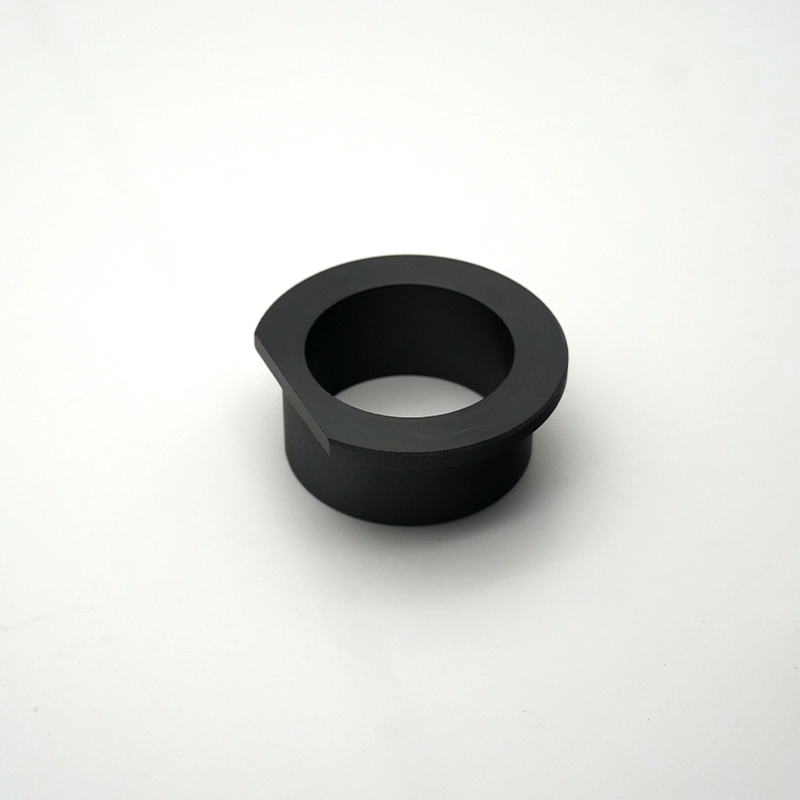
Troubleshooting Fit and Clearance for PE Plastic Bushes
Engineering Plastics Guide: Types, Properties, and Applications
Engineering Plastic vs Commodity Plastic: Comparison Guide
Prdoucts Categories
Question you may concern
FAQs
What are the core advantages of Bost engineering plastics compared to ordinary plastics?
Bost engineering plastics feature ultra-high mechanical strength, high-temperature resistance (-50°C to 300°C), chemical corrosion resistance, and wear resistance. Compared to ordinary plastics, their service life is extended by 3 to 8 times, making them suitable for replacing metals in harsh environments.
How do I select the appropriate engineering plastic grade for my product?
Selection should be based on parameters such as load conditions (e.g., pressure/friction), temperature range, medium contact (e.g., oil/acid), and regulatory requirements (e.g., FDA/RoHS). Our engineers can provide free material selection consulting and sample testing.
Can Bost customize modified plastics with special properties?
Yes! We offer modification services such as reinforcement, flame retardancy, conductivity, wear resistance, and UV resistance, for example:
• Adding carbon fiber to enhance stiffness
• Reducing the coefficient of friction through PTFE modification
• Customizing food-grade or medical-grade certified materials
What is the delivery lead time? Do you offer global logistics?
Standard products: 5–15 working days; custom modifications: 2–4 weeks. We support global air/sea freight and provide export customs clearance documents (including REACH/UL certifications).
What is the minimum order quantity (MOQ)? Do you support small-batch trial production?
The MOQ for standard products is ≥100kg. We support small-batch trial production (as low as 20kg) and provide mold testing reports and performance data feedback.
You may also like
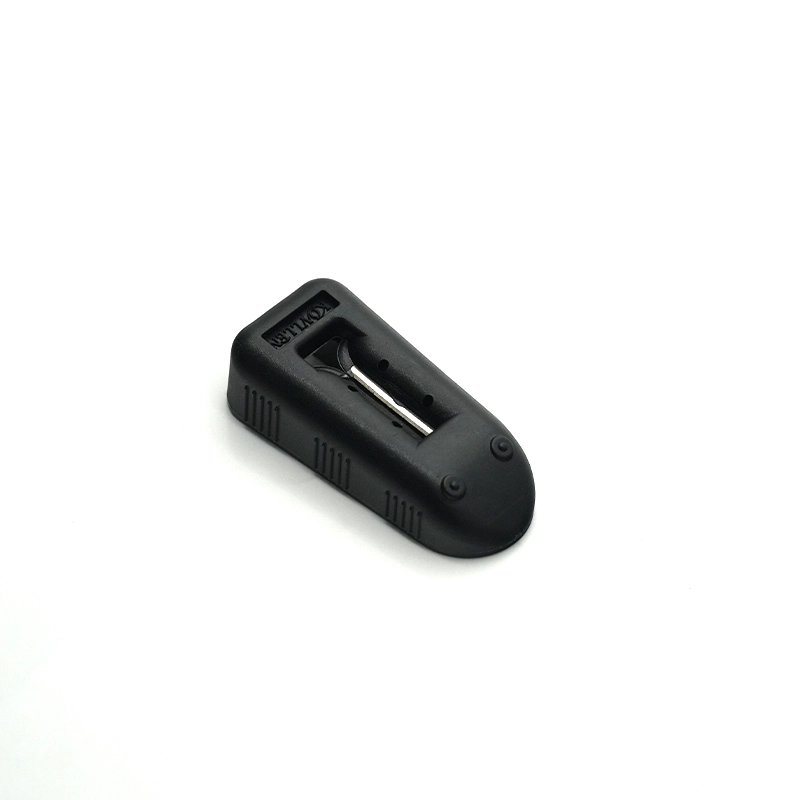
The plastic plug manufactured by Insert molding with stainless steel plate
Bost’s Insert-Molded Stainless Steel Plate Plastic Plug offers superior durability and corrosion resistance. This stainless steel insert durable plastic plug ensures a secure fit and long-lasting performance, ideal for industrial and commercial applications. Robust design meets quality standards.
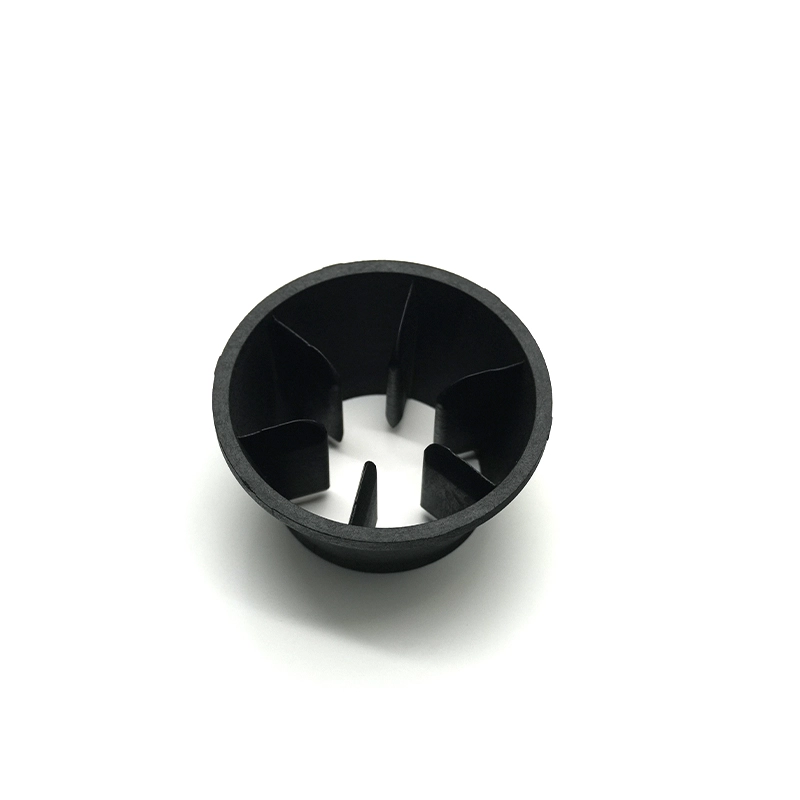
The Bost custom PPO flow valve by injection molding
The BOST Custom PPO Injection-Molded Flow Valve delivers high-temp and corrosion-resistant performance for industrial flow control. Precision-engineered by Bost, this custom PPO valve ensures durable, reliable operation in demanding environments. Optimize your process with BOST’s advanced injection-molded solution.
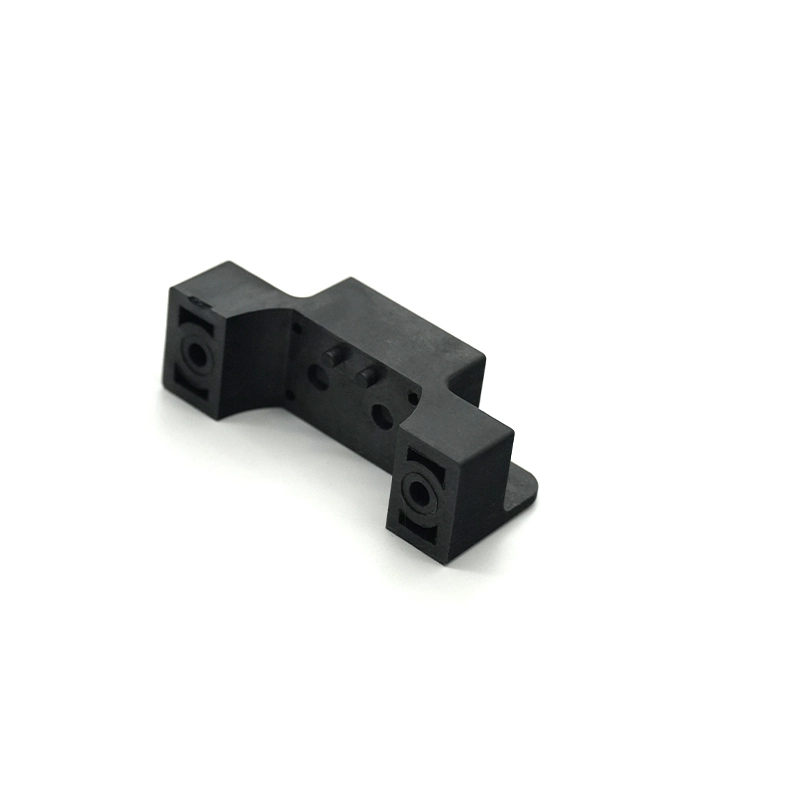
The Bost custom plastic handle by injection molding with high performance PPS material
BOST Custom PPS Injection-Molded Wear-Resistant Handle delivers superior durability and high performance. Made from High Quality PPS material, this injection-molded handle ensures exceptional wear resistance, ideal for demanding applications and long-lasting use. Choose BOST for quality and reliability.
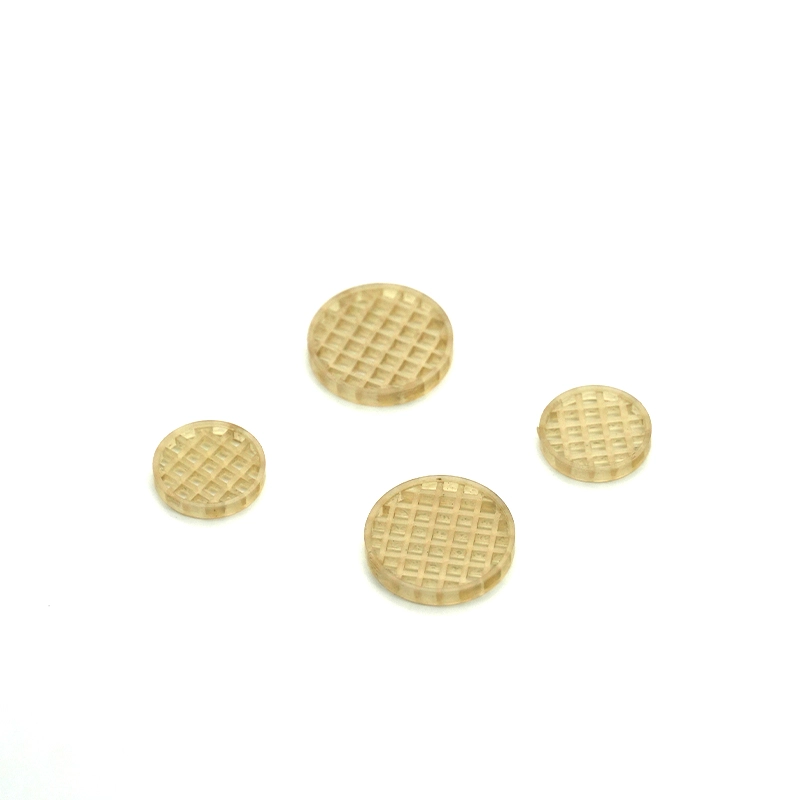
The Bost custom flow meter by injection molding with PES plastic
The Bost Custom PES Injection-Molded Flow Meter offers high-temperature and corrosion resistance, ideal for industrial use. Made with durable PES plastic via precision injection molding, this flow meter ensures reliable, customized performance for demanding applications. Trust Bost for quality and innovation.
Get in touch with Bost
Have any questions or concerns about our products? Please leave us a message here, and our team will get back to you promptly.

24 hours quotes delivered
Submit CAD files, get quote in 24 hours

No MOQ required
From prototyping to high-volume

±0.02 mm Precision
Advanced CNC with full inspections

1,000+ tons in stock
26 materials ready to ship
© 2026 BOST. All Rights Reserved.