
 Scan QR Code
Send My Request
Selecting Bearings vs Plastic Bushings: When to Use PE
Thursday, 12/11/2025
This article helps engineers and maintenance professionals choose between bearings and plastic bushings, focusing on PE Plastic Bushes. It compares performance, cost, installation, maintenance, and application suitability, and explains when Bost PE Plastic Bushes are the right choice for improved machinery life and reliability.
- Selecting Bearings vs Plastic Bushings: When to Use PE
- Understanding the difference: Plastic bushing vs bearing
- : When to consider a plastic bushing in your design
- Material properties of PE and what that means for bushings
- Performance comparison: Bearings vs plastic bushings (summary table)
- When to choose PE Plastic Bushes: practical selection criteria
- Design and installation considerations for plastic bushings
- Maintenance, inspection, and lifecycle cost analysis
- Common applications where PE Plastic Bushes excel
- Case study summaries: real-world benefits of plastic bushings
- When bearings remain the right choice
- Why choose Bost PE Plastic Bushes for your equipment
- FAQ — Common questions about plastic bushing and PE Plastic Bushes
- Contact us / View product
- Authoritative references and further reading
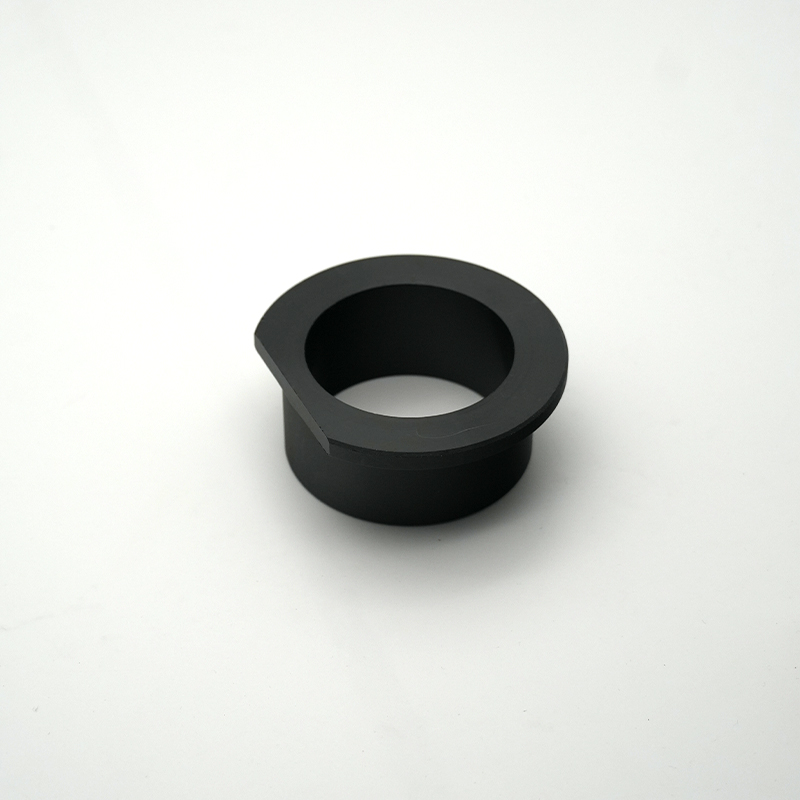
Selecting Bearings vs Plastic Bushings: When to Use PE
Choosing between rolling element bearings and plastic bushings is a critical decision for engineers seeking optimal performance, cost-effectiveness, and longevity in machinery. This article focuses on practical selection criteria and highlights when to use PE plastic bushing solutions. We also introduce Bost PE Plastic Bushes: Bost PE Plastic Bushes offer superior wear-resistant shaft protection and friction-reducing adaptation for enhanced machinery performance. Engineered for durability, these bushes minimize wear and extend equipment life, ensuring reliable and efficient operation in demanding industrial applications.
Understanding the difference: Plastic bushing vs bearing
Before deciding on a component, it is essential to understand the mechanical and operational differences between a rolling bearing and a plastic bushing (plain bearing). A rolling bearing uses balls or rollers to reduce friction between a shaft and housing and is ideal for high-speed, precision applications. A plastic bushing is a sleeve made from an engineered polymer (like polyethylene - PE) that provides sliding contact, often with self-lubricating properties and good wear resistance.
: When to consider a plastic bushing in your design
If your procurement or design brief includes keywords such as plastic bushing or PE Plastic Bushes, you are likely aiming for a solution that reduces total cost of ownership, simplifies maintenance, or offers corrosion resistance. Plastic bushings are frequently selected for lighter loads, intermittent motion, contaminated environments, and applications where noise reduction and shaft protection are priorities.
Material properties of PE and what that means for bushings
Polyethylene (PE) exhibits a combination of properties beneficial for bushings: low coefficient of friction, excellent abrasion resistance, good chemical resistance, and dimensional stability when properly compounded. These characteristics translate into reduced shaft wear, minimal stick-slip, and the potential to operate without continuous external lubrication. Depending on the grade and additives (glass fiber, solid lubricants), PE Plastic Bushes can be tailored for higher load capacity and temperature performance.
Performance comparison: Bearings vs plastic bushings (summary table)
For straightforward selection and to support procurement decisions, the table below compares common performance attributes between rolling bearings and plastic bushings (with PE as an example).
| Attribute | Rolling Bearings | Plastic Bushing (PE) |
|---|---|---|
| Typical load capacity | High (radial/axial depending on type) | Moderate; improved with filled PE (e.g., glass-filled) |
| Friction & energy loss | Very low at speed (rolling contact) | Low to moderate (sliding contact); often self-lubricating |
| Speed capability | High (suitable for high RPM) | Lower (suitable for slow to moderate speeds) |
| Contaminant tolerance | Sensitive — needs seals/maintenance | High — tolerant of dust, grit, and moisture |
| Noise | Moderate to high (depends on type & lubrication) | Low — quieter sliding contact |
| Corrosion resistance | Metal bearings can corrode without coating/lubrication | Excellent — PE resists many chemicals and moisture |
| Maintenance | Requires lubrication, periodic inspection | Low — often maintenance-free or low-maintenance |
| Cost | Higher initial cost (varies by complexity) | Lower initial cost and often lower lifecycle cost |
When to choose PE Plastic Bushes: practical selection criteria
Choose PE Plastic Bushes when the following conditions apply:
- Load and speed are within the polymer's operational range (moderate radial loads, low-to-moderate rotational speeds).
- Contaminants: the environment contains dust, dirt, or corrosive agents that would shorten the life of rolling bearings.
- Maintenance access is limited or low-maintenance operation is desired (for example, conveyor rollers, agricultural equipment, or outdoor mechanisms).
- Noise reduction and smoother start/stop behavior are required (PE bushings reduce vibration and stick-slip).
- Cost-sensitive projects where total cost of ownership (installation + maintenance) is a key metric.
Design and installation considerations for plastic bushings
Designing with PE plastic bushing components involves attention to shaft hardness, surface finish, interference fit, and thermal expansion:
- Shaft hardness and finish: use hardened or chrome-plated shafts (Rc 40+ recommended where possible) and a ground finish (Ra ≤ 0.8 µm) to minimize wear.
- Interference fit: follow manufacturer tolerances for press-fit; excessive radial interference may cause distortion. Many PE bushings are designed for light press fits or snap fits.
- Thermal gaps: polymers expand more than metals. Allow axial clearance or design features to accommodate thermal growth at operating temperatures.
- Bearing housing support: ensure the housing provides uniform support to avoid ovalization of the bushing bore.
Maintenance, inspection, and lifecycle cost analysis
While rolling bearings often require scheduled lubrication and replacement of seals, PE Plastic Bushes can significantly reduce ongoing maintenance tasks. Lifecycle cost should account for:
- Initial purchase price
- Installation labor and downtime
- Ongoing lubrication and maintenance frequency
- Replacement intervals and end-of-life disposal
An example lifecycle calculation (illustrative):
| Item | Rolling Bearing | PE Plastic Bushing |
|---|---|---|
| Initial cost (per unit) | $50 | $15 |
| Annual maintenance & lubrication | $30 | $5 |
| Average service life | 3 years | 5 years |
| Total cost over 5 years | $50 + ($30 * 5) = $200 | $15 + ($5 * 5) = $40 |
These numbers are illustrative; actual costs depend on load, environment, and maintenance program. Even when bearings outlast bushings in certain high-load applications, the reduced maintenance of PE bushings can make them more economical overall.
Common applications where PE Plastic Bushes excel
PE Plastic Bushes are commonly used in:
- Conveyor systems and roller applications where contamination and maintenance access are issues.
- Agricultural machinery exposed to moisture and debris.
- Packaging equipment where low noise and clean operation are desired.
- Marine components where corrosion resistance matters.
- Food handling equipment when appropriate food-grade compounds are used.
Case study summaries: real-world benefits of plastic bushings
Case 1 — Conveyor retrofit: A packaging plant replaced sealed ball bearings in low-speed conveyor rollers with PE Plastic Bushes. Result: noise reduction, elimination of regular greasing, and a 40% reduction in annual maintenance cost.
Case 2 — Outdoor equipment: An agricultural equipment manufacturer adopted glass-filled PE bushings for pivot points. Result: enhanced corrosion resistance and longer service life vs. uncoated metal bearings in the same environment.
When bearings remain the right choice
Despite the advantages of PE plastic bushing solutions, rolling bearings remain preferable when:
- High radial and thrust loads exceed polymer capability.
- High rotational speeds require minimal friction and heat generation.
- Precision running accuracy is critical (tight spindle tolerances).
In many designs, a hybrid approach is used: bearings for high-speed/precision axes and PE Plastic Bushes for support, alignment, or lower-speed functions.
Why choose Bost PE Plastic Bushes for your equipment
Bost PE Plastic Bushes combine the intrinsic benefits of polyethylene with engineering enhancements to deliver reliable shaft protection and friction reduction. Key brand advantages include:
- Engineered formulations: tailored PE compounds for improved wear resistance and load capacity.
- Dimensionally stable designs: tight manufacturing tolerances to ensure consistent press-fit and low runout.
- Low-maintenance operation: reduced need for periodic lubrication and simplified replacement procedures.
- Corrosion and contaminant resistance: ideal for wet, dirty, and chemically aggressive environments.
- Cost-effective lifecycle performance: lower total cost of ownership in many industrial applications.
Integrating Bost PE Plastic Bushes into your machinery design can reduce downtime, lower operating costs, and protect shafts from abrasive wear — delivering measurable benefits in demanding applications.
FAQ — Common questions about plastic bushing and PE Plastic Bushes
Q1: What is the typical temperature range for PE Plastic Bushes?
A: Standard PE compounds perform well in temperatures from -40°C to about +80°C. Specialty compounds and fillers (e.g., glass-filled, heat-stabilized grades) can extend the upper limit. Always consult material datasheets for the exact grade.
Q2: Can PE bushings run without lubrication?
A: Many PE compounds are designed to run dry or with minimal lubrication. Self-lubricating additives reduce friction. However, lubricants can extend life in borderline applications—follow manufacturer guidance.
Q3: How do I know if my application needs a bearing instead of a plastic bushing?
A: If you have high rotational speeds, high precision requirements, or extreme loads (radial or axial), a rolling bearing is usually appropriate. Use load-speed charts and consult engineering resources or supplier application engineers to confirm.
Q4: Are PE bushings suitable for food industry equipment?
A: Food-safe grades of PE exist, but ensure the compound meets relevant standards (e.g., FDA or EU regulations) before use in direct food contact applications.
Q5: How should I maintain PE Plastic Bushes?
A: Maintenance is generally low: periodic inspection for wear or damage, checking shaft condition, and replacing bushings if wear exceeds tolerances. In severe applications, occasional lubrication or monitoring for thermal changes may be recommended.
Contact us / View product
Once you know when to use PE plastic bushes, it’s time to address potential issues like fit and clearance. Our troubleshooting guide on fit and clearance for PE plastic bushes will show you how to avoid and fix common installation problems to ensure proper function.
To discuss whether PE Plastic Bushes are right for your machinery or to request a sample and technical datasheet, contact our sales team or view the product page. Our engineers can help size the bushing, recommend material grades, and provide installation guidance to ensure reliable performance.
Authoritative references and further reading
- Plain bearing — Wikipedia
- Engineering plastic — Wikipedia
- Polyethylene — Wikipedia
- SKF — Plain bearings
For application-specific design assistance, please reach out and include operational parameters (loads, speeds, environment, shaft material) so our engineers can provide targeted recommendations and a quote.
Tags
Threaded PP Tube
Threaded PP Tube
Tough & Tight-Bonded Components
Tough & Tight-Bonded Components
High-Temp Resistant Guiding
High-Temp Resistant Guiding
china custom plastic injection molding
china custom plastic injection molding
custom machined parts
custom machined parts
Wear-Resistant Shaft Protection
Wear-Resistant Shaft Protection
Recommended for you
How Color Stability Impacts Black ABS Connector Performance
Selecting Surface Finish and Coating for Black POM Spacers
Comparing PPO valves to other engineered plastic components
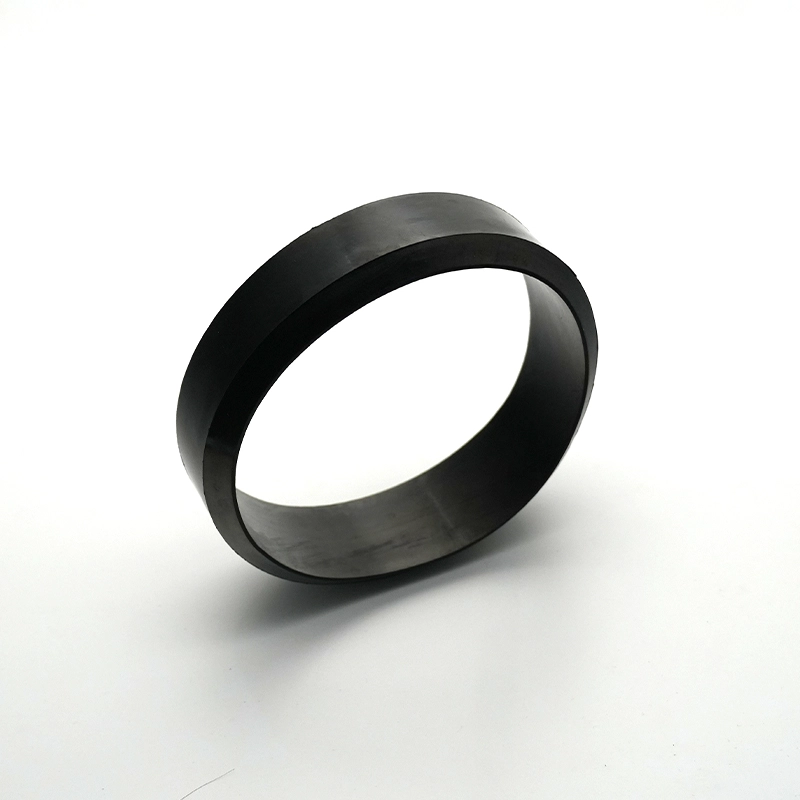
Sourcing Strategies for Oil-Resistant NBR Buna-Rubber Seal Rings
Prdoucts Categories
Question you may concern
FAQs
What is the minimum order quantity (MOQ)? Do you support small-batch trial production?
The MOQ for standard products is ≥100kg. We support small-batch trial production (as low as 20kg) and provide mold testing reports and performance data feedback.
Can Bost customize modified plastics with special properties?
Yes! We offer modification services such as reinforcement, flame retardancy, conductivity, wear resistance, and UV resistance, for example:
• Adding carbon fiber to enhance stiffness
• Reducing the coefficient of friction through PTFE modification
• Customizing food-grade or medical-grade certified materials
What are the core advantages of Bost engineering plastics compared to ordinary plastics?
Bost engineering plastics feature ultra-high mechanical strength, high-temperature resistance (-50°C to 300°C), chemical corrosion resistance, and wear resistance. Compared to ordinary plastics, their service life is extended by 3 to 8 times, making them suitable for replacing metals in harsh environments.
How do I select the appropriate engineering plastic grade for my product?
Selection should be based on parameters such as load conditions (e.g., pressure/friction), temperature range, medium contact (e.g., oil/acid), and regulatory requirements (e.g., FDA/RoHS). Our engineers can provide free material selection consulting and sample testing.
What is the delivery lead time? Do you offer global logistics?
Standard products: 5–15 working days; custom modifications: 2–4 weeks. We support global air/sea freight and provide export customs clearance documents (including REACH/UL certifications).
You may also like
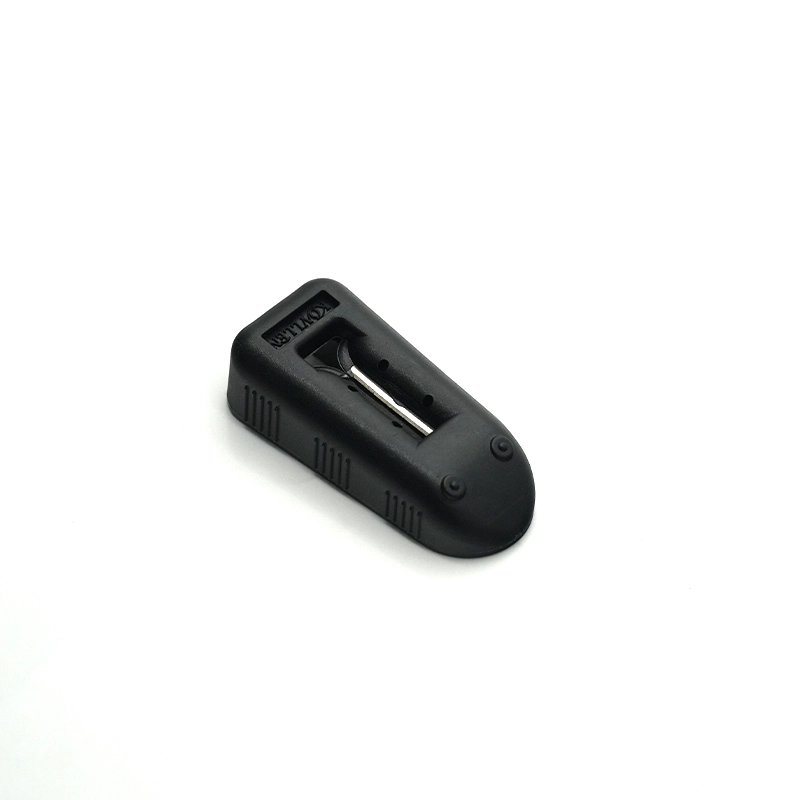
The plastic plug manufactured by Insert molding with stainless steel plate
Bost’s Insert-Molded Stainless Steel Plate Plastic Plug offers superior durability and corrosion resistance. This stainless steel insert durable plastic plug ensures a secure fit and long-lasting performance, ideal for industrial and commercial applications. Robust design meets quality standards.
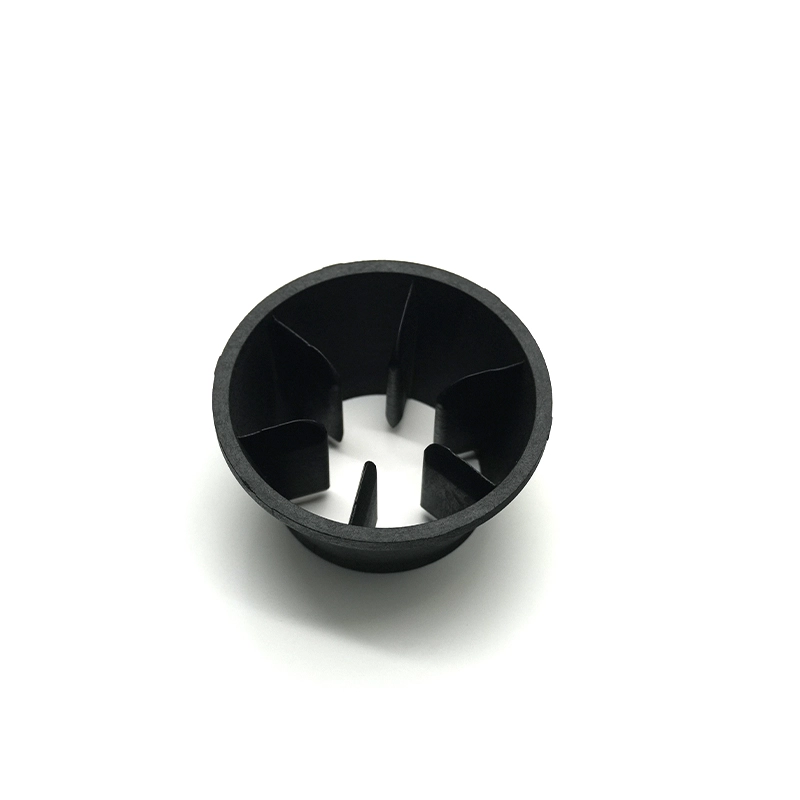
The Bost custom PPO flow valve by injection molding
The BOST Custom PPO Injection-Molded Flow Valve delivers high-temp and corrosion-resistant performance for industrial flow control. Precision-engineered by Bost, this custom PPO valve ensures durable, reliable operation in demanding environments. Optimize your process with BOST’s advanced injection-molded solution.
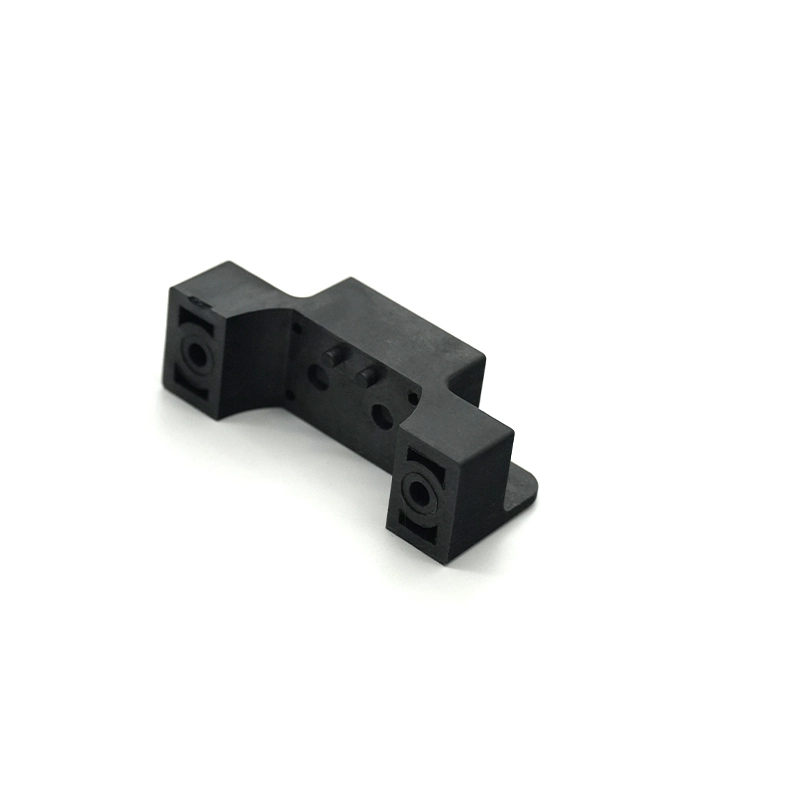
The Bost custom plastic handle by injection molding with high performance PPS material
BOST Custom PPS Injection-Molded Wear-Resistant Handle delivers superior durability and high performance. Made from High Quality PPS material, this injection-molded handle ensures exceptional wear resistance, ideal for demanding applications and long-lasting use. Choose BOST for quality and reliability.
The Bost custom flow meter by injection molding with PES plastic
The Bost Custom PES Injection-Molded Flow Meter offers high-temperature and corrosion resistance, ideal for industrial use. Made with durable PES plastic via precision injection molding, this flow meter ensures reliable, customized performance for demanding applications. Trust Bost for quality and innovation.
Get in touch with Bost
Have any questions or concerns about our products? Please leave us a message here, and our team will get back to you promptly.

24 hours quotes delivered
Submit CAD files, get quote in 24 hours

No MOQ required
From prototyping to high-volume

±0.02 mm Precision
Advanced CNC with full inspections

1,000+ tons in stock
26 materials ready to ship
© 2026 BOST. All Rights Reserved.