 Scan QR Code
Send My Request
Reducing Maintenance with Durable ABS Plastic Connectors
Wednesday, 03/4/2026
Durable, UV-resistant ABS plastic connectors like the Bost Black UV-Resistant ABS Outdoor Connector reduce maintenance demands for outdoor electrical and structural installations. By combining material performance, smart design, and correct installation practices, these weatherproof plastic connectors lower downtime, extend service life, and reduce total cost of ownership for projects in varied climates.
- Why durable connectors matter for outdoor installations
- Reducing operational downtime and maintenance cost
- Environmental stressors that drive connector failure
- Regulatory and safety considerations
- Advantages of the Black and UV-Resistant ABS Plastic Connector
- Material benefits of ABS for outdoor connectors
- Why black and UV-resistant formulations matter
- Design precision and installation readiness
- Design, selection, and installation practices that minimize maintenance
- Selecting the right connector for your application
- Installation best practices to extend service life
- Planned inspection and preventive maintenance
- Comparing ABS connectors to other materials
- Key material trade-offs
- Lifecycle cost perspective
- Standards and testing to validate performance
- Real-world results: reducing maintenance with Bost Black UV-Resistant ABS Outdoor Connector
- Case examples and performance gains
- Design features that lower maintenance effort
- Documentation and warranty support
- Frequently asked questions (FAQ)
- Are ABS connectors suitable for coastal environments?
- How much maintenance reduction can I expect by switching to UV-stabilized ABS connectors?
- Can ABS connectors be used near heat sources?
- What testing should I request from a connector supplier?
- How do I specify the Bost Black UV-Resistant ABS Outdoor Connector for procurement?
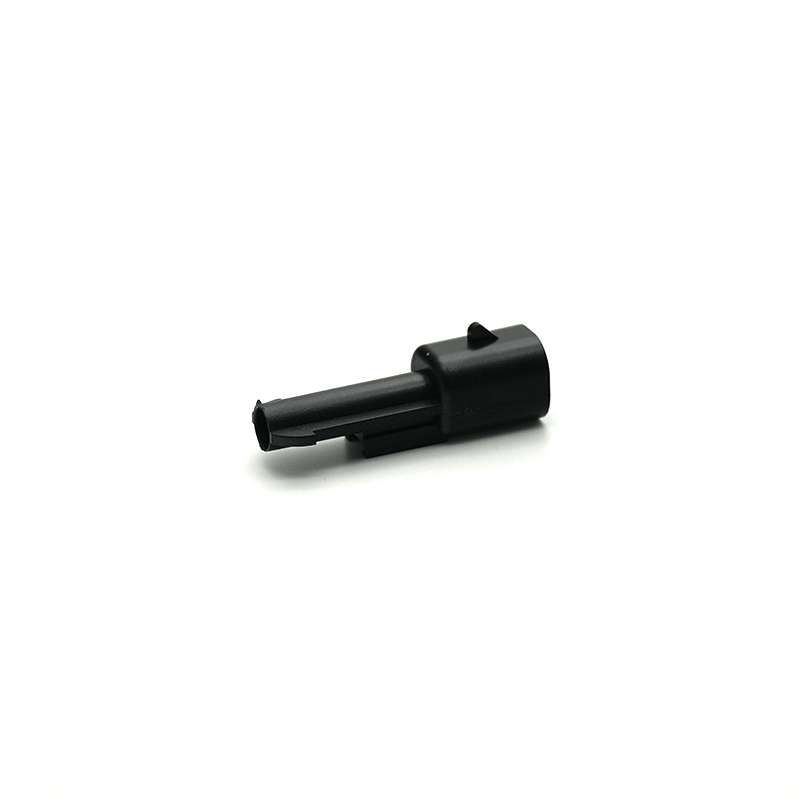
The Bost Black UV-Resistant ABS Outdoor Connector offers superior weather resistance and durability for outdoor assemblies. As a precision plastic connector engineered from high-quality ABS plastic with UV stabilization, it delivers long service life in sun, rain, salt spray and freeze–thaw cycles, helping to lower maintenance frequency and lifecycle costs in landscape lighting, signage, outdoor electrical boxes, and modular structural systems.
Why durable connectors matter for outdoor installations
Reducing operational downtime and maintenance cost
Maintenance of outdoor systems is costly not only in parts but in labor, access, and service interruption. Selecting robust plastic connectors can significantly reduce scheduled and reactive maintenance. Durable, UV-resistant connectors avoid common failure modes such as cracking, brittleness, and discoloration that lead to replacement. For asset owners, this lowers total cost of ownership (TCO) and improves uptime.
Environmental stressors that drive connector failure
Outdoor connectors must withstand ultraviolet (UV) radiation, moisture, temperature cycling, mechanical impact, chemical exposure (e.g., de-icing salts or airborne pollutants), and biological fouling. Each stressor accelerates polymer degradation differently: UV causes photo-oxidation and surface embrittlement; moisture can facilitate hydrolysis or corrosion of embedded metal inserts; and thermal cycling generates fatigue at joints. Choosing a UV-resistant ABS connector reduces the dominant weathering mechanism in many climates.
Regulatory and safety considerations
Outdoor electrical and mechanical connectors must meet safety and performance requirements. Consider industry guidance and standards when selecting plastic connectors to ensure compliance. Referencing authoritative sources on plastic materials and standards can help, for example the general material overview on ABS by Wikipedia and standards organizations such as ISO and UL for relevant testing and certification frameworks.
Advantages of the Black and UV-Resistant ABS Plastic Connector
Material benefits of ABS for outdoor connectors
Acrylonitrile butadiene styrene (ABS) is a widely used engineering thermoplastic with favorable mechanical strength, impact resistance, and ease of molding. When properly formulated with UV stabilizers and pigments, ABS provides a cost-effective balance of mechanical performance and weatherability for connectors used outdoors. For an overview of ABS properties and common applications, see this reference.
Why black and UV-resistant formulations matter
Black pigments—typically carbon black—act as effective UV absorbers and help shield polymer chains from UV-induced degradation. The Bost Black UV-Resistant ABS Outdoor Connector uses a UV-stabilized ABS compound that combines carbon black pigmentation and proprietary stabilizers to resist color fade, crack initiation, and surface chalking. This delivers preserved mechanical integrity and visual appearance over longer service intervals, especially in high-sun-exposure regions.
Design precision and installation readiness
High-quality plastic connectors are manufactured with tight dimensional tolerances to ensure reliable mating, sealing, and load transfer. The Bost connector is designed for easy field installation and secure fastening to reduce human error during assembly—one of the leading causes of premature failure. Precision molding minimizes stress concentrators, and thoughtful features like integrated seals or screw bosses reduce the need for additional parts and maintenance visits.
Design, selection, and installation practices that minimize maintenance
Selecting the right connector for your application
Match connector material and design to the operational environment and mechanical demands. For outdoor electrical or structural applications exposed to sunlight and moisture, prioritize UV-resistant ABS connectors or other weatherproof polymers. Consider mechanical load, temperature range, and chemical exposure. When corrosive environments or higher temperature resistance are needed, evaluate alternatives (see comparison table below).
Installation best practices to extend service life
Proper installation reduces premature failures: ensure correct torque on fasteners, avoid over-tightening (which can induce cracks in plastic parts), use compatible gaskets or sealants for moisture exclusion, and avoid sharp bending or point loads on connector bodies and cables. Where vibration is expected, include thread-locking features or vibration-resistant fasteners. Documented torque specs and installation checklists reduce installer variability and rework.
Planned inspection and preventive maintenance
Even durable connectors benefit from periodic checks. A simple preventive schedule (visual inspection for cracking, discoloration, seal integrity, and loosening of fasteners every 6–12 months depending on severity of exposure) catches early degradation before failures. Photographic records and condition ratings help decision-making on when to replace versus continue monitoring. These low-effort inspections can prevent expensive emergency repairs.
Comparing ABS connectors to other materials
Key material trade-offs
Choosing the right connector material means balancing UV resistance, impact strength, thermal performance, chemical resistance, and cost. ABS is a strong generalist; other polymers or metals may be preferable for specific demands (e.g., high temperature or chemical resistance). The table below summarizes typical behaviors for common connector materials in outdoor use.
| Material | UV Resistance | Impact Strength | Cost | Best Use |
|---|---|---|---|---|
| UV-Stabilized ABS | Good (with carbon black/additives) | Good | Low–Medium | Outdoor housings, electrical & mechanical connectors |
| Nylon (PA) | Moderate (can absorb moisture; UV additives needed) | High | Medium | Mechanical connectors, load-bearing fasteners |
| Polycarbonate (PC) | Moderate–Good (UV grades available) | Very High | Higher | Impact-critical applications, transparent covers |
| Metals (e.g., stainless steel) | N/A | Very High | High | High-temperature, structural, and chemically aggressive environments |
Lifecycle cost perspective
While metals offer durability, the higher upfront cost and potential for corrosion at joints increases maintenance complexity. UV-stabilized ABS connectors typically provide lower upfront cost, simpler installation, and predictable weathering behavior—making them the lowest TCO option in many outdoor, non-extreme applications. Use lifecycle cost analysis (including parts, labor, downtime) when specifying connectors for large deployments.
Standards and testing to validate performance
Request material test data and accelerated weathering reports for connectors. Industry and standards organizations provide frameworks for testing plastics and components—see general standards resources such as ISO and testing labs accredited by UL. For polymer industry perspectives and lifecycle impacts, PlasticsEurope is a valuable resource on material properties and sustainability considerations.
Real-world results: reducing maintenance with Bost Black UV-Resistant ABS Outdoor Connector
Case examples and performance gains
Field deployments of UV-stabilized ABS connectors in landscape lighting and roadside signage demonstrate fewer replacements over multiple years compared with non-stabilized alternatives. Customers report reduced call-outs for cracked housings, improved aesthetics over time, and consistent electrical performance due to maintained sealing. These benefits translate into measurable savings in labor and parts and improved reliability metrics.
Design features that lower maintenance effort
The Bost connector incorporates features that reduce common failure modes: engineered ribs to distribute stress, integrated gasket seats to improve moisture exclusion, and UV-stable surface finish to reduce surface embrittlement. These design choices minimize point stresses and slow degradation pathways—providing maintenance teams with predictable, long-lasting components.
Documentation and warranty support
Use products backed by clear material data sheets, installation guides, and warranty terms. When selecting connectors for mission-critical outdoor systems, review supplier testing (accelerated UV exposure, salt spray, thermal cycling) and warranties that cover weathering-related failures. Trusted suppliers provide test summaries and compliance information to meet procurement and asset-management requirements.
Frequently asked questions (FAQ)
Are ABS connectors suitable for coastal environments?
Yes, UV-stabilized ABS performs well against UV exposure and general weathering. However, in salt-spray or highly corrosive coastal conditions, consider the design for metal inserts and fasteners—use stainless steel or corrosion-resistant coatings—and verify sealing to prevent moisture ingress. For general guidance on material and corrosion health, consult resources like PlasticsEurope and product test reports.
How much maintenance reduction can I expect by switching to UV-stabilized ABS connectors?
Maintenance reduction varies by application and baseline condition, but typical benefits include fewer unscheduled replacements due to weathering, reduced labor visits for visual repairs, and improved visual longevity. In many cases, owners report a 30–60% reduction in weathering-related service calls versus non-UV-stabilized parts—depending on climate severity and installation quality.
Can ABS connectors be used near heat sources?
ABS has a useful temperature range suitable for many outdoor applications, but it is not intended for continuous high-temperature exposure like near exhausts or heat-generating equipment. For higher temperature environments, consider polycarbonate, high-temperature nylons, or thermosets. Verify the maximum continuous service temperature specified by the connector supplier.
What testing should I request from a connector supplier?
Request accelerated weathering (UV exposure), thermal cycling, impact resistance, and salt-spray results where relevant. Ask for material safety data sheets (MSDS), technical data sheets (TDS), and installation torque specifications. Certification or testing by third-party labs (e.g., UL-listed components or ISO-compliant test reports) increases confidence—see UL and ISO resources for testing frameworks.
How do I specify the Bost Black UV-Resistant ABS Outdoor Connector for procurement?
Specify material (UV-stabilized ABS), color (black), part number, sealing features, and any metal insert requirements. Request the supplier's installation guide, test reports, and warranty. For bulk deployments, ask about lot traceability and quality assurance processes aligned with recognized quality standards such as those promoted by ISO.
If you want to evaluate or purchase the product, view the Bost Black UV-Resistant ABS Outdoor Connector product page or contact our sales team for datasheets, test reports, and volume pricing: View product details or Contact sales.
References and further reading: ABS (Wikipedia), PlasticsEurope, ISO, UL.
Tags
Eco-Friendly Support
Eco-Friendly Support
Durable chemical-resistant
Durable chemical-resistant
plastic injection molding
plastic injection molding
Wear-Resistant Shaft Protection
Wear-Resistant Shaft Protection
custom machined parts
custom machined parts
automotive plastic parts
automotive plastic parts
Recommended for you
How to Design Parts for PEEK Overmolding Success
What is Engineering Plastic? Types and Key Properties
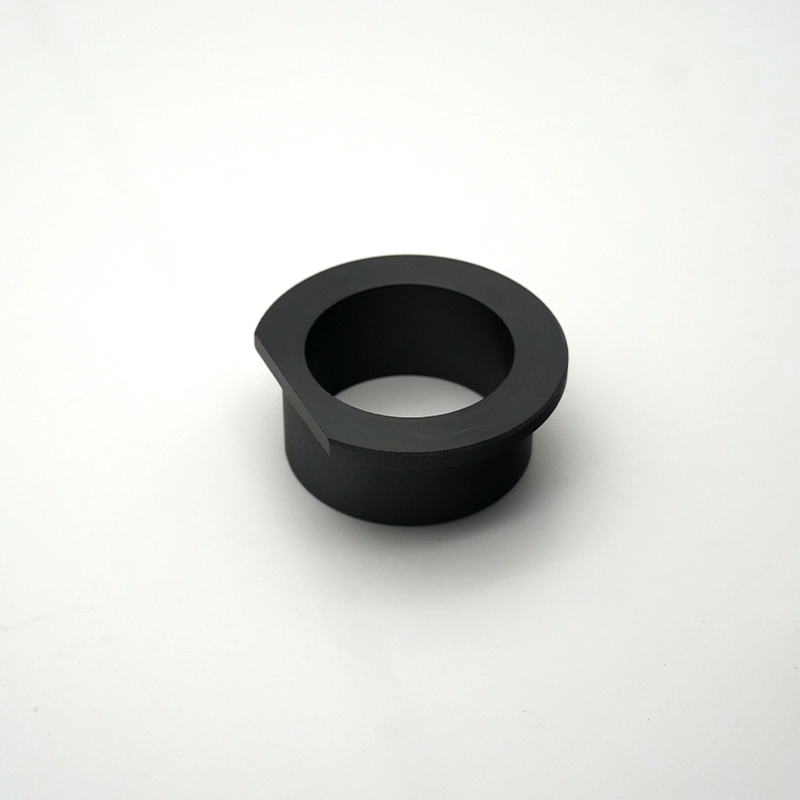
Troubleshooting Fit and Clearance for PE Plastic Bushes
Recycling and Circular Economy Strategies for Engineering Plastics
Prdoucts Categories
Question you may concern
FAQs
What is the delivery lead time? Do you offer global logistics?
Standard products: 5–15 working days; custom modifications: 2–4 weeks. We support global air/sea freight and provide export customs clearance documents (including REACH/UL certifications).
What is the minimum order quantity (MOQ)? Do you support small-batch trial production?
The MOQ for standard products is ≥100kg. We support small-batch trial production (as low as 20kg) and provide mold testing reports and performance data feedback.
What are the core advantages of Bost engineering plastics compared to ordinary plastics?
Bost engineering plastics feature ultra-high mechanical strength, high-temperature resistance (-50°C to 300°C), chemical corrosion resistance, and wear resistance. Compared to ordinary plastics, their service life is extended by 3 to 8 times, making them suitable for replacing metals in harsh environments.
Can Bost customize modified plastics with special properties?
Yes! We offer modification services such as reinforcement, flame retardancy, conductivity, wear resistance, and UV resistance, for example:
• Adding carbon fiber to enhance stiffness
• Reducing the coefficient of friction through PTFE modification
• Customizing food-grade or medical-grade certified materials
How do I select the appropriate engineering plastic grade for my product?
Selection should be based on parameters such as load conditions (e.g., pressure/friction), temperature range, medium contact (e.g., oil/acid), and regulatory requirements (e.g., FDA/RoHS). Our engineers can provide free material selection consulting and sample testing.
You may also like
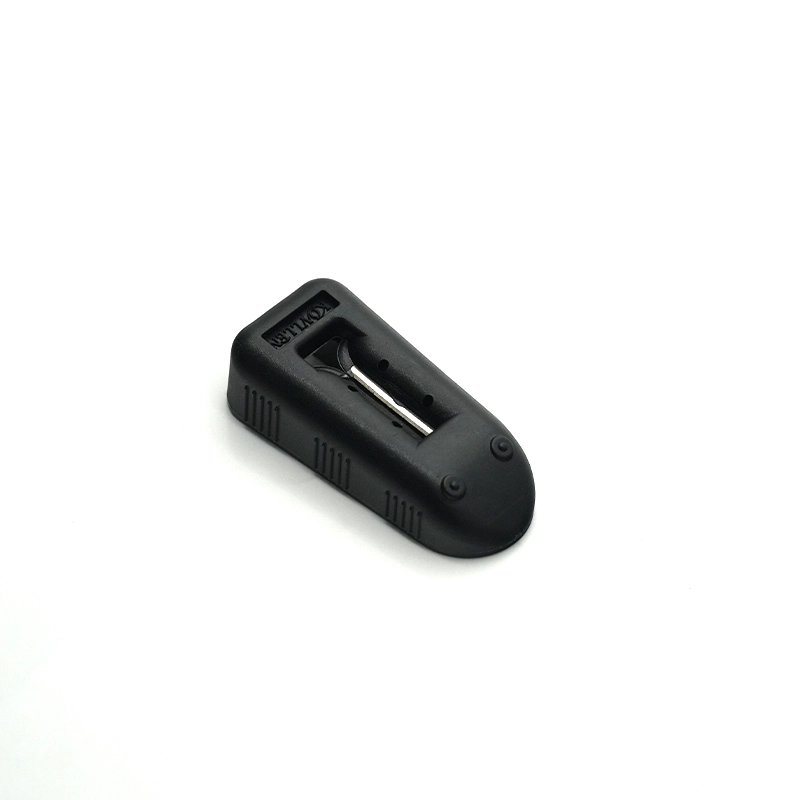
The plastic plug manufactured by Insert molding with stainless steel plate
Bost’s Insert-Molded Stainless Steel Plate Plastic Plug offers superior durability and corrosion resistance. This stainless steel insert durable plastic plug ensures a secure fit and long-lasting performance, ideal for industrial and commercial applications. Robust design meets quality standards.
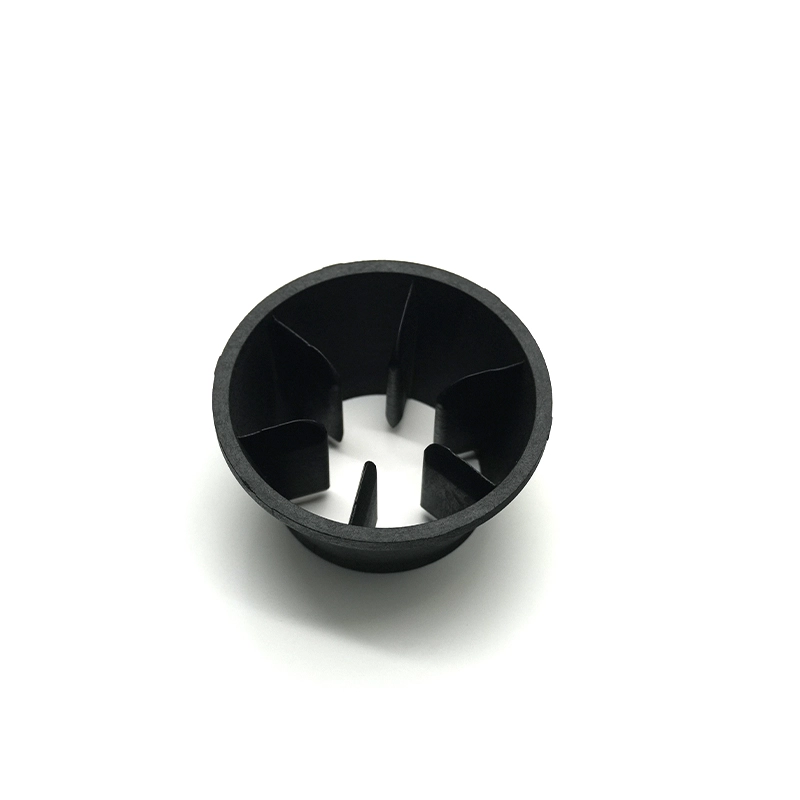
The Bost custom PPO flow valve by injection molding
The BOST Custom PPO Injection-Molded Flow Valve delivers high-temp and corrosion-resistant performance for industrial flow control. Precision-engineered by Bost, this custom PPO valve ensures durable, reliable operation in demanding environments. Optimize your process with BOST’s advanced injection-molded solution.
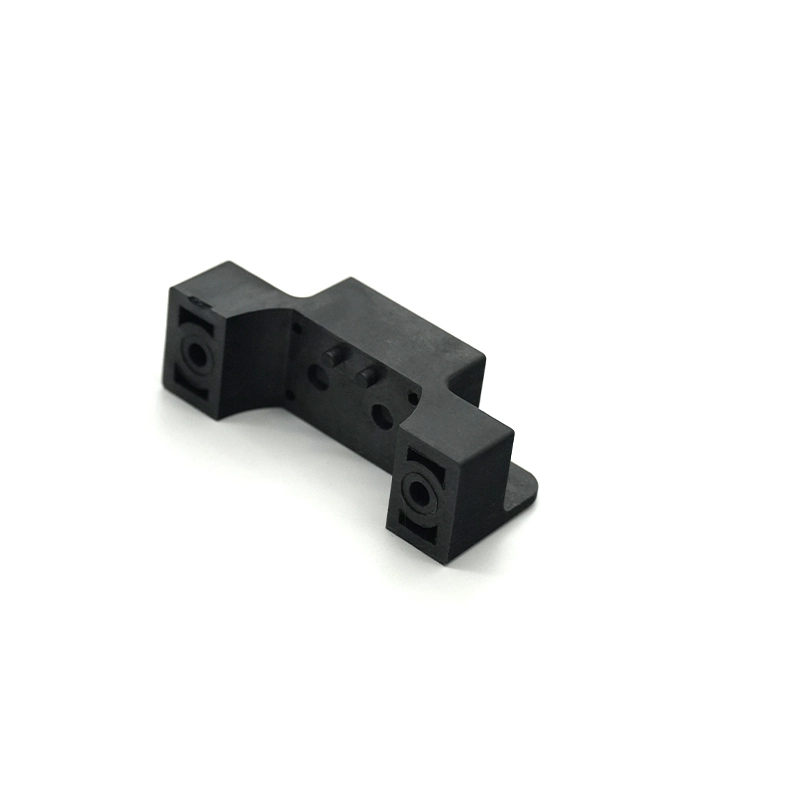
The Bost custom plastic handle by injection molding with high performance PPS material
BOST Custom PPS Injection-Molded Wear-Resistant Handle delivers superior durability and high performance. Made from High Quality PPS material, this injection-molded handle ensures exceptional wear resistance, ideal for demanding applications and long-lasting use. Choose BOST for quality and reliability.
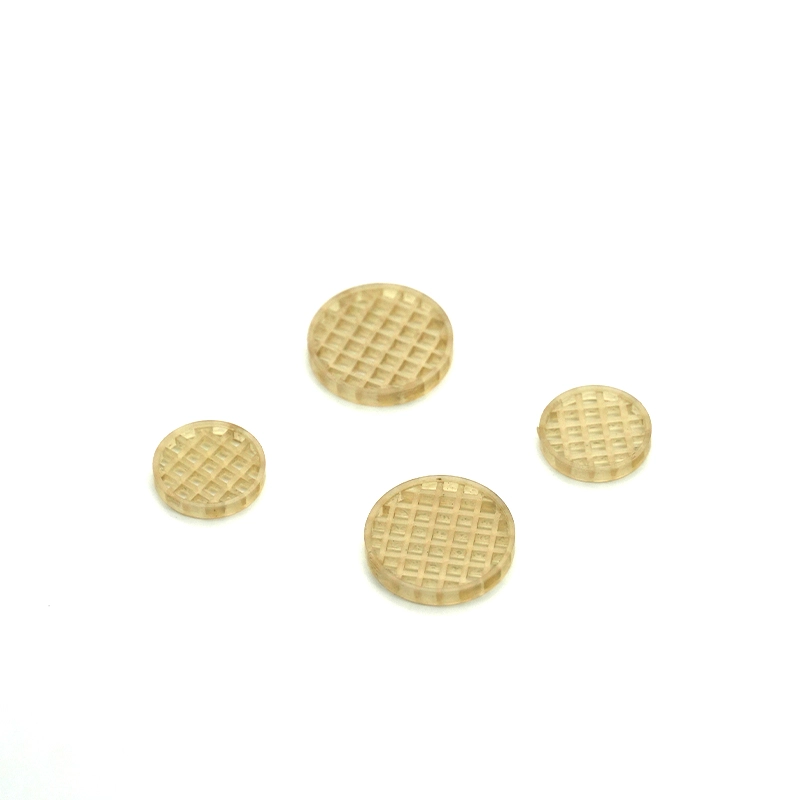
The Bost custom flow meter by injection molding with PES plastic
The Bost Custom PES Injection-Molded Flow Meter offers high-temperature and corrosion resistance, ideal for industrial use. Made with durable PES plastic via precision injection molding, this flow meter ensures reliable, customized performance for demanding applications. Trust Bost for quality and innovation.
Get in touch with Bost
Have any questions or concerns about our products? Please leave us a message here, and our team will get back to you promptly.

24 hours quotes delivered
Submit CAD files, get quote in 24 hours

No MOQ required
From prototyping to high-volume

±0.02 mm Precision
Advanced CNC with full inspections

1,000+ tons in stock
26 materials ready to ship
© 2026 BOST. All Rights Reserved.