
 Scan QR Code
Send My Request
Recycling and Circular Economy Strategies for Engineering Plastics
Tuesday, 11/18/2025
This article explains practical recycling and circular economy strategies for engineering plastics, covering material characteristics, mechanical and chemical recycling methods, design-for-recycling, sorting and traceability, business models, policy levers, and a step-by-step implementation roadmap. It also introduces Bost, a professional high-tech green energy engineering plastics manufacturer, and explains how their products and capabilities align with circular solutions.
- Recycling and Circular Economy Strategies for Engineering Plastics
- Why engineering plastics matter in the circular economy
- Current challenges with Engineering Plastics recycling
- Key recycling routes for Engineering Plastics
- Design-for-recycling: reduce complexity to increase value
- Sorting and traceability: enabling high-purity streams
- Material-specific considerations for common Engineering Plastics
- Emerging technologies that improve circularity
- Business models that support a circular supply chain
- Policy and standards that accelerate recycling of Engineering Plastics
- Case study snapshots
- Bost: a partner for circular engineering plastics solutions
- Bost's core products and competitive strengths
- Practical roadmap for companies using Engineering Plastics
- FAQs — common questions about recycling Engineering Plastics
- Q1: Can all Engineering Plastics be recycled?
- Q2: Will recycled engineering plastics match virgin properties?
- Q3: What is the most cost-effective recycling method for engineering plastics?
- Q4: How can manufacturers start implementing circular strategies today?
- Contact us / See our products
- Sources
Recycling and Circular Economy Strategies for Engineering Plastics
Why engineering plastics matter in the circular economy
Engineering Plastics are high-performance polymers used in demanding applications such as automotive components, electrical housings, medical devices, and industrial machinery. Because they combine strength, thermal stability, and chemical resistance, these materials are often more valuable — and more complex — than commodity plastics. This complexity makes thoughtful recycling and circular-economy strategies essential to reduce resource consumption, lower lifecycle emissions, and preserve material value.
Current challenges with Engineering Plastics recycling
Engineering plastics face four major recycling challenges: material diversity (many polymer types and additives), contamination (mixing with metals, lubricants, or composites), property degradation on reuse (loss of molecular weight or mechanical performance), and poor collection/sorting at end-of-life. Globally, plastic recycling rates remain low: only about 9% of all plastic waste was recycled as of 2019, and engineering-grade streams often have even lower recovery rates because of their complexity.
Key recycling routes for Engineering Plastics
There are several recycling approaches, each with strengths and limits. Choosing the right route depends on polymer type, contamination level, and the required performance of the recycled product.
| Route | How it works | Pros | Cons | Suitable Engineering Plastics |
|---|---|---|---|---|
| Mechanical recycling | Sorting → cleaning → grinding → melt processing | Lower cost, established tech, retains polymer backbone | Property degradation, sensitive to contamination | ABS, PC, PA (Nylon), POM, some PE/PP blends |
| Near‑virgin feed (regrind/closed loop) | High-purity scrap reprocessed within same product line | Maintains high performance, minimal additives | Requires segregated collection and contamination control | Injection molded components, automotive assembly scrap |
| Chemical recycling / depolymerization | Polymers broken to monomers or useful intermediates | Restores properties near virgin, handles mixed waste | Higher energy/cost, technological maturity varies | PET, polyamide (emerging), specialty routes for certain polyesters |
| Solvent-based purification | Selective dissolution to remove impurities and additives | Good for high-value polymers, retains molecular weight | Solvent recovery needed, process complexity | PS, PMMA, some engineering polymers in research/demo |
| Energy recovery | Incineration with energy capture | Handles contaminated mixed waste | Not circular, loses material value, emissions concerns | Unsupported or contaminated streams |
Source data summarized from plastics industry and circular economy research (see sources at article end).
Design-for-recycling: reduce complexity to increase value
Design choices early in the product life cycle have the largest effect on recyclability. For Engineering Plastics, design-for-recycling includes:
- Material simplification: prefer single polymer families or compatible blends where possible.
- Avoiding hard-to-remove additives and combined-material structures (e.g., permanently bonded dissimilar polymers).
- Design for disassembly: mechanical fasteners instead of permanent adhesives where feasible.
- Clear labeling and material identification to aid sorting — digital IDs (RFID, QR) can further improve traceability.
These choices support higher quality recycled material and reduce downstream processing costs.
Sorting and traceability: enabling high-purity streams
Efficient sorting is critical. Advanced methods include near-infrared (NIR) spectroscopy, X-ray fluorescence (XRF) for additives/metal detection, and AI-powered visual sorting. For engineering applications, traceability systems (digital product passports, blockchain-backed records) can capture material composition, processing history, and additives — enabling recyclers to choose the right recovery route and validate the quality of recycled engineering plastics.
Material-specific considerations for common Engineering Plastics
Not all engineering polymers behave the same during recycling. Brief practical notes:
- Nylon (PA6/66): Hygroscopic (absorbs water) — requires drying before melt processing. Mechanical recycling viable for many applications; chemical recycling (caprolactam recovery) is also developing.
- Polycarbonate (PC): Susceptible to hydrolytic degradation; mechanical recycling can work for non-critical parts. Chemical recycling can restore monomers for high-value reuse.
- Polyoxymethylene (POM): Challenging due to sensitivity to degradation; limited recycling routes, often recycled into lower-value products.
- Fluoroplastics (PTFE, PVDF): Very chemically inert and difficult to recycle mechanically; energy recovery or specialist reprocessing often used.
Emerging technologies that improve circularity
Chemical and solvent-based recycling methods are maturing quickly and can play a decisive role for engineering plastics that cannot be effectively mechanically recycled. Examples include hydrolysis/depolymerization for polyesters and advanced pyrolysis with upgrading for mixed high-value streams. Additive recycling (reformulation with performance-restoring additives) and compatibilizers allow mixed polymer recycling streams to maintain acceptable properties for non-critical applications.
Business models that support a circular supply chain
Implementing circular economy strategies is not only technical but commercial. Models that improve material circularity include:
- Take-back schemes and product-as-a-service (PaaS): Manufacturers retain ownership and responsibility for end-of-life recovery.
- Closed-loop supply chains: OEMs design components to be returned to their original manufacturers for high-quality remanufacture.
- Recycled-content specifications and procurement standards: Buyers prioritize materials with verified recycled content from engineering-grade recyclates.
Policy and standards that accelerate recycling of Engineering Plastics
Clear policy signals — recycled content mandates, extended producer responsibility (EPR), and standardized material IDs — can move markets. Harmonized testing standards for recycled engineering plastics help OEMs accept secondary material by certifying performance equivalence or fitness-for-purpose.
Case study snapshots
Practical examples illustrate what works in the field:
- Automotive closed-loop: Several automakers collect in-plant scrap and end-of-life components and reprocess them into interior and under-the-hood parts using high-purity mechanical recycling and targeted compatibilizers.
- Electronics module reuse: Manufacturers design modules for disassembly and reclaim PC/ABS housings for reuse or reprocessing, preserving higher-value material streams.
Bost: a partner for circular engineering plastics solutions
Bost is a professional and innovative high-tech green energy engineering plastics manufacturer specializing in research and development, production, and sales. Since its establishment, the company has been committed to the research and production of engineering plastics and special engineering plastics, providing high-quality products and services to customers and working hard to ensure customer satisfaction.
Bost specializes in the production and operation of various high-quality, ultra-high anti-scar, super corrosion-resistant, super fatigue-durable, ultra abrasion-resistant, high-temperature transparent, and other special properties of special engineering plastics. The company enhances toughening, flame retardancy, absorption through hard working of waves, and conductive thermal properties of ordinary modified engineering plastic sheets, rods, and molds. Bost has a high technical level in the plastics modification R&D team and production, including product mold design and manufacturing, mechanical processing of products of mechanical equipment, and an excellent production team, especially in steel and plastic and plastic and rubber comprehensive materials applications. These capabilities make Bost well-positioned to support circular strategies: by designing for recyclability, providing materials engineered for reprocessing, and offering manufacturing services that facilitate closed-loop reuse.
Bost's core products and competitive strengths
Bost's main product lines include: Engineering Plastic, Fluoroplastic, Over Molding, Insert Molding, Special Engineering Plastics, and rubber seal. Core competitive strengths are:
- Advanced material modification R&D to create high-performance, durable formulations that can withstand multiple life cycles.
- Production expertise in sheets, rods, and molded parts, enabling near‑virgin re-use of clean production scrap and supporting take-back/closed-loop programs.
- Mold design and mechanical processing capabilities allowing design-for-disassembly and modular products that simplify recycling.
- Experience with complex steel-plastic and plastic-rubber integrations, providing solutions that reduce mixed-material bonding and improve end-of-life recoverability.
Practical roadmap for companies using Engineering Plastics
For manufacturers and product designers wanting to implement circular strategies, a pragmatic roadmap:
- Material audit: Map all engineering plastics used and quantify flows of production scrap and end-of-life parts.
- Design review: Identify components that can be simplified or redesigned for disassembly and recycling.
- Supplier engagement: Work with material suppliers (like Bost) to source recyclable formulations and verify recyclate performance.
- Collection & sorting setup: Establish in-plant segregation, labeling, and contracts for post-consumer collection.
- Choose recycling route: Match polymer streams to mechanical, solvent, or chemical recycling processes based on contamination and required performance.
- Certify & procure: Define recycled-content targets and testing procedures to accept secondary materials into production.
- Scale & iterate: Monitor quality, emissions, and cost metrics; iterate design and processes to increase recycled material use.
FAQs — common questions about recycling Engineering Plastics
Q1: Can all Engineering Plastics be recycled?
A1: Not all engineering plastics are equally recyclable. Polymers like ABS, PC, and certain nylons can be mechanically recycled if sorted and cleaned, while fluoroplastics and heavily filled composites are more difficult and may require specialized or chemical recycling routes.
Q2: Will recycled engineering plastics match virgin properties?
A2: Recycled materials can approach virgin performance, especially when recovered in high-purity closed-loop systems or when upgraded by chemical recycling. However, some loss of mechanical properties can occur with repeated melt processing, so design allowances and material blends or compatibilizers are often used.
Q3: What is the most cost-effective recycling method for engineering plastics?
A3: Mechanical recycling is typically the most cost-effective for clean, single-polymer streams. Chemical recycling is more expensive today but becomes attractive for mixed or contaminated high-value streams where maintaining properties matters.
Q4: How can manufacturers start implementing circular strategies today?
A4: Start with material mapping and in-plant segregation to capture high-purity scrap. Partner with experienced suppliers and recyclers to pilot closed-loop programs. Update product designs for disassembly and labeling, and set achievable recycled-content targets.
Contact us / See our products
To discuss how to implement recycling or circular strategies for your engineering plastic components, or to learn more about Bost's products and customization services for Engineering Plastic, Fluoroplastic, Over Molding, Insert Molding, Special Engineering Plastics, and rubber seals, contact our customer service or view our product catalog. Our team can help evaluate material options, propose design changes for recyclability, and support closed-loop manufacturing solutions.
Sources
- Our World in Data / Plastics: Global production and recycling statistics (2019 data)
- Ellen MacArthur Foundation: The New Plastic Economy and circular economy frameworks
- PlasticsEurope: Facts and Figures on polymer properties and recyclability
- International Energy Agency (IEA) and UNEP reports on plastics lifecycle and waste
- Industry white papers and case studies on automotive closed-loop recycling and advanced polymer recycling technologies
Tags
plastic part manufacturing
plastic part manufacturing
insert plastic molding
insert plastic molding
insert injection molding
insert injection molding
customized injection molding
customized injection molding
custom plastic injection molding manufacturer
custom plastic injection molding manufacturer
customized injection molded plastic parts
customized injection molded plastic parts
Recommended for you
How to Choose Engineering Plastic for Mechanical Parts
Cost Estimation for PVC Injection Molded Parts: Practical Guide for Manufacturers
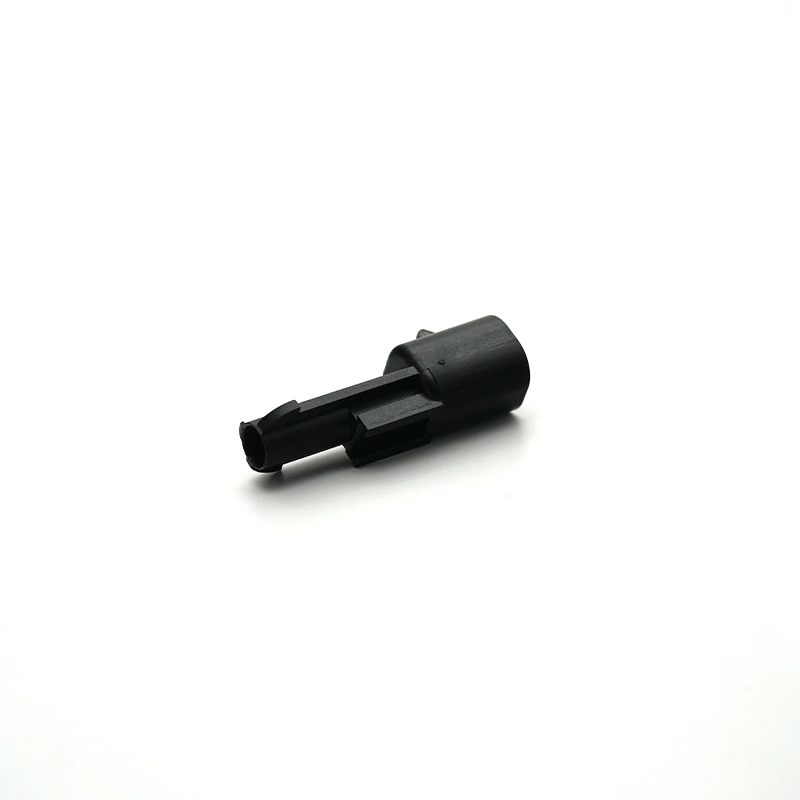
Bulk Procurement Tips for Plastic Connector Buyers
Quality Control and Inspection for Injection Molded Parts
Prdoucts Categories
Question you may concern
FAQs
What are the core advantages of Bost engineering plastics compared to ordinary plastics?
Bost engineering plastics feature ultra-high mechanical strength, high-temperature resistance (-50°C to 300°C), chemical corrosion resistance, and wear resistance. Compared to ordinary plastics, their service life is extended by 3 to 8 times, making them suitable for replacing metals in harsh environments.
How do I select the appropriate engineering plastic grade for my product?
Selection should be based on parameters such as load conditions (e.g., pressure/friction), temperature range, medium contact (e.g., oil/acid), and regulatory requirements (e.g., FDA/RoHS). Our engineers can provide free material selection consulting and sample testing.
What is the minimum order quantity (MOQ)? Do you support small-batch trial production?
The MOQ for standard products is ≥100kg. We support small-batch trial production (as low as 20kg) and provide mold testing reports and performance data feedback.
What is the delivery lead time? Do you offer global logistics?
Standard products: 5–15 working days; custom modifications: 2–4 weeks. We support global air/sea freight and provide export customs clearance documents (including REACH/UL certifications).
Can Bost customize modified plastics with special properties?
Yes! We offer modification services such as reinforcement, flame retardancy, conductivity, wear resistance, and UV resistance, for example:
• Adding carbon fiber to enhance stiffness
• Reducing the coefficient of friction through PTFE modification
• Customizing food-grade or medical-grade certified materials
You may also like
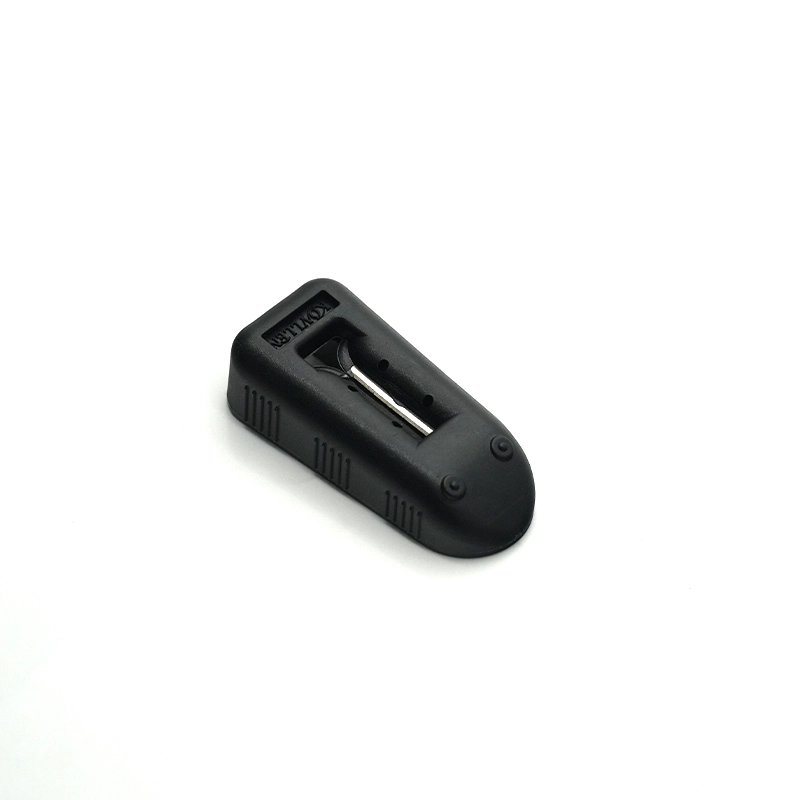
The plastic plug manufactured by Insert molding with stainless steel plate
Bost’s Insert-Molded Stainless Steel Plate Plastic Plug offers superior durability and corrosion resistance. This stainless steel insert durable plastic plug ensures a secure fit and long-lasting performance, ideal for industrial and commercial applications. Robust design meets quality standards.
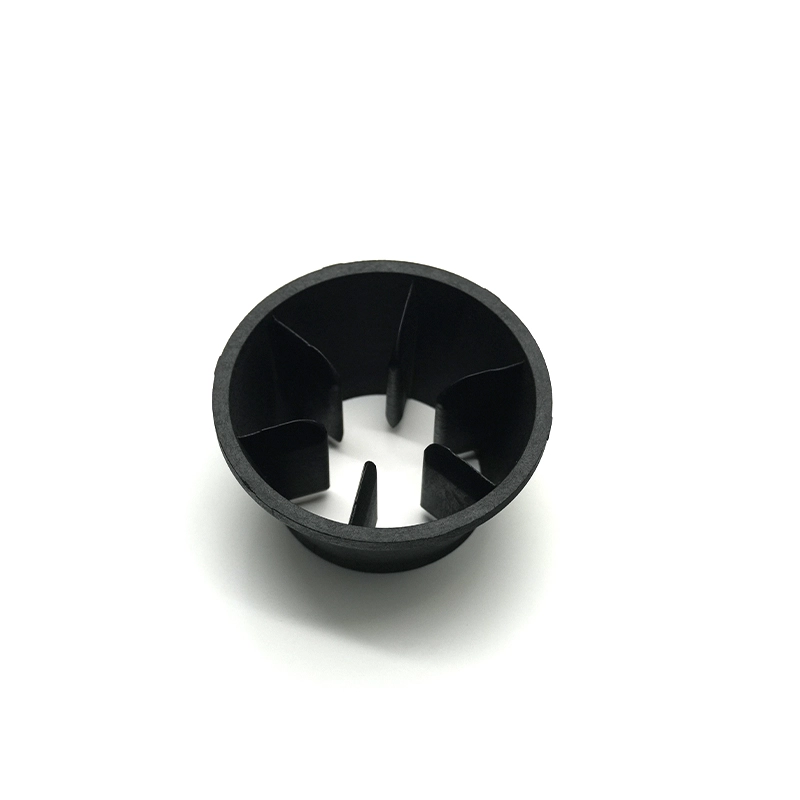
The Bost custom PPO flow valve by injection molding
The BOST Custom PPO Injection-Molded Flow Valve delivers high-temp and corrosion-resistant performance for industrial flow control. Precision-engineered by Bost, this custom PPO valve ensures durable, reliable operation in demanding environments. Optimize your process with BOST’s advanced injection-molded solution.
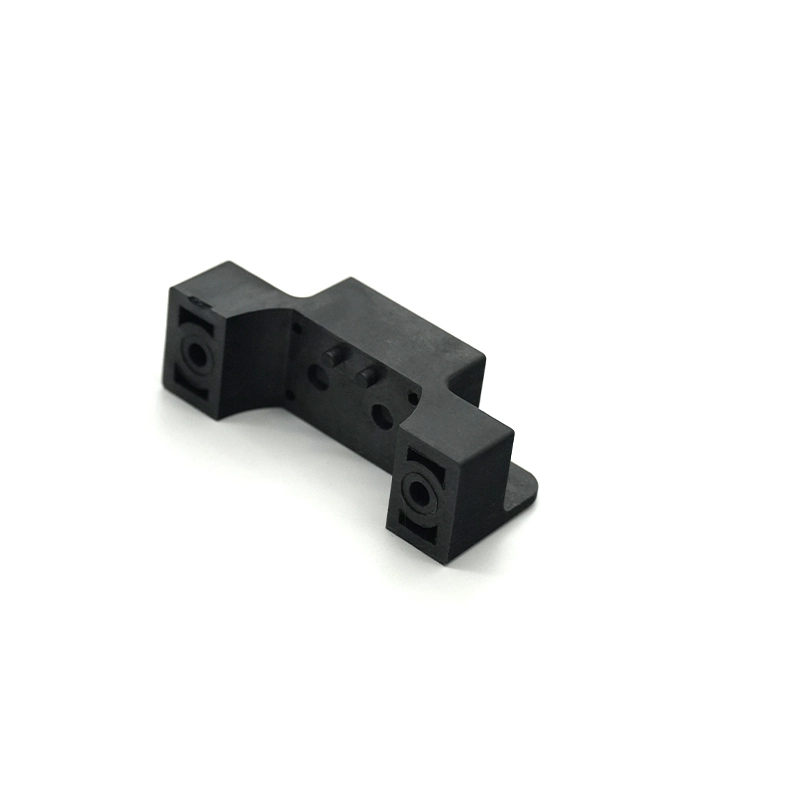
The Bost custom plastic handle by injection molding with high performance PPS material
BOST Custom PPS Injection-Molded Wear-Resistant Handle delivers superior durability and high performance. Made from High Quality PPS material, this injection-molded handle ensures exceptional wear resistance, ideal for demanding applications and long-lasting use. Choose BOST for quality and reliability.
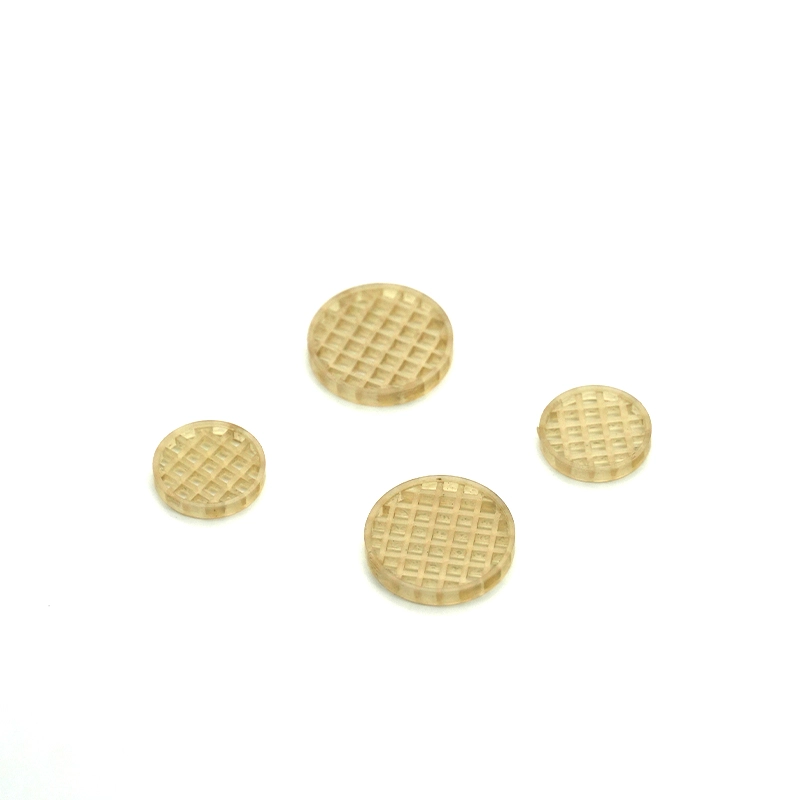
The Bost custom flow meter by injection molding with PES plastic
The Bost Custom PES Injection-Molded Flow Meter offers high-temperature and corrosion resistance, ideal for industrial use. Made with durable PES plastic via precision injection molding, this flow meter ensures reliable, customized performance for demanding applications. Trust Bost for quality and innovation.
Get in touch with Bost
Have any questions or concerns about our products? Please leave us a message here, and our team will get back to you promptly.

24 hours quotes delivered
Submit CAD files, get quote in 24 hours

No MOQ required
From prototyping to high-volume

±0.02 mm Precision
Advanced CNC with full inspections

1,000+ tons in stock
26 materials ready to ship
© 2026 BOST. All Rights Reserved.