 Scan QR Code
Send My Request
Choosing Black UV-Resistant ABS Connectors for Engineering Plastics
Monday, 01/19/2026
This article explains why Black and UV resistant ABS plastic connectors are often the best choice for outdoor and harsh-environment engineering plastics applications. It covers material science, UV stabilization methods, design and testing considerations, installation best practices, supplier selection, and brand-level advantages — helping engineers and procurement teams choose reliable, weatherproof connectors for long-term installations.
- Key Considerations for Outdoor Plastic Connectors
- Why engineering plastics matter in connector selection
- Understanding the operational environment
- Regulatory, safety, and compliance checkpoints
- Material Science Behind Black UV-Resistant ABS
- How ABS performs outdoors and the role of additives
- Why black color is more than aesthetics
- Thermal and mechanical properties relevant to connectors
- Design and Application Best Practices
- Connector geometry and stress management
- Assembly, mating materials, and galvanic concerns
- Testing, accelerated aging and qualification
- Selecting Suppliers and Brand Advantages
- What to look for in a supplier
- Brand-level advantages: reliability, support, and lifecycle thinking
- Supply chain resilience and customization
- Comparing ABS to Other Engineering Plastics for Outdoor Use
- Quick comparative table
- When ABS is the right choice
- Installation, Maintenance and Lifecycle Considerations
- Best practices for installation
- Maintenance and inspection schedules
- End-of-life and recyclability
- Product Spotlight: Bost Black UV-Resistant ABS Outdoor Connector
- Product overview
- Typical specifications and use cases
- Why choose this product
- FAQ
- Q: How long will a UV-stabilized black ABS connector last outdoors?
- Q: Can I paint or recoat a black ABS connector?
- Q: Is black ABS more heat-prone due to solar absorption?
- Q: How do I verify a supplier's UV-aging claims?
- Q: Are there electrical safety concerns with ABS connectors?
- Q: Can connectors be customized for my application?
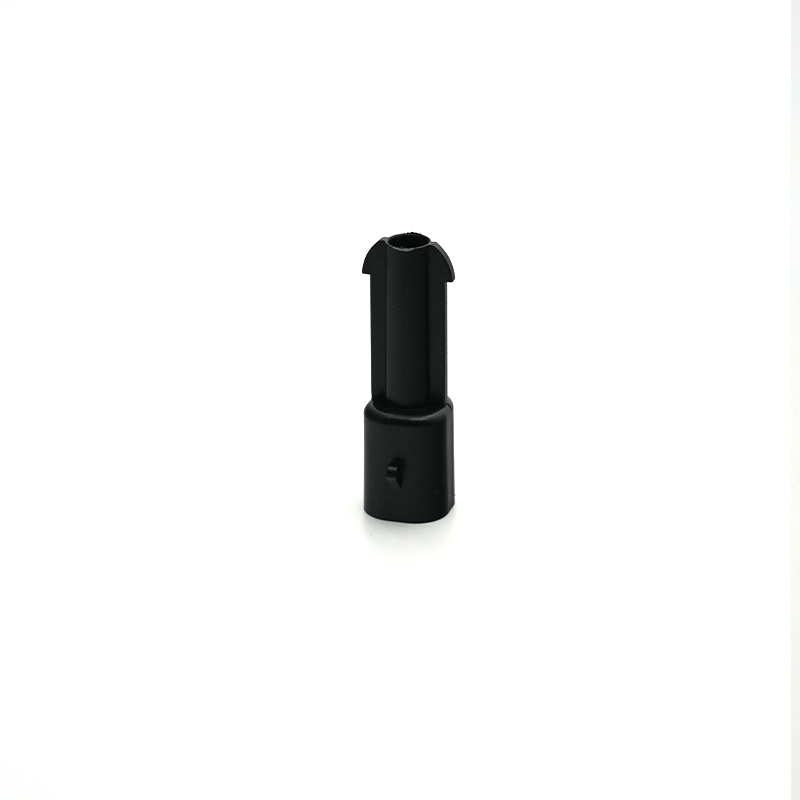
The right connector material directly affects the lifetime, safety, and maintenance cost of outdoor electrical and mechanical systems. For engineers and specifiers working with engineering plastics, Black and UV resistant ABS plastic connectors strike a practical balance of cost, mechanical performance, and weather resistance. This article details how UV-stabilized, carbon-black loaded ABS behaves outdoors, how it compares with other engineering plastics, what design and testing considerations matter, and how to choose a supplier for reliable weatherproof installations. When choosing black UV-resistant ABS connectors for engineering plastics, buyers must quickly narrow options by understanding the key specs buyers seek in UV-resistant ABS plastic connectors, which define real-world performance.
Key Considerations for Outdoor Plastic Connectors
Why engineering plastics matter in connector selection
Engineering plastics are selected because they offer repeatable mechanical properties, dimensional stability, and predictable long-term behavior. When choosing a connector for outdoor use, material selection must address UV degradation, thermal cycling, mechanical stresses, chemical exposure, and installation environment. Using thermoplastics such as ABS (acrylonitrile butadiene styrene) offers advantages in injection molding precision, consistent tolerances, and repairability when compared to many thermosets.
Understanding the operational environment
Before specifying a Black and UV resistant ABS plastic connector, map the expected environment: direct sun exposure, salt spray, industrial pollutants, temperature extremes, and mechanical loading cycles. UV exposure accelerates chain scission and surface embrittlement in many polymers, so connectors intended for long-term outdoor installation must incorporate UV stabilization strategies. Consider local climate data and accelerated aging test results when evaluating candidates.
Regulatory, safety, and compliance checkpoints
Ensure the connector meets relevant flammability, electrical safety, and environmental standards for your sector. For instance, many electrical applications require specific flammability ratings (UL 94) and dielectric performance. Always check datasheets and third-party test reports. For broader context on engineering plastics classifications and typical applications, see the Engineering Plastic overview on Wikipedia https://en.wikipedia.org/wiki/Engineering_plastic.
Material Science Behind Black UV-Resistant ABS
How ABS performs outdoors and the role of additives
ABS is a copolymer combining acrylonitrile, butadiene, and styrene — offering good impact resistance, dimensional stability, and ease of molding. However, base ABS is susceptible to UV-induced degradation unless stabilized. UV-stabilized ABS formulations typically use UV absorbers, hindered amine light stabilizers (HALS), and carbon black or carbon-based pigments to protect polymer chains from photodegradation. The Bost Black UV-Resistant ABS Outdoor Connector uses such optimized formulations to extend service life in sun-exposed installations.
Why black color is more than aesthetics
Black ABS often incorporates carbon black, which acts as an effective UV blocker by absorbing harmful wavelengths and dissipating energy as heat. This reduces surface erosion and micro-cracking compared with many colored or transparent formulations. Carbon black also improves long-term color stability, an important consideration for visible exterior components. Note that black pigments can slightly increase thermal absorption; design must account for potential elevated surface temperatures under intense sunlight.
Thermal and mechanical properties relevant to connectors
Critical properties include glass transition temperature, tensile strength, impact resistance, and creep under sustained loads. ABS generally offers a good balance of impact resistance and stiffness for connectors, especially when engineered for outdoor use. For a technical baseline on ABS, refer to the polymer overview on Wikipedia https://en.wikipedia.org/wiki/Acrylonitrile_butadiene_styrene. In practice, manufacturers provide molded-part test data (tensile, elongation, Izod impact) under conditioned and aged states to quantify performance after UV exposure.
Design and Application Best Practices
Connector geometry and stress management
Design features that reduce stress concentrations — fillets, uniform wall thickness, ribbing for stiffness — extend service life. Sharp corners and sudden thickness changes promote localized stress and can accelerate UV-induced cracking. For weatherproof connectors, incorporate sealing features (gaskets, o-rings), drainage paths to avoid water trapping, and mechanical lock features sized for thermal expansion of ABS compared with mating materials.
Assembly, mating materials, and galvanic concerns
Pay attention to the compatibility of ABS connectors with mating metal or polymer parts. Use stainless hardware or corrosion-resistant coatings where metal meets plastic. Avoid dissimilar polymer contact that traps solvents or causes differential swelling. When connectors house electronics, select EPDM or silicone seals rated for outdoor use and verified to maintain compression set over service temperature ranges.
Testing, accelerated aging and qualification
Qualification should include UV accelerated weathering (e.g., ASTM G154 or ISO 4892), salt spray for coastal environments (ASTM B117), thermal cycling, and mechanical fatigue tests relevant to installation. Compare pre- and post-aging mechanical properties. Insist on third-party or in-house test reports and sampling procedures to validate the claimed lifespan. For industry guidance on polymer weathering test methods, see the PlasticsEurope resource hub https://www.plasticseurope.org.
Selecting Suppliers and Brand Advantages
What to look for in a supplier
Choose suppliers that provide complete technical documentation: material datasheets, UV-aging reports, production tolerances, and traceability. A supplier who integrates material selection with injection molding process controls (MCU, tool design) reduces variability. Service attributes like custom color matching, in-house testing labs, and certification capabilities (ISO 9001, IATF 16949 where applicable) help ensure consistent product quality.
Brand-level advantages: reliability, support, and lifecycle thinking
A strong brand in engineering plastics delivers more than a product — it offers system-level thinking. For example, the Bost Black UV-Resistant ABS Outdoor Connector combines material formulation, precision molding, and field testing to create a reliable solution for outdoor electrical and mechanical installations. Brand advantages to prioritize include long-term availability, warranty terms, application engineering support, and documented field performance. These factors reduce lifecycle total cost of ownership (TCO) compared to unqualified alternatives.
Supply chain resilience and customization
Manufacturers with diversified raw-material sourcing and controlled production processes are better positioned to maintain lead times and consistent quality. If your project requires custom features — integrated seals, keyed locking, or custom mounting options — prefer suppliers with rapid prototyping, short-run tooling, and established design-for-manufacturing (DFM) practices.
Comparing ABS to Other Engineering Plastics for Outdoor Use
Quick comparative table
| Material | UV Resistance (base) | Typical Tensile Strength (MPa) | Impact Resistance | Typical Applications |
|---|---|---|---|---|
| ABS (carbon-black UV-stabilized) | Good when UV-stabilized | 30–50 | High (good toughness) | Outdoor connectors, housings, enclosures |
| Polycarbonate (PC) | Moderate; requires coatings or UV grades | 55–75 | Very high (excellent toughness) | Impact-resistant windows, safety enclosures |
| Nylon (PA) | Poor to moderate; absorbs moisture | 50–90 | Moderate | Gears, structural parts (less ideal for exposed aesthetics) |
Notes: Values are representative ranges; consult manufacturer datasheets for precise values relevant to specific grades and additives. For technical references on polymer properties, see the technical entries on Wikipedia and industry datasheets: ABS https://en.wikipedia.org/wiki/Acrylonitrile_butadiene_styrene, Polycarbonate https://en.wikipedia.org/wiki/Polycarbonate_(plastic).
When ABS is the right choice
Choose Black and UV resistant ABS connectors when you need an economical, impact-resistant, and weather-stable connector with good molding precision and proven field performance. ABS is particularly well-suited for outdoor electrical housings and connectors where dimensional stability and toughness are priorities, and where designers can mitigate thermal-loading concerns through ventilation, geometric design, or material tuning.
Installation, Maintenance and Lifecycle Considerations
Best practices for installation
Follow torque specifications for fasteners to avoid crushing or deforming ABS threads. Use compatible lubricants or anti-seize compounds to prevent galling of metal threads while ensuring no interaction with seals or plastic surfaces. When wiring through connectors, avoid sharp edge contact points and provide strain relief to prevent mechanical load transfer onto the connector body.
Maintenance and inspection schedules
Periodic visual inspections for surface chalking, cracking, seal compression loss, or corrosion of mating hardware are recommended. Clean with mild detergents; avoid aggressive solvents that can swell or soften ABS. Implement a maintenance checklist with timeline triggers based on site exposure conditions (e.g., 6–12 months in harsh coastal environments, 12–36 months in milder climates).
End-of-life and recyclability
ABS is recyclable within the thermoplastic recycling stream; however, UV additives and pigments can affect recyclate quality. If circularity is a company priority, work with suppliers offering take-back, recyclate-compatible formulations, or documentation of end-of-life pathways. PlasticsEurope provides resources on polymer lifecycle and recycling best practices at https://www.plasticseurope.org.
Product Spotlight: Bost Black UV-Resistant ABS Outdoor Connector
Product overview
The Bost Black UV-Resistant ABS Outdoor Connector offers superior weather resistance and durability. Made from high-quality ABS plastic, this precision connector ensures reliable performance in harsh outdoor conditions, making it ideal for long-lasting, weatherproof installations. Key features include UV-stabilized formulation with carbon-black pigmentation, precision-molded tolerances for repeatable mating, and integrated sealing geometry for IP-rated assemblies.
Typical specifications and use cases
Commonly used in outdoor lighting, telecom enclosures, solar panel junctions, and marine electrical assemblies, the connector supports standard wire gauges and includes options for threaded or bayonet-style mating. When specified with proper sealing and fasteners, assemblies using this connector can achieve high ingress protection (IP) ratings suitable for exposed installations.
Why choose this product
Choosing the Bost connector reduces field failures associated with UV embrittlement and color fading while keeping unit cost and tooling complexity reasonable. The product's validated UV-aging reports, manufacturing traceability, and application support make it a reliable choice for specification into long-life outdoor systems.
FAQ
Q: How long will a UV-stabilized black ABS connector last outdoors?
A: Lifespan depends on formulation, exposure, and design. Properly UV-stabilized, carbon-black ABS connectors can maintain acceptable mechanical properties for many years (often 5–15 years in moderate climates). Accelerated weathering tests and field data offer the best prediction for a specific product in a specific environment.
Q: Can I paint or recoat a black ABS connector?
A: Painting is possible but requires surface preparation and compatible paint systems. Painting can reduce UV protection if carbon black is the primary UV blocker. If aesthetics are a concern, request color-matched UV-stabilized formulations from the manufacturer rather than post-painting in the field.
Q: Is black ABS more heat-prone due to solar absorption?
A: Yes — black surfaces absorb more radiant energy and can become warmer under direct sunlight. Design for elevated surface temperatures by allowing ventilation, avoiding enclosed heat-sensitive electronics directly behind the connector, or selecting UV-stabilized formulations rated for the expected thermal environment.
Q: How do I verify a supplier's UV-aging claims?
A: Request specific test reports (ASTM G154, ISO 4892) with test conditions and pre/post-aging mechanical property data. Third-party testing or independent labs increase confidence. Also review long-term field references or case studies that demonstrate in-service performance.
Q: Are there electrical safety concerns with ABS connectors?
A: ABS itself is a thermoplastic with good dielectric properties for many low- to medium-voltage applications, but ensure the product is rated for your voltage, creepage, and clearance requirements. For critical electrical installations, always select parts with verified electrical safety certifications and appropriate flammability ratings.
Q: Can connectors be customized for my application?
A: Many manufacturers, including those producing the Bost Black UV-Resistant ABS Outdoor Connector, offer customization — mounting patterns, integrated seals, keyed mating features, and OEM branding. Early engagement with the supplier's engineering team typically yields the best outcomes for custom designs.
If you want to learn more about the Bost Black UV-Resistant ABS Outdoor Connector, view detailed product specifications or request samples, please contact our technical sales team or view the product page. Our application engineers can help specify the right connector grade, evaluate long-term weathering test reports, and provide installation guidance tailored to your project.
Tags
custom worm gears
custom worm gears
custom injection molding
custom injection molding
plastic car parts
plastic car parts
Translucent daily chemical packaging
Translucent daily chemical packaging
Wear-Resistant Shaft Protection
Wear-Resistant Shaft Protection
High-Temp Resistant Overmolding
High-Temp Resistant Overmolding
Recommended for you
3D Printing with Engineering Plastic: Materials and Settings
Lead Time and MOQ Strategies for PP Plastic Spacer Procurement
Reducing Costs with High-Volume PP Plastic Spacer Sourcing
How to Choose Engineering Plastic for Mechanical Parts
Prdoucts Categories
Question you may concern
FAQs
How do I select the appropriate engineering plastic grade for my product?
Selection should be based on parameters such as load conditions (e.g., pressure/friction), temperature range, medium contact (e.g., oil/acid), and regulatory requirements (e.g., FDA/RoHS). Our engineers can provide free material selection consulting and sample testing.
Can Bost customize modified plastics with special properties?
Yes! We offer modification services such as reinforcement, flame retardancy, conductivity, wear resistance, and UV resistance, for example:
• Adding carbon fiber to enhance stiffness
• Reducing the coefficient of friction through PTFE modification
• Customizing food-grade or medical-grade certified materials
What are the core advantages of Bost engineering plastics compared to ordinary plastics?
Bost engineering plastics feature ultra-high mechanical strength, high-temperature resistance (-50°C to 300°C), chemical corrosion resistance, and wear resistance. Compared to ordinary plastics, their service life is extended by 3 to 8 times, making them suitable for replacing metals in harsh environments.
What is the minimum order quantity (MOQ)? Do you support small-batch trial production?
The MOQ for standard products is ≥100kg. We support small-batch trial production (as low as 20kg) and provide mold testing reports and performance data feedback.
What is the delivery lead time? Do you offer global logistics?
Standard products: 5–15 working days; custom modifications: 2–4 weeks. We support global air/sea freight and provide export customs clearance documents (including REACH/UL certifications).
You may also like
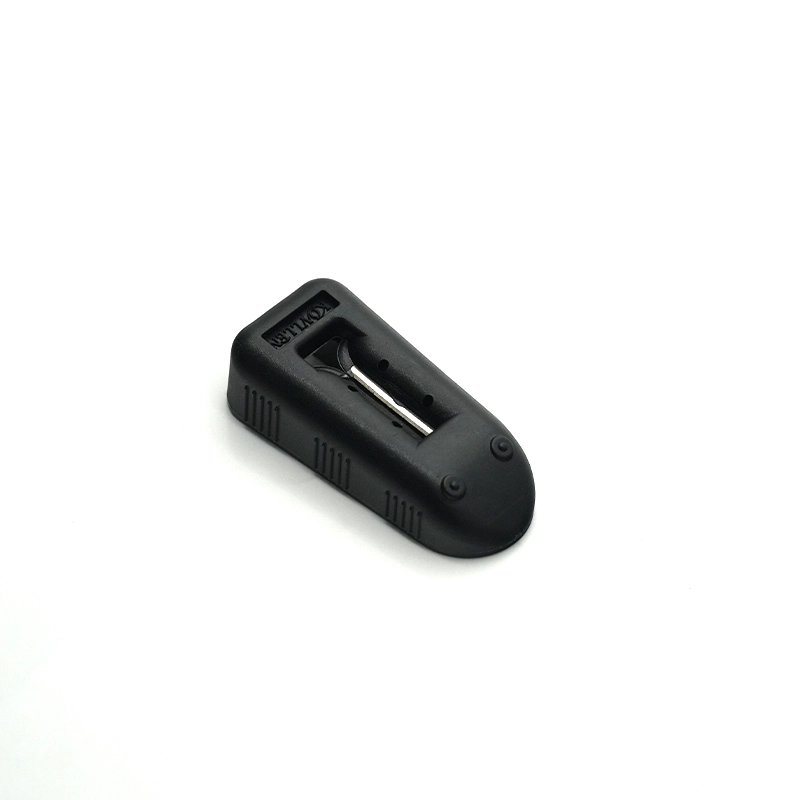
The plastic plug manufactured by Insert molding with stainless steel plate
Bost’s Insert-Molded Stainless Steel Plate Plastic Plug offers superior durability and corrosion resistance. This stainless steel insert durable plastic plug ensures a secure fit and long-lasting performance, ideal for industrial and commercial applications. Robust design meets quality standards.
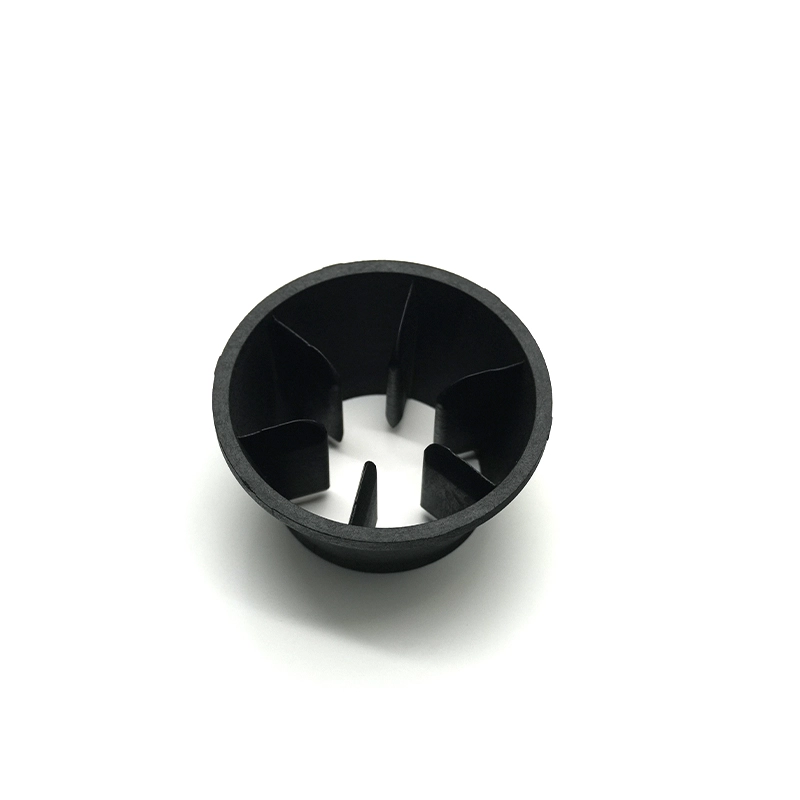
The Bost custom PPO flow valve by injection molding
The BOST Custom PPO Injection-Molded Flow Valve delivers high-temp and corrosion-resistant performance for industrial flow control. Precision-engineered by Bost, this custom PPO valve ensures durable, reliable operation in demanding environments. Optimize your process with BOST’s advanced injection-molded solution.
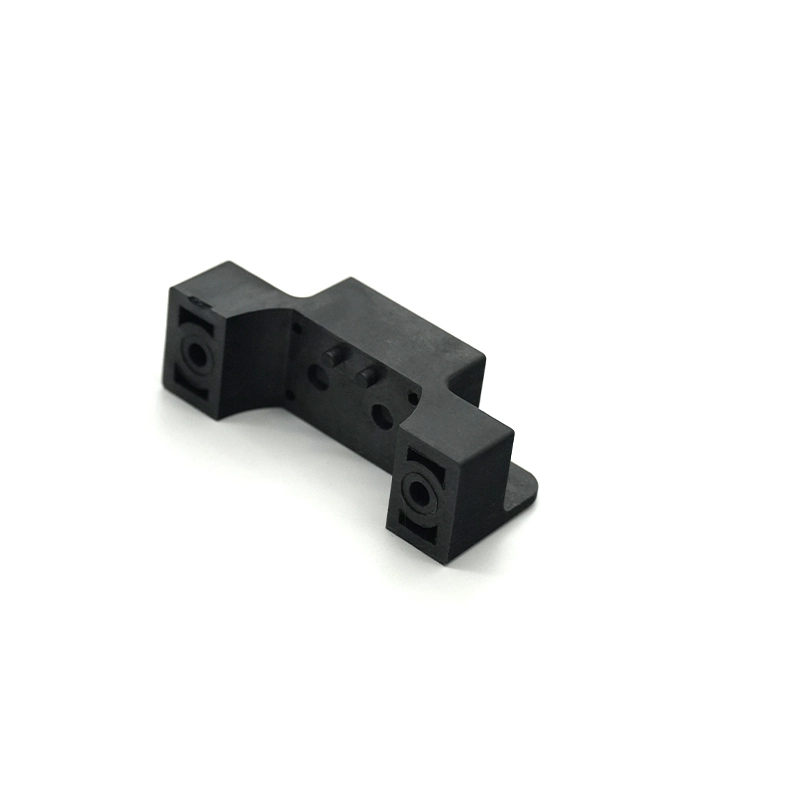
The Bost custom plastic handle by injection molding with high performance PPS material
BOST Custom PPS Injection-Molded Wear-Resistant Handle delivers superior durability and high performance. Made from High Quality PPS material, this injection-molded handle ensures exceptional wear resistance, ideal for demanding applications and long-lasting use. Choose BOST for quality and reliability.
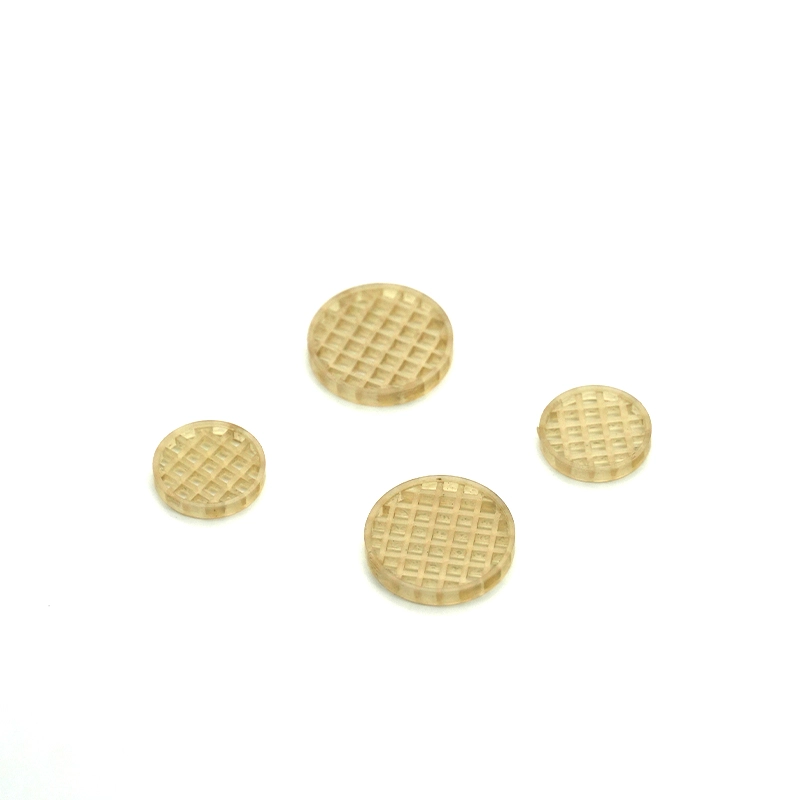
The Bost custom flow meter by injection molding with PES plastic
The Bost Custom PES Injection-Molded Flow Meter offers high-temperature and corrosion resistance, ideal for industrial use. Made with durable PES plastic via precision injection molding, this flow meter ensures reliable, customized performance for demanding applications. Trust Bost for quality and innovation.
Get in touch with Bost
Have any questions or concerns about our products? Please leave us a message here, and our team will get back to you promptly.

24 hours quotes delivered
Submit CAD files, get quote in 24 hours

No MOQ required
From prototyping to high-volume

±0.02 mm Precision
Advanced CNC with full inspections

1,000+ tons in stock
26 materials ready to ship
© 2026 BOST. All Rights Reserved.