 Scan QR Code
Send My Request
Key Specs Buyers Seek in UV-Resistant ABS Plastic Connectors
Monday, 01/19/2026
Buyers of outdoor connectors need clear, measurable specs to choose components that survive sun, rain, and temperature swings. This article explains the critical performance attributes — UV resistance, mechanical strength, weather & chemical resistance, thermal stability, flammability, and installation reliability — that matter when evaluating UV-resistant ABS plastic connectors such as the Bost Black UV-Resistant ABS Outdoor Connector. It also compares ABS to alternative engineering plastics, explains test standards, and offers practical selection and maintenance guidance.
- Why UV Resistance Matters for Outdoor Connectors
- How sunlight degrades polymer performance
- What 'UV-resistant' actually means
- Standards and test methods to trust
- Critical Mechanical and Environmental Specs
- Tensile and impact strength under UV exposure
- Temperature range and thermal stability
- Weatherproofing and sealing integrity
- Material Selection: ABS vs Other Engineering Plastics
- Why choose UV-stabilized ABS (advantages)
- When alternatives are better (ASA, PC, PA)
- Comparative properties table
- Specific Buyer-Focused Criteria and Procurement Questions
- What test reports to request
- Pigmentation and its role in UV protection
- Compatibility with fasteners, inserts, and coatings
- Design & Installation Considerations That Affect Longevity
- Geometry, wall thickness, and stress control
- Seals and elastomers — pick UV-stable materials
- Maintenance, inspection, and lifecycle planning
- Brand and Product Fit: Why Bost Black UV-Resistant ABS Outdoor Connector
- Product summary and engineered advantages
- Testing and compliance you can request
- Supply chain and technical support
- Practical Purchase Checklist
- Must-have documentation
- Field validation steps before large orders
- Cost vs lifetime value analysis
- FAQ — Frequently Asked Questions
- Q: How does carbon black protect ABS from UV?
- Q: Is ABS as good as ASA for outdoor use?
- Q: What test certificates should I demand from a supplier?
- Q: Can I paint or coat ABS connectors for extra protection?
- Q: How often should outdoor connectors be inspected?
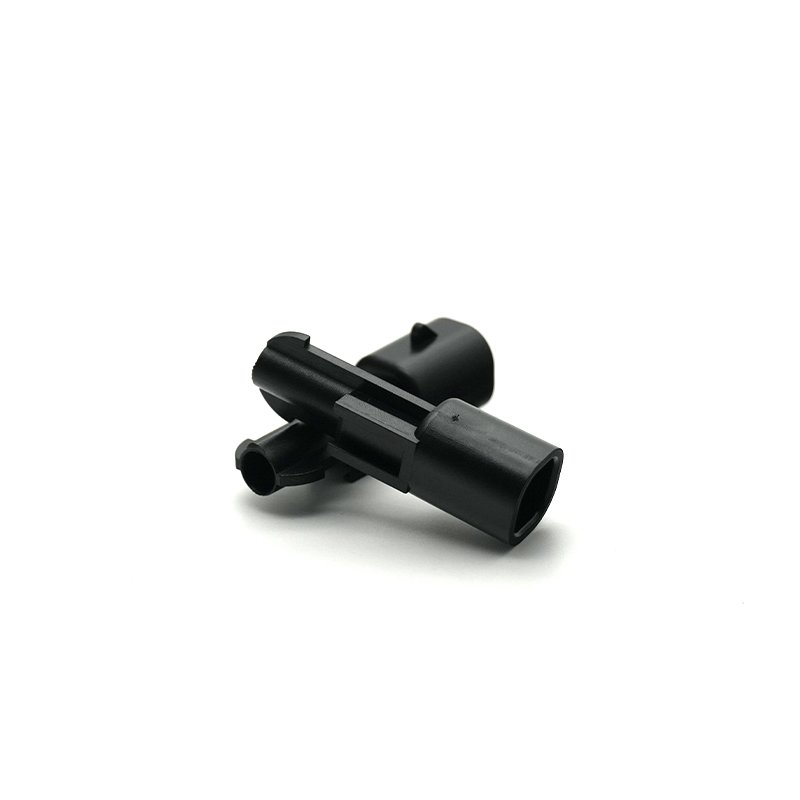
The Bost Black UV-Resistant ABS Outdoor Connector offers superior weather resistance and durability. Made from high-quality ABS plastic, this precision connector ensures reliable performance in harsh outdoor conditions, making it ideal for long-lasting, weatherproof installations. For buyers comparing engineering plastics, understanding the measurable specifications behind 'UV-resistant' claims helps reduce field failures, lower lifecycle costs, and ensure regulatory compliance. Beyond individual specifications, it is equally important to assess the broader material value, including the benefits of black UV-resistant ABS connectors in engineering plastics applications.
Why UV Resistance Matters for Outdoor Connectors
How sunlight degrades polymer performance
Ultraviolet (UV) radiation initiates photochemical reactions in many polymers, breaking chains and causing surface chalking, color loss, micro-cracking, and embrittlement. For connectors, these effects reduce impact resistance, sealing performance, and mechanical integrity, which can lead to water ingress, corrosion of metal inserts, and loss of electrical isolation.
What 'UV-resistant' actually means
'UV-resistant' is not a single number — it is the outcome of materials selection (base resin and additives), formulation (stabilizers, pigments), and specific testing protocols. A black ABS connector that is UV-stabilized uses carbon black and UV absorbers/filters to limit polymer chain scission and surface degradation, increasing expected outdoor service life.
Standards and test methods to trust
Buyers should ask for results from standardized accelerated weathering tests such as ASTM D4329 (fluorescent UV/condensation) or natural exposure data from real-world sites. These tests simulate the effects of sunlight, temperature, and moisture and provide measurable endpoints (e.g., tensile strength retention, color change ΔE, and gloss loss).
Critical Mechanical and Environmental Specs
Tensile and impact strength under UV exposure
Initial mechanical properties (tensile strength, elongation at break, Izod/Charpy impact) tell how the connector will perform under load, but the key metric for outdoor parts is retention of those properties after UV exposure. Request data showing percentage retention of tensile and impact strength after defined hours of UV aging.
Temperature range and thermal stability
Outdoor connectors can experience wide temperature swings. Buyers should check heat deflection temperature (HDT), continuous service temperature, and glass transition temperature (Tg). ABS typically has a Tg around 90–105°C and reasonable dimensional stability for many outdoor electrical and mechanical applications.
Weatherproofing and sealing integrity
Ingress protection (IP) ratings, gasket materials, and mating tolerances determine how well a connector prevents water and dust entry. UV resistance must be paired with durable sealing materials — a UV-stable ABS housing with an unstable elastomeric seal will still fail the installation.
Material Selection: ABS vs Other Engineering Plastics
Why choose UV-stabilized ABS (advantages)
ABS is a widely used engineering plastic offering good impact resistance, ease of molding, and cost-efficiency. When formulated with carbon black and UV stabilizers, black ABS connectors provide a cost-effective balance of mechanical performance and UV protection for many outdoor applications.
When alternatives are better (ASA, PC, PA)
For extreme long-term UV exposure or high heat environments, alternatives such as ASA (acrylonitrile styrene acrylate) or UV-stabilized polycarbonate may offer better inherent weathering or higher temperature tolerance. Nylon (PA) may be used where chemical resistance and mechanical loads are prioritized, but it generally requires additional UV protection for outdoor exposure.
Comparative properties table
Typical comparative metrics (representative ranges — request supplier-specific test data):
| Property | UV-Stabilized Black ABS | ASA (UV-stable) | Polycarbonate (UV-treated) |
|---|---|---|---|
| Tensile Strength (MPa) | 30–50 | 30–45 | 55–75 |
| Impact Strength (kJ/m²) | High | High | Very high |
| UV Resistance | Good (with carbon black & stabilizers) | Very good (inherent) | Good (with coating or additives) |
| Typical Outdoor Longevity* | 5–15 years (application-dependent) | 10–20 years | 10–20 years |
| Cost | Low–Moderate | Moderate | High |
*Longevity depends on formulation, UV index, temperature cycles, and maintenance. For material overviews, see the ABS page on Wikipedia and general product information at PlasticsEurope.
Specific Buyer-Focused Criteria and Procurement Questions
What test reports to request
Always ask suppliers for specific evidence: accelerated weathering/UV exposure results (ASTM D4329 or ISO equivalents), mechanical property retention charts, and long-term outdoor exposure data from relevant climates. Suppliers should provide test methods, sample geometry, exposure hours, and measured endpoints (e.g., ΔE color change, gloss loss, retained tensile strength).
Pigmentation and its role in UV protection
Carbon black is a proven UV blocker and is commonly used in black outdoor ABS parts to dramatically reduce sunlight-driven degradation. Note that colored pigments need different stabilizer strategies; black formulations generally yield superior UV performance because carbon black absorbs UV and dissipates it as heat.
Compatibility with fasteners, inserts, and coatings
Ask about thermal expansion coefficients, recommended insert installation methods (e.g., ultrasonic staking, threaded inserts), and coatings or post-treatments used. A well-engineered connector design accounts for stress concentration around inserts and sealing interfaces to prevent crack initiation under temperature cycling and UV stress.
Design & Installation Considerations That Affect Longevity
Geometry, wall thickness, and stress control
Design choices such as uniform wall thickness, fillets at corners, and controlled ribs reduce residual molding stresses that accelerate UV-related cracking. Specify design-for-environment guidelines to suppliers and request finite-element or empirical validation for critical load paths.
Seals and elastomers — pick UV-stable materials
Seals often fail before the housing. Use UV-stable elastomers (e.g., EPDM, certain fluoroelastomers) for gaskets and O-rings. Verify that seal compression set, hardness, and chemical compatibility are maintained after UV/thermal cycling.
Maintenance, inspection, and lifecycle planning
Recommend periodic inspection intervals based on installation environment (e.g., coastal, high-UV inland, high-altitude). Simple maintenance such as cleaning, replacing damaged seals, and tightening fasteners can extend service life and is easier when connectors were designed for serviceability.
Brand and Product Fit: Why Bost Black UV-Resistant ABS Outdoor Connector
Product summary and engineered advantages
The Bost Black UV-Resistant ABS Outdoor Connector combines a UV-stabilized ABS formulation with carbon black pigmentation and robust sealing features to deliver reliable outdoor performance. It is molded to tight tolerances for consistent IP-rated assemblies and designed with ribs and fillets to lower stress concentrations. The result is a connector that balances cost and long-term durability for a wide range of outdoor electrical and mechanical installations.
Testing and compliance you can request
Bost supplies accelerated UV exposure data per ASTM D4329, mechanical retention charts, and IP rating certification for each connector family. Buyers should request batch-level test certificates and sample test reports for assurance in mission-critical applications.
Supply chain and technical support
Bost offers application engineering support to optimize connector selection for specific climate zones and installation types. Engineers can provide guidance on mating hardware, sealing materials, and installation torque specs to prevent over-stressing ABS during assembly.
Practical Purchase Checklist
Must-have documentation
- Material datasheet specifying UV stabilizers and pigment type
- Accelerated weathering test reports (ASTM D4329 or equivalent)
- Mechanical property retention after UV exposure
- IP rating and sealing material specifications
Field validation steps before large orders
Run pilot installations in representative environments, inspect at defined intervals for color change, cracking, or sealing loss, and validate electrical/mechanical performance. Consider randomized sampling for destructive testing after 6–12 months.
Cost vs lifetime value analysis
Cheaper initial cost can be offset by more frequent failures and replacements. Evaluate total cost of ownership (TCO) including downtime, replacement labor, and potential safety liabilities. Often, investing a moderate High Quality in UV-stabilized ABS or higher-performance engineering plastics reduces lifecycle costs.
FAQ — Frequently Asked Questions
Q: How does carbon black protect ABS from UV?
A: Carbon black absorbs and scatters UV radiation before it penetrates the polymer matrix, reducing the rate of photodegradation. It is especially effective in black formulations used for outdoor components.
Q: Is ABS as good as ASA for outdoor use?
A: UV-stabilized ABS can be very effective and cost-efficient for many outdoor uses, particularly in black parts with carbon black. ASA has superior inherent weathering for color stability and prolonged exposure; choice depends on expected exposure, aesthetic requirements, and budget.
Q: What test certificates should I demand from a supplier?
A: Request accelerated weathering/UV test reports (ASTM or ISO), mechanical property retention charts after UV exposure, IP rating documentation, and material safety / composition datasheets.
Q: Can I paint or coat ABS connectors for extra protection?
A: Yes, certain UV-protective coatings can extend life, but coatings must be compatible with ABS and elastic enough to avoid cracking. Coatings can change thermal and dielectric properties, so validate in application tests.
Q: How often should outdoor connectors be inspected?
A: Inspection intervals depend on location. High-UV/harsh coastal sites: every 6 months. Typical outdoor sites: annually. Look for discoloration, cracking, loose fasteners, and seal degradation.
If you have additional questions or want technical test reports for the Bost Black UV-Resistant ABS Outdoor Connector, contact our technical sales team or view the product page for full specifications and downloadable datasheets.
Contact & product CTA: For datasheets, test reports, pricing, or samples, please contact our sales team or view the product page for the Bost Black UV-Resistant ABS Outdoor Connector.
References: Material background for ABS (Acrylonitrile Butadiene Styrene) is summarized on the ABS Wikipedia page (https://en.wikipedia.org/wiki/Acrylonitrile_butadiene_styrene) and industry guidance on ABS product groups is available from PlasticsEurope (https://www.plasticseurope.org/en/product-groups/abs). Accelerated UV testing standards such as ASTM D4329 outline recommended test methods (https://www.astm.org/Standards/D4329.htm).
Tags
nylon worm gear plastic gears
nylon worm gear plastic gears
cnc machined parts
cnc machined parts
Low temperature & chemical resistance
Low temperature & chemical resistance
plastic part manufacturing
plastic part manufacturing
High-temperature resistant silicone rubber sleeve
High-temperature resistant silicone rubber sleeve
buy plastic spur gears
buy plastic spur gears
Recommended for you
Top 10 plastic spur gears Manufacturers and Supplier Brands
How Plastic Bushings Improve Noise and Vibration Control
Key Specs to Verify in Oil Resistance NBR Rubber Seal Rings
What is insert molding ? | Ultimate Insight
Prdoucts Categories
Question you may concern
FAQs
What is the minimum order quantity (MOQ)? Do you support small-batch trial production?
The MOQ for standard products is ≥100kg. We support small-batch trial production (as low as 20kg) and provide mold testing reports and performance data feedback.
Can Bost customize modified plastics with special properties?
Yes! We offer modification services such as reinforcement, flame retardancy, conductivity, wear resistance, and UV resistance, for example:
• Adding carbon fiber to enhance stiffness
• Reducing the coefficient of friction through PTFE modification
• Customizing food-grade or medical-grade certified materials
What are the core advantages of Bost engineering plastics compared to ordinary plastics?
Bost engineering plastics feature ultra-high mechanical strength, high-temperature resistance (-50°C to 300°C), chemical corrosion resistance, and wear resistance. Compared to ordinary plastics, their service life is extended by 3 to 8 times, making them suitable for replacing metals in harsh environments.
How do I select the appropriate engineering plastic grade for my product?
Selection should be based on parameters such as load conditions (e.g., pressure/friction), temperature range, medium contact (e.g., oil/acid), and regulatory requirements (e.g., FDA/RoHS). Our engineers can provide free material selection consulting and sample testing.
What is the delivery lead time? Do you offer global logistics?
Standard products: 5–15 working days; custom modifications: 2–4 weeks. We support global air/sea freight and provide export customs clearance documents (including REACH/UL certifications).
You may also like
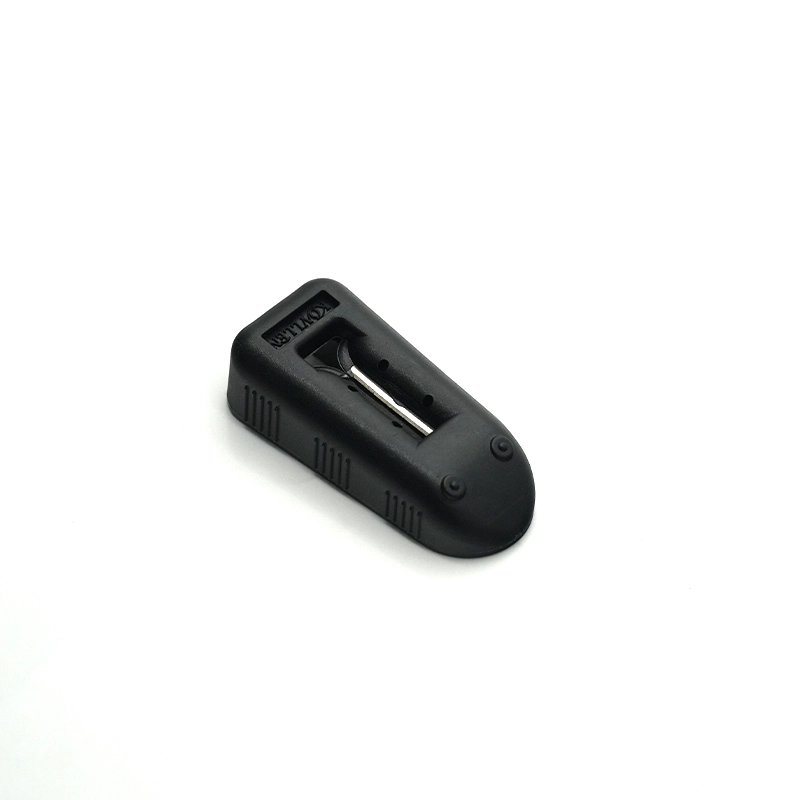
The plastic plug manufactured by Insert molding with stainless steel plate
Bost’s Insert-Molded Stainless Steel Plate Plastic Plug offers superior durability and corrosion resistance. This stainless steel insert durable plastic plug ensures a secure fit and long-lasting performance, ideal for industrial and commercial applications. Robust design meets quality standards.
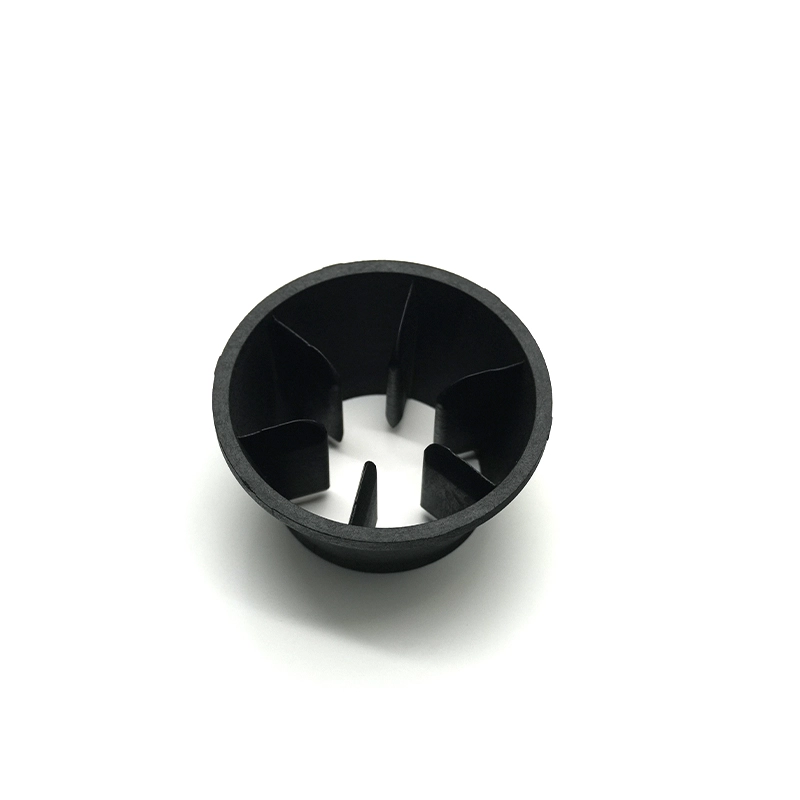
The Bost custom PPO flow valve by injection molding
The BOST Custom PPO Injection-Molded Flow Valve delivers high-temp and corrosion-resistant performance for industrial flow control. Precision-engineered by Bost, this custom PPO valve ensures durable, reliable operation in demanding environments. Optimize your process with BOST’s advanced injection-molded solution.
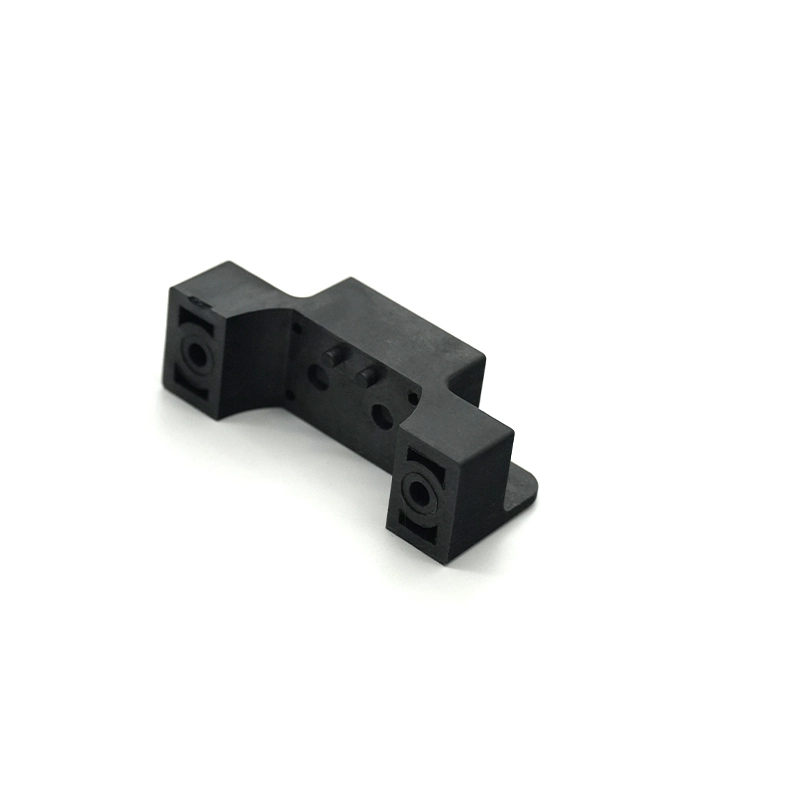
The Bost custom plastic handle by injection molding with high performance PPS material
BOST Custom PPS Injection-Molded Wear-Resistant Handle delivers superior durability and high performance. Made from High Quality PPS material, this injection-molded handle ensures exceptional wear resistance, ideal for demanding applications and long-lasting use. Choose BOST for quality and reliability.
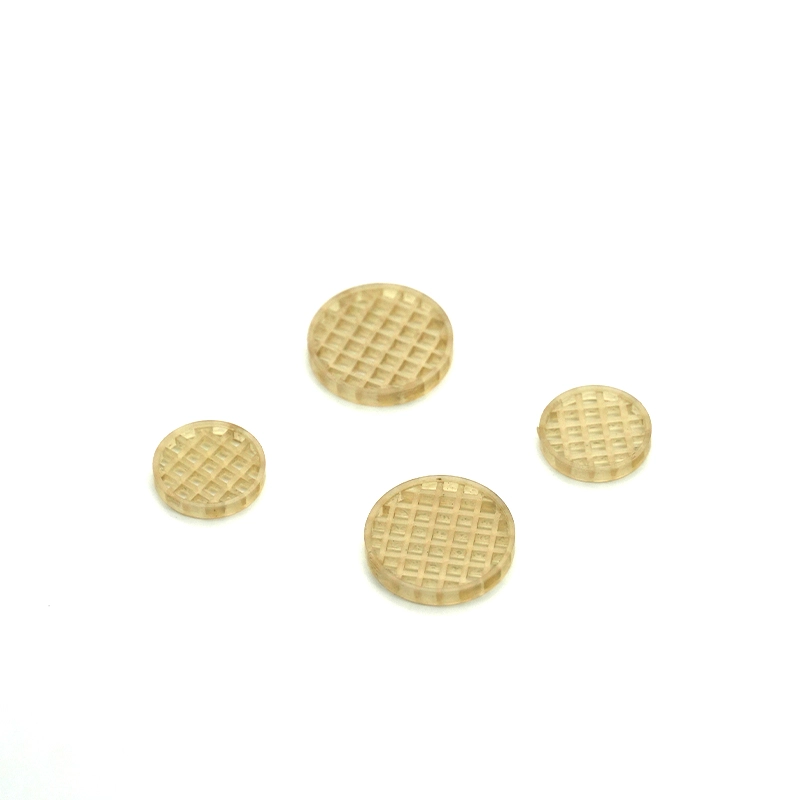
The Bost custom flow meter by injection molding with PES plastic
The Bost Custom PES Injection-Molded Flow Meter offers high-temperature and corrosion resistance, ideal for industrial use. Made with durable PES plastic via precision injection molding, this flow meter ensures reliable, customized performance for demanding applications. Trust Bost for quality and innovation.
Get in touch with Bost
Have any questions or concerns about our products? Please leave us a message here, and our team will get back to you promptly.

24 hours quotes delivered
Submit CAD files, get quote in 24 hours

No MOQ required
From prototyping to high-volume

±0.02 mm Precision
Advanced CNC with full inspections

1,000+ tons in stock
26 materials ready to ship
© 2026 BOST. All Rights Reserved.