 Scan QR Code
Send My Request
Buyer’s Guide to Plastic Connectors for Industrial Applications
Monday, 02/2/2026
This guide helps engineers, procurement teams, and installers choose durable, weatherproof plastic connectors for industrial and outdoor use. It explains material choices, highlights the advantages of Black UV-Resistant ABS plastic connectors, compares common polymer options, outlines installation and maintenance best practices, and provides a specification checklist plus FAQs to support safe, long-lasting deployments.
- Selecting the Right Plastic Connector for Industrial Use
- Understanding application requirements
- Key performance attributes to evaluate
- Connector types and common industrial use-cases
- Why Black UV-Resistant ABS is Often a Strong Choice
- Material strengths and limitations
- Why black color and UV stabilization matter
- Practical advantages for industrial deployments
- Installation, Maintenance, and Environmental Considerations
- Ingress protection and sealing strategies
- Thermal and mechanical installation best practices
- Planned maintenance and inspection intervals
- Specification Checklist, Material Comparison, and Procurement Tips
- Specification checklist for purchasing
- Material comparison table
- Procurement and supplier validation tips
- Additional Design and Compliance Considerations
- Standards and testing references
- Designing for longevity and recyclability
- When to choose alternative materials
- Product Spotlight: Bost Black UV-Resistant ABS Outdoor Connector
- Product overview
- Key features and benefits
- How to specify Bost connectors in your BOM
- Frequently Asked Questions (FAQ)
- What does 'UV-resistant' mean for a plastic connector?
- Can ABS connectors be used in coastal or salt-spray environments?
- How do I verify the ingress protection (IP) rating of a connector?
- When should I pick a different polymer than ABS?
- Are black plastic connectors more heat-absorbent in sunlight?
- Contact and Next Steps
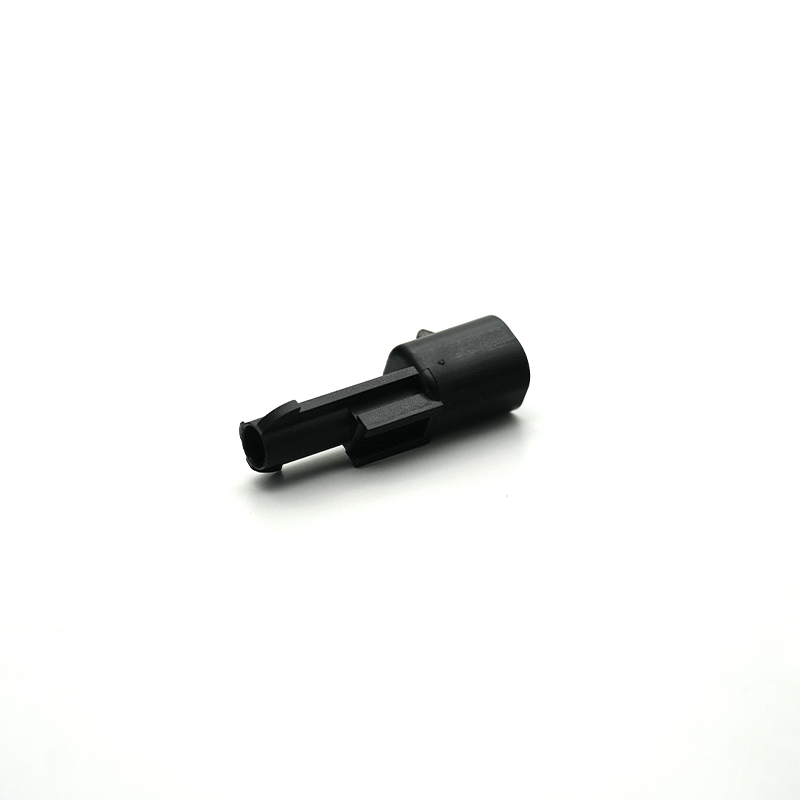
The increasing demand for reliable, long-life interconnects in industrial and outdoor environments has driven attention to high-performance plastic connectors. From coastal substations to rooftop solar arrays and outdoor signage, choosing the right plastic connector — especially UV-stabilized, weatherproof designs — is critical for safety, uptime, and lifecycle cost. This buyer's guide focuses on selecting plastic connectors for industrial applications and explains why a Black and UV-resistant ABS plastic connector such as the Bost Black UV-Resistant ABS Outdoor Connector can be an optimal choice for many weather-exposed installations.
Selecting the Right Plastic Connector for Industrial Use
Understanding application requirements
Before selecting a connector, map out the operating environment and electrical or mechanical specifications. Consider exposure to sunlight (UV), temperature extremes, salt spray (for coastal sites), chemical splashes, vibration, and mechanical impact. For outdoor cable routing and field enclosures, look for terms such as 'weatherproof connectors', 'IP-rated housing', and 'UV-stabilized plastic connectors'. Matching connectors to real-world stresses prevents premature failure and reduces maintenance cycles.
Key performance attributes to evaluate
When evaluating candidate plastic connectors, prioritize these attributes: UV resistance, impact strength, thermal stability, ingress protection (IP) rating, chemical resistance, flammability rating, and dimensional precision for secure mating. Also check compliance with relevant standards and material traceability. These criteria determine whether a connector will remain serviceable in harsh industrial or outdoor environments.
Connector types and common industrial use-cases
Plastic connectors serve diverse roles: panel-mount housings for instrumentation, inline cable couplers for field wiring, quick-disconnects for sensors and actuators, and sealed power connectors for outdoor lighting. Identifying the connector type narrows material and design choices — for instance, connectors with integral gaskets and threaded couplings are preferred where water ingress is a primary concern.
Why Black UV-Resistant ABS is Often a Strong Choice
Material strengths and limitations
Acrylonitrile butadiene styrene (ABS) balances toughness, dimensional stability, and cost-effectiveness. UV-stabilized, black ABS formulations resist surface degradation from sunlight and maintain structural integrity under impact, making them a common choice for outdoor connector housings. For material background and properties see the ABS entry on Wikipedia: https://en.wikipedia.org/wiki/Acrylonitrile_butadiene_styrene.
Why black color and UV stabilization matter
Black pigments often improve UV resistance because carbon-based pigments absorb and dissipate UV radiation, reducing photodegradation. UV stabilizers and antioxidants are added to ABS formulations to further prolong service life in sunlight-exposed installations. A Black and UV-Resistant ABS plastic connector such as the Bost Black UV-Resistant ABS Outdoor Connector is designed to withstand extended outdoor exposure for weatherproof installations.
Practical advantages for industrial deployments
Black UV-resistant ABS connectors typically offer: consistent dimensional tolerances for reliable mating, improved weatherability for long-term outdoor use, and cost-efficiency versus specialty polymers. They are often engineered with gasketing grooves, reinforced snap features, and mounting bosses to enable rapid installation and serviceability in the field.
Installation, Maintenance, and Environmental Considerations
Ingress protection and sealing strategies
Ingress protection (IP) ratings quantify the connector's ability to prevent dust and water ingress. For outdoor electrical connectors, IP67 or higher (dust-tight and protected against temporary/immersion) is commonly recommended. Seal designs may include O-rings, compression glands, and multi-lip gaskets. Always verify the connector's tested IP rating and ensure proper assembly torque to achieve the specified protection.
Thermal and mechanical installation best practices
Fastening torque, cable bend radius, and strain relief are critical to preventing mechanical stress on connector terminals. Installers should follow vendor torque specifications and use reinforced cable clamps where vibration or movement is expected. For connectors exposed to temperature cycles, allow for differential expansion and avoid rigid mounting that can induce cracking in the housing.
Planned maintenance and inspection intervals
Even UV-resistant plastics benefit from periodic inspection. Recommended checks include: verifying seals and gaskets, inspecting for surface crazing or discoloration, testing electrical continuity and insulation resistance, and replacing aged or brittle connectors before failure. For safety-critical installations, incorporate connector inspection into regular preventive maintenance schedules.
Specification Checklist, Material Comparison, and Procurement Tips
Specification checklist for purchasing
Use a structured checklist when specifying plastic connectors for industrial projects:
- Environment: UV exposure, temperature range, salt/fog, chemicals
- IP/Ingress rating required (e.g., IP65, IP67)
- Electrical specs: current, voltage, contact material, insulation resistance
- Mechanical specs: mating cycles, shock/vibration tolerance
- Material: UV-stabilized ABS or alternative polymer
- Standards: ISO, industry-specific certifications
- Traceability: lot codes, material certificates
Material comparison table
| Material | UV Resistance | Impact Strength | Chemical Resistance | Typical Use |
|---|---|---|---|---|
| UV-stabilized ABS | Good (with stabilizers & black pigment) | High | Moderate (resists many oils, not strong acids) | Outdoor connector housings, enclosures |
| Nylon (PA) | Moderate (requires additives) | Very high | Good (solvent sensitivity varies) | Mechanical connectors, ruggedized plugs |
| Polycarbonate (PC) | Good (UV grades available) | Very high | Moderate | Clear housings, high impact parts |
| PVC | Poor (unless UV-stabilized) | Low-Moderate | Good | Cost-sensitive cable glands and conduits |
Procurement and supplier validation tips
For industrial projects, choose suppliers with documented quality systems (e.g., ISO 9001) and request material test reports and UV-aging data. Validate sample parts under expected environmental stressors and request accelerated weathering test results when available. For authoritative industry guidance on plastics and best practices, consult PlasticsEurope: https://www.plasticseurope.org and the Society of Plastics Engineers: https://www.4spe.org.
Additional Design and Compliance Considerations
Standards and testing references
When specifying connectors, refer to applicable standards for quality and safety. While connector standards vary by region and application, organizations such as ISO provide quality management and product standards that impact manufacturing and testing. See ISO for relevant quality standards: https://www.iso.org. Also review industry-specific electrical connector standards and guidance as applicable to your system.
Designing for longevity and recyclability
Design choices (material selection, color, UV stabilizers) affect both durability and end-of-life recyclability. ABS is widely recycled in many jurisdictions but may require separation from other polymers. When lifecycle analysis is needed, involve procurement, design, and sustainability teams early to balance durability, cost, and recyclability objectives.
When to choose alternative materials
In extremely demanding chemical environments, elevated continuous temperatures, or where flame retardancy is critical, alternatives such as high-performance polymers (PPS, PEEK) or glass-filled nylons may be more appropriate despite higher cost. Use the earlier material comparison to guide decisions and consult manufacturer data sheets for specific chemical and thermal limits.
Product Spotlight: Bost Black UV-Resistant ABS Outdoor Connector
Product overview
The Bost Black UV-Resistant ABS Outdoor Connector offers superior weather resistance and durability. Made from high-quality UV-stabilized ABS plastic, this precision connector ensures reliable performance in harsh outdoor conditions and is ideal for long-lasting, weatherproof installations. Typical applications include outdoor lighting, signage, solar junctions, and field instrumentation where resistance to sunlight and moisture is essential.
Key features and benefits
- UV-resistant black ABS housing for extended outdoor life
- Precision molding for consistent mating and sealing
- Designed for weatherproof installations with gasket accommodation
- Cost-effective compared with specialty high-performance polymers
How to specify Bost connectors in your BOM
When adding the Bost Black UV-Resistant ABS Outdoor Connector to a Bill of Materials, include part numbers, IP rating, mating interface details, operating temperature range, and any cable gland or contact options. Request material certificates and UV-aging test reports to verify suitability for long-term outdoor exposure.
Frequently Asked Questions (FAQ)
What does 'UV-resistant' mean for a plastic connector?
'UV-resistant' indicates that the connector material and pigment formulation include additives or stabilizers to slow photodegradation from ultraviolet rays. UV-resistant connectors maintain mechanical strength and appearance longer under sunlight than non-stabilized materials. For technical context on UV effects and accelerated testing, refer to standards and material guides provided by plastics industry resources such as PlasticsEurope: https://www.plasticseurope.org.
Can ABS connectors be used in coastal or salt-spray environments?
Yes, UV-stabilized ABS can perform well outdoors, but in coastal environments with salt spray you must ensure that metal contacts and fasteners use corrosion-resistant alloys or coatings, and that seals are robust. Consider additional protective measures and specify corrosion-resistant terminals or housings as needed.
How do I verify the ingress protection (IP) rating of a connector?
Request certified test reports from the manufacturer showing the connector was tested to the relevant IEC IP rating (e.g., IEC 60529). Do not rely solely on vendor claims; require documented testing and, where possible, third-party verification.
When should I pick a different polymer than ABS?
Choose alternatives if the application experiences continuous high temperatures beyond ABS limits, aggressive chemical exposure incompatible with ABS, or requires exceptional flame retardancy. In such cases, consider polycarbonate, glass-filled nylon, or high-performance thermoplastics based on specific performance requirements.
Are black plastic connectors more heat-absorbent in sunlight?
Black surfaces absorb more solar heat, potentially raising local temperatures. In many industrial applications the additional temperature rise is acceptable given the improved UV stability. If thermal limits are tight, validate operating temperatures with realistic thermal modeling or field testing.
Contact and Next Steps
If you need assistance choosing the right plastic connector for a specific industrial project or want to evaluate samples of the Bost Black UV-Resistant ABS Outdoor Connector, contact our technical sales team for product data sheets, UV-aging test reports, and procurement options. Visit our product page or reach out to customer service to request samples and pricing.
Contact us to view product specifications, request samples, or get a quote for bulk outdoor connector orders — our team can help confirm compliance, provide material certificates, and support installation best practices.
Tags
Nylon Screw
Nylon Screw
High-Performance PEEK
High-Performance PEEK
ABS material plastic cover
ABS material plastic cover
Chemical-resistant
Chemical-resistant
Heat-resistant injection molding
Heat-resistant injection molding
High-Strength & Corrosion-Proof
High-Strength & Corrosion-Proof
Recommended for you
Common Failure Modes of Plastic Bushings and Fixes
Lead Time and MOQ Strategies for PP Plastic Spacer Procurement
Insert Injection Molding: Complete Beginner's Guide
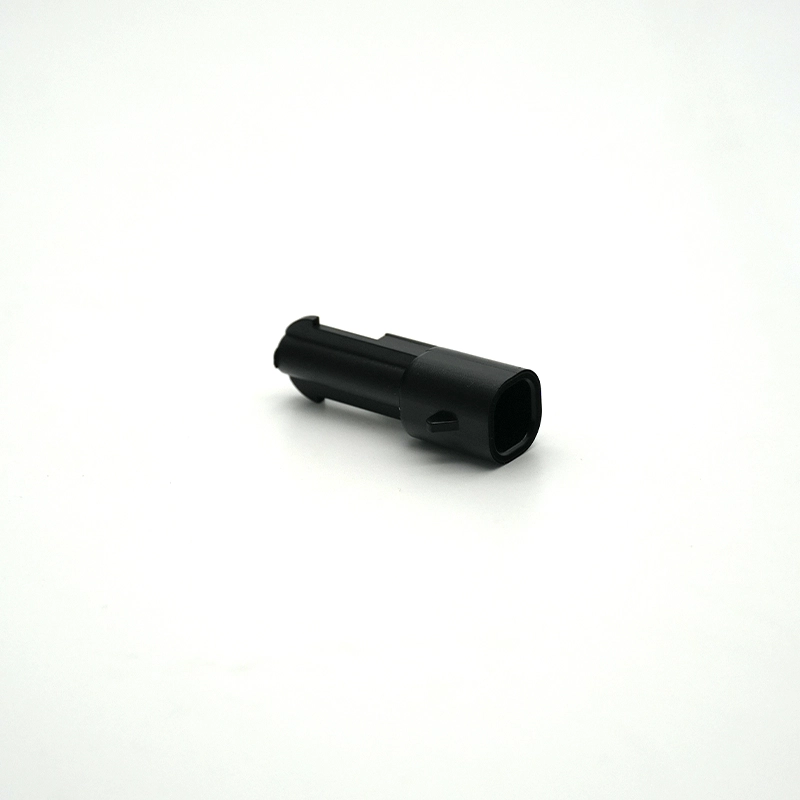
Selecting Plastic Connectors for Weatherproof Enclosures
Prdoucts Categories
Question you may concern
FAQs
What are the core advantages of Bost engineering plastics compared to ordinary plastics?
Bost engineering plastics feature ultra-high mechanical strength, high-temperature resistance (-50°C to 300°C), chemical corrosion resistance, and wear resistance. Compared to ordinary plastics, their service life is extended by 3 to 8 times, making them suitable for replacing metals in harsh environments.
What is the delivery lead time? Do you offer global logistics?
Standard products: 5–15 working days; custom modifications: 2–4 weeks. We support global air/sea freight and provide export customs clearance documents (including REACH/UL certifications).
What is the minimum order quantity (MOQ)? Do you support small-batch trial production?
The MOQ for standard products is ≥100kg. We support small-batch trial production (as low as 20kg) and provide mold testing reports and performance data feedback.
Can Bost customize modified plastics with special properties?
Yes! We offer modification services such as reinforcement, flame retardancy, conductivity, wear resistance, and UV resistance, for example:
• Adding carbon fiber to enhance stiffness
• Reducing the coefficient of friction through PTFE modification
• Customizing food-grade or medical-grade certified materials
How do I select the appropriate engineering plastic grade for my product?
Selection should be based on parameters such as load conditions (e.g., pressure/friction), temperature range, medium contact (e.g., oil/acid), and regulatory requirements (e.g., FDA/RoHS). Our engineers can provide free material selection consulting and sample testing.
You may also like
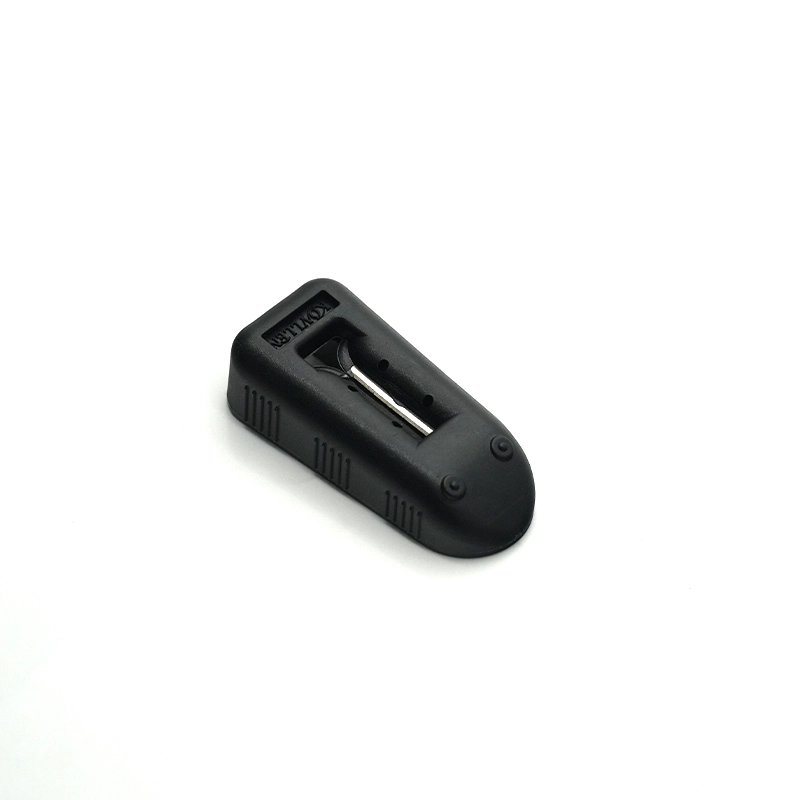
The plastic plug manufactured by Insert molding with stainless steel plate
Bost’s Insert-Molded Stainless Steel Plate Plastic Plug offers superior durability and corrosion resistance. This stainless steel insert durable plastic plug ensures a secure fit and long-lasting performance, ideal for industrial and commercial applications. Robust design meets quality standards.
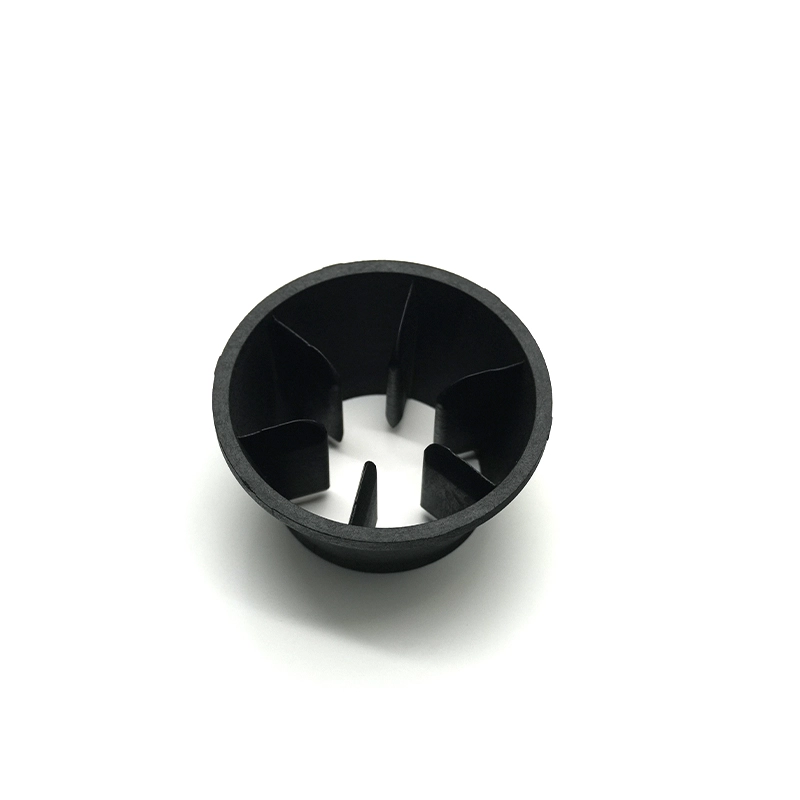
The Bost custom PPO flow valve by injection molding
The BOST Custom PPO Injection-Molded Flow Valve delivers high-temp and corrosion-resistant performance for industrial flow control. Precision-engineered by Bost, this custom PPO valve ensures durable, reliable operation in demanding environments. Optimize your process with BOST’s advanced injection-molded solution.
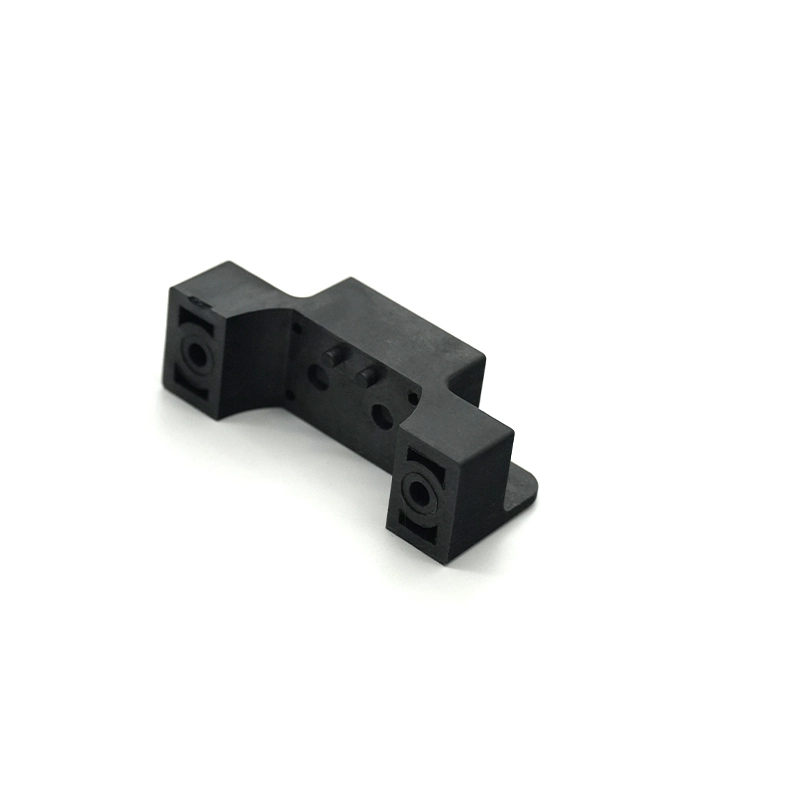
The Bost custom plastic handle by injection molding with high performance PPS material
BOST Custom PPS Injection-Molded Wear-Resistant Handle delivers superior durability and high performance. Made from High Quality PPS material, this injection-molded handle ensures exceptional wear resistance, ideal for demanding applications and long-lasting use. Choose BOST for quality and reliability.
The Bost custom flow meter by injection molding with PES plastic
The Bost Custom PES Injection-Molded Flow Meter offers high-temperature and corrosion resistance, ideal for industrial use. Made with durable PES plastic via precision injection molding, this flow meter ensures reliable, customized performance for demanding applications. Trust Bost for quality and innovation.
Get in touch with Bost
Have any questions or concerns about our products? Please leave us a message here, and our team will get back to you promptly.

24 hours quotes delivered
Submit CAD files, get quote in 24 hours

No MOQ required
From prototyping to high-volume

±0.02 mm Precision
Advanced CNC with full inspections

1,000+ tons in stock
26 materials ready to ship
© 2026 BOST. All Rights Reserved.