 Scan QR Code
Send My Request
How Color Stability Impacts Black ABS Connector Performance
Thursday, 02/26/2026
This article explains how color stability affects the mechanical, thermal, and long-term reliability of black ABS plastic connectors in outdoor installations. It covers degradation mechanisms, testing standards, design and material choices, and best practices for choosing UV-resistant connectors like the Bost Black UV-Resistant ABS Outdoor Connector.
- Why Color Stability Matters for Outdoor Plastic Connectors
- Color change as an early-warning signal for polymer degradation
- Why black is particularly challenging and important
- Mechanisms Linking Color Stability to Functional Performance
- Photo-oxidation: chemical root of color change and embrittlement
- Surface property changes that affect sealing and electrical safety
- Thermal effects and heat build-up in black connectors
- Testing, Standards and How to Read Results for Connector Specification
- Relevant standards and accelerated tests
- Key metrics to evaluate: color, gloss, and mechanical retention
- Interpreting accelerated test data for real-world lifetime
- Material and Design Strategies to Maximize Color Stability and Performance
- UV-stabilized ABS formulations and additives
- Design details that reduce stress concentration and seal failure
- Surface treatments, coatings, and colorants
- Practical Recommendations for Buyers and Specifiers
- Specification checklist for ordering outdoor plastic connectors
- Installation and maintenance tips to preserve color stability and performance
- When to choose coated solutions or alternative materials
- Case Example: Bost Black UV-Resistant ABS Outdoor Connector
- Product overview and key benefits
- How color stability translates to field reliability
- Requesting data and validation from suppliers
- FAQ
- Q: Does a faded black connector always mean it will fail electrically?
- Q: How long will a UV-resistant black ABS connector last outdoors?
- Q: Are there objective tests I can request from a manufacturer?
- Q: Is painted or coated black better than UV-stable ABS?
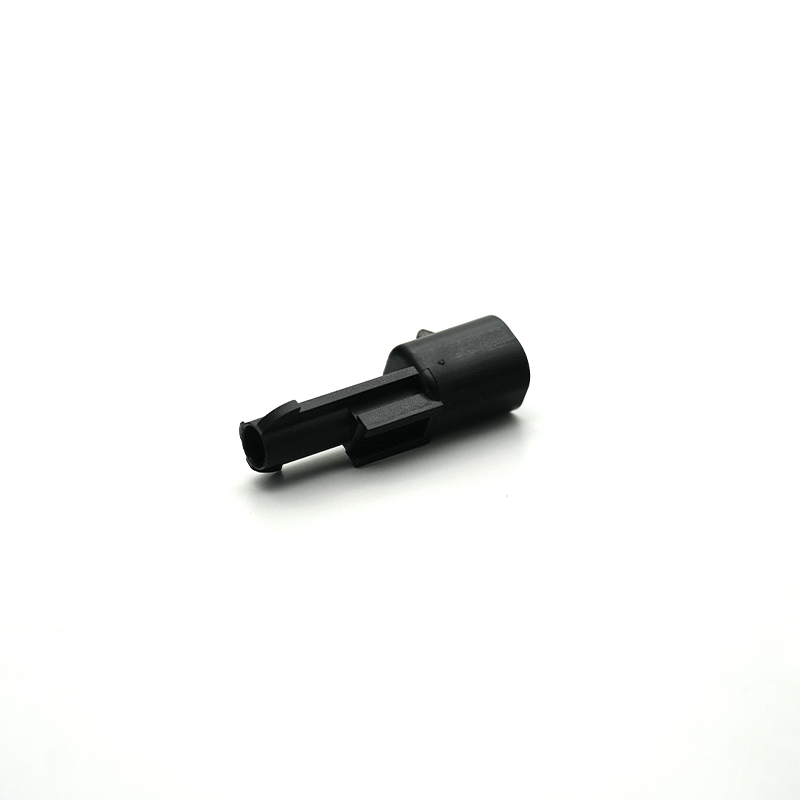
The color stability of black ABS connectors is more than an aesthetic concern: it is a key indicator of UV and environmental resistance that correlates directly with mechanical integrity, electrical reliability, and long-term performance of outdoor plastic connectors. This article examines how color changes signal material degradation, how UV-stable black ABS formulations differ from standard grades, and practical guidance for specifying, testing, and installing weatherproof connectors for durable outdoor use.
Why Color Stability Matters for Outdoor Plastic Connectors
Color change as an early-warning signal for polymer degradation
When black ABS connector housings begin to fade, chalk, or develop brown spots, those visible changes often reflect chemical and physical changes in the polymer matrix. Photo-oxidation and chain scission initiated by UV radiation break down polymer chains and additives, causing loss of gloss, surface embrittlement, and reduced impact strength. In practice, a connector that has discolored is likely to show compromised mechanical and weatherproof performance even if it still electrically functions. Industry tests such as accelerated weathering (e.g., ISO 4892 or ASTM D4329) correlate color measurements (Delta E, gloss retention) with retained tensile or impact performance.
Why black is particularly challenging and important
Black plastic connectors are widely used for cable management, enclosures, and outdoor terminations because black pigments (often carbon black) absorb UV and visible light, improving heat management and hiding surface dirt. However, low-cost or improperly formulated black ABS connectors can still suffer from UV-driven oxidation of the styrene-acrylonitrile phase or loss of impact modifiers. High-quality black pigmenting combined with UV absorbers and stabilizers—as used in dedicated outdoor grades—gives much better colorfastness and long-term mechanical stability for outdoor electrical and weatherproof connectors.
Mechanisms Linking Color Stability to Functional Performance
Photo-oxidation: chemical root of color change and embrittlement
UV photons break chemical bonds in ABS, producing free radicals that react with oxygen. The result is oxidation products that change surface color and create micro-scale defects. Those surface defects increase crack initiation sites under mechanical loading, reducing long-term impact resistance and possibly causing seal failures in weatherproof connectors. Peer-reviewed literature on polymer weathering highlights these mechanisms; see general reviews in journals such as Polymer Degradation and Stability and authoritative polymer overviews like ABS on Wikipedia for material behavior under UV exposure.
Surface property changes that affect sealing and electrical safety
Color fading is frequently accompanied by reduced surface energy and micro-roughening. For plastic connectors, that can mean poorer gasket seating and lower contact pressure at sealing interfaces—raising the risk of water ingress and corrosion of electrical contacts. Additionally, crazing and micro-cracking can allow moisture pathways that compromise dielectric insulation. Selecting connectors with proven color stability reduces these downstream failures.
Thermal effects and heat build-up in black connectors
Black surfaces absorb more solar radiation. If the ABS grade lacks thermal stability, repeated heating and cooling cycles accelerate color change and mechanical aging. Proper UV-stabilized ABS grades balance solar absorption with additives that dissipate or neutralize UV energy, limiting temperature-related degradation. For outdoor plastic connectors exposed to direct sun, a stable black ABS formulation reduces both color drift and property loss over time.
Testing, Standards and How to Read Results for Connector Specification
Relevant standards and accelerated tests
When specifying weatherproof plastic connectors, require suppliers to provide accelerated weathering data obtained to recognized standards. Useful references include ISO 4892 (laboratory light sources for plastics) and ASTM D4329 (UV exposure of plastics). For ingress protection, IEC/ISO IP ratings and IEC 60529 help evaluate sealing performance post-exposure. These standards help translate color metrics and mechanical retention into expected field lifetimes.
Key metrics to evaluate: color, gloss, and mechanical retention
Ask for quantitative results, not just photos. Important metrics include Delta E (color difference from original), gloss retention (%), tensile or impact strength retention (%), and elongation at break. Color instruments (spectrophotometers) and gloss meters provide objective measures. For connectors intended for multi-year outdoor service, look for Delta E < 3 after the equivalent of 1,000+ hours of QUV testing and mechanical retention > 80% over the same period for UV-resistant grades.
Interpreting accelerated test data for real-world lifetime
Accelerated tests condense years of sunlight exposure into shorter laboratory runs. Conversion to expected field life depends on climate (UV index), mounting orientation, and thermal cycling. Work with suppliers to translate lab cycles into local lifetime estimates. For example, a UV-stable ABS connector that retains >90% impact strength and shows minimal color change after 1,000–2,000 hours in QUV-A tests can often be expected to last multiple years in temperate outdoor applications; in high-UV regions, choose designs with additional margin.
Material and Design Strategies to Maximize Color Stability and Performance
UV-stabilized ABS formulations and additives
High-performance outdoor ABS connectors rely on a combination of carbon black pigment (which itself provides UV protection), UV absorbers (e.g., benzotriazoles), hindered amine light stabilizers (HALS), and optimized impact modifiers. These additives act synergistically: UV absorbers convert harmful UV to heat, HALS scavenge radicals, and carbon black shields the matrix. Reputable suppliers should disclose the grade type (outdoor/UV-resistant ABS) and provide test data demonstrating both colorfastness and mechanical retention. For the Bost Black UV-Resistant ABS Outdoor Connector, the formulation is tuned for prolonged UV exposure, resulting in superior weather resistance and durability for long-lasting, weatherproof installations.
Design details that reduce stress concentration and seal failure
Good connector designs minimize thin sections, sharp corners, and rigid joints that concentrate stress and amplify degradation effects. Proper gasketing geometry, overmolded sealing surfaces, and integrated strain relief reduce water ingress risk even if minor color change occurs. Consider connectors with corrosion-resistant contacts and a design that isolates molded features from high-stress zones to extend service life.
Surface treatments, coatings, and colorants
In some cases, applying protective coatings or using engineered surface treatments can extend color stability and resist chalking. However, coatings must adhere well to ABS and be compatible with connectors’ assembly and thermal requirements. For many outdoor applications, specifying a UV-stable ABS grade with optimized pigment and stabilizer packages (as in the Bost Black UV-Resistant ABS Outdoor Connector) provides a robust balance between cost and durability without extra coatings.
| Property (after ~1000 h QUV-A) | Untreated/Standard ABS | UV-Resistant ABS (Bost Black example) |
|---|---|---|
| Delta E (color change) | 6–10 | 1–2 |
| Gloss retention (%) | 30–50% | 75–90% |
| Impact strength retention (%) | 50–70% | 85–95% |
| Surface chalking/embrittlement | Moderate to severe | Minimal |
Note: The table provides representative values based on typical accelerated testing. Always request supplier-specific data and test certificates for the exact part number.
Practical Recommendations for Buyers and Specifiers
Specification checklist for ordering outdoor plastic connectors
- Require a UV-resistant ABS grade and specify harsh-environment or outdoor use in the part description.
- Ask for accelerated weathering reports to recognized standards (ISO 4892, ASTM D4329) with explicit Delta E, gloss, and mechanical retention data.
- Confirm IP rating and sealing performance after accelerated aging (e.g., ingress testing per IEC 60529).
- Request field references or case studies showing long-term outdoor installations in similar climates.
Installation and maintenance tips to preserve color stability and performance
Even UV-stable ABS connectors benefit from thoughtful installation: avoid tight radii that stress connectors, ensure proper gasket seating, and protect connectors from concentrated solar heating when possible (e.g., mount on shaded surfaces or use reflective covers). Regular visual inspections can use color change as an early indication of potential problems; if discoloration or surface crazing appears, consider replacing connectors proactively before seal or electrical failures occur.
When to choose coated solutions or alternative materials
In extremely harsh UV environments (e.g., high altitude, desert), or when cosmetic appearance must remain pristine over many years, consider coatings or alternative materials such as glass-filled polycarbonate or specialized engineering polymers with superior colorfastness. However, coatings add cost and may complicate recycling and repair. UV-stabilized ABS connectors like the Bost Black UV-Resistant ABS Outdoor Connector often offer the most cost-effective and reliable solution for general outdoor electrical and weatherproof connector needs.
Case Example: Bost Black UV-Resistant ABS Outdoor Connector
Product overview and key benefits
The Bost Black UV-Resistant ABS Outdoor Connector offers superior weather resistance and durability. Made from high-quality ABS plastic with optimized UV stabilizers and carbon black pigment, this precision connector ensures reliable performance in harsh outdoor conditions, making it ideal for long-lasting, weatherproof installations. Typical benefits include high gloss and color retention, strong impact resistance after exposure, and consistent sealing performance across a broad temperature range.
How color stability translates to field reliability
For installers and system designers, the advantage of a UV-resistant black connector is straightforward: less color and gloss change translates to less embrittlement, fewer seal failures, and lower risk of moisture-related electrical faults. The Bost Black connector is formulated and tested to maintain key physical properties after accelerated UV exposure, which reduces maintenance cycles and replacement costs for outdoor systems.
Requesting data and validation from suppliers
When evaluating the Bost Black connector or similar products, request the supplier's test reports, including accelerated weathering results (ISO 4892/ASTM D4329), mechanical retention data, and IP/ingress testing after aging. Cross-reference those reports with local climate expectations to estimate field lifetime. If independent verification is required, third-party labs offer ASTM/ISO-compliant testing services to validate supplier claims.
FAQ
Q: Does a faded black connector always mean it will fail electrically?
A: Not always immediately. Color change is an early indicator of polymer degradation. A connector can still function electrically after some fading, but discoloration often precedes mechanical degradation (embrittlement, seal failure) that can cause electrical failure later. For critical systems, replace connectors showing noticeable UV damage.
Q: How long will a UV-resistant black ABS connector last outdoors?
A: Lifetime depends on local UV exposure, temperature cycles, and mechanical load. In temperate climates, a properly formulated UV-stable ABS connector can last many years (5–15+ years) before performance declines. Accelerated testing (ISO 4892/ASTM D4329) can help estimate expected service life for a specific environment.
Q: Are there objective tests I can request from a manufacturer?
A: Yes. Request accelerated weathering reports (ISO 4892, ASTM D4329), Delta E and gloss retention data, mechanical property retention (impact/tensile), and ingress protection testing post-aging (IEC 60529). Also ask for material datasheets and any field performance case studies.
Q: Is painted or coated black better than UV-stable ABS?
A: Coatings can improve appearance and add protection, but they may delaminate or require special maintenance. A UV-stable ABS formulation is often preferable because the protection is intrinsic to the material and less likely to fail. Evaluate coatings carefully for adhesion and weathering compatibility with ABS if you consider that route.
For more information, product datasheets, or to request weathering test reports for the Bost Black UV-Resistant ABS Outdoor Connector, contact our technical sales team or view the product page: Bost Black UV-Resistant ABS Outdoor Connector. If you need assistance selecting the right weatherproof connector for your application, contact us and our engineering team will help specify the optimal solution.
References and further reading: ABS (Wikipedia), ISO 4892 - Plastics — Methods of exposure to laboratory light sources, ASTM D4329 - Fluorescent UV Exposure of Plastics, and general review material on polymer UV degradation (see ScienceDirect: UV degradation).
Tags
High-Performance PEEK
High-Performance PEEK
Chemical-resistant sealing
Chemical-resistant sealing
Industrial Machinery Component
Industrial Machinery Component
plastic spur gears for sale
plastic spur gears for sale
cnc machined parts
cnc machined parts
Impact-Resistant Lightweight
Impact-Resistant Lightweight
Recommended for you
Recycling and Circular Economy Strategies for Engineering Plastics
Selecting Bearings vs Plastic Bushings: When to Use PE
Top 10 custom rubber seals Manufacturers and Supplier Brands
Chemical Resistance of Common Engineering Plastics
Prdoucts Categories
Question you may concern
FAQs
How do I select the appropriate engineering plastic grade for my product?
Selection should be based on parameters such as load conditions (e.g., pressure/friction), temperature range, medium contact (e.g., oil/acid), and regulatory requirements (e.g., FDA/RoHS). Our engineers can provide free material selection consulting and sample testing.
Can Bost customize modified plastics with special properties?
Yes! We offer modification services such as reinforcement, flame retardancy, conductivity, wear resistance, and UV resistance, for example:
• Adding carbon fiber to enhance stiffness
• Reducing the coefficient of friction through PTFE modification
• Customizing food-grade or medical-grade certified materials
What is the delivery lead time? Do you offer global logistics?
Standard products: 5–15 working days; custom modifications: 2–4 weeks. We support global air/sea freight and provide export customs clearance documents (including REACH/UL certifications).
What is the minimum order quantity (MOQ)? Do you support small-batch trial production?
The MOQ for standard products is ≥100kg. We support small-batch trial production (as low as 20kg) and provide mold testing reports and performance data feedback.
What are the core advantages of Bost engineering plastics compared to ordinary plastics?
Bost engineering plastics feature ultra-high mechanical strength, high-temperature resistance (-50°C to 300°C), chemical corrosion resistance, and wear resistance. Compared to ordinary plastics, their service life is extended by 3 to 8 times, making them suitable for replacing metals in harsh environments.
You may also like
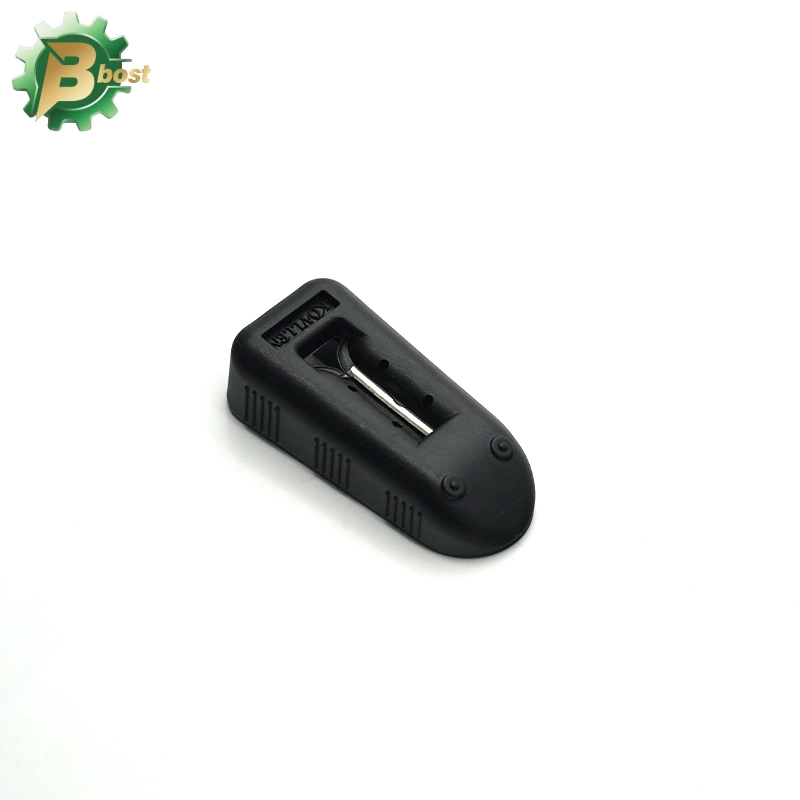
The plastic plug manufactured by Insert molding with stainless steel plate
Bost’s Insert-Molded Stainless Steel Plate Plastic Plug offers superior durability and corrosion resistance. This stainless steel insert durable plastic plug ensures a secure fit and long-lasting performance, ideal for industrial and commercial applications. Robust design meets quality standards.
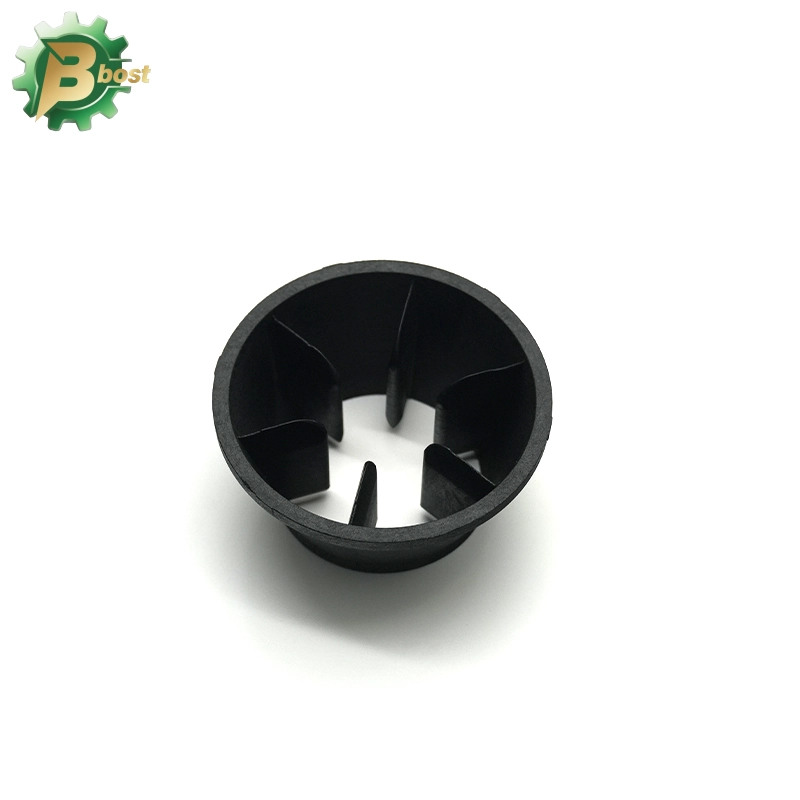
The Bost custom PPO flow valve by injection molding
The BOST Custom PPO Injection-Molded Flow Valve delivers high-temp and corrosion-resistant performance for industrial flow control. Precision-engineered by Bost, this custom PPO valve ensures durable, reliable operation in demanding environments. Optimize your process with BOST’s advanced injection-molded solution.
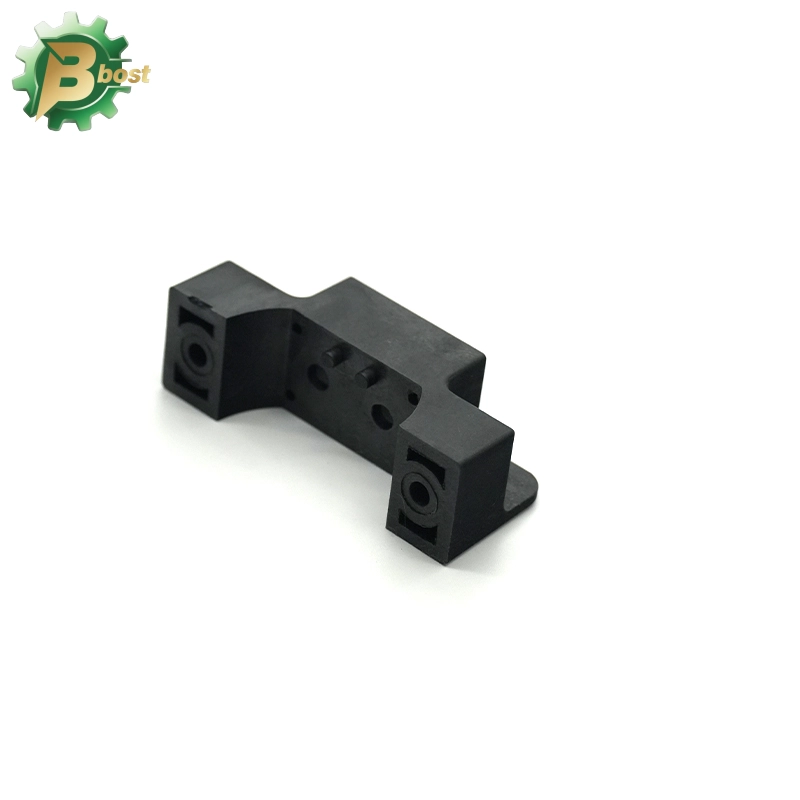
The Bost custom plastic handle by injection molding with high performance PPS material
BOST Custom PPS Injection-Molded Wear-Resistant Handle delivers superior durability and high performance. Made from High Quality PPS material, this injection-molded handle ensures exceptional wear resistance, ideal for demanding applications and long-lasting use. Choose BOST for quality and reliability.
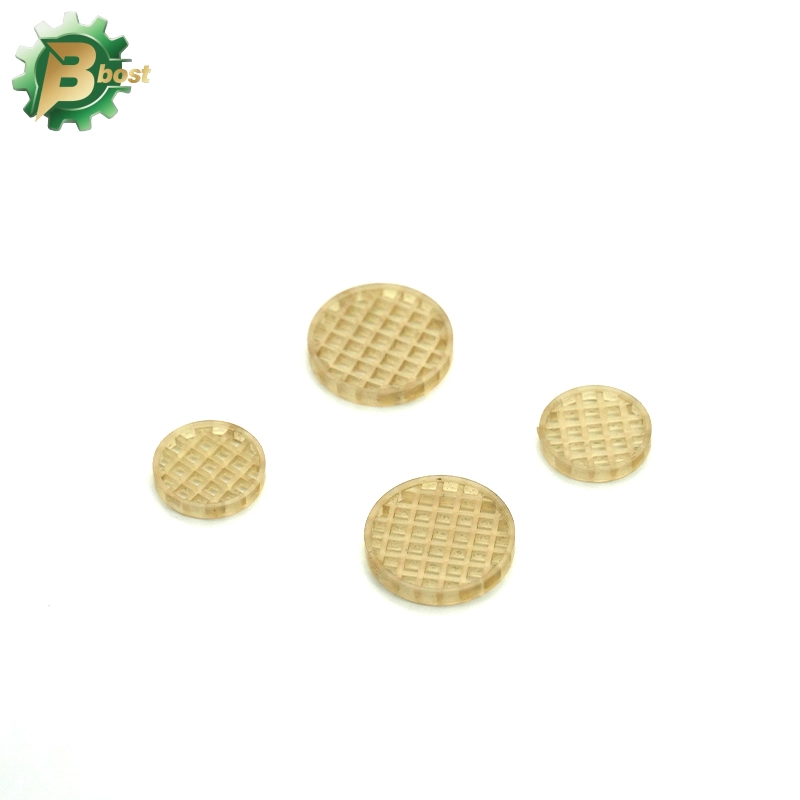
The Bost custom flow meter by injection molding with PES plastic
The Bost Custom PES Injection-Molded Flow Meter offers high-temperature and corrosion resistance, ideal for industrial use. Made with durable PES plastic via precision injection molding, this flow meter ensures reliable, customized performance for demanding applications. Trust Bost for quality and innovation.
Get in touch with Bost
Have any questions or concerns about our products? Please leave us a message here, and our team will get back to you promptly.

24 hours quotes delivered
Submit CAD files, get quote in 24 hours

No MOQ required
From prototyping to high-volume

±0.02 mm Precision
Advanced CNC with full inspections

1,000+ tons in stock
26 materials ready to ship
© 2026 BOST. All Rights Reserved.