
 Scan QR Code
Send My Request
Best engineered plastic components for thermal stability
Saturday, 03/14/2026
This article explains how to select and design engineered plastic components for thermal stability in demanding industrial environments, with a focus on injection-molded solutions. It highlights material choices, design and testing best practices, and presents the BOST Custom PPO Injection-Molded Flow Valve as a proven solution for high-temperature, corrosion-resistant flow control applications.
- Designing for heat: choosing the right polymer and component architecture
- Key thermal properties that determine component performance
- Material selection: high-temp polymers and trade-offs
- Design features to improve thermal performance in injection-molded parts
- Material comparisons and practical trade-offs for thermal stability
- Comparative data: relevant engineered plastics for high-temperature use
- When to choose PPO for thermal stability
- Injection molding for thermally stable engineered plastic components
- Process controls and molding best practices
- Molding additives and fillers to enhance thermal stability
- Qualification, testing and standards to validate performance
- BOST Custom PPO flow valve by injection molding: engineered performance for thermal stability
- Product overview and core benefits
- Design and manufacturing features that enhance thermal reliability
- Applications and real-world performance
- How this product meets engineering and safety standards
- Implementing thermally stable engineered plastic components in your system
- Selection checklist for engineers
- Testing plan examples
- When to consult materials and molding experts
- Further reading and standards
- FAQ (Frequently Asked Questions)
- Q: What is the difference between continuous service temperature and heat deflection temperature?
- Q: Why choose injection-molded PPO valves instead of metal valves?
- Q: Can PPO handle steam or very hot water over time?
- Q: How does filler content (e.g., glass fiber) impact thermal stability?
- Q: What testing documentation should I ask for when specifying parts?
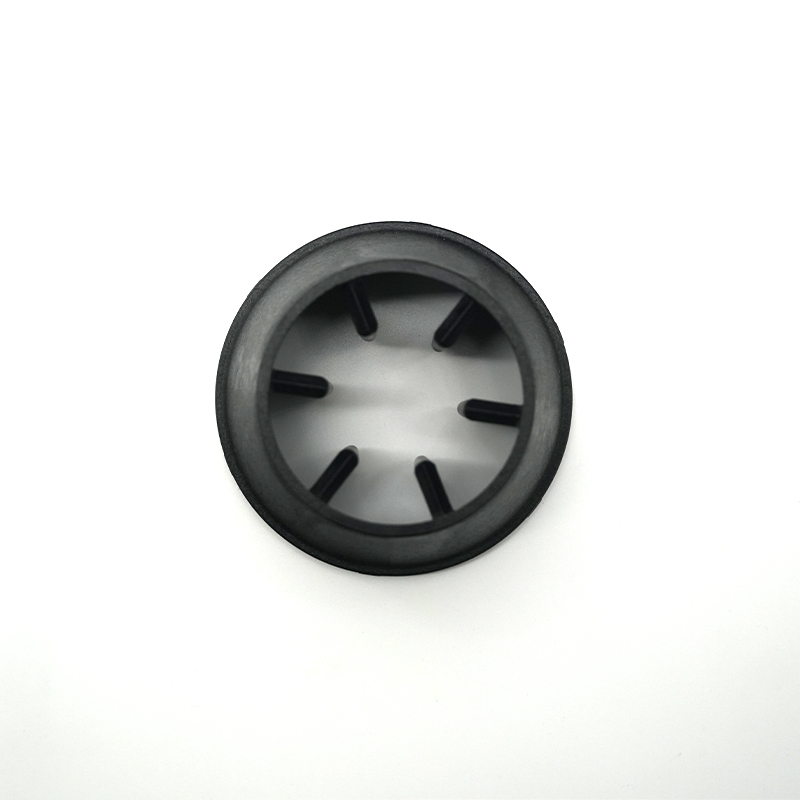
The need for engineered plastic components that maintain dimensional stability, mechanical strength and chemical resistance at elevated temperatures is growing across industries such as chemical processing, energy, automotive and industrial flow control. Selecting the right high-temperature polymer, optimizing part design for injection molding, and validating performance through standardized testing reduces downtime and increases process reliability. This guide presents practical selection criteria, comparative data, and real-world implementation tips, and introduces the BOST Custom PPO Injection-Molded Flow Valve as a turnkey component designed for thermal stability and corrosion resistance in demanding flow-control systems.
Designing for heat: choosing the right polymer and component architecture
Key thermal properties that determine component performance
When evaluating engineered plastic components for thermal stability, focus on several material attributes rather than a single metric. Important properties include glass transition temperature (Tg), melting temperature (Tm), continuous service temperature, heat deflection temperature (HDT) or temperature of deflection under load, and thermal conductivity. Tg and continuous service temperature indicate the upper limit where a thermoplastic retains stiffness; HDT (ISO 75) measures deformation under a specified load and is often used for design safety margins (ISO 75).
Material selection: high-temp polymers and trade-offs
Common high-temperature engineering plastics used for thermally stable components include PPO (polyphenylene oxide), PEEK, PPS, PTFE and high-temp nylons (polyamides). Each offers a different balance of thermal stability, chemical resistance, mechanical strength and cost. For example, PEEK provides exceptional continuous-use temperatures and chemical resistance but at a much higher material cost and more challenging processing than PPO. Selecting the optimal polymer requires aligning material attributes with the application's thermal load, chemical exposure and mechanical requirements.
Design features to improve thermal performance in injection-molded parts
Design strategies to enhance thermal stability in injection-molded components include increasing wall thickness in load-bearing areas (while avoiding excessive thickness that causes sink), using ribs and bosses to stiffen structures, adding controlled annealing steps, and minimizing stress concentrators. Consideration of molding-induced residual stresses and appropriate gate location can reduce warpage and maintain dimensional stability at elevated temperatures. For flow-control components, sealing interfaces and quick-change features should be designed with thermal expansion coefficients in mind to preserve tight tolerances.
Material comparisons and practical trade-offs for thermal stability
Comparative data: relevant engineered plastics for high-temperature use
The table below compares typical thermal and chemical performance indicators for polymers frequently selected for thermally demanding engineered plastic components. Values are representative ranges; for specific grades and fillers, consult supplier datasheets and test to application conditions.
| Material | Typical Tg / Tm (°C) | Continuous service temperature (°C) | Chemical resistance | Notes |
|---|---|---|---|---|
| PPO (Polyphenylene oxide) | Tg ~210°C | 80–150°C (depending on grade & fillers) | Good to excellent against many industrial fluids | Excellent dimensional stability; good cost-performance balance; ideal for injection-molded flow components |
| PEEK (Polyether ether ketone) | Tg ~143°C / Tm ~343°C | ~250°C continuous | Outstanding chemical resistance; hydrolysis resistance | Top-tier thermal performance; high cost; used when extreme temps or aggressive chemicals present |
| PPS (Polyphenylene sulfide) | Tg ~85°C / Tm ~285°C | ~180–200°C continuous | Very good chemical and thermal resistance | Low moisture uptake and good dimensional stability; suitable for many high-temp components |
| PTFE (Polytetrafluoroethylene) | Tg ~115°C / Tm ~327°C | ~260°C continuous | Exceptional chemical inertness | Low friction; poor mechanical strength and difficult to injection mold (often machined or molded differently) |
| High-temp Nylon (PA 46, PA 4T) | Tg ~70–120°C | ~120–160°C | Good, but hydrolysis can be a concern at high temp & humidity | High strength; moisture sensitivity should be accounted for in design |
Sources for material classes and properties include engineering plastics references and polymer datasheets; see also industry overviews at Wikipedia: Engineering plastic and PlasticsEurope: Engineering Plastics for broader context.
When to choose PPO for thermal stability
PPO (often blended with polystyrene as PPO/PS or offered as Noryl-type alloys) provides a useful combination of dimensional stability, electrical properties, and chemical resistance at elevated temperatures, while remaining amenable to cost-effective injection molding. For flow-control components that must resist hot, mildly aggressive fluids and maintain tight tolerances, PPO often represents the optimal balance between performance and cost. For extreme temperatures or aggressive acids/solvents, PEEK or PTFE may be required despite higher cost or processing complexity (Polyphenylene oxide — Wikipedia).
Injection molding for thermally stable engineered plastic components
Process controls and molding best practices
Injection molding parameters strongly influence the long-term thermal behavior of engineered plastic components. Key controllables include melt temperature, mold temperature, packing/holding pressure and cooling profiles. Higher mold temperatures and controlled slow cooling can reduce internal stresses and improve crystallinity (where applicable), increasing thermal resistance and reducing warpage. Gate design and venting also affect how uniformly the polymer flows and cools, impacting final mechanical and thermal performance.
Molding additives and fillers to enhance thermal stability
Fillers such as glass fiber, mineral fillers or thermally conductive additives can boost stiffness, increase heat deflection temperature, reduce thermal expansion and improve dimensional stability. However, fillers change flow behavior during molding and can affect chemical resistance and surface finish; selection must be made considering the specific component function. For precision flow-control parts, a balanced approach—using low-to-moderate glass content or specialty blends—often yields the best combination of stability and manufacturability.
Qualification, testing and standards to validate performance
Validate engineered plastic components to application-specific standards: tensile testing (ISO 527), temperature of deflection under load (ISO 75), chemical compatibility tests, and long-term aging or hydrolysis testing if exposure to hot water or steam is expected. Use accelerated thermal-aging plus functional testing (pressure cycling, leak testing) to simulate field conditions. Refer to standards and authoritative test methods such as ISO 75 for thermal deformation and ISO 527 for tensile properties.
BOST Custom PPO flow valve by injection molding: engineered performance for thermal stability
Product overview and core benefits
The BOST Custom PPO Injection-Molded Flow Valve delivers high-temp and corrosion-resistant performance for industrial flow control. Precision-engineered by Bost, this custom PPO valve ensures durable, reliable operation in demanding environments. Key benefits include:
- High dimensional stability and low creep at elevated temperatures
- Excellent resistance to common industrial fluids and mild corrosives
- Repeatable tight tolerances achieved through optimized injection molding
- Cost-effective alternative to high-end polymers where PPO performance suffices
Design and manufacturing features that enhance thermal reliability
BOST’s design for the custom PPO flow valve emphasizes stress-reducing gate locations, ribbing to control deformation under load, and controlled annealing cycles where necessary to relieve residual stresses from molding. Sealing surfaces and contact interfaces are designed with thermal expansion coefficients in mind to maintain leak-free performance across temperature cycles. Manufacturing uses validated process windows and inline inspection (dimensional and pressure testing) to ensure every valve meets performance specifications.
Applications and real-world performance
The BOST Custom PPO valve is suitable for industrial fluid handling where temperatures and chemical exposure exceed the capabilities of commodity plastics but do not justify the cost of PEEK. Typical applications include cooling loops, process skids, chemical dosing lines, and recirculation systems where consistent flow control and long-term thermal stability are required. Customers report reliable operation in continuous-service temperatures that challenge standard thermoplastics, with lower total cost of ownership compared to metal or specialty polymer alternatives.
How this product meets engineering and safety standards
BOST validates its custom PPO components against relevant mechanical and thermal tests (e.g., tensile testing, HDT/ISO 75, pressure cycling) and documents chemical compatibility for common process fluids. For regulated applications, BOST can provide test reports and material certifications. When necessary, BOST supports design adaptations, secondary operations (machining, surface treatments), and assembly to integrate the valve into customer systems.
Implementing thermally stable engineered plastic components in your system
Selection checklist for engineers
Use this checklist when evaluating engineered plastic components for thermal stability:
- Define peak and continuous service temperatures and temperature cycling profile.
- Identify all fluids and chemicals the component will contact and check compatibility.
- Specify mechanical loads, pressure, and sealing requirements at temperature.
- Decide whether injection-molded parts are required for volume and tolerances.
- Request molded part test data: HDT, tensile, creep, pressure cycling, and long-term aging.
Testing plan examples
An effective testing plan for a flow-control component could include:
- Material verification: supplier datasheet comparison and certificate of analysis.
- Thermal deformation testing: ISO 75 or equivalent.
- Chemical exposure tests: soak tests at temperature followed by dimensional and mechanical checks.
- Functional testing: pressure cycling, leak test, and flow characterization across expected temperature range.
- Accelerated aging: elevated temperature exposure for equivalent life-cycle projection.
When to consult materials and molding experts
If your application involves rapidly fluctuating temperatures, aggressive chemistries, or tight tolerances under heat, involve materials scientists and molding process engineers early. They can recommend specific PPO grades or blends, appropriate fillers, and process windows to meet thermal and mechanical targets while ensuring manufacturability and cost-effectiveness. BOST’s engineering team, for example, collaborates with customers to adapt valve geometry, specify PPO formulations, and validate parts for target service conditions.
Further reading and standards
For background on engineered plastics and thermal properties, see industry resources such as Engineering plastic — Wikipedia, the PlasticsEurope overview on engineering plastics (PlasticsEurope) and practical guidance on high-temperature polymers at industry portals (PlasticsToday).
FAQ (Frequently Asked Questions)
Q: What is the difference between continuous service temperature and heat deflection temperature?
A: Continuous service temperature is a practical guideline for the maximum temperature at which a polymer can operate for extended periods without unacceptable property loss. Heat deflection temperature (HDT) or temperature of deflection under load (ISO 75) measures the temperature at which a specimen deforms under a specified load—use this as a conservative design benchmark.
Q: Why choose injection-molded PPO valves instead of metal valves?
A: Injection-molded PPO valves offer excellent dimensional stability, chemical resistance, and lower cost and weight compared with many metal solutions. They avoid corrosion issues and often reduce assembly and sealing complexity. For extremely high pressures, temperatures beyond polymer limits, or where metal structural stiffness is required, metal valves remain necessary.
Q: Can PPO handle steam or very hot water over time?
A: PPO has good resistance to many hot fluids, but hydrolytic stability and long-term exposure to steam depend on grade and fillers. Conduct application-specific soak tests at target temperatures and pressures to confirm performance.
Q: How does filler content (e.g., glass fiber) impact thermal stability?
A: Fillers like glass fiber raise stiffness, raise HDT, and reduce coefficient of thermal expansion, improving dimensional stability at temperature. However, they can reduce elongation, change flow during molding and may affect the surface finish. Proper grade selection and molding adjustments are required.
Q: What testing documentation should I ask for when specifying parts?
A: Request material certifications, HDT/ISO 75 data, tensile test results (ISO 527), pressure cycling and leak test results, and any chemical exposure test data relevant to your fluids and temperatures. For regulated applications, ask for traceability and compliance documentation.
Ready to optimize your process with thermally stable engineered plastic components? Contact BOST to discuss custom PPO injection-molded valves tailored to your temperature, chemical and performance demands, or view the BOST Custom PPO Injection-Molded Flow Valve for specifications and ordering options. For technical consultations and to request test reports, please reach out to our engineering team.
Tags
Silicone rubber material sleeve
Silicone rubber material sleeve
plastic spur gears for sale
plastic spur gears for sale
High-Temp & Low-Friction
High-Temp & Low-Friction
plastic pulley
plastic pulley
Easy-Clean Storage
Easy-Clean Storage
custom plastic injection molding manufacturer
custom plastic injection molding manufacturer
Recommended for you
Top 10 custom rubber seals Manufacturers and Supplier Brands
Choosing Materials for Insert Injection Molding: Practical Guide for Engineers
Material Certification and Testing for ABS Connectors
Sourcing Strategies for Oil-Resistant NBR Buna-Rubber Seal Rings
Prdoucts Categories
Question you may concern
FAQs
What are the core advantages of Bost engineering plastics compared to ordinary plastics?
Bost engineering plastics feature ultra-high mechanical strength, high-temperature resistance (-50°C to 300°C), chemical corrosion resistance, and wear resistance. Compared to ordinary plastics, their service life is extended by 3 to 8 times, making them suitable for replacing metals in harsh environments.
Can Bost customize modified plastics with special properties?
Yes! We offer modification services such as reinforcement, flame retardancy, conductivity, wear resistance, and UV resistance, for example:
• Adding carbon fiber to enhance stiffness
• Reducing the coefficient of friction through PTFE modification
• Customizing food-grade or medical-grade certified materials
How do I select the appropriate engineering plastic grade for my product?
Selection should be based on parameters such as load conditions (e.g., pressure/friction), temperature range, medium contact (e.g., oil/acid), and regulatory requirements (e.g., FDA/RoHS). Our engineers can provide free material selection consulting and sample testing.
What is the minimum order quantity (MOQ)? Do you support small-batch trial production?
The MOQ for standard products is ≥100kg. We support small-batch trial production (as low as 20kg) and provide mold testing reports and performance data feedback.
What is the delivery lead time? Do you offer global logistics?
Standard products: 5–15 working days; custom modifications: 2–4 weeks. We support global air/sea freight and provide export customs clearance documents (including REACH/UL certifications).
You may also like
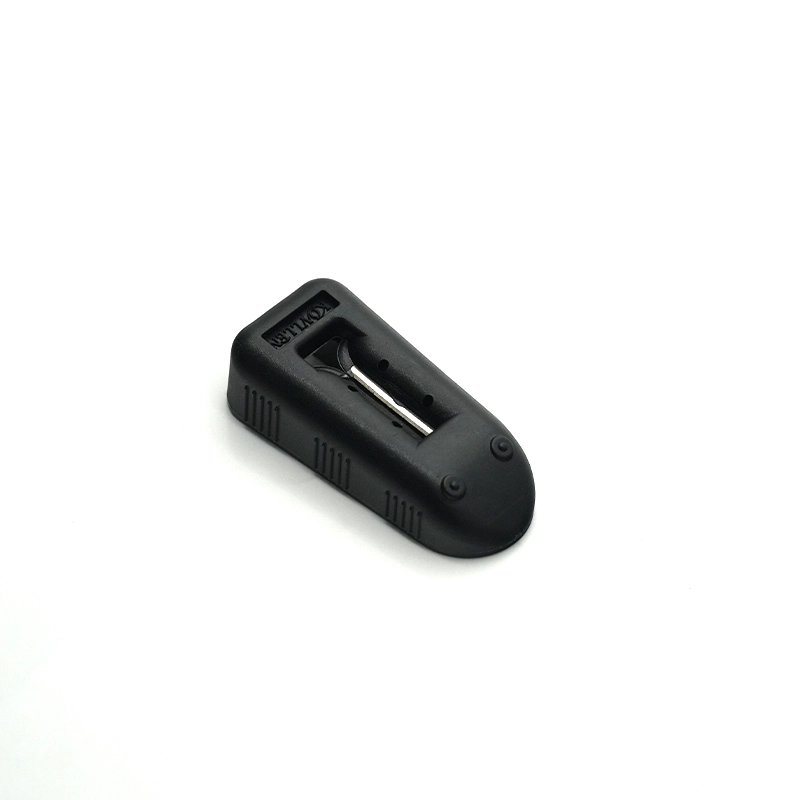
The plastic plug manufactured by Insert molding with stainless steel plate
Bost’s Insert-Molded Stainless Steel Plate Plastic Plug offers superior durability and corrosion resistance. This stainless steel insert durable plastic plug ensures a secure fit and long-lasting performance, ideal for industrial and commercial applications. Robust design meets quality standards.
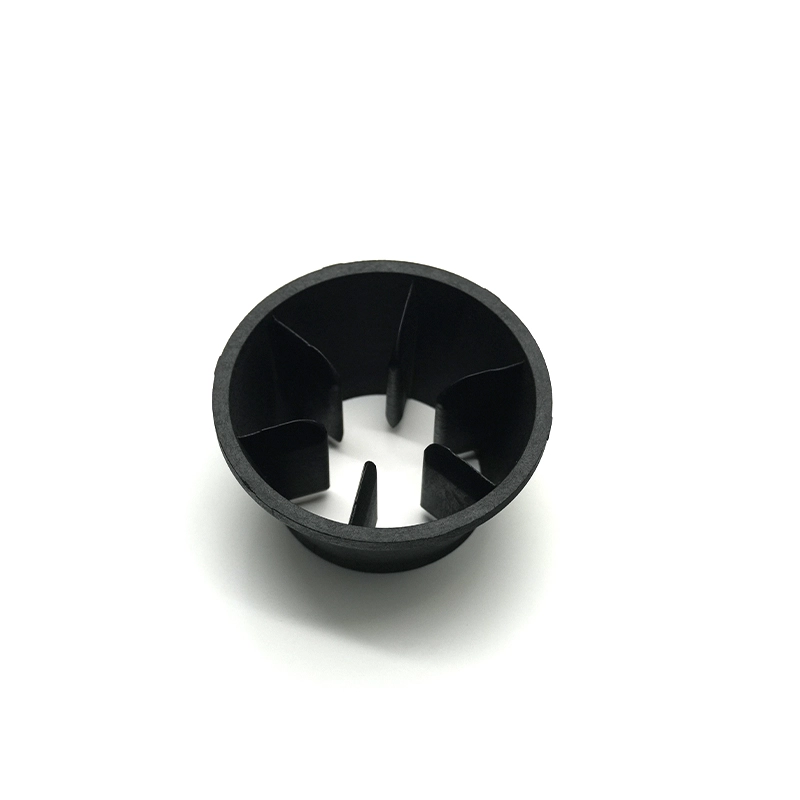
The Bost custom PPO flow valve by injection molding
The BOST Custom PPO Injection-Molded Flow Valve delivers high-temp and corrosion-resistant performance for industrial flow control. Precision-engineered by Bost, this custom PPO valve ensures durable, reliable operation in demanding environments. Optimize your process with BOST’s advanced injection-molded solution.
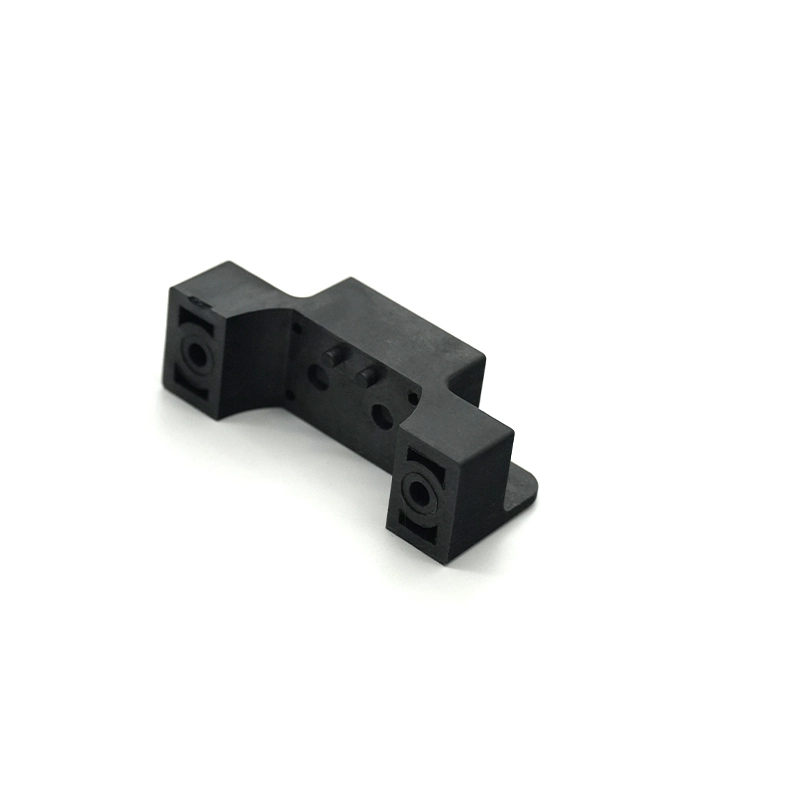
The Bost custom plastic handle by injection molding with high performance PPS material
BOST Custom PPS Injection-Molded Wear-Resistant Handle delivers superior durability and high performance. Made from High Quality PPS material, this injection-molded handle ensures exceptional wear resistance, ideal for demanding applications and long-lasting use. Choose BOST for quality and reliability.
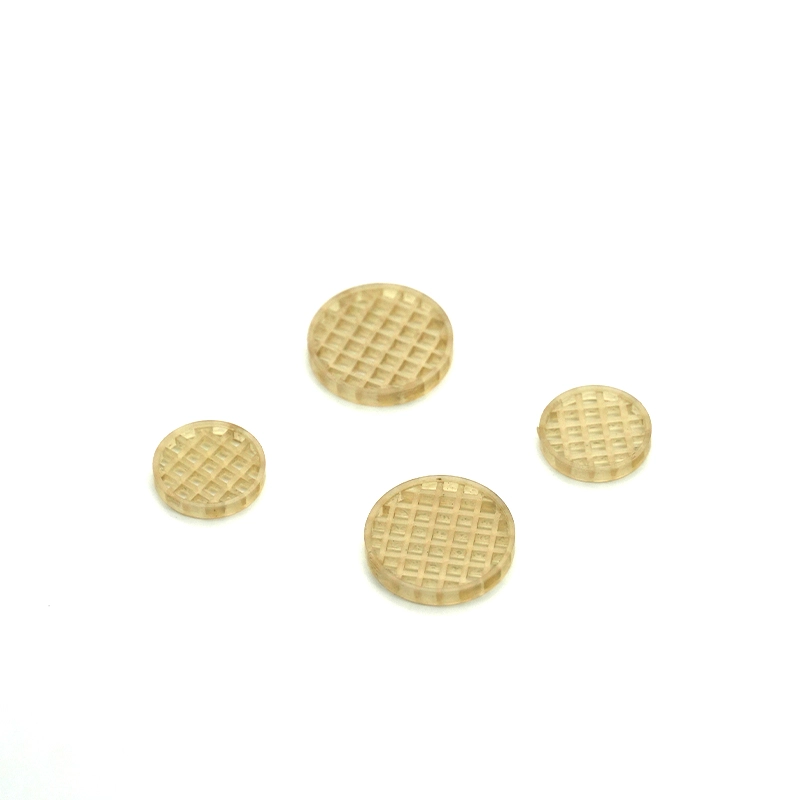
The Bost custom flow meter by injection molding with PES plastic
The Bost Custom PES Injection-Molded Flow Meter offers high-temperature and corrosion resistance, ideal for industrial use. Made with durable PES plastic via precision injection molding, this flow meter ensures reliable, customized performance for demanding applications. Trust Bost for quality and innovation.
Get in touch with Bost
Have any questions or concerns about our products? Please leave us a message here, and our team will get back to you promptly.

24 hours quotes delivered
Submit CAD files, get quote in 24 hours

No MOQ required
From prototyping to high-volume

±0.02 mm Precision
Advanced CNC with full inspections

1,000+ tons in stock
26 materials ready to ship
© 2026 BOST. All Rights Reserved.