 Scan QR Code
Send My Request
Material Certification and Testing for ABS Connectors
Thursday, 02/12/2026
Comprehensive guide to material certification and testing for plastic connectors, focusing on the Bost Black UV-Resistant ABS Outdoor Connector—covering UV/weathering tests, mechanical and chemical validation, standards, and best practices for durable, weatherproof installations.
- Why Certification Matters for Outdoor Plastic Connectors
- Safety and performance requirements for outdoor use
- Regulatory, commercial and warranty expectations
- Key Material Tests for Black and UV-Resistant ABS Plastic Connector
- Weathering and UV resistance testing
- Mechanical and thermal property testing
- Chemical resistance and flammability testing
- Certifying Processes and Documentation for ABS Connectors
- Material certificates, traceability and supplier declarations
- Third-party testing and compliance reports
- Design and Testing Best Practices for Long-lasting Installations
- Design for weatherproofing and UV longevity
- Qualification programs, lifecycle testing and field validation
- Comparison table: Typical tests, standards and acceptance criteria
- Practical Steps for Specifiers, Engineers and Buyers
- What to request from suppliers
- Interpreting test reports and common pitfalls
- Maintenance and lifecycle considerations
- References and Authoritative Guidance
- FAQ — Material Certification and Testing for ABS Connectors
- Q: What does UV resistant really mean for ABS connectors?
- Q: Are lab accelerated tests reliable predictors of field life?
- Q: What documents should I require before accepting a batch of outdoor ABS connectors?
- Q: How long will a properly certified Black UV-Resistant ABS connector last outdoors?
- Q: Is carbon black necessary for UV resistance?
- Contact and Product Information
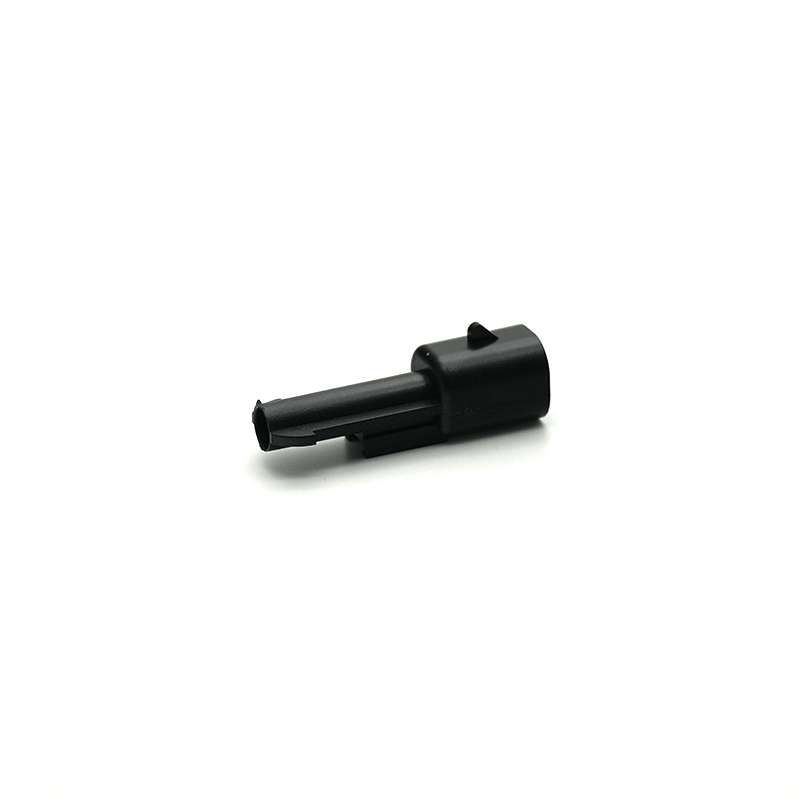
The reliability of outdoor electrical and structural assemblies depends heavily on the material certification and testing behind the plastic connectors used. For specifiers, installers and procurement teams, understanding how a Black and UV resistant ABS plastic connector is tested and certified ensures predictable, long-lasting, weatherproof installations. This article explains the essential tests, standards and documentation you should expect for high-performance plastic connectors like the Bost Black UV-Resistant ABS Outdoor Connector, and gives practical guidance for specifying, validating and maintaining outdoor connector systems.
Why Certification Matters for Outdoor Plastic Connectors
Safety and performance requirements for outdoor use
Plastic connectors installed outdoors are exposed to UV radiation, moisture, temperature cycling, mechanical stress and potential chemical contact. Certification and test reports show that materials and finished parts meet minimum performance thresholds so that connectors remain mechanically secure, electrically safe and dimensionally stable over their expected service life. For example, UV-stabilized ABS must demonstrate retention of tensile strength, elongation and impact resistance after accelerated weathering so that a weatherproof installation remains sealed and structurally sound.
Regulatory, commercial and warranty expectations
Manufacturers supplying plastic connectors must meet a mix of regulatory (RoHS/REACH for restricted substances), industry and customer-specific requirements. Buyers often require material certificates, lot traceability and third-party test reports to validate claims such as UV resistant or weatherproof. Documents such as mill certificates, test protocols and long-term field validation are commonly required for warranty support and for demonstrating compliance to end customers and inspectors.
Key Material Tests for Black and UV-Resistant ABS Plastic Connector
Weathering and UV resistance testing
UV stability is critical for outdoor ABS connectors. Accelerated weathering tests simulate years of sunlight, moisture and temperature cycling in weeks or months. Typical standards used include ISO 4892 for artificial weathering and ASTM D4329 for UV exposure of plastics. These tests measure color change, gloss loss, and retention of mechanical properties (tensile, impact) after exposure. Look for reports showing percent retention versus unaged baseline values—e.g., >70% tensile strength retention and acceptable impact resistance after a specified irradiance/duration.
Authoritative resources on UV/weathering standards: ISO 4892 (artificial weathering) provides widely accepted test methods (ISO 4892 overview), and ASTM publishes detailed UV exposure procedures (ASTM D4329).
Mechanical and thermal property testing
Key mechanical tests for ABS connectors include tensile testing (ISO 527), flexural testing (ISO 178), and impact testing (e.g., ISO 179 or ASTM D256). Thermal behavior is evaluated by heat deflection temperature (HDT, ISO 75) and Vicat softening point (ISO 306). Results must demonstrate that the connector can withstand installation stress, temperature swings and possible short-term overloads without creep, distortion or brittle failure.
Chemical resistance and flammability testing
Outdoor connectors can contact cleaning agents, fuels, oils or salt spray in coastal applications. Chemical resistance tests expose parts to representative chemicals and measure dimensional change and property loss. For fire safety, flammability classification (e.g., UL 94 ratings) may be required depending on application. Compliance with RoHS and REACH should be verified for hazardous substance restrictions.
Certifying Processes and Documentation for ABS Connectors
Material certificates, traceability and supplier declarations
When procuring the Bost Black UV-Resistant ABS Outdoor Connector, ask for a mill certificate (raw material certificate) that includes polymer grade, batch number, colorant/additive declarations (e.g., UV stabilizers, carbon black), density, melt flow index and manufacturer traceability. A supplier declaration of conformity that references applicable standards (ISO, ASTM, UL, RoHS/REACH) and the lot number gives traceability for audits and warranty claims.
Third-party testing and compliance reports
Independent lab reports add credibility. Typical supporting documentation includes accelerated weathering test reports, tensile/impact/HD T (heat deflection) data, and chemical resistance test results. For electrical connectors, dielectric testing or insulation resistance may also be performed. Third-party labs often include a statement of method (standard used), test conditions and acceptance criteria. For buyer confidence, request the full test protocol and raw data where possible.
Design and Testing Best Practices for Long-lasting Installations
Design for weatherproofing and UV longevity
Design choices significantly affect lifetime: geometry to shed water, gasket interfaces for IP ratings, UV-resistant additives, and pigment selection. Carbon black and engineered UV stabilizers are common in black outdoor ABS to provide long-term UV protection; pigment load and stabilizer formulation should be documented in certificates. Surface finishes and tight tolerances help maintain sealing surfaces and prevent ingress that can accelerate degradation.
Qualification programs, lifecycle testing and field validation
Robust qualification includes combined-environment testing (UV + humidity + thermal cycling + mechanical cycling) that better replicates real-world stresses than single-parameter tests. Field validation—placing assemblies in representative outdoor locations for 12–36 months—provides high-confidence evidence of performance. Combine accelerated results with limited field data to justify life-expectancy claims and warranty periods.
Comparison table: Typical tests, standards and acceptance criteria
| Test | Standard or Method | Purpose | Example Acceptance Criteria |
|---|---|---|---|
| Accelerated UV / Weathering | ISO 4892 / ASTM D4329 | Simulate sun, rain and temperature cycles | ≥70% tensile retention; no cracking; ΔE <5 color change |
| Tensile Strength | ISO 527 | Measure material strength | Within ±10% of specification |
| Impact Resistance | ISO 179 / ASTM D256 | Resistance to sudden loads | No brittle fracture at specified energy |
| Heat Deflection (HDT) | ISO 75 | Evaluate service temperature limits | HDT ≥ specified application temp + safety margin |
| Flammability | UL 94 | Fire behavior of polymer parts | Rating per application (e.g., V-2/V-0 as required) |
| RoHS / REACH Screening | EU RoHS / ECHA REACH guidance | Restricted substances compliance | No restricted substances above thresholds |
Practical Steps for Specifiers, Engineers and Buyers
What to request from suppliers
When specifying plastic connectors for outdoor projects, request the following documentation: material (mill) certificate, UV/weathering report, mechanical test reports (tensile, impact, HDT), flammability rating (if applicable), RoHS/REACH declarations, and third-party lab test reports. For high-risk installations, include sample qualification runs and a field validation plan in the purchase order.
Interpreting test reports and common pitfalls
Beware of vague claims such as UV resistant without test backing. Check the test method, exposure dose and equivalence to natural weathering. Also confirm whether tests were run on raw material coupons or finished, painted/assembled parts—finished part testing is more representative for connectors where coatings, gaskets or assembly stresses can change performance. Ensure acceptance criteria are stated and that tests were performed on the same polymer grade used in production.
Maintenance and lifecycle considerations
Even UV-stabilized ABS benefits from periodic inspection in harsh environments (coastal salt spray, high-altitude UV) to detect early signs of surface chalking, brittle cracking, or seal degradation. Maintenance schedules and replacement criteria linked to test-based life estimates help avoid in-service failures. Provide end users with recommended inspection intervals and allowable limits (e.g., visible cracking, loss of sealing contact, or >30% reduction in impact resistance indicated by periodic sample testing).
References and Authoritative Guidance
For further technical background and standards information consult the following resources:
- Acrylonitrile butadiene styrene (ABS) — Wikipedia (overview of ABS properties and common uses).
- ISO 4892 — Plastics — Methods of exposure to laboratory light sources (details on artificial weathering procedures).
- ASTM D4329 — Fluorescent UV-Condensation Exposures of Plastics (widely used method for UV exposure testing).
- PlasticsEurope — Industry information and lifecycle data (industry-level material guidance and sustainability info).
FAQ — Material Certification and Testing for ABS Connectors
Q: What does UV resistant really mean for ABS connectors?
A: UV resistant should be supported by accelerated weathering data (e.g., ISO 4892 or ASTM D4329) showing retention of key mechanical properties and only acceptable cosmetic changes after a defined exposure. The supplier should provide specific test conditions and acceptance criteria tied to expected field life.
Q: Are lab accelerated tests reliable predictors of field life?
A: Accelerated tests are useful for comparative evaluation and can predict trends, but should be combined with some field validation. UV spectrum, temperature extremes and mechanical loads interact in the field; combined-environment tests and limited field exposures provide the best confidence for life estimates.
Q: What documents should I require before accepting a batch of outdoor ABS connectors?
A: At minimum, request a material certificate with batch/lot traceability, an accelerated UV/weathering test report, tensile/impact/HDT test results, RoHS/REACH declarations, and any relevant third-party lab reports. For critical installations, require sample-based qualification testing and production lot testing.
Q: How long will a properly certified Black UV-Resistant ABS connector last outdoors?
A: Life expectancy varies with climate and application. With appropriate UV stabilizers and design, well-certified black ABS connectors can perform effectively for many years (commonly 5–15+ years) in moderate climates. For high-UV environments (tropical, high altitude), expect accelerated aging and plan for shorter intervals unless field-proven formulations are used.
Q: Is carbon black necessary for UV resistance?
A: Carbon black is a highly effective UV absorber and is commonly used in black outdoor plastics. However, engineered UV stabilizer packages and protective coatings may also be used; performance must be demonstrated via testing. The supplier should state the additive system on the material certificate.
Contact and Product Information
Product highlight: The Bost Black UV-Resistant ABS Outdoor Connector offers superior weather resistance and durability. Made from high-quality ABS plastic, this precision connector ensures reliable performance in harsh outdoor conditions, making it ideal for long-lasting, weatherproof installations.
If you need certified test reports, sample qualification, or a custom material statement for procurement or project compliance, contact our technical sales team or view the product page:
- View the Bost Black UV-Resistant ABS Outdoor Connector
- Email: sales@example.com
- Request test reports or samples: Contact Customer Service
Well-documented material certification and rigorous testing are the backbone of specifying reliable plastic connectors. By requiring clear traceability, representative tests and—where possible—third-party validation, engineers and buyers can confidently select connectors that will remain safe, durable and weatherproof throughout their expected service life.
Tags
Tough Wrapping
Tough Wrapping
ABS material plastic cover
ABS material plastic cover
Easy-Operate Durable
Easy-Operate Durable
Eco-Friendly Support
Eco-Friendly Support
Chemical-resistant
Chemical-resistant
china plastic spur gears
china plastic spur gears
Recommended for you
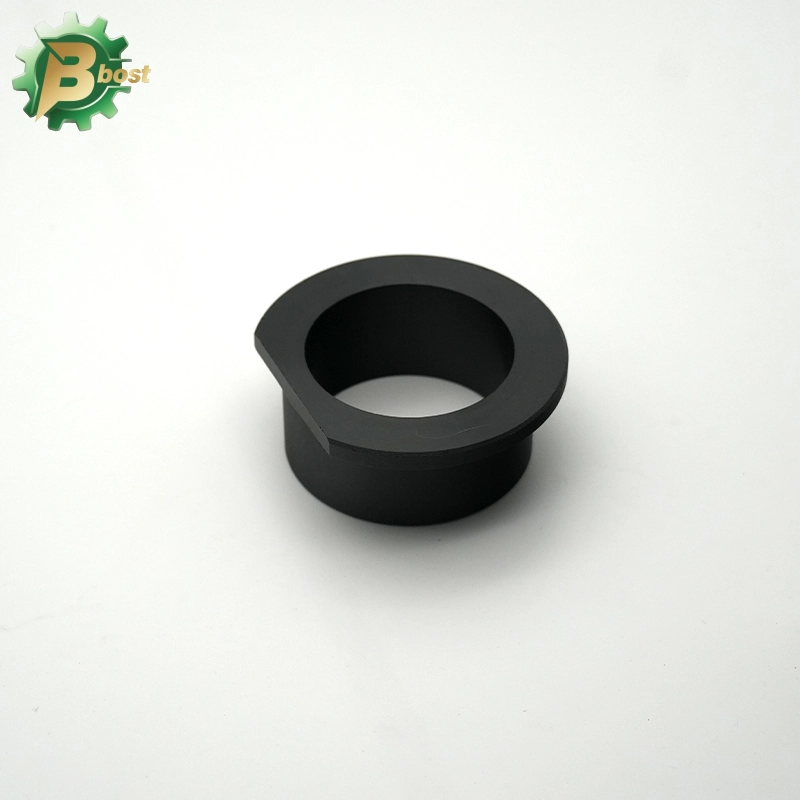
Load and Wear: PE Plastic Bushes Performance Guide

How Injection Molding Improves PP Plastic Spacer Production
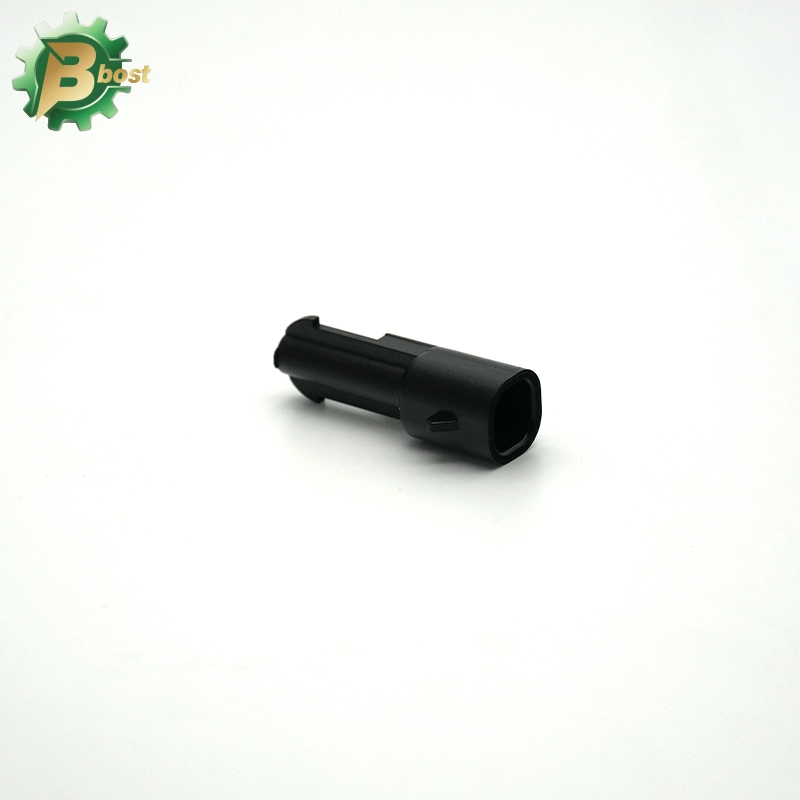
Selecting Plastic Connectors for Weatherproof Enclosures
What is engineering plastics ?
Prdoucts Categories
Question you may concern
FAQs
How do I select the appropriate engineering plastic grade for my product?
Selection should be based on parameters such as load conditions (e.g., pressure/friction), temperature range, medium contact (e.g., oil/acid), and regulatory requirements (e.g., FDA/RoHS). Our engineers can provide free material selection consulting and sample testing.
What is the minimum order quantity (MOQ)? Do you support small-batch trial production?
The MOQ for standard products is ≥100kg. We support small-batch trial production (as low as 20kg) and provide mold testing reports and performance data feedback.
What are the core advantages of Bost engineering plastics compared to ordinary plastics?
Bost engineering plastics feature ultra-high mechanical strength, high-temperature resistance (-50°C to 300°C), chemical corrosion resistance, and wear resistance. Compared to ordinary plastics, their service life is extended by 3 to 8 times, making them suitable for replacing metals in harsh environments.
What is the delivery lead time? Do you offer global logistics?
Standard products: 5–15 working days; custom modifications: 2–4 weeks. We support global air/sea freight and provide export customs clearance documents (including REACH/UL certifications).
Can Bost customize modified plastics with special properties?
Yes! We offer modification services such as reinforcement, flame retardancy, conductivity, wear resistance, and UV resistance, for example:
• Adding carbon fiber to enhance stiffness
• Reducing the coefficient of friction through PTFE modification
• Customizing food-grade or medical-grade certified materials
You may also like
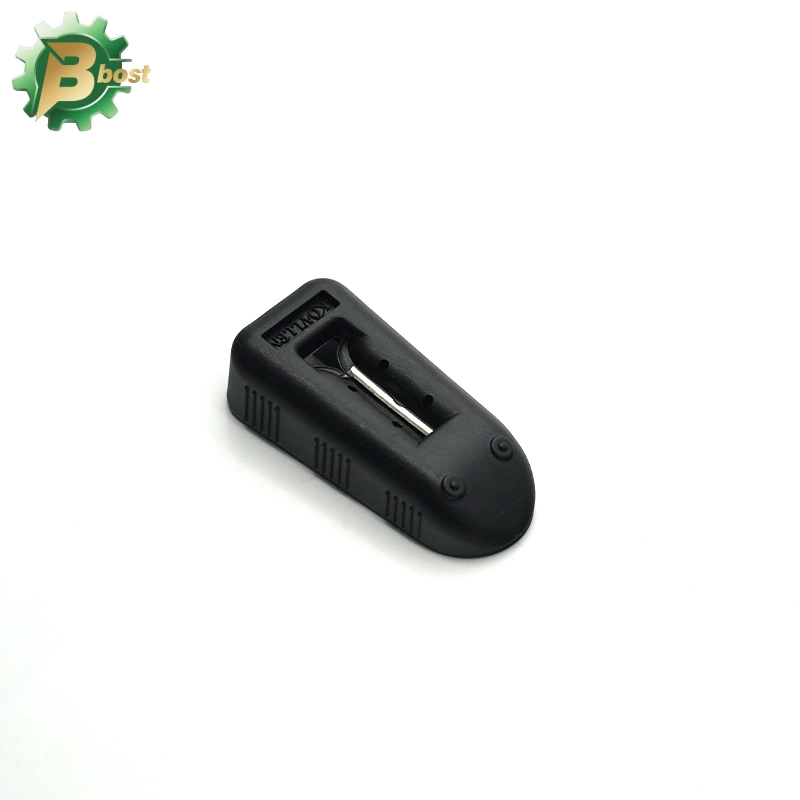
The plastic plug manufactured by Insert molding with stainless steel plate
Bost’s Insert-Molded Stainless Steel Plate Plastic Plug offers superior durability and corrosion resistance. This stainless steel insert durable plastic plug ensures a secure fit and long-lasting performance, ideal for industrial and commercial applications. Robust design meets quality standards.
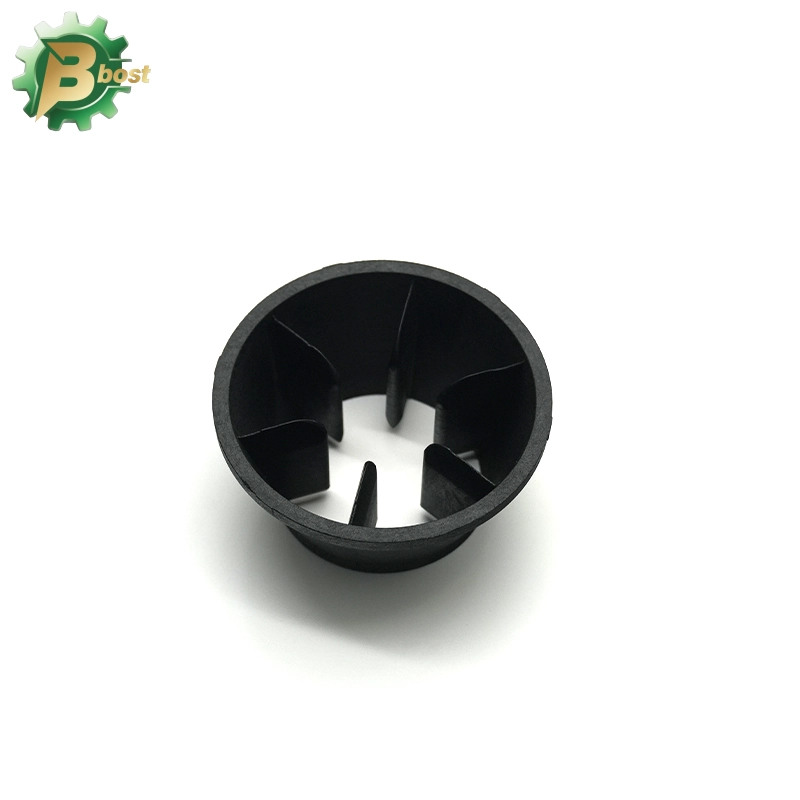
The Bost custom PPO flow valve by injection molding
The BOST Custom PPO Injection-Molded Flow Valve delivers high-temp and corrosion-resistant performance for industrial flow control. Precision-engineered by Bost, this custom PPO valve ensures durable, reliable operation in demanding environments. Optimize your process with BOST’s advanced injection-molded solution.
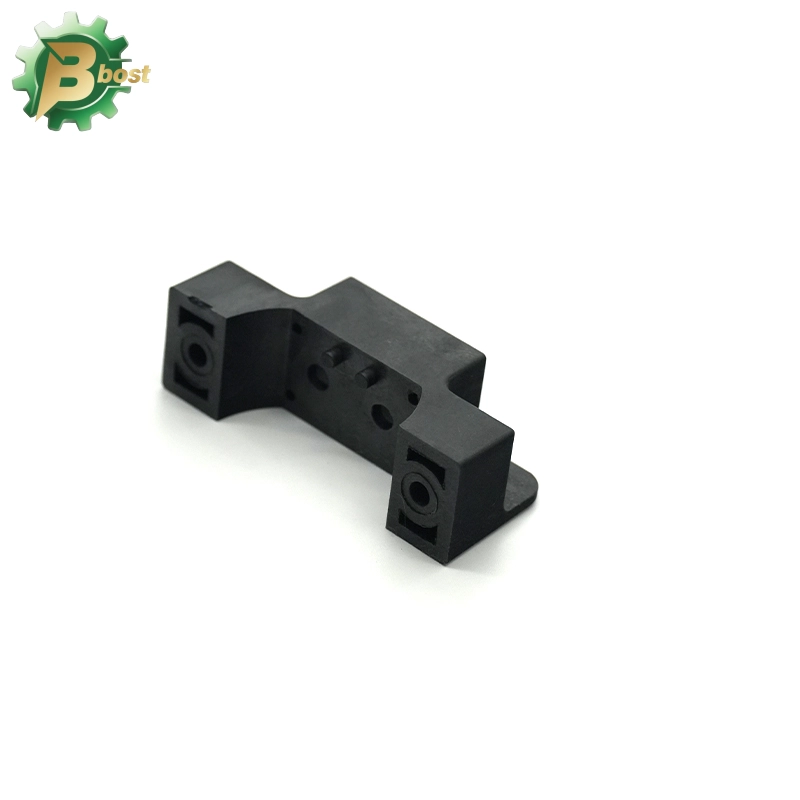
The Bost custom plastic handle by injection molding with high performance PPS material
BOST Custom PPS Injection-Molded Wear-Resistant Handle delivers superior durability and high performance. Made from High Quality PPS material, this injection-molded handle ensures exceptional wear resistance, ideal for demanding applications and long-lasting use. Choose BOST for quality and reliability.
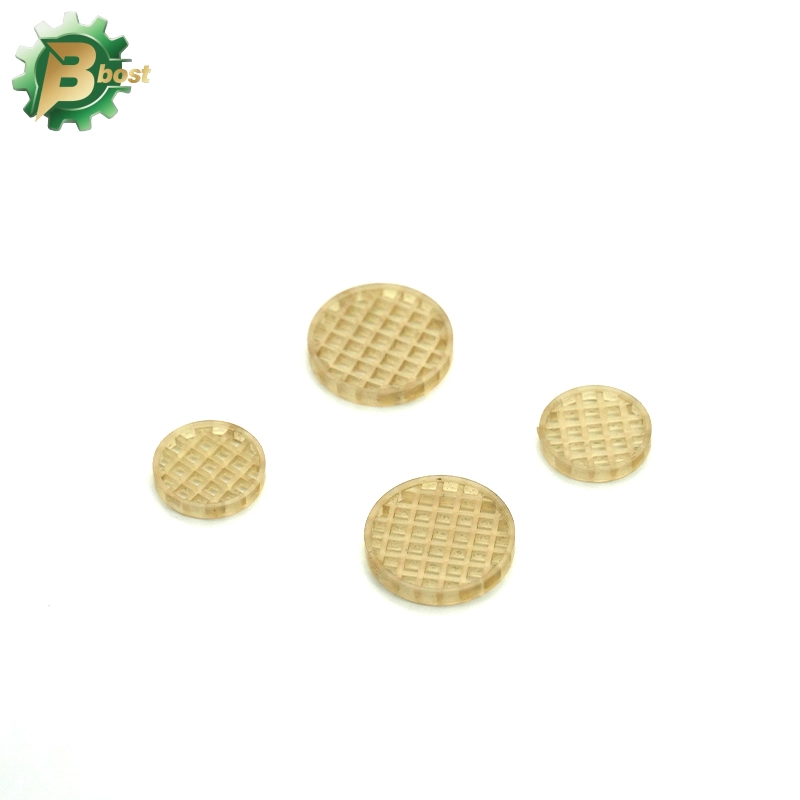
The Bost custom flow meter by injection molding with PES plastic
The Bost Custom PES Injection-Molded Flow Meter offers high-temperature and corrosion resistance, ideal for industrial use. Made with durable PES plastic via precision injection molding, this flow meter ensures reliable, customized performance for demanding applications. Trust Bost for quality and innovation.
Get in touch with Bost
Have any questions or concerns about our products? Please leave us a message here, and our team will get back to you promptly.

24 hours quotes delivered
Submit CAD files, get quote in 24 hours

No MOQ required
From prototyping to high-volume

±0.02 mm Precision
Advanced CNC with full inspections

1,000+ tons in stock
26 materials ready to ship
© 2026 BOST. All Rights Reserved.