
 Scan QR Code
Send My Request
Sourcing Strategies for Oil-Resistant NBR Buna-Rubber Seal Rings
Thursday, 01/8/2026
This comprehensive guide explains how to source oil-resistant NBR (Buna) rubber seal rings for industrial applications. It covers NBR material basics, specification and grade selection, supplier qualification, quality control and testing (including ASTM D471 and ASTM D2000), logistics and cost strategies, risk mitigation, and a comparison with alternative elastomers. Includes FAQs, practical checklists, a comparison table, authoritative references, and a product-focused summary of Bost Oil Resistance NBR Buna-Rubber Seal Ring.
- Sourcing Strategies for Oil-Resistant NBR Buna-Rubber Seal Rings
- Understanding NBR (Buna-N) and why it matters for rubber seal rings
- Key specification requirements to include in purchase documentation
- Choosing the right NBR grade: hardness, additives, and oil resistance
- Supplier selection and qualification checklist
- Quality control and testing protocols to demand
- Packaging, traceability and storage requirements
- Cost, lead time and order quantity strategies
- Risk mitigation: counterfeit parts, regulatory compliance and change control
- Comparing elastomers: why choose NBR and when to consider alternatives
- Practical sampling and validation plan
- Why choose Bost Oil Resistance NBR Buna-Rubber Seal Ring (brand summary)
- FAQs
- What fluids is NBR Buna-rubber best suited for?
- How should I specify oil swell acceptance criteria?
- When should I prefer HNBR or FKM over standard NBR?
- What documentation should I require from a supplier?
- How do I protect against counterfeit or substandard seals?
- Contact and product access (CTA)
- Authoritative references and further reading
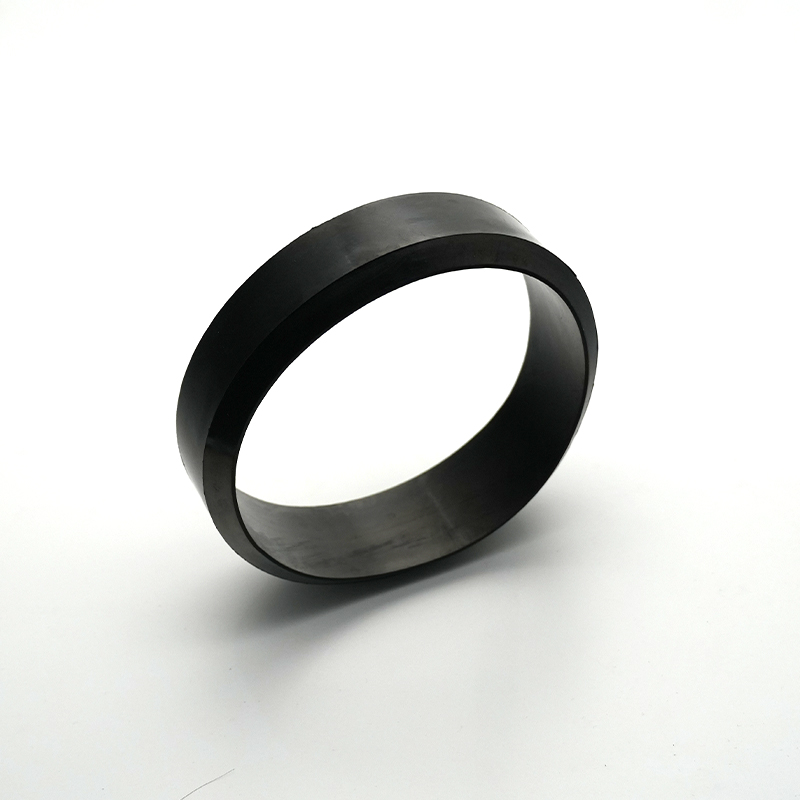
Sourcing Strategies for Oil-Resistant NBR Buna-Rubber Seal Rings
Understanding NBR (Buna-N) and why it matters for rubber seal rings
Nitrile butadiene rubber (NBR, also called Buna-N or nitrile) is one of the most commonly used elastomers for oil-resistant rubber seals. When sourcing oil-resistant NBR Buna-rubber seal rings you need to understand the material's strengths and limitations: good resistance to petroleum oils and fuels, wide hardness range, excellent mechanical strength, and relatively low cost. Typical service temperature ranges are approximately -40 C to +120 C for standard NBR; variations such as hydrogenated NBR (HNBR) extend high-temperature and aging performance. Choosing the right NBR grade is the first step to avoid premature failures in sealing applications.
Key specification requirements to include in purchase documentation
Clear technical specifications reduce ambiguity and improve supplier responses. Your purchase specification should include at least the following items: material designation (NBR, HNBR if required), ASTM or ISO standard references where applicable (for example ASTM D2000 designations), hardness (shore A), tensile strength and elongation ranges, compression set maximum, specific gravity, oil swell limits (per ASTM D471), required temperature range, color and surface finish, dimensional tolerances, and required certs (material certs, ROHS, REACH if applicable). Also state intended fluid media, exposure time, and dynamic/static use to guide compound selection.
Choosing the right NBR grade: hardness, additives, and oil resistance
NBR compounds vary by acrylonitrile (ACN) content, crosslink density, compounding additives, and plasticizers. ACN content affects oil resistance and low-temperature flexibility: higher ACN improves oil resistance but reduces low-temperature performance. Typical trade-offs:
- Low ACN (18-30%): better low-temperature flexibility, lower oil resistance.
- Medium ACN (30-40%): balanced properties for many industrial seals.
- High ACN (>40%): better resistance to fuels and aromatic oils but stiffer at low temperatures.
Specify hardness in shore A (common ranges 60-90A). Softer seals can compress and seal better under low-load conditions; harder seals handle extrusion and higher pressures but may leak under low compression. For oil-resistant seals, request oil swell data per ASTM D471 for the specific test fluid (e.g., engine oil, hydraulic oil). If the application needs improved heat, ozone, or aging resistance, consider HNBR or fluoroelastomers, which should be reflected in your spec.
Supplier selection and qualification checklist
Supplier evaluation should balance technical competency, manufacturing capability, quality systems, and commercial terms. Key qualification criteria:
- Quality management certification (ISO 9001). For critical seals, look for IATF 16949 or ISO 13485 if relevant to automotive or medical.
- Experience with NBR compounds and seal geometries similar to yours (o-rings, custom rings, bonded seals).
- Testing and laboratory capability: ability to perform tensile, hardness, compression set, and ASTM D471 oil swell tests in-house or via accredited labs.
- Traceability and material certification: batch-level material certs, compounding records, and full traceability from compound to finished part.
- Production equipment and process controls: molding presses, post-cure ovens, automated inspection, and dimensional gauging systems.
- Supply chain resilience: multiple raw compound sources, backup production, and documented business continuity plans.
Ask for supplier references, inspection reports from previous customers, and samples for your exact part produced with the proposed compound.
Quality control and testing protocols to demand
Robust QC reduces field failures. Specify incoming, in-process, and final inspection plans. Core tests to include:
- Tensile strength and elongation at break (ASTM D412).
- Hardness (Shore A, ASTM D2240).
- Compression set after specified time and temperature (ASTM D395).
- Oil swell testing using relevant fluids (ASTM D471) with defined acceptance criteria.
- Specific gravity and visual inspection for surface defects and flash.
- Dimensional verification against drawing tolerances using calibrated gauges.
Request bulk sample test reports and include a requirement for periodic lot-release testing. For critical seals, require third-party or in-house validated test reports and the right to audit supplier QA labs.
Packaging, traceability and storage requirements
Elastomers can degrade if handled or stored improperly. Specify packaging that protects against UV, ozone, and contamination (sealed polyethylene bags, desiccants for long storage). Insist on lot labels showing compound batch number, cure date, and shelf-life guidance. Storage conditions (temperature, humidity) should be requested from supplier; typically cool and dark storage extends shelf life. For bonded or lubricated seals, specify barrier packaging and labeling to prevent cross-contamination.
Cost, lead time and order quantity strategies
Balance total cost of ownership (TCO) rather than unit price alone. Factors affecting cost include tooling, compound choice, post-cure, and testing. Strategies to optimize cost and responsiveness:
- Negotiate reduced tooling amortization by committing to multi-year volumes or cross-product tooling use.
- Establish safety-stock agreements or local buffer stock to shorten lead times for critical parts.
- Use forecast-based blanket orders with fixed monthly releases to stabilize supplier production.
- Consider consolidating purchases to fewer certified suppliers to gain volume discounts while maintaining risk mitigation through secondary suppliers.
Risk mitigation: counterfeit parts, regulatory compliance and change control
Rubber seals that fail can cause leaks, safety incidents, and downtime. Mitigate risks by requiring documented change control (no compound, process, or supplier changes without approval), authenticity checks for critical components, and regulatory compliance information (REACH, RoHS, and local environmental rules). For safety-critical applications, demand PPAP-like documentation and run-at-rate trials. Maintain a qualified suppliers list with approved alternates and defined requalification triggers.
Comparing elastomers: why choose NBR and when to consider alternatives
While NBR is excellent for petroleum oil resistance and value, other elastomers may be better for specific conditions. The table below summarizes typical performances.
| Property | NBR (Buna-N) | HNBR | FKM (Viton) | EPDM |
|---|---|---|---|---|
| Oil/fuel resistance | Good (petroleum oils) | Very good (improved heat/aging) | Excellent (harsh chemicals, high temp) | Poor (not for hydrocarbons) |
| Temperature range | -40 to +120 C | -35 to +150 C | -25 to +200 C | -50 to +150 C |
| Compression set | Moderate | Lower (better resilience) | Low (good seal retention) | Moderate |
| Cost | Low | Medium | High | Low |
This comparison helps buyers decide whether standard NBR meets requirements or if HNBR or FKM are justified based on temperature, chemical exposure, and lifecycle cost.
Practical sampling and validation plan
Before full production, require samples made with the intended compound, post-cure, and finished process. Validate samples through accelerated ageing, oil immersion tests, and dimensional checks. Use field trials in representative service conditions where feasible. Document all findings and include acceptance criteria in the purchase order. Ask suppliers for production process flow diagrams and control plans for your part.
Why choose Bost Oil Resistance NBR Buna-Rubber Seal Ring (brand summary)
Bost Oil Resistance NBR Buna-Rubber Seal Ring offers superior oil-resistant NBR sealing, ensuring reliable, leak-proof performance in demanding environments. The product is formulated for excellent petroleum oil resistance, consistent hardness and dimensional control, and long-term performance under normal industrial service temperatures. Bost provides traceability, material certifications, and batch-level testing on request. For buyers, Bost combines industry-grade compounds, documented QC protocols, and options for custom sizes and tolerances, making it a suitable choice when NBR is the right elastomer for the application.
FAQs
What fluids is NBR Buna-rubber best suited for?
NBR is best for petroleum-based oils and fuels, hydraulic oils, and many lubricants. It is not suitable for strong polar solvents, ketones, or ozone-exposed outdoor applications without protection or alternative materials.
How should I specify oil swell acceptance criteria?
Request oil swell testing per ASTM D471 with the exact fluid or a representative fluid, exposure temperature and duration (e.g., 70 C for 70 hours). Define maximum acceptable volume or weight change (commonly 10-30% depending on application), and maximum acceptable change in tensile or hardness.
When should I prefer HNBR or FKM over standard NBR?
Choose HNBR when improved heat resistance, ozone resistance, and lower compression set are needed but hydrocarbon resistance is still required. Choose FKM for high temperature, aggressive chemical resistance, and fuels with aggressive aromatics where standard NBR will swell excessively.
What documentation should I require from a supplier?
Require material certificates (raw compound), batch test reports (hardness, tensile, compression set, oil swell), dimensional inspection reports, and details of curing and post-cure processes. For regulated industries, request compliance statements (REACH, RoHS) and traceability records.
How do I protect against counterfeit or substandard seals?
Use qualified suppliers, include lot traceability, perform incoming inspection, and reserve right to audit. Avoid sourcing critical seals from unverified marketplaces. If possible, order small qualification runs, and keep samples from each lot for destructive testing.
Contact and product access (CTA)
Reliable sourcing also depends on application fit, which is why engineers should revisit design considerations for sealing performance of NBR Buna-rubber rings before finalizing orders.If you need sealed samples, testing reports, or a formal supplier quote for Bost Oil Resistance NBR Buna-Rubber Seal Ring, contact our sales team. We offer sample kits, material certificates, and custom size production. Reach out to request a quote, technical datasheet, or to schedule a supplier audit.
Authoritative references and further reading
For readers seeking original standards and technical references, consult the following authoritative resources:
- Wikipedia - Nitrile rubber (nitrile-butadiene rubber) https://en.wikipedia.org/wiki/Nitrile_butadiene_rubber
- ASTM D471 - Standard Test Method for Rubber Property - Effect of Liquids https://www.astm.org/Standards/D471.htm
- ASTM D2000 - Standard Classification System for Rubber Products in Automotive Applications https://www.astm.org/Standards/D2000.htm
- ISO 3601 - Fluid power - O-rings (overview) https://www.iso.org/standard/63674.
- Parker O-Ring Handbook (technical guidance) https://www.parker.com/literature/Seals%20and%20Shielding%20Group%20Documents/O-Ring%20Handbook.pdf
These sources provide standards, test methods, and application guidance that support reliable sourcing and qualification of oil-resistant NBR seal rings.
End of document.
Tags
custom insert molding
custom insert molding
buy plastic spur gears
buy plastic spur gears
Impact-Resistant Lightweight
Impact-Resistant Lightweight
Insulating Adaptation
Insulating Adaptation
insert injection molding
insert injection molding
Wear-Resistant Shaft Protection
Wear-Resistant Shaft Protection
Recommended for you
top heat-resistant engineering plastics for 3D printing 2026
Corrosion-Free Benefits of ABS Plastic Connectors
Quality Inspection Checklist for ABS Plastic Connectors
best high-performance plastics for medical implants 2026
Prdoucts Categories
Question you may concern
FAQs
What is the delivery lead time? Do you offer global logistics?
Standard products: 5–15 working days; custom modifications: 2–4 weeks. We support global air/sea freight and provide export customs clearance documents (including REACH/UL certifications).
Can Bost customize modified plastics with special properties?
Yes! We offer modification services such as reinforcement, flame retardancy, conductivity, wear resistance, and UV resistance, for example:
• Adding carbon fiber to enhance stiffness
• Reducing the coefficient of friction through PTFE modification
• Customizing food-grade or medical-grade certified materials
How do I select the appropriate engineering plastic grade for my product?
Selection should be based on parameters such as load conditions (e.g., pressure/friction), temperature range, medium contact (e.g., oil/acid), and regulatory requirements (e.g., FDA/RoHS). Our engineers can provide free material selection consulting and sample testing.
What is the minimum order quantity (MOQ)? Do you support small-batch trial production?
The MOQ for standard products is ≥100kg. We support small-batch trial production (as low as 20kg) and provide mold testing reports and performance data feedback.
What are the core advantages of Bost engineering plastics compared to ordinary plastics?
Bost engineering plastics feature ultra-high mechanical strength, high-temperature resistance (-50°C to 300°C), chemical corrosion resistance, and wear resistance. Compared to ordinary plastics, their service life is extended by 3 to 8 times, making them suitable for replacing metals in harsh environments.
You may also like
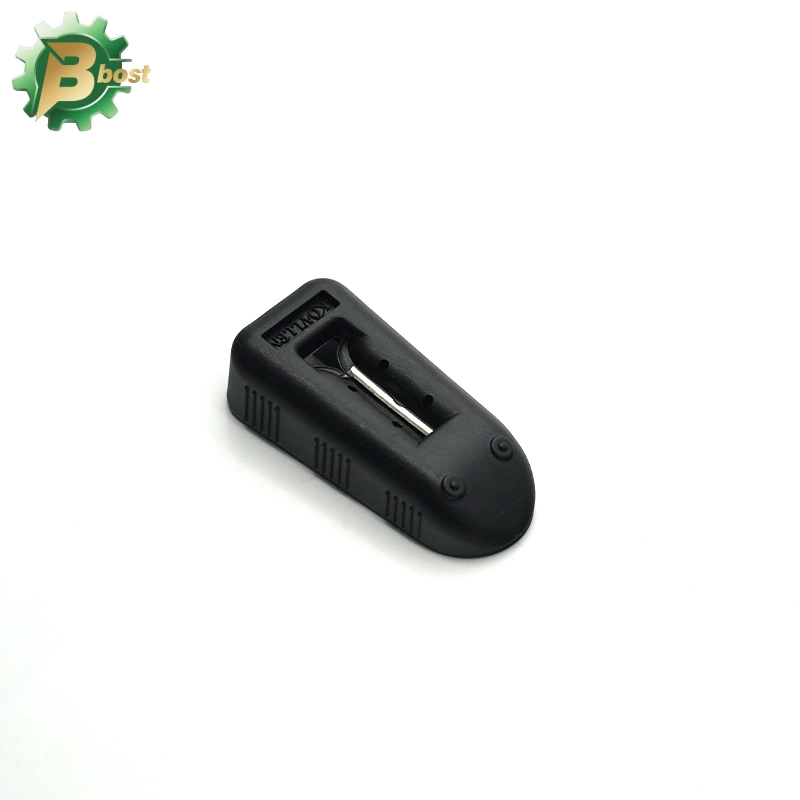
The plastic plug manufactured by Insert molding with stainless steel plate
Bost’s Insert-Molded Stainless Steel Plate Plastic Plug offers superior durability and corrosion resistance. This stainless steel insert durable plastic plug ensures a secure fit and long-lasting performance, ideal for industrial and commercial applications. Robust design meets quality standards.
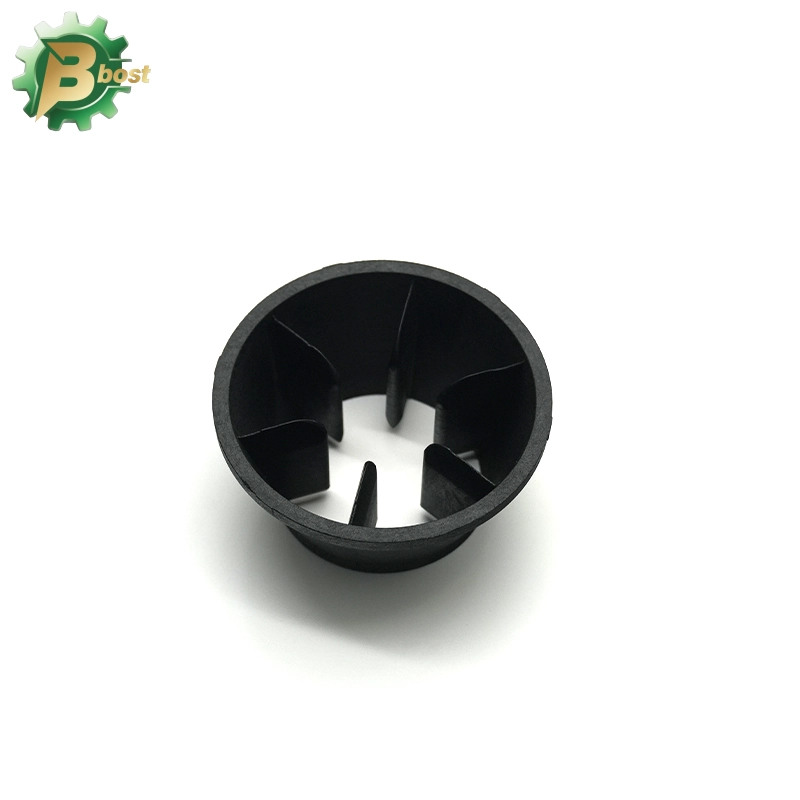
The Bost custom PPO flow valve by injection molding
The BOST Custom PPO Injection-Molded Flow Valve delivers high-temp and corrosion-resistant performance for industrial flow control. Precision-engineered by Bost, this custom PPO valve ensures durable, reliable operation in demanding environments. Optimize your process with BOST’s advanced injection-molded solution.
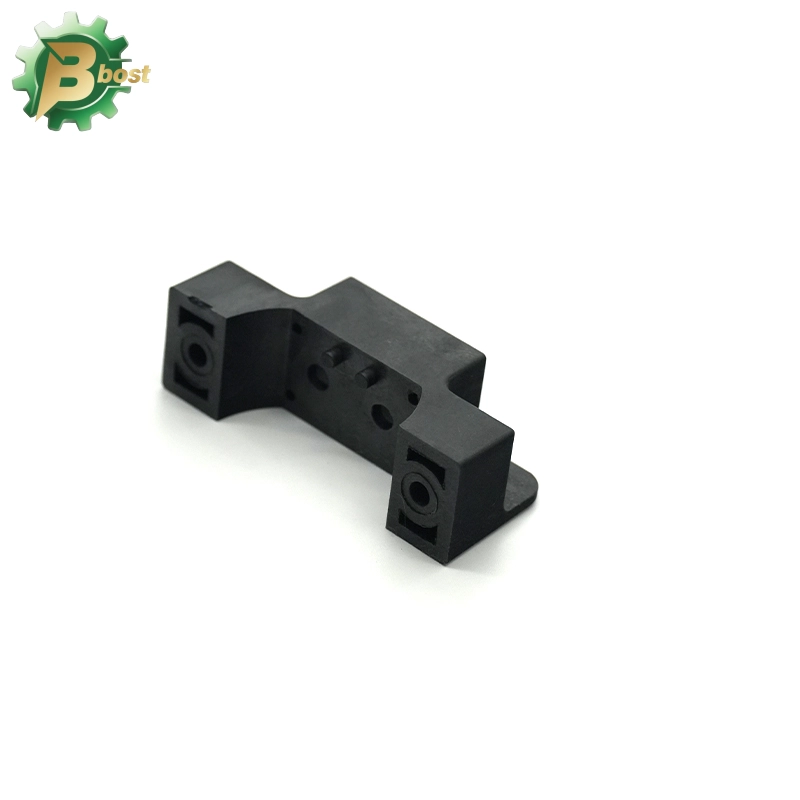
The Bost custom plastic handle by injection molding with high performance PPS material
BOST Custom PPS Injection-Molded Wear-Resistant Handle delivers superior durability and high performance. Made from High Quality PPS material, this injection-molded handle ensures exceptional wear resistance, ideal for demanding applications and long-lasting use. Choose BOST for quality and reliability.
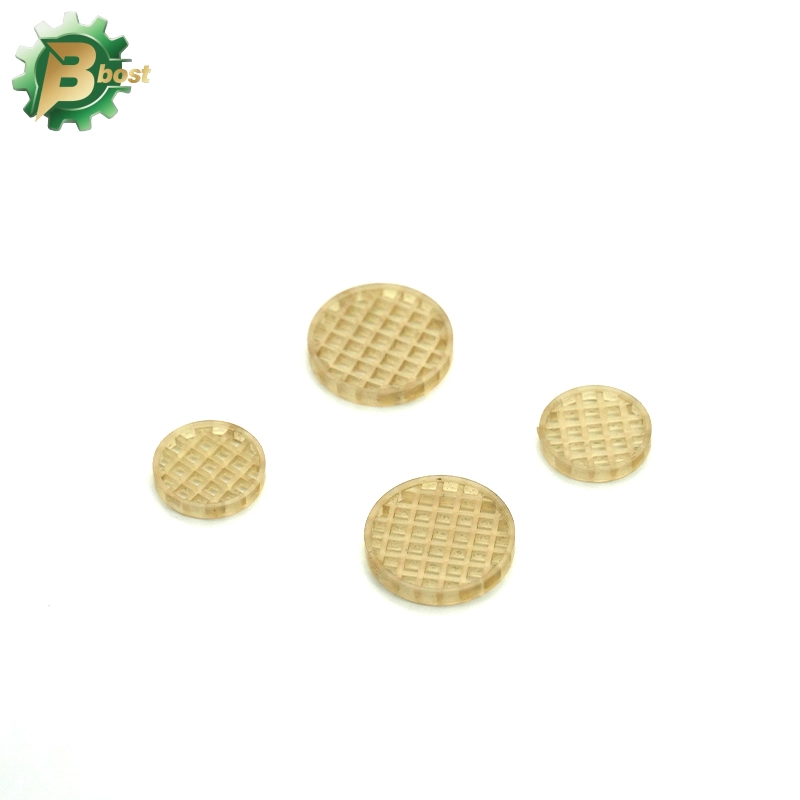
The Bost custom flow meter by injection molding with PES plastic
The Bost Custom PES Injection-Molded Flow Meter offers high-temperature and corrosion resistance, ideal for industrial use. Made with durable PES plastic via precision injection molding, this flow meter ensures reliable, customized performance for demanding applications. Trust Bost for quality and innovation.
Get in touch with Bost
Have any questions or concerns about our products? Please leave us a message here, and our team will get back to you promptly.

24 hours quotes delivered
Submit CAD files, get quote in 24 hours

No MOQ required
From prototyping to high-volume

±0.02 mm Precision
Advanced CNC with full inspections

1,000+ tons in stock
26 materials ready to ship
© 2026 BOST. All Rights Reserved.