
 Scan QR Code
Send My Request
IP Ratings and Sealing Solutions for Plastic Connectors
Friday, 03/6/2026
IP ratings and robust sealing strategies determine the field reliability of plastic connectors used in outdoor and harsh environments. This article explains IP Code meanings, compares common ratings (IP65/IP67/IP68), reviews sealing technologies (gaskets, overmolding, potting), and recommends design and installation best practices for long-lasting, weatherproof plastic connector assemblies — including guidance for using the Bost Black UV-Resistant ABS Outdoor Connector.
- Understanding IP Ratings for Outdoor Connectors
- What the IP code means and why it matters
- How tests are performed (brief overview)
- Choosing the correct IP level for the application
- Sealing Technologies and Materials for Plastic Connectors
- Gaskets, O-rings, and molded seals — pros and cons
- Potting and overmolding for permanent seals
- Material choices: why UV-resistant ABS matters
- Design and Installation Best Practices for Long-Term Sealing
- Connector housing design and cable strain relief
- Assembly, torque, and maintenance considerations
- Field testing and certification
- Comparisons, Typical Applications, and Practical Selection Guide
- IP rating comparison table and typical uses
- UV resistance and environmental durability
- Selecting sealing approaches by lifecycle needs
- Standards, Testing References, and Material Guidance
- Relevant standards and authoritative sources
- Design validation and accelerated aging
- Material selection checklist
- FAQs — IP Ratings and Sealing for Plastic Connectors
- Q: What IP rating do I need for a connector installed under a streetlight?
- Q: How often should gaskets be replaced on outdoor connectors?
- Q: Can I paint or coat ABS connectors for aesthetics without affecting sealing?
- Q: Are potting and overmolding better than gaskets?
- Q: Where can I find the official IP testing procedures?
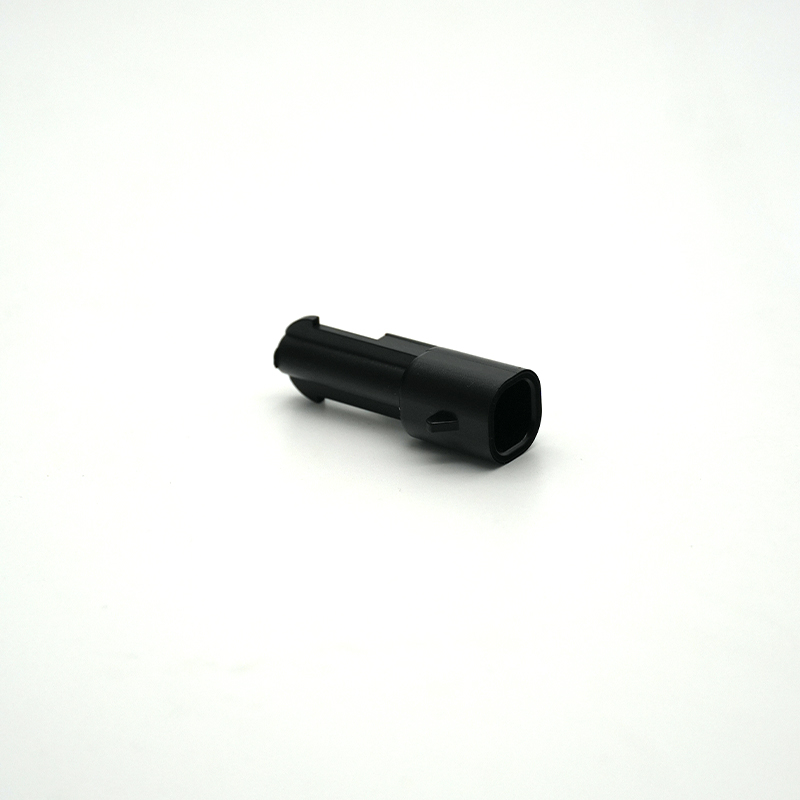
The reliability of plastic connectors in outdoor and harsh environments depends on two complementary factors: the ingress protection (IP) rating of the connector assembly and the effectiveness of sealing solutions used at interfaces. Architects, OEMs, and field technicians need clear guidance on selecting suitable IP levels, matching sealing methods (gaskets, overmolding, potting), and choosing materials such as UV-resistant ABS to avoid premature failures. This article walks through IP code interpretation, sealing options for plastic connectors, material considerations — with a focus on the Bost Black UV-Resistant ABS Outdoor Connector — and practical testing and installation advice to achieve durable, weatherproof installations.
Understanding IP Ratings for Outdoor Connectors
What the IP code means and why it matters
IP (Ingress Protection) ratings, defined in the IEC 60529 / IP Code, are a standardized way to describe how well an enclosure resists solid objects and liquids. The code has two digits: the first indicates protection against solids (dust, fingers), and the second indicates protection against liquids (dripping, jets, immersion). For plastic connectors and cable housings, the IP rating communicates expected field performance and helps specify the right connector for outdoor installations such as lighting, CCTV, solar junctions, or street furniture.
How tests are performed (brief overview)
IP tests are standardized procedures. For example, an IP67 connector has been tested to be dust-tight (6) and to withstand immersion in 1 meter of water for 30 minutes (7). Jet tests (IP65) expose the sample to powerful water jets, while IP68 tests involve prolonged immersion under manufacturer-specified conditions. Although lab tests are controlled, real-world stressors — UV, temperature cycling, mechanical load — can combine to reduce service life, so consider both IP lab results and environmental ratings when specifying connectors.
Choosing the correct IP level for the application
Match IP level to risk and exposure. Common recommendations:
- Indoor, dust-controlled environments: IP20–IP44 may suffice.
- Outdoor sheltered locations (protected from direct spray): IP54–IP65.
- Direct exposure to rain/spray and occasional wash-down: IP65–IP67.
- Permanent immersion: IP68 (confirm depth/time from manufacturer).
For many outdoor electrical and sensor installations, IP67 offers a solid balance of protection. Where UV, salt-spray, or vandalism are concerns, add material and mechanical protection strategies.
Sealing Technologies and Materials for Plastic Connectors
Gaskets, O-rings, and molded seals — pros and cons
Elastomeric seals are the most common sealing method for plastic connectors. Options include flat gaskets, O-rings, and molded lip seals. Advantages: they are serviceable (replaceable), relatively low cost, and effective when compressed correctly. Disadvantages: they can age (hardening, loss of elasticity), require precise compression and groove design, and may be sensitive to chemicals or UV if the wrong elastomer is chosen.
Potting and overmolding for permanent seals
Potting compounds and overmolding create permanent seals around terminations and cable-connector interfaces. Potting (using epoxies, polyurethanes, or silicones) provides excellent environmental protection and vibration damping. Overmolding integrates the cable and connector into a single, double-shot or insert-molded part, eliminating interfaces where water can penetrate. These are excellent for high-vibration or submersible products but limit field serviceability.
Material choices: why UV-resistant ABS matters
Connector housings are commonly made from engineering plastics such as ABS, polycarbonate (PC), or Nylon (PA). ABS offers good toughness, dimensional stability, and cost-efficiency. For outdoor use, UV-stabilized grades are essential to prevent surface embrittlement and color degradation. The ABS chemistry allows UV additives and carbon-black pigmentation, improving outdoor lifespan. The Bost Black UV-Resistant ABS Outdoor Connector uses a high-quality ABS formulation and UV stabilizers that reduce photodegradation and preserve seal compression over years in sunlight-exposed installations.
Design and Installation Best Practices for Long-Term Sealing
Connector housing design and cable strain relief
Good sealing begins with mechanical design. Key design elements include:
- Defined gasket grooves to ensure correct compression and avoid extrusion.
- Integrated strain relief or molded clamp to prevent cable movement from compromising seals.
- Drain/weep channels and venting membranes where condensation is expected.
For field installations, use connectors with built-in strain relief or provide external clamps. The Bost Black UV-Resistant ABS Outdoor Connector features precision-molded housing geometry that accommodates gaskets and allows consistent seal compression.
Assembly, torque, and maintenance considerations
Proper assembly is critical. Over-torquing threaded caps can deform plastic housings or crush gaskets; under-torquing leads to leaks. Follow manufacturer torque specifications and use calibrated drivers where possible. Periodic maintenance — inspecting gaskets for hardening, removing debris, and re-greasing contacts if allowed — extends life. Replace seals on schedule in harsh environments (salt-spray, extreme UV, or chemical exposure).
Field testing and certification
After installation, perform a simple verification: a pressure/vacuum or immersion test where practical, and visual inspection for ingress. For production devices, third-party certification to IEC/EN/ISO standards (e.g., IEC 60529 for IP) and environmental aging tests such as ASTM G154 (accelerated UV exposure) provide documented evidence of performance. Consider salt-fog testing for coastal applications and thermal cycling for outdoor electronics undergoing large temperature swings.
Comparisons, Typical Applications, and Practical Selection Guide
IP rating comparison table and typical uses
The table below summarizes common IP levels and example applications for plastic connectors.
| IP Rating | Protection | Typical Applications |
|---|---|---|
| IP54 | Limited dust ingress; splash-proof | Indoor/outdoor sheltered fixtures, junction boxes under eaves |
| IP65 | Dust-tight; protected against water jets | Outdoor lighting, exposed cable runs, signage |
| IP67 | Dust-tight; temporary immersion (1m/30min) | Outdoor sensors, irrigation controls, weather-exposed connectors |
| IP68 | Dust-tight; prolonged immersion per manufacturer spec | Submersible pumps, underwater cameras, marine connectors |
UV resistance and environmental durability
IP ratings do not address UV aging, chemical resistance, or mechanical impact. For outdoor connectors, combine an appropriate IP rating with UV-stable materials and coatings. The Bost Black UV-Resistant ABS Outdoor Connector combines an IP-rated sealing system with a UV-protected housing, minimizing crack formation and preserving gasket compression even after extended sunlight exposure.
Selecting sealing approaches by lifecycle needs
Choose sealing strategies based on serviceability and expected lifespan:
- Serviceable systems: use replaceable gaskets/O-rings and service-friendly housings (good for field-replaceable connectors).
- Permanent protection: choose potting or overmolding for tamper-proof, vibration-prone applications.
- Hybrid approach: overmold critical interfaces and use a gasket for the removable access panel — this gives protection while allowing limited service.
Standards, Testing References, and Material Guidance
Relevant standards and authoritative sources
Use industry standards to guide specifications. Key references include the IEC 60529 IP Code (for ingress testing), ASTM G154 (UV exposure testing), and material data from organizations such as PlasticsEurope for polymer properties. Standards help ensure consistent testing and communicate expectations between OEMs and suppliers.
Design validation and accelerated aging
Accelerated environmental testing (UV, salt-fog, thermal cycling) reveals failure modes faster than field trials. Pair accelerated tests with real-world pilot installations to validate assumptions about seal longevity and housing stability. Documented test reports from independent labs increase confidence and support compliance claims to customers and regulators.
Material selection checklist
When choosing materials for connectors and seals, evaluate:
- UV resistance (additives, carbon black, stabilizers)
- Chemical resistance (cleaners, solvents, oils in use environment)
- Temperature range and thermal cycling tolerance
- Mechanical strength and impact resistance
- Compatibility between elastomers and plastics (to avoid stress cracking)
FAQs — IP Ratings and Sealing for Plastic Connectors
Q: What IP rating do I need for a connector installed under a streetlight?
A: For under-streetlight installations exposed to rain and occasional splash, IP65 is typically sufficient. If the connector might be submerged momentarily (ponding or heavy runoff), consider IP67. Also ensure UV-resistant housing and good strain relief to handle thermal cycling.
Q: How often should gaskets be replaced on outdoor connectors?
A: Replacement intervals depend on environment. In moderate climates, inspect annually and replace every 3–5 years. In high-UV, coastal, or chemically aggressive environments, inspect every 6 months and replace more frequently as needed.
Q: Can I paint or coat ABS connectors for aesthetics without affecting sealing?
A: Painting can change surface properties and may interfere with gasket sealing or accelerates UV degradation of the coating. If coating is needed, use compatible coatings specified for ABS and validate seal performance after coating. Black UV-stabilized housings such as the Bost Black UV-Resistant ABS Outdoor Connector eliminate the need for paint in many applications.
Q: Are potting and overmolding better than gaskets?
A: Potting and overmolding provide superior permanent protection and vibration resistance but reduce serviceability. Gaskets are preferable where field access and replacement are expected. Choose based on maintenance plans and lifecycle expectations.
Q: Where can I find the official IP testing procedures?
A: Official test procedures are defined by IEC 60529 (IP Code). Public summaries are available on Wikipedia, and full test specifications are available from standards bodies such as ISO and the IEC. For UV and environmental aging, consult ASTM G154.
For tailored advice on sealing strategies, material selection, or to request technical datasheets and IP test reports, contact our sales and engineering team. View or purchase the Bost Black UV-Resistant ABS Outdoor Connector: Product Page. Or contact us directly: sales@example.com.
Tags
Shaft component protection
Shaft component protection
High-Temp Resistant Guiding
High-Temp Resistant Guiding
Tube with Screw
Tube with Screw
Medical Equipment
Medical Equipment
Durable chemical-resistant
Durable chemical-resistant
custom plastic spur gears
custom plastic spur gears
Recommended for you
Surface Finish Options for Black ABS Plastic Connectors
Why Custom Injection Molding Is Essential for High-Precision Parts
Why Choose Black UV-Resistant ABS Plastic Connectors
What is fluoroplastic ?
Prdoucts Categories
Question you may concern
FAQs
How do I select the appropriate engineering plastic grade for my product?
Selection should be based on parameters such as load conditions (e.g., pressure/friction), temperature range, medium contact (e.g., oil/acid), and regulatory requirements (e.g., FDA/RoHS). Our engineers can provide free material selection consulting and sample testing.
Can Bost customize modified plastics with special properties?
Yes! We offer modification services such as reinforcement, flame retardancy, conductivity, wear resistance, and UV resistance, for example:
• Adding carbon fiber to enhance stiffness
• Reducing the coefficient of friction through PTFE modification
• Customizing food-grade or medical-grade certified materials
What is the minimum order quantity (MOQ)? Do you support small-batch trial production?
The MOQ for standard products is ≥100kg. We support small-batch trial production (as low as 20kg) and provide mold testing reports and performance data feedback.
What are the core advantages of Bost engineering plastics compared to ordinary plastics?
Bost engineering plastics feature ultra-high mechanical strength, high-temperature resistance (-50°C to 300°C), chemical corrosion resistance, and wear resistance. Compared to ordinary plastics, their service life is extended by 3 to 8 times, making them suitable for replacing metals in harsh environments.
What is the delivery lead time? Do you offer global logistics?
Standard products: 5–15 working days; custom modifications: 2–4 weeks. We support global air/sea freight and provide export customs clearance documents (including REACH/UL certifications).
You may also like
The plastic plug manufactured by Insert molding with stainless steel plate
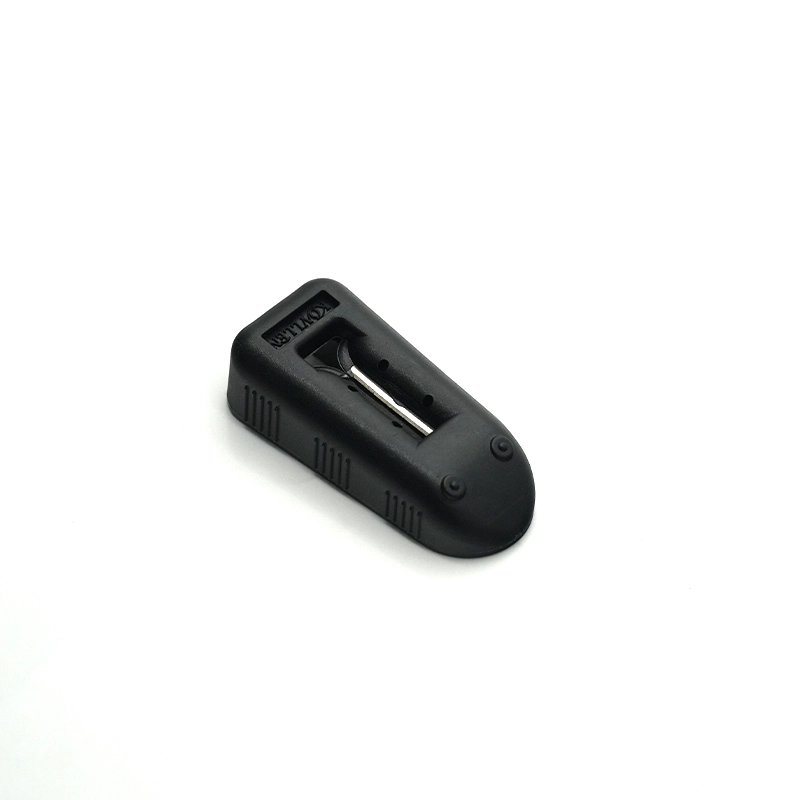
Bost’s Insert-Molded Stainless Steel Plate Plastic Plug offers superior durability and corrosion resistance. This stainless steel insert durable plastic plug ensures a secure fit and long-lasting performance, ideal for industrial and commercial applications. Robust design meets quality standards.
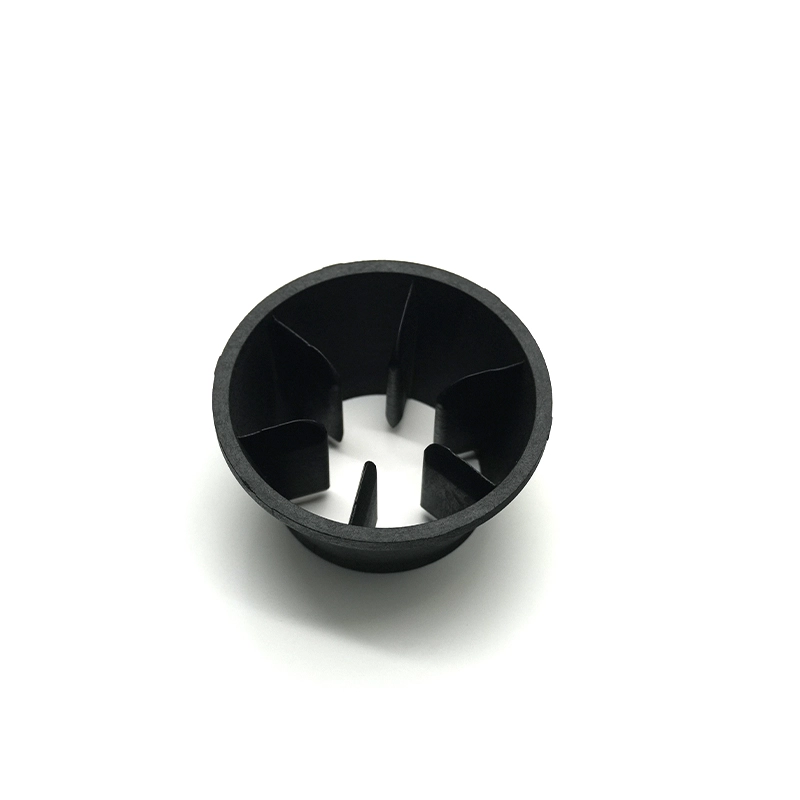
The Bost custom PPO flow valve by injection molding
The BOST Custom PPO Injection-Molded Flow Valve delivers high-temp and corrosion-resistant performance for industrial flow control. Precision-engineered by Bost, this custom PPO valve ensures durable, reliable operation in demanding environments. Optimize your process with BOST’s advanced injection-molded solution.
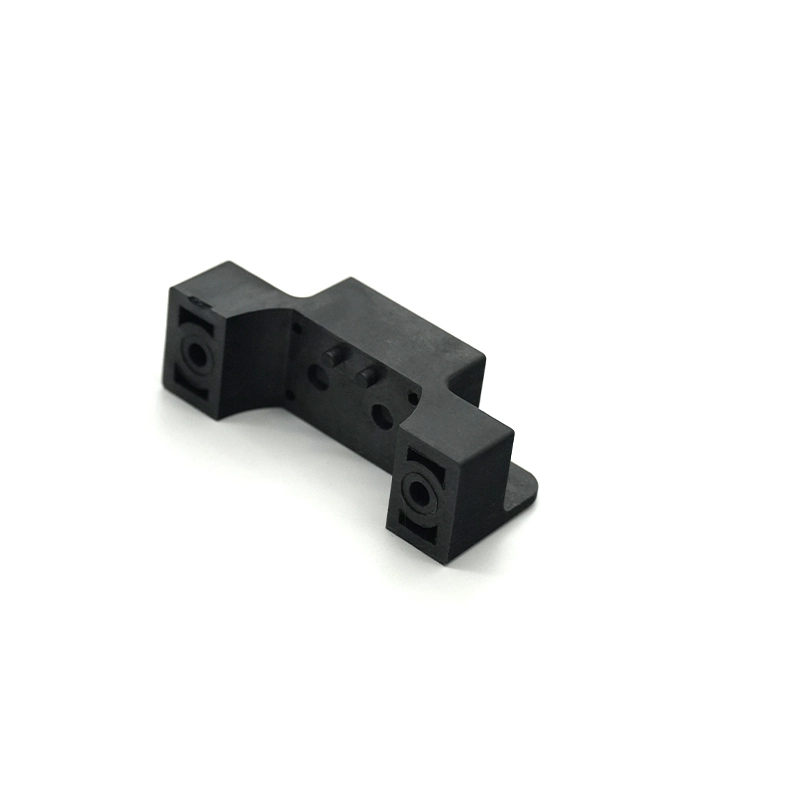
The Bost custom plastic handle by injection molding with high performance PPS material
BOST Custom PPS Injection-Molded Wear-Resistant Handle delivers superior durability and high performance. Made from High Quality PPS material, this injection-molded handle ensures exceptional wear resistance, ideal for demanding applications and long-lasting use. Choose BOST for quality and reliability.
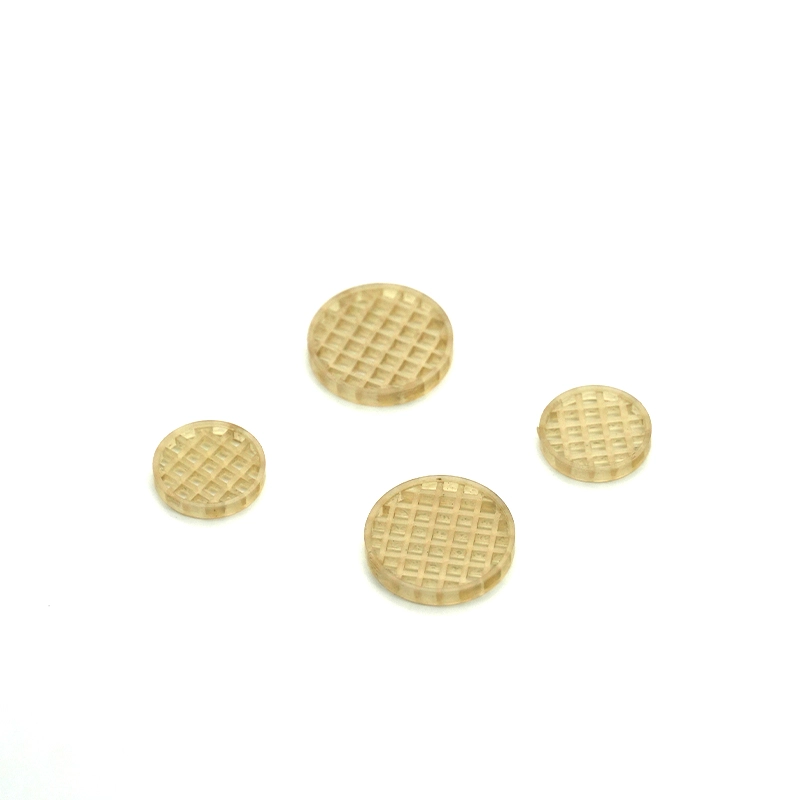
The Bost custom flow meter by injection molding with PES plastic
The Bost Custom PES Injection-Molded Flow Meter offers high-temperature and corrosion resistance, ideal for industrial use. Made with durable PES plastic via precision injection molding, this flow meter ensures reliable, customized performance for demanding applications. Trust Bost for quality and innovation.
Get in touch with Bost
Have any questions or concerns about our products? Please leave us a message here, and our team will get back to you promptly.

24 hours quotes delivered
Submit CAD files, get quote in 24 hours

No MOQ required
From prototyping to high-volume

±0.02 mm Precision
Advanced CNC with full inspections

1,000+ tons in stock
26 materials ready to ship
© 2026 BOST. All Rights Reserved.