 Scan QR Code
Send My Request
Surface Finish Options for Black ABS Plastic Connectors
Friday, 02/13/2026
Surface finish selection for black, UV-resistant ABS plastic connectors directly impacts durability, aesthetics, and weatherproof performance. This guide explains common finishes (matte, gloss, textured), UV and weathering considerations, testing standards, manufacturing tips, and maintenance to help engineers and specifiers choose the best finish for outdoor plastic connectors.
- Why Surface Finish Matters for Outdoor Plastic Connectors
- Functionality: Beyond Looks
- Durability: UV, Weathering, and Contamination
- Aesthetic and Brand Considerations
- Common Surface Finish Types for Black ABS Connectors
- Gloss (Smooth High Shine)
- Matte and Satin
- Textured (Micro-Texture and Macro-Texture)
- Coated Finishes (Paints, Powder, and Protective Coatings)
- Performance Considerations: UV, Weather, and Durability
- Standards and Testing for Outdoor Use
- UV Stabilizers, Carbon Black, and Pigment Choices
- Impact, Temperature, and Mechanical Life
- Manufacturing and Application Best Practices
- Mold Design and Surface Replication
- Post-Process Options and Coating Selection
- Design for Assembly and Field Maintenance
- Comparative Table: Surface Finish Trade-offs
- Testing, Validation, and Specification Tips
- Develop Clear Acceptance Criteria
- Prototype in Realistic Conditions
- Work with Material and Tooling Suppliers
- Frequently Asked Questions (FAQ)
- Q: Which finish is best for outdoor black ABS connectors?
- Q: How do I specify UV resistance for a connector?
- Q: Will texture trap dirt and corrosion products?
- Q: Can I repaint or refinish connectors in the field?
- Q: What are the most common failure modes for finishes outdoors?
- Q: Are there regulatory or safety standards I should consider?
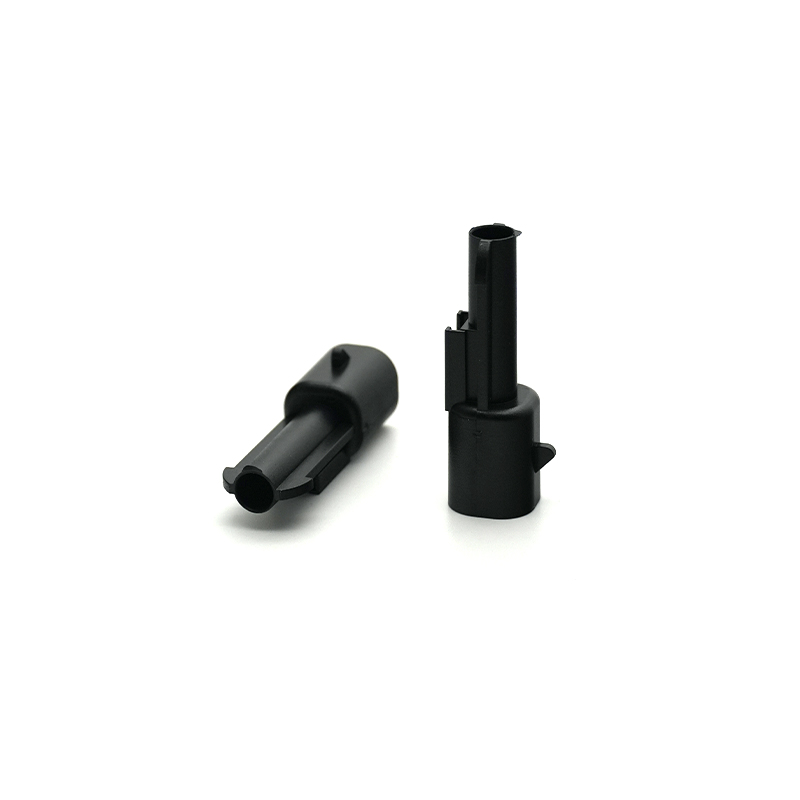
The Bost Black UV-Resistant ABS Outdoor Connector offers superior weather resistance and durability. Made from high-quality ABS plastic, this precision connector ensures reliable performance in harsh outdoor conditions, making it ideal for long-lasting, weatherproof installations. Choosing the right surface finish for these black ABS plastic connectors affects UV stability, dirt pickup, tactile feel, and long-term appearance — all critical for outdoor electrical, lighting, telecom, and industrial connections.
Why Surface Finish Matters for Outdoor Plastic Connectors
Functionality: Beyond Looks
Surface finish on plastic connectors is not merely an aesthetic choice. It influences friction during mating and unmating, sealing effectiveness, and resistance to abrasion and grime. For example, a smooth gloss finish may offer easier cleaning and lower friction for frequent connects, while a micro-textured finish improves grip and hides minor surface damage during installation in the field. Integrating finish selection into product engineering helps ensure the connector meets its mechanical and environmental requirements.
Durability: UV, Weathering, and Contamination
Black ABS connectors used outdoors must resist UV-induced fading, chalking, and surface embrittlement. Surface finish interacts with UV stabilizers and coatings — a glossy surface might show chalking sooner than a matte or textured finish, depending on formulation and exposure. Selecting an appropriate finish together with UV-resistant ABS material and additives ensures long-term service life in sun, rain, and salt-spray environments.
Aesthetic and Brand Considerations
Connectors are often visible on enclosures, lighting fixtures, and street installations. The finish affects perceived quality: high-gloss black projects a High Quality look while a matte or satin black can appear more utilitarian and better conceal fingerprints. For consistent product families, matching finishes across housings and connector parts helps maintain brand identity.
Common Surface Finish Types for Black ABS Connectors
Gloss (Smooth High Shine)
Gloss finishes provide a smooth, reflective surface that is easy to wipe clean and resist accumulation of dust and liquids. For plastic connectors, gloss is often achieved directly from high-polish molds or by post-mold polishing. Advantages include low friction for mating/unmating cycles and a High Quality appearance. Drawbacks: gloss highlights scratches and may show UV frosting sooner on some ABS compounds.
Matte and Satin
Matte and satin finishes reduce surface reflection, hide minor scratches, and minimize visible fingerprints. A matte finish can be produced by textured mold surfaces, chemical etches, or blast/textured post-processes. These finishes are popular for outdoor connectors because they tend to mask weathering and maintain a uniform appearance over time.
Textured (Micro-Texture and Macro-Texture)
Textured finishes range from fine micro-textures that improve grip and hide blemishes to deeper textures used for high-friction or tactile areas. Texturing helps installers manipulate connectors in wet or gloved conditions. Textured surfaces also change how dirt and moisture bead, which can improve perceived cleanliness or, conversely, trap contaminants if poorly designed.
Coated Finishes (Paints, Powder, and Protective Coatings)
Surface coatings can add UV barriers, chemical resistance, or color consistency. For black UV-resistant ABS connectors, thin inline coatings or UV-curable topcoats extend outdoor life and resist fading. Coatings should be selected and tested for adhesion to ABS and for flexibility, since rigid coatings may crack with thermal cycling.
Performance Considerations: UV, Weather, and Durability
Standards and Testing for Outdoor Use
Specify finishes and materials that have been tested to recognized standards. Accelerated weathering tests such as ASTM D4329 and international methods like ISO 4892 simulate UV exposure and help predict long-term performance. For flammability and material safety, refer to UL 94. For material background on ABS, see the ABS page on Wikipedia. Peer-reviewed studies and reviews (e.g., weathering of polymeric materials) provide deeper insights into degradation mechanisms; a useful open-access review is available at MDPI Materials.
UV Stabilizers, Carbon Black, and Pigment Choices
Black ABS for outdoor connectors often incorporates carbon black and UV stabilizers. Carbon black provides excellent UV absorption and helps prevent chain scission in the polymer, but its concentration and dispersion affect surface gloss and texture. Organic pigments and some dyes can accelerate UV degradation and are generally avoided for outdoor black parts. Work with materials suppliers to select grades with documented outdoor performance.
Impact, Temperature, and Mechanical Life
Surface finish must not compromise mechanical function. Coatings should adhere through thermal cycles; textures should not create stress concentrations that reduce impact toughness. For connectors that experience frequent mating cycles, evaluate wear resistance and friction coefficients for each finish option during prototype validation.
Manufacturing and Application Best Practices
Mold Design and Surface Replication
The simplest way to control finish is via the mold surface. Polished tool steel produces high-gloss finishes, while bead-blasted or chemically etched tooling creates matte or micro-textured surfaces. Tool maintenance and consistent molding parameters are crucial: flashing, sink marks, and inconsistent gloss are often molding-related and not material faults.
Post-Process Options and Coating Selection
When mold replication is insufficient, post-process treatments (e.g., painting, UV coatings, plasma treatments) can improve surface performance. For UV protection, thin UV-cure topcoats applied inline are effective. Ensure coatings are qualified for adhesion to ABS and tested per relevant standards (salt spray, humidity, UV cycles).
Design for Assembly and Field Maintenance
Specify finishes in combination with gaskets, seals, and fasteners. A textured mating face may require a gasket with complementary surface to maintain IP ratings. Include serviceability in the design: finishes that are easy to clean or resist staining reduce lifecycle maintenance costs for outdoor installations.
Comparative Table: Surface Finish Trade-offs
Use this table to compare common finish options for black ABS connectors and select the one best aligned to your application requirements.
| Finish | Visual | UV Resistance (relative) | Scratch/Mark Visibility | Typical Applications |
|---|---|---|---|---|
| Gloss | High shine | Medium (depends on pigment/additives) | High visibility of scratches | Architectural fixtures, consumer-facing connectors |
| Matte / Satin | Low to medium sheen | High (often masks chalking) | Low visibility | Street lighting, telecom housings, industrial enclosures |
| Textured | Non-reflective, tactile | High (texture hides minor weathering) | Lowest visibility | Handheld connectors, outdoor equipment in dirty/wet environments |
| Coated (UV topcoat) | Varies (gloss to matte) | Very High (if designed correctly) | Depends on underlying finish/coating durability | Critical outdoor installations requiring extended life |
Testing, Validation, and Specification Tips
Develop Clear Acceptance Criteria
For procurement and validation, specify pass/fail criteria: allowable color shift (Delta E), gloss retention percentage, absence of cracking or adhesion loss in coatings, and IP ingress performance after weathering tests. Accelerated testing per ASTM/ISO provides repeatable comparative data to inform final selection.
Prototype in Realistic Conditions
Field trials are indispensable. Install prototype connectors in representative mounting positions and monitor for at least one seasonal cycle where possible. Combine field exposure with accelerated lab tests to triangulate expected service life.
Work with Material and Tooling Suppliers
Leverage supplier data sheets and request long-term exposure data. High-quality carbon black grades and UV packages are often the difference between a 3-year and a 10-year outdoor life. Coordinate with your tooling partner to ensure mold textures match the intended finish during production runs.
Frequently Asked Questions (FAQ)
Q: Which finish is best for outdoor black ABS connectors?
A: For most outdoor applications, a matte or micro-textured finish combined with a UV-stabilized ABS compound (including carbon black and HALS/UV absorbers) offers the best balance of appearance, weathering resistance, and grip. Coated finishes provide extra protection where maximum life is required.
Q: How do I specify UV resistance for a connector?
A: Specify material grade (UV package), required lifetime (e.g., 5, 10, 15 years), and testing standards such as ASTM D4329 or ISO 4892. Include acceptance criteria like maximum color change (Delta E) and retention of mechanical properties.
Q: Will texture trap dirt and corrosion products?
A: Fine micro-textures are designed to minimize dirt visibility while maintaining grip; however, very deep textures can trap contaminants. Balance texture depth and cleaning requirements — use smoother mating faces where seals are present, and textured gripping surfaces elsewhere.
Q: Can I repaint or refinish connectors in the field?
A: Field refinishing is generally not recommended for sealed or safety-critical connectors. If painting is needed for identification, use flexible, adhesion-promoting coatings compatible with ABS and verify that coatings do not degrade seals or affect clearances.
Q: What are the most common failure modes for finishes outdoors?
A: Common issues include UV chalking, color fade, cracking or flaking of incompatible coatings, and abrasion from particulate exposure. Proper material selection, UV stabilizers, and validated coatings mitigate these risks.
Q: Are there regulatory or safety standards I should consider?
A: Yes. Consider flammability classifications such as UL 94 for electrical products, and reference industry-specific standards for connector safety and ingress protection (e.g., IP ratings). Use ISO/ASTM weathering standards for outdoor durability validation.
If you need a reliable, field-proven option, consider the Bost Black UV-Resistant ABS Outdoor Connector. It combines a UV-stabilized ABS formulation with finishes engineered for outdoor longevity and dependable weatherproof performance. View product details or contact our technical sales team for specification help: Bost Black UV-Resistant ABS Outdoor Connector. For immediate assistance, contact our support team to request samples, test data, or help specifying the ideal finish for your application.
References: ABS material overview (Wikipedia), UV/weathering test methods (ASTM D4329, ISO 4892), flammability guidelines (UL 94), and a review on polymer weathering (MDPI Materials).
Tags
plastic injection molding
plastic injection molding
Impact-Resistant Lightweight
Impact-Resistant Lightweight
Tough & Tight-Bonded Components
Tough & Tight-Bonded Components
plastic pulley
plastic pulley
UHMWPE Material
UHMWPE Material
Durable chemical-resistant
Durable chemical-resistant
Recommended for you
Why Custom Injection Molding Is Essential for High-Precision Parts
IP Ratings and Sealing Solutions for Plastic Connectors
Certifications and Standards for UV-Resistant ABS Connectors
How to Read Datasheets for ABS Plastic Connectors
Prdoucts Categories
Question you may concern
FAQs
What is the delivery lead time? Do you offer global logistics?
Standard products: 5–15 working days; custom modifications: 2–4 weeks. We support global air/sea freight and provide export customs clearance documents (including REACH/UL certifications).
What is the minimum order quantity (MOQ)? Do you support small-batch trial production?
The MOQ for standard products is ≥100kg. We support small-batch trial production (as low as 20kg) and provide mold testing reports and performance data feedback.
Can Bost customize modified plastics with special properties?
Yes! We offer modification services such as reinforcement, flame retardancy, conductivity, wear resistance, and UV resistance, for example:
• Adding carbon fiber to enhance stiffness
• Reducing the coefficient of friction through PTFE modification
• Customizing food-grade or medical-grade certified materials
What are the core advantages of Bost engineering plastics compared to ordinary plastics?
Bost engineering plastics feature ultra-high mechanical strength, high-temperature resistance (-50°C to 300°C), chemical corrosion resistance, and wear resistance. Compared to ordinary plastics, their service life is extended by 3 to 8 times, making them suitable for replacing metals in harsh environments.
How do I select the appropriate engineering plastic grade for my product?
Selection should be based on parameters such as load conditions (e.g., pressure/friction), temperature range, medium contact (e.g., oil/acid), and regulatory requirements (e.g., FDA/RoHS). Our engineers can provide free material selection consulting and sample testing.
You may also like
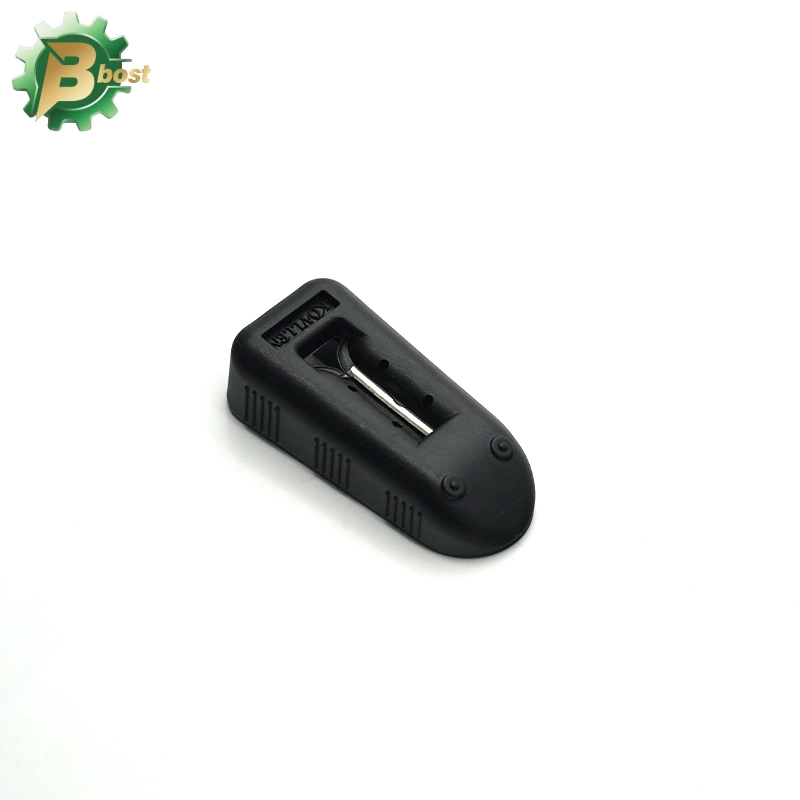
The plastic plug manufactured by Insert molding with stainless steel plate
Bost’s Insert-Molded Stainless Steel Plate Plastic Plug offers superior durability and corrosion resistance. This stainless steel insert durable plastic plug ensures a secure fit and long-lasting performance, ideal for industrial and commercial applications. Robust design meets quality standards.
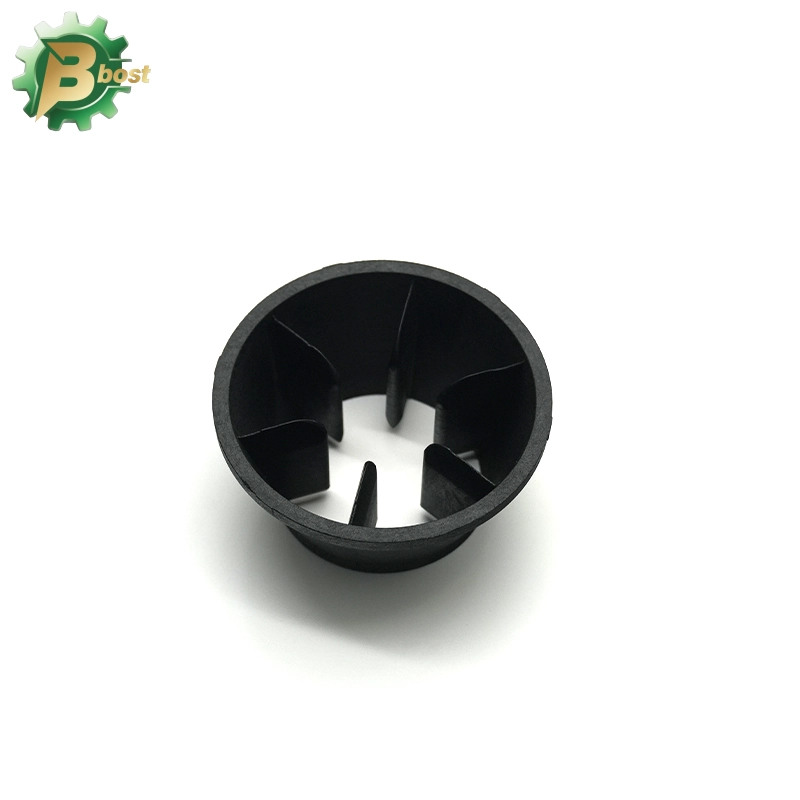
The Bost custom PPO flow valve by injection molding
The BOST Custom PPO Injection-Molded Flow Valve delivers high-temp and corrosion-resistant performance for industrial flow control. Precision-engineered by Bost, this custom PPO valve ensures durable, reliable operation in demanding environments. Optimize your process with BOST’s advanced injection-molded solution.
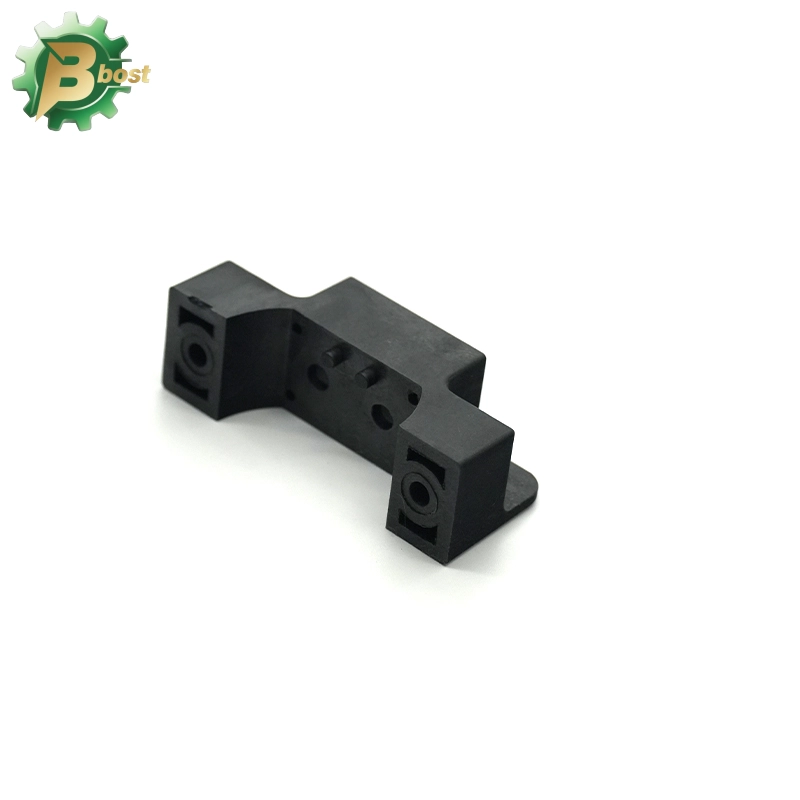
The Bost custom plastic handle by injection molding with high performance PPS material
BOST Custom PPS Injection-Molded Wear-Resistant Handle delivers superior durability and high performance. Made from High Quality PPS material, this injection-molded handle ensures exceptional wear resistance, ideal for demanding applications and long-lasting use. Choose BOST for quality and reliability.
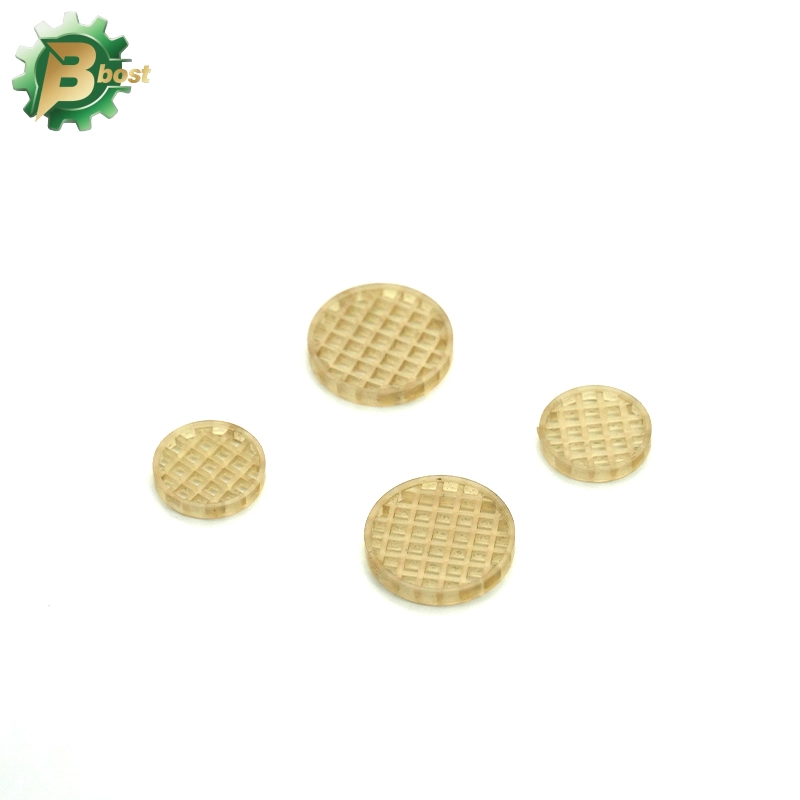
The Bost custom flow meter by injection molding with PES plastic
The Bost Custom PES Injection-Molded Flow Meter offers high-temperature and corrosion resistance, ideal for industrial use. Made with durable PES plastic via precision injection molding, this flow meter ensures reliable, customized performance for demanding applications. Trust Bost for quality and innovation.
Get in touch with Bost
Have any questions or concerns about our products? Please leave us a message here, and our team will get back to you promptly.

24 hours quotes delivered
Submit CAD files, get quote in 24 hours

No MOQ required
From prototyping to high-volume

±0.02 mm Precision
Advanced CNC with full inspections

1,000+ tons in stock
26 materials ready to ship
© 2026 BOST. All Rights Reserved.