 Scan QR Code
Send My Request
Why Choose Black UV-Resistant ABS Plastic Connectors
Tuesday, 02/3/2026
The Bost Black UV-Resistant ABS Outdoor Connector delivers long-lasting, weatherproof performance for outdoor installations. Manufactured from high-grade UV-stabilized ABS, this precision plastic connector provides superior resistance to sunlight, temperature swings, moisture, and impact—making it an ideal choice for durable outdoor electrical and low-voltage connections and housings.
- Outdoor Performance: Why ABS Matters for Weatherproof Connections
- UV resistance and long-term outdoor stability
- Resistance to temperature swings, moisture, and impact
- How ABS compares to other common plastics for connectors
- Design and Installation Benefits of Black UV-Resistant ABS Plastic Connectors
- Precision molding and consistent fit
- Coloration, camouflage, and thermal performance
- Compatibility with gaskets and sealing systems
- Choosing the Right Black and UV Resistant ABS Plastic Connector
- Match the connector to the environment
- Verify testing standards and certifications
- Electrical and ingress protection considerations
- Maintenance, Longevity, and Cost of Ownership
- Simple inspection and preventive maintenance
- Expected service life and lifecycle cost comparison
- Recycling and environmental considerations
- Application Examples and Use Cases
- Outdoor lighting and signage
- Security cameras, sensors, and low-voltage equipment
- Outdoor AV, marine trim, and architectural installations
- References and Authoritative Guidance
- FAQ
- Q: What makes a Black and UV resistant ABS plastic connector different from standard ABS connectors?
- Q: Can black ABS connectors be used in marine environments?
- Q: How do I verify a connector's UV performance?
- Q: Are black ABS connectors compatible with aftermarket gaskets and seals?
- Q: What IP rating should I look for in an outdoor ABS connector?
- Q: How should I maintain outdoor ABS connectors?
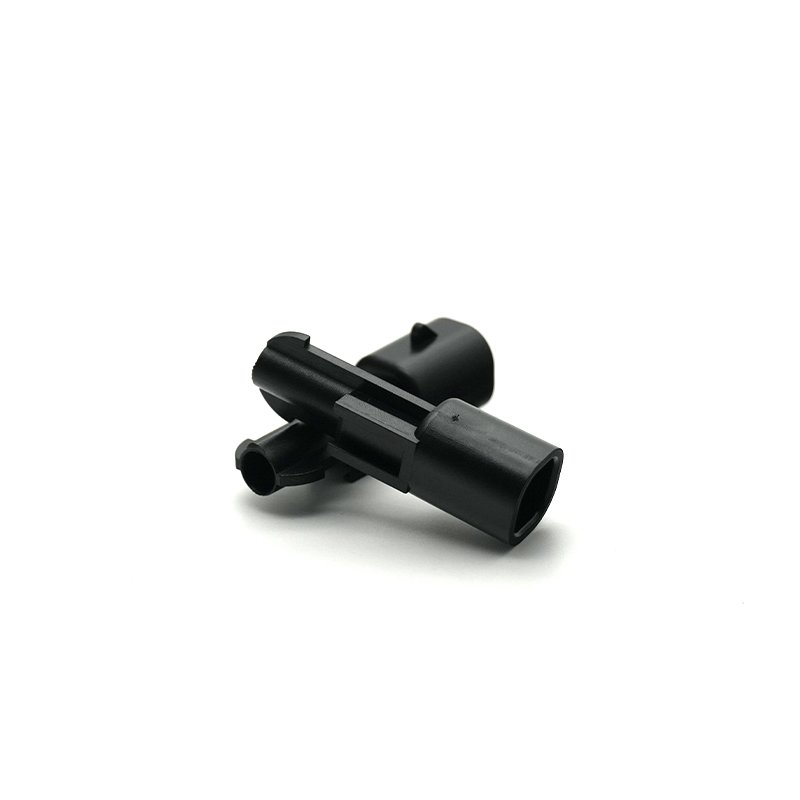
The Bost Black UV-Resistant ABS Outdoor Connector offers superior weather resistance and durability. Made from high-quality ABS plastic, this precision connector ensures reliable performance in harsh outdoor conditions, making it ideal for long-lasting, weatherproof installations. This article explains the technical and practical reasons to choose black UV-resistant ABS plastic connectors for outdoor and exposed applications, compares common materials, and outlines selection, installation, and maintenance best practices.
Outdoor Performance: Why ABS Matters for Weatherproof Connections
UV resistance and long-term outdoor stability
Black and UV resistant ABS plastic connector housings are engineered to withstand prolonged sun exposure. ABS modified or stabilized for UV environments resists photo-degradation and maintains mechanical integrity, color, and dimensional stability far better than untreated polymers. UV stabilizers and carbon black additives are commonly used to protect the polymer chains from ultraviolet radiation and reduce surface chalking and embrittlement.
Resistance to temperature swings, moisture, and impact
ABS offers a balanced combination of toughness and rigidity, making it resistant to impact at moderate temperatures while maintaining shape under thermal cycling. For outdoor connectors that face rain, dew, freeze-thaw cycles, and occasional impacts, UV-resistant ABS provides a reliable housing material that helps preserve sealing features and strain-relief geometry critical for weatherproof performance.
How ABS compares to other common plastics for connectors
When evaluating materials for plastic connectors, consider UV durability, mechanical strength, chemical resistance, and cost. The table below compares UV-stabilized ABS to polycarbonate (PC), nylon (PA), and PVC for outdoor connector housings.
| Property | UV-Stabilized ABS | Polycarbonate (PC) | Nylon (PA) | PVC |
|---|---|---|---|---|
| UV Resistance (outdoor) | Good (with UV stabilizers/carbon black) | Fair to good (prone to yellowing without stabilizers) | Poor to fair (absorbent; degrades without additives) | Fair (stiff, can become brittle) |
| Impact Strength | Good | Excellent | Good to excellent | Moderate |
| Moisture Resistance | Good (low absorption) | Good | Higher absorption | Good |
| Chemical Resistance | Moderate | Good | Good | Moderate |
| Cost | Low to moderate | Higher | Moderate | Low |
For many outdoor connector applications, the combination of cost-effectiveness and tailored UV protection makes ABS the practical choice. For reference on ABS chemistry and properties, see the ABS entry on Wikipedia for material fundamentals: https://en.wikipedia.org/wiki/Acrylonitrile_butadiene_styrene.
Design and Installation Benefits of Black UV-Resistant ABS Plastic Connectors
Precision molding and consistent fit
A major advantage of ABS is its excellent injection-molding behavior. Precision connector housings, snap-fit features, threaded bosses, and integrated seals are reliably produced to tight tolerances, reducing assembly variation and improving weatherproof performance. For installers, that translates to connectors that align, fasten, and seal consistently on every junction.
Coloration, camouflage, and thermal performance
Black typically absorbs more heat, which can be beneficial for preventing condensation in cold climates if designed properly. More importantly, carbon-black filled ABS not only yields durable black coloration but also significantly enhances UV protection. This dual role of carbon black (colorant + UV absorber) gives black ABS connectors a practical advantage in outdoor deployments.
Compatibility with gaskets and sealing systems
ABS is compatible with many elastomeric gaskets and potting compounds used in weatherproof connectors. Proper material pairing ensures long-term sealing performance; manufacturers often recommend silicone or EPDM gaskets for UV-resistant ABS housings because these elastomers maintain flexibility and adhesion across a wide temperature range.
Choosing the Right Black and UV Resistant ABS Plastic Connector
Match the connector to the environment
When selecting plastic connectors for an outdoor installation, evaluate UV exposure (full sun vs shaded), temperature extremes, chemical exposure (salt spray near coasts), and mechanical loads. Choose connectors specified for UV resistance and outdoor ratings. Independent weathering and UV exposure testing per standards helps verify suitability.
Verify testing standards and certifications
Look for products tested to recognized weathering standards such as ASTM G154 for UV exposure and ISO 4892 for plastics weathering methods. These tests simulate sunlight and measure changes in color, mechanical properties, and surface breakdown. See ASTM G154 for laboratory UV exposure methods here: https://www.astm.org/g154-16. and ISO weathering processes: https://www.iso.org/standard/63787..
Electrical and ingress protection considerations
While ABS provides enclosure durability, ensure the connector design also meets required IP (Ingress Protection) ratings for dust and water resistance (IEC 60529). For many outdoor electrical and low-voltage applications, IP65–IP68-rated connectors with UV-stable ABS housings deliver the necessary protection against water jets and immersion. For IP standards, refer to IEC 60529 documentation and guidance from standards organizations.
Maintenance, Longevity, and Cost of Ownership
Simple inspection and preventive maintenance
ABS connectors require minimal maintenance. Regular visual inspections to check for cracking, seal integrity, and discoloration are usually sufficient. Replace connectors that show significant surface chalking, deep cracking, or seal failure. Routine checks after extreme weather events (hurricanes, hail, prolonged heat waves) are recommended for exposed installations.
Expected service life and lifecycle cost comparison
With proper UV stabilization and correct installation, black UV-resistant ABS connectors can last many years in outdoor service. Lifecycle cost is often lower than higher-cost alternatives because of reduced replacement frequency and lower initial material cost. The table below summarizes expected outcomes in typical outdoor conditions:
| Material | Expected Outdoor Service Life | Typical Lifecycle Issues |
|---|---|---|
| UV-Stabilized ABS | 7–15 years (application dependent) | Surface chalking if additives insufficient; seal wear |
| Polycarbonate (UV-stabilized) | 5–12 years | Yellowing without stabilizers; higher cost |
| Nylon (UV-stabilized) | 3–10 years | Moisture absorption affects dimensions |
Recycling and environmental considerations
ABS is recyclable and widely processed in municipal and industrial recycling streams. When selecting connectors for sustainable projects, ask manufacturers about recycled-content options and end-of-life recovery programs. For broader context on plastics recycling and environmental impacts, PlasticsEurope provides industry facts on materials including ABS: https://www.plasticseurope.org/en/about-plastics/major-polymers/abs.
Application Examples and Use Cases
Outdoor lighting and signage
Black UV-resistant ABS connectors are widely used in outdoor lighting fixtures, pathway lighting, and illuminated signage where sunlight exposure and weatherproofing are critical. Precision-fit housings protect internal wiring and terminals while enabling secure mechanical mounting.
Security cameras, sensors, and low-voltage equipment
Surveillance cameras and environmental sensors often require discreet, robust enclosures and mating connectors that handle rain, dust, and sun. Black ABS hides visual wear and provides a neutral aesthetic suitable for both commercial and residential sites.
Outdoor AV, marine trim, and architectural installations
In architectural projects and marine-adjacent installations, UV-stable ABS connectors are chosen for their balance of corrosion resistance (no metal corrosion in housings), design flexibility, and predictable performance when paired with appropriate seals and coatings.
References and Authoritative Guidance
Rely on established standards and technical resources when specifying outdoor connectors. Key references include:
- Material fundamentals for ABS: Wikipedia: Acrylonitrile butadiene styrene
- UV weathering testing: ASTM G154 - Standard Practice for Operating Fluorescent Ultraviolet (UV) Lamp Apparatus for Exposure of Nonmetallic Materials
- ISO weathering methods for plastics: ISO 4892 series - Plastics — Methods of exposure to laboratory light sources
- Industry material facts: PlasticsEurope: ABS
FAQ
Q: What makes a Black and UV resistant ABS plastic connector different from standard ABS connectors?
A: UV-resistant ABS includes stabilizers (e.g., HALS) and often carbon black pigments that absorb UV radiation and prevent chain scission and surface degradation. These additives significantly extend outdoor service life compared to untreated ABS.
Q: Can black ABS connectors be used in marine environments?
A: Yes, when combined with appropriate gaskets and corrosion-resistant internal components. ABS itself does not corrode like metals, but confirm seals and mating hardware are rated for salt exposure.
Q: How do I verify a connector's UV performance?
A: Request test reports for accelerated weathering (ASTM G154) and, if available, real-world exposure results. Look for manufacturer information on UV stabilizer types and lifetime projections.
Q: Are black ABS connectors compatible with aftermarket gaskets and seals?
A: Generally yes. EPDM and silicone gaskets are commonly recommended. Ensure adhesives and potting compounds used do not adversely affect ABS (ask for compatibility data).
Q: What IP rating should I look for in an outdoor ABS connector?
A: For splash-prone environments, IP65 is a common minimum. For submersion or pressure-washing conditions, IP67 or IP68 may be required. Select connectors with appropriate IP ratings for your use case.
Q: How should I maintain outdoor ABS connectors?
A: Perform periodic visual inspections, clean with mild detergent if needed, and replace any connectors with visible cracks or seal failures. Avoid harsh solvents that can attack ABS.
Ready to specify a durable, weatherproof connector? Contact us to discuss your project requirements or to request samples of the Bost Black UV-Resistant ABS Outdoor Connector. Visit our product page to view technical drawings and ordering information, or get in touch with our technical sales team for a tailored recommendation.
View product details and request a quote | Contact customer service
Tags
Durable chemical-resistant
Durable chemical-resistant
Wire and cable protection sleeve
Wire and cable protection sleeve
High wear resistance & low friction
High wear resistance & low friction
Corrosion-Resistant Sealing
Corrosion-Resistant Sealing
Impact-Resistant Stable Fitting
Impact-Resistant Stable Fitting
Impact-resistant ABS plastic cover
Impact-resistant ABS plastic cover
Recommended for you
Evaluating Tensile Strength in Plastic Connectors
Material Properties of POM: Why It Suits Precision Spacers
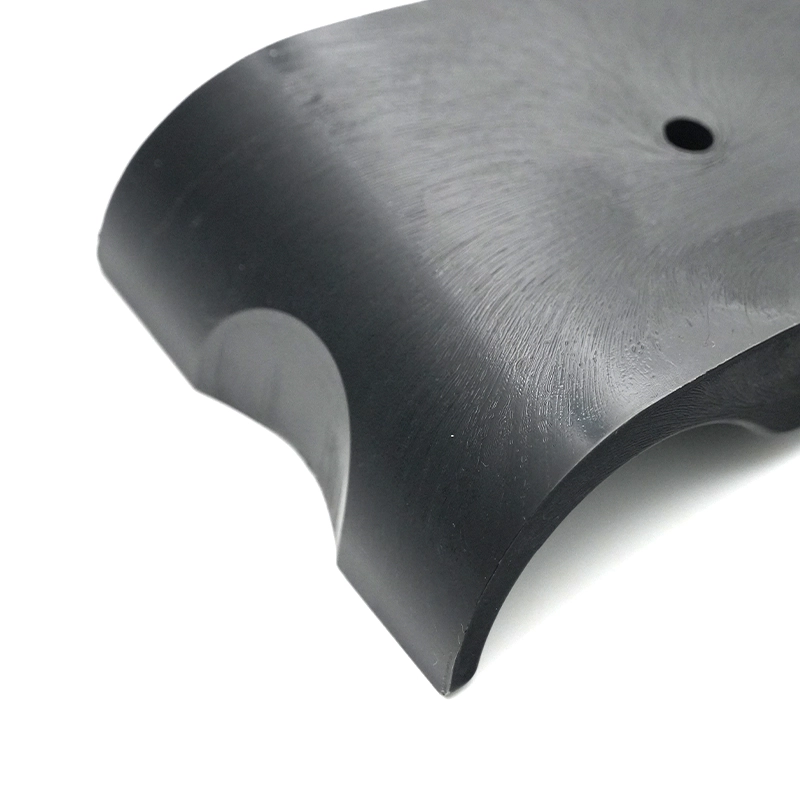
Reducing Assembly Costs with Injection-Molded POM Spacers
top flame-retardant high-performance plastics 2026
Prdoucts Categories
Question you may concern
FAQs
What are the core advantages of Bost engineering plastics compared to ordinary plastics?
Bost engineering plastics feature ultra-high mechanical strength, high-temperature resistance (-50°C to 300°C), chemical corrosion resistance, and wear resistance. Compared to ordinary plastics, their service life is extended by 3 to 8 times, making them suitable for replacing metals in harsh environments.
What is the minimum order quantity (MOQ)? Do you support small-batch trial production?
The MOQ for standard products is ≥100kg. We support small-batch trial production (as low as 20kg) and provide mold testing reports and performance data feedback.
Can Bost customize modified plastics with special properties?
Yes! We offer modification services such as reinforcement, flame retardancy, conductivity, wear resistance, and UV resistance, for example:
• Adding carbon fiber to enhance stiffness
• Reducing the coefficient of friction through PTFE modification
• Customizing food-grade or medical-grade certified materials
What is the delivery lead time? Do you offer global logistics?
Standard products: 5–15 working days; custom modifications: 2–4 weeks. We support global air/sea freight and provide export customs clearance documents (including REACH/UL certifications).
How do I select the appropriate engineering plastic grade for my product?
Selection should be based on parameters such as load conditions (e.g., pressure/friction), temperature range, medium contact (e.g., oil/acid), and regulatory requirements (e.g., FDA/RoHS). Our engineers can provide free material selection consulting and sample testing.
You may also like
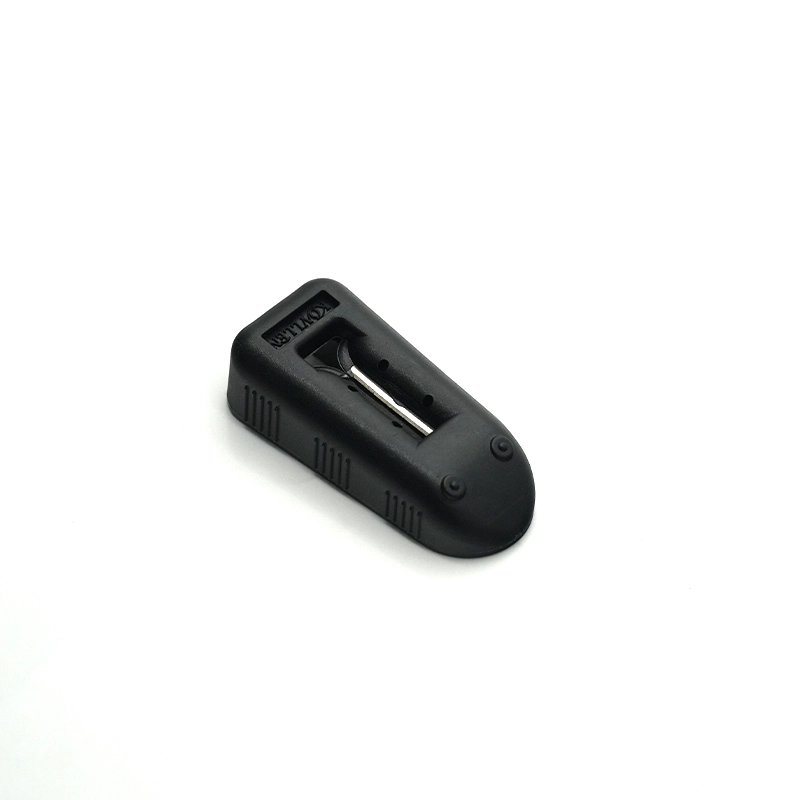
The plastic plug manufactured by Insert molding with stainless steel plate
Bost’s Insert-Molded Stainless Steel Plate Plastic Plug offers superior durability and corrosion resistance. This stainless steel insert durable plastic plug ensures a secure fit and long-lasting performance, ideal for industrial and commercial applications. Robust design meets quality standards.
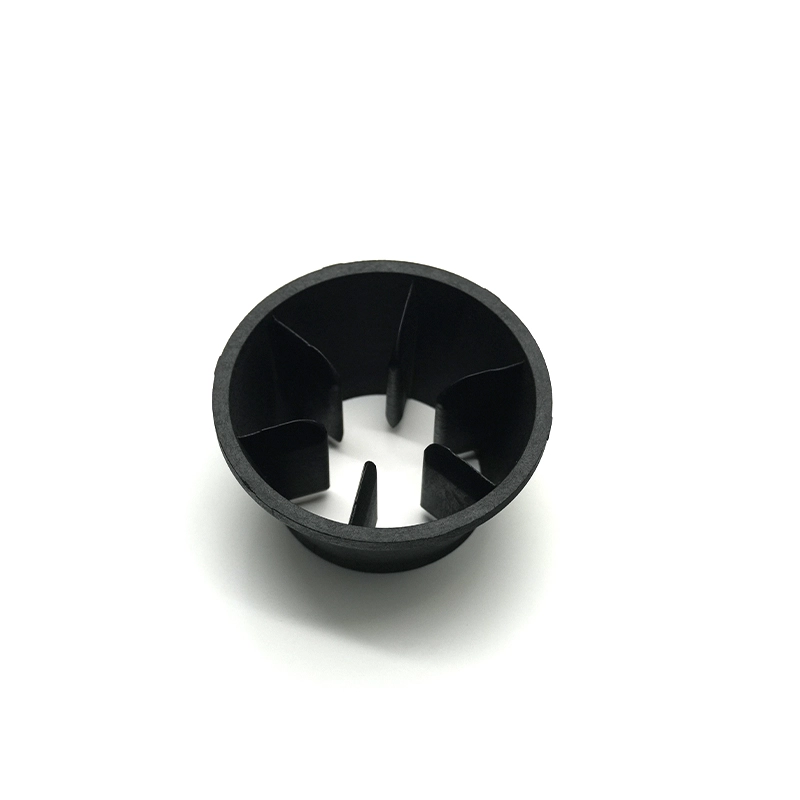
The Bost custom PPO flow valve by injection molding
The BOST Custom PPO Injection-Molded Flow Valve delivers high-temp and corrosion-resistant performance for industrial flow control. Precision-engineered by Bost, this custom PPO valve ensures durable, reliable operation in demanding environments. Optimize your process with BOST’s advanced injection-molded solution.
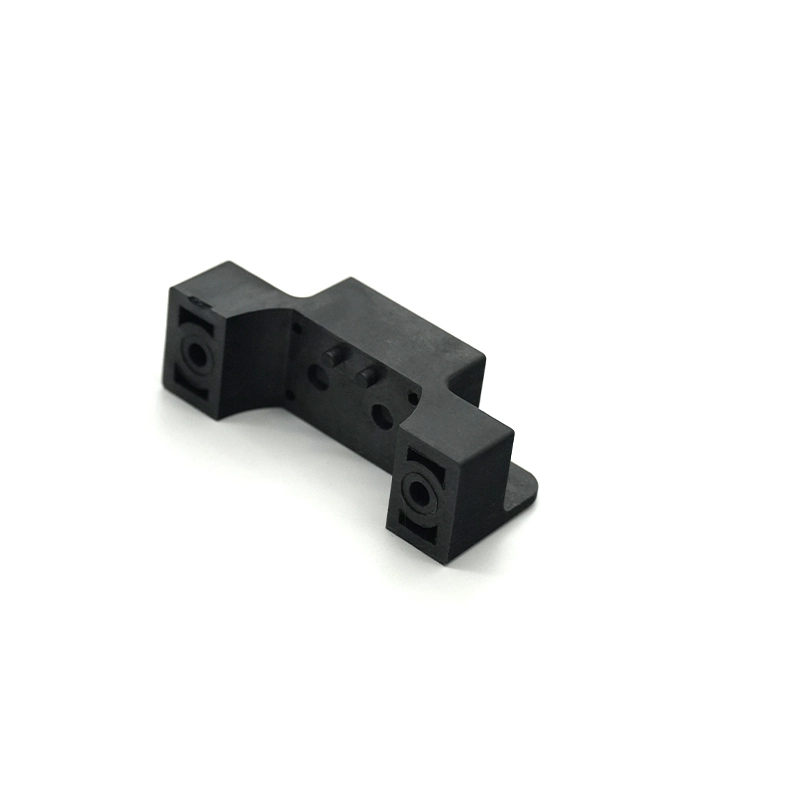
The Bost custom plastic handle by injection molding with high performance PPS material
BOST Custom PPS Injection-Molded Wear-Resistant Handle delivers superior durability and high performance. Made from High Quality PPS material, this injection-molded handle ensures exceptional wear resistance, ideal for demanding applications and long-lasting use. Choose BOST for quality and reliability.
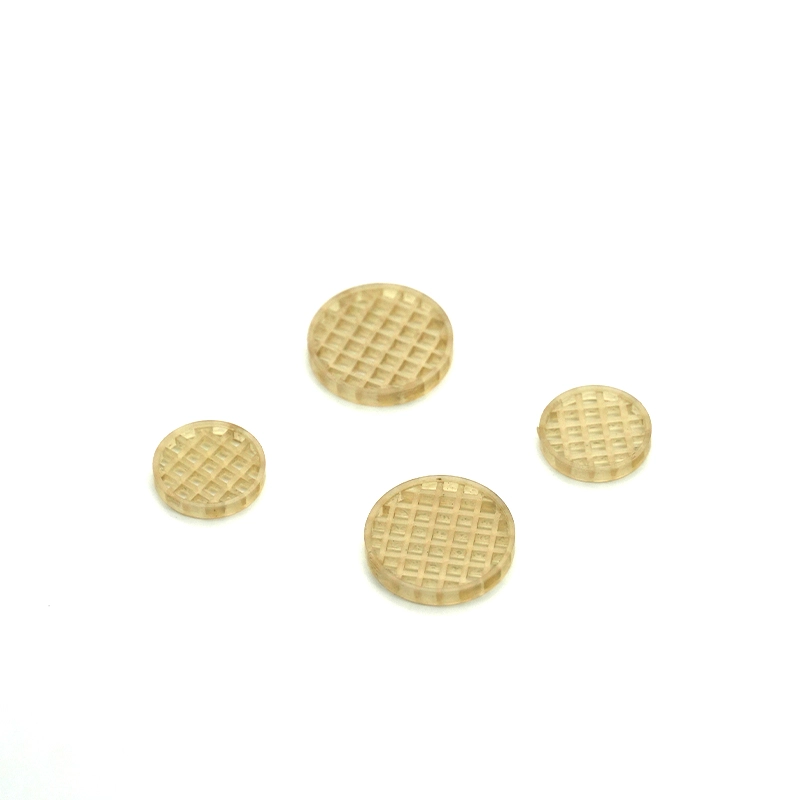
The Bost custom flow meter by injection molding with PES plastic
The Bost Custom PES Injection-Molded Flow Meter offers high-temperature and corrosion resistance, ideal for industrial use. Made with durable PES plastic via precision injection molding, this flow meter ensures reliable, customized performance for demanding applications. Trust Bost for quality and innovation.
Get in touch with Bost
Have any questions or concerns about our products? Please leave us a message here, and our team will get back to you promptly.

24 hours quotes delivered
Submit CAD files, get quote in 24 hours

No MOQ required
From prototyping to high-volume

±0.02 mm Precision
Advanced CNC with full inspections

1,000+ tons in stock
26 materials ready to ship
© 2026 BOST. All Rights Reserved.