 Scan QR Code
Send My Request
Key Mechanical Properties of ABS Plastic Connectors
Saturday, 02/7/2026
This article explains the critical mechanical properties of ABS plastic connectors — including tensile strength, impact resistance, flexural modulus and creep — that determine performance in outdoor, weatherproof installations. It highlights how Black and UV-Resistant ABS plastic connector formulations improve durability for long-lasting outdoor use, summarizes relevant industry testing standards, and gives practical guidance for designers, installers and procurement professionals.
- Understanding Mechanical Performance for Outdoor Connectors
- Tensile strength and structural load capacity
- Impact resistance and brittle fracture avoidance
- Elongation and ductility under service loads
- Design Considerations for Weatherproof Plastic Connectors
- Effect of UV stabilization on mechanical longevity
- Thermal behavior and service temperature range
- Sealing and integration with gaskets and fasteners
- Testing and Standards for ABS Connector Durability
- Relevant test standards and why they matter
- Accelerated weathering and real-world correlation
- Mechanical fatigue and cycle testing for connectors
- Choosing the Right Black and UV-Resistant ABS Connector
- Evaluating suppliers and material documentation
- Design tips to maximize longevity of plastic connectors
- When to consider alternatives or hybrid solutions
- Comparison table — Typical mechanical properties (in-use design ranges)
- Implementation: Specifying the Bost Black UV-Resistant ABS Outdoor Connector
- Why this product for outdoor, weatherproof installations
- Typical application scenarios and performance expectations
- Specification checklist for procurement teams
- FAQ — Frequently Asked Questions
- Q: How does UV stabilization affect the mechanical properties of ABS?
- Q: Can I use standard ABS connectors outdoors if painted or coated?
- Q: What are the common failure modes for plastic connectors in outdoor service?
- Q: How should I test connector longevity for a specific climate?
- Q: Are there standards that define connector mechanical testing?
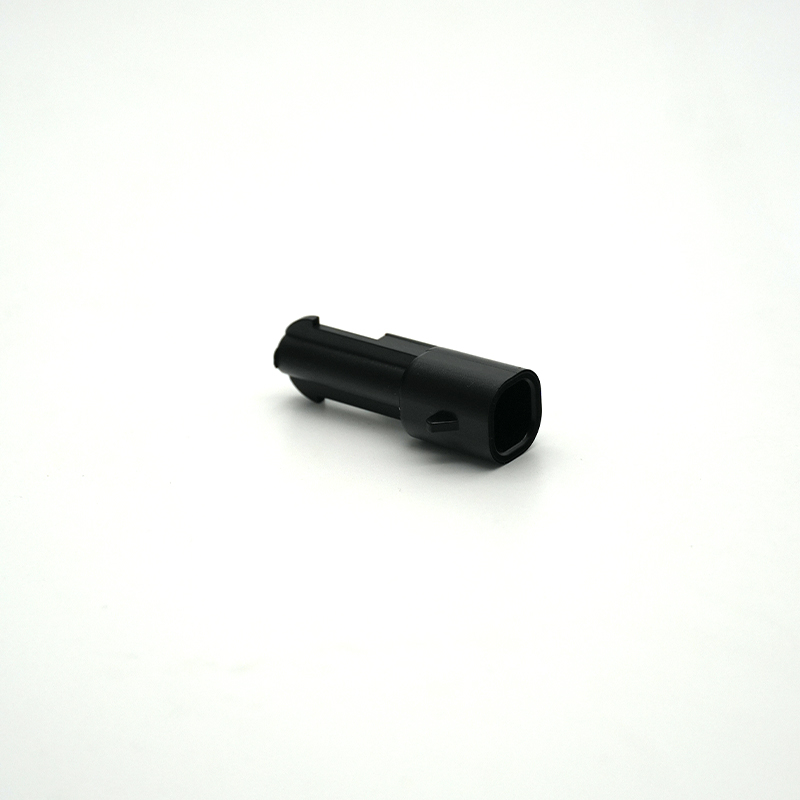
The Black and UV-Resistant ABS Outdoor Connector offers superior weather resistance and durability. Made from high-quality ABS plastic, this precision connector ensures reliable performance in harsh outdoor conditions, making it ideal for long-lasting, weatherproof installations. In this article we analyze the mechanical properties that most influence connector reliability, compare typical property ranges for ABS grades used in outdoor plastic connectors, and explain test standards and design considerations that help engineers choose or specify the right Black UV-resistant ABS connector for their application.
Understanding Mechanical Performance for Outdoor Connectors
Tensile strength and structural load capacity
Tensile strength is a primary indicator of how much axial load a plastic connector can withstand before failure. For injection-molded ABS used in connectors, typical tensile strengths fall in a practical engineering range, but the exact number depends on formulation (impact-modified, general-purpose, flame-retardant, UV-stabilized), fillers, and processing. Designers rely on tensile strength data to size cross-sections, select fastener engagement depths, and predict failure modes under pull loads. For critical outdoor mounting points, it is common practice to apply a safety factor (commonly 2–4× for plastics) and validate with testing representative of the installed condition.
Impact resistance and brittle fracture avoidance
Impact resistance describes the material's ability to absorb energy from sudden loads or drops without cracking. ABS naturally has good toughness, but standard grades can become embrittled under prolonged UV exposure and extreme cold unless specifically stabilized. A Black and UV-resistant ABS plastic connector typically contains UV absorbers and antioxidants to maintain impact resistance over time. For outdoor plastic connectors that may be struck during installation or service, higher Izod/Charpy impact values reduce the risk of sudden brittle failure.
Elongation and ductility under service loads
Elongation at break and the stress–strain curve provide insight into ductility. A ductile connector material will deform before fracturing, giving visible warning and often preserving function. For assemblies involving clips, latch features, or snap-fit joints, adequate elongation is essential to prevent crack initiation during repeated engagement cycles. When specifying plastic connectors, review elongation values and consider testing snap features to the expected cycle life.
Design Considerations for Weatherproof Plastic Connectors
Effect of UV stabilization on mechanical longevity
Ultraviolet radiation degrades many polymers by breaking polymer chains and attacking additives, which reduces tensile strength and impact resistance over time. A Black and UV-Resistant ABS plastic connector uses carbon black and UV stabilizers to protect the polymer matrix. Carbon black acts as a broadband UV absorber and also provides long-term color stability for outdoor housings. When durability is required for outdoor plastic connectors, choose materials with documented UV-stabilized formulations and request accelerated weathering or natural exposure test data from suppliers.
Thermal behavior and service temperature range
ABS has a glass transition temperature (Tg) typically around 95–105°C, which defines the upper limit for load-bearing use. Exposure to temperatures near or above Tg leads to softened parts, reduced stiffness, and faster creep. Low-temperature performance is equally important: many ABS grades retain adequate toughness at typical outdoor low temperatures, but extreme cold can reduce impact resistance. Specify the intended service temperature range and design mechanical features so that stresses do not exceed the material capability at both temperature extremes.
Sealing and integration with gaskets and fasteners
Weatherproof plastic connectors seldom act alone — they interface with gaskets, seals, screws and mating housings. Mechanical design must account for localized stresses from clamping, boss geometry, and fastener torque. For example, reinforcing metal inserts or increasing boss diameter can prevent pull-out in soft ABS sections. Also consider creep relaxation under constant clamp loads; choose sealing designs that maintain compression without overstressing the plastic over time.
Testing and Standards for ABS Connector Durability
Relevant test standards and why they matter
Standards give repeatable methods to quantify mechanical performance. ASTM D638 (tensile properties of plastics) and ISO 527 (plastics — tensile properties) are commonly used to report tensile strength and elongation (ASTM D638) (ISO 527). Impact resistance is often measured using ASTM D256 (Izod impact) or ISO equivalents. For weathering and UV performance, accelerated weathering tests such as ASTM G154 (UV exposure with fluorescent UV lamps) or natural exposure per ISO standards provide comparative life expectancy data. Requiring test data from suppliers aligned to these standards helps ensure comparability and traceability when selecting plastic connectors.
Accelerated weathering and real-world correlation
Manufacturers of Black and UV-resistant ABS connectors typically provide accelerated weathering reports showing retention of tensile and impact properties after UV exposure cycles. While accelerated tests (condensed cycles of UV, moisture and temperature) cannot exactly mimic all outdoor exposures, they offer a practical basis for comparative evaluation. When possible, request field exposure samples or long-term data from similar installations to understand real-world aging behavior.
Mechanical fatigue and cycle testing for connectors
For snap-fit or mating features subject to repeated engagement, perform cycle testing representative of expected use. Fatigue testing helps detect loosening, microcrack growth, or permanent set. For electrical or fluid connector systems, test sequences should include mechanical cycles combined with environmental stressors (temperature cycling, humidity, salt spray where applicable) to simulate service conditions and confirm sealing integrity and retention force over life.
Choosing the Right Black and UV-Resistant ABS Connector
Evaluating suppliers and material documentation
Request detailed material datasheets and test certificates that show tensile strength, flexural modulus, elongation at break, Izod/Charpy impact energy, and any UV-weathering retention data. Verify that the supplier can provide traceability to raw material grades and manufacturing quality control. Prefer suppliers who reference recognized test standards and can provide batch-specific test reports for critical applications.
Design tips to maximize longevity of plastic connectors
Use generous fillets at stress concentration points, avoid sharp corners in load-bearing features, add ribs to reduce unsupported spans, and design bosses and threads to distribute load. Consider protective covers for connectors subject to mechanical abrasion or direct sunlight in particularly harsh climates. If repeated mechanical assembly is expected, add reinforcement or use metal inserts to protect threads and reduce creep-related loosening.
When to consider alternatives or hybrid solutions
If loads exceed practical limits for ABS, or the application requires continuous exposure to temperatures near ABS Tg, consider alternative engineering plastics such as polycarbonate (PC), glass-filled nylon (PA), or PC/ABS blends, each of which has different mechanical and thermal characteristics. Hybrid solutions (metal reinforcement, overmolding elastomers for seals) can combine the weatherproofing and cost advantages of ABS with the strength or thermal resistance of other materials. Consult comparative datasheets and run application-specific testing before switching materials.
Comparison table — Typical mechanical properties (in-use design ranges)
| Property | Typical ABS (general-purpose) | UV‑Resistant / Outdoor Grade ABS | Notes / Relevance for connectors |
|---|---|---|---|
| Tensile strength (MPa) | 30–50 | 30–48 (may vary by additive load) | Used for load-bearing sections; design with safety factor |
| Flexural modulus (GPa) | 1.8–2.6 | 1.8–2.5 | Stiffness affects deflection and sealing capability |
| Izod impact (kJ/m²) | 10–50 (dependent on grade) | 8–45 (depends on weathering/stabilizer efficacy) | Higher values reduce brittle failure risk on impact |
| Elongation at break (%) | 10–50 | 10–45 | Ductility important for snap-fits and clips |
| Glass transition (°C) | ~95–105 | ~95–105 | Defines upper continuous service temperature |
Notes: Ranges are intended for design guidance and will vary by exact formulation and manufacturer. For standardized test methods, see ASTM D638 and ISO 527 for tensile properties (ASTM D638) (ISO 527). For material background, see ABS polymer overview on Wikipedia and technical summaries from PlasticsEurope (ABS — Wikipedia) (PlasticsEurope — ABS).
Implementation: Specifying the Bost Black UV-Resistant ABS Outdoor Connector
Why this product for outdoor, weatherproof installations
The Bost Black UV-Resistant ABS Outdoor Connector provides a ready-made solution for weather-exposed connection points. Its UV-stabilized black formulation helps retain mechanical properties and color over long outdoor exposure, reducing the need for frequent replacement. The connector's precision molding ensures consistent mating and sealing performance, which is essential for electrical or signal integrity and for preventing moisture ingress in outdoor installations.
Typical application scenarios and performance expectations
Common uses include outdoor lighting junctions, field cable terminations, signage and sensor housings, and low-profile enclosure interfaces. Expect long-term dimensional stability and retention of impact resistance when the product is used within specified temperature limits and not subjected to prolonged chemical exposure (solvents, strong acids/alkalis). For highly demanding mechanical loads, combine the connector with mechanical reinforcement as needed.
Specification checklist for procurement teams
- Request material datasheet and UV-weathering test reports.
- Confirm tensile, flexural and impact property values and test standards used.
- Ask for sample parts for fit, sealing and cycle testing.
- Verify supplier quality controls and batch traceability.
FAQ — Frequently Asked Questions
Q: How does UV stabilization affect the mechanical properties of ABS?
A: UV stabilization (via carbon black, UV absorbers, and antioxidants) slows polymer chain scission and oxidation that would otherwise reduce tensile strength and impact resistance. Properly stabilized ABS can retain a higher percentage of its original mechanical properties under outdoor exposure; always request accelerated weathering data and, if possible, real-world exposure results from the supplier.
Q: Can I use standard ABS connectors outdoors if painted or coated?
A: Coatings can provide short-term protection, but they may fail by cracking, peeling or UV degradation themselves and then expose the substrate. Using a purpose-formulated Black and UV-Resistant ABS connector is generally more reliable because UV protection is integrated into the polymer. If coatings are used, validate adhesion and weathering performance together with mechanical tests.
Q: What are the common failure modes for plastic connectors in outdoor service?
A: Typical failure modes include UV-induced embrittlement and cracking, creep-driven deformation under constant load, fatigue or wear at mating features, and sealing failure due to loss of gasket compression. Design, material selection and proper fastening reduce these risks.
Q: How should I test connector longevity for a specific climate?
A: Combine accelerated UV/weathering tests (e.g., ASTM G154) with mechanical property retention measurements (tensile, impact) and field or outdoor exposure samples if possible. Also run application-specific mechanical cycle tests with temperature and humidity cycling to simulate real-life usage.
Q: Are there standards that define connector mechanical testing?
A: While there are general plastics standards (ASTM D638, ISO 527 for tensile; ASTM D256 for impact), connector-specific test protocols are usually developed by OEMs to reflect real usage (e.g., insertion/removal cycles, torque tests, sealing checks). Refer to the general ASTM/ISO methods as a baseline when comparing datasheets (ASTM D638) (ISO 527).
If you need a reliable solution for outdoor, weatherproof installations, consider the Bost Black UV-Resistant ABS Outdoor Connector. For product specifications, sample requests, or engineering support, contact our sales team or view the product page:
View the Black UV-Resistant ABS Outdoor Connector | Contact Sales
References and further reading: Wikipedia — ABS polymer overview (link); PlasticsEurope — ABS technical summary (link); ASTM D638 tensile test method (link); ISO 527 tensile properties (link).
Tags
Impact-resistant ABS plastic cover
Impact-resistant ABS plastic cover
Precision-Fit Cover Plate
Precision-Fit Cover Plate
china custom injection molding
china custom injection molding
Durable chemical-resistant
Durable chemical-resistant
custom machined parts
custom machined parts
Long-Lasting Durability
Long-Lasting Durability
Recommended for you
Bulk Procurement Tips for Plastic Connector Buyers
Environmental Impact and Recycling of PE Plastic Bushes
Reducing Costs with High-Volume PP Plastic Spacer Sourcing
Cost Analysis: Insert Injection Molding vs Assembly — Practical Guide for Engineering Plastics
Prdoucts Categories
Question you may concern
FAQs
How do I select the appropriate engineering plastic grade for my product?
Selection should be based on parameters such as load conditions (e.g., pressure/friction), temperature range, medium contact (e.g., oil/acid), and regulatory requirements (e.g., FDA/RoHS). Our engineers can provide free material selection consulting and sample testing.
What is the delivery lead time? Do you offer global logistics?
Standard products: 5–15 working days; custom modifications: 2–4 weeks. We support global air/sea freight and provide export customs clearance documents (including REACH/UL certifications).
What is the minimum order quantity (MOQ)? Do you support small-batch trial production?
The MOQ for standard products is ≥100kg. We support small-batch trial production (as low as 20kg) and provide mold testing reports and performance data feedback.
Can Bost customize modified plastics with special properties?
Yes! We offer modification services such as reinforcement, flame retardancy, conductivity, wear resistance, and UV resistance, for example:
• Adding carbon fiber to enhance stiffness
• Reducing the coefficient of friction through PTFE modification
• Customizing food-grade or medical-grade certified materials
What are the core advantages of Bost engineering plastics compared to ordinary plastics?
Bost engineering plastics feature ultra-high mechanical strength, high-temperature resistance (-50°C to 300°C), chemical corrosion resistance, and wear resistance. Compared to ordinary plastics, their service life is extended by 3 to 8 times, making them suitable for replacing metals in harsh environments.
You may also like
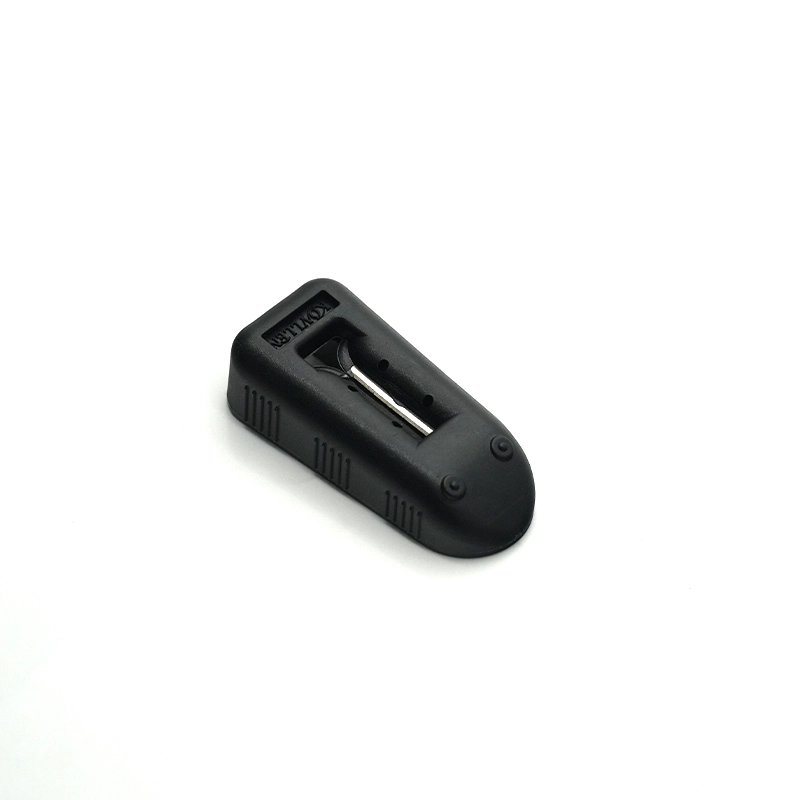
The plastic plug manufactured by Insert molding with stainless steel plate
Bost’s Insert-Molded Stainless Steel Plate Plastic Plug offers superior durability and corrosion resistance. This stainless steel insert durable plastic plug ensures a secure fit and long-lasting performance, ideal for industrial and commercial applications. Robust design meets quality standards.
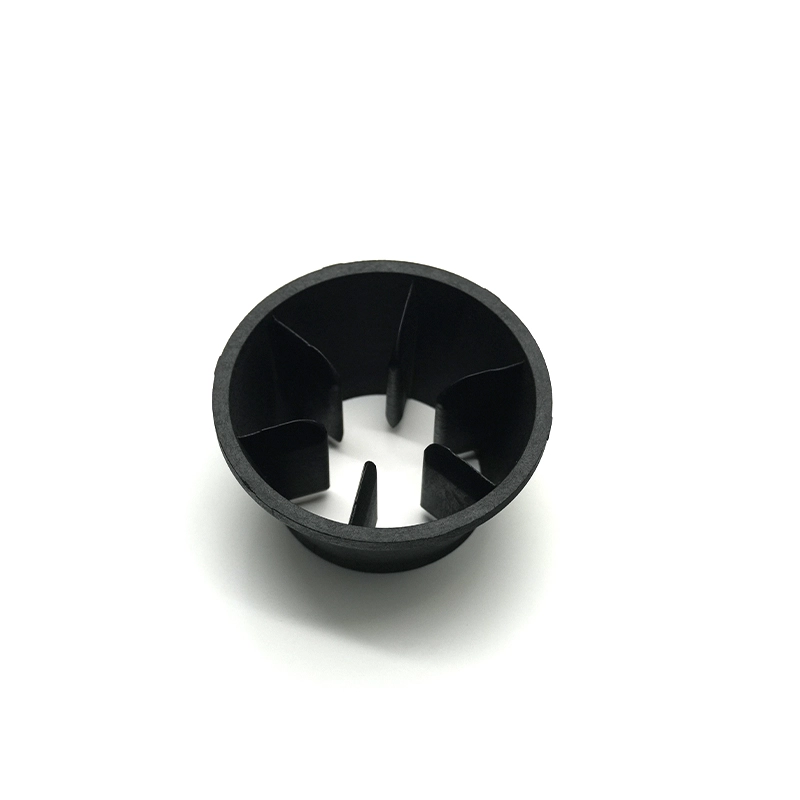
The Bost custom PPO flow valve by injection molding
The BOST Custom PPO Injection-Molded Flow Valve delivers high-temp and corrosion-resistant performance for industrial flow control. Precision-engineered by Bost, this custom PPO valve ensures durable, reliable operation in demanding environments. Optimize your process with BOST’s advanced injection-molded solution.
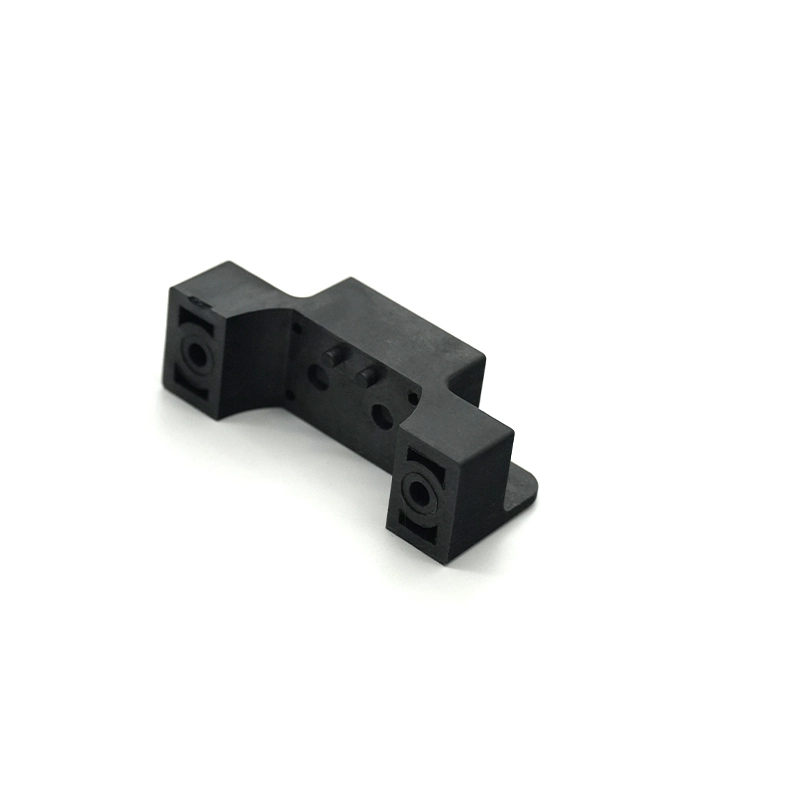
The Bost custom plastic handle by injection molding with high performance PPS material
BOST Custom PPS Injection-Molded Wear-Resistant Handle delivers superior durability and high performance. Made from High Quality PPS material, this injection-molded handle ensures exceptional wear resistance, ideal for demanding applications and long-lasting use. Choose BOST for quality and reliability.
The Bost custom flow meter by injection molding with PES plastic
The Bost Custom PES Injection-Molded Flow Meter offers high-temperature and corrosion resistance, ideal for industrial use. Made with durable PES plastic via precision injection molding, this flow meter ensures reliable, customized performance for demanding applications. Trust Bost for quality and innovation.
Get in touch with Bost
Have any questions or concerns about our products? Please leave us a message here, and our team will get back to you promptly.

24 hours quotes delivered
Submit CAD files, get quote in 24 hours

No MOQ required
From prototyping to high-volume

±0.02 mm Precision
Advanced CNC with full inspections

1,000+ tons in stock
26 materials ready to ship
© 2026 BOST. All Rights Reserved.