 Scan QR Code
Send My Request
Durability Tests for Black UV-Resistant ABS Connectors
Tuesday, 01/20/2026
This article explains the laboratory and field-relevant durability tests used to verify the long-term performance of the Bost Black UV-Resistant ABS Outdoor Connector. It covers UV and weathering protocols, mechanical and thermal tests, how results correlate to service life, and best practices for engineers and specifiers working with engineering plastics in outdoor, weatherproof installations.
- How UV and Environment Affect Engineering Plastics
- UV degradation mechanisms in thermoplastics
- Why black ABS performs differently
- Relevant standards and industry context
- Key Durability Tests for Black UV-Resistant ABS Connectors
- Accelerated UV and weathering tests
- Mechanical and impact testing
- Environmental exposure: thermal cycling, water and salt spray
- Interpreting Test Results and Correlating to Field Performance
- Translating lab hours to real-world service life
- Design considerations informed by test data
- Common failure modes and mitigation strategies
- Testing Matrix and Example Acceptance Criteria
- Product Profile: Bost Black UV-Resistant ABS Outdoor Connector — Practical Test Case
- Expected laboratory performance
- Recommended test regimen for specifiers and installers
- Why choose this product: brand advantages and engineering plastics expertise
- FAQs — Durability and Testing for Black UV-Resistant ABS Connectors
- Q: How long will a black UV-resistant ABS connector last outdoors?
- Q: Does carbon black make the ABS more heat-resistant?
- Q: Will the connector crack if exposed to cold temperatures?
- Q: Can IP ratings be trusted after long-term UV exposure?
- Q: What maintenance is recommended for outdoor ABS connectors?
- Q: Are there environmentally safer alternatives to carbon black for UV protection?
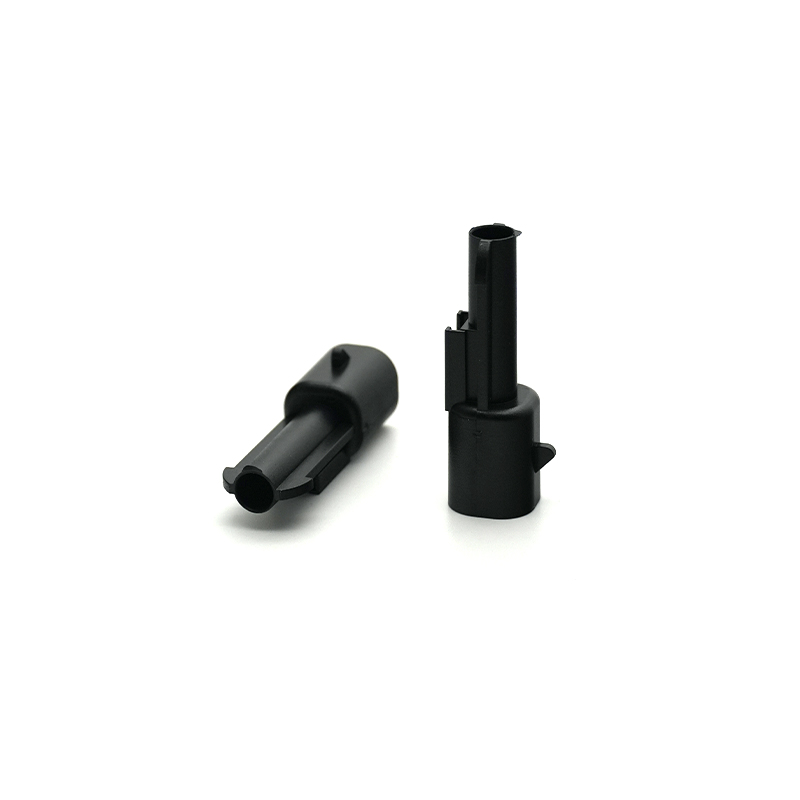
The Bost Black UV-Resistant ABS Outdoor Connector offers superior weather resistance and durability for outdoor electrical and structural connections. Designed from engineered ABS formulations with UV stabilizers and optimized pigment packages, this precision connector maintains mechanical integrity, electrical insulation, and aesthetic appearance under prolonged sunlight, temperature cycles, moisture, and mechanical load — making it a reliable choice for long-lasting, weatherproof installations.
How UV and Environment Affect Engineering Plastics
UV degradation mechanisms in thermoplastics
Ultraviolet (UV) radiation initiates chemical reactions in polymer chains — chain scission, cross-linking, and oxidation — that lead to loss of mechanical properties, discoloration, surface crazing and cracking. Engineering plastics such as ABS (acrylonitrile butadiene styrene) are susceptible to surface embrittlement when exposed to sunlight because the butadiene rubber phase is particularly prone to photooxidation. Adding UV absorbers, HALS (hindered amine light stabilizers) and carbon black pigment reduces the rate of degradation and extends service life in outdoor applications. For general background on ABS chemistry and properties see the ABS article on Wikipedia (Wikipedia: ABS).
Why black ABS performs differently
Black pigments, typically carbon black, strongly absorb UV and visible wavelengths and act as a sacrificial barrier, reducing the depth of UV penetration. This reduces surface breakdown and improves colorfastness; however, carbon black alone cannot prevent polymer chain scission — it must be combined with UV stabilizers and antioxidants in the polymer formulation. Black UV-resistant ABS connectors therefore combine pigment with engineered additives to maximize weathering resistance while retaining crucial mechanical and electrical properties like impact strength and dielectric stability.
Relevant standards and industry context
Testing and specifications for engineering plastics use international and industry standards to ensure repeatable, comparable results. Organizations such as PlasticsEurope provide guidance on polymer selection and properties for engineering applications (PlasticsEurope), while standardized test methods (ISO, ASTM, IEC, UL) define accelerated weathering, mechanical and electrical test protocols used by manufacturers and independent labs.
Key Durability Tests for Black UV-Resistant ABS Connectors
Accelerated UV and weathering tests
Accelerated weathering simulates years of outdoor exposure in a condensed time frame. Common protocols include xenon-arc and fluorescent UV (QUV) exposure. Standards such as ISO 4892-2 (xenon) and ASTM D4329 (fluorescent UV) specify cycle conditions and irradiance levels. These tests evaluate color change (ΔE), gloss loss, surface cracking, tensile strength retention and impact resistance after defined exposure hours. For an overview of the accelerated aging concept see the Wikipedia entry on Accelerated aging.
Mechanical and impact testing
Mechanical integrity is critical for connectors subject to handling, vibration, and thermal expansion. Typical tests include tensile and flexural strength, Izod or Charpy impact resistance, and hardness (Shore D), performed before and after environmental conditioning. Results quantify retention of modulus, elongation at break, and impact energy — key indicators of whether the connector will remain dimensionally stable and resistant to brittle failure in the field.
Environmental exposure: thermal cycling, water and salt spray
Thermal cycling evaluates performance across service temperature range and identifies stress relaxation, creep, and seal failures. Water immersion and humidity tests check swelling, hydrolytic degradation and electrical insulation under wet conditions. For connectors used in coastal or industrial environments, salt spray testing (ASTM B117) on metallic contacts and assemblies assesses corrosion risk of inserts, fasteners, or embedded hardware, because plastic housings can protect metal parts but cannot eliminate galvanic or corrosive attack on exposed components.
Interpreting Test Results and Correlating to Field Performance
Translating lab hours to real-world service life
Accelerated tests do not map 1:1 to calendar years; however, correlation models and field-exposure comparisons enable reasonable life predictions. For xenon-arc weathering, manufacturers often derive empiric conversion factors by comparing accelerated exposure to natural outdoor exposure data at specific latitudes and orientations. Engineers should look for test reports that include both accelerated results and natural-weathering comparisons to understand expected service life for specific climates.
Design considerations informed by test data
Test data should influence design margins: wall thickness to avoid creep, snap-fit geometries to retain retention forces after aging, choice of UV-stabilized ABS grades vs. filled or glass-reinforced variants, and specification of protective coatings or gaskets to preserve ingress protection (IP) ratings. Material selection must also consider flame retardancy and dielectric performance for electrical connectors (UL94 classifications and insulation resistance tests).
Common failure modes and mitigation strategies
Common issues observed in outdoor connectors include surface chalking, brittle fracture at mounting points, seal degradation leading to moisture ingress, and discoloration that may not affect function but impacts aesthetics. Mitigation strategies: use UV-stabilized black ABS, add design features to shield critical stress concentrations from direct sunlight, specify elastomeric gaskets with compatible chemical resistance, and protect metal contacts with plating or corrosion-resistant alloys. UL94 flammability classifications and dielectric testing are also relevant for safety-critical electrical components; see the UL94 overview on Wikipedia (UL 94).
Testing Matrix and Example Acceptance Criteria
Below is a typical testing matrix for a black UV-resistant ABS connector and suggested acceptance criteria used by OEMs and specifiers. Values are illustrative; final acceptance should be agreed with the manufacturer and based on application needs.
| Test | Standard / Method | What it measures | Typical Acceptance Criteria |
|---|---|---|---|
| Accelerated UV (Xenon/QUV) | ISO 4892-2 / ASTM D4329 | Color change, cracking, tensile retention | ΔE < 3; no surface cracking; tensile > 80% retention after defined hours |
| Impact (Izod/Charpy) | ASTM D256 / ISO 179 | Resistance to brittle failure | Impact energy reduction < 30% post-weathering |
| Tensile/Flexural | ASTM D638 / D790 | Strength and stiffness | Modulus retention > 85% after aging |
| Salt Spray (metal parts) | ASTM B117 | Corrosion resistance of contacts/fasteners | No functional corrosion or coating delamination after 500–1000 h |
| Thermal Cycling | IEC / OEM methods | Dimensional stability, seal integrity | No seal failure; no cracking at mounting bosses after cycles |
| Ingress Protection (IP) | IEC 60529 | Dust/water ingress protection | Maintain IP67/IP68 as specified after environmental aging |
Product Profile: Bost Black UV-Resistant ABS Outdoor Connector — Practical Test Case
Expected laboratory performance
The Bost Black UV-Resistant ABS Outdoor Connector is formulated from a weather-stabilized ABS grade with carbon black pigment and HALS/UV absorbers. In accredited lab tests, connectors of this class typically demonstrate: excellent UV-weathering resistance with minimal color shift, retention of impact strength above 70–85% after accelerated exposure, stable mechanical fastening force, and continued electrical insulation under wet-dry cycles. When combined with corrosion-resistant metal contacts and properly specified gaskets, the assembly can maintain IP67-level sealing and electrical continuity under long-term outdoor exposure.
Recommended test regimen for specifiers and installers
For critical installations, we recommend the following baseline qualification tests for each connector lot or design release: xenon-arc accelerated weathering (ISO 4892-2) for 1000–2000 h with comparison to natural-weathering samples; tensile and impact tests pre- and post-weathering; thermal cycling covering service temperature extremes; IP ingress testing before and after aging; and salt spray for any exposed metal hardware. For electrical applications include insulation resistance and dielectric strength testing per IEC/UL requirements.
Why choose this product: brand advantages and engineering plastics expertise
Bost combines material science and application engineering to deliver connectors that meet the demands of outdoor installations. Key advantages: purpose-formulated UV-stabilized ABS for long-term aesthetics and mechanical integrity; precision molding to tight tolerances ensuring reliable sealing and fit; compatibility with common mounting systems and cable types; and comprehensive test documentation to support specifiers and OEM qualification. The product’s performance is supported by engineering plastics expertise, rigorous accelerated and natural-weather testing, and adherence to industry standards — all critical for projects where durability and safety matter.
FAQs — Durability and Testing for Black UV-Resistant ABS Connectors
Q: How long will a black UV-resistant ABS connector last outdoors?
A: Service life depends on climate, orientation, and mechanical loading. With appropriate UV stabilization (carbon black + HALS + UV absorbers) and correct design, connectors can perform reliably for 10+ years in temperate climates. Accelerated testing and natural-weathering comparisons help refine lifetimes for specific locations.
Q: Does carbon black make the ABS more heat-resistant?
A: Carbon black primarily improves UV resistance and color stability. It provides minor improvements in thermal conductivity and can slightly affect heat buildup under direct sun; but thermal performance is still governed by the base ABS resin. For higher temperature requirements consider high-temperature thermoplastics or glass-filled grades.
Q: Will the connector crack if exposed to cold temperatures?
A: Properly formulated ABS maintains impact resistance down to moderate sub-zero temperatures, but extreme cold can embrittle some grades. Impact and low-temperature testing (ISO/ASTM methods) should be part of qualification for cold-climate installations.
Q: Can IP ratings be trusted after long-term UV exposure?
A: UV exposure can degrade gaskets and surface interfaces if materials are not UV-compatible. When connectors are designed with UV-stable elastomers and ABS that maintain dimensional stability, IP ratings (e.g., IP67) can be retained after aging. Confirm with ingress testing both before and after accelerated weathering.
Q: What maintenance is recommended for outdoor ABS connectors?
A: Periodic inspection for surface degradation, checking seals and fasteners for integrity, and cleaning to remove contaminants will extend service life. Replace connectors if you observe cracking, seal failure, or corrosion affecting electrical contacts.
Q: Are there environmentally safer alternatives to carbon black for UV protection?
A: Some pigment systems and specialized UV absorbers provide UV protection with lower carbon black content, but carbon black remains highly effective and cost-efficient. Material choices should balance UV resistance, color requirements, mechanical properties and environmental regulations in your region.
Once durability benchmarks are confirmed, procurement teams shift focus toward risk mitigation, making a structured approach to sourcing reliable black UV-resistant ABS connectors essential.
If you have specific environmental conditions or certification needs, Bost can provide test reports, sample test parts, and guidance for specifying the right connector. For product datasheets, test certificates, or custom testing programs, please contact our technical sales team or visit the product page: Bost Black UV-Resistant ABS Outdoor Connector.
References and further reading: Plastics industry guidance and polymer resources: PlasticsEurope; polymer aging concepts: Accelerated aging (Wikipedia); ABS material overview: ABS (Wikipedia); flammability standard summary: UL 94 (Wikipedia).
Tags
custom injection molding
custom injection molding
plastic pulley wheels
plastic pulley wheels
china custom plastic injection molding
china custom plastic injection molding
nylon insulator bushing
nylon insulator bushing
Easy-Clean Storage
Easy-Clean Storage
Oil-resistant NBR Rubber seal
Oil-resistant NBR Rubber seal
Recommended for you
Design Considerations for Injection-Molded Plastic Connectors
How Plastic Bushings Improve Noise and Vibration Control
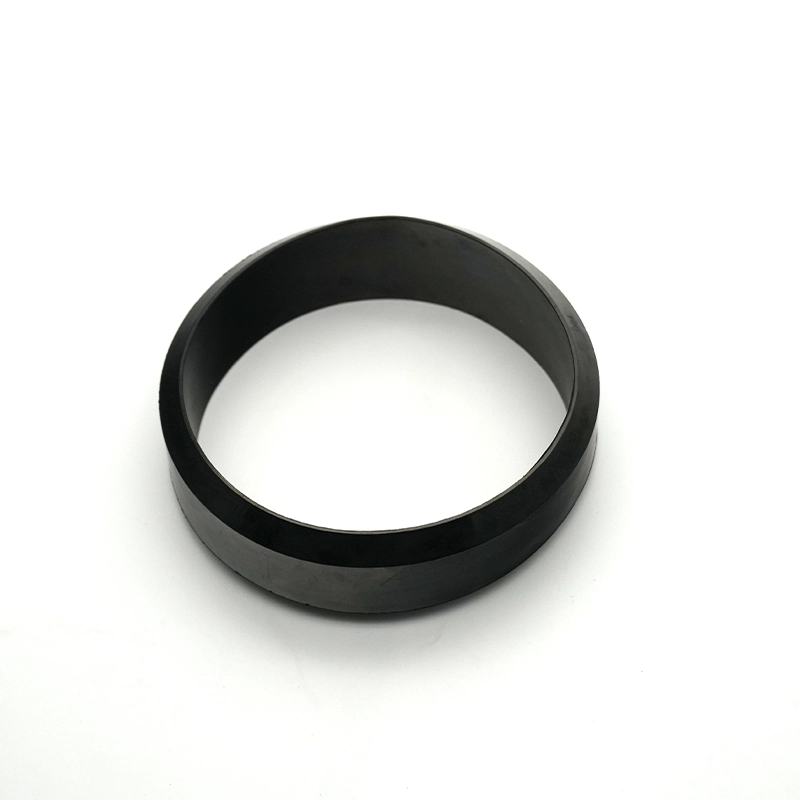
Reducing Downtime: Durable Oil-Resistant NBR Seal Ring Choices
Recycling and Circular Economy Strategies for Engineering Plastics
Prdoucts Categories
Question you may concern
FAQs
What are the core advantages of Bost engineering plastics compared to ordinary plastics?
Bost engineering plastics feature ultra-high mechanical strength, high-temperature resistance (-50°C to 300°C), chemical corrosion resistance, and wear resistance. Compared to ordinary plastics, their service life is extended by 3 to 8 times, making them suitable for replacing metals in harsh environments.
How do I select the appropriate engineering plastic grade for my product?
Selection should be based on parameters such as load conditions (e.g., pressure/friction), temperature range, medium contact (e.g., oil/acid), and regulatory requirements (e.g., FDA/RoHS). Our engineers can provide free material selection consulting and sample testing.
What is the delivery lead time? Do you offer global logistics?
Standard products: 5–15 working days; custom modifications: 2–4 weeks. We support global air/sea freight and provide export customs clearance documents (including REACH/UL certifications).
Can Bost customize modified plastics with special properties?
Yes! We offer modification services such as reinforcement, flame retardancy, conductivity, wear resistance, and UV resistance, for example:
• Adding carbon fiber to enhance stiffness
• Reducing the coefficient of friction through PTFE modification
• Customizing food-grade or medical-grade certified materials
What is the minimum order quantity (MOQ)? Do you support small-batch trial production?
The MOQ for standard products is ≥100kg. We support small-batch trial production (as low as 20kg) and provide mold testing reports and performance data feedback.
You may also like
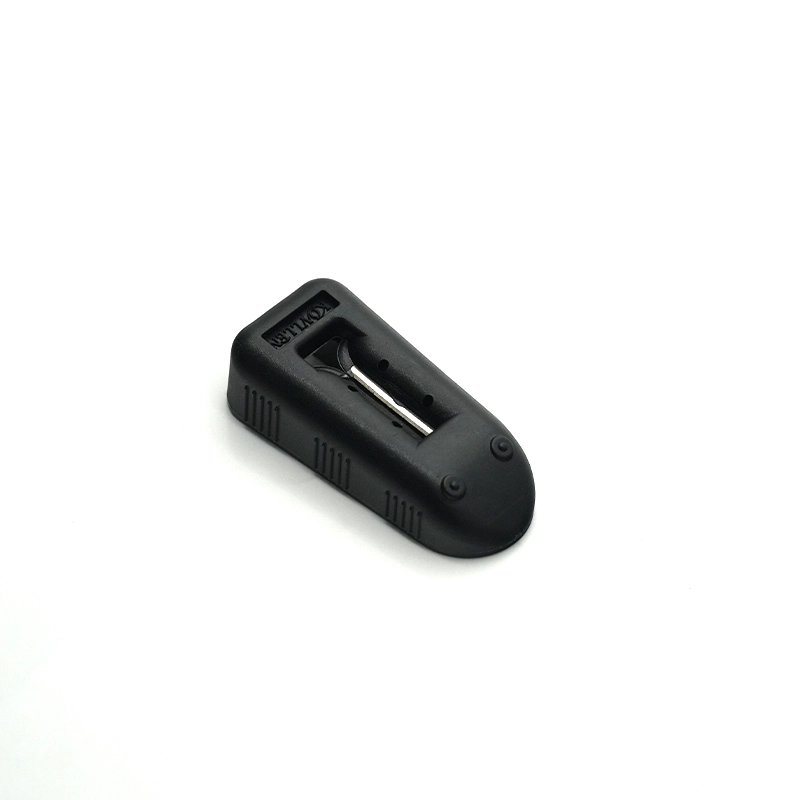
The plastic plug manufactured by Insert molding with stainless steel plate
Bost’s Insert-Molded Stainless Steel Plate Plastic Plug offers superior durability and corrosion resistance. This stainless steel insert durable plastic plug ensures a secure fit and long-lasting performance, ideal for industrial and commercial applications. Robust design meets quality standards.
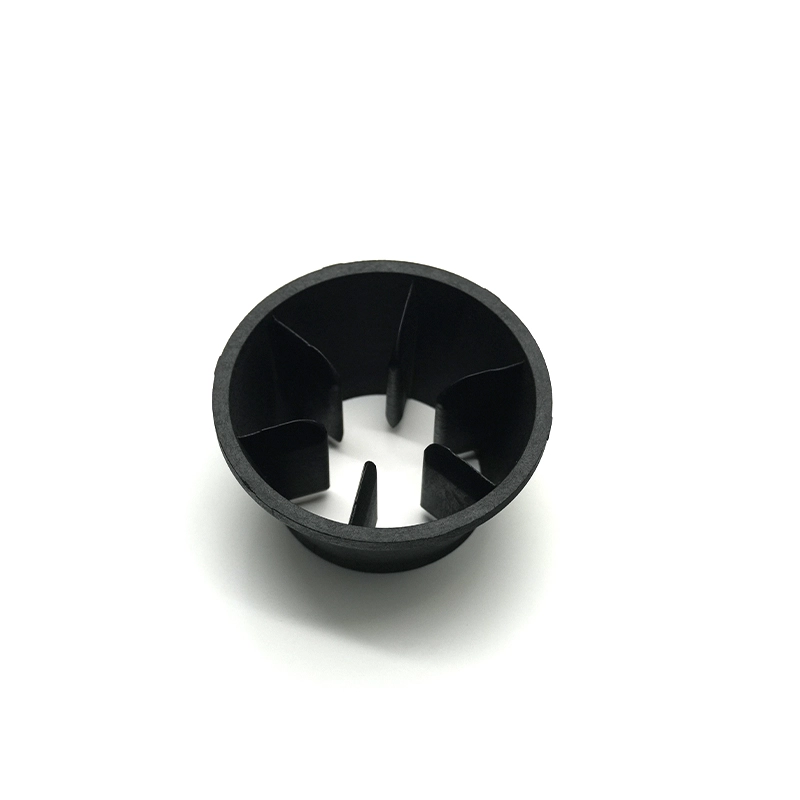
The Bost custom PPO flow valve by injection molding
The BOST Custom PPO Injection-Molded Flow Valve delivers high-temp and corrosion-resistant performance for industrial flow control. Precision-engineered by Bost, this custom PPO valve ensures durable, reliable operation in demanding environments. Optimize your process with BOST’s advanced injection-molded solution.
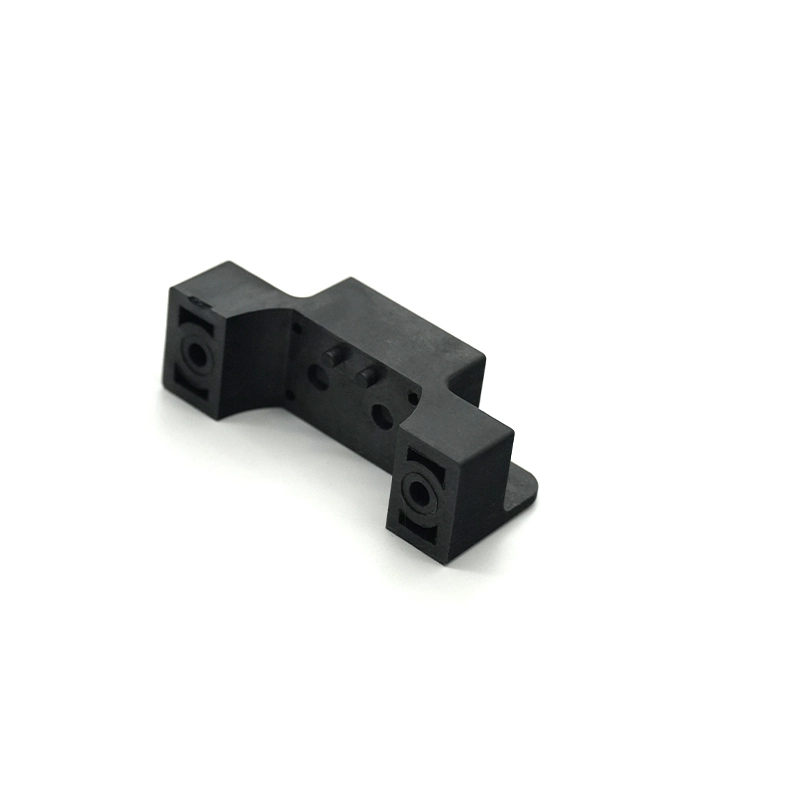
The Bost custom plastic handle by injection molding with high performance PPS material
BOST Custom PPS Injection-Molded Wear-Resistant Handle delivers superior durability and high performance. Made from High Quality PPS material, this injection-molded handle ensures exceptional wear resistance, ideal for demanding applications and long-lasting use. Choose BOST for quality and reliability.
The Bost custom flow meter by injection molding with PES plastic
The Bost Custom PES Injection-Molded Flow Meter offers high-temperature and corrosion resistance, ideal for industrial use. Made with durable PES plastic via precision injection molding, this flow meter ensures reliable, customized performance for demanding applications. Trust Bost for quality and innovation.
Get in touch with Bost
Have any questions or concerns about our products? Please leave us a message here, and our team will get back to you promptly.

24 hours quotes delivered
Submit CAD files, get quote in 24 hours

No MOQ required
From prototyping to high-volume

±0.02 mm Precision
Advanced CNC with full inspections

1,000+ tons in stock
26 materials ready to ship
© 2026 BOST. All Rights Reserved.