 Scan QR Code
Send My Request
Lifecycle Assessment of Black UV-Resistant ABS Connectors
Monday, 03/2/2026
A focused lifecycle assessment (LCA) of the Bost Black UV-Resistant ABS Outdoor Connector evaluates material production, use-phase durability, maintenance demands, and end-of-life options to quantify environmental impacts and identify opportunities to reduce footprint while ensuring long-term, weatherproof performance for outdoor plastic connectors.
- Why Durable Outdoor Plastic Connectors Matter
- Reliability in outdoor installations
- Role of material choice: ABS and UV stabilizers
- Methodology: Conducting an LCA for Black UV-Resistant ABS Connectors
- Goal, scope and functional unit
- Life cycle inventory and impact assessment
- Results and Interpretation: Environmental Hotspots and Performance Trade-offs
- Production vs use phase
- Comparative scenarios: recycled content and extended service life
- Best Practices: Design, Use and End-of-Life for Black UV-Resistant ABS Connectors
- Design for longevity and maintainability
- End-of-life strategies: reuse, recycling, and material recovery
- Practical recommendations for procurement and specification
- Measurement, Standards and References
- Standards to reference
- Where to get validated data
- FAQ
- Q: What is a lifecycle assessment (LCA) and why is it important for connectors?
- Q: Does adding UV stabilizers significantly increase environmental impacts?
- Q: Can black ABS connectors be recycled?
- Q: How much longer do UV-resistant ABS connectors last outdoors?
- Q: What should I ask a supplier when procuring outdoor plastic connectors?
- Q: Are there regulatory or certification considerations?
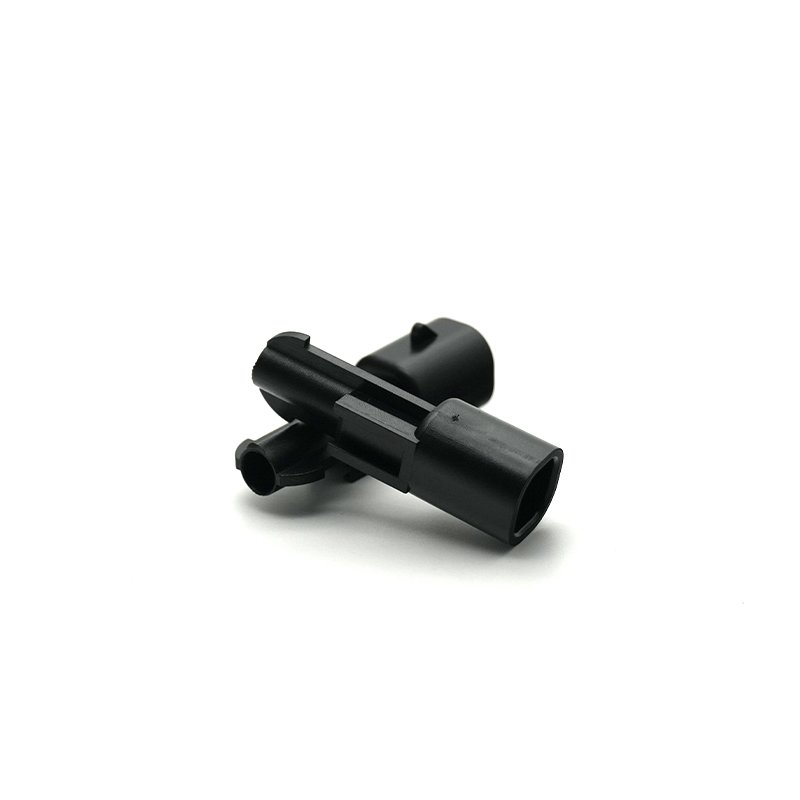
The Bost Black UV-Resistant ABS Outdoor Connector offers superior weather resistance and durability. Made from high-quality ABS plastic, this precision connector ensures reliable performance in harsh outdoor conditions, making it ideal for long-lasting, weatherproof installations. This article presents a practical lifecycle assessment (LCA) approach for black UV-resistant ABS plastic connectors, translating LCA science into actionable guidance for designers, specifiers, installers and sustainability teams who evaluate or deploy plastic connectors in outdoor electrical and mechanical systems.
Why Durable Outdoor Plastic Connectors Matter
Reliability in outdoor installations
Outdoor connectors must withstand sunlight, moisture, temperature cycles and mechanical stress. Failures lead to service interruptions, safety risks and replacement cycles that increase embodied impacts. Choosing robust connectors reduces maintenance frequency and the lifetime environmental burden of installations. The term plastic connectors covers everything from cable joiners to enclosure feed-throughs; design and material selection is central to their long-term sustainability.
Role of material choice: ABS and UV stabilizers
ABS (Acrylonitrile Butadiene Styrene) combines toughness and formability, making it a common engineering plastic for connectors. When formulated with UV stabilizers and pigments (e.g., carbon black or specific additives), ABS can resist photodegradation that otherwise leads to embrittlement and color changes. For technical background on ABS properties, see ABS (Acrylonitrile Butadiene Styrene).
Methodology: Conducting an LCA for Black UV-Resistant ABS Connectors
Goal, scope and functional unit
Define the LCA goal (e.g., compare alternatives, quantify impact per installed connector) and select a functional unit. A recommended functional unit for connectors is one installed connector providing weatherproof electrical coupling for X years (e.g., 10 years). The system boundary should include raw material extraction, resin production, additive compounding, injection molding, surface finishing, packaging, transport to installation site, use-phase maintenance, and end-of-life (EoL) treatments (recycling, incineration, landfill).
Life cycle inventory and impact assessment
Collect inventory data: material mass per connector, energy consumed in molding, transport distances, expected failure/maintenance frequency, and typical EoL routes. For methodology standards and best practices consult ISO 14040/14044 on LCA: ISO 14040 and related resources. For basic LCA concepts see the overview at Life-cycle assessment (LCA).
Results and Interpretation: Environmental Hotspots and Performance Trade-offs
Production vs use phase
For many small polymer components like connectors, the material production and manufacturing stages dominate upstream impacts (energy use, greenhouse gas emissions). However, use-phase differences driven by service life and maintenance can be decisive. A connector that lasts twice as long or requires less maintenance offsets a larger upstream footprint per year of service. That is why UV resistance and mechanical robustness in outdoor plastic connectors are value-adding from an environmental perspective.
Comparative scenarios: recycled content and extended service life
Comparing scenarios helps identify where design changes yield the biggest benefit. Scenarios typically include: (A) standard ABS connector, (B) black UV-resistant ABS connector (Bost product), and (C) ABS with high recycled content. The Bost Black UV-Resistant ABS Outdoor Connector will often show higher upfront impacts if additional compounding steps are required for UV stabilizers or pigments, but lower lifetime impacts if service life and failure rates improve. Data from industry lifecycle studies (see PlasticsEurope and LCA databases) can inform these estimates; for industry context visit PlasticsEurope.
| Scenario | Estimated CO2-eq per connector (kg) | Primary energy (MJ per connector) | Estimated service life (years) | Notes |
|---|---|---|---|---|
| Baseline: standard ABS connector | 0.9 | 12 | 5 | Typical injection-molded small connector; no UV additives |
| Bost Black UV-Resistant ABS connector | 1.0 | 13 | 10 | Minor additional compounding; expected service life extended by improved UV resistance |
| High recycled-content ABS connector | 0.7 | 10 | 6 | Lower production emissions but potential degradation risk if not properly compounded |
Notes on table estimates: numbers are illustrative and based on typical small injection-molded engineering plastic parts and aggregate LCA datasets. For rigorous LCA, use primary manufacturing data and region-specific energy mixes. See international LCA method guidance and databases for detailed factors (ISO 14040; national LCA databases).
Best Practices: Design, Use and End-of-Life for Black UV-Resistant ABS Connectors
Design for longevity and maintainability
Design choices that reduce total environmental impact include specifying UV-stabilized ABS grades, minimizing stress concentrators, designing for easy sealing and replacement of internal components, and using colorants/additives that do not compromise recyclability. A well-sealed, black UV-resistant ABS connector reduces water ingress and UV-driven embrittlement—two common failure modes in outdoor plastic connectors.
End-of-life strategies: reuse, recycling, and material recovery
At end-of-life, consider: reuse in non-critical applications, mechanical recycling into secondary ABS products, or material recovery through chemical recycling where available. Mechanical recycling works well if the polymer stream is consistent; mixed material connectors (metal inserts, mixed polymers) may need disassembly to improve recyclability. Industry associations and recycling initiatives offer guidelines; consult resources such as PlasticsEurope for sector-level recycling data.
Practical recommendations for procurement and specification
When specifying plastic connectors, require documented LCA or EPD-like (environmental product declaration) data where available. Specify service life expectations (e.g., 10-year outdoor exposure) and require validated UV-stability testing (accelerated weathering per relevant test standards). Consider total cost of ownership and environmental cost per year of service rather than unit price alone.
Measurement, Standards and References
Standards to reference
When performing an LCA or validating performance, reference established standards: ISO 14040/14044 for LCA methodology and relevant ASTM/ISO accelerated weathering tests for UV resistance. ISO LCA standards: ISO 14040. These frameworks help ensure comparability and transparency of results.
Where to get validated data
Primary data from resin suppliers and molders yields the most accurate results. Public databases and literature (e.g., LCA databases, industry association reports) provide secondary data useful for screening studies. For academic and method background, see the LCA overview at Wikipedia - LCA and consult regional LCA databases for emission factors. For polymer property references and sector guidance, see PlasticsEurope and technical societies such as the Society of Plastics Engineers (SPE).
FAQ
Q: What is a lifecycle assessment (LCA) and why is it important for connectors?
A: LCA quantifies the environmental impacts across a product's life (raw material, manufacture, use, end-of-life). For connectors, an LCA clarifies whether efforts to improve durability (e.g., UV stabilizers) reduce overall impacts by extending service life and reducing replacements.
Q: Does adding UV stabilizers significantly increase environmental impacts?
A: Adding stabilizers introduces small additional manufacturing impacts, but these are usually offset if the stabilizer meaningfully extends service life or reduces replacement rates. The net effect should be evaluated per product using an LCA framework.
Q: Can black ABS connectors be recycled?
A: Yes—mechanical recycling of ABS is well-established if the polymer stream is relatively pure. Black colorants (especially carbon black) can complicate near-infrared sorting in some recycling streams; however, for small industrial streams, manual sorting and closed-loop recycling are practical. Consider design for disassembly if mixed materials are used.
Q: How much longer do UV-resistant ABS connectors last outdoors?
A: Lifetime varies with formulation, climate and installation. A well-formulated UV-resistant ABS connector commonly doubles the field lifetime compared to untreated ABS in high-UV environments, but manufacturers should supply validated accelerated weathering or field test data for specific service-life claims.
Q: What should I ask a supplier when procuring outdoor plastic connectors?
A: Request material specifications (resin grade, UV stabilizer type), expected service life in specified climates, test reports (accelerated weathering, sealing/IP ratings), and any available LCA, EPD or recyclability information.
Q: Are there regulatory or certification considerations?
A: Yes—electrical and mechanical certifications (e.g., IP ratings, UL/IEC standards) apply to connectors. For environmental claims, transparent LCA methodology per ISO 14040/14044 and verification of any EPDs are recommended to support marketing and procurement decisions.
If you want to compare models, request detailed material and process data, or obtain a product-specific LCA scope for procurement decisions, contact our technical team. View the Bost Black UV-Resistant ABS Outdoor Connector product page or reach out for a data sheet and testing reports: View product details or Contact Sales.
References and further reading: ISO 14040 (LCA framework) — https://www.iso.org/standard/37456.; LCA overview — https://en.wikipedia.org/wiki/Life-cycle_assessment; ABS properties — https://en.wikipedia.org/wiki/Acrylonitrile_butadiene_styrene; industry context — PlasticsEurope; professional resources — Society of Plastics Engineers.
Tags
Wear-Resistant Shaft Protection
Wear-Resistant Shaft Protection
High Temperature Resistance
High Temperature Resistance
Glass fiber filled Nylon
Glass fiber filled Nylon
Impact-Resistant Stable Fitting
Impact-Resistant Stable Fitting
Nylon material rod
Nylon material rod
custom over molding
custom over molding
Recommended for you
Top Benefits of Custom Injection Molding for Manufacturing: A Practical Guide
Engineering Plastic Cost: Price, Value and Lifecycle Analysis
Comparing ABS vs Nylon Plastic Connectors for Outdoor Use
Recycling and Circular Economy Strategies for Engineering Plastics
Prdoucts Categories
Question you may concern
FAQs
How do I select the appropriate engineering plastic grade for my product?
Selection should be based on parameters such as load conditions (e.g., pressure/friction), temperature range, medium contact (e.g., oil/acid), and regulatory requirements (e.g., FDA/RoHS). Our engineers can provide free material selection consulting and sample testing.
Can Bost customize modified plastics with special properties?
Yes! We offer modification services such as reinforcement, flame retardancy, conductivity, wear resistance, and UV resistance, for example:
• Adding carbon fiber to enhance stiffness
• Reducing the coefficient of friction through PTFE modification
• Customizing food-grade or medical-grade certified materials
What is the minimum order quantity (MOQ)? Do you support small-batch trial production?
The MOQ for standard products is ≥100kg. We support small-batch trial production (as low as 20kg) and provide mold testing reports and performance data feedback.
What is the delivery lead time? Do you offer global logistics?
Standard products: 5–15 working days; custom modifications: 2–4 weeks. We support global air/sea freight and provide export customs clearance documents (including REACH/UL certifications).
What are the core advantages of Bost engineering plastics compared to ordinary plastics?
Bost engineering plastics feature ultra-high mechanical strength, high-temperature resistance (-50°C to 300°C), chemical corrosion resistance, and wear resistance. Compared to ordinary plastics, their service life is extended by 3 to 8 times, making them suitable for replacing metals in harsh environments.
You may also like
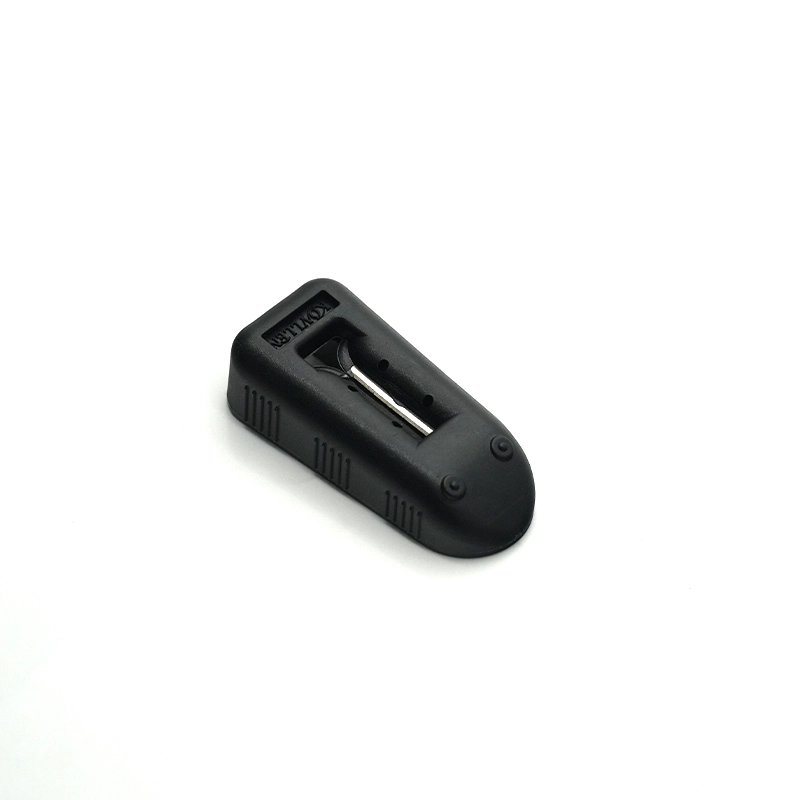
The plastic plug manufactured by Insert molding with stainless steel plate
Bost’s Insert-Molded Stainless Steel Plate Plastic Plug offers superior durability and corrosion resistance. This stainless steel insert durable plastic plug ensures a secure fit and long-lasting performance, ideal for industrial and commercial applications. Robust design meets quality standards.
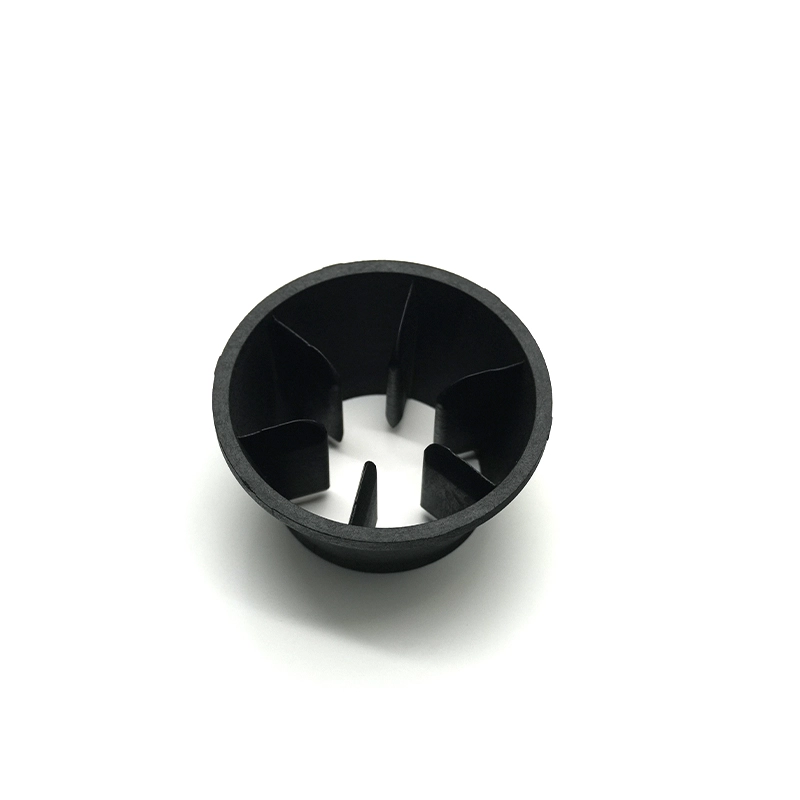
The Bost custom PPO flow valve by injection molding
The BOST Custom PPO Injection-Molded Flow Valve delivers high-temp and corrosion-resistant performance for industrial flow control. Precision-engineered by Bost, this custom PPO valve ensures durable, reliable operation in demanding environments. Optimize your process with BOST’s advanced injection-molded solution.
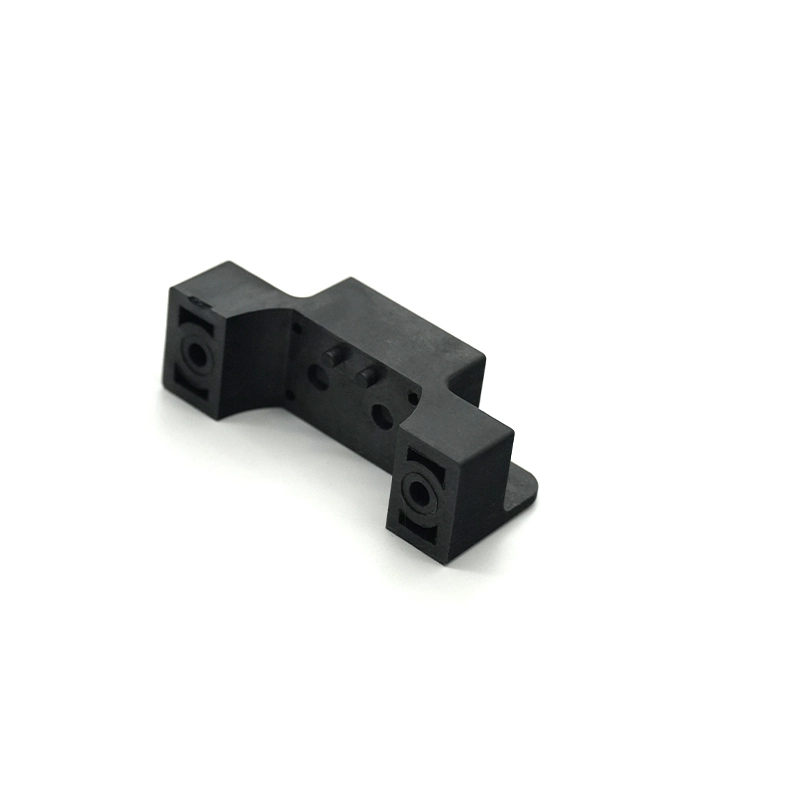
The Bost custom plastic handle by injection molding with high performance PPS material
BOST Custom PPS Injection-Molded Wear-Resistant Handle delivers superior durability and high performance. Made from High Quality PPS material, this injection-molded handle ensures exceptional wear resistance, ideal for demanding applications and long-lasting use. Choose BOST for quality and reliability.
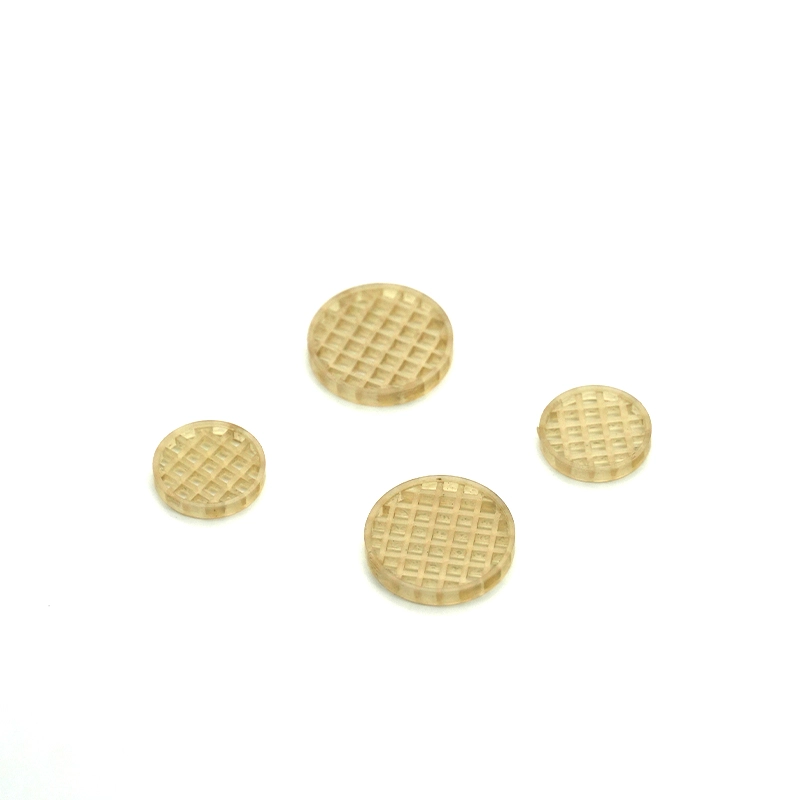
The Bost custom flow meter by injection molding with PES plastic
The Bost Custom PES Injection-Molded Flow Meter offers high-temperature and corrosion resistance, ideal for industrial use. Made with durable PES plastic via precision injection molding, this flow meter ensures reliable, customized performance for demanding applications. Trust Bost for quality and innovation.
Get in touch with Bost
Have any questions or concerns about our products? Please leave us a message here, and our team will get back to you promptly.

24 hours quotes delivered
Submit CAD files, get quote in 24 hours

No MOQ required
From prototyping to high-volume

±0.02 mm Precision
Advanced CNC with full inspections

1,000+ tons in stock
26 materials ready to ship
© 2026 BOST. All Rights Reserved.