 Scan QR Code
Send My Request
Top Benefits of Custom Injection Molding for Manufacturing: A Practical Guide
Tuesday, 09/9/2025
Explore the top benefits of custom injection molding for manufacturing, including cost-efficiency, design flexibility, material performance, and sustainable engineering plastics solutions from Bost.
- Top Benefits of Custom Injection Molding for Manufacturing
- Introduction: Why Manufacturers Search for Top Benefits of Custom Injection Molding for Manufacturing
- High-Volume Cost Efficiency: Reduce Unit Cost with Custom Injection Molding
- Design Flexibility: Complex Geometries and Integrated Features
- Material Selection: Leverage Advanced Engineering Plastics from Bost
- Precision and Repeatability: Maintain Tight Tolerances in Production
- Faster Time-to-Market: Rapid Prototyping to Production with Custom Molds
- Surface Finish and Aesthetics: High-Quality Visual and Functional Finishes
- Reduced Assembly and Lower Total Cost of Ownership
- Enhanced Mechanical Properties: Tailor Parts for Performance
- Sustainability and Green Manufacturing: Recyclable and Energy-Efficient Options
- Scalability and Flexibility: From Prototype to Mass Production
- Integration of Inserts and Multi-Material Parts: Overmolding and Insert Molding
- Short Cycle Times and High Throughput: Improve Production Efficiency
- Quality Control and Traceability: Support for Industry Standards
- Lower Waste and Material Optimization: Efficient Resource Usage
- When Custom Injection Molding Is the Right Choice: Decision Criteria
- How Bost Supports Custom Injection Molding Projects
- Cost Considerations and ROI: Balancing Tooling Investment and Unit Economics
- Key Takeaways: Practical Benefits Summarized
- Conclusion: Choosing Custom Injection Molding to Deliver Commercial Advantage
- Frequently Asked Questions
Top Benefits of Custom Injection Molding for Manufacturing
Introduction: Why Manufacturers Search for Top Benefits of Custom Injection Molding for Manufacturing
Manufacturers researching the Top Benefits of Custom Injection Molding for Manufacturing are usually deciding how to scale production, reduce unit costs, or improve part performance. Custom injection molding offers an efficient path from prototype to high-volume production while supporting advanced engineering plastics that deliver durability, heat resistance, and chemical stability. Bost, a professional and innovative high-tech green energy engineering plastics manufacturer, leverages custom injection molding to meet demanding application needs and customer satisfaction.
High-Volume Cost Efficiency: Reduce Unit Cost with Custom Injection Molding
One of the central commercial benefits of custom injection molding for manufacturing is dramatic per-part cost reduction at scale. Though initial investment in custom tooling is higher, amortizing mold costs across thousands or millions of parts typically yields a low cost per unit, making this process ideal for mass production of components in automotive, consumer electronics, and household goods. Manufacturers benefit from consistent cycle times and automated molding cells that lower labor costs and improve margins.
Design Flexibility: Complex Geometries and Integrated Features
Custom injection molding allows manufacturers to produce complex geometries that would be difficult or impossible with secondary machining. Features like ribs, undercuts, threads, bosses, and integrated snap-fits can be molded directly into parts, reducing assembly steps and overall product cost. For businesses searching for the top benefits of custom injection molding for manufacturing, the ability to consolidate multiple parts into a single molded component is a frequent commercial driver.
Material Selection: Leverage Advanced Engineering Plastics from Bost
Choosing the right material is a key selling point of custom injection molding for manufacturing. Bost specializes in engineering plastics and special polymers—such as high-temperature transparent plastics, ultra-wear-resistant formulations, flame-retardant grades, conductive and thermally conductive modifications, and enhanced-toughness resins. These materials enable parts to meet precise mechanical, thermal, and chemical requirements across industries like automotive, medical devices, and energy.
Precision and Repeatability: Maintain Tight Tolerances in Production
Custom injection molding delivers tight dimensional control and repeatability that many manufacturing processes cannot match. Depending on mold quality and material, tolerances commonly achieve ±0.1 mm or better, ensuring interchangeability and high assembly efficiency. This accuracy supports rigorous quality standards in electronics and precision mechanical parts, reducing rejects and rework costs.
Faster Time-to-Market: Rapid Prototyping to Production with Custom Molds
Manufacturers pursuing the top benefits of custom injection molding for manufacturing often cite accelerated timelines. Modern workflows—combining rapid prototyping (SLA, SLS) with iterative mold adjustments—can shorten development cycles. Tooling lead times typically range from a few weeks to a few months depending on complexity. Once molds are validated, production runs can begin quickly with predictable cycle times.
Surface Finish and Aesthetics: High-Quality Visual and Functional Finishes
Custom injection molding provides excellent surface finish options, including glossy, matte, textured, and chrome-plated appearances. Decorative and functional finishes are achievable with mold texturing, gas-assisted molding, and overmolding. This aesthetic flexibility helps manufacturers create High Quality-feel products without expensive secondary finishing operations.
Reduced Assembly and Lower Total Cost of Ownership
By integrating multiple functions into a single molded part, custom injection molding reduces assembly time, fasteners, and inventory complexity. Lower assembly steps translate into lower labor costs, reduced error rates, and shorter production lead times—key commercial benefits when optimizing manufacturing operations.
Enhanced Mechanical Properties: Tailor Parts for Performance
Custom injection molding enables designers to select specific engineering plastics or modified resins that deliver enhanced fatigue resistance, abrasion resistance, chemical corrosion resistance, and thermal stability. Bost's development team focuses on modified engineering plastics that offer super corrosion resistance, ultra-abrasion resistance, and enhanced toughness—allowing molded parts to perform reliably in harsh environments.
Sustainability and Green Manufacturing: Recyclable and Energy-Efficient Options
Sustainability is a growing decision factor. Custom injection molding supports material efficiency (low scrap rates with optimized runner systems and regrind) and enables the use of recyclable and bio-based engineering plastics. Bost, as a green energy engineering plastics manufacturer, integrates sustainable practices into resin selection and production processes to reduce environmental footprint while maintaining performance.
Scalability and Flexibility: From Prototype to Mass Production
Custom injection molding is inherently scalable. Small tooling or soft molds can serve prototyping needs, while hardened steel molds support millions of cycles for high-volume manufacturing. This scalability allows businesses to test market demand and scale up production without changing core manufacturing methods, preserving product quality and consistency.
Integration of Inserts and Multi-Material Parts: Overmolding and Insert Molding
Advanced molding techniques—such as overmolding and insert molding—allow designers to combine materials (plastic over metal inserts, seals, or electronic components) in a single manufacturing step. These capabilities reduce assembly and improve part robustness. For manufacturers focused on the top benefits of custom injection molding for manufacturing, the ability to add functional inserts or soft-touch surfaces directly in the mold is a major advantage.
Short Cycle Times and High Throughput: Improve Production Efficiency
Injection molding cycle times range from a few seconds for small parts to a minute or more for larger components, enabling high throughput. With modern multi-cavity molds and multi-shot molding systems, manufacturers can produce thousands of identical parts daily. High throughput combined with automation contributes to predictable supply chains and just-in-time manufacturing strategies.
Quality Control and Traceability: Support for Industry Standards
Custom injection molding supports robust quality control practices—statistical process control (SPC), in-mold sensors, and automated inspection systems ensure each part meets specifications. These controls help manufacturers comply with industry certifications and customer requirements, reducing warranty claims and improving product reliability.
Lower Waste and Material Optimization: Efficient Resource Usage
Custom tooling and process optimization reduce material waste. Engineers can design runner systems and gate locations to minimize scrap and maximize the use of regrind where permissible. For companies committed to green manufacturing, these improvements reduce costs and environmental impact, aligning with Bost's focus on sustainable engineering plastics.
When Custom Injection Molding Is the Right Choice: Decision Criteria
Manufacturers evaluating the top benefits of custom injection molding for manufacturing should consider volume, part complexity, material requirements, and lifecycle costs. Injection molding excels for high-volume runs, complex geometry, and applications needing specific engineering plastics. For low-volume or highly customized one-off parts, alternative methods like CNC machining or 3D printing may be more economical at early stages.
How Bost Supports Custom Injection Molding Projects
Bost combines expertise in modified engineering plastics, mold design, mechanical processing, and steel-plastic composite solutions to support customers from concept to mass production. With capabilities in mold manufacturing, material modification (flame retardant, conductive, wear-resistant), and advanced processing, Bost helps manufacturers realize the top benefits of custom injection molding for manufacturing while meeting strict quality and sustainability targets.
Cost Considerations and ROI: Balancing Tooling Investment and Unit Economics
While tooling costs are upfront, the return on investment becomes clear as unit volumes increase. Manufacturers should calculate total cost of ownership—tooling, cycle time, material, labor, and secondary operations—against projected volumes. For many programs, custom injection molding provides a favorable ROI versus assembly-heavy or multi-process solutions.
Key Takeaways: Practical Benefits Summarized
Custom injection molding offers several commercial and technical benefits for manufacturing: lower unit costs at scale, design flexibility, repeatable quality, material performance from engineering plastics, faster time-to-market, reduced assembly, improved sustainability, and excellent surface finishes. For companies seeking reliable, high-performance components, custom injection molding remains a leading choice.
Conclusion: Choosing Custom Injection Molding to Deliver Commercial Advantage
Understanding the top benefits of custom injection molding for manufacturing helps decision-makers select the right production strategy. By partnering with an experienced supplier like Bost, manufacturers can access specialized engineering plastics, advanced mold design, and production expertise that convert technical requirements into commercial advantages. Whether optimizing for cost, performance, or sustainability, custom injection molding provides a versatile, scalable manufacturing solution.
Frequently Asked Questions
Q: What are the typical lead times for custom injection molding tooling and production?A: Tooling lead times typically range from 4 to 12 weeks depending on complexity and mold material; after tooling approval, production cycle starts quickly and depends on order size and schedule.
Q: Which engineering plastics are commonly used for injection molding in high-performance applications?A: Common choices include PEEK, PPS, polycarbonate (PC), nylon (PA), acetal (POM), PET, and modified grades offering flame retardancy, conductivity, or enhanced wear resistance as needed.
Q: How does custom injection molding support sustainability goals?A: Injection molding reduces waste with optimized runner systems, uses regrind where applicable, supports recyclable materials, and allows lightweighting designs that reduce material use and energy consumption in downstream applications.
Q: Is injection molding cost-effective for low-volume production?A: For very low volumes, high tooling costs may not be justified; alternatives like 3D printing or soft tooling can bridge prototyping to low-volume needs before scaling to hardened molds for mass production.
Q: How does Bost ensure part quality and compliance with industry standards?A: Bost integrates experienced R&D, mold design, process control, and inspection systems to meet customer specifications, employing SPC and traceability practices to ensure consistent part quality.
Tags
Long-Lasting Durability
Long-Lasting Durability
High wear resistance & low friction
High wear resistance & low friction
Lightweight Adaptation
Lightweight Adaptation
plastic pulley wheels
plastic pulley wheels
High-temperature
High-temperature
High-strength impact-resistant
High-strength impact-resistant
Recommended for you
Electrical Insulation Advantages of ABS Connectors
Guide to specifying engineered plastic components for OEMs
How to Read Datasheets for ABS Plastic Connectors
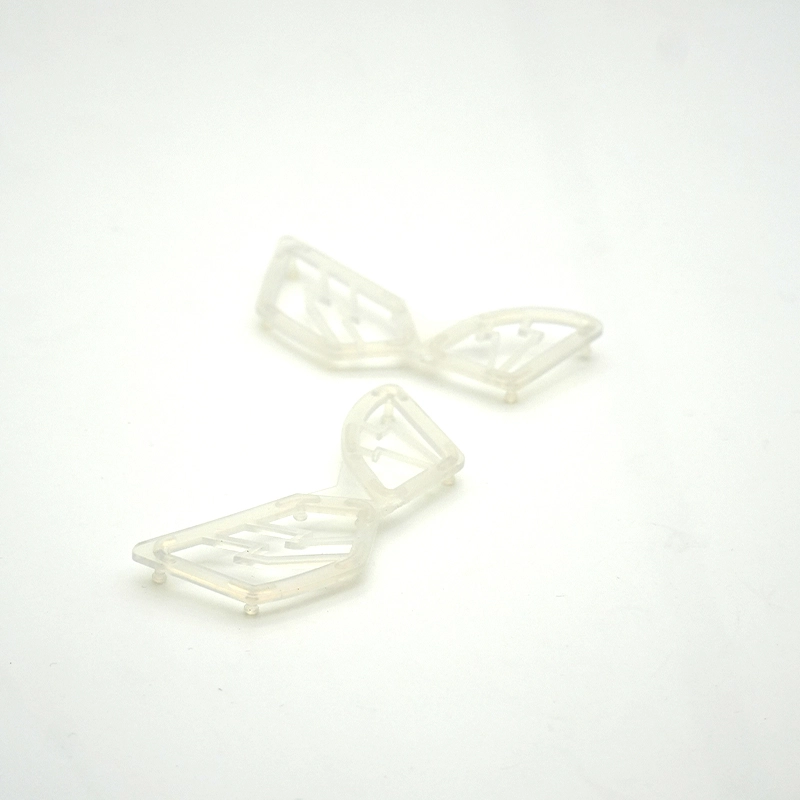
Reducing Costs with High-Volume PP Plastic Spacer Sourcing
Prdoucts Categories
Question you may concern
FAQs
Can Bost customize modified plastics with special properties?
Yes! We offer modification services such as reinforcement, flame retardancy, conductivity, wear resistance, and UV resistance, for example:
• Adding carbon fiber to enhance stiffness
• Reducing the coefficient of friction through PTFE modification
• Customizing food-grade or medical-grade certified materials
What are the core advantages of Bost engineering plastics compared to ordinary plastics?
Bost engineering plastics feature ultra-high mechanical strength, high-temperature resistance (-50°C to 300°C), chemical corrosion resistance, and wear resistance. Compared to ordinary plastics, their service life is extended by 3 to 8 times, making them suitable for replacing metals in harsh environments.
What is the delivery lead time? Do you offer global logistics?
Standard products: 5–15 working days; custom modifications: 2–4 weeks. We support global air/sea freight and provide export customs clearance documents (including REACH/UL certifications).
What is the minimum order quantity (MOQ)? Do you support small-batch trial production?
The MOQ for standard products is ≥100kg. We support small-batch trial production (as low as 20kg) and provide mold testing reports and performance data feedback.
How do I select the appropriate engineering plastic grade for my product?
Selection should be based on parameters such as load conditions (e.g., pressure/friction), temperature range, medium contact (e.g., oil/acid), and regulatory requirements (e.g., FDA/RoHS). Our engineers can provide free material selection consulting and sample testing.
You may also like
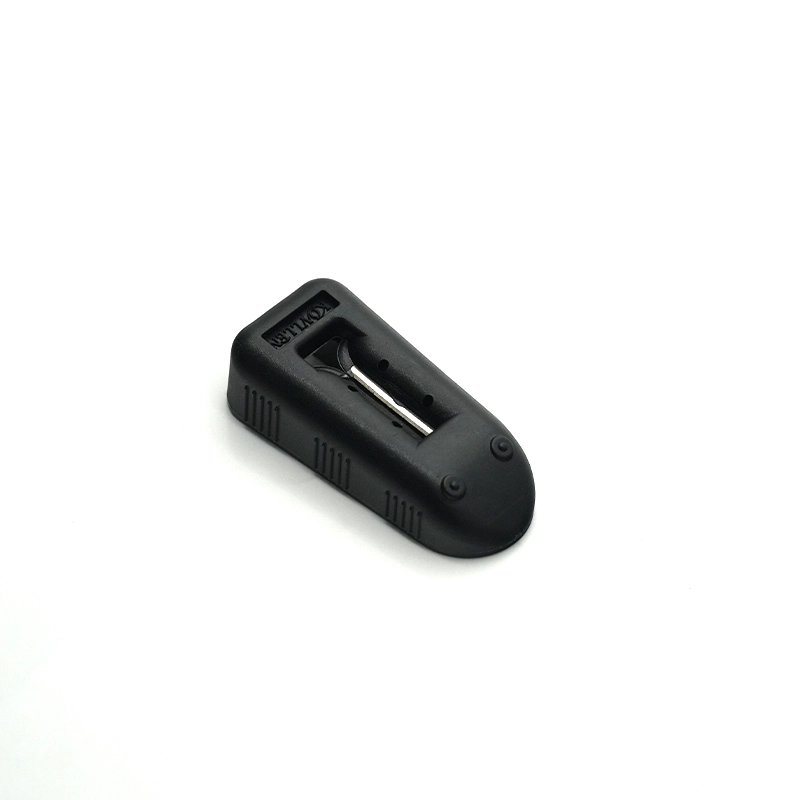
The plastic plug manufactured by Insert molding with stainless steel plate
Bost’s Insert-Molded Stainless Steel Plate Plastic Plug offers superior durability and corrosion resistance. This stainless steel insert durable plastic plug ensures a secure fit and long-lasting performance, ideal for industrial and commercial applications. Robust design meets quality standards.
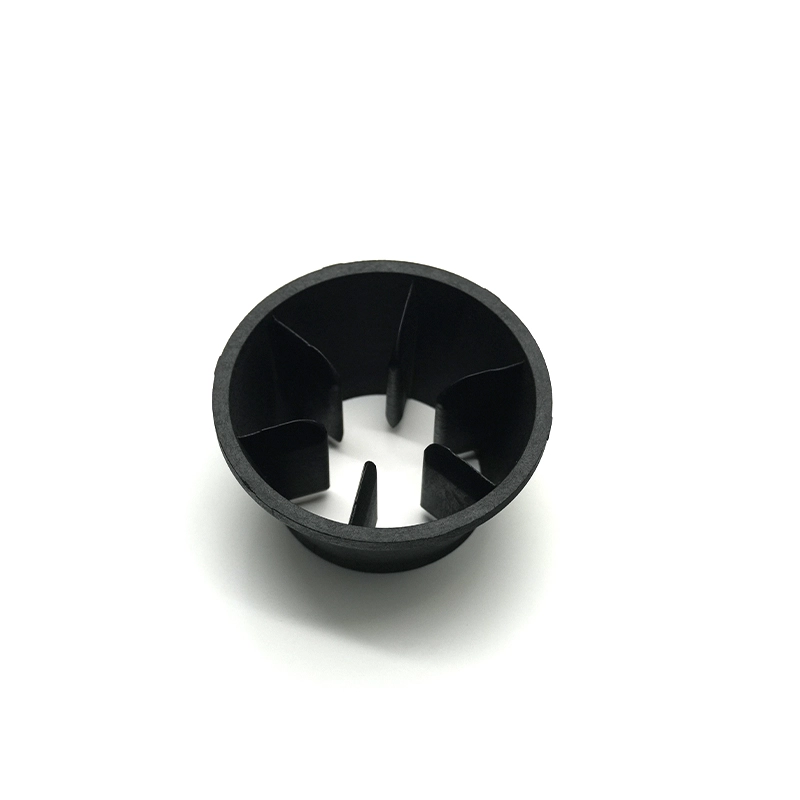
The Bost custom PPO flow valve by injection molding
The BOST Custom PPO Injection-Molded Flow Valve delivers high-temp and corrosion-resistant performance for industrial flow control. Precision-engineered by Bost, this custom PPO valve ensures durable, reliable operation in demanding environments. Optimize your process with BOST’s advanced injection-molded solution.
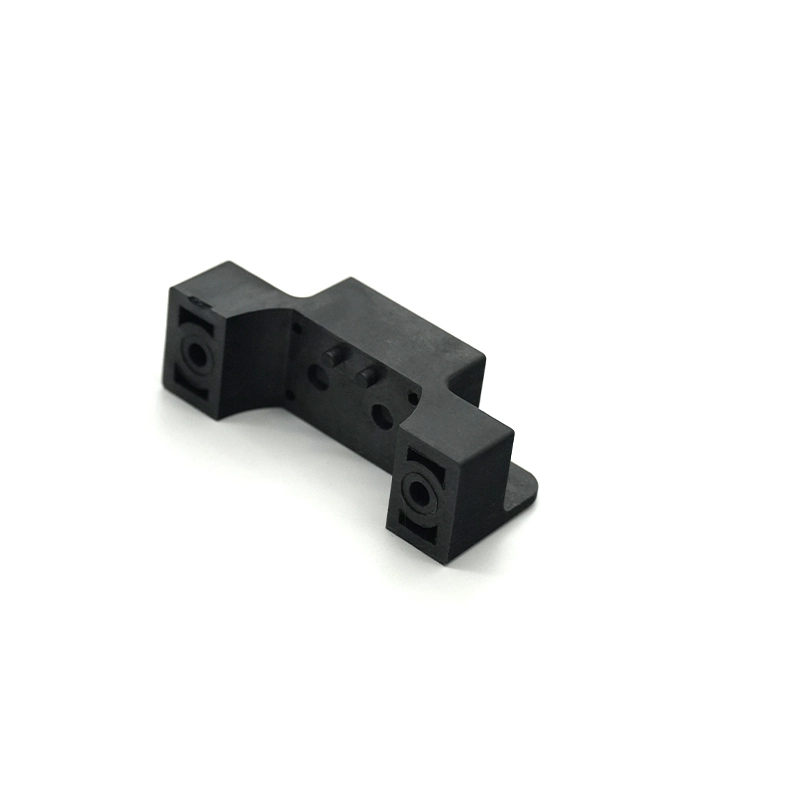
The Bost custom plastic handle by injection molding with high performance PPS material
BOST Custom PPS Injection-Molded Wear-Resistant Handle delivers superior durability and high performance. Made from High Quality PPS material, this injection-molded handle ensures exceptional wear resistance, ideal for demanding applications and long-lasting use. Choose BOST for quality and reliability.
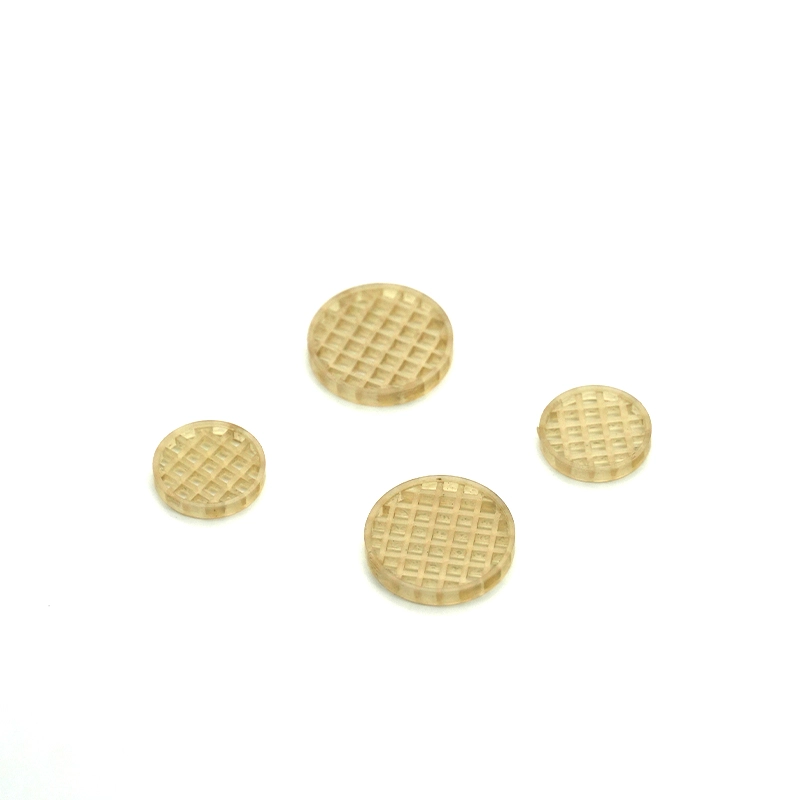
The Bost custom flow meter by injection molding with PES plastic
The Bost Custom PES Injection-Molded Flow Meter offers high-temperature and corrosion resistance, ideal for industrial use. Made with durable PES plastic via precision injection molding, this flow meter ensures reliable, customized performance for demanding applications. Trust Bost for quality and innovation.
Get in touch with Bost
Have any questions or concerns about our products? Please leave us a message here, and our team will get back to you promptly.

24 hours quotes delivered
Submit CAD files, get quote in 24 hours

No MOQ required
From prototyping to high-volume

±0.02 mm Precision
Advanced CNC with full inspections

1,000+ tons in stock
26 materials ready to ship
© 2026 BOST. All Rights Reserved.