
 Scan QR Code
Send My Request
Overmolding vs Insert Molding: When to Use Each
Saturday, 02/7/2026
Overmolding vs Insert Molding: When to Use Each — A practical guide for product designers and manufacturers comparing overmolding and insert molding for engineering plastics parts, covering materials, tooling, production volumes, mechanical performance, cost drivers, and real-world application guidance to help you choose the right process.
- Fundamentals of Molding: Context Before Choosing a Process
- What injection-based molding methods share
- Terminology clarity
- Relevant standards and industry resources
- Overmolding: When It Excels
- What is overmolding and common use cases
- Material compatibility and bonding
- Production and cost factors
- Insert Molding: When It's the Better Choice
- What is insert molding and typical applications
- Mechanical strength and functional advantages
- Process considerations and design guidelines
- Overmolding vs Insert Molding: Direct Comparison and Decision Guide
- Compare the processes (table)
- Decision flow — quick checklist
- Practical Design, Manufacturing, and Cost Considerations
- Tooling and up-front investment
- Cycle time and throughput
- Testing, validation, and reliability
- Case Studies and Application Examples
- Consumer electronics — overmolding for ergonomics
- Automotive connectors — insert molding for durability
- Medical device housings — selection based on sterilization
- Frequently Asked Questions (FAQ)
- Q: Can I overmold directly onto metal inserts?
- Q: Which process gives better long-term bond stability?
- Q: Is two-shot molding the same as overmolding?
- Conclusion
- References
This article compares overmolding and insert molding for engineering plastics, highlighting material compatibility, tooling and production trade-offs, bond strength, cycle time, costs, and typical applications. It helps engineers and procurement teams choose the right molding strategy for medical devices, automotive components, green energy equipment, and consumer products while referencing standards and industry guidance for credible decision-making.
Fundamentals of Molding: Context Before Choosing a Process
What injection-based molding methods share
Both overmolding and insert molding are variants of injection molding. They use molten polymer injected into a mold cavity to form parts and can be automated or manual. Injection molding fundamentals — mold design, gate location, melt temperature, cooling, and cycle optimization — apply to both techniques. For a technical overview of injection molding fundamentals, see the injection molding entry on Wikipedia.
Terminology clarity
Common confusion often arises between multi-shot (two-shot) molding, overmolding, and insert molding. Overmolding generally means molding one material over an existing substrate or molded preform (adhesive bonding or mechanical interlock), while insert molding refers to molding plastic around a pre-placed rigid insert (metal, PCB, threaded boss) inside the cavity so the plastic becomes integral with the insert. Two-shot or multi-shot molding injects multiple polymers sequentially from the same machine without removing the part from the mold.
Relevant standards and industry resources
Design and testing decisions should reference industry standards (for materials, dimensional tolerances, and testing). ISO publishes plastics and molding standards relevant to process control and testing — see ISO plastics standards. The Society of Plastics Engineers offers technical resources and professional guidance for molding processes at SPE.
Overmolding: When It Excels
What is overmolding and common use cases
Overmolding involves molding a second material (often a soft thermoplastic elastomer or a different engineering plastic) over a first substrate to add features such as soft grips, seals, insulation, or visual contrast. Typical applications include handheld tool handles, sealed connectors, power tool grips, and consumer electronics. Overmolding is especially useful when ergonomics, sealing, or electrical isolation are required.
Material compatibility and bonding
Successful overmolding relies on chemical compatibility or mechanical interlocking between layers. Thermoplastic elastomers (TPEs) like Santoprene or TPU are frequently overmolded onto ABS, polycarbonate (PC), or glass-reinforced nylons. For chemical compatibility charts and material selection, consult manufacturer datasheets and compatibility guides. In many cases, surface treatment (plasma, corona) or adhesive layers improve bond strength.
Production and cost factors
Overmolding can add cycle time and tooling complexity because the part may need handling between shots or specialized molds for two-shot operations. However, it reduces assembly steps and can lower total part cost versus post-mold assembly (adhesives, mechanical joining). Overmolding is practical for medium to high volumes where higher initial tooling costs are amortized over production.
Insert Molding: When It's the Better Choice
What is insert molding and typical applications
Insert molding embeds pre-formed inserts (metal bosses, fasteners, threaded brass, PCBs) into molded plastic during the injection cycle, creating a single bonded component. This method is common for electronic housings with embedded threaded inserts, metal clips in automotive trim, and structural parts that require metal reinforcement for load-bearing features.
Mechanical strength and functional advantages
Insert molding provides strong mechanical anchoring because the molten polymer fills and locks around the insert geometry. It avoids secondary operations such as heat staking or ultrasonic insertion and often yields superior performance under torque and pull-out loads. For assemblies requiring high-strength insert retention (e.g., M3–M6 threaded inserts), insert molding often outperforms post-insertation methods.
Process considerations and design guidelines
Key design points include insert placement accuracy, thermal compatibility (inserts must withstand mold temperatures), and gate placement to avoid insert movement. Manual or automated robotic insert placement can be used depending on volume. Insert materials (brass, stainless steel, plated steels) should be selected for corrosion resistance and thermal stability. For process control best practices, SPE and moldmaking handbooks provide detailed guidance.
Overmolding vs Insert Molding: Direct Comparison and Decision Guide
Compare the processes (table)
| Criteria | Overmolding | Insert Molding |
|---|---|---|
| Primary purpose | Apply a second polymer layer for grip, seal, or aesthetics | Integrate rigid inserts (metal/PCB) into plastic parts |
| Typical materials | TPE, TPU over ABS, PC, PA | PA, POM, PC, ABS with brass/stainless inserts |
| Bond type | Chemical adhesion or mechanical interlock; may need surface treatment | Mechanical interlock and encapsulation; high pull-out strength |
| Tooling complexity | Higher for two-shot molds or rotaries; additional sealing features | Moderate; requires insert handling features and robust cavities |
| Best production volume | Medium to high volumes to justify tooling | Low to very high volumes — scalable with automation |
| Assembly reduction | Substantial reduction vs adhesive or post-mold overwrap | Eliminates secondary insert assembly operations |
| Typical industries | Consumer products, medical devices (soft grips), tools | Automotive, electronics, industrial equipment |
Decision flow — quick checklist
Ask these questions to pick a process:
- Do you need a soft-touch surface, seal, or over-surface feature? If yes — consider overmolding.
- Does the part require embedded metal or electronic components? If yes — insert molding is likely best.
- Are you aiming to eliminate secondary assembly steps for cost or reliability? Both processes can help; choose based on the feature function.
- Is bond strength between polymers critical, or do you need thermal cycling durability? Validate material compatibility with supplier data and testing.
Practical Design, Manufacturing, and Cost Considerations
Tooling and up-front investment
Tooling is often the largest up-front cost. Overmolding molds for two-shot processes can be more complex because they must accommodate two cavities or rotating platens and multiple injection units. Insert molding tools need reliable insert guides, placement features, and venting but can be less complex if inserts are placed manually or with simple automation. Consider total cost of ownership: tooling + cycle time + assembly reduction.
Cycle time and throughput
Cycle time depends on melt cool time, which is influenced by wall thickness and material thermal conductivity. Insert molding may add time for insert placement unless automated inline. Overmolding with two-shot machines can reduce handling time (single machine) but still involves sequential injections. For high-volume products, invest in automation and cavity optimization to meet throughput targets.
Testing, validation, and reliability
Validate designs with pull-out, torque, thermal cycling, and aging tests appropriate to your application. Medical or safety-related parts may need biocompatibility or flame-retardant certification. Reference applicable standards early in the design stage to avoid costly redesigns later. Industry guidance from organizations such as SPE and ISO can direct appropriate test methods.
Case Studies and Application Examples
Consumer electronics — overmolding for ergonomics
Handheld devices frequently use overmolding to add a soft grip area (TPE over PC or ABS). The result is better grip and improved drop resistance without aftermarket bonding. This reduces assembly steps and improves consumer perception of quality.
Automotive connectors — insert molding for durability
Automotive sensors and connectors often use insert molding to embed brass or plated inserts for repeated screw engagements and to provide electrical grounding paths. Insert molding yields high retention and robust mechanical interfaces essential for vibration- and temperature-intensive automotive environments.
Medical device housings — selection based on sterilization
Medical devices that require sterilization must use materials and bonding strategies compatible with steam (autoclave), EtO, or gamma. Overmolding may be constrained by TPE sterilization limits; insert molding with medical-grade plastics and biocompatible inserts is often preferred. Always verify sterilization compatibility for chosen polymers with suppliers and standards governing medical devices.
Frequently Asked Questions (FAQ)
Q: Can I overmold directly onto metal inserts?
A: Yes — overmolding onto metal is common, but surface treatment (roughening, plating, or primers) or mechanical features are often required to ensure sufficient adhesion. Insert molding may be preferable when maximum mechanical retention is required.
Q: Which process gives better long-term bond stability?
A: Insert molding typically offers superior mechanical retention because the plastic encapsulates the insert. Overmolding bond stability depends heavily on polymer compatibility and any surface treatments used.
Q: Is two-shot molding the same as overmolding?
A: Not exactly. Two-shot (multi-shot) molding is a manufacturing approach where multiple polymers are molded in sequence in the same cycle. Overmolding describes the functional outcome (one material molded over another) and can be achieved via two-shot, over-molded inserts, or secondary molding processes.
Conclusion
Choosing between overmolding and insert molding depends on the part's functional requirements, production volume, material compatibility, and cost priorities. Overmolding is ideal for adding soft-touch surfaces, seals, or cosmetic layers; insert molding is optimal when you must integrate metal components or need high mechanical retention without post-assembly. Both methods reduce assembly and can improve product reliability when paired with proper material selection, mold design, and testing. For design decisions, consult industry standards and collaborate early with tooling and material suppliers to minimize risk.
About Bost: Bost is a professional, innovative high-tech green energy engineering plastics manufacturer specializing in R&D, production, and sales. We provide high-performance and specialty engineering plastics with enhanced toughness, flame retardancy, wear and corrosion resistance, and advanced composite solutions for steel-plastic and plastic-rubber combinations. Learn more at Bost or contact us at postmaster@china-otem.com for material selection and molding consultations.
References
- Injection moulding — Wikipedia
- Insert moulding — Wikipedia
- Society of Plastics Engineers (SPE)
- ISO: Plastics standards
Contact us to discuss whether overmolding or insert molding is best for your next engineering plastics application.
Tags
Insulating Adaptation
Insulating Adaptation
plastic part manufacturing
plastic part manufacturing
Shaft component protection
Shaft component protection
custom plastic spur gears
custom plastic spur gears
injection molding parts
injection molding parts
automotive plastic parts
automotive plastic parts
Recommended for you
Design Considerations When Using Black UV-Resistant ABS Connectors
PEEK Overmolding for Medical Device Applications: Practical Guide for Designers & Manufacturers
How to source The Bost custom PPO flow valve by injection molding
How to Design Parts for PEEK Overmolding Success
Prdoucts Categories
Question you may concern
FAQs
What is the delivery lead time? Do you offer global logistics?
Standard products: 5–15 working days; custom modifications: 2–4 weeks. We support global air/sea freight and provide export customs clearance documents (including REACH/UL certifications).
How do I select the appropriate engineering plastic grade for my product?
Selection should be based on parameters such as load conditions (e.g., pressure/friction), temperature range, medium contact (e.g., oil/acid), and regulatory requirements (e.g., FDA/RoHS). Our engineers can provide free material selection consulting and sample testing.
Can Bost customize modified plastics with special properties?
Yes! We offer modification services such as reinforcement, flame retardancy, conductivity, wear resistance, and UV resistance, for example:
• Adding carbon fiber to enhance stiffness
• Reducing the coefficient of friction through PTFE modification
• Customizing food-grade or medical-grade certified materials
What are the core advantages of Bost engineering plastics compared to ordinary plastics?
Bost engineering plastics feature ultra-high mechanical strength, high-temperature resistance (-50°C to 300°C), chemical corrosion resistance, and wear resistance. Compared to ordinary plastics, their service life is extended by 3 to 8 times, making them suitable for replacing metals in harsh environments.
What is the minimum order quantity (MOQ)? Do you support small-batch trial production?
The MOQ for standard products is ≥100kg. We support small-batch trial production (as low as 20kg) and provide mold testing reports and performance data feedback.
You may also like
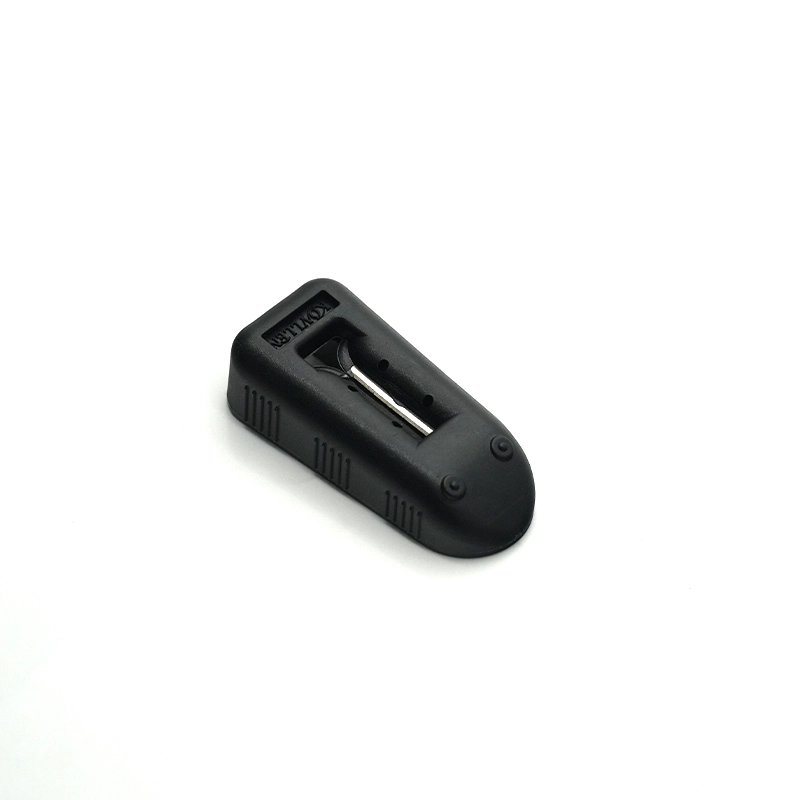
The plastic plug manufactured by Insert molding with stainless steel plate
Bost’s Insert-Molded Stainless Steel Plate Plastic Plug offers superior durability and corrosion resistance. This stainless steel insert durable plastic plug ensures a secure fit and long-lasting performance, ideal for industrial and commercial applications. Robust design meets quality standards.
The Bost custom PPO flow valve by injection molding
The BOST Custom PPO Injection-Molded Flow Valve delivers high-temp and corrosion-resistant performance for industrial flow control. Precision-engineered by Bost, this custom PPO valve ensures durable, reliable operation in demanding environments. Optimize your process with BOST’s advanced injection-molded solution.
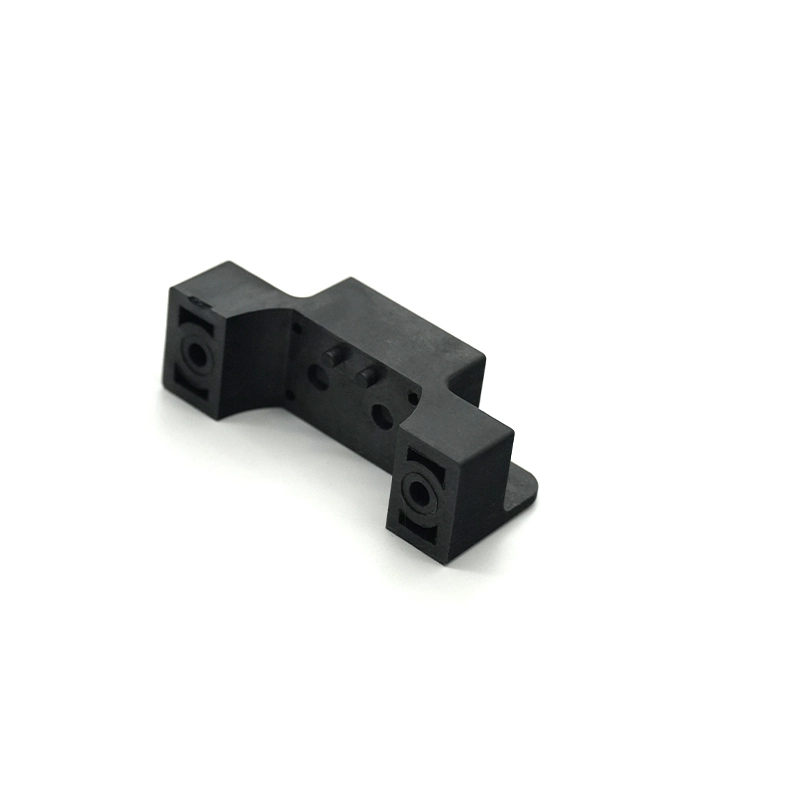
The Bost custom plastic handle by injection molding with high performance PPS material
BOST Custom PPS Injection-Molded Wear-Resistant Handle delivers superior durability and high performance. Made from High Quality PPS material, this injection-molded handle ensures exceptional wear resistance, ideal for demanding applications and long-lasting use. Choose BOST for quality and reliability.
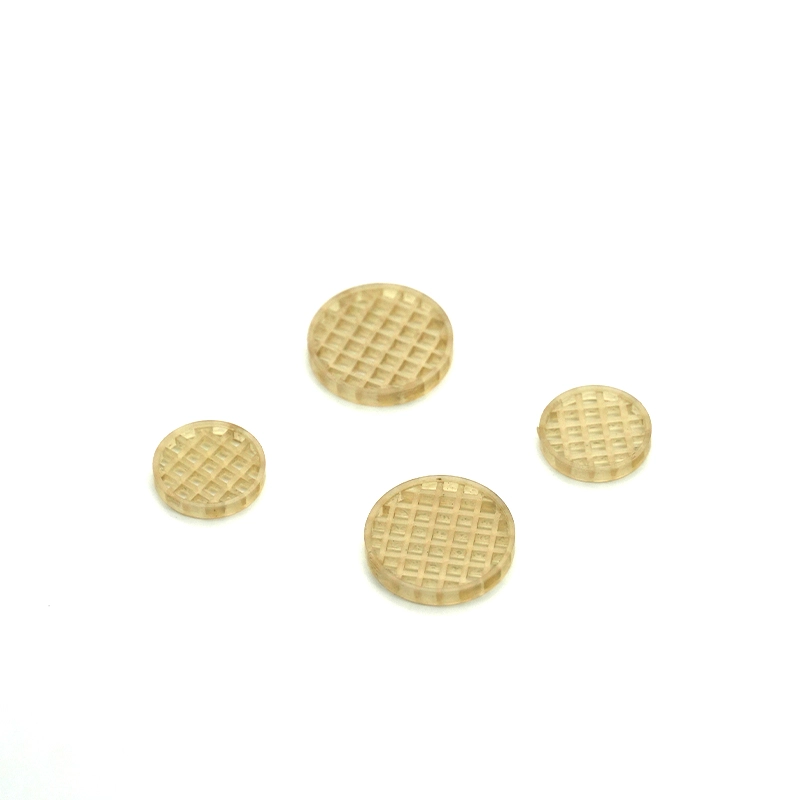
The Bost custom flow meter by injection molding with PES plastic
The Bost Custom PES Injection-Molded Flow Meter offers high-temperature and corrosion resistance, ideal for industrial use. Made with durable PES plastic via precision injection molding, this flow meter ensures reliable, customized performance for demanding applications. Trust Bost for quality and innovation.
Get in touch with Bost
Have any questions or concerns about our products? Please leave us a message here, and our team will get back to you promptly.

24 hours quotes delivered
Submit CAD files, get quote in 24 hours

No MOQ required
From prototyping to high-volume

±0.02 mm Precision
Advanced CNC with full inspections

1,000+ tons in stock
26 materials ready to ship
© 2026 BOST. All Rights Reserved.